
Health
THE IMPORTANCE OF EXERCISE


MAYO CLINIC – Want to feel better, have more energy and even add years to your life? Just exercise.
The health benefits of regular exercise and physical activity are hard to ignore. Everyone benefits from exercise, regardless of age, sex or physical ability.
Need more convincing to get moving? Check out these seven ways exercise can lead to a happier, healthier you.
1. Exercise controls weight
Exercise can help prevent excess weight gain or help maintain weight loss. When you engage in physical activity, you burn calories. The more intense the activity, the more calories you burn.

Regular trips to the gym are great, but don’t worry if you can’t find a large chunk of time to exercise every day. Any amount of activity is better than none at all. To reap the benefits of exercise, just get more active throughout your day — take the stairs instead of the elevator or rev up your household chores. Consistency is key.
2. Exercise combats health conditions and diseases
Worried about heart disease? Hoping to prevent high blood pressure? No matter what your current weight is, being active boosts high-density lipoprotein (HDL) cholesterol, the “good” cholesterol, and it decreases unhealthy triglycerides. This one-two punch keeps your blood flowing smoothly, which decreases your risk of cardiovascular diseases.
Regular exercise helps prevent or manage many health problems and concerns, including:
- Stroke
- Metabolic syndrome
- High blood pressure
- Type 2 diabetes
- Depression
- Anxiety
- Many types of cancer
- Arthritis
- Falls
It can also help improve cognitive function and helps lower the risk of death from all causes.
3. Exercise improves mood
Need an emotional lift? Or need to blow off some steam after a stressful day? A gym session or brisk walk can help. Physical activity stimulates various brain chemicals that may leave you feeling happier, more relaxed and less anxious.
You may also feel better about your appearance and yourself when you exercise regularly, which can boost your confidence and improve your self-esteem.
4. Exercise boosts energy

Winded by grocery shopping or household chores? Regular physical activity can improve your muscle strength and boost your endurance.
Exercise delivers oxygen and nutrients to your tissues and helps your cardiovascular system work more efficiently. And when your heart and lung health improve, you have more energy to tackle daily chores.
5. Exercise promotes better sleep
Struggling to snooze? Regular physical activity can help you fall asleep faster, get better sleep and deepen your sleep. Just don’t exercise too close to bedtime, or you may be too energized to go to sleep.
6. Exercise puts the spark back into your sex life
Do you feel too tired or too out of shape to enjoy physical intimacy? Regular physical activity can improve energy levels and increase your confidence about your physical appearance, which may boost your sex life.
But there’s even more to it than that. Regular physical activity may enhance arousal for women. And men who exercise regularly are less likely to have problems with erectile dysfunction than are men who don’t exercise.
7. Exercise can be fun … and social!
Exercise and physical activity can be enjoyable. They give you a chance to unwind, enjoy the outdoors or simply engage in activities that make you happy. Physical activity can also help you connect with family or friends in a fun social setting.
So take a dance class, hit the hiking trails or join a soccer team. Find a physical activity you enjoy, and just do it. Bored? Try something new, or do something with friends or family.
The bottom line on exercise

Exercise and physical activity are great ways to feel better, boost your health and have fun. For most healthy adults, the Department of Health and Human Services recommends:
- At least 150 minutes a week of moderate aerobic activity or 75 minutes a week of vigorous aerobic activity, or a combination of moderate and vigorous activity. The guidelines suggest that you spread this exercise throughout the week. Examples include running, walking or swimming. Even small amounts of physical activity are helpful, and accumulated activity throughout the day adds up to provide health benefits.
- Strength training exercises for all major muscle groups at least two times a week. Examples include lifting free weights, using weight machines or doing body-weight training.
Spread your activities throughout the week. If you want to lose weight, meet specific fitness goals or get even more benefits, you may need to ramp up your moderate aerobic activity to 300 minutes or more a week.
Remember to check with your doctor before starting a new exercise program, especially if you have any concerns about your fitness, haven’t exercised for a long time, have chronic health problems, such as heart disease, diabetes or arthritis.
MAYO CLINIC: https://www.mayoclinic.org/healthy-lifestyle/fitness/in-depth/exercise/art-20048389





NASSAU, Bahamas — More Bahamians are accessing HIV and sexually transmitted infection-related healthcare through National Health Insurance, a trend the NHI Authority says should be viewed positively.
NHIA stressed in an August 6 statement that its 2025 figures measure healthcare utilisation, not newly diagnosed infections. They include beneficiaries screened, treated, monitored or receiving follow-up care, including people diagnosed previously.
“Increased utilisation of these services should be viewed as a positive development,” NHIA said.
The Authority pointed to “greater enrolment and use of NHI, improved access to screening and testing, continued treatment and monitoring of existing conditions, and increased willingness to seek medical care.”
The development comes amid a mixed three-year HIV picture. New diagnoses rose from 130 in 2023 to 156 in 2024, before declining to 142 in 2025.
NHIA said increased utilisation demonstrates that more beneficiaries are accessing needed healthcare and actively managing their health, reinforcing the importance of screening, early diagnosis and continued treatment.
WASHINGTON, D.C. — The Americas has recorded 47,459 confirmed measles cases and 44 deaths in 2026, the region’s highest case count in 22 years, prompting the Pan American Health Organization (PAHO) to urge stronger vaccination, surveillance and rapid outbreak response.
As of July 18, cases were already more than triple the 15,011 recorded during all of 2025. Guatemala, Mexico, the United States and Peru account for 95% of confirmed cases. Guatemala leads with 30,371 cases and 26 deaths, followed by Mexico with 12,255 cases and 17 deaths.
PAHO classifies the regional public health risk as very high, citing active outbreaks, immunity gaps, international travel and populations with inadequate vaccination coverage.
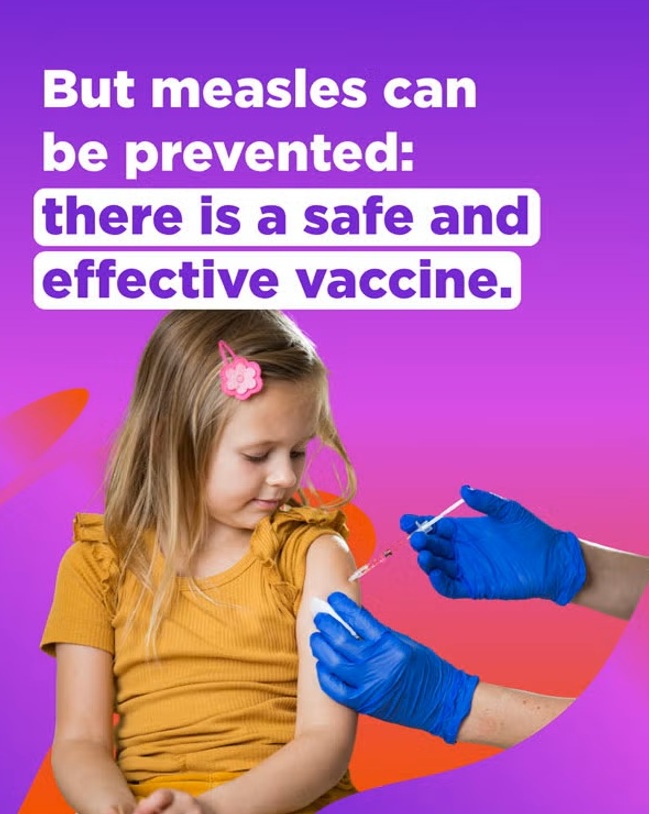
The organization says prevention starts with vaccination. Countries are being urged to achieve and maintain at least 95% coverage with two doses of measles-containing vaccine, particularly protecting children and under-vaccinated communities.
Measles spreads through the air when an infected person breathes, coughs or sneezes. Symptoms can include fever, cough, runny nose, red eyes and a rash.
PAHO is urging health authorities to detect suspected cases early and respond rapidly to stop transmission. Unvaccinated and under-vaccinated people, young children and communities with limited healthcare access face increased risk of severe illness and death.
Caribbean News
From Pathways to Investment: Tackling the US $6 Billion Food Challenge for the Caribbean
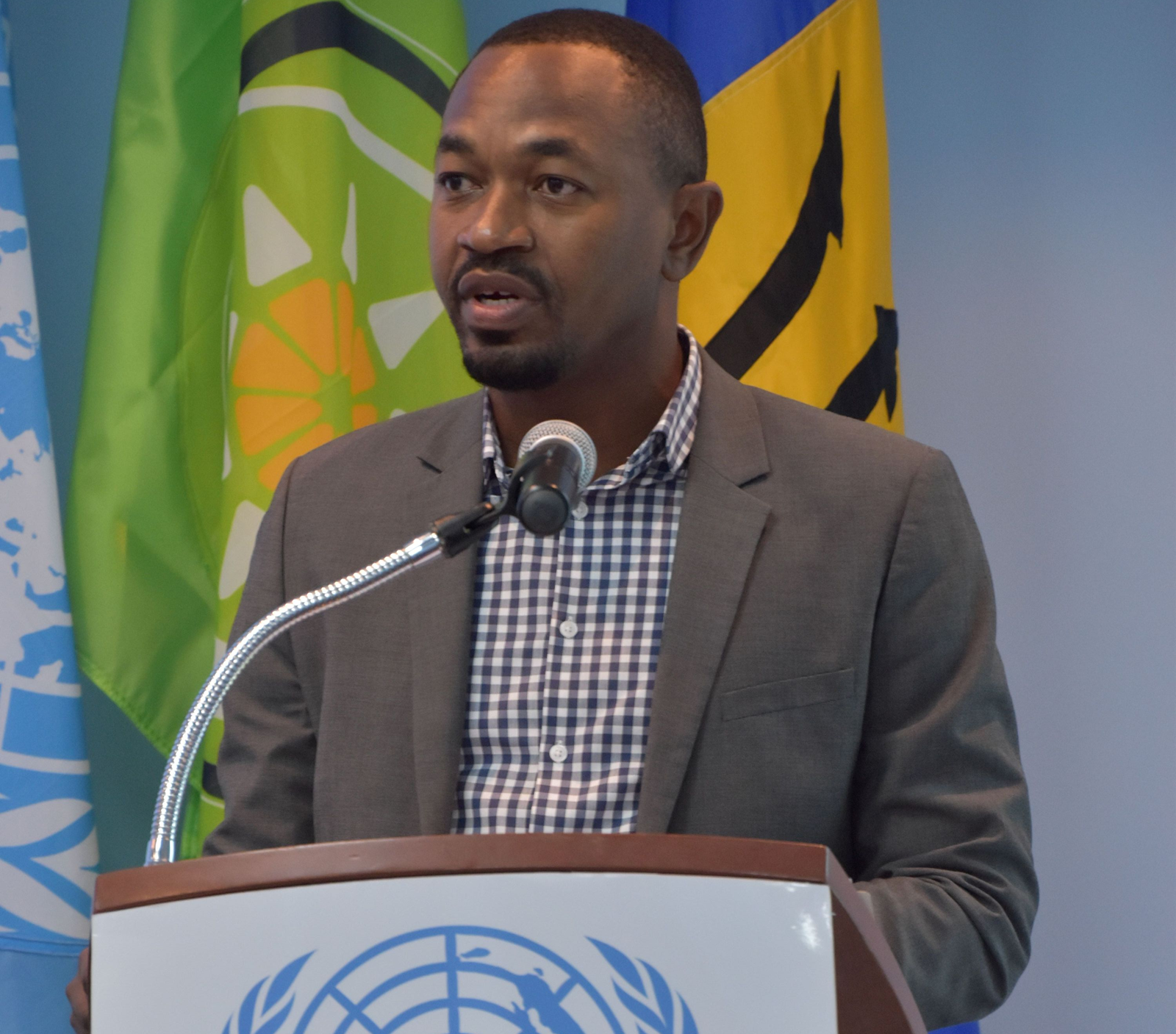
By Kenroy Roach
The Caribbean’s food systems challenge is fast evolving into a broader development challenge.
Despite decades of policy attention and investment, the region remains one of the most food import-dependent in the world, spending over US$6 billion annually. At the same time, countries continue to grapple with food insecurity, high rates of diet-related non-communicable diseases, climate vulnerability, and exposure to external shocks that can disrupt supply chains and drive up food prices almost overnight.
For Small Island Developing States (SIDS), food security has shifted from an agriculture focus alone, it’s about economic resilience, health, climate resilience and sustainable growth.
Recognizing this reality, Caribbean governments have elevated food systems transformation as a regional priority through the CARICOM 25 x 25 Plus Five Agenda, which seeks to reduce food import dependence while strengthening domestic production, regional trade, and resilience. Across Barbados and the Eastern Caribbean, governments have also developed National Food Systems Pathways that identify the investments, partnerships, and policy reforms needed to transform food systems and accelerate progress toward the Sustainable Development Goals (SDGs).
Yet one challenge has remained persistent: financing.
In the face of high levels of public debt and limited fiscal space, while public investment remains critical, Caribbean governments simply cannot shoulder the financing burden alone. Transforming food systems at scale requires mobilizing far greater private capital, alongside development finance and public resources.
This was the rationale behind the recent convened in Barbados.
The Forum brought together governments, investors, international financial institutions, private sector leaders, regional organizations, and the United Nations around a simple proposition: food systems should be viewed not only as a development priority, but also as an investable asset class.
A distinguishing feature of the innovative gathering was its focus on attracting private investment—particularly private equity, impact investment, and blended finance solutions capable of supporting businesses and infrastructure across food value chains. By helping enterprises access growth capital and connecting investors with scalable opportunities, the initiative sought to unlock financing that complements public investment rather than adding to already constrained public balance sheets.
A key outcome was the launch of a regional Deal Book comprising approximately US$320 million in investment opportunities across seven countries, spanning agriculture, fisheries, agro-processing, logistics, and strategic food systems infrastructure. The Deal Book created a practical bridge between capital seeking opportunities and opportunities seeking capital, while enabling direct engagement between governments, enterprises, and investors.
The results were encouraging.
Across four sector-focused deal rooms, participants explored investment-ready and near-investment-ready opportunities and discussed blended finance private equity, risk-sharing, and partnerships to advance projects toward implementation.
The Forum highlighted a shift in perspective: food systems are now seen as strategic drivers of economic diversification, resilience, competitiveness, and growth. Investments across production, processing, logistics, and distribution can strengthen regional supply chains, create new businesses, generate jobs, and reduce vulnerability to external shocks.
For the United Nations, this experience reinforced an important lesson.
Transforming food systems requires more than the technical expertise of individual agencies. It requires integrated solutions that connect agriculture, nutrition, health, climate resilience, trade, private sector development, and financing.
This is where the Resident Coordinator System plays a critical role.
Across Barbados and the Eastern Caribbean, the Resident Coordinator Office has united UN system capabilities around a common food systems agenda. Working with FAO, WFP, the UN Food Systems Coordination Hub, and other partners, the RCO has helped align policy support, technical expertise, partnerships, and financing with nationally identified priorities.
The Forum demonstrated this integrated approach by convening governments, investors, development finance institutions, private sector actors, and UN agencies around a common objective. It showcased the UN’s comparative advantage as a trusted broker capable of connecting development priorities with investment opportunities.
The Forum’s success will be measured not by dialogue generated, but by investments mobilized, businesses expanded, and progress made toward resilient, competitive Caribbean food systems across the Caribbean.
Its most important outcome may therefore be what comes next.
The work starts now.
Kenroy Roach is Head of the UN Resident Coordinator Office for Barbados and the Eastern Caribbean





-

 News1 week ago
Beaches Turks & Caicos shares dining etiquette training at Provo youth summer camp
-

 News4 days ago
BermudAir Launches New York Area’s First Nonstop Service to South Caicos, Now Just a 3.5 Hour Flight from Newark
-

 News6 days ago
Salt Cay Water Shortage Unresolved as Residents Question Promised Relief
-

 Bahamas News4 days ago
Bahama Brass Band Invitation Sparks Heritage Debate Ahead of TCI Constitutional Holiday
-
 Bahamas News4 days ago
CBC Supports Opportunities for Young Bahamian Basketball Players