
News
Cayman -Mckeeva Bush Ran Up $33k Debt – Trial Begins






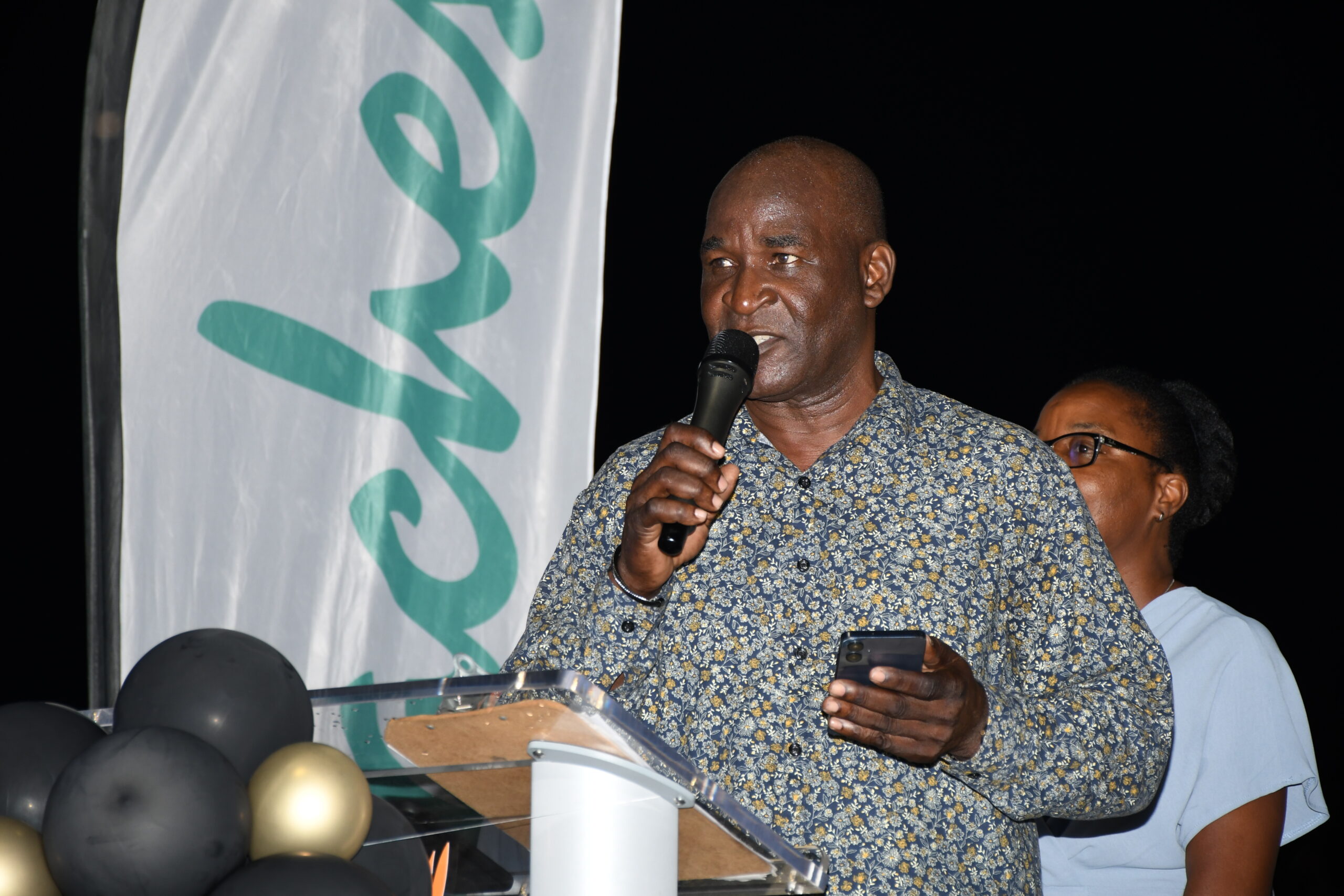
PROVIDENCIALES, Turks & Caicos Islands: — Beaches Turks and Caicos continued its strong commitment to sports development in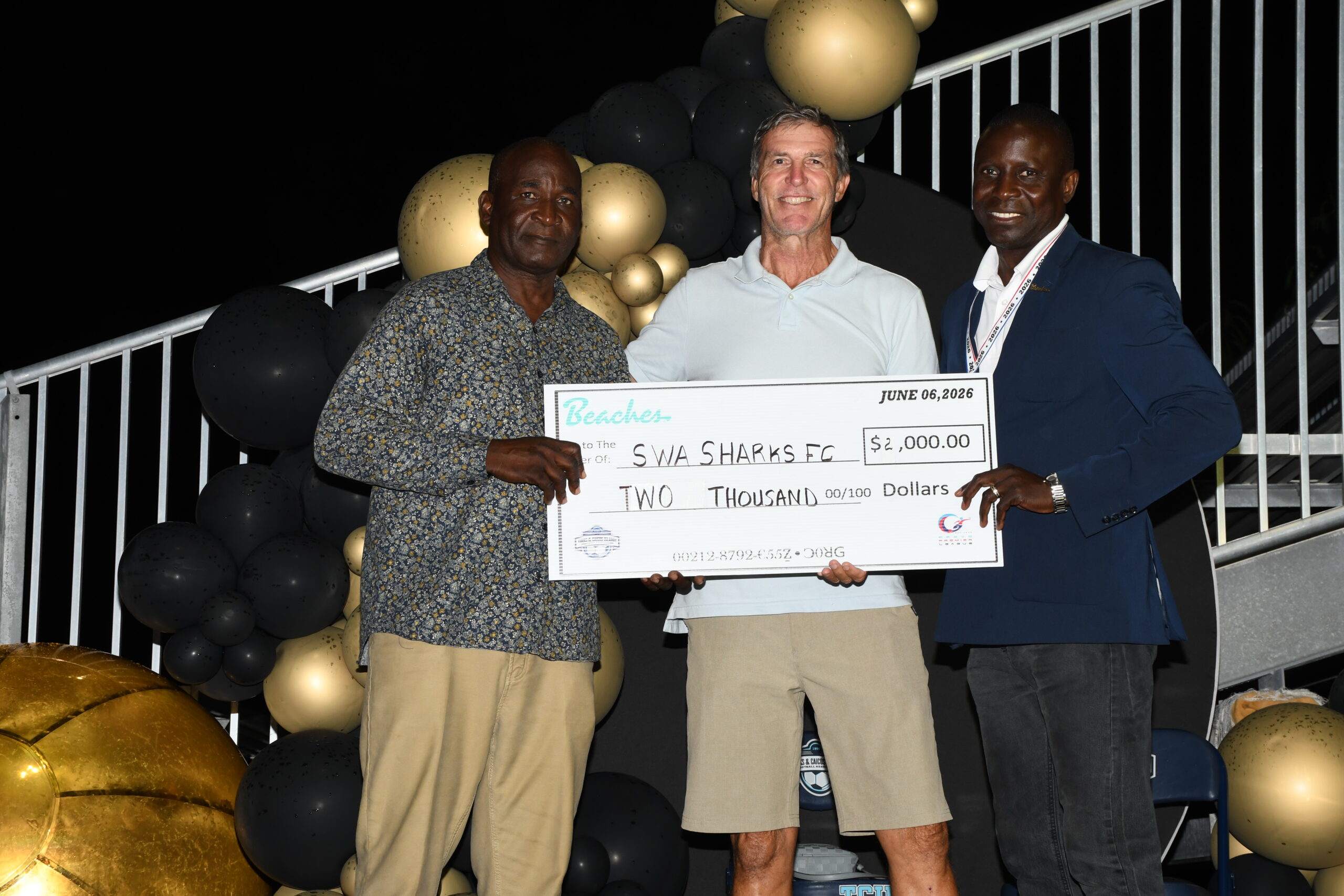 the Turks and Caicos Islands with its sponsorship of the 2025/2026 Provo Men’s Premier League, a partnership that has significantly elevated the competition for a second consecutive year.
The season, which saw an increase in participating teams and heightened competitiveness across the league, has been widely regarded as one of the most successful in recent years. The top honours were shared between two of the league’s most dominant sides, SWA Sharks FC and Academy Eagles FC, both delivering consistent and high-level performances throughout the campaign.
Turks and Caicos Islands Football Association (TCIFA) Technical Director Dane Ritchie highlighted the critical role Beaches Turks and Caicos played in strengthening the league’s structure and overall quality.
“The sponsorship from Beaches Turks and Caicos for the second year helped tremendously in making the competition a success,” Ritchie said. “This season we were able to have a more structured programme with the inclusion of youth talents coming to the fore, as well as the improvement of the coaching staff for the different teams being certified by Concacaf.”
Ritchie noted that the enhanced organisation of the league created more opportunities for emerging players, while also raising the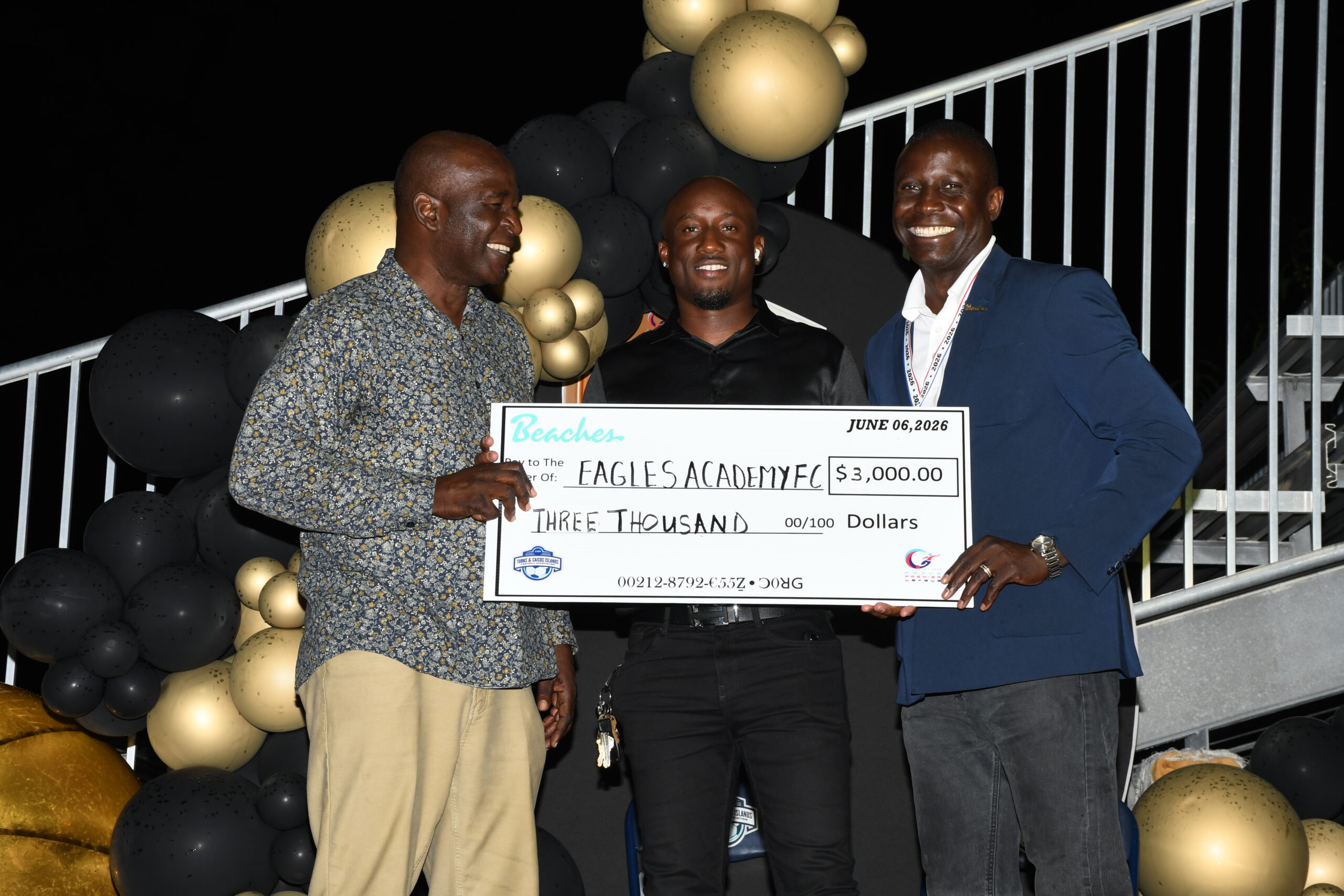 standard of coaching and match preparation. The integration of youth talent into senior teams was particularly impactful, signaling a positive shift toward long-term player development within the territory.
Provo Men’s Premier League President Patrick Baptiste echoed these sentiments, describing the season as a milestone for both football and youth advancement in the Turks and Caicos Islands.
“This was a very good year for football and youth development,” Baptiste said. “We were able to overcome a few challenging moments, but the overall grade for this season is an A.”
Baptiste emphasised that the continued support from Beaches Turks and Caicos has been instrumental in driving the league forward, providing much-needed financial backing and stability.
“With a title sponsor like Beaches Turks and Caicos providing the financial support again for this season, we are grateful,” he added. “We have come a far way and we still have a way to go, but the TCIFA team has been charged to continue to be creative in our marketing and being more inclusive in how we seek to showcase the talents of the TCI.”
Beaches Turks and Caicos Resort General Manager Deryk Meany also expressed satisfaction with the partnership and the overall progress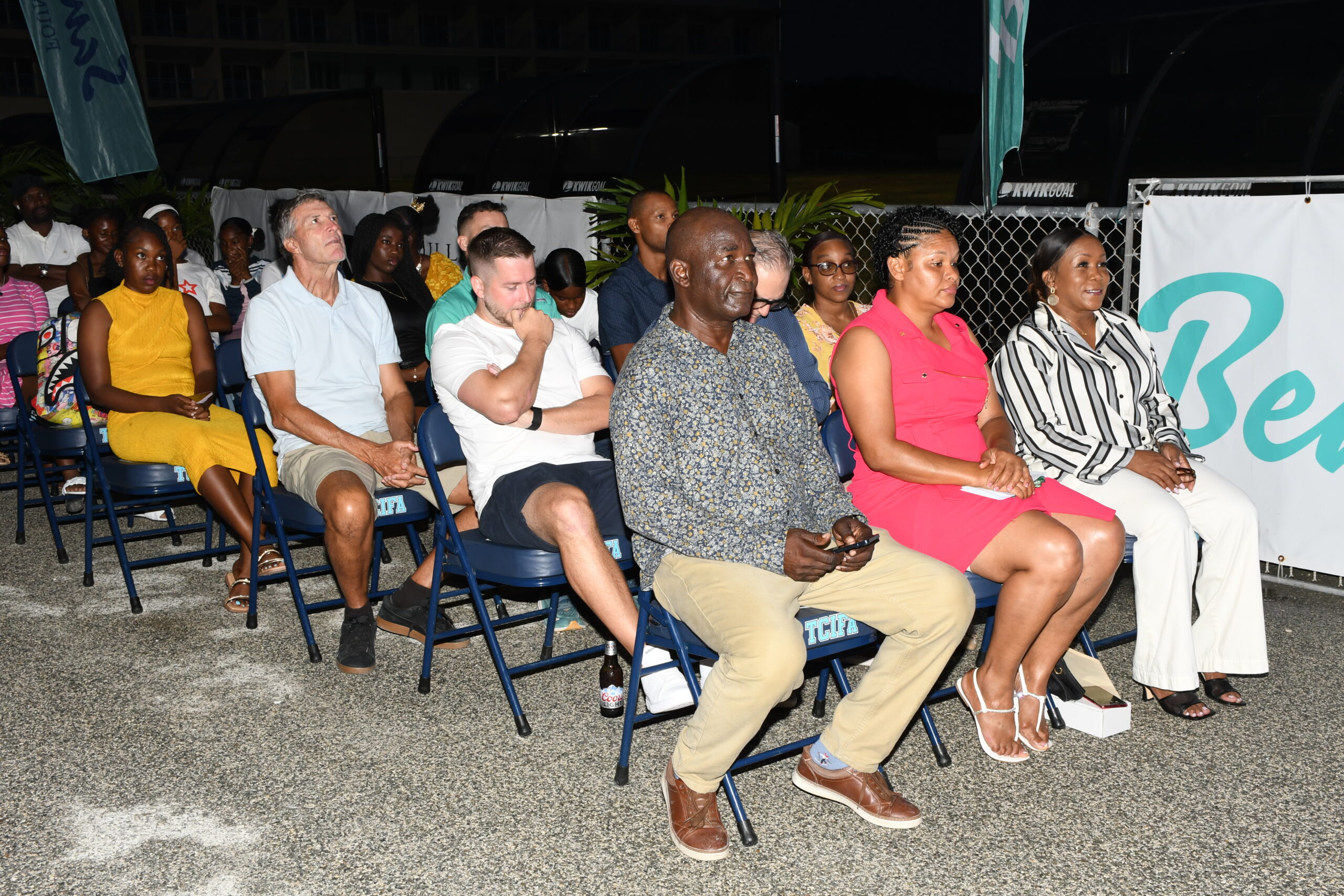 of the league.
“Our commitment to youth development and the growth of sports and community throughout the TCI is of paramount importance to us as an organisation,” Meany said. “We are satisfied with this partnership and being the main sponsor is a major accomplishment for the resort. We are happy to have fielded a team this season that was placed fourth in the knockout round of the competition. We are seeking to continue to provide growth for our team members as well as the development of talent throughout the TCI.”
The 2025/2026 season also reflected broader efforts to professionalize football operations locally, including improved scheduling, officiating standards and fan engagement initiatives. Matches drew increased attendance, while community interest in the sport continued to grow, particularly among young athletes aspiring to compete at higher levels.
News
Platinum Sponsor Beaches Turks & Caicos celebrates top Corporate Engagement title at DG’s 5K 2026

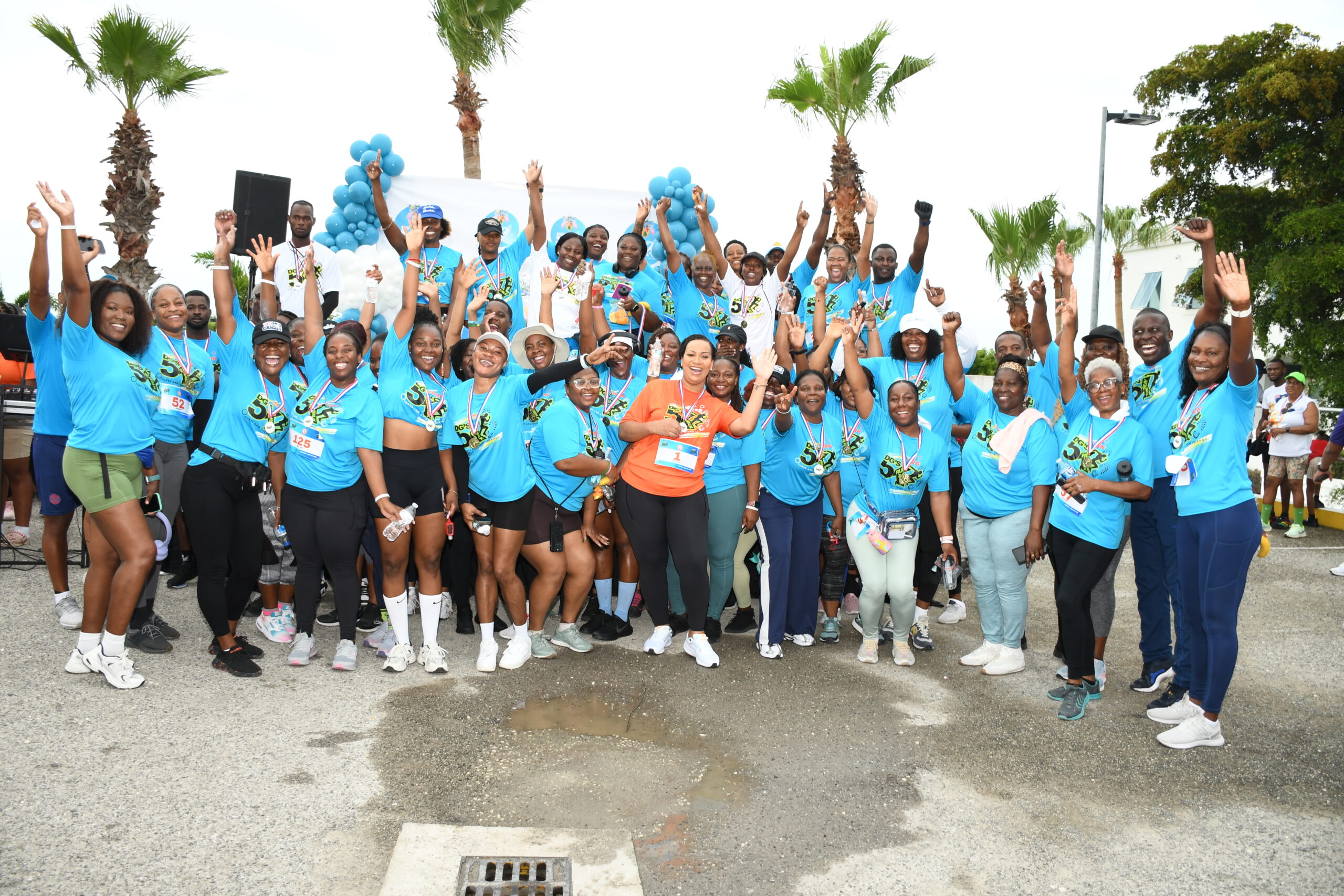
PROVIDENCIALES, Turks & Caicos Islands: — Beaches Turks and Caicos has been recognised with the corporate engagement award after fielding the largest number of participants in the second staging of the Turks and Caicos Islands Deputy Governor’s 5K Run/Walk, held recently.
The resort, which also served as a platinum sponsor for the event, mobilized an impressive team of 100 participants, demonstrating its strong commitment to community engagement, health, and philanthropy. Proceeds from the initiative will benefit three key organisations: the Turks and Caicos Islands Cancer Society, the United Way of the Turks and Caicos Islands and the Ashley Learning Centre.
General Manager Deryk Meany praised the collective effort of the Beaches team, highlighting the significance of the initiative both for employee wellness and community impact.
“This was a team effort that saw the resort mobilising a strong team to participate in this event,” Meany said. “It provided a healthy activity for participation as well as giving back to a worthy cause. Congratulations to the Deputy Governor and her organising team for staging such a successful event.”
Participants from across various departments joined the early morning run/walk, showcasing camaraderie, determination and a shared commitment to making a difference.
Hotel Manager Ghislain Boutoulle described the event as both physically rewarding and meaningful.
“The route was very good. It was challenging at first but once I got the pace of the run, it was a good morning workout that was done for a worthy cause,” Boutoulle shared. “The Beaches team were well organised and showed the grit and determination to complete the run.”
For many team members, the experience extended beyond fitness, offering opportunities for personal connection and memorable moments. Soraha Jolly from the resort’s entertainment department highlighted the event’s emotional significance.
“This was good. I got the chance to participate with my mother and we ended the run feeling healthy,” Jolly said. “The event was a combination of partnership, healthy lifestyle and camaraderie. I am looking forward to the next staging to be the first to register for the Beaches team. It was a great experience for the entire team, but a very special one for me and my mom.”
Deputy Governor Her Excellency Anya Williams commended all participants and sponsors, with special recognition given to Beaches Turks and Caicos for its outstanding contribution.
“The three beneficiaries for this year’s staging were carefully selected to benefit from this event,” the Deputy Governor noted. “Giving back to the community, providing support for health through the Cancer Society and building a strong platform for education with the Ashley Learning Centre allowed the team to give back to a great cause.”
She continued, “We are grateful for all our sponsors but a special commendation to our platinum sponsor, the Beaches Turks and Caicos team, for not only donating but having the largest contingent of participants for this event. This is what true partnership looks like as we continue to build a strong relationship to make our community and the Turks and Caicos Islands better.”
The Deputy Governor’s 5K Run/Walk continues to grow as a signature community event, promoting wellness while raising critical funds for organisations that support health, education and social development across the islands.
Beaches Turks and Caicos’ strong showing this year underscores the resort’s ongoing commitment to corporate social responsibility and community partnership. With its record participation and enthusiastic team spirit, the resort has set a high benchmark for future events, reinforcing its role as a leader in both hospitality and community engagement in the Turks and Caicos Islands.
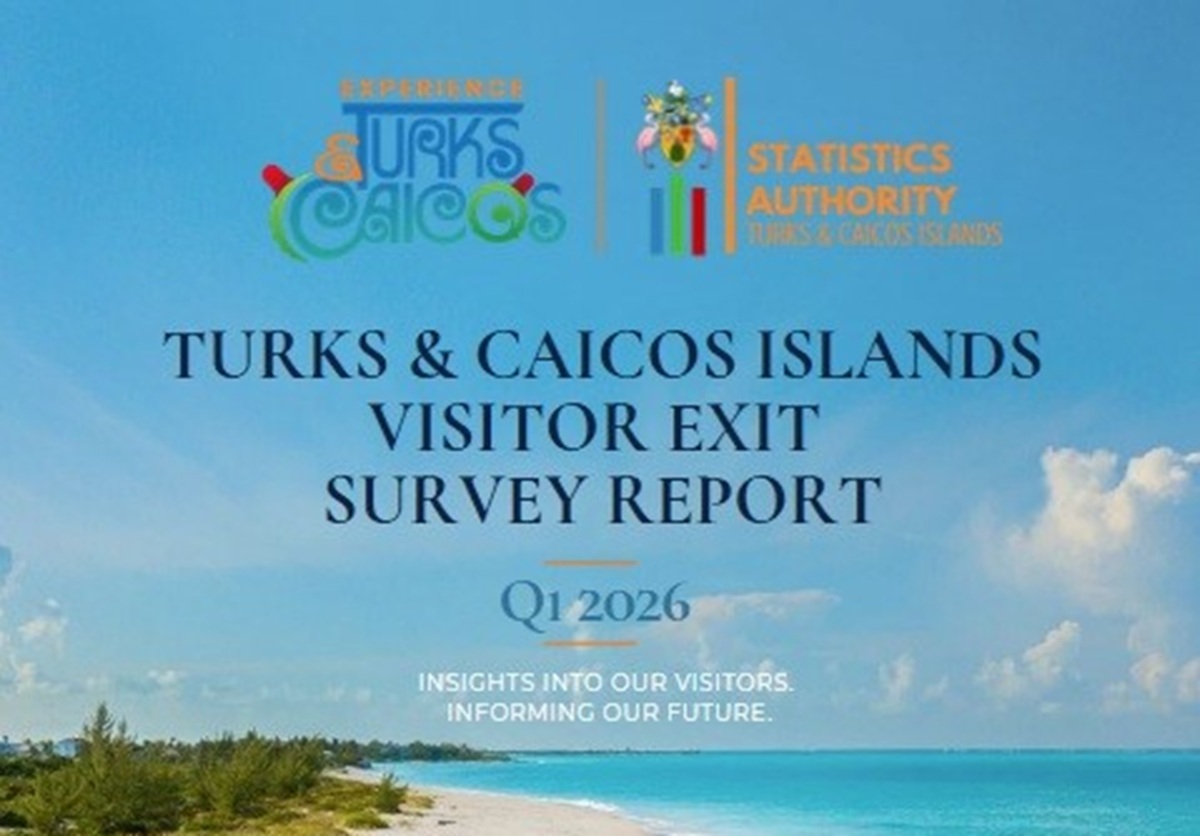
Providenciales, Turks and Caicos Islands (June 16th, 2026) — Experience Turks and Caicos, in collaboration with the Statistics Authority, has announced the completion and publication of the latest Visitor Exit Survey Report, providing enhanced insights into visitor behaviour, spending patterns and overall travel experiences in the Turks and Caicos Islands.
The Visitor Exit Survey is a joint initiative designed to better understand the characteristics of visitors to the destination, including their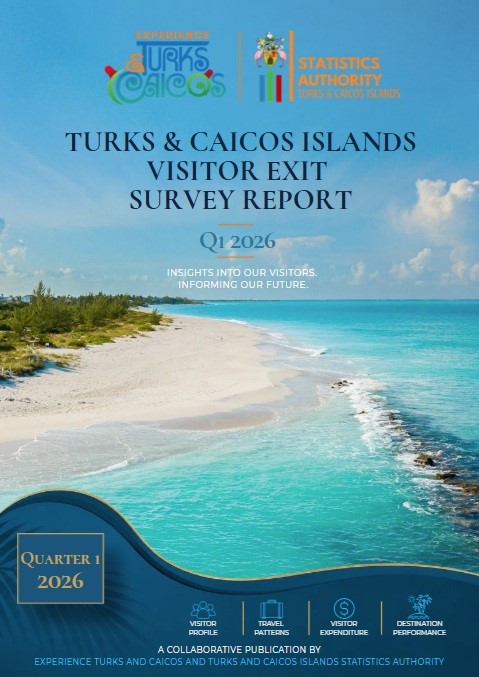 travel motivations, length of stay, expenditure, satisfaction levels and perceptions of the Turks and Caicos Islands as a tourism destination.
While exit surveys have been conducted in previous years, this latest publication marks a significant enhancement in the way tourism data is collected and shared. It introduces a new quarterly reporting framework, with surveys conducted at the end of each quarter and findings published on a more frequent basis throughout the year.
This improved reporting cycle is intended to provide more timely and actionable insights to support tourism planning, policy development, marketing strategy formulation and broader industry decision-making.
“The Statistics Authority is pleased to partner with Experience Turks and Caicos on the Visitor Exit Survey program,” said Mr. Shirlen Forbes, Director. “As tourism remains the cornerstone of our economy, reliable and timely data is essential for understanding visitor behaviour, measuring tourism’s economic impact and supporting informed decision-making. We value our ongoing collaboration with Experience Turks and Caicos and believe these quarterly reports will provide stakeholders with valuable insights to help guide the future growth and development of the industry.”
Miss Sharissa Lightbourne, Marketing Intelligence Manager of Experience Turks and Caicos, noted that the expanded approach will allow government and industry stakeholders to better track trends in visitor behaviour and assess the economic contribution of tourism beyond traditional arrival statistics.
“Data is the foundation of informed decision-making and plays a critical role in shaping the future of our tourism industry. The insights contained in this report provide a deeper understanding of who our visitors are, how they experience the destination, and how they engage with our tourism product. This information is invaluable to our hotel partners, service providers, investors and other stakeholders as they refine their business strategies, enhance the visitor experience and identify new opportunities for growth. I would like to thank the Statistics Authority for its continued collaboration and commitment to strengthening tourism intelligence in the Turks and Caicos Islands. I encourage everyone in the industry to download the report and explore the valuable insights it contains,” she said.
The findings will also support more targeted destination marketing efforts, improved visitor experience initiatives and more informed investment decisions across the tourism sector.
Experience Turks and Caicos and the Statistics Authority reaffirm their commitment to strengthening tourism intelligence and ensuring that stakeholders across the industry have access to reliable, timely and relevant data.
Download the report here: https://issuu.com/myexperiencetci/docs/tci_departing_visitor_survey_report_q1_2026





-
 News3 days ago
Platinum Sponsor Beaches Turks & Caicos celebrates top Corporate Engagement title at DG’s 5K 2026
-

 News3 days ago
Beaches Turks & Caicos wrapped up another successful Provo Men’s Premier League season
-

 News4 days ago
DDME LAUNCHES 2026 ATLANTIC HURRICANE SEASON WITH CHURCH VISITS
-
 News4 days ago
Experience Turks and Caicos and Statistics Authority Publish Latest Visitor Exit Survey Report
-
 Bahamas News4 days ago
Where to Draw the Line? TCI and Bahamas Advance Maritime Boundary Talks
-

 News4 days ago
The Cost of Unprotected Culture
-

 Caribbean News1 week ago
Whitehouse Students and Farmers Cultivate a Greener Future Through RE-LEAF Action with Sandals Foundation