Caribbean News
Dominica PM promises electoral reform will be debated in the new term


By Shanieka Smith
Staff Writer
#Dominica, November 25, 2022 – With Dominica’s general election less than two weeks away, the country is currently facing issues with its election proceedings.
Prime Minister Roosevelt Skerrit has recently defended his decision to call a snap election scheduled for December 6, two years before the constitutional deadline.
“I wish to make it clear that this new Dominica Labour Get together authorities which we’re about to re-elect shall introduce beneficial reforms as quickly as such reforms are prepared and have been imputed by all keen Dominicans residents at dwelling and overseas,” he said.
Skerrit and five other DLP candidates were nominated for seats in Parliament. The remaining 15 seats will be contested by 45 other candidates.
Meanwhile, the opposing parties, United Workers Party (UWP) and Dominica Freedom Party (DFP) have decided to boycott the elections on account that the electoral reforms have not yet been presented. The Skerrit administration said, however, that the electoral reform process is being hindered by opposition legislators who refuse to take part in the necessary debates.
Former CCJ president, Sir Dennis Byron had said the electoral reform will comprise 2 phases; he proposed to present his phase one report by the end of November. In a letter to the Prime minister and opposition leader, Byron also noted that he was working on expediting his presentation on recommendations to improve Dominica’s Electoral Process.
Addressing accusations that Dominica has a voting system unlike any other country in the world, Skerrit said the voting system is the same as it was 27 years ago.
The issue of voter identification being required was also raised by the opposition who believe this will prevent non-residents from voting. Skerrit dismissed this saying that all Dominicans, whether they live on the island or not, should have a right to vote.
“My view is that Dominica is just too small to chop itself off from the remainder of the world. Philosophically I consider that if individual works elsewhere, however, sends dwelling cash, provisions, and different enabling help to repair their household in Dominica, I Roosevelt Skerrit [do] not see why that particular person must be unilaterally far away from the voters’ checklist in Dominica.
He noted that this is not a decision he will make on his own and has asked to be advised on the matter.









Caribbean News
Pres Ali declares three days of national mourning following MV Barima tragedy July 21, 2026
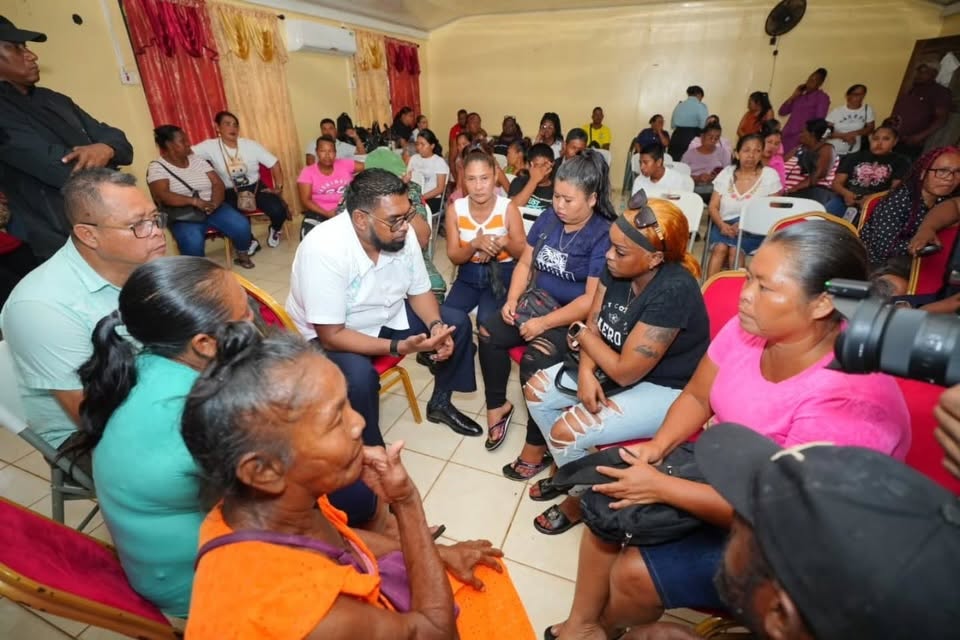
His Excellency Dr Mohamed Irfaan Ali has declared three days of national mourning following the tragic loss of lives in the M.V. Barima incident, as the nation continues to grieve alongside the families and communities affected.
The period of national mourning will be observed from Wednesday, July 22, through Friday, July 24, 2026, in honour of the victims of the tragedy. During this time, the National Flag will be flown at half-mast on all Government buildings and other appropriate locations across the country.
As part of the observances, Wednesday, July 22, has been designated a National Day of Prayer. A National Day of Prayer and Remembrance will be held at the Kingston Seawall in Georgetown, bringing together citizens in solidarity to honour the lives lost and offer support to grieving families.
The programme of remembrance will continue with a Night of Reflection and Prayer in Port Kaituma on Thursday, July 23, followed by another observance in Mabaruma on Friday, July 24.
The government is also encouraging religious organisations, civic groups and citizens throughout Guyana to organise candlelight vigils and moments of prayer during the three days as the nation collectively reflects on the tragedy and pays tribute to the victims. The declaration of national mourning underscores the government’s commitment to standing with the bereaved families and affected communities as Guyana mourns one of the country’s most heartbreaking maritime tragedies.
By Deandrea Hamilton
Cheaper shipping. Lower energy costs. Better access to healthcare. Stronger consumer protections.
Those are among the measures CARICOM Heads of Government believe could finally begin reducing the stubbornly high cost of living for millions of people across the Caribbean.
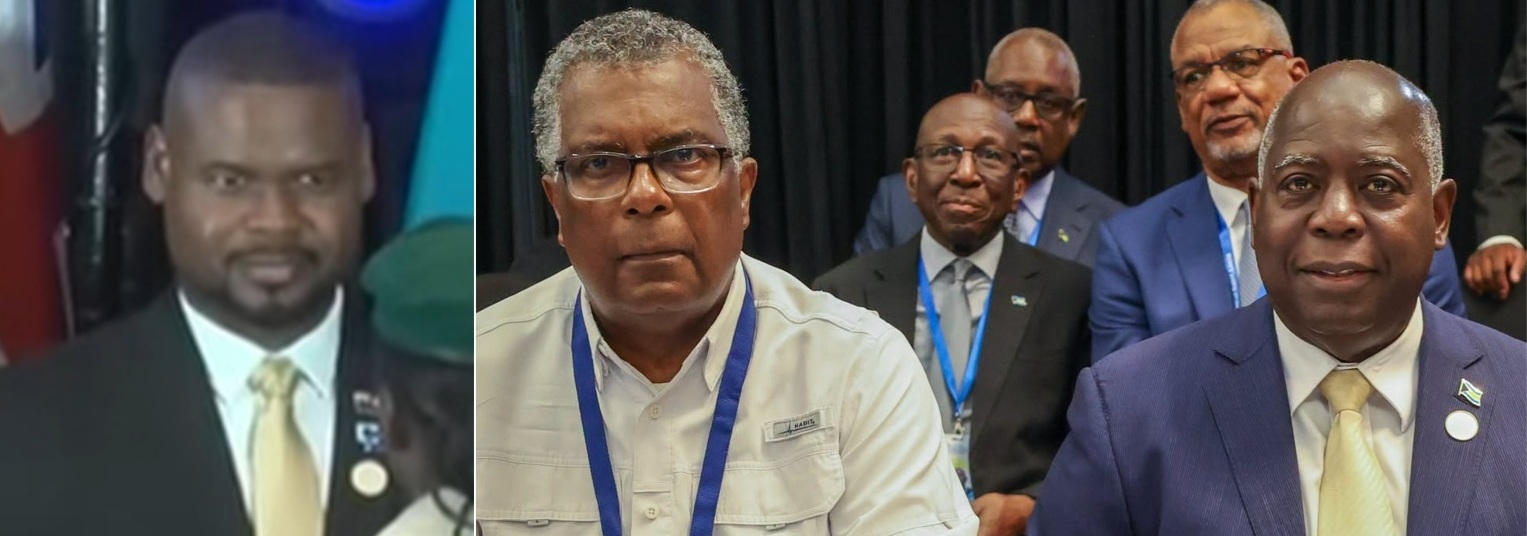
Meeting in Saint Lucia, regional leaders agreed that making life more affordable must become one of the Community’s highest priorities. Their emerging strategy includes reducing freight costs through a regional ferry service, accelerating renewable energy projects to lessen dependence on imported fuel, expanding regional healthcare partnerships, strengthening consumer protection, and encouraging governments to adopt successful cost-of-living measures already being implemented across the Caribbean.
“Our discussions over the past four days were guided by one central objective – ensuring that CARICOM delivers results that people can see and feel in their everyday lives,” CARICOM Chairman and Saint Lucia Prime Minister Philip J. Pierre said.
Few places may welcome that relief more than The Bahamas and the Turks and Caicos Islands.
Although inflation has moderated in both countries from the sharp increases experienced following the pandemic, the cost of living remains stubbornly high. Families continue to complain about grocery bills that stretch household budgets, rising housing costs, expensive electricity, healthcare expenses and fuel prices that remain among the highest in the region.
Governments have responded.
In The Bahamas, successive reductions in Value Added Tax on selected goods and other targeted tax measures have sought to ease pressure on consumers. In the Turks and Caicos Islands, the Government this weekend opens applications for its $500 Cost of Living Relief Programme, acknowledging that many households continue to struggle despite the country’s economic success.
Yet affordability remains elusive.
The contradiction is difficult to ignore.
The Turks and Caicos Islands continues to post one of the region’s strongest tourism-driven economies, with robust investment, record visitor spending and sustained construction activity. The Bahamas has also strengthened its economic position, earning improved sovereign credit ratings as tourism, government revenues and fiscal performance continue to recover.
Yet those encouraging economic indicators have not translated into noticeably lower household expenses.
The reason is largely structural.
Both The Bahamas and the Turks and Caicos Islands produce relatively little of what they consume. Food, fuel, medicines, vehicles, building materials and countless household essentials are imported. Both countries also record significant trade deficits, illustrating their dependence on overseas suppliers. Every increase in global shipping costs, fuel prices or supply chain disruptions is eventually reflected in supermarket prices, utility bills and the cost of everyday living.
That is why CARICOM’s agenda matters.
If regional leaders succeed in lowering freight costs through an inter-island ferry network, expanding renewable energy, improving regional cargo movement, strengthening consumer protections and making healthcare more accessible through cooperation, the benefits could extend far beyond government balance sheets.
For Bahamians and Turks and Caicos Islanders, success will not be measured by another tourism record or another credit rating upgrade. It will be measured at the supermarket checkout, on the monthly electricity bill, at the gas pump and in the simple ability to afford a better quality of life.
Caribbean News
From Pathways to Investment: Tackling the US $6 Billion Food Challenge for the Caribbean
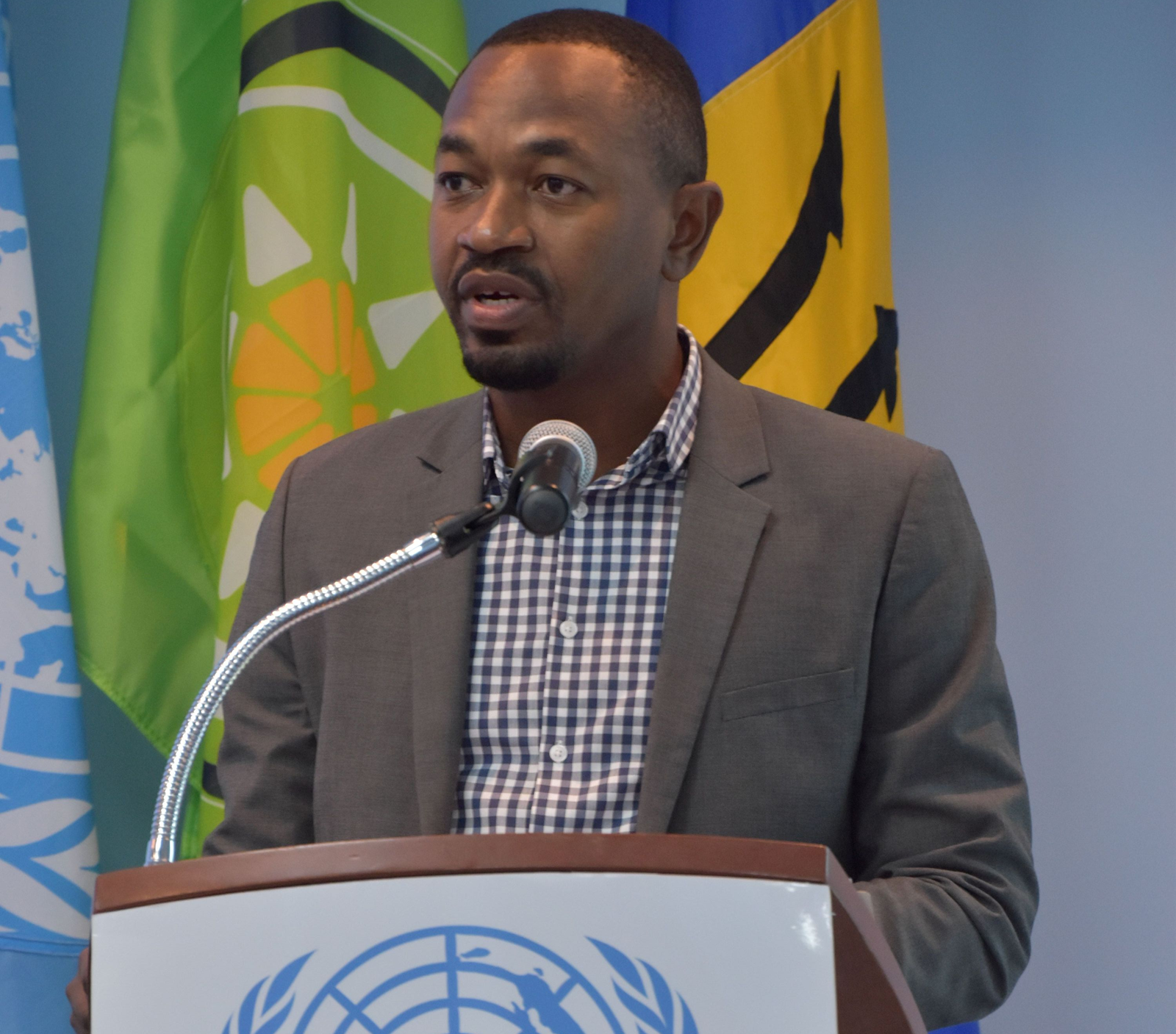
By Kenroy Roach
The Caribbean’s food systems challenge is fast evolving into a broader development challenge.
Despite decades of policy attention and investment, the region remains one of the most food import-dependent in the world, spending over US$6 billion annually. At the same time, countries continue to grapple with food insecurity, high rates of diet-related non-communicable diseases, climate vulnerability, and exposure to external shocks that can disrupt supply chains and drive up food prices almost overnight.
For Small Island Developing States (SIDS), food security has shifted from an agriculture focus alone, it’s about economic resilience, health, climate resilience and sustainable growth.
Recognizing this reality, Caribbean governments have elevated food systems transformation as a regional priority through the CARICOM 25 x 25 Plus Five Agenda, which seeks to reduce food import dependence while strengthening domestic production, regional trade, and resilience. Across Barbados and the Eastern Caribbean, governments have also developed National Food Systems Pathways that identify the investments, partnerships, and policy reforms needed to transform food systems and accelerate progress toward the Sustainable Development Goals (SDGs).
Yet one challenge has remained persistent: financing.
In the face of high levels of public debt and limited fiscal space, while public investment remains critical, Caribbean governments simply cannot shoulder the financing burden alone. Transforming food systems at scale requires mobilizing far greater private capital, alongside development finance and public resources.
This was the rationale behind the recent convened in Barbados.
The Forum brought together governments, investors, international financial institutions, private sector leaders, regional organizations, and the United Nations around a simple proposition: food systems should be viewed not only as a development priority, but also as an investable asset class.
A distinguishing feature of the innovative gathering was its focus on attracting private investment—particularly private equity, impact investment, and blended finance solutions capable of supporting businesses and infrastructure across food value chains. By helping enterprises access growth capital and connecting investors with scalable opportunities, the initiative sought to unlock financing that complements public investment rather than adding to already constrained public balance sheets.
A key outcome was the launch of a regional Deal Book comprising approximately US$320 million in investment opportunities across seven countries, spanning agriculture, fisheries, agro-processing, logistics, and strategic food systems infrastructure. The Deal Book created a practical bridge between capital seeking opportunities and opportunities seeking capital, while enabling direct engagement between governments, enterprises, and investors.
The results were encouraging.
Across four sector-focused deal rooms, participants explored investment-ready and near-investment-ready opportunities and discussed blended finance private equity, risk-sharing, and partnerships to advance projects toward implementation.
The Forum highlighted a shift in perspective: food systems are now seen as strategic drivers of economic diversification, resilience, competitiveness, and growth. Investments across production, processing, logistics, and distribution can strengthen regional supply chains, create new businesses, generate jobs, and reduce vulnerability to external shocks.
For the United Nations, this experience reinforced an important lesson.
Transforming food systems requires more than the technical expertise of individual agencies. It requires integrated solutions that connect agriculture, nutrition, health, climate resilience, trade, private sector development, and financing.
This is where the Resident Coordinator System plays a critical role.
Across Barbados and the Eastern Caribbean, the Resident Coordinator Office has united UN system capabilities around a common food systems agenda. Working with FAO, WFP, the UN Food Systems Coordination Hub, and other partners, the RCO has helped align policy support, technical expertise, partnerships, and financing with nationally identified priorities.
The Forum demonstrated this integrated approach by convening governments, investors, development finance institutions, private sector actors, and UN agencies around a common objective. It showcased the UN’s comparative advantage as a trusted broker capable of connecting development priorities with investment opportunities.
The Forum’s success will be measured not by dialogue generated, but by investments mobilized, businesses expanded, and progress made toward resilient, competitive Caribbean food systems across the Caribbean.
Its most important outcome may therefore be what comes next.
The work starts now.
Kenroy Roach is Head of the UN Resident Coordinator Office for Barbados and the Eastern Caribbean