
TCI News
Turks and Caicos Delegation Advances National ICT Agenda at 40th Anniversary CANTO Annual Conference


Providenciales, Turks and Caicos Islands, 23 July 2025 – The Honourable Otis Morris, Minister for Public Safety and Utilities, led the Turks and Caicos Islands (“TCI”) delegation to the 40th Annual Conference and Trade Exhibition of the Caribbean Association of National Telecommunications Organizations (“CANTO”), held from July 13th to 16th, 2025, in Nassau, The Bahamas. He was accompanied by senior officials of the Turks and Caicos Islands Telecommunications Commission (“TCITC”), the statutory body responsible for regulating and guiding the development of the national telecommunications sector.
The delegation’s participation in this high-level conference reaffirmed the Turks and Caicos Islands’ commitment to regional collaboration and policy leadership in the information and communication technology (“ICT”) space. The Telecommunications Commission, as the primary regulator, plays a critical role in promoting digital transformation, ensuring fair competition, expanding infrastructure, and safeguarding consumer interests. Its presence at the conference underscored the importance of regional engagement in shaping resilient, future-ready telecommunications ecosystems.
At the conference, the delegation engaged in a series of bilateral and multilateral discussions aimed at enhancing TCI’s connectivity and regulatory frameworks. Strategic meetings were held with executives from FLOW and Digicel to discuss network expansion and improved service quality, while a pivotal engagement with Ookla, the global leader in broadband analytics, focused on leveraging network intelligence tools to map service disparities across the Islands.
The delegation also took part in technical forums and working sessions that explored best practices in spectrum management, cybersecurity, rural broadband access, and the development of smart infrastructure. These sessions provided valuable insight into how similarly positioned small island nations are navigating regulatory innovation, public-private partnerships, and digital inclusion.
This year’s CANTO conference, held under the theme “Towards a Unified and Sustainable Caribbean Gigabit Society, “convened more than 700 delegates from 52 countries. Among the keynote speakers were U.S. Federal Communications Commission Chairman Brendan Carr and ITU Secretary-General Doreen Bogdan-Martin. They, along with the Hon. Philip “Brave” Davis, Prime Minister of The Bahamas, emphasized the urgency of closing the regional digital divide and the need for harmonized digital policy.
Established in 1985, CANTO is the region’s premier ICT trade association, serving as a forum for governments, regulators, service providers, and innovators to work collaboratively toward a digitally connected Caribbean. The Turks and Caicos Islands, through the Telecommunications Commission, has long maintained an active and respected presence within CANTO, contributing to policy development and supporting efforts to enhance the digital capabilities of small island developing states.
Reflecting on the conference, Minister Morris remarked:
“Attending this milestone event was both an honour and a timely opportunity to collaborate with regional leaders on the future of telecommunications in the Caribbean. The insights gained on digital equity, investment, and innovation will directly support our mission to deliver future-ready, inclusive, and resilient ICT services to the people of the Turks and Caicos Islands.”
He further praised the Telecommunications Commission for its continued leadership and proactive approach to modernizing TCI’s digital infrastructure. “The Commission has demonstrated unwavering commitment to the advancement of the sector, ensuring that Turks and Caicos remains at the forefront of digital transformation in the region,” Minister Morris stated.
The Turks and Caicos Islands delegation returned from the conference equipped with renewed perspectives, valuable partnerships, and practical tools to support the Government’s broader vision of a connected, competitive, and inclusive digital future.






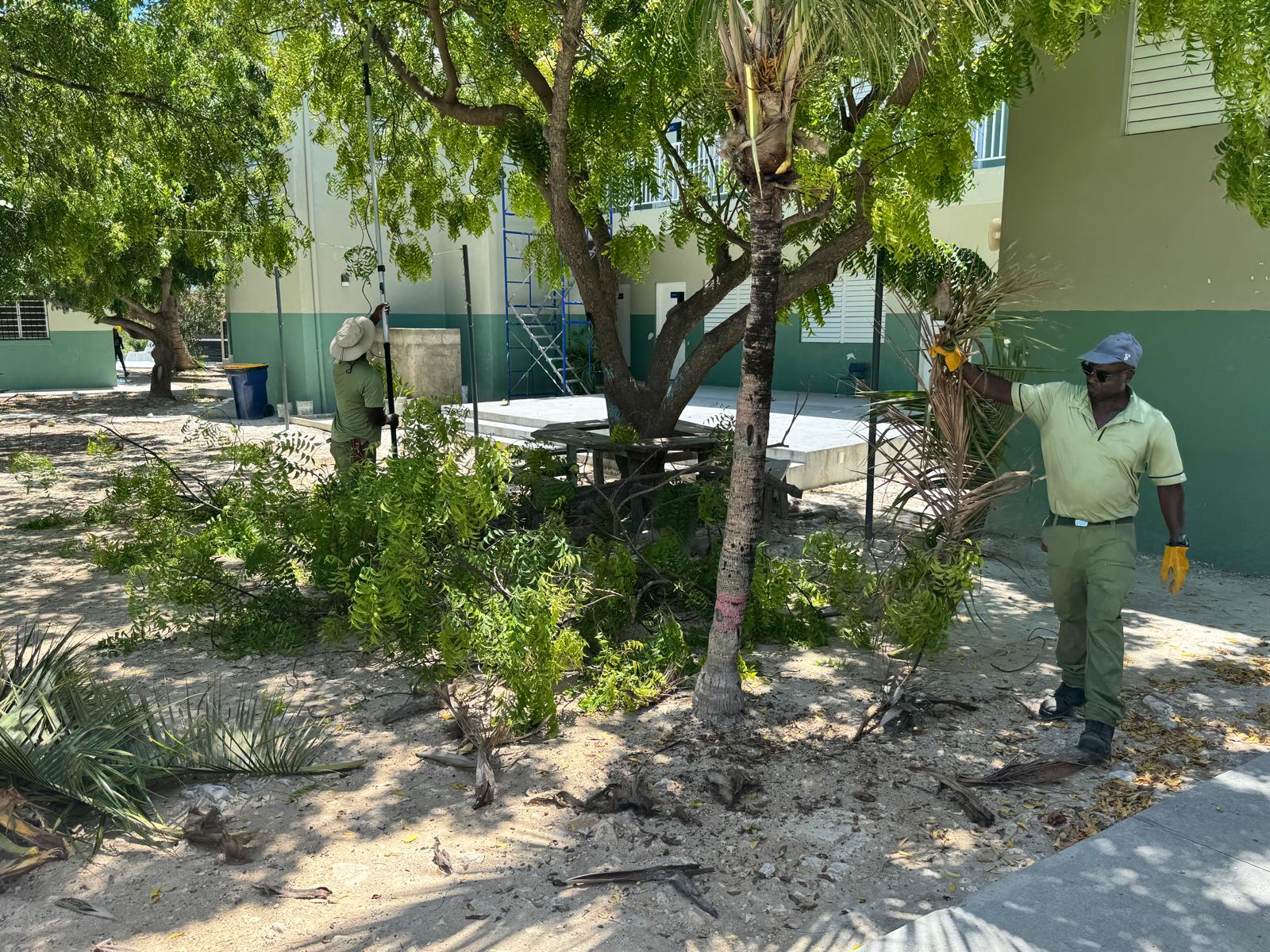
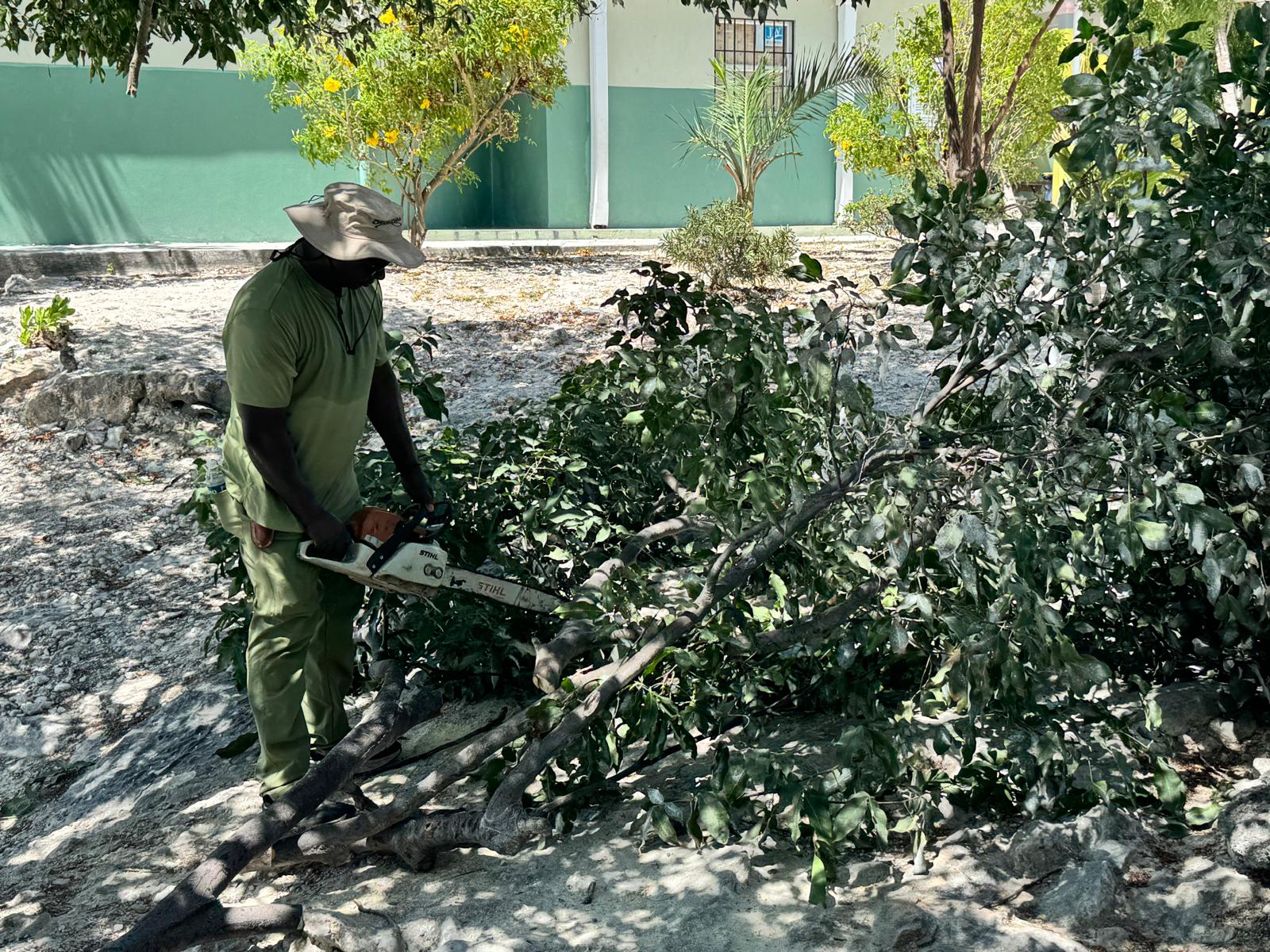
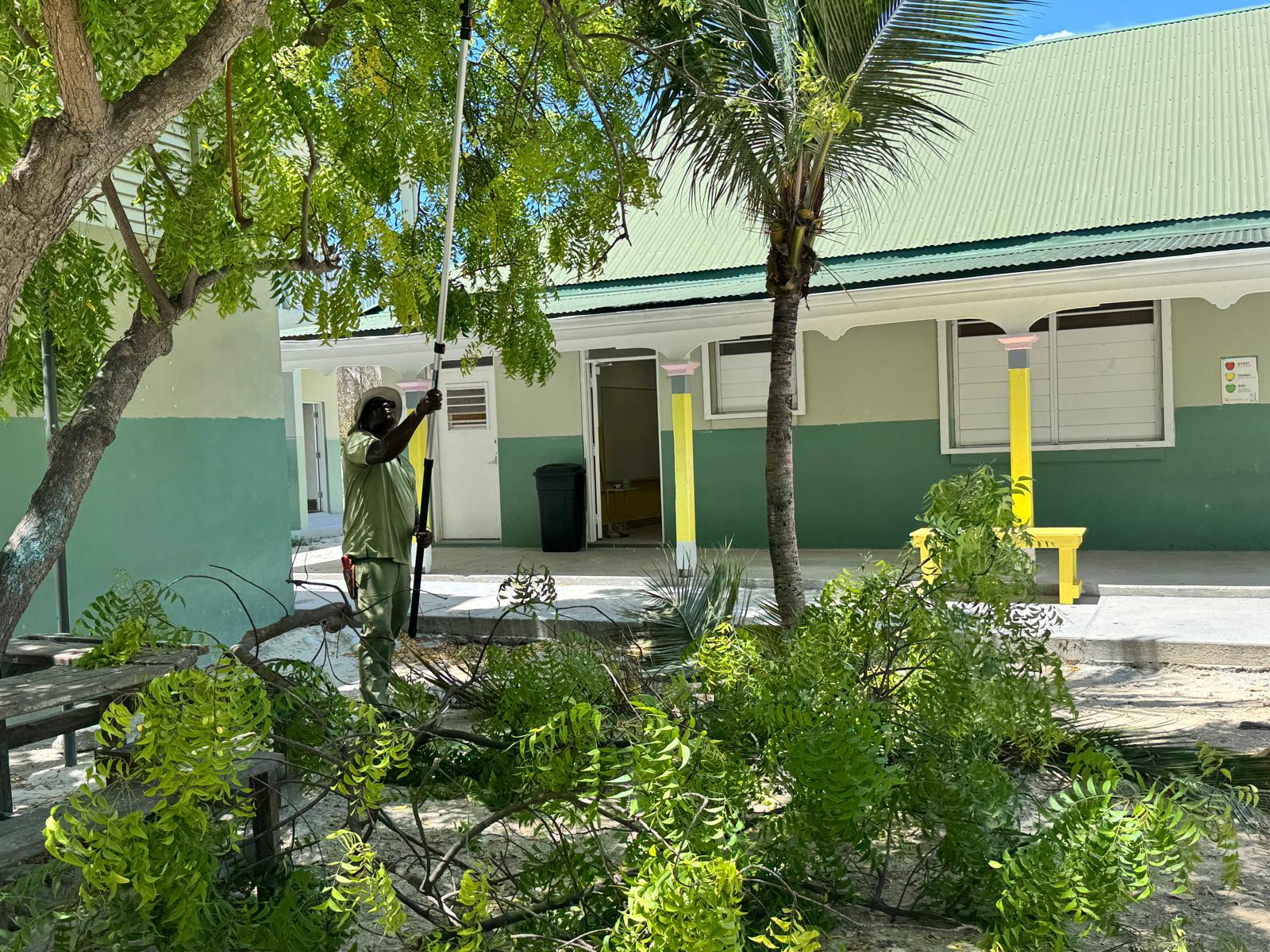
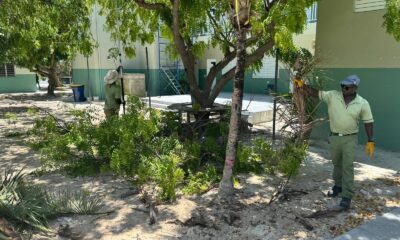
PROVIDENCIALES, Turks & Caicos Islands: — Beaches Turks and Caicos has refreshed the grounds of Enid Capron Primary School in Five Cays, Providenciales, ahead of the new school year, with a landscaping team from the resort, pruning and cutting back overgrown branches to give the campus a cleaner, safer look.
The project focused on the school’s exterior plantings, where tangled growth had begun to encroach on walkways and outdoor learning areas. The team spent time trimming hedges, thinning dense shrubs and removing deadwood to improve sightlines and airflow around the buildings.
Assistant Landscaping Manager, Kemar Jones said the work at Enid Capron is a regular priority for the department, which views community giving as a core part of its mandate. He noted that supporting local schools, particularly through hands-on environmental work, has long been a focus area for his team.
Jones, said the effort reflects the group’s wider commitment to the islands. “As a team, our goal is to give back to our communities and especially providing support for the environment and education,” Jones noted. “The team is always ready to share our skills with making the school environment more comfortable for our students and teachers.”
General Manager Deryk Meany framed the project as part of Beaches’ broader approach to working alongside the community beyond the resort gates. “At Beaches Turks and Caicos, we operate as a team not only within the confines of the resort but also with our communities,” Meany added. “Being able to share our varied skills is always our main focus. Providing a comfortable learning environment allows for a greater relationship with our educational collaborators.”
He added that the resort seeks opportunities to support range of school-based initiatives, from environmental and leadership clubs to creative programmes.
Minister of Education, Youth, Sports and Culture Hon. Rachel Taylor described the landscaping mission as a continuation of a long- standing relationship between the Ministry and Beaches Turks and Caicos. “This mission from our major private sector supporter, Beaches Turks and Caicos is a long standing activity,” Taylor said. “At Enid Capron Primary School, we are treated as family. Once we reach out to the resort, they have always responded in a positive way.”
Hon. Taylor said the support is particularly valuable in the areas of education and community development, where consistent private-sector engagement can amplify government efforts.
Nelene Swann, vice principal at Enid Capron Primary welcomed the refreshed grounds as a boost to morale before classes resume. “This is what true collaboration looks like,” she noted. “This is more than a facelift for the school. The team from Beaches Turks and Caicos has shown true commitment in adding to this learning environment for our students and teachers.”
She said the improved landscaping contributes to a more comfortable and inviting campus for all stakeholders. “This is a good way to start the new school year. This facelift will certainly make the facilities here at the school more appealing to our students, teachers and parents.
News
Beaches Turks & Caicos strengthens year-round commitment with local craft vendors and transport operators

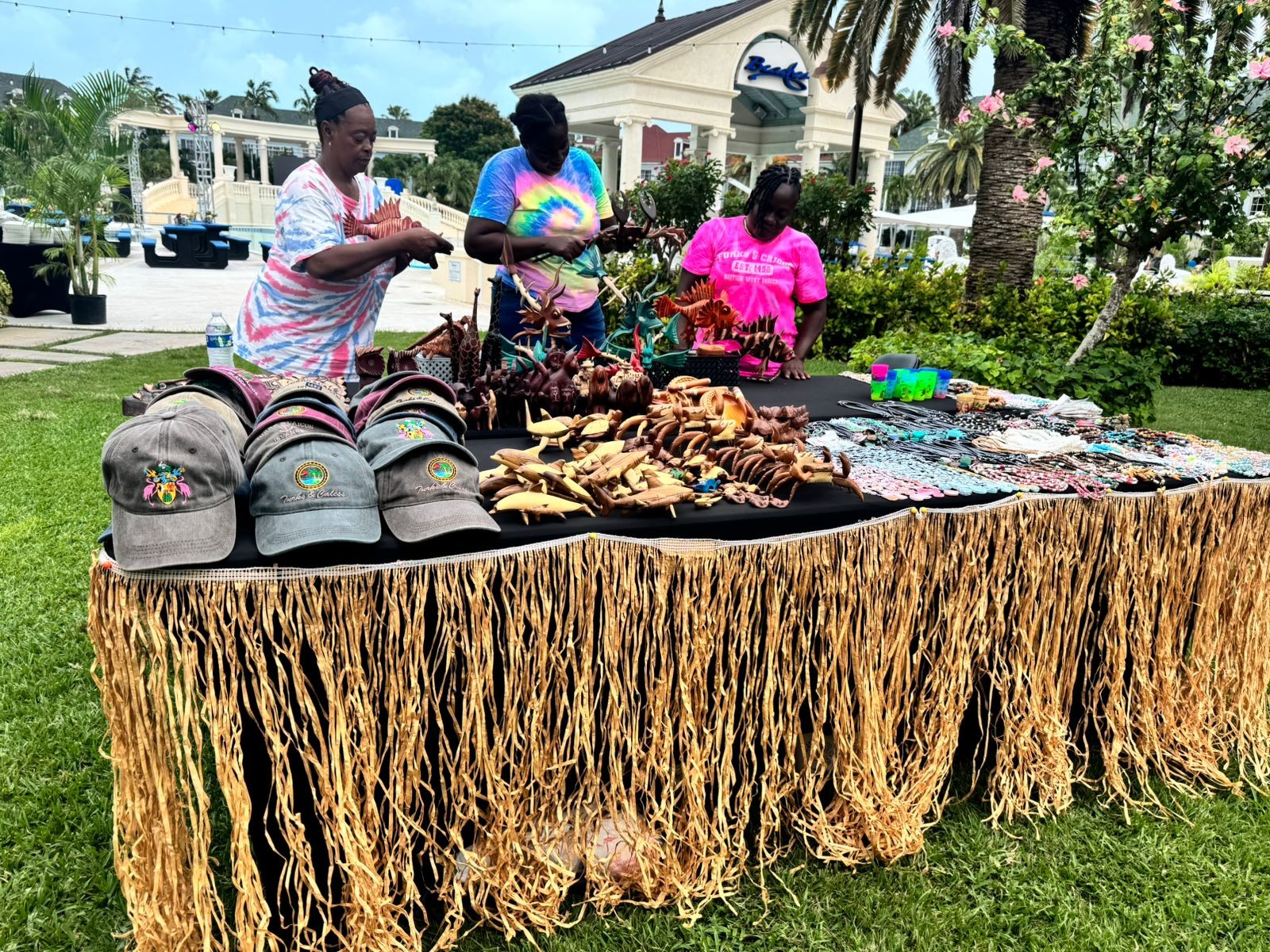
Turks and Caicos Islands, October 8, 2026 – Beaches Turks and Caicos Resort is deepening its long-standing collaboration with local craft vendors and transport operators, maintaining active support even during the off-peak season to sustain livelihoods and strengthen the islands’ tourism ecosystem.
Local entrepreneurs say the resort’s commitment is felt throughout the year, with particular emphasis on keeping businesses vibrant when visitor numbers dip. Veteran craft vendor Cassandra Gardiner highlighted the consistency that has become a hallmark of the association. “We are satisfied with the consistency shown by the resort and the local entrepreneurs,” Gardiner said. “During the slower season, they have taken the time to keep the entrepreneurial team active with customer service and marketing training workshops.”
The workshops, delivered in collaboration with the Sandals Foundation and the Sandals Corporate University, focus on practical skills such as product display, guest engagement and digital marketing-tools that help artisans convert resort traffic into steady sales even outside peak periods. The Cultural Marketplace, located adjacent to the property, continues to serve as a primary platform, while vendors are welcomed onto the resort grounds on scheduled days to reach a wider audience.
For local taxi associations, the resort’s backing translates into reliable business and sponsorship for community activities. Loftan Ellis, a veteran transport operator, described the support as “magical,” noting that Beaches is often the first to confirm sponsorship for association events and planned activities. “The consistency in business from Beaches Turks and Caicos Resort is one of the main reasons for us to maintain our livelihood while helping to build our primary industry, tourism,” Ellis added.
This alignment between resort operations and local transport providers helps stabilize income during quieter months, ensuring that drivers and small operators can remain active participants in the destination’s tourism value chain.
General Manager Deryk Meany framed this collaboration as central to the resort’s corporate social responsibility and philanthropic mission. “We remain committed to providing support to our environment and the communities that we serve,” Meany said.
He emphasised that growth at the property is intended to create shared opportunity. “As we grow, we will create greater opportunities for the people of the Turks and Caicos Islands to grow alongside us,” Meany said.
By maintaining training, market access and sponsorship across the calendar, the resort is helping to build resilience in a sector vulnerable to seasonality. For craft vendors and transport operators alike, this local support offers more than intermittent income; it provides a structured pathway to professionalise services, expand customer reach and contribute to a more diversified and sustainable local tourism economy.
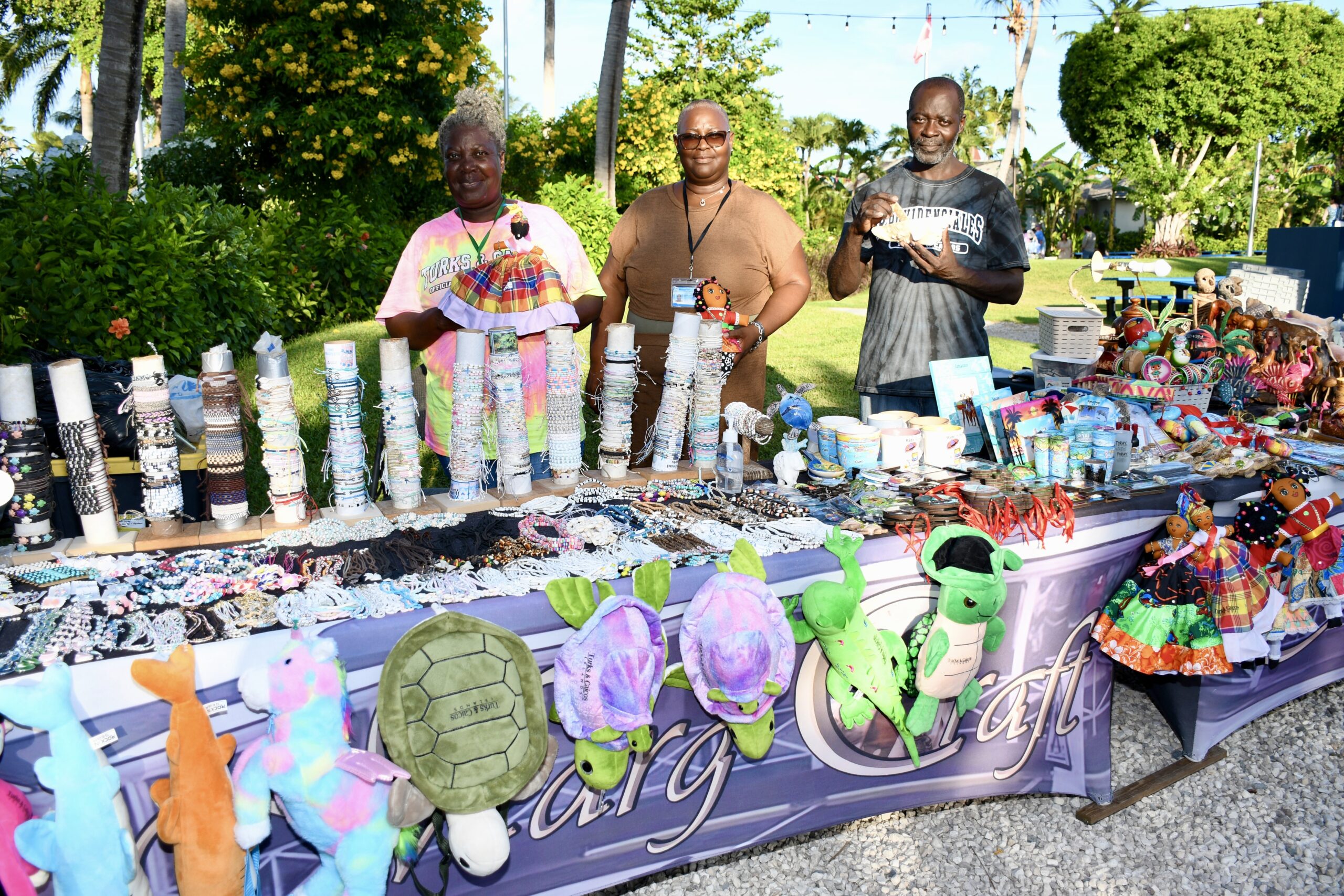
Providenciales, Turks and Caicos Islands – Friday, 2nd October 2026: Invest Turks and Caicos officially opened Caya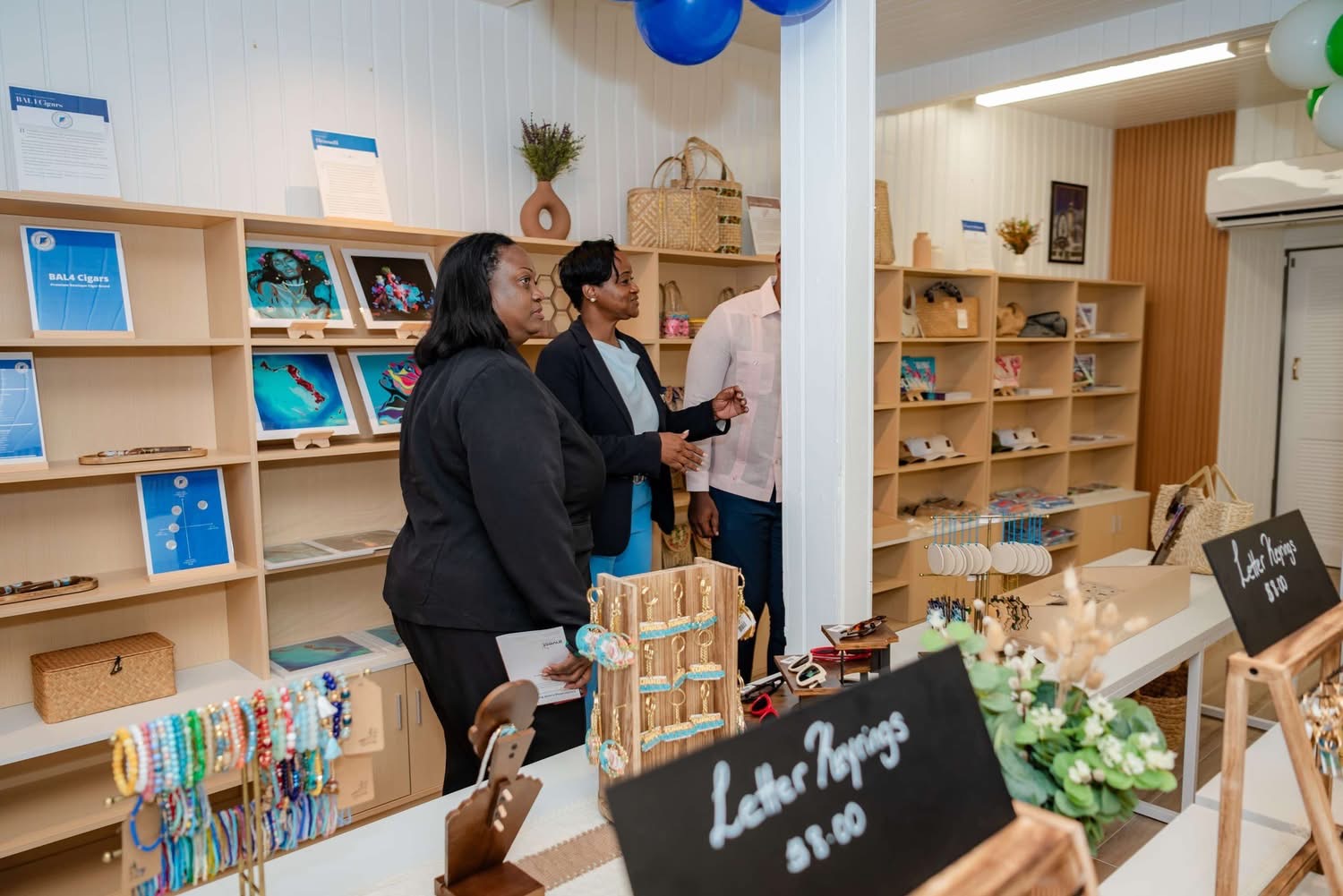 Hico Collective, the Grand Turk MSME Storefront, on Friday, September 18, 2026, marking a significant milestone in the Agency’s ongoing efforts to support local entrepreneurs, expand access to market opportunities, and strengthen the small business ecosystem.
Caya Hico Collective has been established as a dedicated retail space to showcase and sell locally made products, initially featuring entrepreneurs participating in the MSME Programme. As the initiative develops, there are plans to expand participation to include other small businesses producing locally made goods, including those not directly supported under the Programme. The storefront will provide local businesses with greater exposure and direct access to both residents and the thousands of visitors who arrive in Grand Turk each year creating stronger linkages between local entrepreneurs and the tourism economy. The store currently features fourteen (14) inaugural vendors, representing a diverse selection of local businesses and products from across the Turks and Caicos Islands.
Speaking on the significance of the initiative, Ms. Alexa Cooper, Chief Domestic Investment Officer, said:
“This storefront represents a practical and meaningful step in supporting our MSMEs by providing access to market, one of the most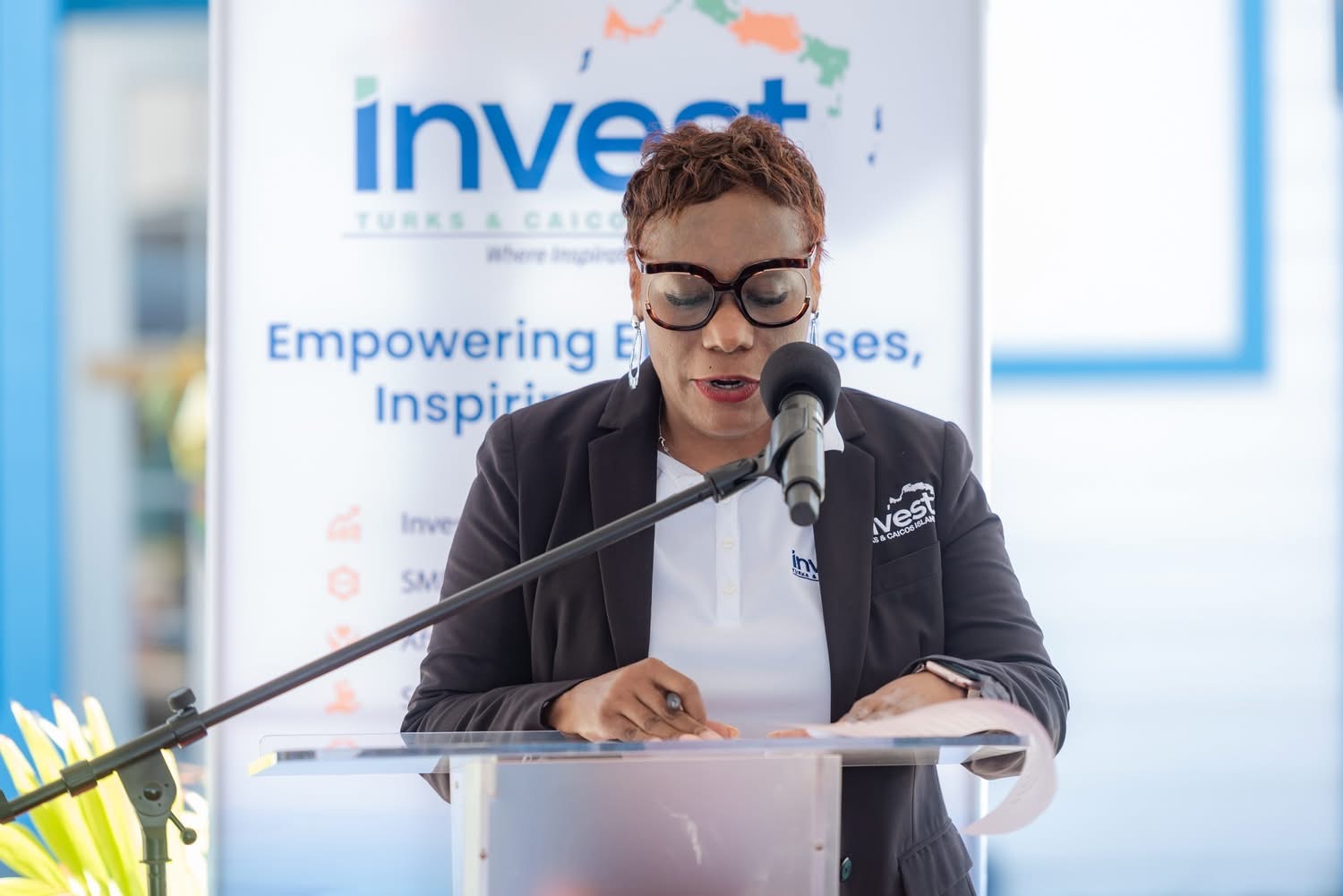 critical components of business growth. It is a space where local talent, creativity and entrepreneurship can be showcased, supported and connected with new customers.”
A Name Chosen by Grand Turk’s Youth
The name Caya Hico Collective was selected through the Grand Turk MSME Storefront Naming Competition, an initiative conducted in partnership with H.J. Robinson High School. Students were invited to propose an original name that reflected Grand Turk’s identity, culture and heritage while also being suitable for a storefront showcasing locally made products.
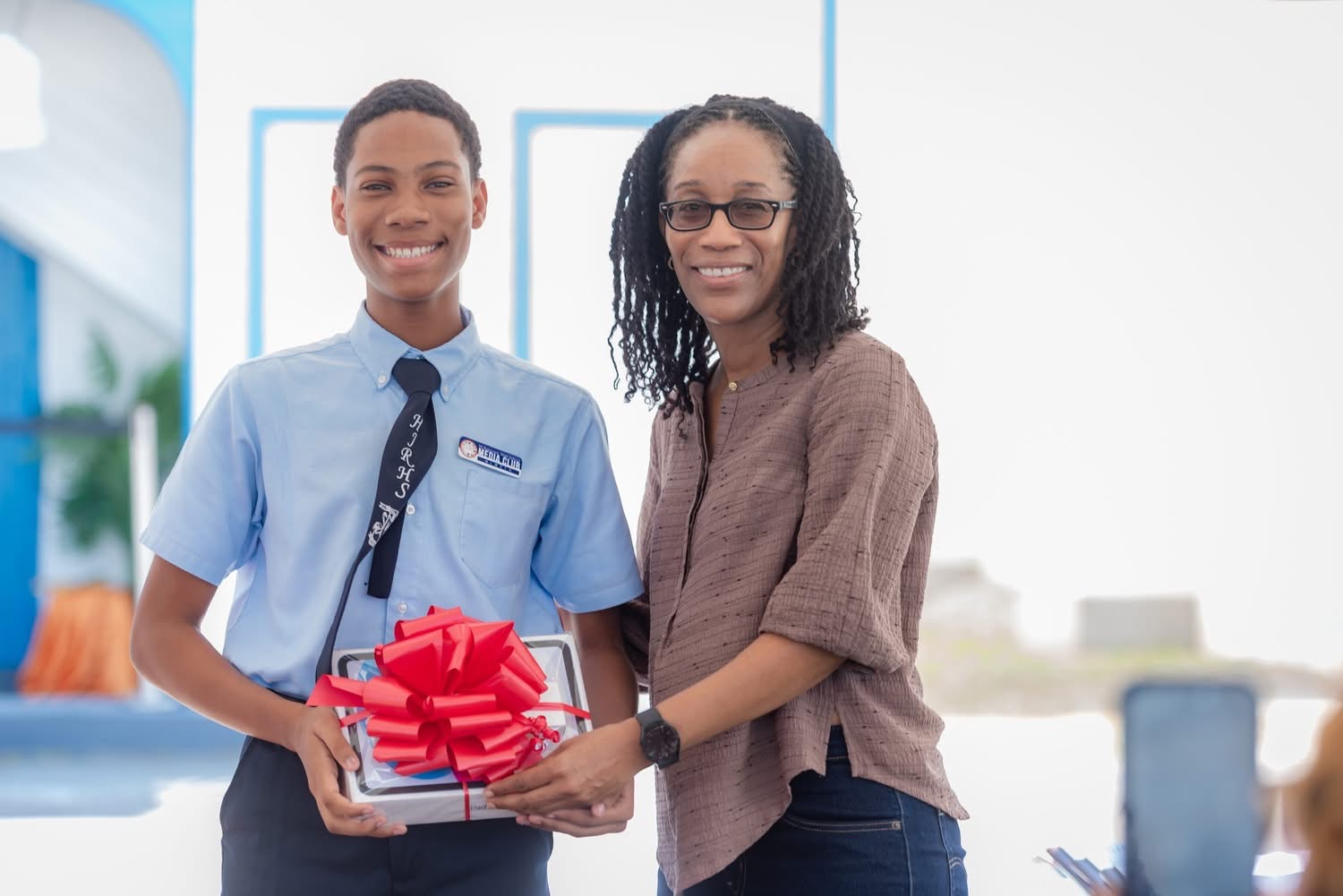
Following an independent judging process, Mauvarii Selver was selected as the competition winner for the submission Caya Hico Collective.
The name was recognised for its cultural and historical significance, distinctiveness and strong storytelling potential. “Caya Hico” is derived from the Lucayan term meaning “string of islands,” reflecting the archipelagic identity and heritage of the Turks and Caicos Islands. The use of “Collective” further reflects the purpose of the storefront: bringing together products from multiple local entrepreneurs under one shared retail platform. Together, the name Caya Hico Collective connects the Islands’ heritage with the initiative’s vision of bringing local businesses, products and creativity together in one space.
The naming competition provided students with an opportunity to participate directly in a real-world branding exercise and contribute to an initiative that will form part of Grand Turk’s commercial and tourism landscape.
Mauvarii was formally recognised during the opening ceremony, alongside the other students who participated in the naming competition, the inaugural MSME vendors, and key stakeholders whose contributions supported the successful development and opening of the storefront.
Angela Musgrove, Chief Executive Officer of Invest Turks and Caicos, added:
“Caya Hico Collective is more than a retail space. It reflects our continued focus on strengthening linkages between local businesses and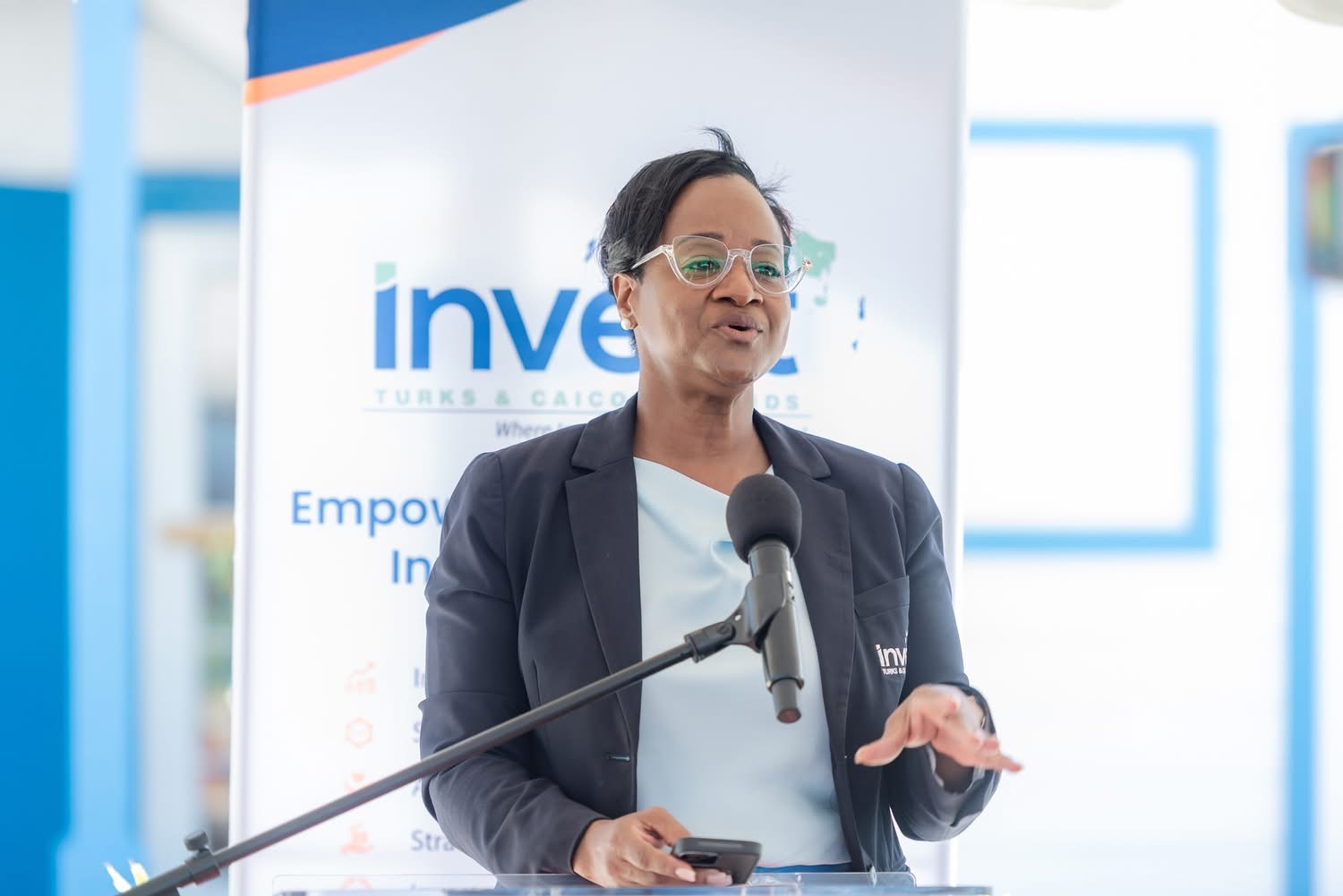 the tourism sector, creating more opportunities for MSMEs to reach visitors, increasing sales and participate more fully in the tourism economy. At the same time, it gives visitors greater access to authentic products that reflect the creativity and culture of the Turks and Caicos Islands.”
Supporting Local Enterprise and Tourism Linkages
Caya Hico Collective is expected to serve as an important platform for local entrepreneurs by increasing the visibility of locally produced goods, creating additional sales opportunities and providing visitors with greater access to authentic products from the Turks and Caicos Islands.
Through the storefront, Invest Turks and Caicos aims to encourage residents and visitors alike to discover, purchase and support locally made products, while creating a stronger connection between entrepreneurship, culture and the visitor experience in Grand Turk. The initiative is intended to increase opportunities for local businesses to benefit from tourism activity by connecting visitors directly with locally made products that showcase the creativity and talent of entrepreneurs across the Turks and Caicos Islands. This forms part of Invest Turks and Caicos’ broader commitment to promoting economic diversification, sustainable business development and stronger linkages between local enterprises and the tourism sector.





-

 Health1 week ago
Cleveland Clinic First in Ohio to Perform Robotic Nipple-Sparing Mastectomy
-

 News5 days ago
Beaches Turks & Caicos strengthens year-round commitment with local craft vendors and transport operators
-
 News3 days ago
Beaches Turks & Caicos gives Enid Capron Primary a pre-term facelift
-

 Bahamas News6 days ago
Two Months On, The Bahamas Academy of Sciences Turns Fifty Years of Research into Action