
Caribbean News
Sandals Foundation Celebrates 10 Year Anniversary with Strengthened Commitment to Environmental Sustainability

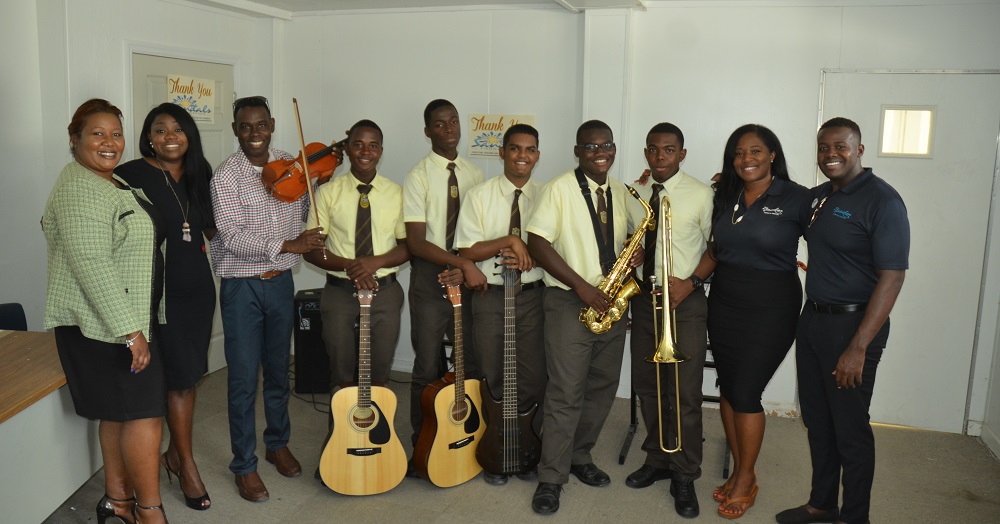
On Monday March 18th, the Sandals Foundation – the philanthropic arm of Sandals Resorts International – celebrated its 10th anniversary of fulfilling its promise to the Caribbean community and impacting over 850,000 people. Investing in projects directly related to improving communities, fostering growth through education and protecting the environment, the Sandals Foundation has committed to doubling down on protecting the Caribbean natural ecosystem and bringing its over 14,000 employees and its customers together to support environmentally sustainable projects over the next decade. The Sandals Foundation currently operates in Antigua, the Bahamas, Barbados, Grenada, Jamaica, St. Lucia and Turks & Caicos.
“Our goal has always been simple – to unite the Caribbean region, elevate its people, and protect its delicate ecosystem and I am so proud of how far we’ve come in our first decade,” said Adam Stewart, Deputy Chairman of Sandals Resorts International and President of the Sandals Foundation. “To build on our momentum and bring even more awareness to the importance of supporting the Caribbean, we are tapping into the power of social media, our local and international partnerships and the strong support that we have within Sandals Resorts International to galvanize the world to join in our efforts.”

Since its inception in 2009, the Sandals Foundation has worked with its extensive network of donors, volunteers, partners and team members to implement projects and programmes valued at over US$58 million. The Foundation has worked with 578 schools across the region, impacted over 348,000 community members and reached over 43,000 people through environmental programmes.
“We have been very fortunate in the support we have received over the past 10 years that has allowed us to impact so many people across the region,” said Heidi Clarke, Executive Director of the Sandals Foundation. “It has been especially gratifying to know that we have uplifted the spirits and improved the quality of life for thousands of children and adults alike and this has fueled us to make this significant commitment for the way forward.”
The Sandals Foundation has constructed three early childhood institutions, awarded 180 five year scholarships to deserving students, implemented programmes to promote literacy and technological advancements and completed major infrastructural developments to schools. The Foundation has also taken significant strides to protect the environment, managing two marine protected areas and supporting another four in Jamaica. The Foundation has also taken steps to reduce plastic pollution in the region and educate adults and children on the dangers of irresponsible waste disposal, distributing 5,000 reusable water bottles to students and 10,000 reusable shopping bags in an effort to promote environmental protection. The Sandals Foundation has also supported programmes aimed at protecting endangered species including turtles, conch, forestry and coral reefs.
The Foundation’s work in communities have seen the donation of critical medical equipment to hospitals, support for women farmers, pregnant teens, artisans and the provision of critical dental and eye care services to over 240,000 people.
Over the past decade, the Foundation has also extended support to neighbouring islands on the ground in times of crisis, including natural disasters in Haiti, Dominica, Barbuda, Trinidad and Tobago, and some of the out islands of the Bahamas.
Face It… The Caribbean Marine Ecosystem Needs Your Help Today
While the Sandals Foundation will continue to support projects across each of its core pillars, the organisation is placing a special emphasis on the environmental component in the years to come.
Clarke said the Sandals Group of Companies and the Sandals Foundation have already started to intensify their efforts by reducing plastic pollution through their operations which is indicative of the pledge they have made to protecting the Caribbean’s natural resources.
“The Caribbean Sea connects more than 700 islands and coastlines which is a source of livelihood for thousands of people. The role we all play in supporting protected areas and teaching the next generation the importance of caring for their precious environment is crucial now more than ever.” Clarke continued.
Last year, in partnership with Oceanic Global, a non-profit focused on providing solutions to issues impacting our oceans, all 19 Sandals Resorts and Beaches Resorts eliminated the 21,490,800 single-use plastic straws and stirrers used across the resorts each year, along with plastic laundry bags and plastic bags throughout gift shops. As of February 1, 2019, all resorts have eliminated Styrofoam. The company is currently exploring opportunities to eliminate other plastic across its resorts by September 2019.
Face the Future!
Over the next year, the non-profit commits to putting a special emphasis on expanding awareness and funding to support the beautiful, yet vulnerable, Caribbean ecosystem. With the help of partners, key stakeholders and volunteer team members, the Foundation is committed to engaging 100,000 people in environmental protection and conservation over the next 10 years. This commitment includes working with schools and educators to integrate marine education in their lesson plans, spearheading hands-on field trips to protected areas and engaging residents in coastal communities on proper solid waste management programmes. In line with its mission to reduce waste, the Foundation will also provide school children in the region with reusable lunch kits to reduce their dependence on Styrofoam.
Funds raised through donations and partnerships will help to expand on training workshops aimed at building the capacity of educators and club leaders on environmental conservation, as well as engage wardens and provide enforcement equipment to ensure proper management and protection of marine areas.

With even greater focus on turtle conservation, the Foundation will work to certify Sandals and Beaches Resorts in turtle protection, continuing support of the highly successful turtle tour and help to rehabilitate beaches to provide safer nesting grounds.
The Foundation pledges to strengthen the resilience of coral reefs in the region, with a commitment to plant 30,000 coral fragments onto reef systems over the next 10 years. As part of this, community members will receive training in coral restoration, and guests at Sandals and Beaches Resorts will be able to participate in coral planting dives.
With the devastating effects of climate change on the environment more evident than ever, Clarke urges residents and organisations across the region to join the pledge to make sustainable environmental practices a part of their everyday lives and operations.
Press Release: Sandals
Photo Caption: Sandals Foundation representatives with faculty and students of the Clement Howell High Schoo
ABOUT SANDALS FOUNDATION
The Sandals Foundation, a 501(c)(3) nonprofit organization, was created to continue and to expand upon the philanthropic work that Sandals Resorts International has undertaken. It is the culmination of three decades of dedication to playing a meaningful role in the lives of the communities where we operate across the Caribbean. The Sandals Foundation funds projects in three core areas: education, community and the environment. One hundred percent of the monies contributed by the general public to the Sandals Foundation go directly to programs benefiting the Caribbean community. To learn more about the Sandals Foundation, visit online at www.sandalsfoundation.org

By Deandrea Hamilton | Editor
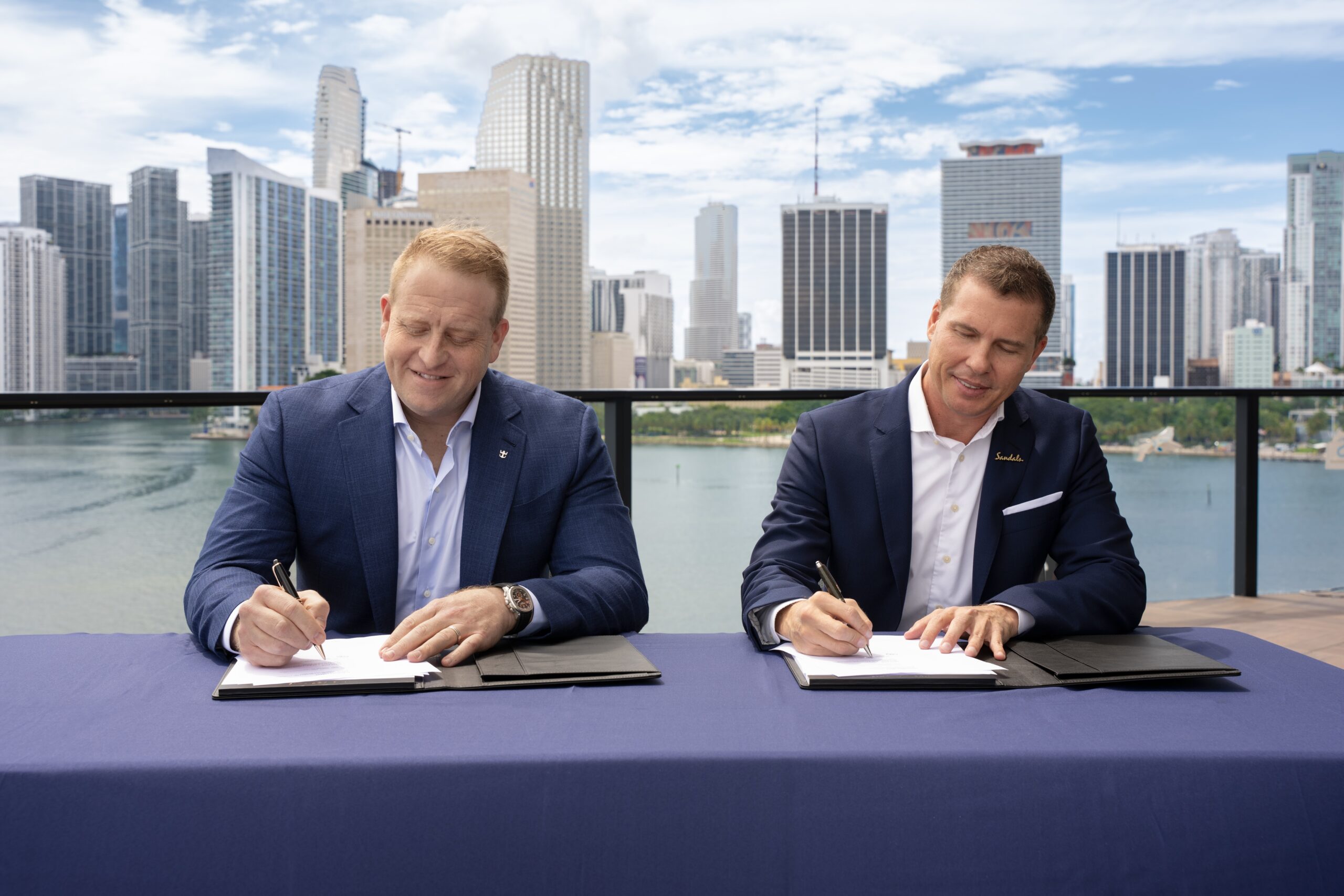
September 28, 2026 – Wall Street initially flinched at the $3-billion handshake. But in a matter of days, it was smoother sailing.
Perhaps the bigger Caribbean business story is not what Sandals Resorts International is getting from the deal. It is who is writing the cheque — and what that says about what Gordon “Butch” Stewart built.
As reports of Royal Caribbean Group’s Sandals deal circulated Tuesday, RCL shares plunged 6.14 percent from Monday’s $250.25 close to $234.89, on sharply elevated trading.
When the agreement became official Wednesday — approximately $3 billion for a 50 percent equity interest in Sandals and Beaches Resorts — shares slipped another 1.95 percent to $230.30 and touched $222.22 intraday. Investors were digesting both the size of the investment and committed debt financing secured through Morgan Stanley.
But by Thursday, RCL rebounded 3.77 percent, with shares continuing their recovery Friday to finish the week around $243. Analysts were also looking ahead: JPMorgan reportedly raised its RCL price target from $345 to $394, while Citi placed the company on a 90-day positive catalyst watch.
And just who is RCL?
Royal Caribbean Group is a global vacation giant, publicly traded on the New York Stock Exchange with a market value of roughly $65 billion. Its portfolio includes Royal Caribbean International, Celebrity Cruises and Silversea, alongside private destinations and an expanding vacation platform.
So when a company of that scale commits $3 billion for only half of Sandals and Beaches Resorts, the transaction puts a striking financial marker on one of the Caribbean’s greatest home-grown hospitality success stories.
The deal, expected to close in early 2027, creates a 50-50 partnership with the Stewart family and takes Royal Caribbean deeper into the all-inclusive resort business.
Butch Stewart started Sandals in Jamaica in 1981 believing a Caribbean company could compete with the world’s best.
Forty-five years later, one of the world’s biggest vacation companies is prepared to pay $3 billion just to own half of what he built.
Now that’s the handshake that does more than seal a deal — it cements a legacy.
Caribbean News
Royal Caribbean Group and Sandals Resorts Announce Landmark Partnership to Accelerate Their Leading Vacation Experiences
Royal Caribbean Group Investment to Advance Sandals and Beaches’ Growth and Broaden the Group’s Vacation Portfolio
Montego Bay, Jamaica and Miami, September 24, 2026 – Royal Caribbean Group (NYSE: RCL) and Sandals Resorts today announced the signing of an agreement to form a partnership in the all-inclusive resort space with a 50% investment from Royal Caribbean Group. Building on Sandals and Beaches Resorts’ more than four decades of leadership in Caribbean hospitality, the joint venture will create new opportunities for continued resort growth while broadening the experiences across Royal Caribbean Group’s vacation platform.
The partnership brings together two of the travel industry’s most celebrated vacation companies, pairing Sandals and Beaches’ all-inclusive resort expertise with Royal Caribbean Group’s vacation platform, including industry-leading brands – Royal Caribbean, Celebrity Cruises and Silversea – a portfolio of private destinations, new river cruising offering, and an industry-first loyalty program. United in a shared history in the Caribbean and connected by a love for their communities, the companies will offer travelers an unparalleled collection of cruise, private destination and resort experiences, serving guests across more vacation occasions and establishing their undisputed leadership in Caribbean vacations.
The joint venture expands Royal Caribbean Group into an adjacent vacation category, growing its participation in the approximately $2 trillion global vacation market, and meets the growing global demand for Sandals and Beaches Resorts by accelerating their expansion. The partnership will include Sandals and Beaches’ collection of premier all-inclusive properties across the Caribbean, and the companies will explore opportunities to broaden distribution, deepen guest engagement, and make it easier for travelers to discover vacation experiences offered across both portfolios.
“For nearly 60 years, we’ve reimagined what a vacation can be, constantly expanding the ways we inspire our guests to explore, connect and create lifelong memories,” said Jason Liberty, Chairman and CEO, Royal Caribbean Group. “We have been building a vacation platform that brings joy to millions of people around the world and creates meaningful relationships that last with our guests. Our partnership with Sandals and Beaches Resorts is an important next step on that journey – bringing together two iconic leading vacation companies to further strengthen and grow one of the most admired resort portfolios in the world. The Stewart family has created powerful and beloved brands, and we are honored to build on that legacy. Together, we see tremendous opportunity to expand the reach of Sandals and Beaches Resorts and continue turning the vacation of a lifetime into a lifetime of vacations.”
“My father, Gordon ‘Butch’ Stewart, founded Sandals Resorts with the belief that a company built in the Caribbean could stand on the world stage alongside the most respected names in hospitality. Today is proof of how far that vision can go,” said Adam Stewart, Executive Chairman of Sandals Resorts and Beaches Resorts. “This partnership is the natural next step in building on that conviction. It gives us the ability to grow faster with a partner that shares our values of exceptional hospitality, long-term investment, and the power of enduring brands. Together, we will introduce more guests to Sandals and Beaches Resorts while creating even more extraordinary experiences for those who have made our resorts part of their lives for decades.” Stewart added, “As we continue to grow, we will remain true to what has always defined us: delivering authentic vacations that exceed expectations while creating opportunities for our team members, travel advisor partners and the communities we call home. The future has never been brighter, and I know this moment would make my father incredibly proud.”
The joint venture will be governed by a board under the shared leadership of Stewart and Liberty. Stewart will maintain a leadership role in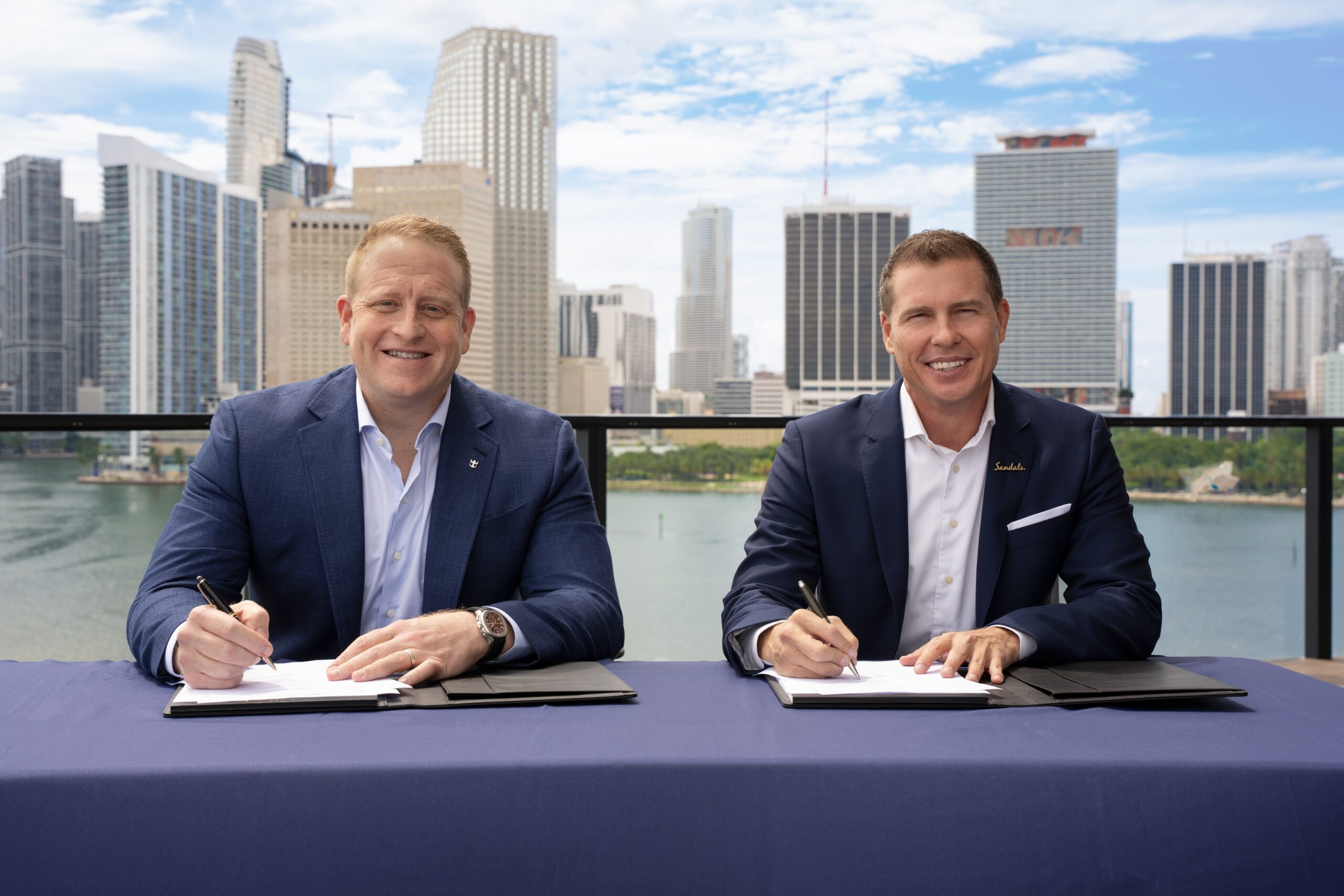 guiding the company’s long-term strategic growth as Executive Chairman of Sandals and Beaches Resorts. Existing reservations, loyalty programs, resort operations and cruise operations will continue as usual, with the partnership bringing additional resources to support future opportunities.
Under the terms of the agreement, Royal Caribbean Group will acquire a 50% equity interest in Sandals and Beaches Resorts for approximately $3 billion, representing a forward EBITDA multiple of approximately 10x. Royal Caribbean Group has secured committed debt financing from Morgan Stanley to fund the investment. The transaction is expected to close in early 2027, subject to customary approvals and closing conditions, and is expected to be accretive to earnings next year.
BofA Securities and PJT Partners acted as financial advisors, and Latham & Watkins and Jones Day acted as legal advisors to the Sandals Group. Perella Weinberg Partners and Morgan Stanley acted as financial advisors and Kirkland & Ellis LLP acted as legal advisor to Royal Caribbean Group.
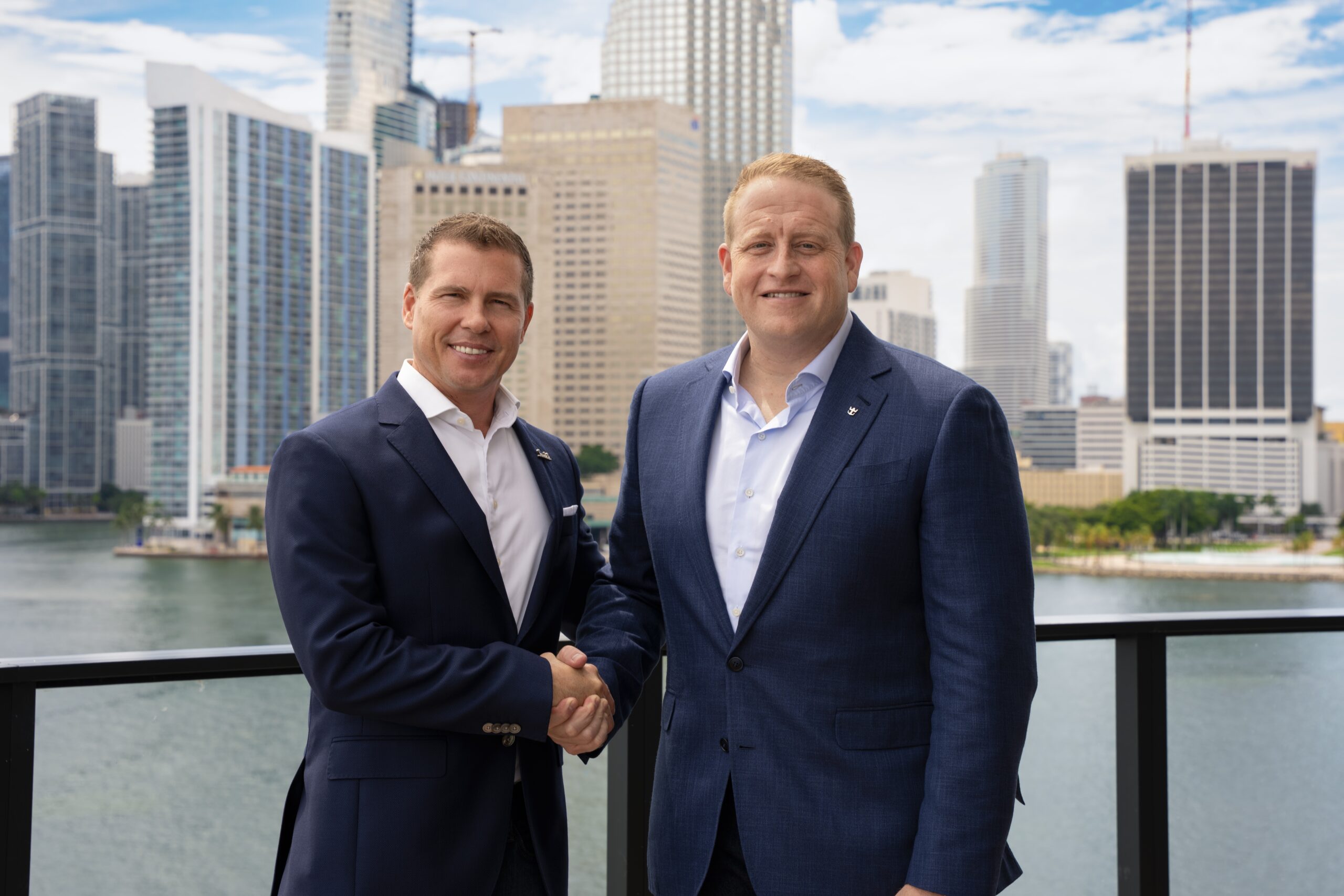
PHOTO CAPTION: Jason Liberty, Chairman and CEO of Royal Caribbean Group, and Adam Stewart, Executive Chairman of Sandals Resorts, mark the signing of an agreement to form a landmark partnership that expands Royal Caribbean Group into the all-inclusive resort space and supports the future growth of Sandals and Beaches Resorts. The signing took place at Royal Caribbean Group’s new headquarters in Miami, with the city’s skyline in the background.
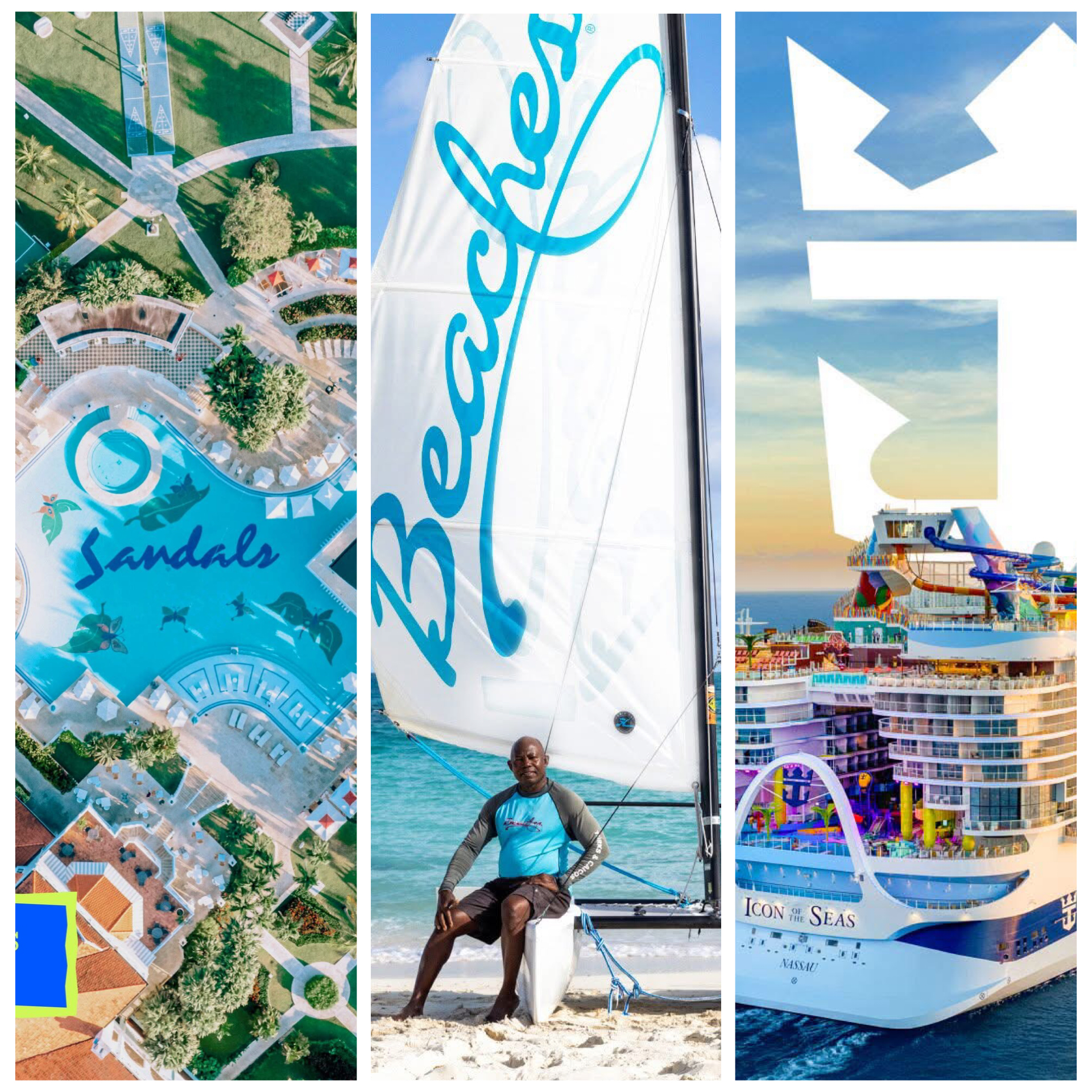
The Caribbean tourism deal first reported as a possibility on Tuesday is now a signed agreement. Royal Caribbean Group plans to pay approximately US$3 billion for a 50% stake in Sandals and Beaches Resorts, putting the value of the business at about US$6 billion. The purchase is expected to close in early 2027, subject to approvals.
Founded in Jamaica by the late Gordon “Butch” Stewart in 1981, the resort business has a presence across nine Caribbean destinations, including Jamaica, The Bahamas and Turks and Caicos. Sandals has described its workforce as nearly 20,000 people, most of them Caribbean nationals.
“My father, Gordon ‘Butch’ Stewart, founded Sandals Resorts with the belief that a company built in the Caribbean could stand on the world stage alongside the most respected names in hospitality,” said Adam Stewart in the announcement carried by PR Newswire. He will remain executive chairman, while the Stewart family retains a stake. The companies say existing reservations and resort operations will continue as usual.





-
 News5 days ago
Imagine Turks & Caicos Represented in UK Parliament; New Report Favours It
-
 News1 week ago
Invest TCI Strengthens Regional Investment Connections at Caribbean Investment Forum 2026 in Barbados
-

 Bahamas News5 days ago
Bahamas Issues Cybersecurity Alert Over Akira Ransomware Threat
-
 Bahamas News1 week ago
Rosewood Exuma: A precedent-setting case for environmental law and future development in The Bahamas
-
 Bahamas News1 week ago
Energy Minister Delivers Electrifying Keynote Opening Address at CAREC 2026
-
 News5 days ago
BermudAir Launches Service to the Turks and Caicos Islands on October 26th, Expanding Air Connectivity Ahead of Winter Season
-

 News6 days ago
Crown Land Unit Leads Multi-Agency Enforcement Exercise in Five Cays
-
 News2 days ago
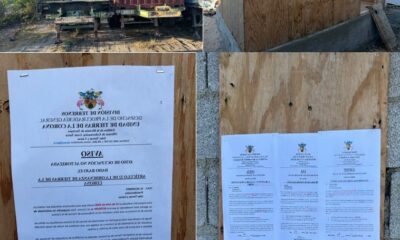
Multi-Agency Enforcement Exercise Targets Illegal Occupation of Crown Land in Five Cays