
News
Turks and Caicos Islands Voted as the Caribbean’s Leading Beach Destination and Caribbean’s Most Romantic Destination…Again!


#Providenciales, Turks and Caicos Islands (September 1st, 2022) – The Turks and Caicos Islands Tourist Board is excited to announce that the Turks and Caicos Islands has been voted as the Caribbean’s Leading Beach Destination, as well as the Caribbean’s Most Romantic Destination for 2022.
On August 31st 2022, the World Travel Awards hosted its Caribbean & The Americas Gala Ceremony in Montego Bay, Jamaica with the Turks and Caicos Islands boasting an impressive eight nominations – ranging from the Caribbean’s Leading Cruise Destination to the Caribbean’s Leading Dive Destination.
“The Turks and Caicos Islands has won the Caribbean’s Leading Beach Destination every single year since 2015. And prior to that, from 2012 to 2014, our Grace Bay Beach won the award. In addition to these achievements, we have won the Caribbean’s Most Romantic Destination four years in a row”, said Acting Director of Tourism, Mary Lightbourne. “We are committed to being best-in-class and providing our guests with a consistent tourism product that they continue to desire” Lightbourne added.
Recovering strongly from the effects of the COVID-19 pandemic, the Turks and Caicos Islands continues to see excellent results – some unprecedented. Throughout the first six months of 2022, airport arrivals were at 331,824 passengers – an increase of 183%. In August 2022, a TripAdvisor report indicated that the Turks and Caicos Islands was the world’s hottest travel destination for fall 2022 based on the TCI having the fastest growing demand based on year over year growth. The Turks and Caicos Islands not only beat out more established tourism veterans, such as Ho Chi Minh City, Amalfi, London, and Bangkok, but it also stood out amongst its regional peers by being the only Caribbean destination to make the top 15 of TripAdvisor’s list. And most recently, the TCI has collected two more World Travel Awards.
“We are extremely proud to continue our reign as the Caribbean’s Leading Beach Destination, as well as the Caribbean’s Most Romantic Destination”, said Minister of Tourism, Hon. Josephine Connolly. “That being said, we still have more work to do. As evidenced by our eight nominations, we are world-class in more facets than only those two. We will continue to develop and market our overall tourism product as we strive to showcase that we are best-in-class in additional areas of tourism”, added Hon. Connolly.
In being more intentional with its tourism product, the Turks and Caicos Islands Tourist Board is making a transition into a Destination Management Organization (DMO) and a Tourism Regulatory Authority (TRA). The DMO and TRA seek to amplify the successes of the Turks and Caicos Islands Tourist Board by facilitating more alignment and collaboration between all tourism-relevant stakeholders, as well as providing more regulation to ensure that the exceptional experiences that the Turks and Caicos Islands is known for will be standardized across every entity in the TCI’s tourism economy.
In addition to these achievements, destination awards were captured by local partners such as Sailrock Resort, winning Best Luxury Island Hotel; Olympia Destination Management Company, winning Leading Destination Management Company and Windsong Resort, winning Leading Boutique Hotel and others.
For more information on the Turks and Caicos Islands Tourist Board, please call 1 (800) 241-0824 or visit www.turksandcaicostourism.com.

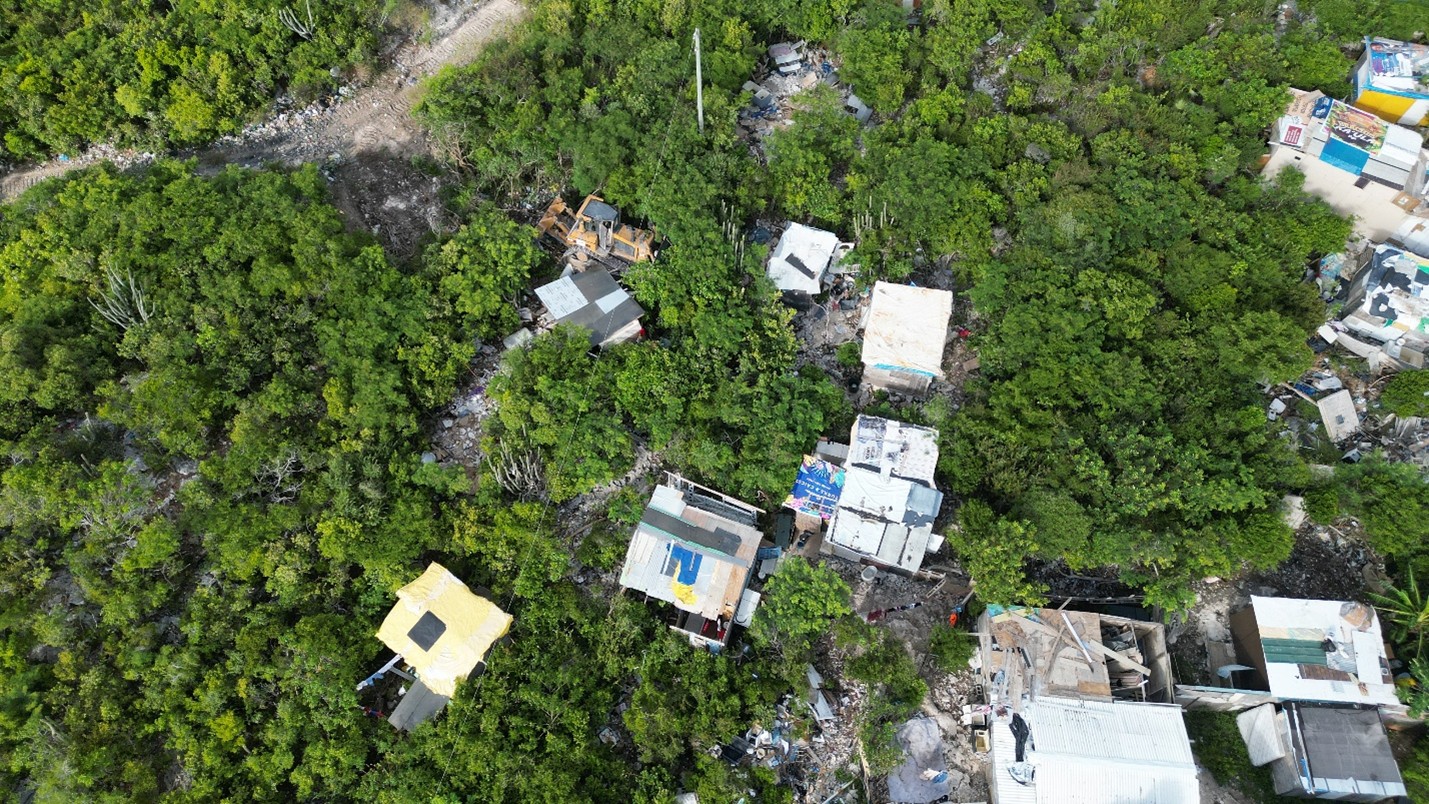
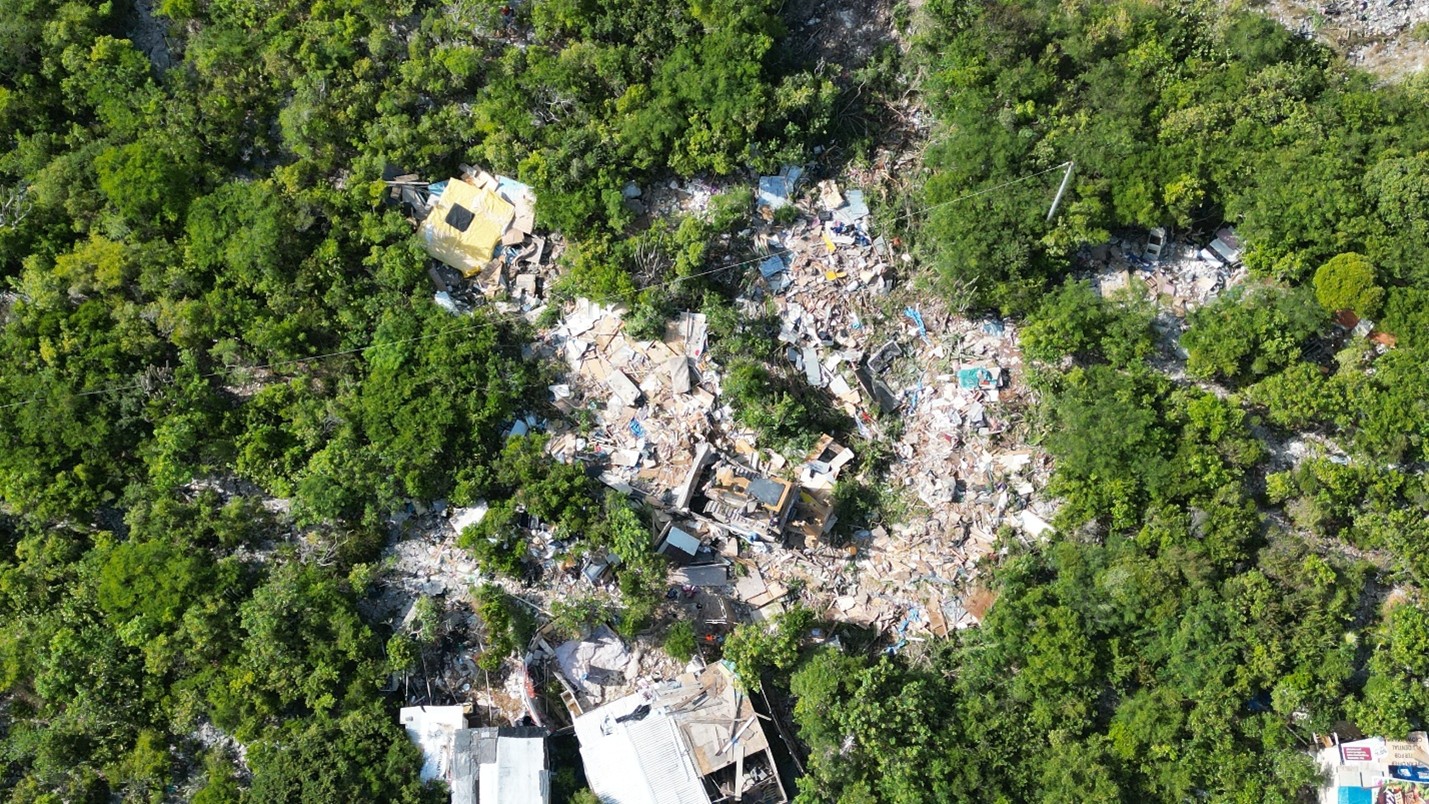
After demolition
Providenciales, Turks and Caicos Islands – Friday, 17 July 2026: The Planning Department, with support from the Informal Settlements Unit (ISU), and the Crown Land Unit conducted a coordinated enforcement operation on Thursday, 2 July 2026, resulting in the demolition of six unauthorised structures on private property at Block and Parcel 60502/48. Security for the operation was provided by the Royal Turks and Caicos Islands Police Force.
The enforcement action followed the issuance of an Enforcement Notice by the Planning Department on 29 January 2026, advising the persons responsible for the structures that they had been erected without the necessary planning approval and were required to be removed. Following the expiration of the compliance period, a multi-agency operation was organised to carry out the demolition.
Before demolition activities commenced, personnel conducted a comprehensive inspection of the site to confirm that all structures were unoccupied and free of gas cylinders or other hazardous materials. These precautionary measures were undertaken to safeguard the welfare of both the enforcement teams and the public while ensuring the operation was carried out safely and efficiently.
Upon completion of the exercise, participating agencies returned to Police Tactical Headquarters for a debrief, marking the successful conclusion of another coordinated enforcement effort.
The Government of the Turks and Caicos Islands reminds members of the public that all construction activities must receive the appropriate planning approvals before work begins. The Planning Department will continue to work alongside its partner agencies to enforce the Planning Ordinance, promote orderly development and ensure that construction throughout the Islands complies with the applicable laws and regulations.
Members of the public are encouraged to familiarise themselves with the planning approval process and to seek guidance from the Planning Department before undertaking any development to avoid enforcement action and loss of money invested.
News
DDME’s Hurricane Hunt Scavenger Hunt Sparks Community Spirit and Storm Preparedness in Providenciales
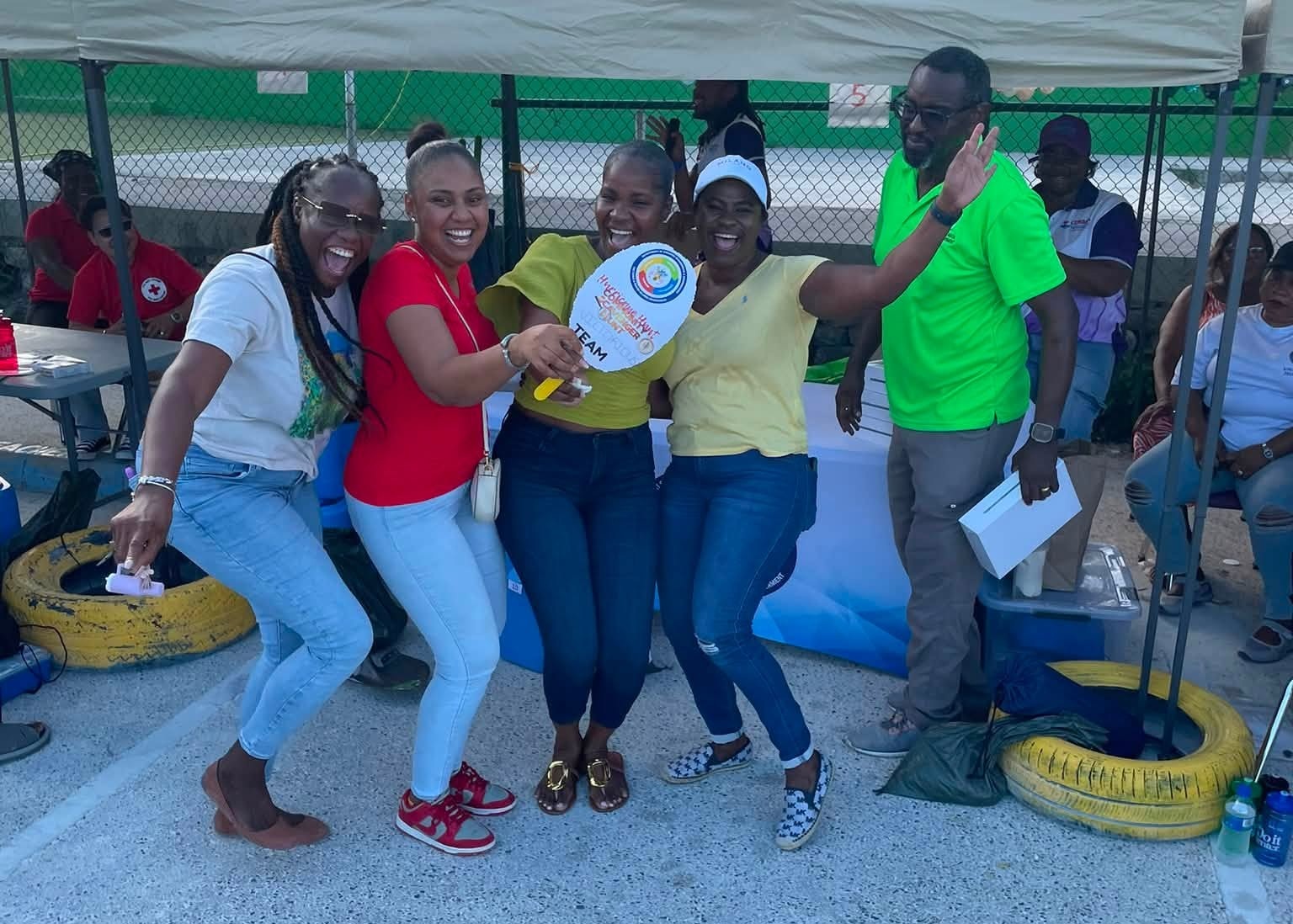
Department of Disaster Management and Emergencies: Providenciales, Turks and Caicos Islands — Fifteen teams raced across Providenciales on Saturday July 4th for the inaugural DDME Hurricane Hunt, a community scavenger hunt designed to combine friendly competition with hurricane preparedness education.
Teams were given a bag of supplies and 15 cryptic clues, participants had less than two hours to pinpoint locations and collect hurricane must-haves; including water jugs, shovels, flashlights and other supplies that every household should have on hand ahead of a storm.
The challenge tested not only participants’ local knowledge and navigation skills, but also their teamwork under time pressure; all while reinforcing practical lessons about what it takes to stay ready when a storm approaches.
Beyond the hunt itself, the event drew a lively crowd of families and supporters who turned out to enjoy a full day of festivities. Attendees took part in games, received free gifts, face painting, canvas painting, bounce houses and visited vendor booths; while enjoying fresh food off the grill throughout the afternoon.
“This event brought together the best of both worlds; a fun, high-energy competition and a meaningful reminder of how important it is for our community to be prepared,” Mr. Aaron Ballantyne, Community Preparedness Officer for Providenciales. “Seeing 15 teams fully engaged, racing to landmarks across the island while learning what belongs in a hurricane kit, was exactly the outcome we hoped for.”
DDME extends their sincere gratitude to the stakeholders that partnered with the event and generously donated their time, resources and efforts to make it a success: The Turks and Caicos Islands Red Cross, The Oseta Jolly Primary School, The Royal Turks and Caicos Islands Police Force, Do It Center (Building Materials), KB Homes, Digicel TCI, Frost Cay and Clint Grilling and Catering Services, along with all other vendors who were solicited.
The event’s success was also made possible by the private organizations and government departments that opened their locations to serve as scavenger hunt sites, allowing the hunt to unfold across the island; from Chalk Sound to Long Bay.
The quick thinking first place team consisted of; Neekimo King, Keturah Miller-Brown, Lashaunda Dickenson and Kebba Thomas who all walked away with exciting prizes.
Ms. Bernadya Smith, Public Information and Media Manager stated; “With hurricane season underway, this event, along with our recent Hurricane Expo held in Grand Turk and community pop-ups throughout the country, is a testament to DDME’s commitment to blending community engagement with year-round storm readiness. We look forward to making this event an annual staple that brings families together while keeping preparedness at the forefront of every community we serve.
Follow DDME social media pages to stay up to date with upcoming events and to join their weekly quizzes for a chance to win exciting prizes all hurricane season long.
News
Invest TCI Supports Certification of Local Flats Fishing Guides Through MSME Technical Assistance Under Historic TCFFA–TCICC Partnership
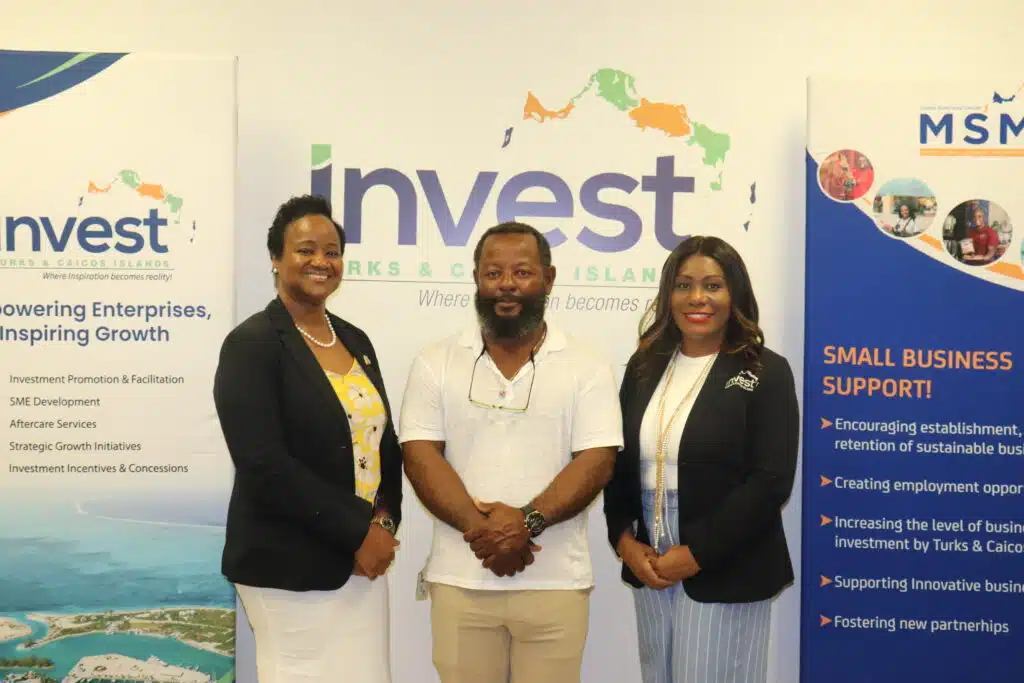
Providenciales, Turks and Caicos Islands — June 11th 2026 — Invest Turks and Caicos Islands has confirmed a financial commitment of $26,750 through the MSME Programme’s Technical Assistance support to assist 35 participants undertaking STCW and Fly-Fishing Guide Certifications under the Turks and Caicos Fly Fishing Association (TCFFA) and the Turks and Caicos Islands Community College (TCICC) partnership. The support is intended to strengthen the capacity of existing and emerging local operators within the flats-fishing and marine–based tourism sector, helping participants formalize their skills, improve service standards, and access higher-value economic opportunities.
The announcement follows the signing of a Memorandum of Understanding between TCFFA and TCICC on 12th May 2026, establishing the country’s first endorsed and regionally recognized Sustainable Fly-Fishing curriculum. That partnership, funded in part by the UK Government through the Darwin Plus Local initiative, aims to certify twenty or more Turks and Caicos Islanders as Flats-Fishing Guides and Train-The-Trainers — drawn from Providenciales, North Caicos, South Caicos, Middle Caicos, and Grand Turk.
Invest TCI’s contribution ensures that the financial barrier to certification does not prevent qualified candidates from accessing this sector-building opportunity. The support is being provided as technical assistance to strengthen the capacity of existing and emerging MSMEs within the flats-fishing and marine-based tourism sector, enabling participants to formalize, improve service standards, and access higher-value market opportunities.
“We are indeed happy to be a part of this initiative and to provide financial support towards the certification of the 35 participants. Invest TCI is committed to empowering small and medium enterprises and the individuals who drive them – and this programme is a direct example of that commitment in action.” — Alexa Cooper, Vice President – SME Development, Invest Turks and Caicos
Regional studies, including research on The Bahamas’ flats-fishing sector, show that the industry can generate significant economic value through lodging, meals, transport, retail, and guided services. This demonstrates the potential for Turks and Caicos to strengthen its own flats-fishing value chain through professional training, certification, and local enterprise development.
Angela Musgrove, CEO of Invest Turks and Caicos, highlighted the strategic alignment between the investment and Invest TCI’s broader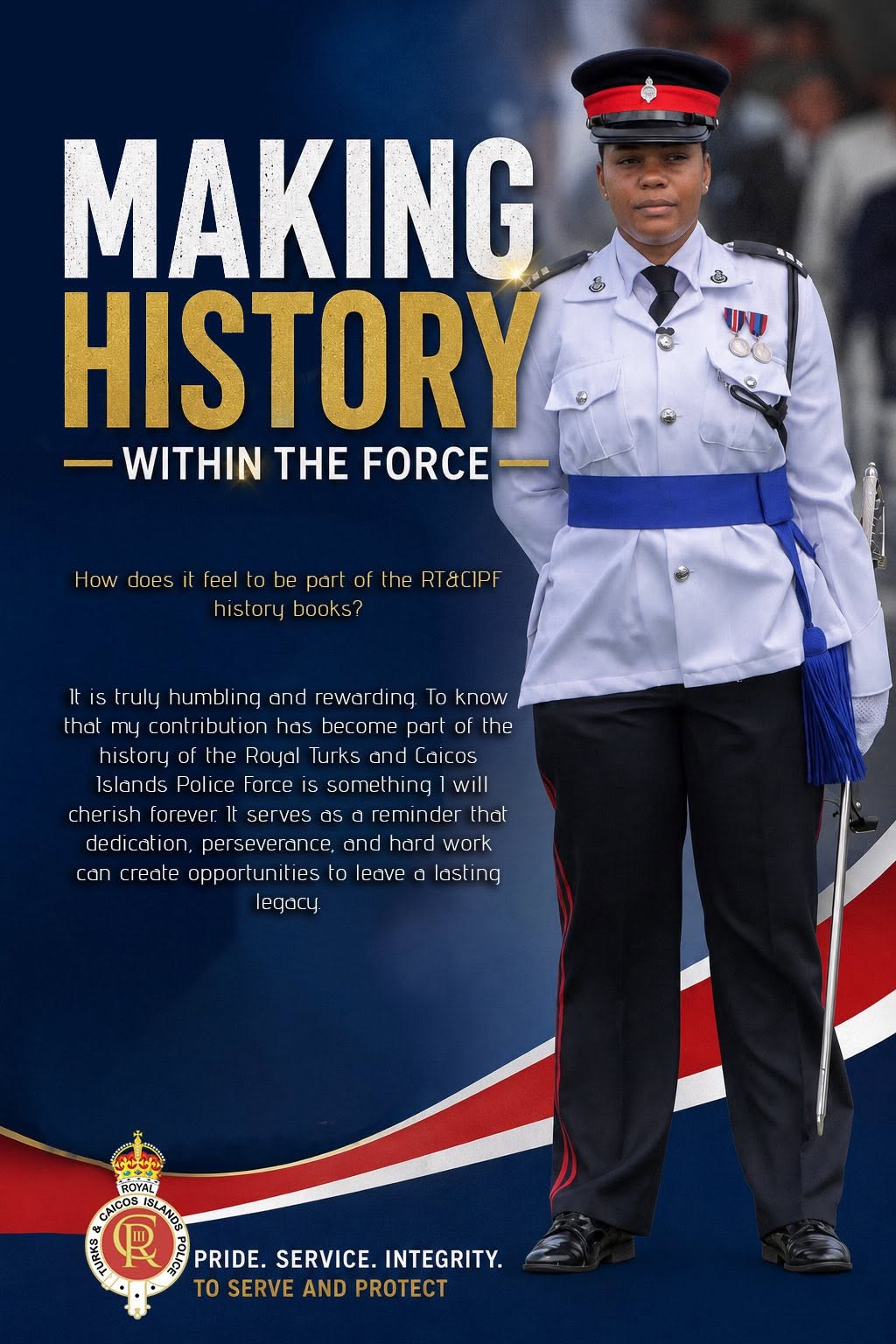 mission:
“Invest TCI’s mandate is to support a stronger, more diversified economy with Turks and Caicos Islanders positioned to benefit from the industries that shape our future. This initiative directly aligns with that mandate. By supporting certification for local flats-fishing guides, we are helping to convert local knowledge into recognized credentials, strengthen small business capacity, and retain more value within our communities. It is a practical investment in people, enterprise, and sector development.” — Angela Musgrove, CEO, Invest Turks and Caicos
TCFFA President Levardo Talbot, whose association initiated the candidacy process and identified the funded participants, welcomed Invest TCI’s commitment as pivotal to the programme’s reach:
“For the first time, Turks and Caicos Islander fly fishing guides have an endorsed and regionally-recognized, locally delivered pathway into a profession that has long been built on their knowledge but not always on their terms. Invest TCI’s support ensures the people who should be in this room are in this room.” — Levardo Talbot, President, Turks and Caicos Fly Fishing Association





-

 Africa6 days ago
Bahamas’ Ghana Teacher Plan Draws Fire as Both Nations Face Shortages
-

 News6 days ago
Government Takes Case to Washington After U.S. Keeps TCI at Level 2
-

 News6 days ago
Ministry of Health Welcomes Appointment of New NHIB Chief Executive Officer and Highlights Progress of Organisational Transformation
-
 News5 days ago
Invest TCI Supports Certification of Local Flats Fishing Guides Through MSME Technical Assistance Under Historic TCFFA–TCICC Partnership
-

 News5 days ago
DDME’s Hurricane Hunt Scavenger Hunt Sparks Community Spirit and Storm Preparedness in Providenciales
-

 News6 days ago
PDM Alleges Governor ‘Bias’, Opposes One-Year Extension
-

 Bahamas News5 days ago
What 45 Shell Casings and New Murder Charges May Mean for Three Officers in the Azario Major Case
-

 Bahamas News6 days ago
CARICOM Targets Affordability as Bahamas, TCI Continue to Feel the Pinch