
Uncategorized
WHERE ARE THE LOCAL ARTISTS?

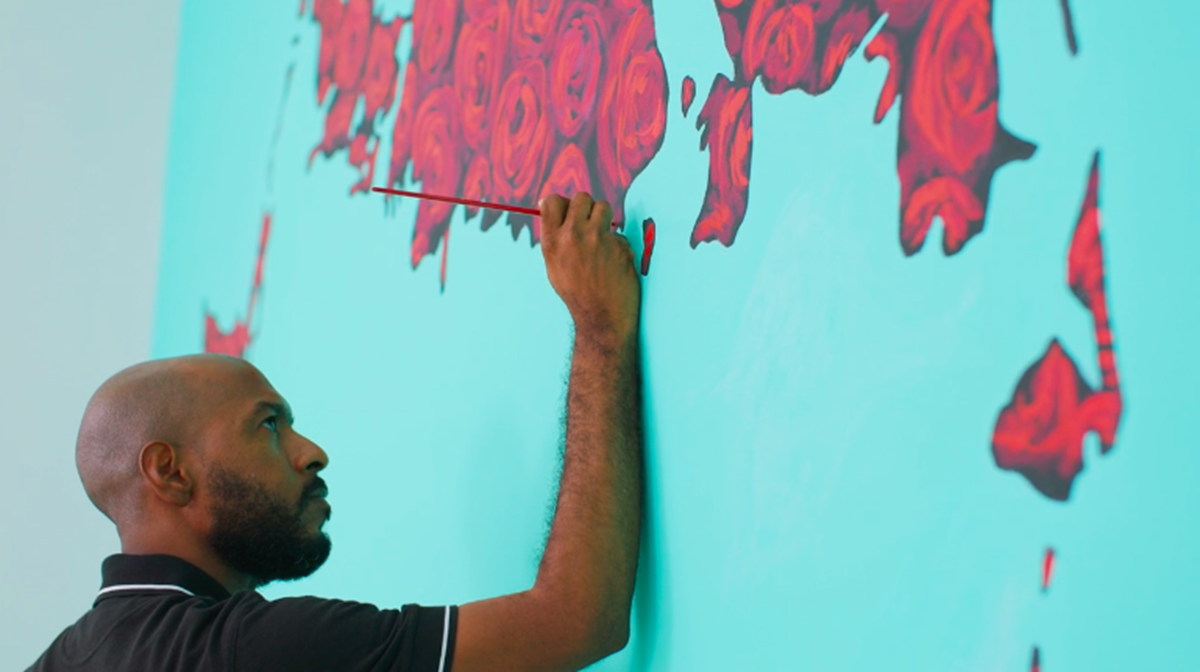
Turks and Caicos, March 18, 2026 – Across the Turks and Caicos Islands, the skyline is changing. New resorts rise along the Northern coastline of Providenciales, promising luxury, exclusivity, and world-class experiences designed for the global traveler. These developments are often celebrated as progress, as evidence of economic growth and international relevance.
But beneath that narrative lies a quieter question: who is this development truly for, if it does not meaningfully include the culture of the place it occupies?
More specifically, where are the local artists?
Modern tourism is no longer defined by architecture alone. Today’s traveler is not simply purchasing a room. They are seeking experience, identity, and connection to a place. In response, hospitality brands increasingly market authenticity as a defining feature of luxury.
Encouragingly, there are emerging examples within the Turks and Caicos Islands where this principle is present. Recent developments such as Beaches Resort’s new village extension, Treasure Beach and The Strand TCI have made intentional efforts to incorporate local visual artists into their properties, signalling an understanding that art is not an accessory, but an essential component of place-making.
These efforts demonstrate what is possible. Yet, across many developments, this level of integration remains inconsistent or non-existent. In comparison, the yet to open properties like the Andaz feature videos claiming to be rooted in culture while promoting Nigerian-Canadian and Trinidadian artists; whose work will adorn its walls and shape the narrative of “local culture” to its visitors. There are whispers of developments transporting artists all expenses paid to create and outfit their properties with art.
Instead of commissioning local artists, properties also rely on imported, mass-produced décor or artwork sourced from overseas. The result is a visual identity that could belong anywhere. A resort may sit on TCI Soil, but its interiors frequently tell no story of the islands themselves. This is more than an aesthetic oversight. It is a missed cultural and economic opportunity.
Local artists are not merely decorative contributors. They are interpreters of place, translating the land, its flora, and its lived experience into visual form. In a destination like the Turks and Caicos Islands, where identity is deeply tied to landscape and memory, art plays a critical role in shaping how a place is understood and remembered.
To exclude local artists from major developments is, in effect, to remove one of the most direct expressions of national identity from the visitor experience.
There is also a clear economic cost.
When developments bypass local creatives, funds that could circulate within the domestic economy instead flow outward. This is a form of economic leakage that is rarely discussed but widely felt. Commissioning local artists, licensing their work, and integrating it into design and branding are not acts of charity. They’re investments in a local creative economy with the potential to grow alongside tourism itself.
There remains an outdated assumption that meeting international standards requires looking outward rather than inward. But globally, the opposite is increasingly true. The most competitive destinations are those that embed local culture into their offerings in meaningful ways. Authenticity is no longer optional; it is expected.
The Turks and Caicos Islands should not aspire to look like everywhere else. Its value lies in being unmistakably itself. The positive steps taken by developments such as Beaches’ Treasure Beach and The Strand TCI should not be viewed as exceptions, but as a model. They show that integrating local artists is both achievable and beneficial, enhancing the guest experience while supporting the domestic economy.
This raises an important question for policymakers and developers alike: what would it look like to make this approach standard practice? Practical solutions already exist. Development frameworks/agreements can encourage or require a percentage of project budgets to be allocated to local art. Our newly launched national artist registry by the Department of Culture could streamline procurement and ensure professional standards. Partnerships between developers and cultural institutions could allow artists to be involved from the earliest design stages, rather than as an afterthought.
Hotels themselves can play a role by hosting exhibitions, supporting artist residencies, and incorporating locally produced work into their guest experience. Beyond one-time purchases, licensing agreements can allow artists to benefit from the continued use of their work across branding and digital platforms. None of this is radical. It is standard practice in destinations that understand the long-term value of cultural identity.
At its core, this issue is about more than art. It is about how a country chooses to represent itself, and who is included in that representation. The Turks and Caicos Islands is not simply a collection of beaches and luxery buildings. It is a living culture, shaped by its people, its history, and its environment. Its artists are part of that fabric, producing work that reflects and preserve what makes these islands distinct.
To build a tourism industry that does not meaningfully include them is to create a version of the country that is incomplete.
As development continues, the question is not whether the islands will grow. Growth is already underway. The question is whether that growth will be rooted in the identity of the place, or whether it will continue to operate around it.
In a global market where authenticity carries increasing value, the answer should be clear.
I leave you to ponder:
Turks and Caicos, where are YOUR artists?
About HezronH:
“We are all blended with a swath of experiences; walking, breathing, and thinking creatures full of insight and emotions expelled through every single pore. Our aura illuminates spaces of darkness and drives ideas through vision, endowing minds with fragments of personality shimmering through a kaleidoscope of colour.”
Turks and Caicos Islands’ artist Hezron Henry’s work is an exploration of this concept, via his practice. His body of work consists of oil stick, oil pastel and acrylic on paper, canvas, and digital painting, adapting both traditional and modern painting mediums to his signature style. His art is laden with vibrant colours and a link is established highlighting the emotive power of colour. Drawing inspiration from his youth, collecting comics, and his everyday interactions as an adult, he bridges youthful vibrancy and rule-breaking with the depth of an individual’s search for belonging in a region, still underrepresented, and overlooked.
Hezron infuses his portraits with introspection and longing while vivid colours harken to a palette present in Fauvism.
His passion is honest artistic expression, creating an experience people can enjoy and connect with on an ethereal level.
As one of Turks and Caicos’ most prolific artists he has exhibited in cities across Australia, New Zealand, the UK, Trinidad & Tobago at CARIFESTA, Portland (USA), and at Art Takes 2021 (NYC). Hezron has also had the pleasure of being featured in several publications: Beautiful Bizarre Magazine, Wacom’s “The Next Level,” Turks and Caicos Magazine, and selected as “Curators’ Picks: Emerging” on international art platform Artsy.
Select Achievements/Exhibitions/Publications/Projects
2024 – Indelible Imprints, Group Show, SaveArtSpace x Gallery 90220, Los Angeles
2024 – Feature, Cacique (interCaribbean In-Flight Magazine), Apr – Jun
2024 – Interview, Up and Away (Bahamasair In-Flight Magazine), Apr – Jun
2023 – Curators’ Picks: Emerging – Artsy
2023 – Curators’ Choice: Atlantic World Art Fair
2023 – Print It!, Group Exhibit, Leeds, UK
2022 – Caribbean Metaverse Art Week, Decentraland
2022 – Deus: The Quest for Divinity, Solo Show, Black Pony Gallery, Artsy Viewing Room
2021 – Expression Against Oppression, Group Exhibit, SaveArtSpace, Portland
2020 – Drawn Vol. 4: Leaders in Contemporary Illustration
2020 – Exclusive Evening of Art Exhibition, Group Show, Providenciales
2019 – Across Boundaries Exhibition, Group Show, Trinidad and Tobago National Museum
2019 – Apparel Collab, Konk
2018 – Fabric Prints, bēchë 2019 Collection
2017 – EP Cover, Maskanoo, Lady Livz
2017 – The Next Level Exhibition, Group Show: Sydney, Melbourne & Auckland








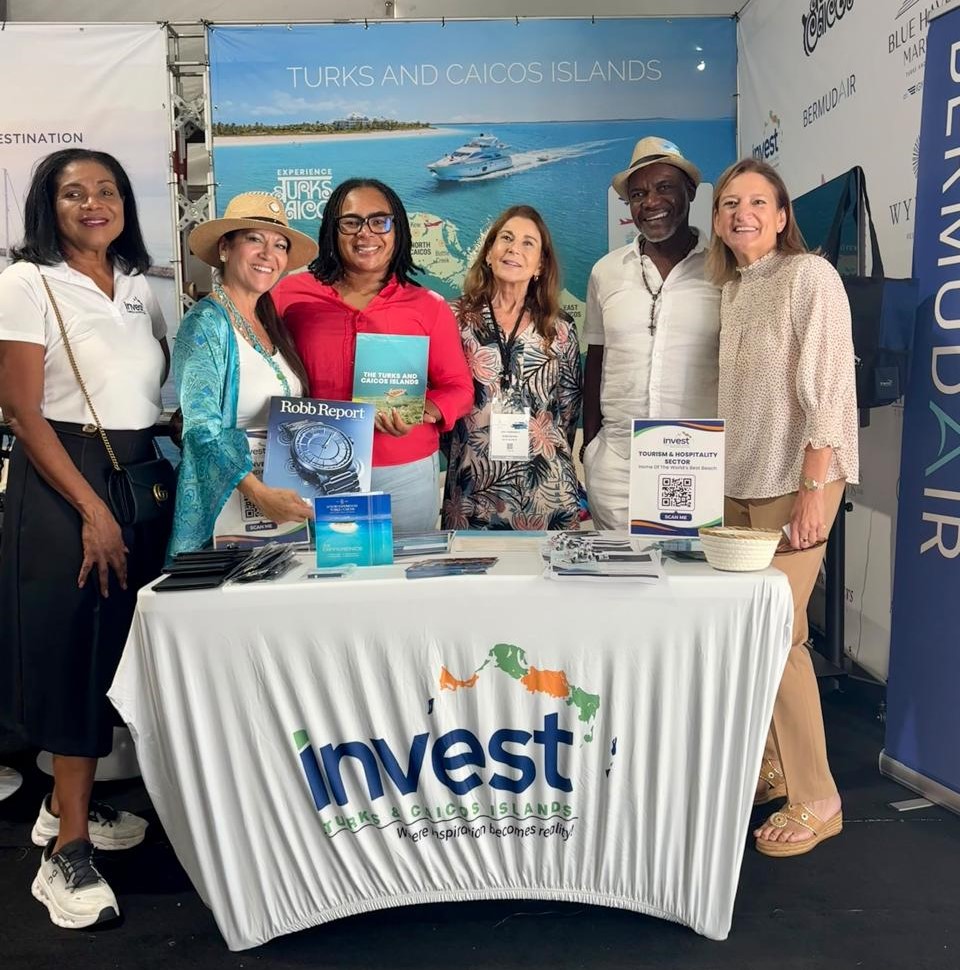
Providenciales, Turks and Caicos Islands (November 10th, 2026) – The Turks and Caicos Islands made its first appearance at the Fort Lauderdale International Boat Show (FLIBS) as a destination, showcasing its appeal to superyacht owners, charter brokers and industry professionals while positioning yachting as an important opportunity for tourism diversification.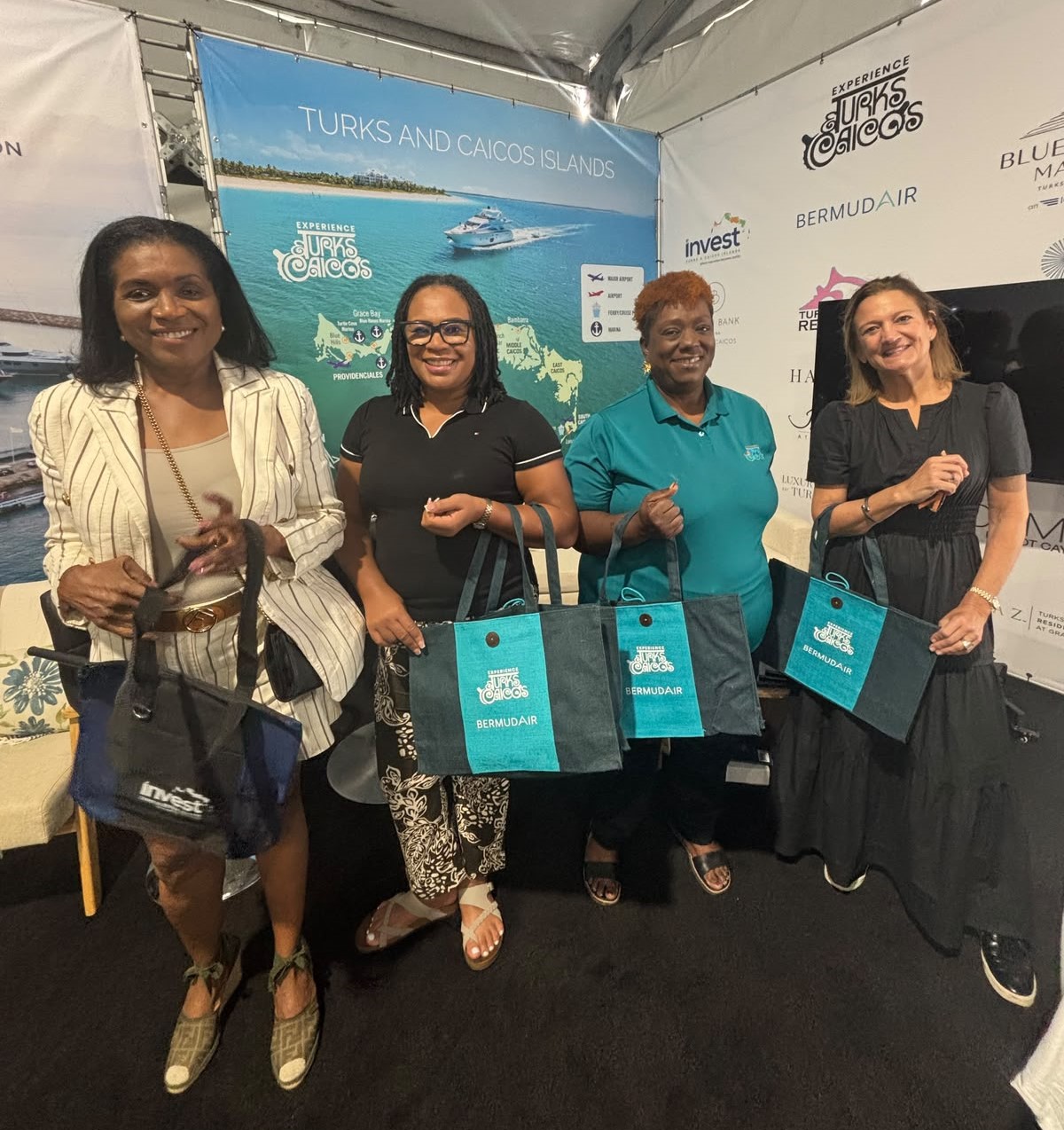
Participation in the internationally recognised event provided Experience Turks and Caicos with a platform to promote the destination’s marine environment, luxury tourism offering and marina infrastructure, including the recently upgraded South Bank and Blue Haven Marinas, the latter which can accommodate superyachts.
The delegation engaged directly with charter brokers, yacht owners and other industry stakeholders to build awareness of the destination and explore opportunities to attract more yachts and high-value visitors to the Islands.
The delegation included Chairman of the Turks and Caicos Islands Tourism Authority, Mr. Anthony Garland; Director Mr. Levardo Talbot; Experience Turks and Caicos Public Relations Manager Ms. Laura Dowrich; Ms. Samantha Charles of the Department of Maritime; Ms. Judith Garland of Invest TCI; and Ms. Alizee Zimmerman of the Turks and Caicos Reef Fund. The delegation was supported by Mr. Phillip Knaggs who is in charge of Blue Haven Marina, Mr. Adam Foster, CEO of South Bank Marina and Ms. Claudette Pagano of Island Salts Company in Florida.
Throughout the show, Experience Turks and Caicos participated in key industry events and networking opportunities, including sponsorship of the Guy Harvey Foundation dinner and fundraiser, the Superyacht Association’s 20th Anniversary Breakfast and the Women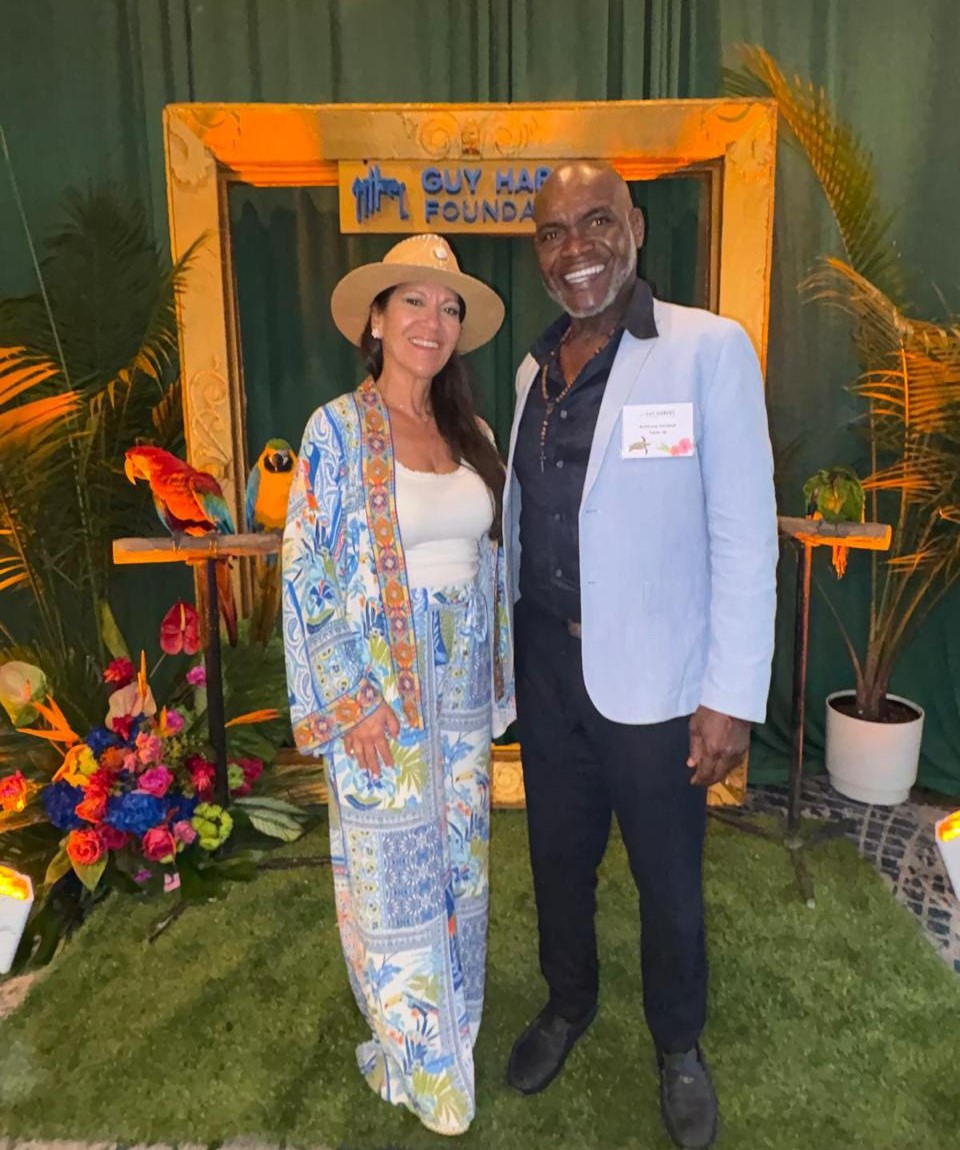 in Yachting Breakfast. These engagements provided opportunities to strengthen relationships across the yachting sector and position the Turks and Caicos Islands within conversations about the Caribbean’s growing superyacht and luxury marine tourism market.
Minister of Tourism, the Hon. Zhavargo Jolly, said yachting represents a significant opportunity for the Turks and Caicos Islands to diversify our tourism economy and strengthen our position in the affluent travel market. “Our participation at the Fort Lauderdale International Boat Show was a deliberate step in positioning the Turks and Caicos Islands more prominently within this industry and follows discussions we have held with the Department of Maritime, the Ministry of Immigration and Border Services, the marinas, and even with the Government of the British Virgin Islands to understand best practices and foster regional collaboration. As we continue to diversify tourism, yachting can create new avenues for investment, business development and economic benefits for Turks and Caicos Islanders.”
Mr. Anthony Garland, Chairman of the Turks and Caicos Islands Tourism Authority, experienced first hand the benefits of the destination presence at FLIBS. “The yachting industry is highly competitive across the Caribbean, so establishing a presence for the Turks and Caicos Islands at what is widely regarded as the world’s largest boat show was an important step for us. The added value and engagement that the yachting industry can potentially contribute to the local watersports and gastro economy is also an attractive proposition for Experience TCI and by extension The Turks & Caicos Islands nationwide”.
Mr. Philip Knaggs of Blue Haven Marina, was very enthusiastic about the Turks and Caicos Islands’ presence at FLIBS. “The FLIBS show is always a great way to make industry contacts and to give your location exposure to a wider tourism audience. As the only Superyacht Marina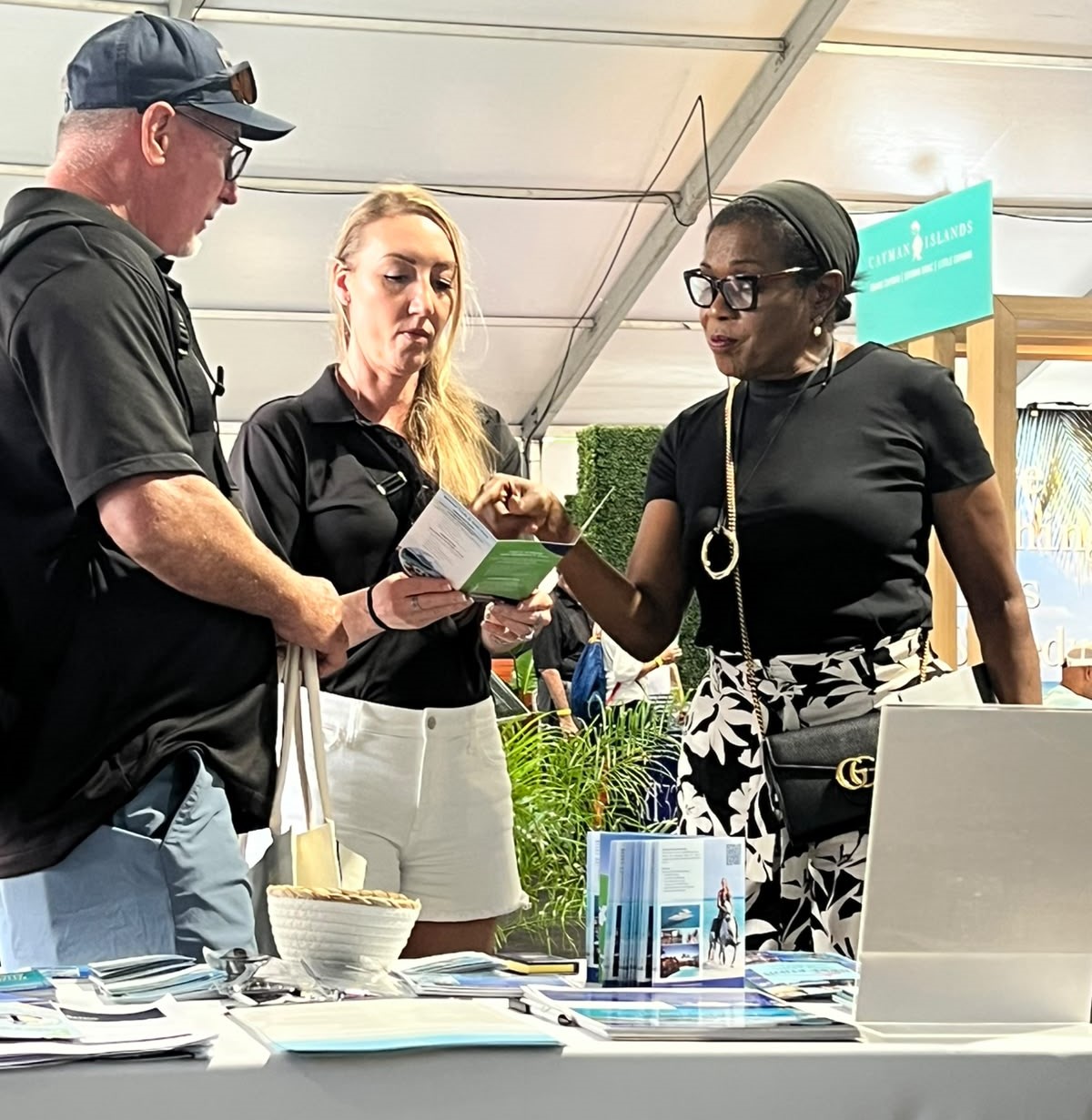 in Turks and Caicos, Blue Haven Marina was excited about participating in multiple presentations and conversations showcasing the beauty that the destination has to offer. From the third largest barrier reef in the world, to nature sanctuaries, whale watching and varied cultural events, Turks and Caicos Islands, with it’s 100 named islands and cays, has become the premier Superyacht destination in the Caribbean,” he said.
Adam Foster, CEO, South Bank Marina said: “Experience Turks and Caicos’ presence at the Fort Lauderdale International Boat Show added real value across every sector of our business. We strongly believe their participation enhanced the Turks and Caicos Islands brand and strengthened our visibility with the yachting community. We welcome the opportunity to work with them again next year.”
The destination’s presence also provided an opportunity for Experience Turks and Caicos to work alongside BermudAir in promoting its new nonstop Fort Lauderdale–Providenciales service, launched on October 26, 2026. The route strengthens connectivity between South Florida and the Turks and Caicos Islands, providing greater access for leisure and business travellers while supporting opportunities for yachting-related travel. The collaboration at FLIBS allowed both partners to highlight the destination’s marine tourism offering alongside improved air access from an important regional gateway.
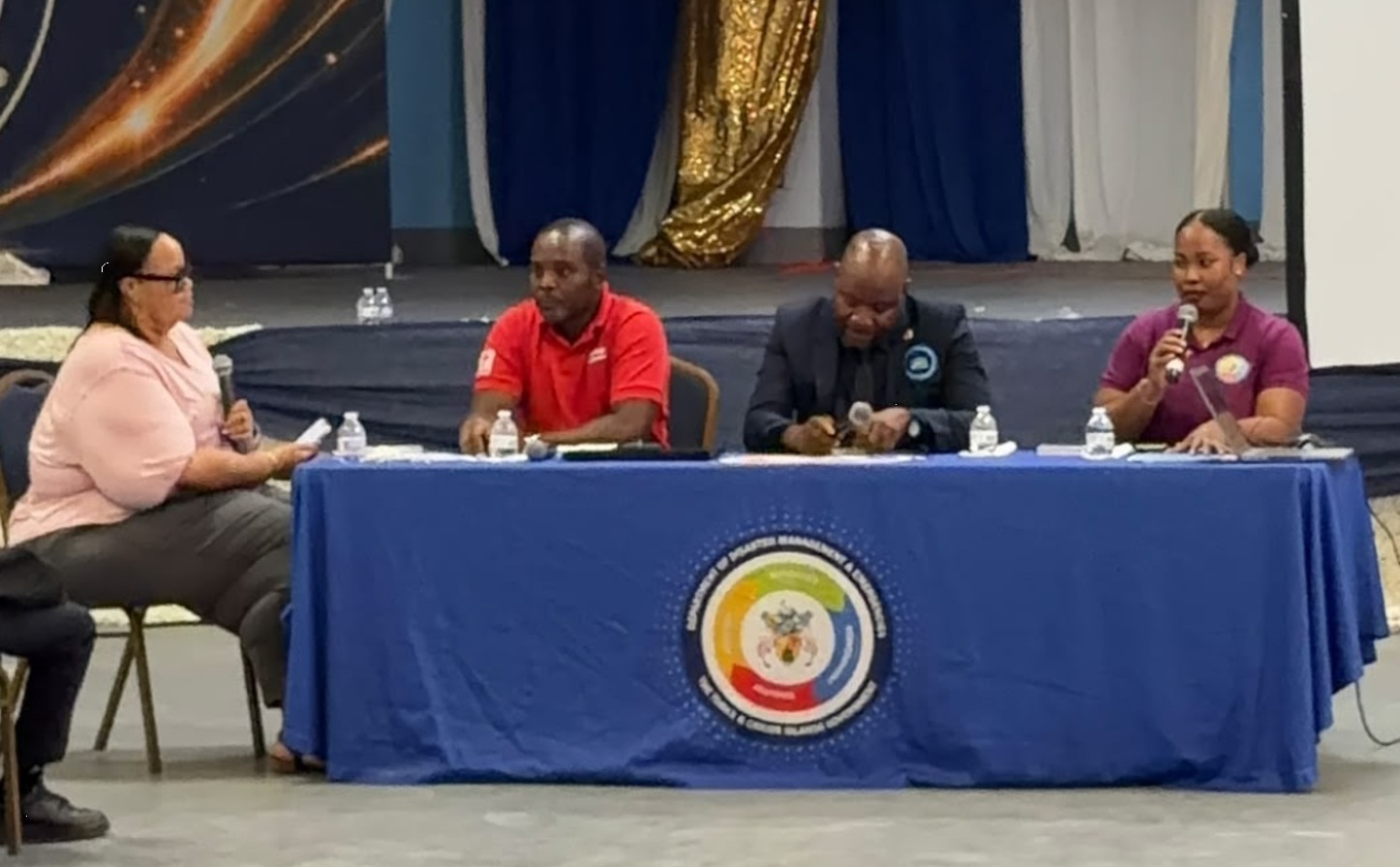
Providenciales, Turks and Caicos Islands – Thursday, 22 October 2026: The Department of Disaster Management and Emergencies (DDME) joined the global observance of International Day for Disaster Risk Reduction (IDDRR) on October 13th. Various initiatives were held throughout the islands to bring awareness to the public, including panel discussions, community engagement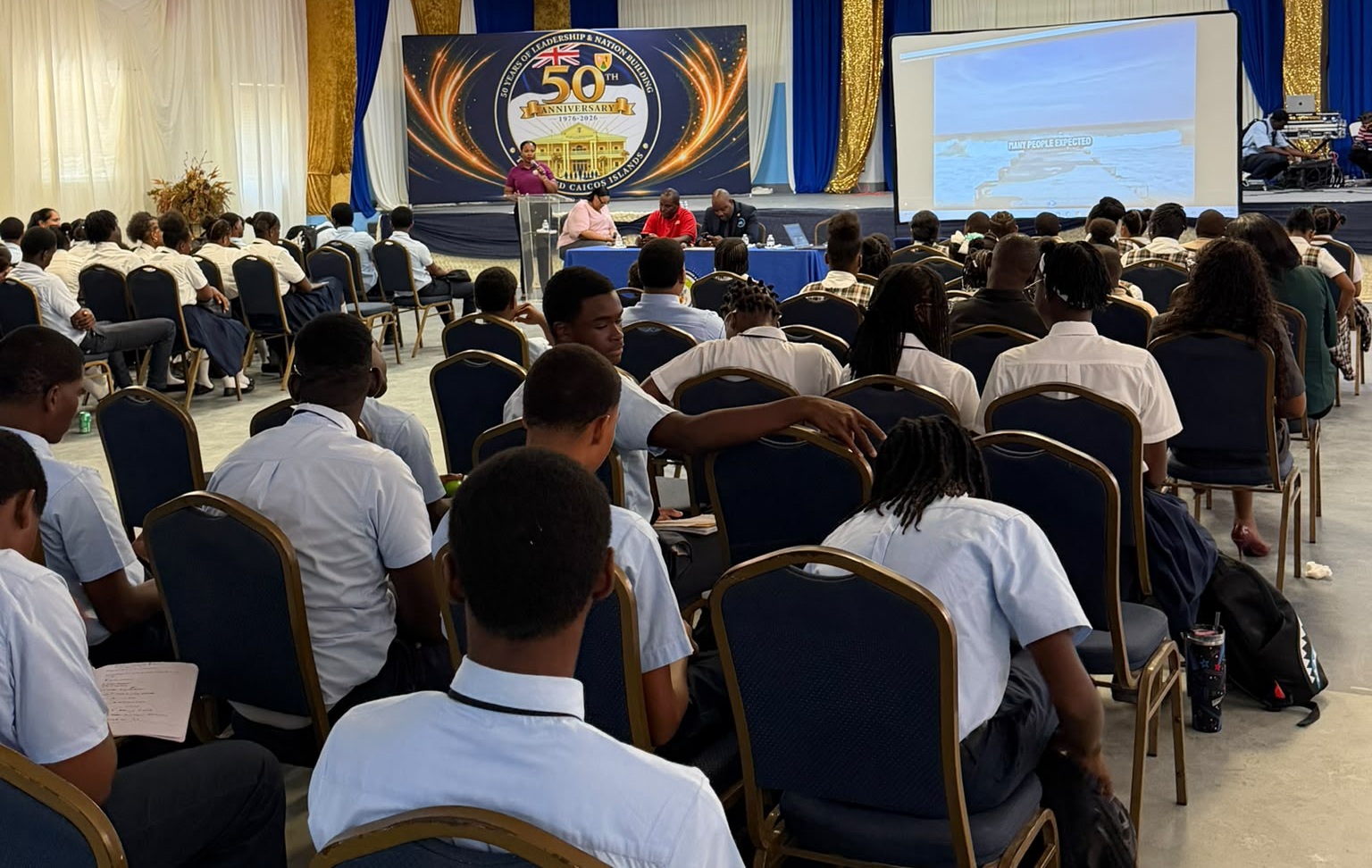 activities, school visits, essay writing and an original video submission from the Eliza Simons School in Grand Turk.
Disaster Risk Reduction is a people-centred endeavour; it emphasises that policies, systems and investments must be designed around the needs and capabilities of individuals and communities, according to the Sendai Framework for Disaster Risk Reduction 2015-2030. Each year, the United Nations Office for Disaster Risk Reduction (UNDRR), as the implementing agency for the Sendai Framework, issues a call to action encouraging individuals, communities, and countries to become resilient.
The 2026 IDDRR theme, ‘Resilience Starts at Home’ seeks to bring global and national awareness of the core role of households in disaster risk reduction, advocating for stronger governance and investment in resilient housing, reducing housing-related risk and empowering households to take risk-informed actions to protect themselves and strengthen community resilience.
The Turks and Caicos Islands, in an effort to reduce disaster risk, seeks to observe the concepts and core principles of the Sendai Framework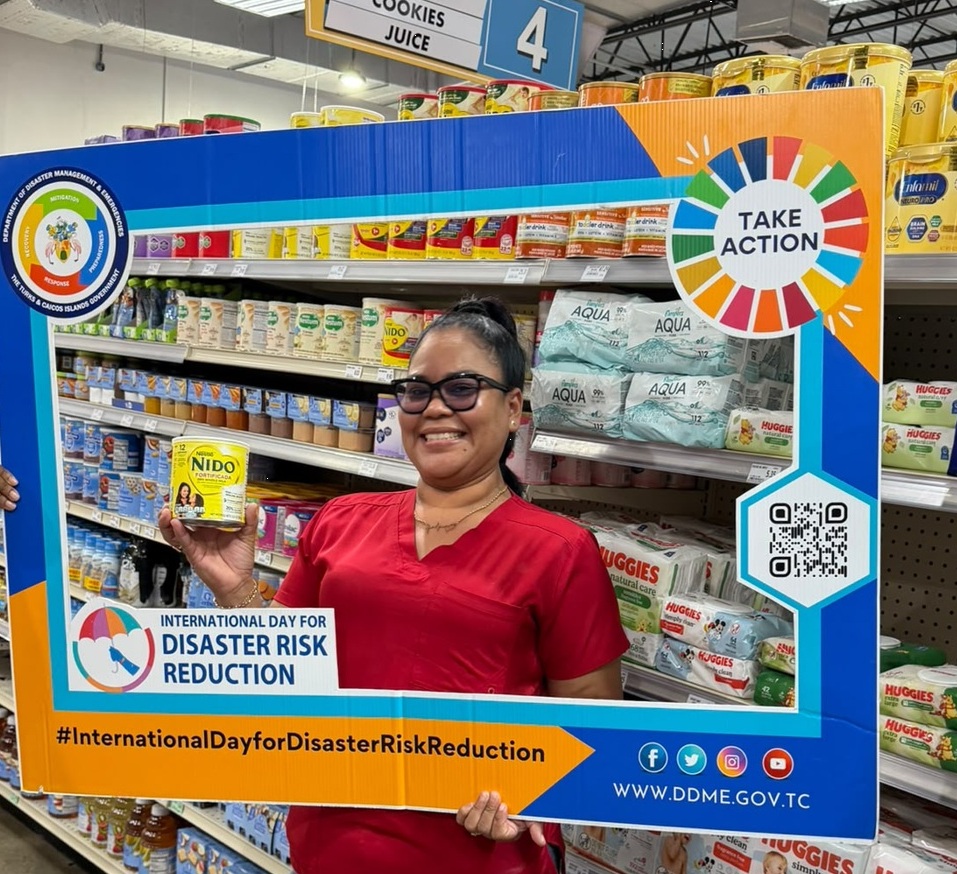 2015-2030. Throughout the years, many initiatives have been taken through the various stages of the disaster cycle from preparedness to recovery in an effort to strengthen the resilience of the Turks and Caicos Islands. Initiatives such as the creation and consistent updating of building codes, the Reconstruction and Rehabilitation Housing Project following major hurricanes such as Ike in 2008, the creation of an early recovery framework, as well as strengthening CCRIFF insurance were all implemented to ensure that the Turks and Caicos Islands were on the path to build back stronger and better.
This year’s theme underscores the roles governments, the private sector, and individuals play in ensuring communities and homes are safe and more resilient. The Turks and Caicos Islands Government has made significant strides in ensuring that homes are constructed through the use of risk-informed planning, land use planning and construction practices. The Reconstruction and Rehabilitation Housing Project, which facilitated the construction of twenty-four (24) completely rebuilt homes and repaired thirty-four (34) homes, provided a baseline for future housing initiatives such as Programme 3. This programme includes community renewal and infilling under the National Housing Policy and seeks to repair property that has sustained physical damage for vulnerable people.
Residents of the Turks and Caicos Islands are reminded of the individual role that they can play in ensuring that their homes are resilient.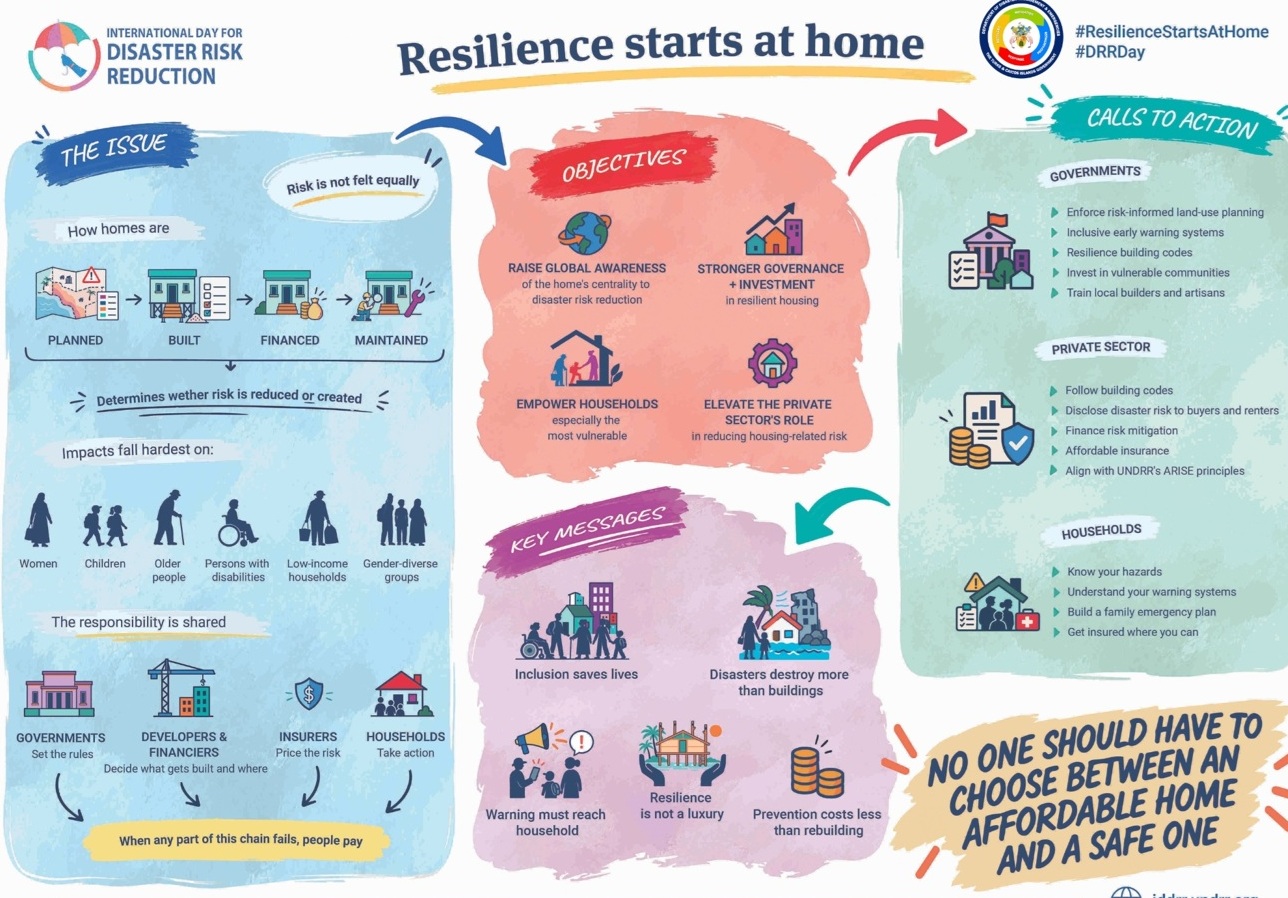
- Ensure that you obtain the proper approvals from the Planning Department before building.
- Ensure that you utilise the standards and building codes of the Turks and Caicos Islands.
- Include proper drainage systems and other methods to reduce flooding and water pooling near your home.
- Update your family emergency plans and ensure that everyone in your household is aware of its contents.
Let us all do our part in ensuring that all homes across the Turks and Caicos Islands are resilient.
Highlights from IDDRR can be seen on the Official DDME Social media accounts: Facebook @ddme.tci_official and Instagram @ddm.tci
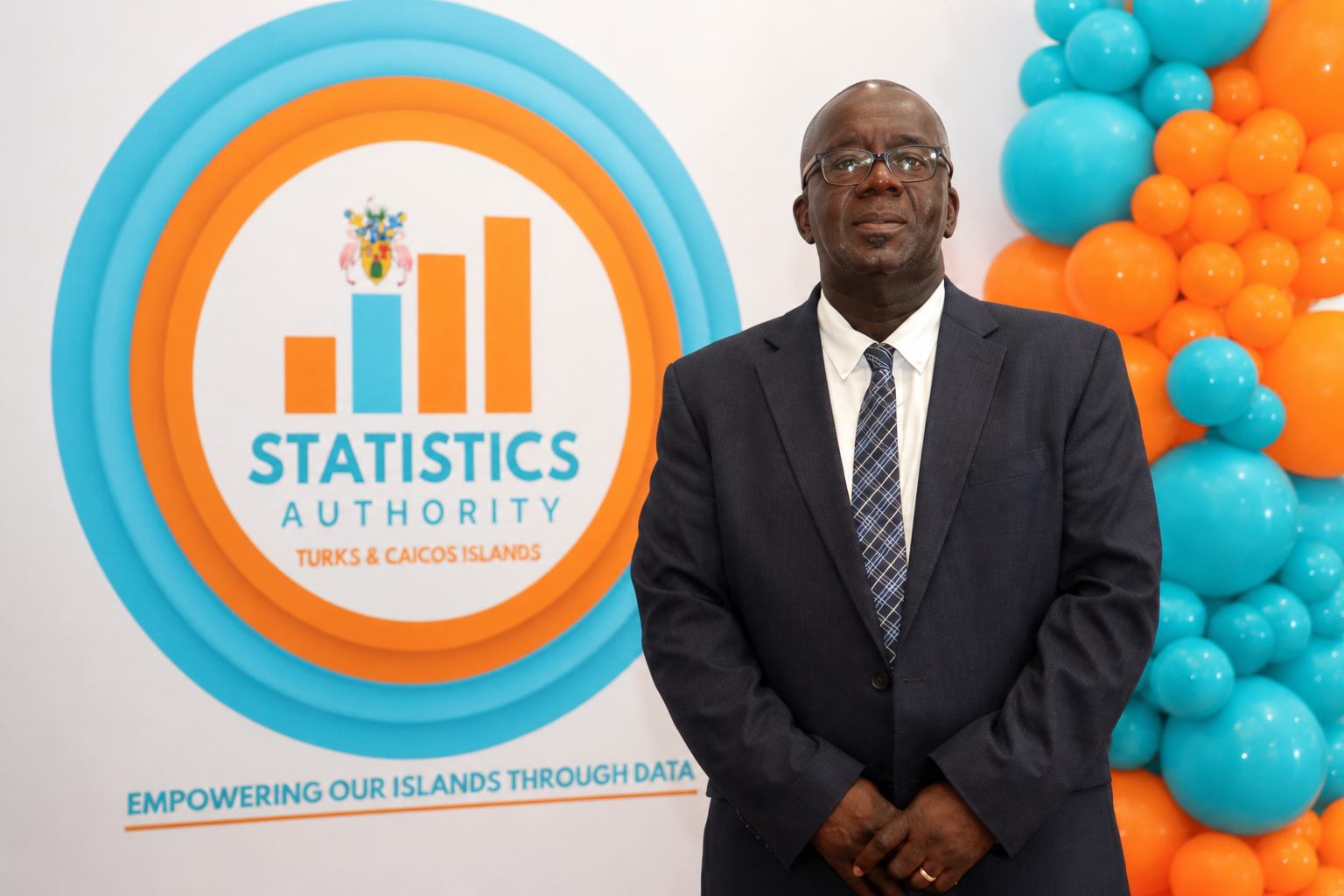
By Deandrea Hamilton
GRAND TURK, Turks and Caicos Islands — Long before it became the Turks and Caicos Islands Statistics Authority, it was a small government unit quietly collecting information for policymakers. It existed largely in the background, producing figures on population, trade, employment and economic activity.
On Tuesday, May 26, that department entered a new era.
In a ceremony themed “Empowering Our Islands Through Data,” the Statistics Department officially became the Turks and Caicos Islands Statistics Authority, a milestone years in the making and one many in attendance attributed to the vision, persistence and leadership of longtime statistician Shirlen Forbes.
The launch itself reflected the values Forbes has championed throughout his career — inclusion, respect for institutional history and investment in the next generation.
Former and current staff were recognized. Tributes were paid to those who laid the foundation decades ago. Students from Enid Capron Primary School performed. Musicians including Robin Forbes, Dexter Landy, Vernal “Samsol” Lightbourn and Aleta “Apple” Astwood contributed cultural selections, while leaders from across government, CARICOM and the Opposition gathered under one roof.
The occasion also featured remarks from Pastor Bradley Handfield, Chairman of the Board of Directors of the Turks and Caicos Islands Statistics Authority, who described the launch as more than the creation of a new institution.
In his welcome message, Handfield said the Authority represents a renewed national commitment to data integrity, independence and excellence. He noted that reliable statistics underpin effective governance, business confidence and informed public discourse, while helping the country track social and economic progress and make better decisions for the future.
What stood out most was the genuine affection in the room.
The event united generations of statisticians, administrators and public servants who had contributed to the evolution of statistical services in the Turks and Caicos Islands. It was evident that Forbes had not forgotten those who came before him.
That commitment to people was highlighted by Acting Governor Anya Williams, who praised the department as one of the best-run entities in government and singled out Forbes for elevating both the institution and its staff.
“There are some departments that if they wrote today and said they wanted to become a statutory body, I would say, ‘Great, can I sign right now?’ But the Statistics Department was not one of those,” Williams said. She described it as a department with a long-standing record of excellence, crediting former leaders including Jones and Kathleen Forbes before noting that Shirlen Forbes had “taken it to another level.”
Her Excellency Williams spoke passionately about Forbes’ emphasis on training and higher education.
She recalled attending a University of the West Indies graduation where members of the department earned master’s degrees, achievements she directly linked to Forbes’ leadership.
“Sometimes they complain that they feel like they’re in school because Mr. Forbes always has them doing something,” she joked, before explaining that his focus extends beyond qualifications.
“For him it’s about empowerment.”
That philosophy has shaped a department that now stands at the centre of national planning.
The historical timeline presented at the launch traced the journey from a statistical unit operating under the Financial Secretary’s Office, through its disbandment in 1993, re-establishment in 1998-99 with support from the Caribbean Development Bank and CARTAC, modernization during the 2000s and 2010s, and ultimately the creation of the Statistics Authority. The Statistics Act of 2012 further strengthened the legal framework for the collection and protection of official data.
Premier Charles Washington Misick acknowledged that while politicians establish policy, professionals such as Forbes make implementation possible.
“My job is to set policy and direction, but it takes people like yourself to implement and deliver,” Misick said. “I’ll take my hat off to you.”
The Premier described statistics as critical to decision-making and national development, noting that modern governments cannot plan effectively without reliable data. He then formally declared the launch of the Statistics Authority.
Yet perhaps the most memorable aspect of the occasion was not the unveiling of a logo, mission statement or statutory framework.
It was the recognition that behind every census, survey, labour report and economic indicator are people dedicated to helping a country understand itself.
For decades, Shirlen Forbes has been one of those people.
Now, with the creation of the Turks and Caicos Islands Statistics Authority, his work stands as a reminder that nation-building is not only done in Parliament or Cabinet rooms. Sometimes it is done quietly, one dataset, one report and one trained professional at a time.
And on May 26, the Turks and Caicos Islands paused to say thank you.





-

 Bahamas News1 week ago
The Longest Table comes to Nassau – and children’s artwork will form the centrepiece as more than 600 guests dine at 700ft-long table
-
 Health1 week ago
Islanders Benefit from Free Dental Care Through Sandals Foundation, Great Shape, and TCI Gov’t Partnership
-
 Bahamas News2 days ago
Sunset and friendship as guests join Governor General at 700ft table for inaugural The Longest Table event in The Bahamas
-
 Caribbean News1 week ago
CARDI announces new leadership appointments for its Board of Governors and Board of Directors
-
 News1 week ago
The Cassandra I remember: A fighting spirit, now elected to serve
-

 News1 week ago
Women in Tourism Retreat Returns for Second Year with Western Air CEO Rexy Rolle as Keynote Speaker
-
 News4 days ago
Experience Turks and Caicos Completes Revitalization of Grand Turk Bird Watching Trails, Advancing Sustainable Tourism Opportunities