Bahamas News
“Boosterize” naturally and visit your favourite produce department


Build your internal arsenal as we try to beat back COVID-19 and Non-Communicable Diseases
By Dana Malcolm
Staff Writer
#TurksandCaicos, January 19, 2022 – Imagine, your home is being attacked by a hundred thousand invaders but you have a hundred million soldiers; easy win right? Maybe not. Imagine your soldiers are too weak to pick up their swords, the fight becomes significantly harder, in fact it may become a losing battle and your quality of life or life itself is the prize.
Every day, our immune systems are engaged in these unseen battles. However, there are too many of our systems are losing to invaders like Covid-19 because they are simply not strong enough.
How do you build up your fighters to turn around a losing battle, to give your body the victory? Magnetic Media has searched out eight superfoods to help your effort.
They are easy to find and very affordable at your local grocer.
Our natural boosters list includes: Spinach, Beets, Garlic, Dasheen, Callaloo, Ginger, Onions and Celery are eight superfoods that are readily available to Islanders and are known to inject our immune systems with a serious boost.
Spinach
There’s a reason Popeye the Sailor popped open a can of this leafy green when he was in trouble. A single cup of spinach contains .86 grams of protein, 30 milligrams (mg) of calcium, .81 g of iron, 24 mg of magnesium, 167 mg of potassium, 2,813 international units of Vitamin A and 58 micrograms of folate says the United States Department of Agriculture.
So yes, it does make you super strong!
Spinach, delicious raw cooked or blended into smoothies helps to “improve blood glucose control in people with diabetes, lowering the risk of cancer, and improving bone health, as well as supplying minerals and vitamins that can provide a range of different benefits,” says Medical News Today.
Spinach also helps with asthma prevention and bone health, however please avoid spinach if you are using blood thinners, say medical experts.
Beets
This richly colored root vegetable has a bad reputation for not being the tastiest morsel on the plate but there are several ways to consume beets that you just might try after hearing the mounds of benefits associated with the red vegetable.
“Beetroot provides a wide range of possible health benefits, such as reducing blood pressure, improving digestion, and lowering the risk of diabetes. A 2019 review of studies Trusted Source found that certain compounds in beets can disrupt the cancerous mutations of cells. Such compounds include betalains, which are pigments that give beets their red and yellow color,” Medical News Today explains.
Highly recommend is making beetroot juice by peeling beetroot and blending it with a combination of fresh orange, mint, pineapple or apples, lemon, and ginger. Beets can also be roasted, steamed, boiled or pickled.
Garlic
Since the Middle Ages Europeans have used garlic for all sorts of reasons, but you would be better served popping it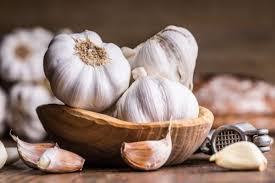 in your mouth than using it to ward off Count Dracula, you know the vampire guy. Mainly because garlic is widely used for several conditions linked to the blood system and the heart, including atherosclerosis (hardening of the arteries), high cholesterol, heart attack, coronary heart disease, and hypertension.
Medical News Today says researchers recommend raw garlic as the most effective. Cooked garlic also retained much of its properties.
Dasheen
This root vegetable also called Taro root in certain countries is Asian in origin and is similar to yams or potatoes.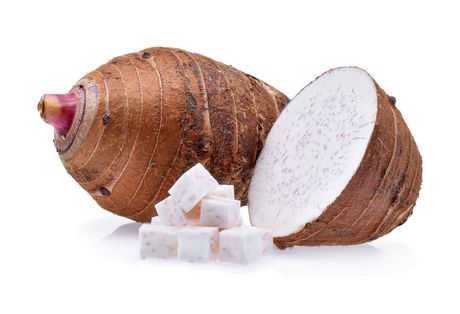 Dasheens contain a wealth of nutrients including Fiber, Manganese, Vitamin B6, Vitamin E, Potassium, Copper, Vitamin C, Phosphorus and Magnesium says Healthline.
It is rich in fiber and may reduce risk of heart disease and may even assist in weight loss journeys. Dasheen can be mashed or fried as well as added to soups and stews.
Callaloo A breakfast staple in countries like Jamaica this green leafy vegetable can be added to soups or steamed with fish.
Callaloo is a good source of vitamin C. According to the Food Composition Tables for the Caribbean the vegetable provides iron, potassium, calcium, fiber, sodium, vitamin C and protein. The vegetable can reduce blood pressure and regulate heart health.
Like spinach, persons with kidney disease should avoid this vegetable as it is rich in potassium.
Ginger
Every Caribbean child has been treated with ‘a little ginger tea’ for some ailment or the other at some point in time so it’s no surprise that the spice has made the elite list.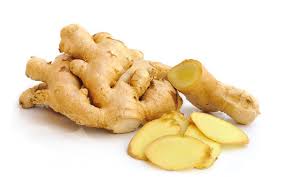
Medical News Today says antioxidants and other nutrients in ginger may help prevent or treat arthritis, inflammation, and various types of infection. Researchers have also studied its potential to reduce the risk of diabetes, cancer, and other health problems.
Ginger has been proven to reduce gas and improve digestion as well reduce nausea and ease colds and the flu so grandma’s faith in the remedy was well placed! Ginger even helps in reducing belly fat, as it has a thermogenic effect to activate the metabolism and help in burning fat.
Ginger can be blended, drawn as a tea or incorporated into meals like stir fry.
Onions
The quintessential Caribbean spice. Whether they’re red, white or yellow, if it’s a Caribbean dish you can bet your conch shell it’s going to have onions somewhere in the mix.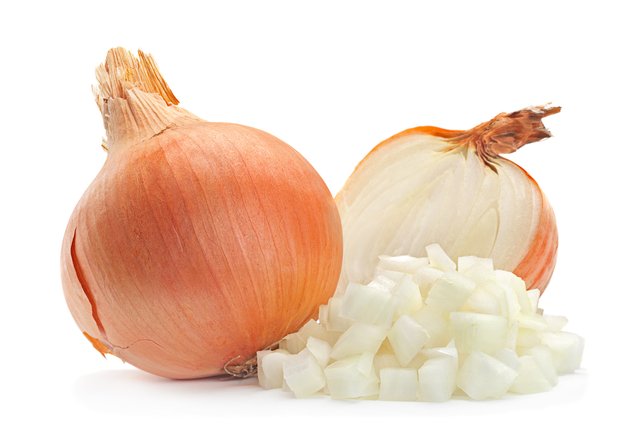
However, there is more to this layered cooking staple than just its taste. Research proves onions also provide potential health benefits. These include reducing the risk of several types of cancer, improving mood, and maintaining skin and hair health. The spice also contains high levels of vitamin C B-6 and Manganese.
LifeHack.com shares that onions stops colds in their tracks, can help rid your skin of blemishes, eases the pain of bee stings, helps with detoxifying the body, lowers bad cholesterol and nourishes the brain for improved mental health.
Onions can be roasted, grilled, sautéed, caramelized or eaten raw.
Celery
One of the greatest enemy of toddlers’ dinner plates and even some adults, this crunchy veggie is another food which carries the reputation for not being the tastiest.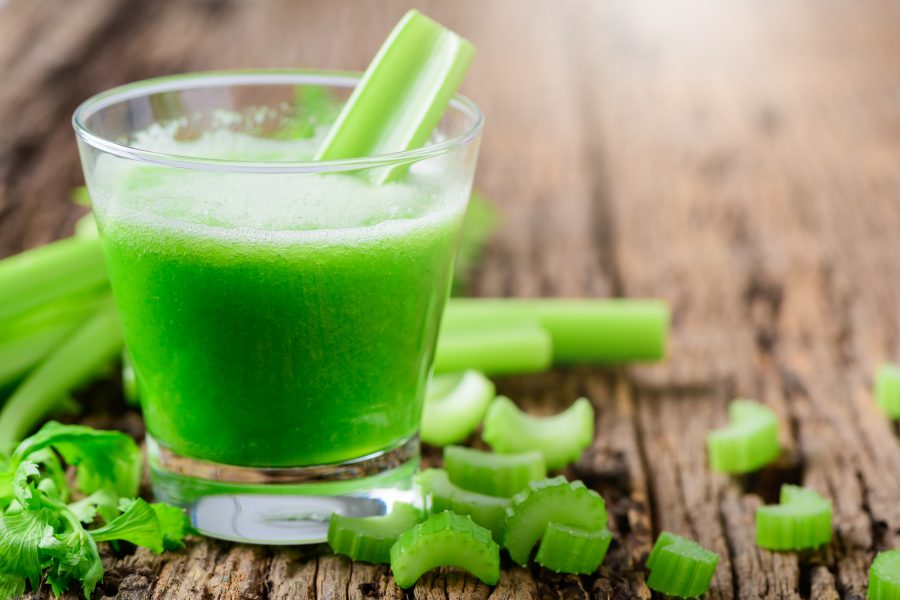
But whether it’s juiced, added to lunch boxes as a side or blended into smoothies this vegetable helps to prevent inflammation and lowers blood pressure.
Celery is also extremely hydrating and a good source of fiber according to Medical News Today.
It is important to note that an occasional munch on these foods will not provide serious immune support, but its seeds do offer a one two punch to germs, and a juice proves to be an excellent diuretic, supporting detox and weight loss.
Celery cleans up the liver and for the skin, it helps in reducing the appearance of wrinkles.







The Bahamas, August 27, 2026 – The Royal Bahamas Police Force wishes to inform members of the public that several individuals are scheduled to appear before the Magistrate’s Court on Thursday, 27th August 2026, at 12:00 noon.
The individuals and charges are as follows:
An 18-year-old female is scheduled to be arraigned on the following charges:
Three (3) counts of Murder
Three (3) counts of Attempted Murder
Three (3) counts of Possession of a Firearm with Intent to Endanger Life
Three (3) counts of Possession of an Unlicensed Firearm
Two (2) counts of Possession of Ammunition
Armed Robbery
Abetment to Armed Robbery
Stealing
Receiving
The charges stem from three separate shooting incidents and an armed robbery that occurred on Friday, 21st August 2026, and Saturday, 22nd August 2026.
The first shooting occurred in the area of Soldier Road and Baillou Hill Road, resulting in the death of a 51-year-old male.
The second shooting occurred in the area of Joe Farrington Road, resulting in the death of a 52-year-old male.
The third shooting occurred in the area of Gladstone Road, resulting in the death of a 36-year-old male.
The armed robbery occurred at a business establishment in the area of Carmichael Road and Baillou Hill Road.
A 21-year-old male is scheduled to be arraigned on one charge of:
- Murder
The charge stems from a shooting incident that occurred on Tuesday, 21st July 2026, in the area of Samson Street, Nassau Village, which resulted in the death of a 28-year-old male.
A 32-year-old male is scheduled to be arraigned on the following charges:
- Murder
- Attempted Murder
These charges stem from a shooting incident that occurred on Wednesday, 24th December 2025, in the area of Graham Drive, Yellow Elder, which resulted in the death of a 25-year-old male.
RBPF, PACD
Bahamas News
Bahama Brass Band Invitation Sparks Heritage Debate Ahead of TCI Constitutional Holiday

Turks and Caicos, August 20, 2026 – The planned participation of the Bahama Brass Band in the Turks and Caicos Islands’ inaugural Constitutional Holiday celebrations on August 30 has sparked public debate over culture, heritage and the historical contributions of Turks and Caicos Islanders abroad.
Organizers defended the invitation, saying the band’s inclusion is intended to highlight the deep historical ties between the two countries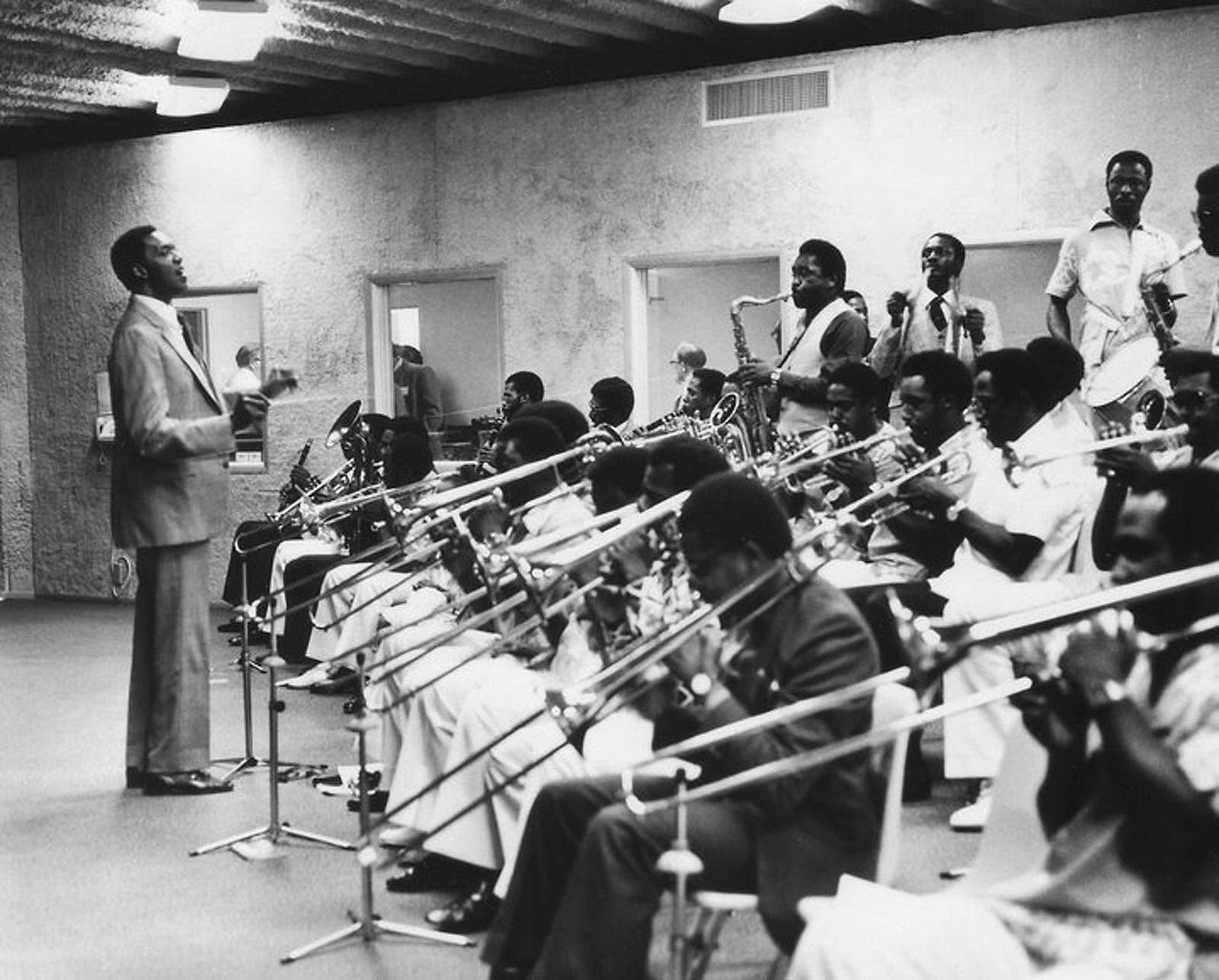 and honor Turks and Caicos men who helped establish and develop the institution in Grand Bahama.
According to the organizers, the Bahama Brass Band began in 1955 in Pine Ridge, Freeport, with Turks and Caicos Islanders, including the late Deacon Reuben Hall Sr. of Middle Caicos and Jenkins Williams and Mervin Hendfield of North Caicos, among those who helped build its foundation. The band eventually grew to more than 50 men.
The organizers also pointed to the participation of Turks and Caicos men in The Bahamas’ Independence celebrations on July 10, 1973, arguing that their contributions became part of Bahamian history while maintaining strong connections to their homeland.
Supporters say bringing the band home represents an opportunity to honor those pioneers, showcase their regional influence and expose younger generations to an important part of Turks and Caicos history.
However, concerns raised publicly described the invitation as potentially disrespectful to local culture and heritage. Organizers acknowledged those concerns, apologizing to anyone who felt overlooked or offended, while maintaining that no disrespect was intended.
The committee said the event should ultimately unite rather than divide, presenting the band’s history as evidence of the reach and resilience of Turks and Caicos heritage.
PHOTO CREDIT: Bahamas Brass Band
NASSAU, Bahamas — Caribbean Bottling Company (CBC), local producers of Dasani products, proudly sponsored the fifth annual, Caribbean Hoopfest.
The tournament brings together Bahamian high school basketball teams and visiting teams from the United States for a competitive showcase at the Kendal G. L. Isaacs Gymnasium. Following its inaugural year at the Kendal G. L. Isaacs gym and last year’s event at Loyola Hall, the tournament returned to the Kendal G. L. Isaacs gym this year.
During the weekend tournament, CBC kept athletes well hydrated with in-kind donations of Dasani Water, Powerade and Minute Maid Juices.
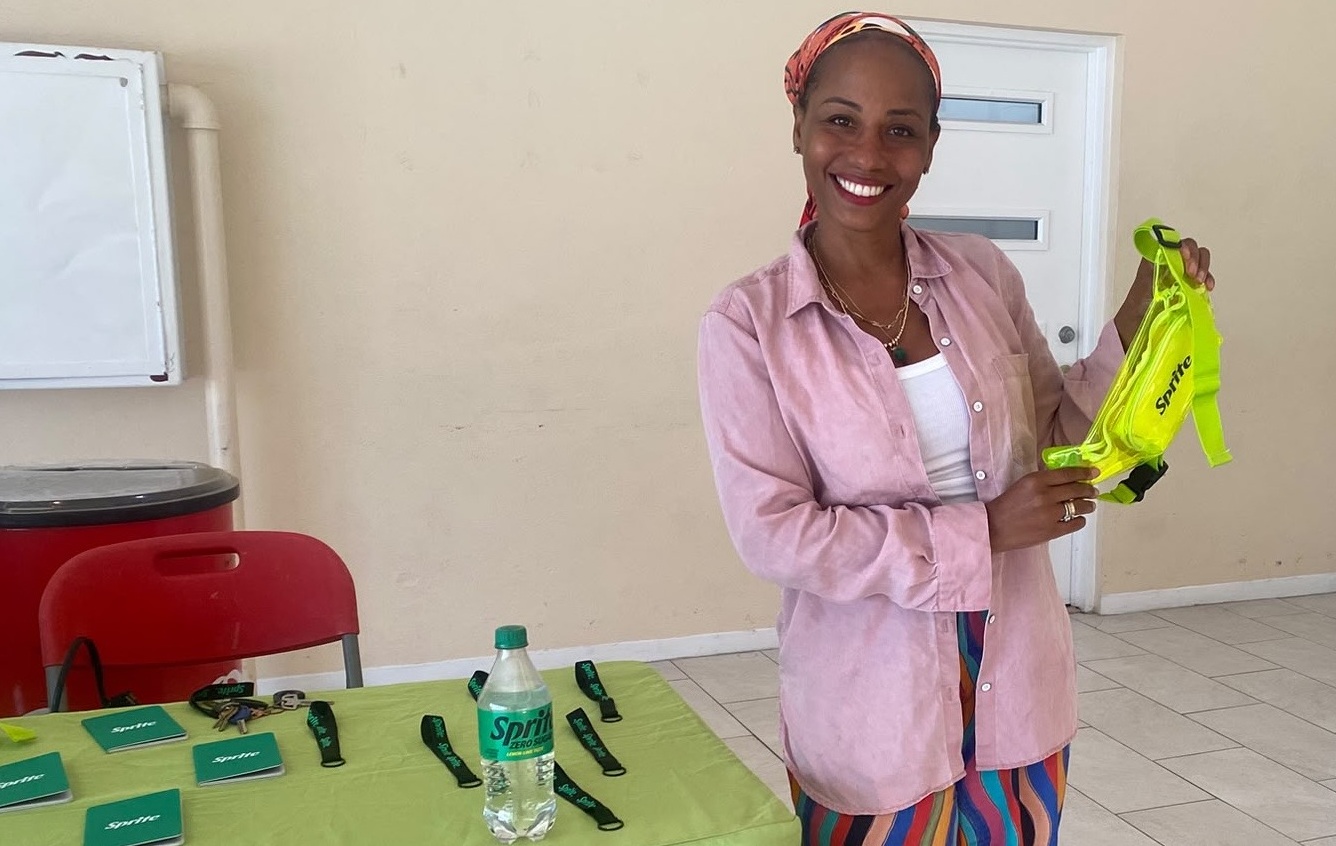
During the tournament’s final day, CBC provided additional support by offering Sprite No Sugar samples and inviting attendees to participate in its Spin the Wheel for a chance to win exciting prizes.
CBC was proud to support this incredible event, which provides young Bahamian athletes with valuable exposure to U.S. basketball scouts and coaches. This opportunity gives them the chance to earn scholarships, continue their education, and pursue their basketball careers in the United States.
Event organizer, Donald Francois shared his appreciation for CBC’s support.
“I want to express our sincere appreciation for Caribbean Bottling Company, who has been a tremendous supporter and an important part of the success of our program. Without CBC’s support, Caribbean Hoop Fest would not be able to function at the level it does today. And without Caribbean Hoop Fest, we would not have been able to provide the opportunities that have helped young Bahamian athletes gain exposure and pursue educational opportunities in the United States,” he expressed.
Since the program’s inception, several Bahamian student-athletes have been selected for scholarship opportunities, highlighting the tournament’s growing impact on the development and advancement of young basketball talent in The Bahamas.
They are: Kelvin McDowells – Guard, Wodson Antoine – Power Forward, Justin Lafleur – Guard and Sean John – Guard.
After another successful edition of the tournament, Francois shared what he hopes he and Caribbean Bottling Company can achieve in the future.
“Our vision is bigger than basketball. We want to use the platform of Caribbean Hoop Fest to educate, develop, and create opportunities for young people and their families throughout the Bahamas. With individuals and organizations committed to our mission, we believe we can continue to grow the program and make an even greater impact,” Francois said.
For more details on community support, events and new products visit Caribbean Bottling Company at www.cbcbahamas.com today.