
Bahamas News
CARPHA presents at Latin America and the Caribbean (LAC) World Food Safety Day 2021

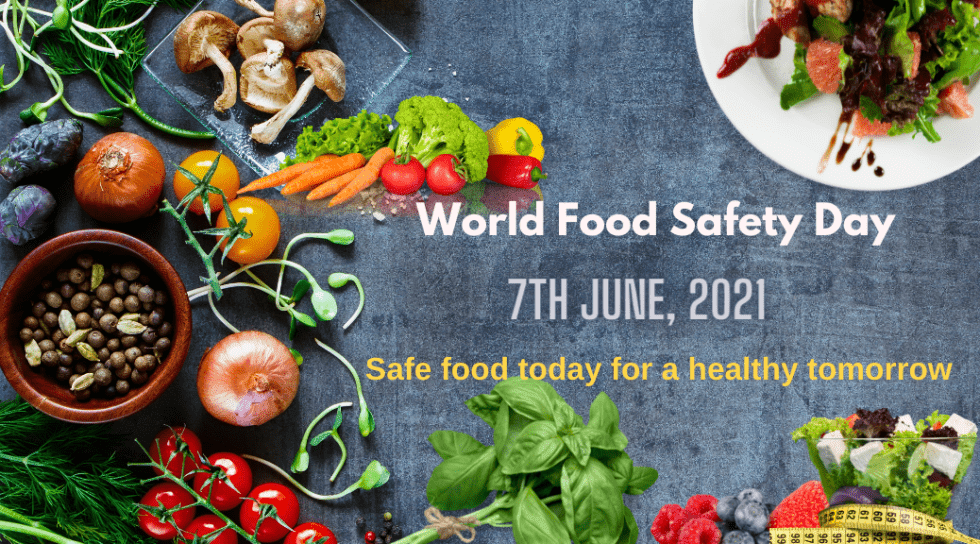
June 10, 2021 – The Caribbean region joins with the global community in celebrating World Food Safety Day (WFSD). As of 2018, WFSD is celebrated each year on 7 June, and is aimed at drawing attention and inspiring action, at all levels and from all sectors, to prevent, detect and manage foodborne risks.
By doing this, we all share a responsibility in contributing to food security, human health, economic prosperity, agriculture, access to regional and international markets, tourism, and sustainable development.
This year’s theme, “Safe food today for a healthy tomorrow”, highlights the need of sustainable production systems to ensure the health of people, the planet, and the economy in the long-term. It is important to recognize that the health of people, animals and the environment is interconnected, and that any safety adverse event may have a global impact on public health, trade and economy. This can pose rather detrimental to the sustainable development of Caribbean States. CARPHA acknowledges this and works with our Member States to develop an integrative approach to the surveillance of foodborne illness.
This multi-sectoral, “One Health” approach requires engagement and collaboration from many parties. Some of these include agriculture, environmental management, animal health, abattoirs, pharmaceutical industry, health and laboratory diagnostics. A collaborative approach is required to address good food production and handling practices, climate change and food safety and traceability to outbreaks and hazards.
The Caribbean continues to encounter multiple threats to food security and safety. Some of these threats include climate change, emerging diseases, and issues in border control and security. Unemployment and poverty, worsened by the COVID-19 pandemic, result in food insecurity and limits people’s access to safer, healthier food options.
On 3rd June 2021, Dr. Lisa Indar, CARPHA Director for Surveillance Disease Prevention and Control (SDPC), presented at World Food Safety Day for Latin America and the Caribbean.

This virtual meeting was hosted by multiple regional organisations in food safety and security, such as the Food and Agriculture Organization, Pan American Health Organization, Pan American Center for Foot-and-Mouth Disease and Veterinary Public Health, and the Inter-American Institute for Cooperation on Agriculture.
Dr. Indar stressed that food must be healthy, safe, available, and affordable to all in our Region. She lamented those foodborne diseases are preventable, yet the burden of illness remains high for the Region. Many outbreaks are underreported, and the burden of illness falls heavily on infants, elderly persons, pregnant women, the immunocompromised and persons experiencing poverty.
In the Caribbean, 1 in 49 people fall ill from a foodborne disease. At mass gatherings, such as Carnivals and at family events for the holidays, 1 in 11 people fall ill. Caribbean countries have been estimated to spend 21 million USD annually, in managing and addressing foodborne diseases.
The Caribbean’s population is exposed to multiple disease-causing agents, which are bacterial, parasitic, and viral in origin. Norovirus, Campylobacter, Giardia and Salmonella spp. contribute to the greatest burden of illness and hospitalizations. Diseases from seafood, namely vibriosis and ciguatera toxicosis are health concerns faced by some Caribbean States. The ecology of these mentioned disease agents is also influenced by climate change. Increasing air and water surface temperatures and worsening floods and storms will increase the risk of exposure to many persons, pets and food-producing animals.
Foodborne diseases are a priority for the Caribbean’s travel and tourism sector. Globally, the Caribbean continues to stand as the premier visitor destination for tourists. The tourism and travel sector contribute 40-60% of the GDP (Gross Domestic Product) for some of our countries. Ensuring a healthier, safer destination, is critical for many Caribbean States, as we market ourselves as a safe option for travel, during the COVID-19 pandemic. Disease outbreaks at hotels and on cruise ships often lead to reputational damage and a loss in income to the involved industry and the country.
To effectively address these challenges, and to build resilience for the tourism sector, CARPHA has implemented an innovative, near real-time surveillance system called the Tourism and Health Information System (THiS). This surveillance system provides an early-warning and mitigation of foodborne outbreaks at Caribbean hotels and stay-in accommodations. To date, CARPHA has trained over 600 facilities in the Region in the use of THiS.
In collaboration with our regional stakeholders, CARPHA has trained and built capacity in multiple Member States in sampling, testing, disease investigation and risk communication. Our Member States continue to benefit from an integrated, One Health approach to preventing and managing foodborne disease outbreaks. Graduates of the CARPHA Field Epidemiology and Laboratory Training Program (FELTP) have been instrumental in investigating foodborne outbreaks in countries. Our Environmental Health and Sustainable Development (EHSD) department conducts testing on food and environmental samples. The Caribbean Medical Microbiology Laboratory (CMML) is equipped to conduct molecular testing and isolation for isolated pathogens and stool samples.
CARPHA will continue to support and build capacity for the implementation of multisectoral, integrative surveillance for foodborne diseases. We are currently scaling up our surveillance and response measures to foodborne illness. CARPHA aims to work with its Member States in food safety and security to ensure a safe today, for a healthy tomorrow.



The Bahamas, August 27, 2026 – The Royal Bahamas Police Force wishes to inform members of the public that several individuals are scheduled to appear before the Magistrate’s Court on Thursday, 27th August 2026, at 12:00 noon.
The individuals and charges are as follows:
An 18-year-old female is scheduled to be arraigned on the following charges:
Three (3) counts of Murder
Three (3) counts of Attempted Murder
Three (3) counts of Possession of a Firearm with Intent to Endanger Life
Three (3) counts of Possession of an Unlicensed Firearm
Two (2) counts of Possession of Ammunition
Armed Robbery
Abetment to Armed Robbery
Stealing
Receiving
The charges stem from three separate shooting incidents and an armed robbery that occurred on Friday, 21st August 2026, and Saturday, 22nd August 2026.
The first shooting occurred in the area of Soldier Road and Baillou Hill Road, resulting in the death of a 51-year-old male.
The second shooting occurred in the area of Joe Farrington Road, resulting in the death of a 52-year-old male.
The third shooting occurred in the area of Gladstone Road, resulting in the death of a 36-year-old male.
The armed robbery occurred at a business establishment in the area of Carmichael Road and Baillou Hill Road.
A 21-year-old male is scheduled to be arraigned on one charge of:
- Murder
The charge stems from a shooting incident that occurred on Tuesday, 21st July 2026, in the area of Samson Street, Nassau Village, which resulted in the death of a 28-year-old male.
A 32-year-old male is scheduled to be arraigned on the following charges:
- Murder
- Attempted Murder
These charges stem from a shooting incident that occurred on Wednesday, 24th December 2025, in the area of Graham Drive, Yellow Elder, which resulted in the death of a 25-year-old male.
RBPF, PACD
Bahamas News
Bahama Brass Band Invitation Sparks Heritage Debate Ahead of TCI Constitutional Holiday

Turks and Caicos, August 20, 2026 – The planned participation of the Bahama Brass Band in the Turks and Caicos Islands’ inaugural Constitutional Holiday celebrations on August 30 has sparked public debate over culture, heritage and the historical contributions of Turks and Caicos Islanders abroad.
Organizers defended the invitation, saying the band’s inclusion is intended to highlight the deep historical ties between the two countries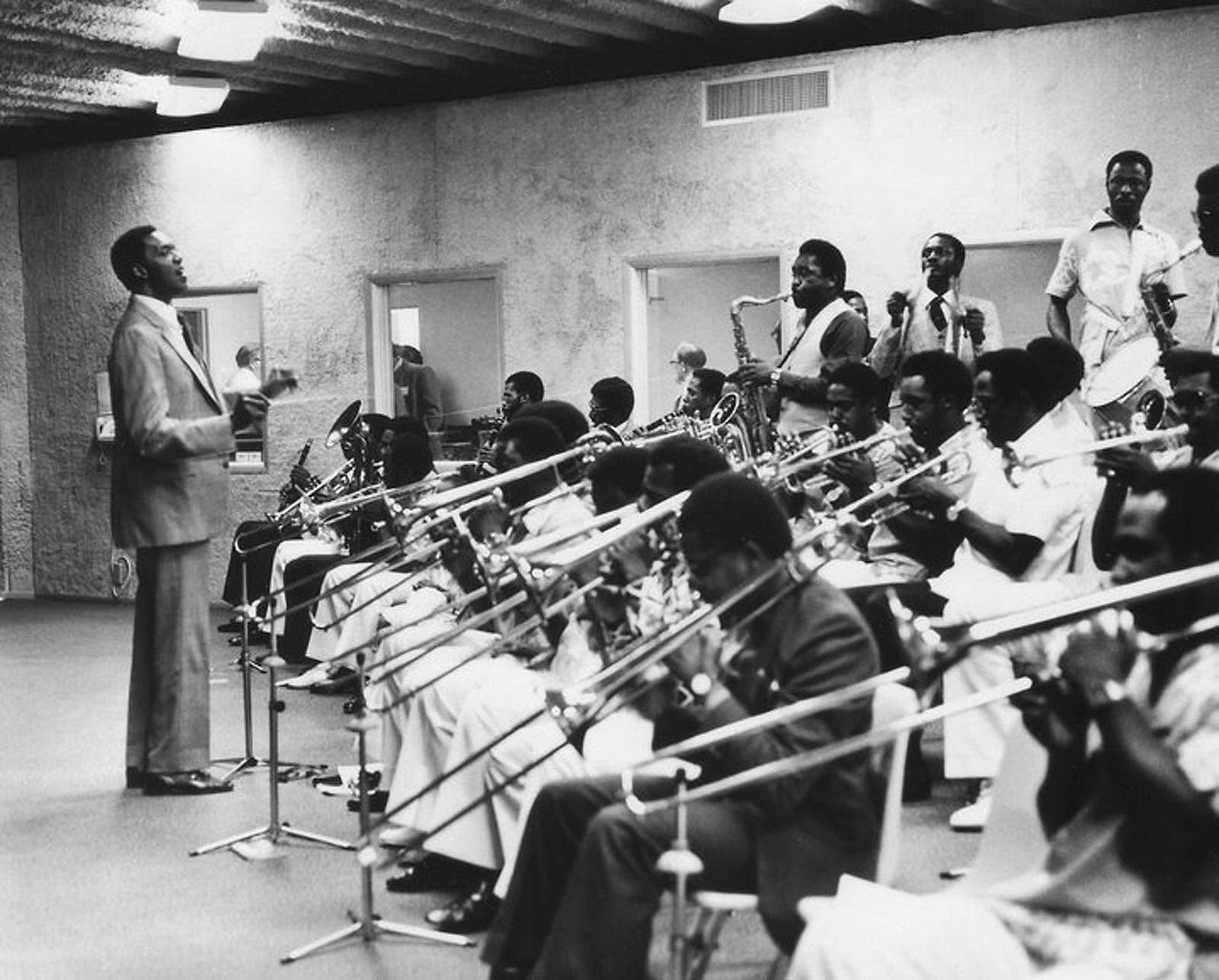 and honor Turks and Caicos men who helped establish and develop the institution in Grand Bahama.
According to the organizers, the Bahama Brass Band began in 1955 in Pine Ridge, Freeport, with Turks and Caicos Islanders, including the late Deacon Reuben Hall Sr. of Middle Caicos and Jenkins Williams and Mervin Hendfield of North Caicos, among those who helped build its foundation. The band eventually grew to more than 50 men.
The organizers also pointed to the participation of Turks and Caicos men in The Bahamas’ Independence celebrations on July 10, 1973, arguing that their contributions became part of Bahamian history while maintaining strong connections to their homeland.
Supporters say bringing the band home represents an opportunity to honor those pioneers, showcase their regional influence and expose younger generations to an important part of Turks and Caicos history.
However, concerns raised publicly described the invitation as potentially disrespectful to local culture and heritage. Organizers acknowledged those concerns, apologizing to anyone who felt overlooked or offended, while maintaining that no disrespect was intended.
The committee said the event should ultimately unite rather than divide, presenting the band’s history as evidence of the reach and resilience of Turks and Caicos heritage.
PHOTO CREDIT: Bahamas Brass Band
NASSAU, Bahamas — Caribbean Bottling Company (CBC), local producers of Dasani products, proudly sponsored the fifth annual, Caribbean Hoopfest.
The tournament brings together Bahamian high school basketball teams and visiting teams from the United States for a competitive showcase at the Kendal G. L. Isaacs Gymnasium. Following its inaugural year at the Kendal G. L. Isaacs gym and last year’s event at Loyola Hall, the tournament returned to the Kendal G. L. Isaacs gym this year.
During the weekend tournament, CBC kept athletes well hydrated with in-kind donations of Dasani Water, Powerade and Minute Maid Juices.
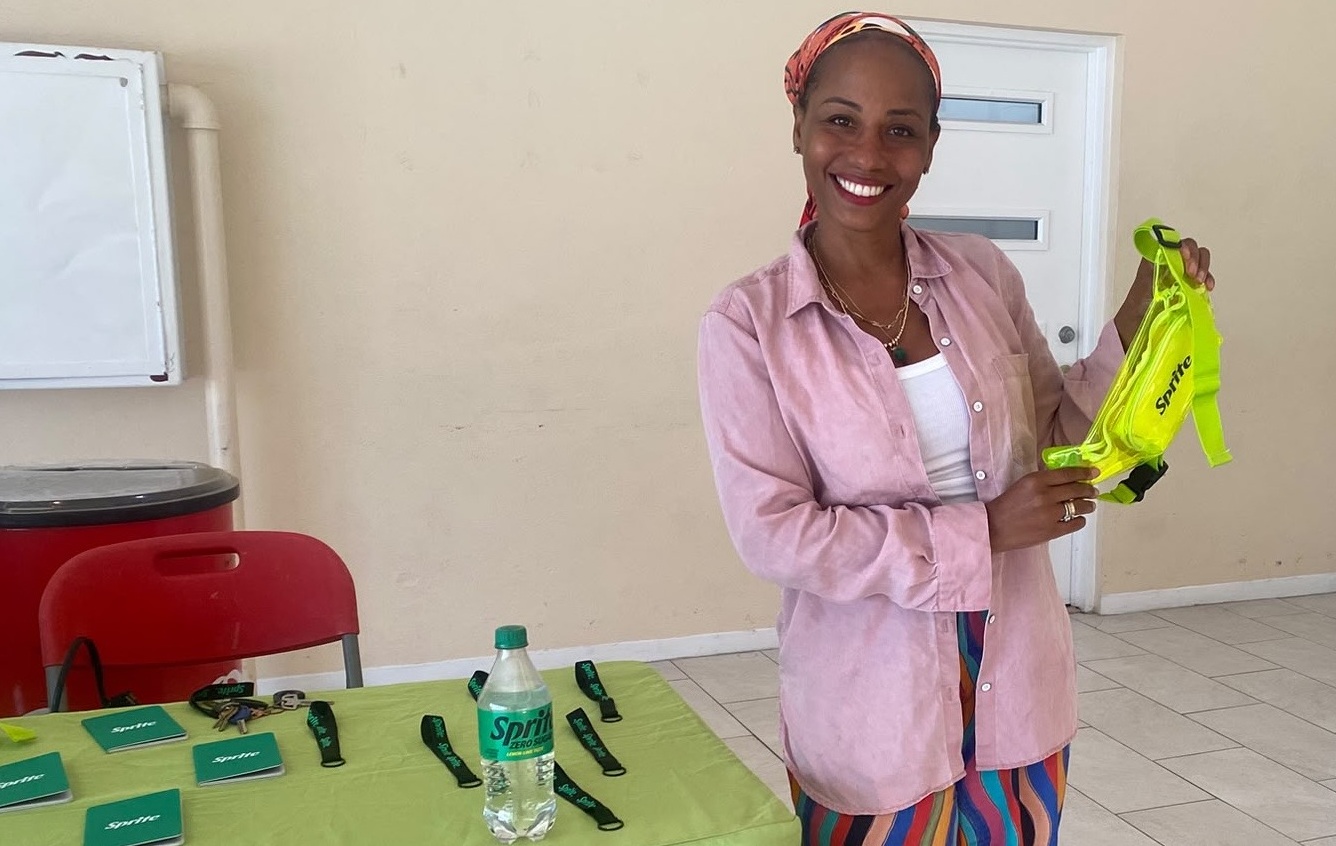
During the tournament’s final day, CBC provided additional support by offering Sprite No Sugar samples and inviting attendees to participate in its Spin the Wheel for a chance to win exciting prizes.
CBC was proud to support this incredible event, which provides young Bahamian athletes with valuable exposure to U.S. basketball scouts and coaches. This opportunity gives them the chance to earn scholarships, continue their education, and pursue their basketball careers in the United States.
Event organizer, Donald Francois shared his appreciation for CBC’s support.
“I want to express our sincere appreciation for Caribbean Bottling Company, who has been a tremendous supporter and an important part of the success of our program. Without CBC’s support, Caribbean Hoop Fest would not be able to function at the level it does today. And without Caribbean Hoop Fest, we would not have been able to provide the opportunities that have helped young Bahamian athletes gain exposure and pursue educational opportunities in the United States,” he expressed.
Since the program’s inception, several Bahamian student-athletes have been selected for scholarship opportunities, highlighting the tournament’s growing impact on the development and advancement of young basketball talent in The Bahamas.
They are: Kelvin McDowells – Guard, Wodson Antoine – Power Forward, Justin Lafleur – Guard and Sean John – Guard.
After another successful edition of the tournament, Francois shared what he hopes he and Caribbean Bottling Company can achieve in the future.
“Our vision is bigger than basketball. We want to use the platform of Caribbean Hoop Fest to educate, develop, and create opportunities for young people and their families throughout the Bahamas. With individuals and organizations committed to our mission, we believe we can continue to grow the program and make an even greater impact,” Francois said.
For more details on community support, events and new products visit Caribbean Bottling Company at www.cbcbahamas.com today.





-

 Education1 week ago
Department of Education Concludes Four-Day TCI National Standards Secondary School Curriculum Implementation Training
-

 Independent writer6 days ago
Fifty Years of Ministerial Government: Honouring Our Past, Embracing Our Present and Preparing for Our Destiny
-

 News1 week ago
UNDER 40 DAYS: COMMITTEE FORMED—BUT WHO IS ON IT?
-

 Health4 days ago
Know the Possible Warning Signs of Prostate Cancer
-

 News1 week ago
Invest TCI Brings Entrepreneurs and Bankers to the Table
-

 News3 days ago
Liberty Business launches in Turks and Caicos Islands
-

 Education3 days ago
TCI Schools Invited to Participate in 2026 National Student Council Election