
Bahamas News
Residents in East Grand Bahama benefit from solar streetlights, thanks to the DRA

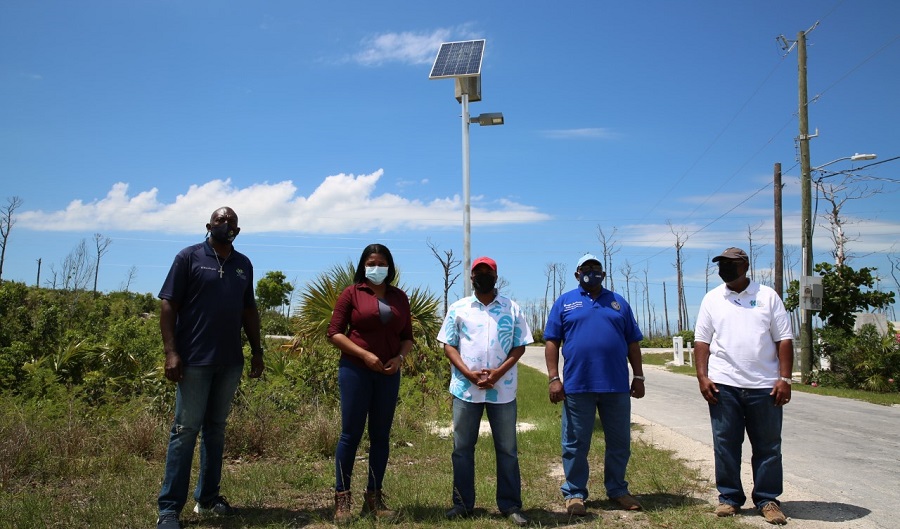
#TheBahamas, May 11, 2021 – Thanks to the Disaster Reconstruction Authority (DRA) and Food for the Poor, residents of East Grand Bahama have street lighting as crews of the Grand Bahama Power Company continue to work towards full restoration of electricity to those communities.
Since devastation by Hurricane Dorian in 2019, which ravaged East Grand Bahama, residents have had to endure living without electricity for months. Because the damage was so extensive in East Grand Bahama, the Power Company attended to getting other communities up and running first.
In the meantime, the Ministry of Disaster Preparedness, Management and Reconstruction, responsible for the DRA, joined forces with Food for the Poor and the Ministry of Grand Bahama, to help provide much-needed street lighting within the East Grand Bahama communities.
Minister of State for Disaster Preparedness, Management and Reconstruction the Hon. Pakesia Parker-Edgecombe, along with Minister of State for Finance and for Grand Bahama, Senator the Hon. Kwasi Thompson and Permanent Secretary in the Office of the Prime Minister (GB), Mr. Harcourt Brown, toured portions of East Grand Bahama on Saturday, May 8, 2021, to view the work that has already been done on the project.
Minister Parker-Edgecombe said: “This is really the result of partnerships, not only on a local level, but on an international level — the Ministry of Grand Bahama, the DRA and the company responsible for what’s going on here in the East communities, as well as those NGOs that came in and assisted us in the aftermath of Hurricane Dorian.
“Food for the Poor has been instrumental in donating these solar lights and we are thankful for them coming in and assisting us in repairing and rebuilding our communities.”

Minister Parker-Edgecombe said efforts by the government and working along with NGOs and other private partners is all about sustainability, moving forward and building back better.
“We look forward to these lights benefiting these communities in a significant way,” she added. “Moving forward, this is what we are going to be bringing to the table to ensure that our communities are safer. We are very appreciative of all of the hands that went into making this project a success.”
The project, which costs over $200,000, is something that has been well-received by the residents in each community.
The solar streetlights have been installed throughout the Eastern District – inclusive of Sweeting’s Cay, McClean’s Town, Pelican Point, High Rock, Free Town and Water Cay.
Minister of State for Finance and for Grand Bahama, Senator Kwasi Thompson pointed out that the solar light project has been a way to take advantage of an opportunity that was created by a crisis. He noted that the devastation of communities in East Grand Bahama has become known not only locally, but on an international scale.
“This really is a model of what really can be achieved in most or many of our Family Islands, he said. “So, we want to congratulate the DRA and the Minister responsible for making this project a reality. This is just one of a number of renewable energy projects that’s going to come to East Grand Bahama.”
One of those major projects, according to Minister Thompson, will be a micro grid project that will help to make East Grand Bahama resilient in the face of future storms. “We’re building it back, but we’re building it back better,” said Minister Thompson.
The solar lights are an all-in-one assembly, consisting of the light pole, the solar panel, battery and light fixture. The solar panel collects power from the sun during the day, and at nightfall the streetlights come on automatically.
Release: BIS
By Andrew Coakley
PHOTO CAPTION
CHECKING OUT PROGRESS OF PROJECT – Minister of State for Finance and for Grand Bahama, Senator the Hon. Kwasi Thompson (center), along with Minister of State for Disaster Preparedness, Management and Reconstruction, the Hon. Pakesia Parker-Edgecombe and Permanent Secretary in the Office of the Prime Minister (GB), Mr. Harcourt Brown (second from right) were in East Grand Bahama on Saturday, May 8, 2021 to check out progress being made on the East Grand Bahama Solar Lights Project, which provides street lighting for all of the communities of East Grand Bahama, which were severely damaged by Hurricane Dorian in 2019. Joining the team were Mr. Derek King, Electrical Engineer with Grand Bahama Procurement Construction Company Limited (right) and Mr. Hutchison, project manager (left).
(BIS Photo/Andrew Miller)

What the Attorney General must do now to protect Bahamian exports
Deandrea Hamilton | Editor
NASSAU, Bahamas — The United States’ decision to impose a 12.5 percent tariff on Bahamian exports is about more than higher costs for seafood, rum and other goods entering the American market. It is a warning that The Bahamas must move quickly to strengthen or clarify its legal framework governing forced labour and supply-chain enforcement.
The tariff, which takes effect July 24, is part of a sweeping U.S. trade action affecting 60 economies following a review by the Office of the U.S. Trade Representative (USTR). The review concluded that the listed countries have not adequately prohibited or enforced measures against goods linked to forced labour in global supply chains.
The action follows a recent U.S. Supreme Court ruling that invalidated an earlier series of Trump-era tariffs imposed under emergency powers. In response, the Trump administration shifted to a different legal authority—Section 301 of the Trade Act of 1974—using findings from a U.S. Trade Representative investigation into forced-labour compliance to support a new round of tariffs affecting 60 economies, including The Bahamas.
Importantly, the action does not accuse Bahamian businesses of using forced labour. Instead, it reflects the U.S. view that The Bahamas’ legal or enforcement framework does not yet meet the standard Washington expects.
That distinction matters.
The Attorney General’s Office now has the responsibility to lead the country’s legal response. That begins with determining precisely what concerns the U.S. Trade Representative identified, reviewing whether Bahamian law adequately addresses those concerns and, where necessary, recommending legislative or regulatory changes. If deficiencies exist, legal amendments and stronger enforcement could help position The Bahamas for removal from the tariff list.
The government may also seek formal discussions with U.S. officials while those reforms are undertaken, outlining a clear timetable for compliance and demonstrating that the country is committed to meeting international labour standards.
A Nassau Guardian front-page report on July 24 drew attention to the tariff action, prompting broader questions about why The Bahamas was included among the 60 economies affected by the U.S. trade measure and what steps are now needed to restore full confidence in the country’s trade framework.
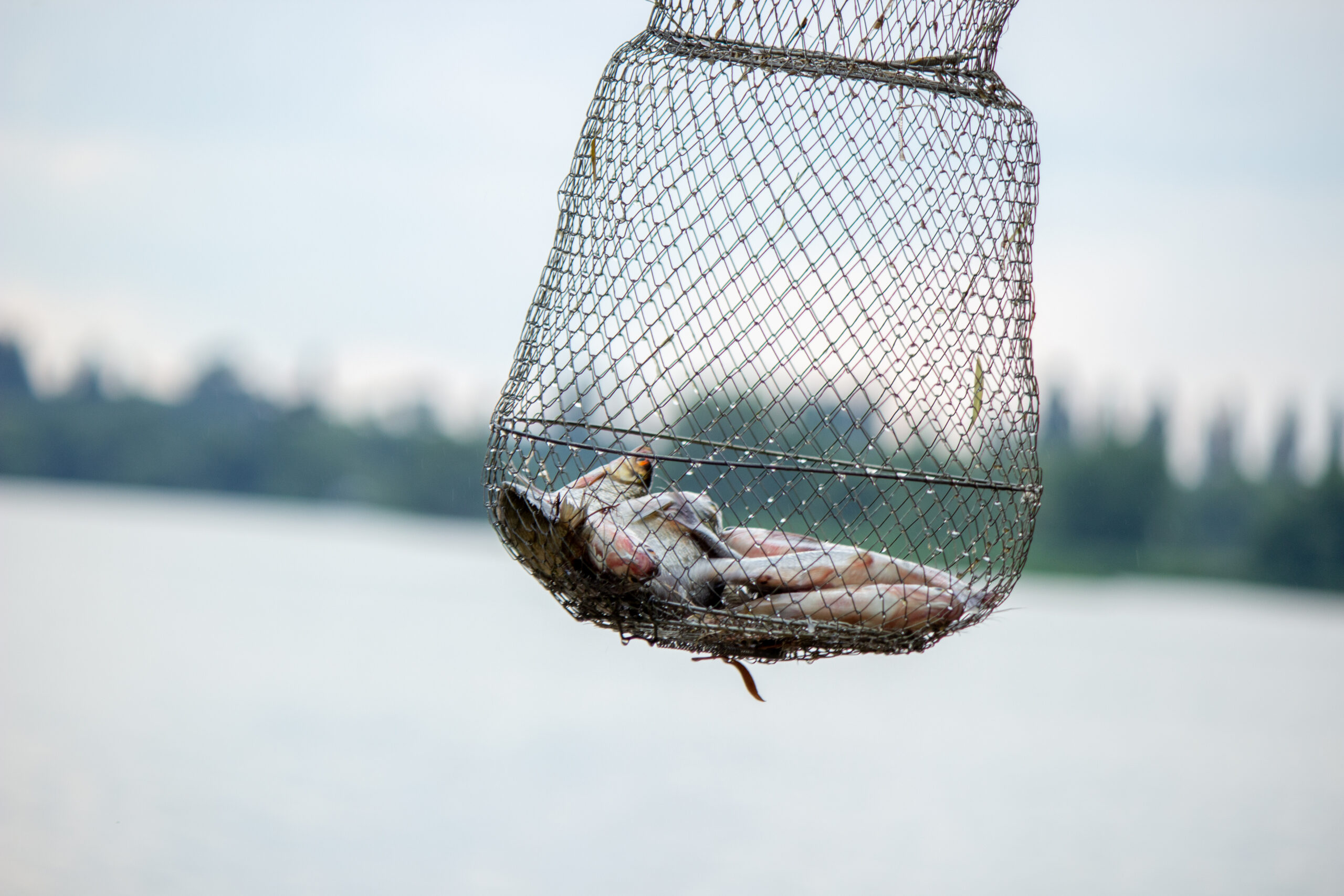
For many Bahamians, the immediate concern will be the fisheries sector, one of the country’s largest export industries. Commercial shipments of lobster, conch, fish, crawfish and other products entering the United States could become more expensive because of the additional tariff, potentially affecting exporters’ competitiveness.
The broader lesson is that international trade increasingly depends not only on quality products, but also on strong business relationships and confidence in the legal systems that govern them.
For The Bahamas, this is less a finding of wrongdoing than a reminder that international credibility is earned through modern laws, effective enforcement and trusted partnerships. The challenge now is for the Attorney General’s Office to lead a swift legal review, identify any deficiencies and chart a clear path toward compliance so Bahamian exporters are not burdened any longer than necessary.
Bahamas News
What 45 Shell Casings and New Murder Charges May Mean for Three Officers in the Azario Major Case

By Deandrea Hamilton | Editor
NASSAU, Bahamas (July 16, 2026) — The allegation is as shocking as it is consequential. Prosecutors now contend Azario Major was struck by additional gunfire after he was already dead. That conclusion has prompted the Director of Public Prosecutions to upgrade the case against three police officers from manslaughter to murder ahead of a judge-only trial.
According to court filings and the DPP’s review of the forensic evidence, prosecutors allege that additional rounds entered Major’s body after death, a finding they say fundamentally changed their assessment of the case and justified the more serious charge of murder.
Investigators recovered 45 spent shell casings at the scene of the Boxing Day 2021 fatal shooting of Azario Major, a striking piece of forensic evidence that has remained central to the case from its earliest days.
Major, 31, was fatally shot by police outside Woody’s Bar on Fire Trail Road on December 26, 2021. While police initially maintained the shooting was justified, the circumstances surrounding the incident were heavily scrutinized during a Coroner’s Court inquest, where jurors ultimately returned a verdict of homicide by manslaughter.
The officers later challenged that finding, but the Supreme Court upheld the Coroner’s Court ruling, paving the way for criminal proceedings. They were subsequently arraigned on manslaughter charges and pleaded not guilty.
The DPP’s decision to elevate the charges to murder significantly raises the legal stakes. Unlike manslaughter, which does not necessarily require proof of an intent to kill, a murder conviction requires prosecutors to establish the legal elements of the more serious offence beyond a reasonable doubt. The prosecution’s case is now expected to focus heavily on forensic evidence, ballistic analysis and the sequence of gunfire during the fatal encounter.
The case is also notable because it will proceed without a jury. Barring further delays, the trial is expected to open on September 14 before Justice Guillimina Archer-Minns in a judge-alone trial, where a single judge—not a jury—will decide the fate of the three accused officers.
The proceedings will determine not only whether the three officers are guilty or innocent of murder, but whether prosecutors’ extraordinary allegation—that Azario Major was struck by additional gunfire after he was already dead—can be proven in court.
By Deandrea Hamilton
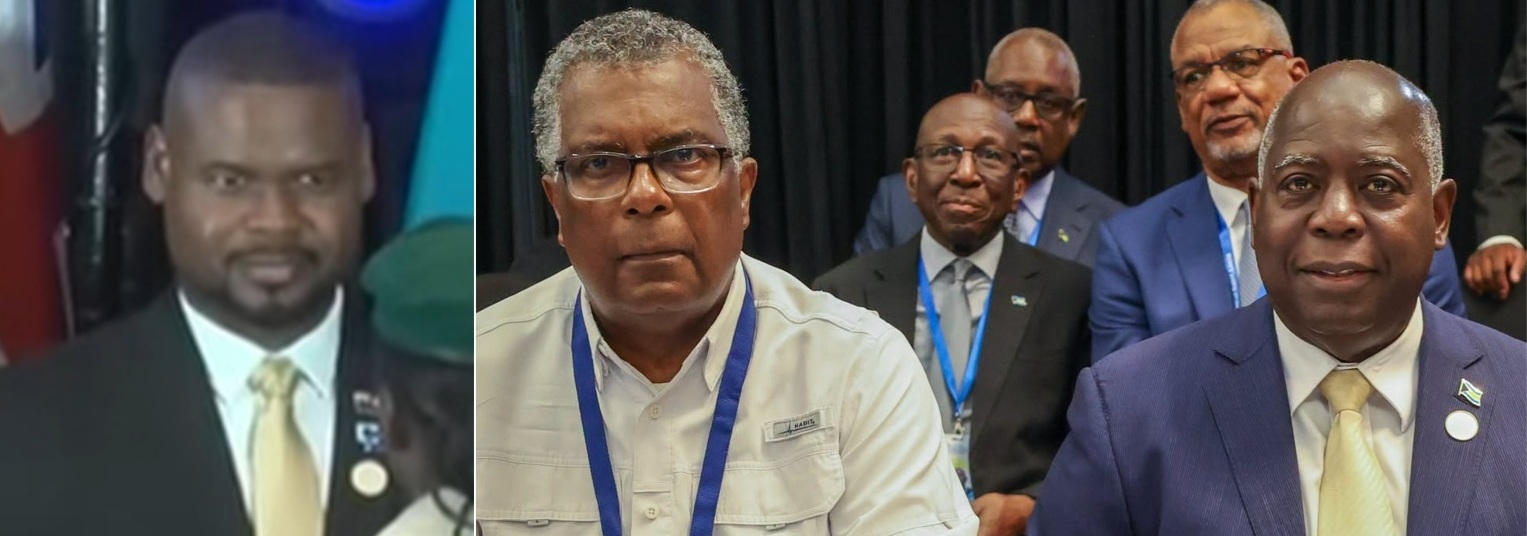
Cheaper shipping. Lower energy costs. Better access to healthcare. Stronger consumer protections.
Those are among the measures CARICOM Heads of Government believe could finally begin reducing the stubbornly high cost of living for millions of people across the Caribbean.
Meeting in Saint Lucia, regional leaders agreed that making life more affordable must become one of the Community’s highest priorities. Their emerging strategy includes reducing freight costs through a regional ferry service, accelerating renewable energy projects to lessen dependence on imported fuel, expanding regional healthcare partnerships, strengthening consumer protection, and encouraging governments to adopt successful cost-of-living measures already being implemented across the Caribbean.
“Our discussions over the past four days were guided by one central objective – ensuring that CARICOM delivers results that people can see and feel in their everyday lives,” CARICOM Chairman and Saint Lucia Prime Minister Philip J. Pierre said.
Few places may welcome that relief more than The Bahamas and the Turks and Caicos Islands.
Although inflation has moderated in both countries from the sharp increases experienced following the pandemic, the cost of living remains stubbornly high. Families continue to complain about grocery bills that stretch household budgets, rising housing costs, expensive electricity, healthcare expenses and fuel prices that remain among the highest in the region.
Governments have responded.
In The Bahamas, successive reductions in Value Added Tax on selected goods and other targeted tax measures have sought to ease pressure on consumers. In the Turks and Caicos Islands, the Government this weekend opens applications for its $500 Cost of Living Relief Programme, acknowledging that many households continue to struggle despite the country’s economic success.
Yet affordability remains elusive.
The contradiction is difficult to ignore.
The Turks and Caicos Islands continues to post one of the region’s strongest tourism-driven economies, with robust investment, record visitor spending and sustained construction activity. The Bahamas has also strengthened its economic position, earning improved sovereign credit ratings as tourism, government revenues and fiscal performance continue to recover.
Yet those encouraging economic indicators have not translated into noticeably lower household expenses.
The reason is largely structural.
Both The Bahamas and the Turks and Caicos Islands produce relatively little of what they consume. Food, fuel, medicines, vehicles, building materials and countless household essentials are imported. Both countries also record significant trade deficits, illustrating their dependence on overseas suppliers. Every increase in global shipping costs, fuel prices or supply chain disruptions is eventually reflected in supermarket prices, utility bills and the cost of everyday living.
That is why CARICOM’s agenda matters.
If regional leaders succeed in lowering freight costs through an inter-island ferry network, expanding renewable energy, improving regional cargo movement, strengthening consumer protections and making healthcare more accessible through cooperation, the benefits could extend far beyond government balance sheets.
For Bahamians and Turks and Caicos Islanders, success will not be measured by another tourism record or another credit rating upgrade. It will be measured at the supermarket checkout, on the monthly electricity bill, at the gas pump and in the simple ability to afford a better quality of life.





-

 Education5 days ago
Turks and Caicos Islands Students Excel at Cycle 13 WizdomCRM Regional AI Game National Awards Ceremony
-
 News1 week ago
Six Unauthorised Structures Demolished During Multi-Agency Planning Enforcement Operation
-

 Caribbean News6 days ago
Pres Ali declares three days of national mourning following MV Barima tragedy July 21, 2026
-
 News6 days ago
ANDY BURNHAM, NEW UK PM’S FIRST ORDER: LOWER THE COST OF LIVING
-
 Government5 days ago
Parnell Urges Premier to Step Aside, Proposes Bipartisan Board to Guide Healthcare Transition
-
 Government4 days ago
Government Outlines New Healthcare Vision as Interhealth Exit Accelerates Reform
-

 News4 days ago
Planning for Tomorrow: Why Sustainable Communities Begin with Good Planning
-
 Bahamas News4 days ago
Caught in the Net, Not Accused of Wrongdoing