
News
A high-stakes upcoming election in TCI, who is better poised to bridge our divide?


#TurksandCaicos, March 09, 2024 – In a thriving democracy like Turks and Caicos Islands, we need more than just a few political parties; it demands that these parties truly connect with a wider electorate. This involves creating policies that mirror the collective ambitions and hurdles of our island nation, not just the interest of a select few.
The path to being an informed voter is riddled with challenges, particularly the allure of aligning with a party or ideology without deep analysis. In an era filled with misinformation, how do we base our beliefs on truth and politicians genuine concern for the people?
We must see beyond political divisions, recognizing our shared fate, because unity is our strength, though often hard to achieve.
Times like these have never been more critical. As Turks Islanders, we have to ask ourselves are we safer and better off now than 3 years ago?
On the heels of the pandemic among many other competing priorities this government had to face, most would agree a number of boxes have been checked. What the voters will have to decide is, whether or not the right boxes were checked and have made a difference in the lives of the ordinary citizens.
The country is facing a pivotal moment;
Turks Islanders must assess governance by the real improvements in everyday lives.
Case in point: With the rapid growth and development, are we advancing fast enough to keep up with the growing demands, from food security to adequate housing and transportation? Are we attracting and entertaining the right investors who can deliver on what is needed to strengthen our economy and create better employment opportunities for our people? Is national security front and center of our leaders discussions, and are we investing enough in this area in terms of improving in critical infrastructure and advancement in technology? These are some of the essentials concerns often get lost in political rhetoric.
Democracy works when you have two strong political parties working in concert to bring people together. This will ensure they are shaping policies together that impact the entire country in a positive way and not disenfranchise some.
Every candidate should have to answer a few simple questions; What have you personally done in your career that has directly impacted people? What have you done to uplift citizens in your communities and made a difference in the vast majority of us?
There is nothing wrong with being a strong supporter of a particular party, but at what point do we as concerned citizens become more educated voters? It’s important to understand that when people possess strong political identities they may be more vulnerable to false narratives or facts.
We have more in common than we have apart, and we will all rise and fall together if we don’t unit. What some candidates lack is the ability to stay engaged and focused on what it takes to execute on issues rather than just platitudes. So, how do we change that?
It is our voice and action that matters and this should include civil servants.
A voice that speaks out against injustice, calls out corruption and that wants to have a say in the values shaping our communities.
More and more of our people are feeling voiceless and stifled and feel that those in power are creating division and putting their interests before those of the people.
That is why I believe we need political leaders whose mission includes helping everyday people unlock their power to create real change, rather than implementing policies that in the end hurt the little guy and stifle local entrepreneurships.
We should be looking to elect candidates who are interested in growing the middle class, because the wealth gap is widening between the rich and the poor, helping our communities grow, improving our healthcare system, lowering inflation and making life for everyday Turks Islanders better.
Having honest, forthright and visionary leaders are all too rare in politics. Some of our inspiring leaders are on the outside or were on the inside at one point. They see the issues, they talk about the issues, but once on the inside they tend to lose focus and appear hesitant to challenge the status quo.
Use your voice to advocate for lasting change in TCI. We have to make our government better, more efficient and more responsive.
At a time when division among our people is more prevalent than unity, we must stick together. We must have a drive passion and purpose to get the attention needed.
We have to ask ourselves some serious questions like: What drives me? Where do I get my resolve and what am I made of?
Our country will head down a road of morale bankruptcy if politicians continue to put their own interests ahead of their principles and promises.
You can have all the intelligence in the world, but without shared terms it will not build collective understanding in our country.
We must create a society in which people can find and use their power to participate, influence and act and not just sit on the sidelines.
Despite the frequent leadership changes, politics appears to remain mired in division and toxicity, which means that it’s tempting for many to just disengage or tune out.
So how do we stay engaged without losing hope or falling into despair? With our changing demographics landscape, as Turks Islanders we must find ways to bridge our divides.
A politician must ask themselves, do their actions and decisions reflect the greater good? Does it really serve their constituents to have another term? Whilst years of experience in politics or lack thereof could be considered an advantage over an opponent, it is not always synonymous with forward thinking.
Many of us are biologically predisposed to certain political parties and leaders, but silence should not be an option for concerned citizens.
No governing body should be above constructive criticism. If this is allowed it derails true democracy.
I don’t believe we’re just “preaching to the choir, because our relentless efforts will eventually lead to some level of progress. The key to survival and thriving is to never lose hope in these beautiful by nature Turks and Caicos Islands.
In order to move the country forward we have to be equipped and empowered with the right mindset and become more educated and informed voters.





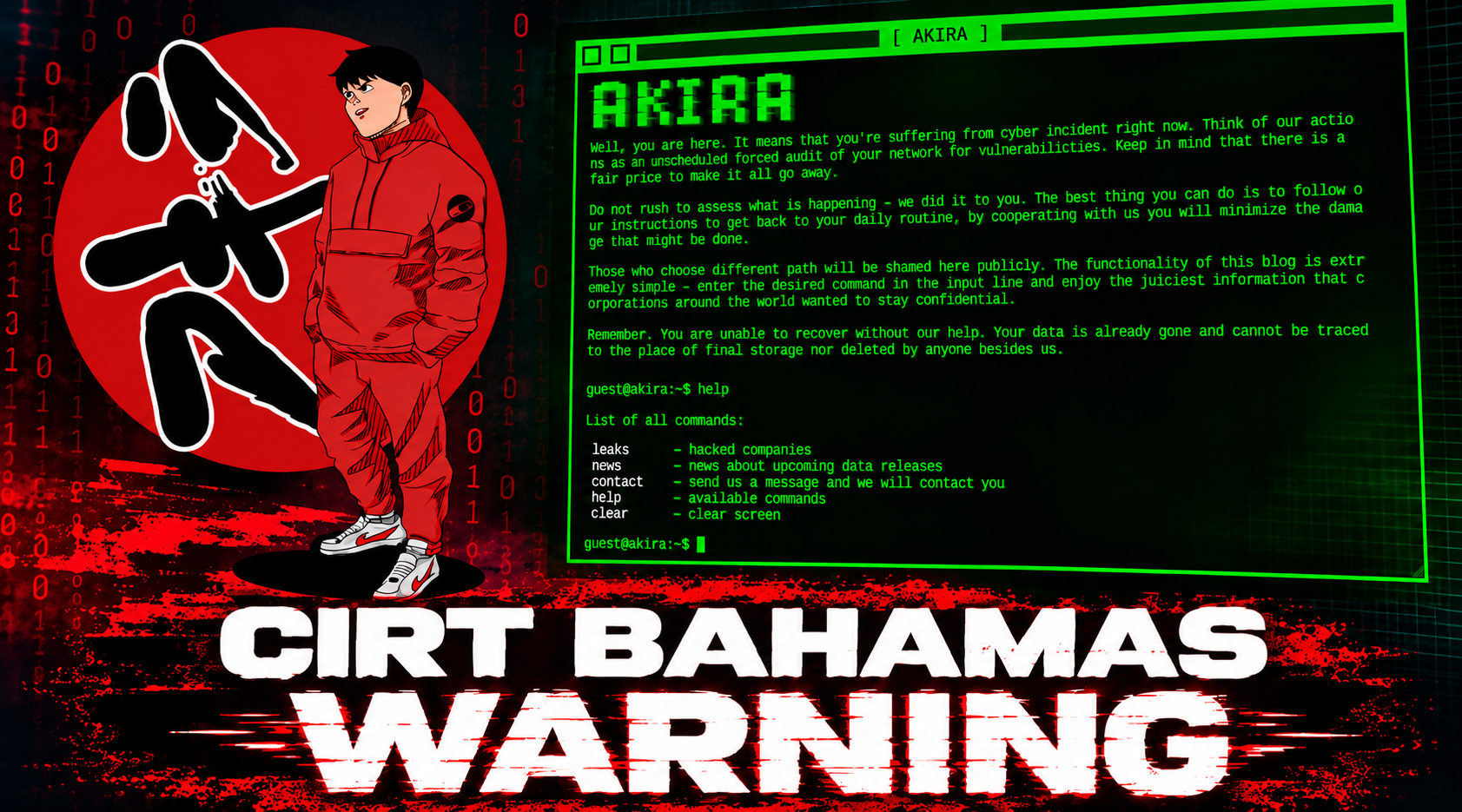
Nassau, The Bahamas, October 22, 2026 — The National Computer Incident Response Team of The Bahamas (CIRT-BS) has issued a cybersecurity advisory warning businesses, government institutions and other organisations about the growing threat posed by Akira ransomware, a cybercriminal operation capable of stealing sensitive information, disrupting networks and demanding ransom payments.
Active since March 2023, Akira operates through a Ransomware-as-a-Service model, with affiliates exploiting weaknesses in computer networks to gain unauthorised access.
Once inside, attackers can steal confidential data, disable recovery systems and encrypt files, preventing organisations from accessing critical information.
Particularly concerning is Akira’s use of double extortion, threatening to publish stolen information unless victims pay. Some attacks involve data theft without encryption.
The October 22 advisory identifies vulnerabilities involving Cisco and SonicWall firewalls, VPN services, Microsoft Remote Desktop Protocol, Veeam backup systems and outdated Windows and Linux operating systems. VMware ESXi and Nutanix AHV environments are also potential targets.
Attackers may exploit unpatched software, stolen login credentials and inadequately secured remote-access applications, including AnyDesk and RustDesk.
Warning signs include unexpected administrator accounts, unusual remote logins, unauthorised software installations, suspicious backup activity, mass file changes and ransom notes.
CIRT-BS recommends immediate security updates, multifactor authentication, restricted remote access, stronger network monitoring and secure backups maintained separately from operational systems.
Organisations should also remove unnecessary internet exposure of remote desktop services, limit administrative privileges and regularly test backup restoration.
The advisory does not identify any confirmed Akira attack against a Bahamian organisation but highlights vulnerabilities that could expose institutions to serious financial and operational disruption.
Cybersecurity incidents can be reported to CIRT-BS at soc@cirt.bs or through its official website.
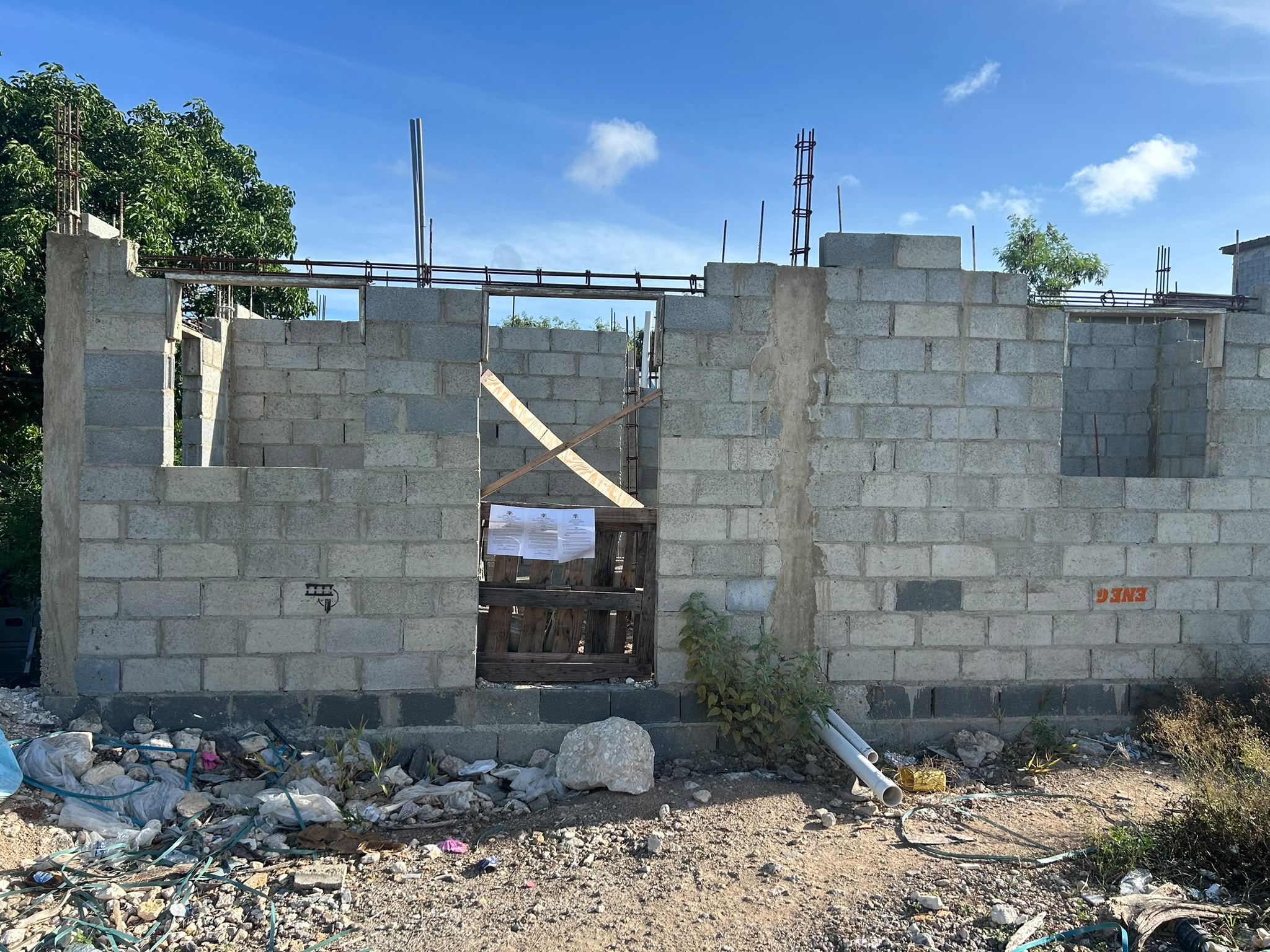
Providenciales, Turks and Caicos Islands – Wednesday, 21st October 2026: The Crown Land Unit, with coordination and support from the Informal Settlements Unit (ISU), conducted a multi-agency enforcement exercise in the Five Cays area of Providenciales on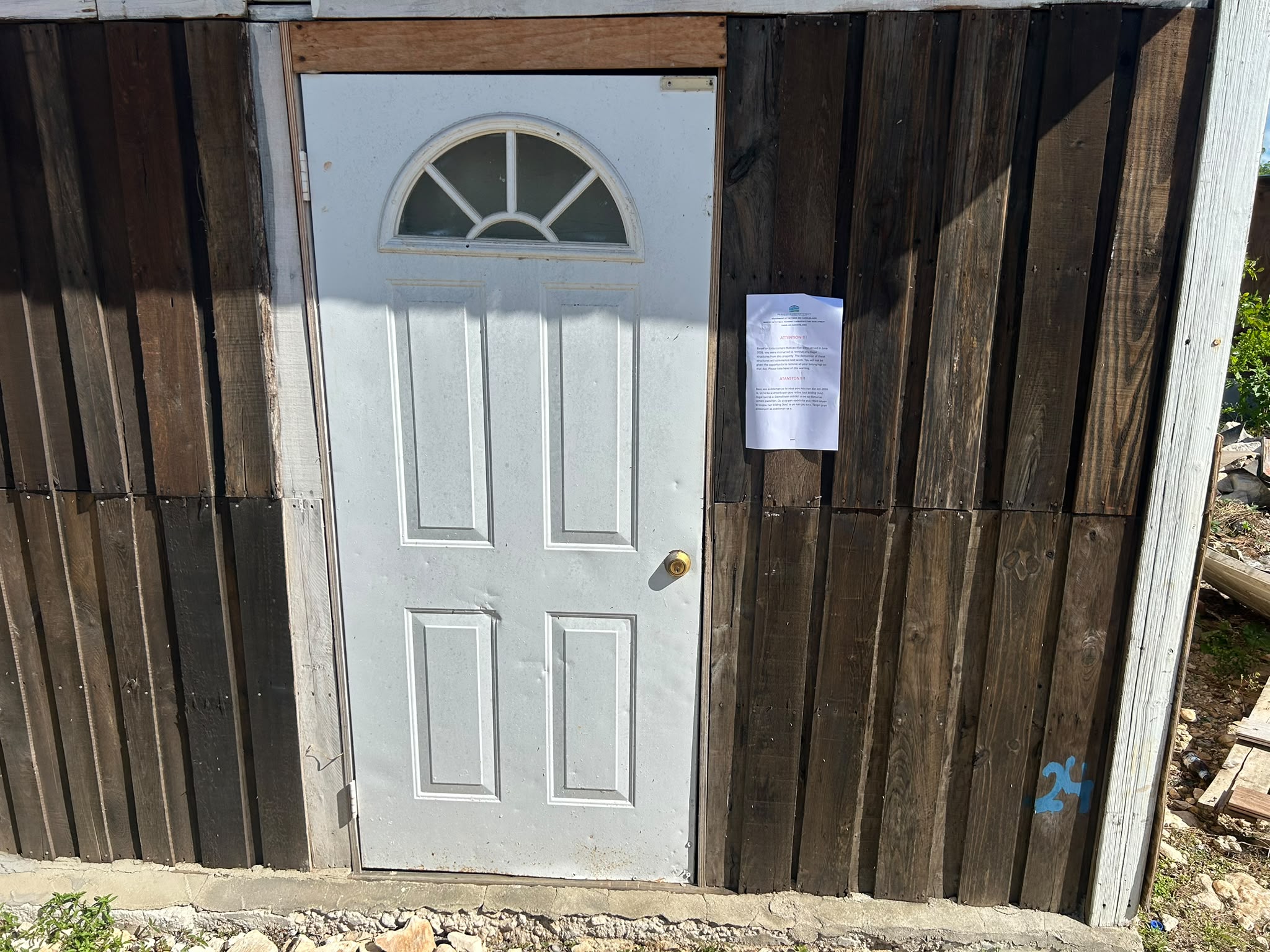 October 8, 2026, as part of the Government’s ongoing efforts to address the illegal occupation and unauthorized use of Crown land.
The exercise brought together representatives from the Crown Land Unit, ISU, TCI Border Force and Royal Turks and Caicos Islands Police Force. Inspections were conducted across several parcels of Crown land in Five Cays, where instances of illegal occupation and unauthorized use had been identified.
During the exercise, a total of seven (7) Section 22 Notices of Unauthorized Occupation were issued in accordance with the provisions of the Crown Land Ordinance. The notices related to the unauthorized placement of shipping containers and derelict vehicles, as well as the construction of an incomplete concrete structure on Crown land. Where occupants or other responsible persons were not present, notices were affixed to the relevant structures or items.
The exercise forms part of the Crown Land Unit’s continuing efforts to prevent squatting and encroachment on Crown land and to ensure that instances of unauthorized occupation are identified and appropriately addressed.
The Government of the Turks and Caicos Islands reminds the public that occupying, developing or otherwise using Crown land without lawful authority is an offence under the Crown Land Ordinance. These inspections and enforcement activities form part of a sustained program aimed at safeguarding public lands, discouraging unlawful development and ensuring that Crown land is managed in the best interests of the people of the Turks and Caicos Islands.
The Crown Land Unit will continue to work closely with the ISU and other partner agencies to identify and address instances of illegal occupation across the Islands. Persons occupying Crown land without authorization are encouraged to comply with all notices issued and to seek guidance from the relevant authorities where necessary.
News
Invest TCI Strengthens Regional Investment Connections at Caribbean Investment Forum 2026 in Barbados
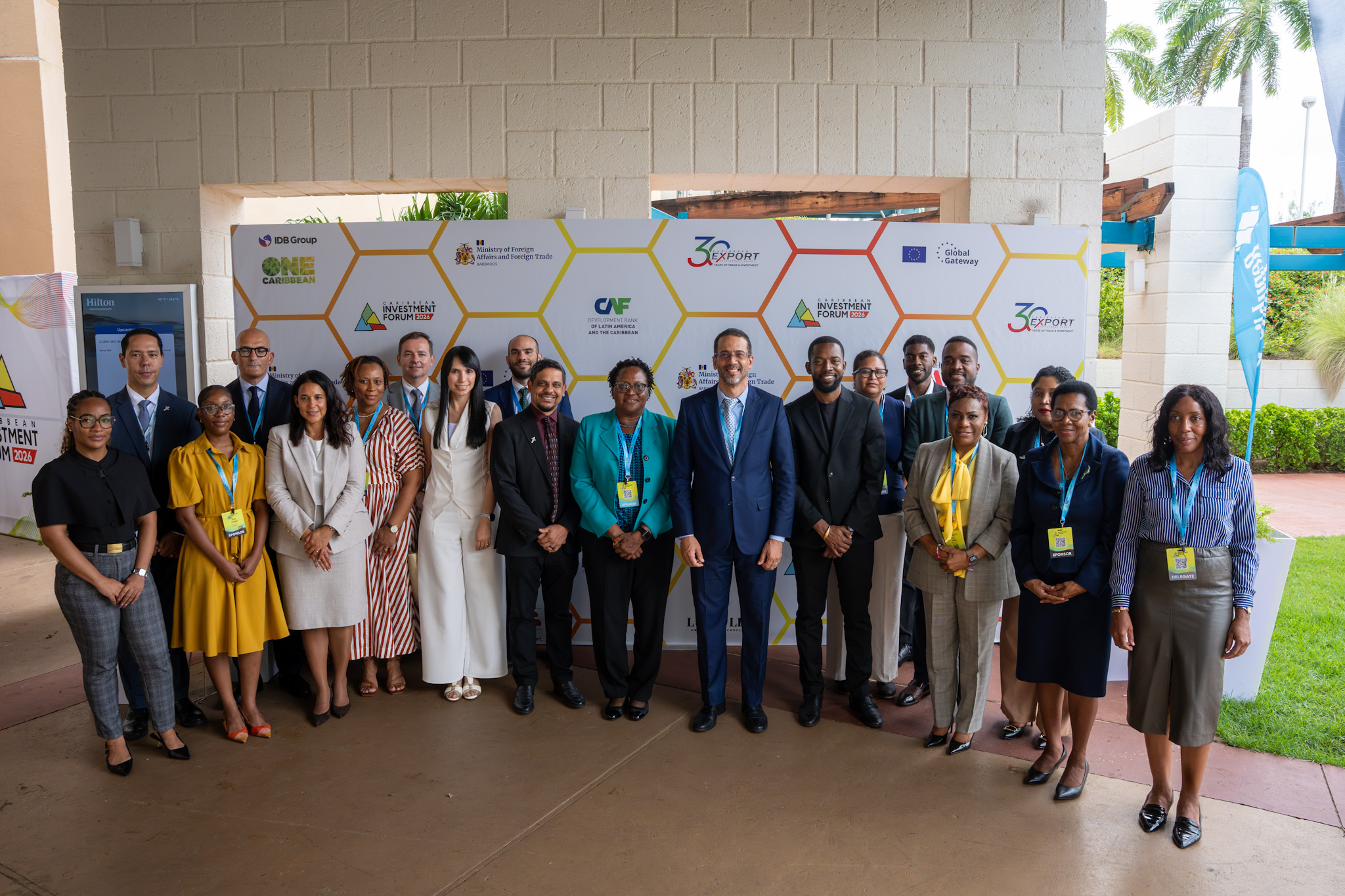
Providenciales, Turks and Caicos Islands – Monday, 19th October 2026: Invest Turks and Caicos Agency (Invest TCI) strengthened its regional presence at the Caribbean Investment Forum (CIF) 2026, held October 5 – 7, 2026, in Bridgetown, Barbados, participating as both a sponsor of the Forum and representative of the Turks and Caicos Islands’ investment landscape.
The Caribbean Investment Forum brought together regional and international investors, government representatives, business leaders,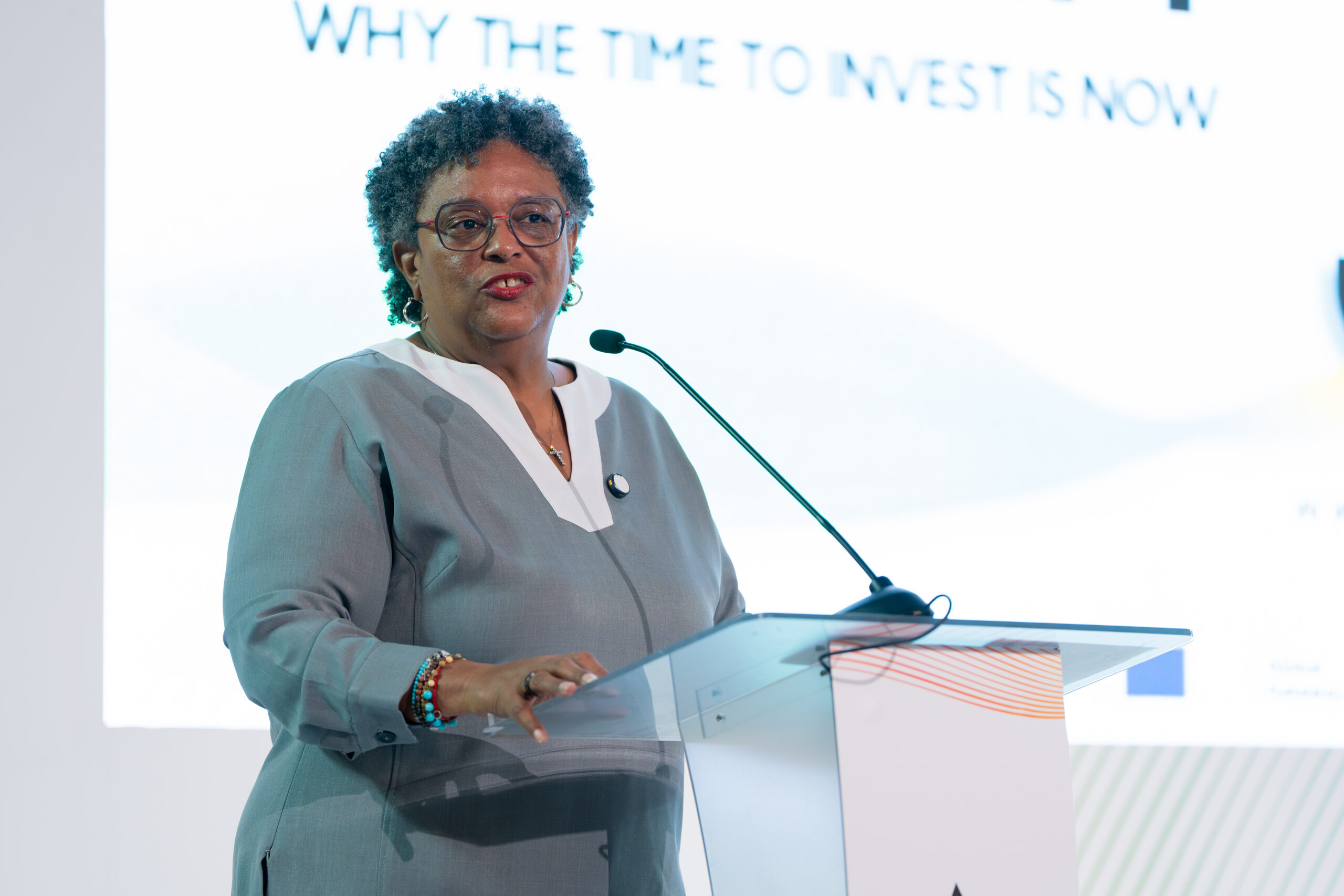 entrepreneurs, investment promotion agencies, and development partners to explore investment opportunities, strengthen partnerships, and advance sustainable economic development throughout the Caribbean.
The Agency’s sponsorship of CIF 2026 formed part of its continued commitment to strengthening the visibility of the Turks and Caicos Islands within the regional investment community and building relationships with investors, development partners, investment promotion agencies, and businesses across the Caribbean.
The opening of the Forum was attended by the Honourable Mia Amor Mottley, Prime Minister of Barbados, who emphasised the importance of scaling regional investment, strengthening economic cooperation, and transforming innovative ideas into commercially viable opportunities. Invest TCI was represented by Ms. Alexa Cooper, Domestic Investment Officer, and Mr. Hezron Henry, Marketing Support Officer. Throughout the Forum, the delegation engaged with stakeholders and promoted the Turks and Caicos Islands as a competitive investment destination while exploring opportunities for greater regional collaboration and knowledge exchange.
Speaking on her experience at the Forum, Ms. Alexa Cooper, Chief Domestic Investment Officer, said:
“CIF 2026 provided another valuable opportunity to engage with donor organisations, investors and Investment Promotion Agencies (IPAs) from across the Caribbean. A highlight for me was the introduction of an exclusive masterclass for fund managers, investors and support organisations, which offered practical insights into unlocking capital, strengthening investment ecosystems and supporting investment-ready businesses. I was equally impressed with the quality of projects pitched, which showcased the region’s innovation and investment potential. It was encouraging to see projects presented with a clearer understanding of investor expectations, reinforcing the importance of not simply developing projects, but ensuring they are well-structured, investment-ready and positioned to attract the right investment partners.”
Accompanying the Invest TCI delegation was Mr. Sean Penn, Chief Executive Officer of Sky Poultry Farm Ltd., the first commercial egg and poultry production facility in the Turks and Caicos Islands. Mr. Penn’s participation provided an opportunity to showcase the development of domestic enterprise within the Turks and Caicos Islands while highlighting the potential of agriculture and food production as part of the country’s broader economic diversification efforts.
Through his participation at CIF 2026, Mr. Penn had the opportunity to engage with regional stakeholders, gain exposure to developments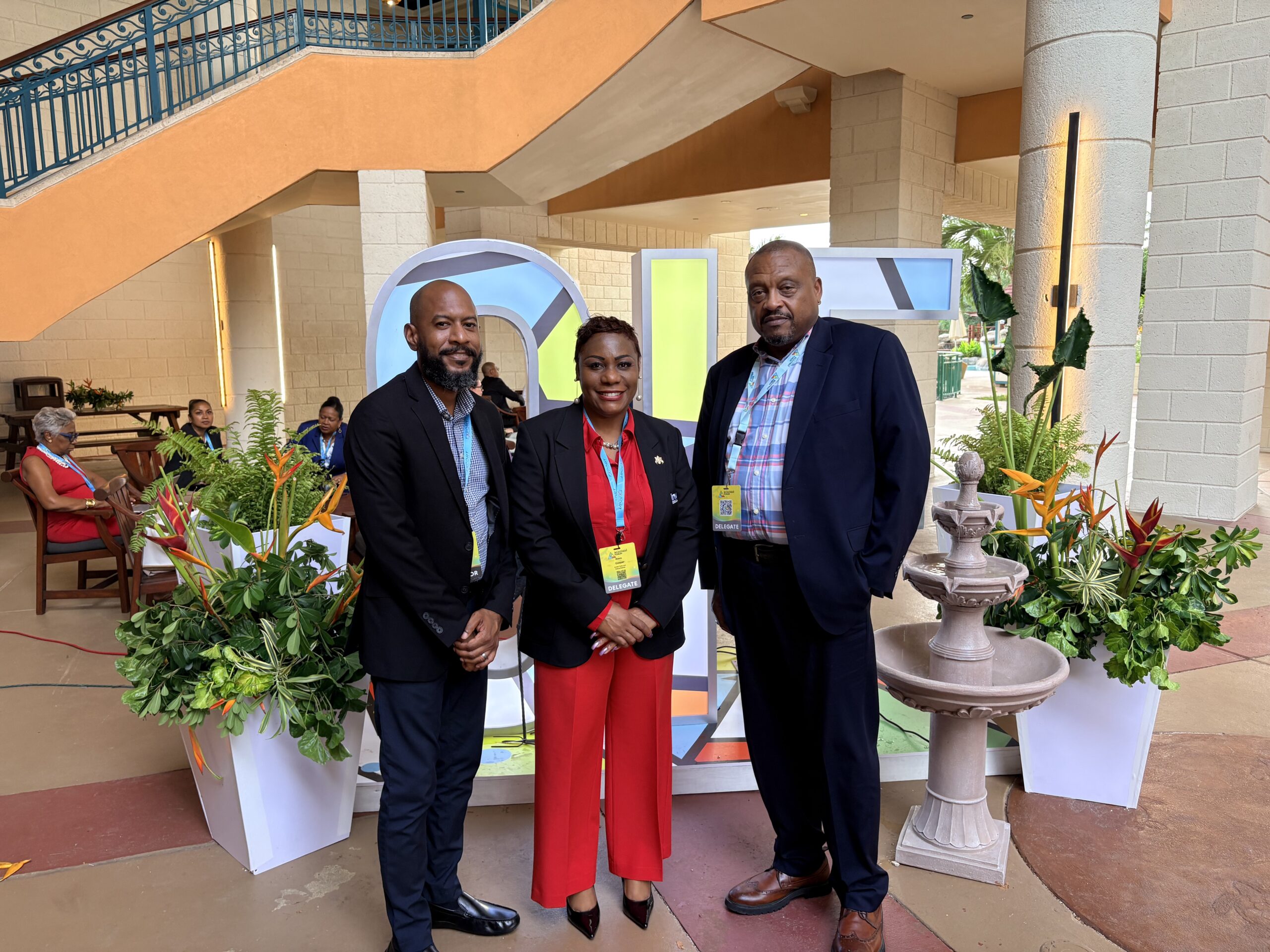 within the Caribbean agricultural sector, and explore potential partnerships and opportunities related to agricultural investment, innovation, and enterprise development.
For Invest TCI, the combination of sponsorship, investment promotion and local business representation provided a multifaceted platform to advance the Agency’s mandate. It allowed Invest TCI not only to promote the Turks and Caicos Islands to prospective investors but also to facilitate greater exposure for a local enterprise operating within an emerging sector of the economy. The Forum also provided opportunities for the Invest TCI delegation to exchange knowledge with regional counterparts, strengthen institutional relationships, and gain insight into investment trends and opportunities affecting Caribbean economies.
As the Caribbean Investment Forum continues to expand its regional reach, Santo Domingo, Dominican Republic, was announced as the destination for the next edition of the Forum, providing another opportunity to bring together investors, policymakers, investment promotion agencies and businesses from across the Caribbean and beyond.
Invest TCI looks forward to the continued growth of the Caribbean Investment Forum and the opportunities it creates to deepen regional partnerships, promote investment, and connect Caribbean businesses with new markets and sources of capital. The Agency remains committed to attracting sustainable investment, supporting domestic enterprise, encouraging economic diversification, and developing partnerships that contribute to the long-term economic development of the Turks and Caicos Islands.





-

 Bahamas News5 days ago
Rosewood Exuma: A precedent-setting case for environmental law and future development in The Bahamas
-
 News4 days ago
Invest TCI Strengthens Regional Investment Connections at Caribbean Investment Forum 2026 in Barbados
-

 Bahamas News1 week ago
Monument Supports Hands for Hunger With Paradise Plates Debut
-
 Bahamas News4 days ago
Energy Minister Delivers Electrifying Keynote Opening Address at CAREC 2026
-
 Bahamas News15 hours ago
Bahamas Issues Cybersecurity Alert Over Akira Ransomware Threat
-

 Bahamas News1 week ago
Schweppes ‘the Art of Mixology’ Dazzles at Paradise Plates with Nemiroff Vodka
-

 News2 days ago
Crown Land Unit Leads Multi-Agency Enforcement Exercise in Five Cays