
TCI News
Letter To The Editor: Protecting Generational Wealth!


#TurksandCaicos, September 9, 2021 – Despite the significant impact caused by the current COVID-19 pandemic, real estate reports show the market in TCI is at an all-time high, and continues to make remarkable gains.
With that being said, this should give us pause for thought; why in a global economic downturn, does TCI real estate continue to be such a hot commodity?
Could it be because we have such relaxed tax regulations, or is it a consortium of foreign investors with large sums of cash who are seeing this as a lucrative opportunity to acquire prime real estate?
In some cases, these properties are used to build lavish homes which are later utilized as short term vacation rentals, or better yet, just left for their next generation.
With this being a real possibility, are we forward thinking enough to undertake sharply focused policies to revise the existing laws and regulations in order to maximize revenue in this area?
We realize drafting legislation to enact policy changes is not an easy task, but the window of opportunity in this arena may be limited.
While the market is red hot and TCI is still listed as one of the top destination choices, the time to capitalize on the opportunity is now. At this given time, do we really need to relax the laws even more and give investors bigger tax breaks?
Albeit, over the years foreign investors have played an extremely important role in the growth and development of our country and we should be appreciative of that.
Nevertheless, we are at a stage in our development where it’s imperative that we take a closer look at the true overall impact it’s having on the betterment of both the country and communities at large.
When is enough, enough when it comes to selling off government land and generational properties to foreign investors? What our country needs is a more diverse portfolio other then selling off real estate.
Let’s face it, there are alternative foreign investment opportunities that could and should be explored. Areas such as light manufacturing or production like recycling on a larger scale, co-op sustainable fishing partnerships, restoration of our conch farm, call-centers, etc.
Generational property is the primary way for our millennials to build and accumulate wealth over time. So why continue to sell it off for pennies on the dollar without looking at the big picture?
With the changes in demographics and the high number of unskilled laborers in our country, these other types of investment opportunities could offer more employment prospects and social benefits. This will also help to raise the standard of living and allow us to become less reliant on low paying service jobs.
The underlying concern is, with the native population continuing to decline, Baby Boomers are pretty much the only ones remaining with generational properties.
Unlike many wealthy families in other developed countries, most of them will not inherit trust funds.
Therefore, we must preserve our only real asset which is generational land, and educate our children on the true value of our forefathers inheritance.
The reality is, most Turks Islanders are not in a financial position to hang onto undeveloped properties as long as they would like too, especially if they are cash strapped. They are then left in a precarious position when attractive offers are presented to them by realtors.
There is also a rising cost and huge demand for housing, especially in the high tourist areas that are the epicenter of jobs and businesses.
To help mitigate this, in my opinion, what is needed are more government affordable land and housing for the locals with the option to buy.
In addition, without having adequate banking systems in place to offer low cost property loans with affordable mortgage payments, it creates a disadvantage and more opportunities for foreign investors.
As places like Providenciales become over populated or have a shortage of inventory, the migration will move to South, North and eventually to Middle Caicos, creating a higher supply and demand market.
In the very near future, the business landscape as we know it in these Caicos islands will continue to evolve exponentially. Deserted land being sold right now, might not be what locals consider prime real estate, but it will be.
It is my belief, rising property value in these areas will be largely driven because of the recent proposed developments such as, a newly constructed marina, a welcome center and a reopening of the airport in North Caicos.
Over time, properties that were quite cheap to buy, suddenly becomes costly and the resale value will double or triple. Once again, leaving the locals with limited options and very little transfer of wealth.
In essence, the real estate boom may not be a win, win for all in the long run. So the question remains, are we making sound real estate decisions in the best interest of the next generation?
Ed Forbes
POETRY :
Summer In Turks And Caicos Islands.
Summer by the sea and
It’s so beautiful to stop
And see watching the
Children smiling so bright
Having fun in the warm
Summer sunlight feeling the warmth
On my face and Turks And Caicos Islands is just
A beautiful sunny warm place and the
Taste the sweetest fruits and I’m
Watching the butterflies flow
Oh how I love the summer days
Smiling so bright kissing my beautiful wife
And all of the songs we sung where so
Beautiful and bright in the warm
Summer sunlight and it’s truly
Beautiful to see the little birds singing
To me it’s summer time and I’ll remember this summer’s day and all of my memories will never fade away Oh how I love summer time in Turks And Caicos Islands every day.
David P Carroll.


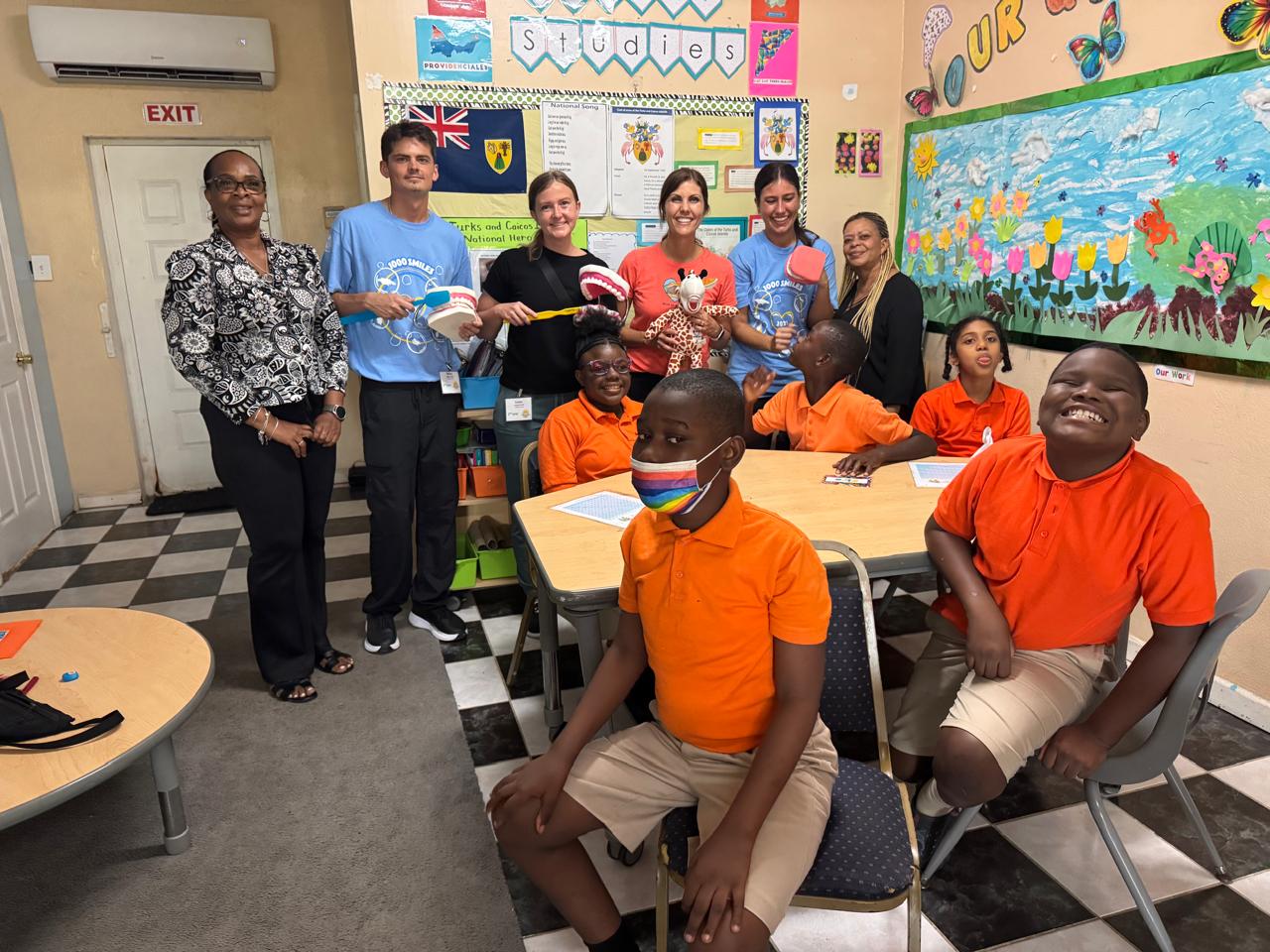
PROVIDENCIALES, Turks & Caicos Islands: — Beaches Turks & Caicos continues to lead the way in sustainability by cultivating a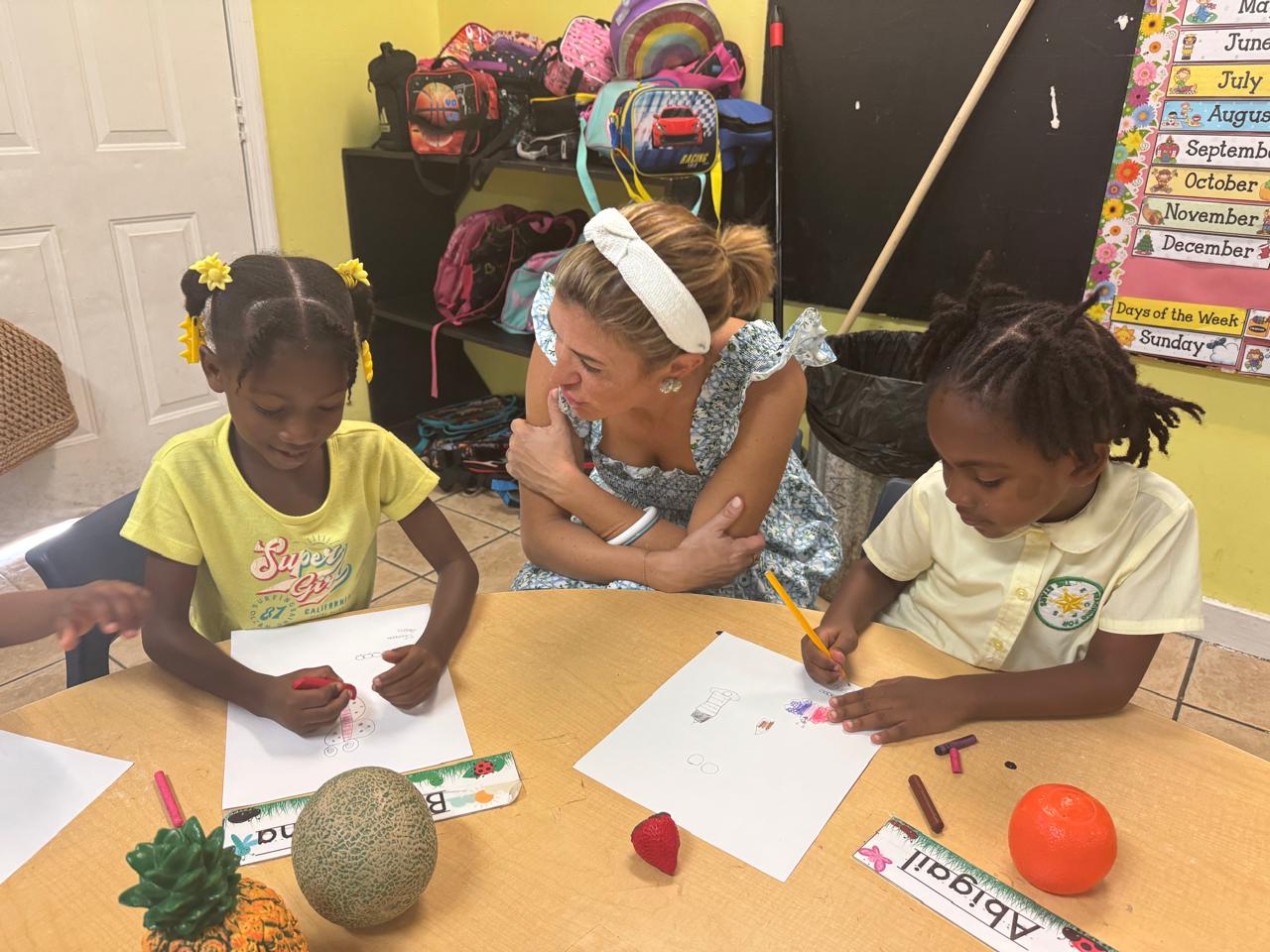 culture of environmental stewardship across the Turks and Caicos Islands. Through the introduction of biodegradable alternatives, agricultural education and community partnerships, the resort is setting a new standard for eco-conscious hospitality. As part of its ongoing sustainability mission, the resort has replaced single-use plastics and certain chemicals with compostable, biodegradable products derived from natural sources, to reduce pollution and minimize the resort’s carbon footprint.
“At Beaches Turks & Caicos, sustainability is woven into every part of the guest experience,” said Managing Director, James McAnally. “From the products we use to the relationships we nurture, our goal is to make responsible environmental choices that benefit our guests, team members and the wider Turks and Caicos community.”
The resort also practices on-site composting, recycling fruit and vegetable waste from its kitchens to enrich soil and sustain its lush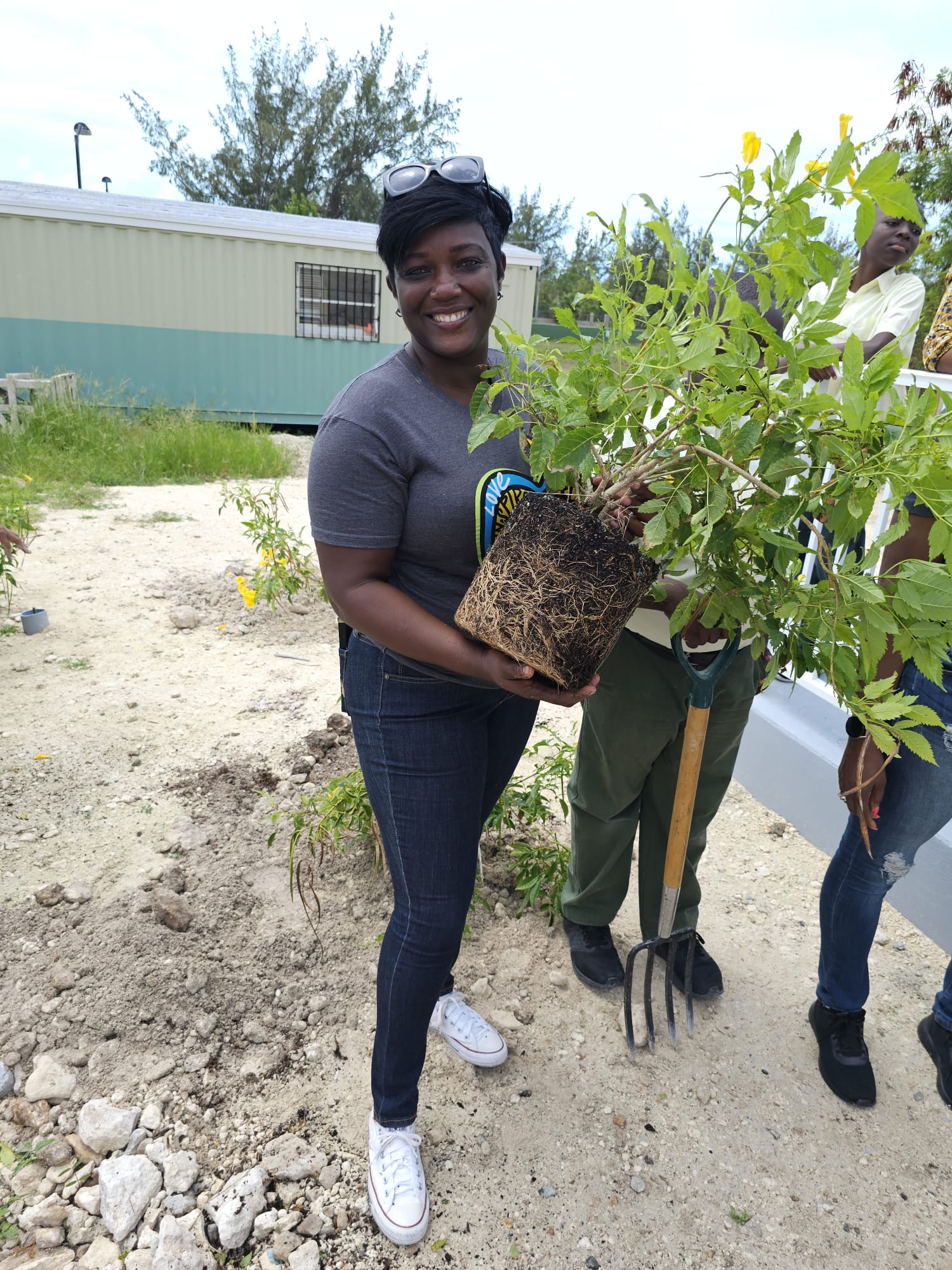 landscaping. This closed-loop system reduces waste and promotes biodiversity across the property.
Beyond the resort, Beaches collaborates with local partners including schools, government agencies and NGOs to extend green education into the wider community. Through the Sandals Foundation, the resort supports projects such as the installation of water filtration systems, tree-planting activities and biodegradable workshops. Schools like Enid Capron Primary have expanded their farming projects and integrated agricultural science into their curriculum thanks to this partnership. Beaches also leads regular coastal cleanups and reforestation drives which inspires residents and students to play an active role in protecting their environment. “The Earth Guardian volunteers take pride in giving back to our schools and the communities we serve,” noted Public Relations Manager, Orville Morgan. “These initiatives create a sense of shared responsibility that strengthens both our communities and our natural resources.”
With its commitment to biodegradable innovation, sustainable education and environmental action, Beaches Turks & Caicos continues to set the benchmark for biodiversity and sustainability in the Turks and Caicos Islands.
Photo Captions
1st insert: Beaches Turks and Caicos and the Sandals Foundation celebrate with students at the Enid Capron Primary School in a Reading Road Trip experience where guests and students get to experience a cultural melting pot of activity.
2nd insert: Beaches Turks and Caicos resort Simone Woodfine from the Bar Department prepares to plant a tree at one of our schools to celebrate the mission of providing a healthier environment for the Turks and Caicos Islands
TCI News
Turks and Caicos Corporate Community Join Beaches Resort to Raise Funds for Jamaica’s Hurricane Melissa Relief
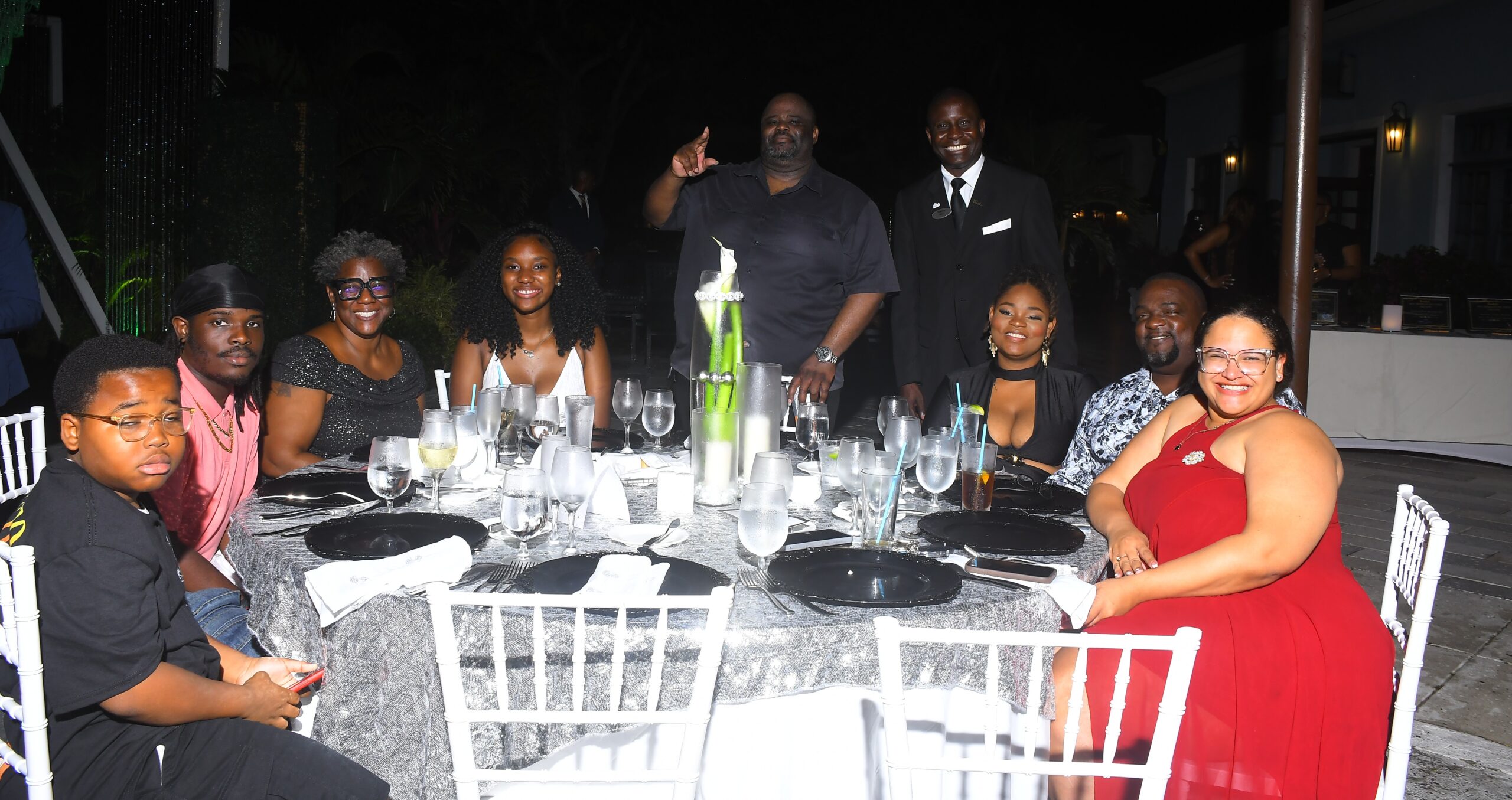
Turks and Caicos Islands, December 17, 2025 – Corporate partners in and around Providenciales recently joined Beaches Turks and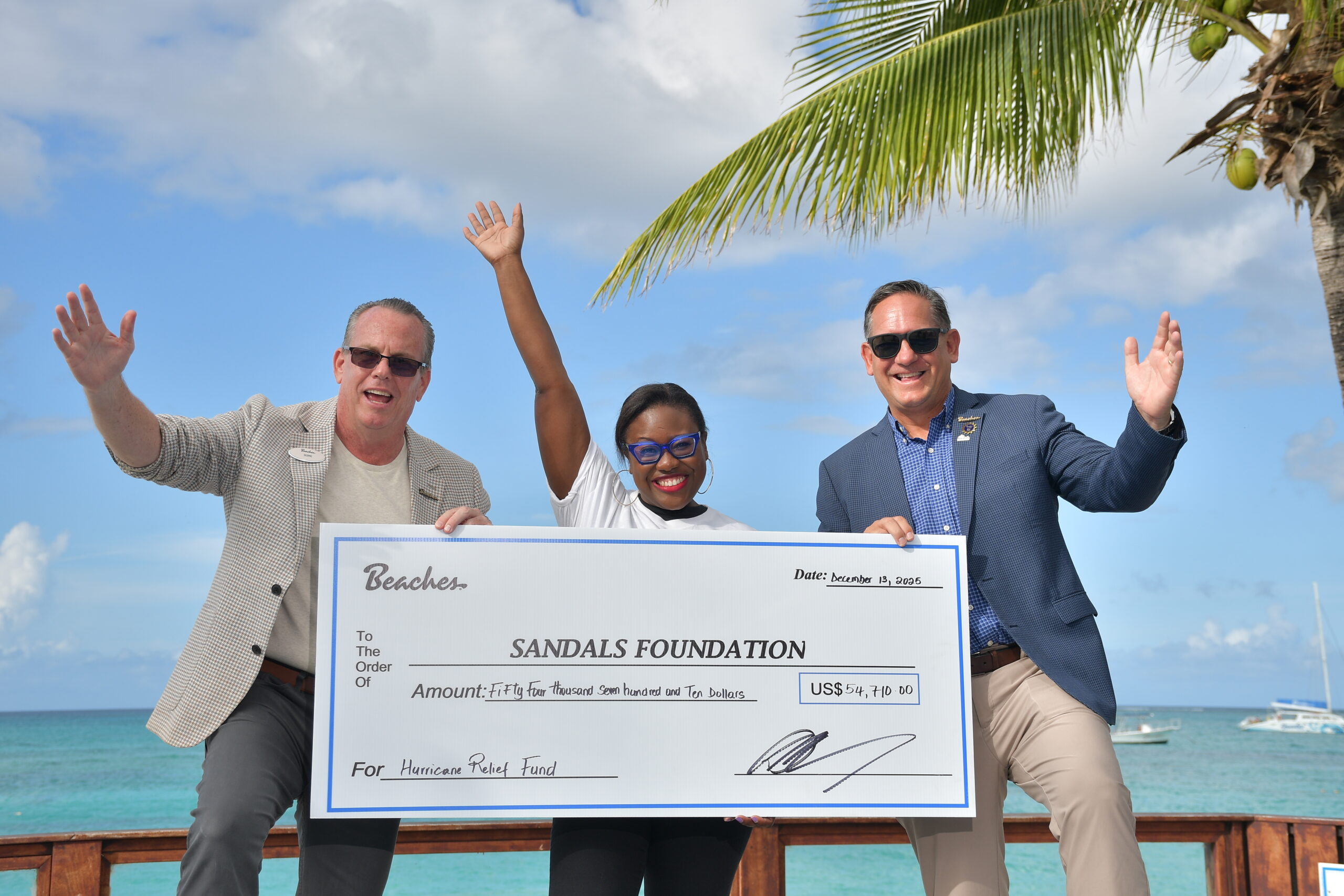 Caicos Resort raising over US $54,000 to support Jamaica’s Hurricane Melissa Relief effort. The fundraising dinner, aptly titled, ‘One Caribbean, One Family, One Love’ saw over eighteen companies gather on Friday, December 12 to support the recovery of families and the rebuilding of communities affected by the category 5 storm.
“When our Caribbean family calls, we will respond with love,” said Deryk Meany, General Manager of the Beaches Turks and Caicos resort. “Today it is Jamaica that is affected, but tomorrow, it could be the Turks and Caicos or another neighbouring island. We are committed to serving our brothers and sisters and are deeply grateful to everyone who have donated to the cause.”
Since the passage of Hurricane Melissa in Jamaica on October 28, the Sandals Foundation has been working around the clock with local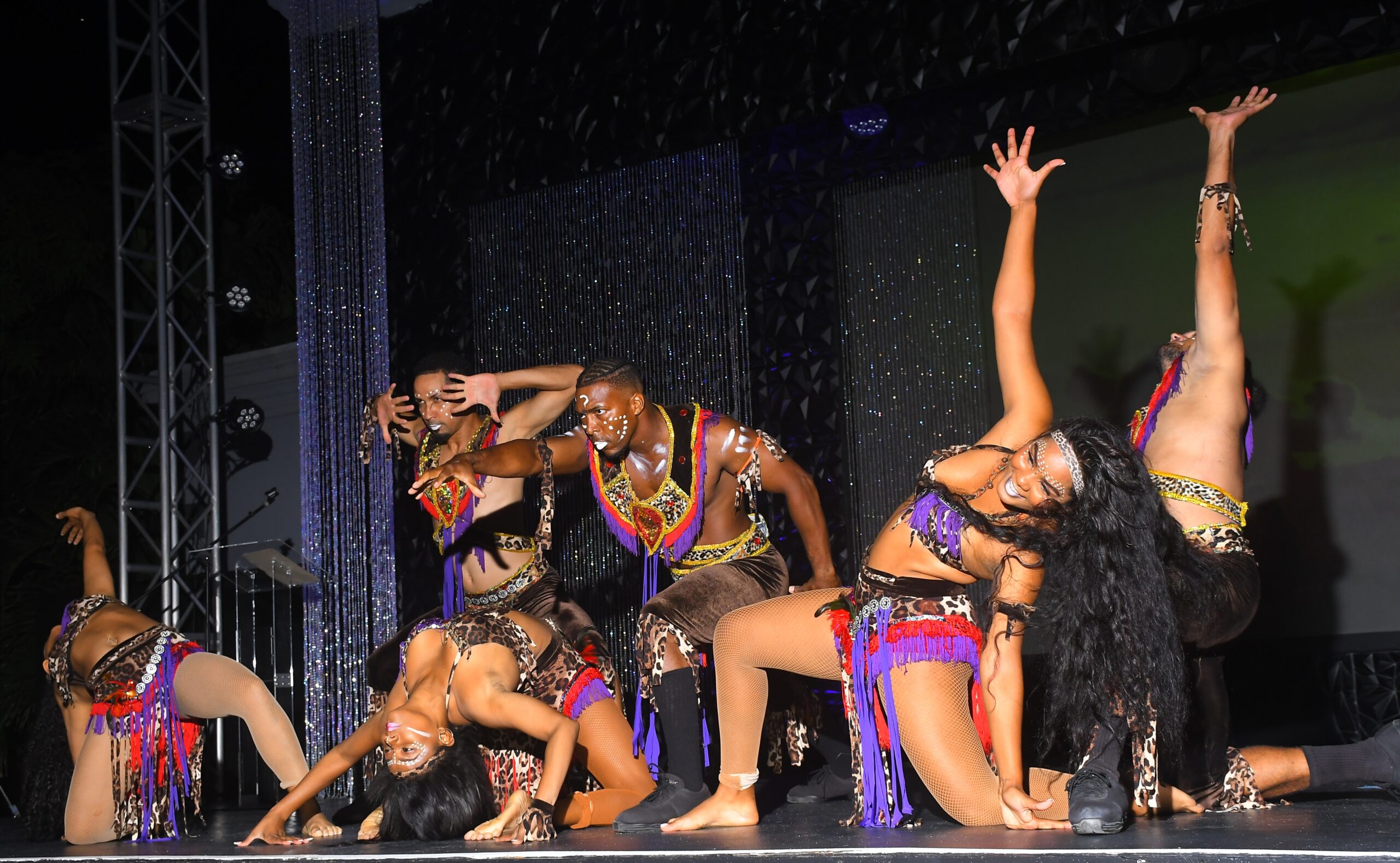 agencies and international partners to provide shelter essentials, food, and clean water, restore schools, and provide medical support to hospitals. Funds raised at the recent benefit dinner will help bolster the next phase of the philanthropic organisation’s support to rebuild schools and livelihoods in affected communities.
“As we continue to provide essential first-relief support, we have already begun our long-term recovery response,” says Patrice Gilpin, Public Relations Manager at Sandals Foundation. “Many schools, which are the cornerstone of stability, learning, and emotional support for our young ones, require urgent attention. This donation will go a far way in restoring a sense of normalcy in the lives of our youngest and most vulnerable.”
The One Caribbean, One Family, One Love fundraising dinner featured, amongst other things a silent auction of Sandals and Beaches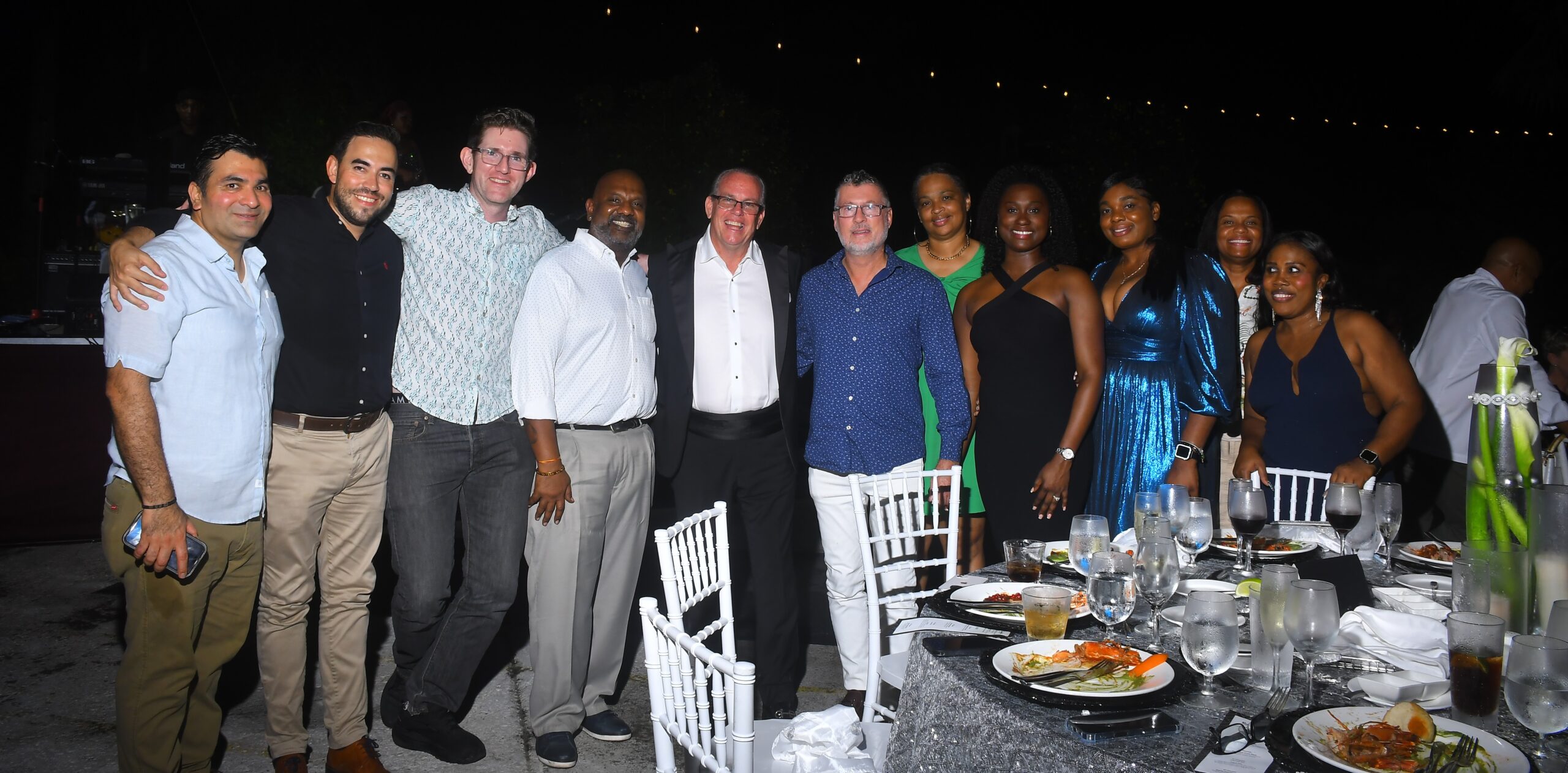 Resort stays, airline tickets, spa services, catamaran cruise, and private chef dinner. The night’s four course meal was also spearheaded by the TCI’s 2025 Taste of the Caribbean silver medalist culinary team- all of whom volunteered for the event.
Managing Director of the Northern Caribbean and Curaçao, James McAnally expressed delight at the outcome noting, “The success of this event is indicative of the power of partnerships to effect real change. We are grateful to the TCI business community, resort guests and our resort team for coming together and making this moment count.”
Photo Captions
1st insert: Sandals Foundation Public Relations Manager Patrice Gilpin (centre) accepts the cheque from Beaches Turks and Caicos resort General Manager Deryk Meany (left) and Managing Director of the Northern Caribbean and Curacao James McAnally
2nd insert: Members of the Beaches Turks and Caicos resort’s entertainment team were on hand to provide scintillating performances at the event
3rd insert: Beaches Turks and Caicos resort General Manager Deryk Meany (5th left) poses for the cameras with representatives of the Graceway Communities as he personally thanked those who were in attendance




