
world news
EDITORIAL: Who or What caused COVID-19 and when are we gonna catch them?

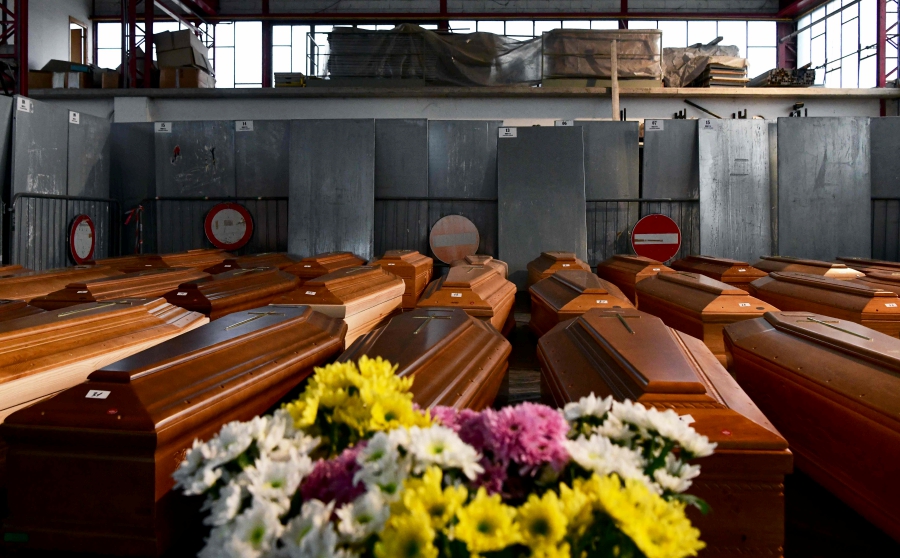
#Caribbean – April 17, 2020 — Someone needs to answer for the Coronavirus which has infected over two million people around the globe, killed over 145,000 of those infected and collapsed dreams, industries and economies.
In under four months, the contagion has wiped out decades of dedicated work to building a more interlinked and interlocked global community and deflated the expectation for a buoyant beginning to a new decade.
The 2020 we all imagined is forever tarnished, and while there is optimism that this season will pass, it is startling that country leaders – save for maybe one – lack vigor when it comes to finding the culprit.
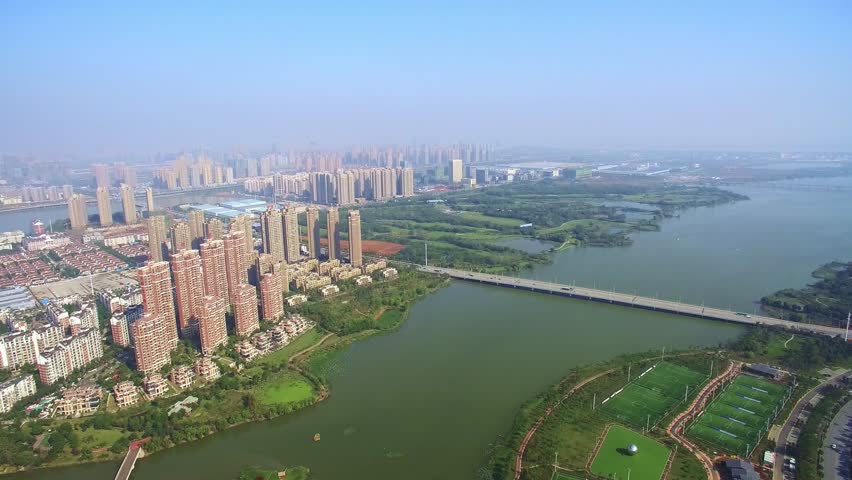
At an agonizingly slow pace, truths are emerging including that China under reported deaths related to the novel coronavirus by 40 percent and other, more controversial charges allege that the disease is not at all derived from a bat bought and eaten in Wuhan through its blacklisted wet market, but more dastardly, that it was created in a laboratory in that capital city of China’s Hubei province.
It is a peculiar thing to many mourners, onlookers and victims that this crime against humanity, as it appears to be, has no obvious investigator trying to hunt down the perpetrator.
Usually, in events when people are hurt or killed, there is unrelenting, headlining, focus on catching a suspect; apprehending a possible killer. Not only in an effort to ensure someone is held responsible for the injustice, but to ensure that the tragedy never, ever repeats itself.
Not so or less so in this case.
The world’s health police has reported no such investigation and the world’s leaders who pay them on behalf of the 7.5 billion people on the planet, including the 145,000 who have died and the 195 million projected to be thrust into unemployment are virtually ‘mum’ on the matter.
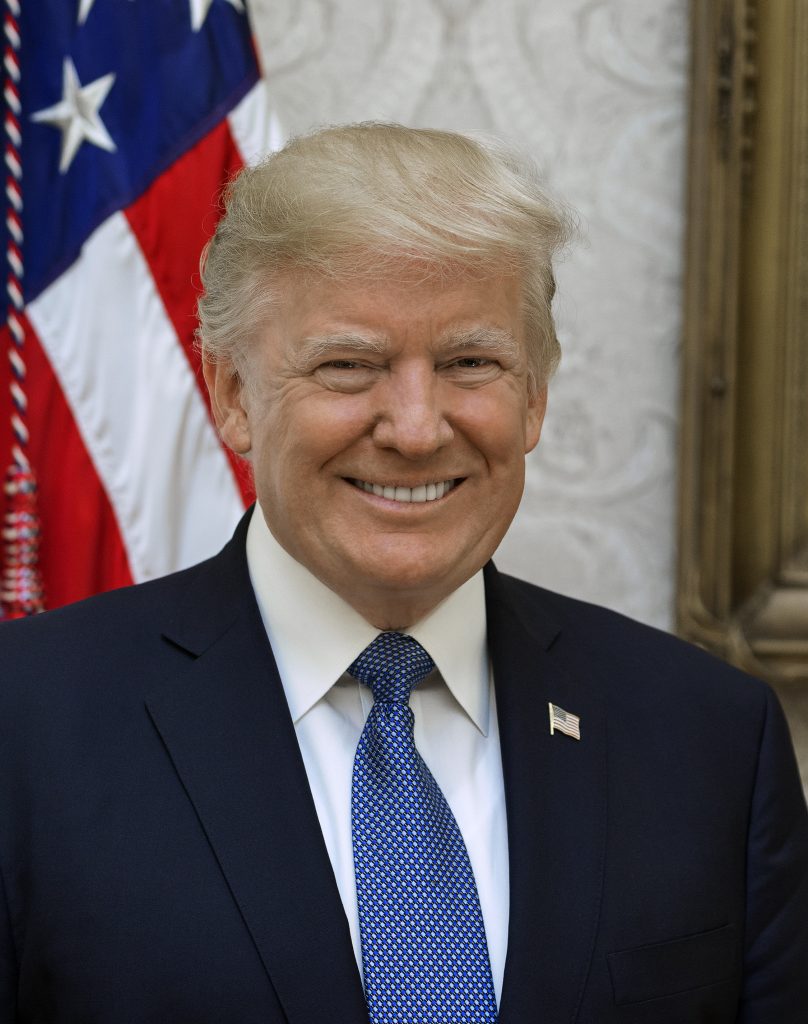
Except for the vociferous Donald Trump, President of the United States of America – who was scolded for announcing that the US would halt funding to the United Nations’ health arm, aka the World Health Organization – there is no mainstream report of someone demanding better service by the WHO and prominently pursuing who caused this mess.
As expected, since U.S. President Trump made his announcement, there are finally media reports probing and pressing for pertinent answers on who is responsible for the virus which has precipitated such a dismal level of causalities and a world recession of unprecedented proportions, as announced by the International Monetary Fund (IMF) earlier this week.
It is unacceptable that people who have scraped and scrounged, people who have dug deep and plowed hard to build their families and countries had to die alone; locked in a room, forced to make death declarations to four walls, or strangers all while gasping for air, when they ordinarily enjoyed a rich relationship with their loved ones.
It is unacceptable, that millions of people, who were poised to have their best year ever financially, have had to accept letters of termination or closed the doors of businesses they have built from scratch.
It is unacceptable that we can no longer shake each other’s hands or give a greeting by kiss or hug; that we are now afraid to speak face to face due to fear that a sliver of saliva may reach our mouths or eyes and infect us with this respiratory attacker.
It is unacceptable that people who have labored in the valued medical profession are being sickened, are terrified of going to their own homes, being with their own families and some of them catching COVID-19 and dying from it.
It is unacceptable that we cannot visit our aged -parents and grand-parents because they have superannuated and are most susceptible to death from this disease. Generations unfairly unhinged by this public health crisis.
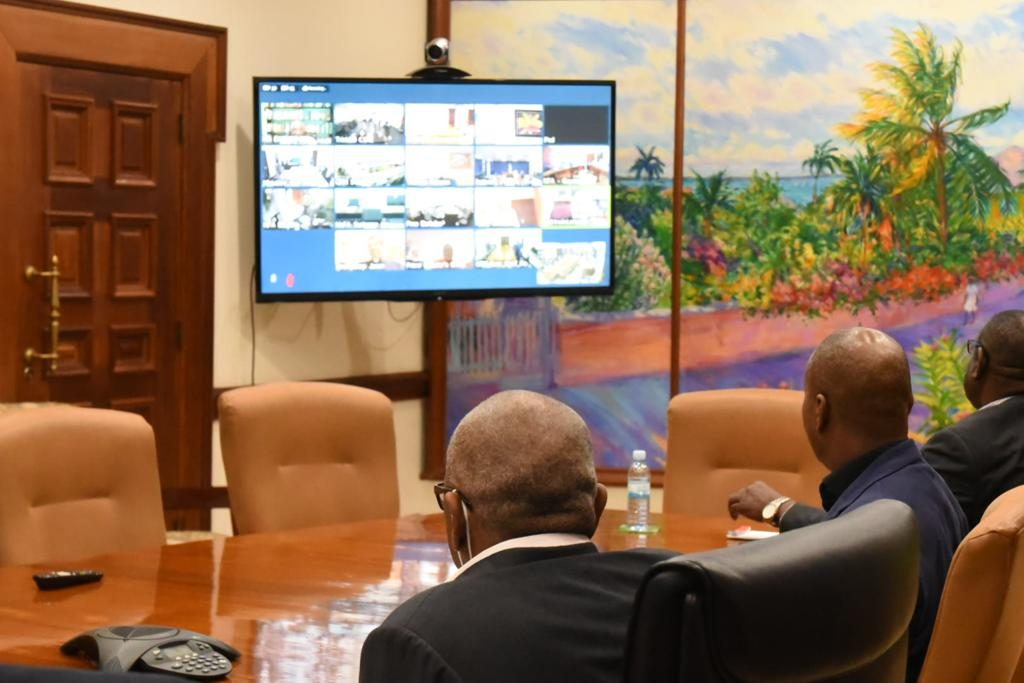
And it is unacceptable that our governments, who in most of our small island countries were already struggling to make ends meet for the people dependent upon them, are now scampering to find solutions. We have watched these administrators labour for ways to ease the pain, fill the voids and pledge what they cannot afford, which means our indebted countries are plunged further into debt.

Magnetic Media CEO
If my commentary sounds angry about what Coronavirus has done to the world; you are not mistaken. I am angry and I am brokenhearted every time I consider the pain and suffering this is causing to my fellow human beings.
We all hear the rumors and reports, so conveniently labelled ‘fake news’ about the possible motivation for this allegedly man-made contagion. Greed and Pride and Folly; among the most shallow characteristics have probably birthed this beast.
I am a believer in Jesus Christ and Almighty God and so I know there is purpose and there is embedded within humankind an indomitable spirit which will cause us to prevail and to emerge enriched by this experience.
Still, my faith in this truth does not extinguish the fire for answers and explanations on behalf of mankind.
The culprit or culprits cannot and must not go undetected or unpunished and 2020 must be the year when global organisations which pledge to uphold marvelous mandates on behalf of humanity, will recommit to doing their jobs or else face being terminated by the people of this planet.
It is time to find the cause of this killer of our loved ones, our livelihoods, our ways of life and our economies; it is time to for the narrative to shift from coping with COVID-19 to catching whomever is culpable.






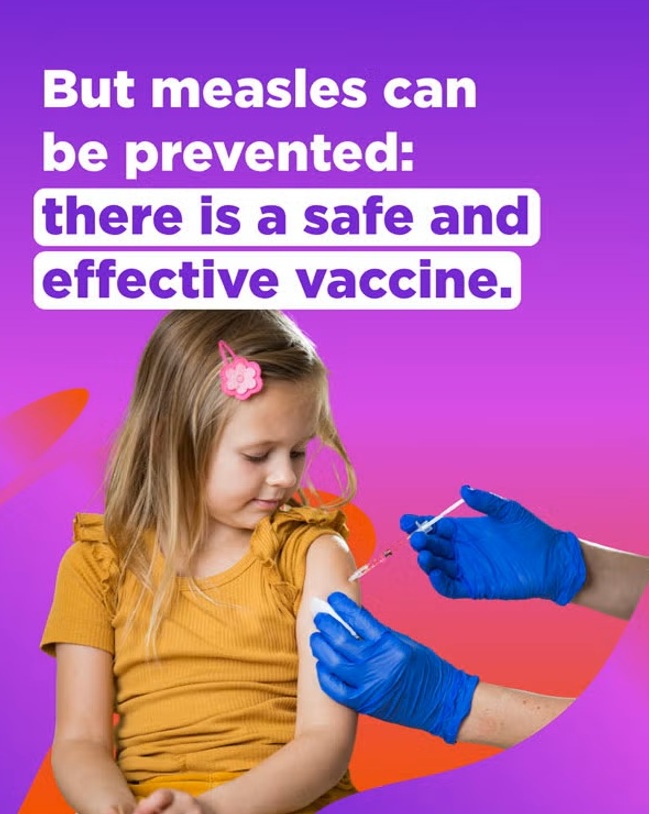
WASHINGTON, D.C. — The Americas has recorded 47,459 confirmed measles cases and 44 deaths in 2026, the region’s highest case count in 22 years, prompting the Pan American Health Organization (PAHO) to urge stronger vaccination, surveillance and rapid outbreak response.
As of July 18, cases were already more than triple the 15,011 recorded during all of 2025. Guatemala, Mexico, the United States and Peru account for 95% of confirmed cases. Guatemala leads with 30,371 cases and 26 deaths, followed by Mexico with 12,255 cases and 17 deaths.
PAHO classifies the regional public health risk as very high, citing active outbreaks, immunity gaps, international travel and populations with inadequate vaccination coverage.
The organization says prevention starts with vaccination. Countries are being urged to achieve and maintain at least 95% coverage with two doses of measles-containing vaccine, particularly protecting children and under-vaccinated communities.
Measles spreads through the air when an infected person breathes, coughs or sneezes. Symptoms can include fever, cough, runny nose, red eyes and a rash.
PAHO is urging health authorities to detect suspected cases early and respond rapidly to stop transmission. Unvaccinated and under-vaccinated people, young children and communities with limited healthcare access face increased risk of severe illness and death.
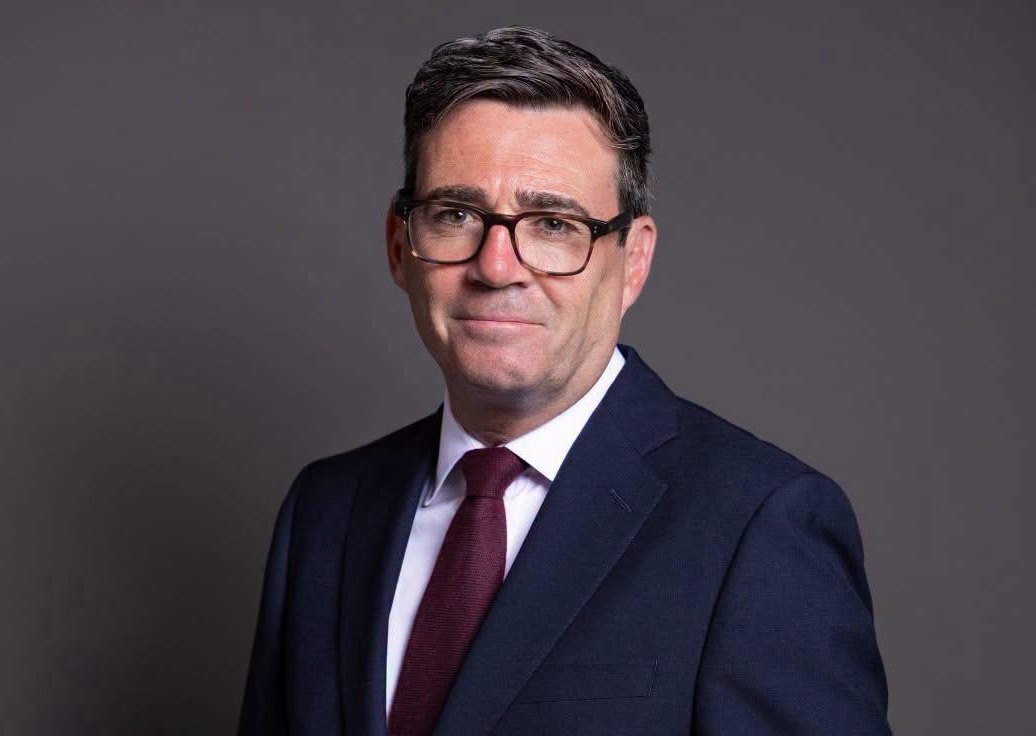
Britain’s new Prime Minister launches his administration with tax relief aimed at easing pressure on household budgets as affordability becomes a defining issue for governments worldwide.
By Deandrea Hamilton | Magnetic Media
LONDON, England — Andy Burnham has wasted little time signaling a new direction for the United Kingdom, making the cost of living the first priority of his administration with a plan to reduce household electricity bills through tax relief.
The newly elected Prime Minister announced that Value Added Tax (VAT) will be removed from domestic electricity bills beginning October 1, describing the measure as part of a broader effort to make everyday life more affordable for working families. The move fulfills a key campaign promise and marks an early shift in the government’s economic agenda.
Burnham inherits a nation still grappling with stubborn inflation, rising household expenses and years of political turnover. His opening policy signals an intention to focus on practical measures that deliver immediate financial relief while restoring confidence in government.
The announcement also resonates across the Caribbean, where affordability remains a pressing concern. In the Turks and Caicos Islands, the Government has just concluded its one-time cost-of-living assistance programme for qualifying residents. While the approaches differ, both reflect a growing recognition that easing financial pressure on households has become one of the defining challenges facing governments today.
Caribbean News
From Pathways to Investment: Tackling the US $6 Billion Food Challenge for the Caribbean

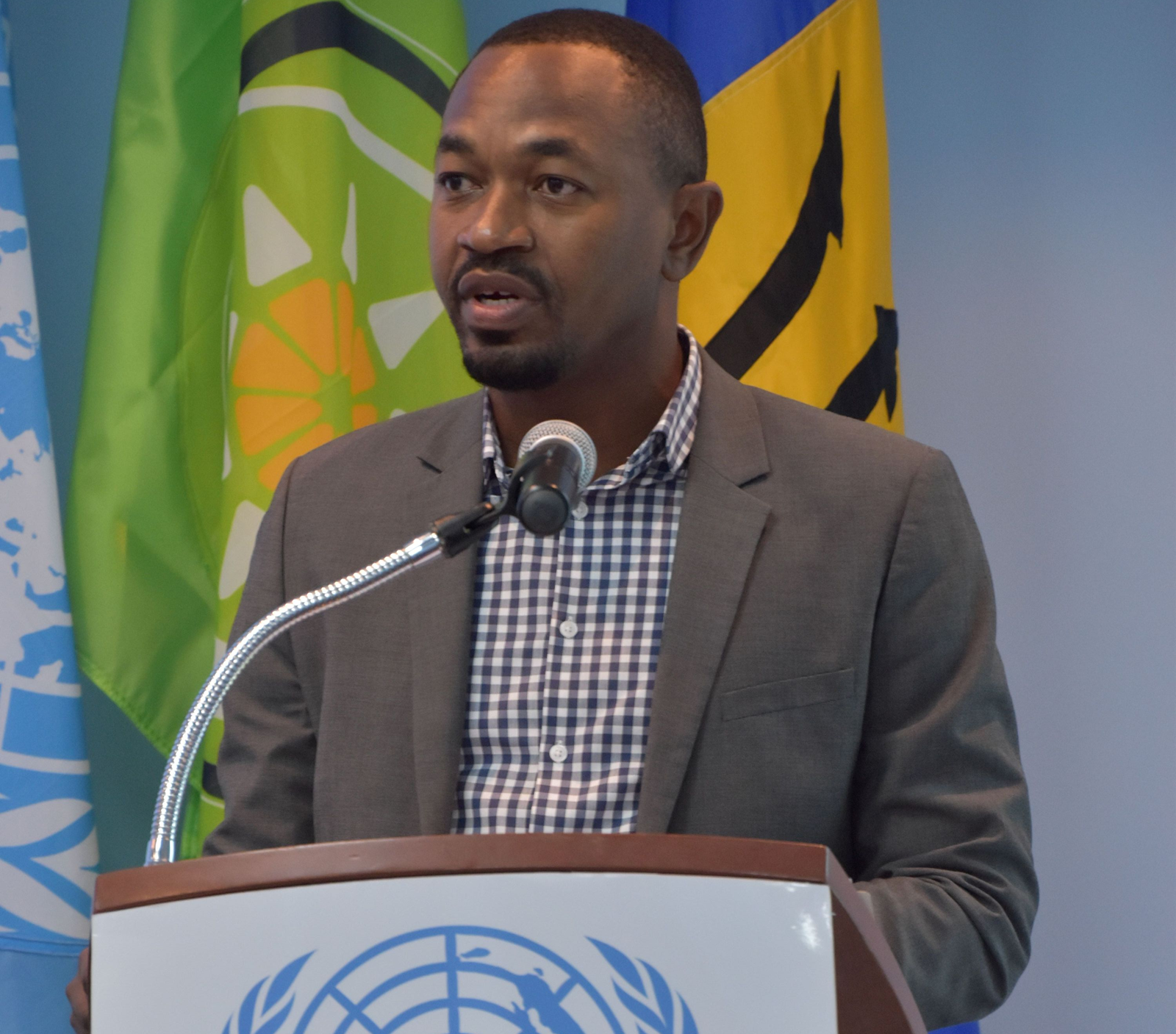
By Kenroy Roach
The Caribbean’s food systems challenge is fast evolving into a broader development challenge.
Despite decades of policy attention and investment, the region remains one of the most food import-dependent in the world, spending over US$6 billion annually. At the same time, countries continue to grapple with food insecurity, high rates of diet-related non-communicable diseases, climate vulnerability, and exposure to external shocks that can disrupt supply chains and drive up food prices almost overnight.
For Small Island Developing States (SIDS), food security has shifted from an agriculture focus alone, it’s about economic resilience, health, climate resilience and sustainable growth.
Recognizing this reality, Caribbean governments have elevated food systems transformation as a regional priority through the CARICOM 25 x 25 Plus Five Agenda, which seeks to reduce food import dependence while strengthening domestic production, regional trade, and resilience. Across Barbados and the Eastern Caribbean, governments have also developed National Food Systems Pathways that identify the investments, partnerships, and policy reforms needed to transform food systems and accelerate progress toward the Sustainable Development Goals (SDGs).
Yet one challenge has remained persistent: financing.
In the face of high levels of public debt and limited fiscal space, while public investment remains critical, Caribbean governments simply cannot shoulder the financing burden alone. Transforming food systems at scale requires mobilizing far greater private capital, alongside development finance and public resources.
This was the rationale behind the recent convened in Barbados.
The Forum brought together governments, investors, international financial institutions, private sector leaders, regional organizations, and the United Nations around a simple proposition: food systems should be viewed not only as a development priority, but also as an investable asset class.
A distinguishing feature of the innovative gathering was its focus on attracting private investment—particularly private equity, impact investment, and blended finance solutions capable of supporting businesses and infrastructure across food value chains. By helping enterprises access growth capital and connecting investors with scalable opportunities, the initiative sought to unlock financing that complements public investment rather than adding to already constrained public balance sheets.
A key outcome was the launch of a regional Deal Book comprising approximately US$320 million in investment opportunities across seven countries, spanning agriculture, fisheries, agro-processing, logistics, and strategic food systems infrastructure. The Deal Book created a practical bridge between capital seeking opportunities and opportunities seeking capital, while enabling direct engagement between governments, enterprises, and investors.
The results were encouraging.
Across four sector-focused deal rooms, participants explored investment-ready and near-investment-ready opportunities and discussed blended finance private equity, risk-sharing, and partnerships to advance projects toward implementation.
The Forum highlighted a shift in perspective: food systems are now seen as strategic drivers of economic diversification, resilience, competitiveness, and growth. Investments across production, processing, logistics, and distribution can strengthen regional supply chains, create new businesses, generate jobs, and reduce vulnerability to external shocks.
For the United Nations, this experience reinforced an important lesson.
Transforming food systems requires more than the technical expertise of individual agencies. It requires integrated solutions that connect agriculture, nutrition, health, climate resilience, trade, private sector development, and financing.
This is where the Resident Coordinator System plays a critical role.
Across Barbados and the Eastern Caribbean, the Resident Coordinator Office has united UN system capabilities around a common food systems agenda. Working with FAO, WFP, the UN Food Systems Coordination Hub, and other partners, the RCO has helped align policy support, technical expertise, partnerships, and financing with nationally identified priorities.
The Forum demonstrated this integrated approach by convening governments, investors, development finance institutions, private sector actors, and UN agencies around a common objective. It showcased the UN’s comparative advantage as a trusted broker capable of connecting development priorities with investment opportunities.
The Forum’s success will be measured not by dialogue generated, but by investments mobilized, businesses expanded, and progress made toward resilient, competitive Caribbean food systems across the Caribbean.
Its most important outcome may therefore be what comes next.
The work starts now.
Kenroy Roach is Head of the UN Resident Coordinator Office for Barbados and the Eastern Caribbean





-
 Bahamas News1 week ago
The Bahamas Reaffirms Support for Ukraine at International Conference in Toronto
-

 Bahamas News1 week ago
Walk for the Cure Every Saturday This October
-

 News1 week ago
Invest Turks and Caicos Officially Opened Caya Hico Collective, Grand Turk MSME Storefront
-

 Health1 week ago
TCI Hospital Marks Breast Cancer Awareness Month 2026 with “Know. Check. Act. Support.” Campaign
-
 Health5 days ago
Cleveland Clinic First in Ohio to Perform Robotic Nipple-Sparing Mastectomy