
TCI News
Premier speaks to crime in TCI


#Providenciales, September 18, 2019 – Turks and Caicos –We have in recent weeks seen a spike in gun related offenses and reports of home invasions and robberies has caused great unrest for the victims as well as residents. A few days ago, we saw for the first time 10 murders.
I begin by offering my condolences to the families who have lost love ones to violence not only this year but over the years and special prayers are continually offered up for those who have not received the justice they seek. I understand this pain and know exactly what it feels like to have a loved one snatched away by senseless violence and to await the perpetrator’s being brought to justice. Whilst this cannot bring back a loved one, it is important I know to healing. I note with great excitement the recent activities that demonstrated that our people may be at a place of understanding that we must do something and some have made steps that they feel allows them to contribute to the fight. I ask that we use this energy to do two things: prayer and reach out. What do we do in this moment of wanting to do more? Talk to our young men; give one a job; mentor another; help a parent; parents: plead with your children; civil society; we stand ready to support programs for youth and for parental support. And the aged old cry remains the same. Crime Stoppers is safe and callers are treated anonymously. You can deal the biggest blow to crime by helping to bring a perpetrator to justice and give victims and their families justice.

I believe that last year July/August fully revealed to us what the challenge is and we must plan accordingly.
I am pleased to be here today in this setting for the first time with our new Governor and new Commissioner of Police. I choose today to offer to you a full update on how the matter of crime is being approached as a whole Government, to provide support to our Police and to make several announcements and appeals.
National Security Strategy
Residents would have heard we speak of a NSS for more than a year and I am pleased that we have made considerable progress today. Thanks to or new Governor who has been hands on. For the first time in the history of these islands, a comprehensive National Security Strategy is being developed to effectively confront the complex issue of crime throughout our archipelago. This multipronged approach will effectively and efficiently manage the resources that are currently available, procure additional tools and resources to the entities tasked with internal and external security, strengthen partnerships internally and with regional and international agencies to effectively collaborate on security initiatives and engage the Turks and Caicos community as a valuable resource in the fight against crime.
Though we must evolve and adapt to the changing circumstances that fuel crime, there are tried and true strategies that have a profound impact on its reduction, elements of which my Government has nurtured to implementation in advance of the rollout of the National Security Strategy.
Community Policing
Chief among them is effective community policing. The relationship between the residents of these islands and the Royal Turks and Caicos Islands Police Force is critical to discouraging criminality. The manner in which our communities are patrolled by RTCIPF Officers has been reassessed and there are not only more boots on the ground on foot patrol, but a strategic presence to ensure heightened security in communities that are hot spots for activity. Increasing the engagement between Officers and the community gives residents the opportunity to engage, inform and build relationships with those charged with their safety.
CCTV
In addition to effective community policing, modern crime fighting tools are essential to deter and detect and solve criminal activity. Among the TCI’s current arsenal is the Closed Circuit Television (CCTV) system which has entered its second phase through its expansion to the nation’s capital. Its capabilities will include an automatic number plate recognition system.
Border Protection Agency
On the matter of entry of weapons, we have budgeted in this year scanning devices for gate keepers and we are moving ahead on a more joined up border protection program which will be executed through our Border Protection Agency. The formation of a Border Protection Unit and Central Intelligence Unit will unify our forces in defense of our country. On the high seas the acquisition of drone aircraft and additional seacraft will support this convergence of entities and bolster our current ninety percent (90%) interception rate of sloops breaching our borders.
Many have called for more policing and stiffer penalties. Since coming to Office we have increased the mandatory 5yrs to 7yrs. Effective policing leads to incarcerations so the redevelopment of the Prison to focus more on rehabilitation remains a key objective of my Government.
In addition to investing in crime fighting tools this Government is committed to continuously investing in our most valuable resource, our people. The Chance for Change Programme, which launched in July of 2019, aims to rehabilitate offenders through programs administered at Her Majesty’s Prison in Grand Turk and decrease the rate of recidivism. This initiative offers drug and addiction rehabilitation programs, skill development in agriculture at the on-site farm, culinary skill development, educational opportunities and anger management sessions to support the transition of offenders into wider society upon release.
Even more critical to rehabilitating an offender is to decrease the likelihood of becoming an offender. As parents, educators, church groups and civic groups, we are all accountable, in our individual spheres of influence, for the environment in which our children bloom. It is imperative that we unite to safeguard, motivate, educate, equip and inspire our youth to become productive participants in Turks and Caicos society. We stand ready to support all Youth Programs as we continue to manage a robust Youth Program under our remit.
Trade School
Additionally, we believe that we must make our people more employable and the young men spoke directly to our Minister of Youth when she took her Listening Tour to the streets: they want a trade and we are hastily working towards commencing a Trade School at the start of the next School year. These are all critical programs in train: prevention, intervention, enforcement and rehabilitation are key drivers in our policies to stem the current tide.
My Fellow Turks and Caicos Islanders, in the coming days and weeks, I look forward to sharing with you in detail the strategic priorities of this comprehensive National Security Strategy. My Government will not shy away from our responsibility in ensuring a safe and secure Turks and Caicos. Crime affects us all, it doesn’t discriminate. My Government is resolved to address this ever evolving challenge and ask you to partner with us to ensure that we all enjoy of a safe and secure nation.
Joining Hands Across the Region
Make no mistake about it, what is happening in TCI is regrettably happening in our region and we intend to join hands across the region. It was only on Thursday past, I used the opportunity to raise the matter of gun violence and gun entry into the region with CARICOM Chiefs. We plan to bring this dialogue to the forefront among regional leaders having recognized that we are facing the same challenges and more the importantly the importance of addressing it together. We must get guns off the street but likewise we must stop them from coming in.
Fire in Grand Turk
Stiffer Penalties for Arsonist and Investment in Domestic Fire Truck
I turn my attention briefly to the ongoing criminal activity of arson in Grand Turk. During the last House of Assembly Meeting, I addressed the House and the people of this country on the increasing number of fires in Grand Turk. I share my thoughts for emphasis again calling on the arsonist(s) first to stop this deviant and seriously harmful behaviour and then to again call on the residents to not only condemn these actions but to assist in finding this person or persons.
These acts are so detrimental to the Island. The interruption to comforts and regular activity is understandably frustrating to the Island’s residents having over the last years seen flights interrupted due to poles being lit, the Control Tower being lit or the usual of the Airport Authority’s assisting in community fires; the closure of schools or the serious discomfort of residents whose homes are nearby particularly the Dump Site which saw multiple acts of lighting.
The setting of fires has negatively impacted local businessmen who have sacrificed and made investments on the Island of Grand Turk and they too have become victims. This is equally concerning as we are keen to encourage the expansion of existing businesses. Equally troubling, as shared in the House of Assembly, are the concerns of potential investors who have already raised this with me as Minister of Investment.
The increasing sites of burnt out buildings is giving the Island a unsightly and unaesthetically appealing image. Resources will now have to be diverted to demolish these structures which could be otherwise used to build up.
I note the stinging criticism at successive governments for the
lack of domestic fire coverage and the presence of one fire truck.
As a matter of fact, Domestic Fire Services on all Islands except Providenciales
was suspended during the Interim Administration. My Government is the second
Government to be elected following the reinstatement of the Constitution. My
Government made a decision in its first Supplementary early 2017 to purchase a
Domestic Fire Truck for Grand Turk signaling the restart of Domestic Fire
Services on this Island. The funding continued to be allocated in subsequent
Budgets signaling my Government’s commitment to delivering on our Plan. We are
advised that a Fire Truck has been secured during the last Budget cycle and
will arrive on Island during the Fall. The need for this over the years has
increased and so has the need for fire fighters on the Island of Grand Turk: a
new career opportunity as well as an opportunity for volunteer services.
With the presence of the DFS, the Airports Authority will continue in its primary critical role of providing coverage at the Airport. I use this opportunity to share that the site for the Fire Hall destroyed by Ike is now being prepared for construction and the procurement of additional Fire Trucks for the Airports Authority will enhance coverage. Persons must know that Fire Trucks are built to order and are not readily available for purchase; easily costing about $1m each.
As a matter of record, I want to encourage all of us to consult with the leaders on Grand Turk to understand how much is being invested on that Island to rejuvenate that economy and the ongoing fires is a threat to the Island’s economic recovery and must cease.
I am urging those setting fires to give their Island the much needed chance to recover and the chance to attract the level of internal and external investment that is poised to come; Your actions are illegal and abhorrent and I am appealing to you to be good law abiding citizens. You are hurting the Island.

My Government remains committed to the rebuilding of the Capital in every way. Today I commit to a review of the Ordinance and to bringing a Bill that will introduce stiff penalties for arson. You can look forward to this.
We will do everything in our power through resources and laws to stamp out undesirable behaviour and it is important not to be caught on the wrong side of the Law.
Thank you to those who will do more especially our clergy for the start of the shift in mind sets and attitudes in TCI; and thank you to those who will from this day play a consistent role as the police’s greatest resource.
We must get into the minds of our young men and all residents. There is much more we can each do as individuals. The Police and its resources require its greatest partner: the people they are sworn to protect. Policing needs the assistance of the people to be effective; ironically, the police need the people to deliver the environment that the people crave and need. I appeal to abled bodied young Turks and Caicos Islanders, you can give the ultimate, join the Force. Our country need you to step forward in this role as well.
More Resources for Police
Thank you HE and Commissioner for what I am sure will be a great partnership. I am happy to have received a Plan from the new Commissioner of Police who having in the first few weeks of his Term together with his Senior Executive Team conducted a review of his Force against the direction and vision he has. And I have agreed to provide funding to recruit 20 Police Officers and to support his vision for the establishment of a Gun Squad. I believe that these enforcement efforts together with other preventative and rehabilitative measures will yield the results we seek but again you the people are key.
CONCLUSION
My fellow Turks and Caicos Islanders, we have arrived at a crossroads with regards to the internal and external security of our nation. Our individual and communal safety and security in addition to the ripple effect that incidents of crime and violence can have on our tourism based economy makes us all equal stakeholders in this vexing problem.
We all have a role to play in addressing crime and the myriad of variables that fuel it; however, my Government stands squarely with the Governor and the Commissioner of Police in the path ahead to arresting the increase in incidents of violent crime and maintaining the peace and tranquility of these islands.
May God deliver those who continue to run afoul of the law into the hands of the Police, may He convict the hearts of those who know the culprits until they do their part, may He convict and convince those who can do more to act, may He give the Commissioner and his Team wisdom to apply their resources and may he guide us as Leaders to provide the support the right places and may He bless these our beautiful by nature Turks and Caicos Islands.
Release: Office of the Premier

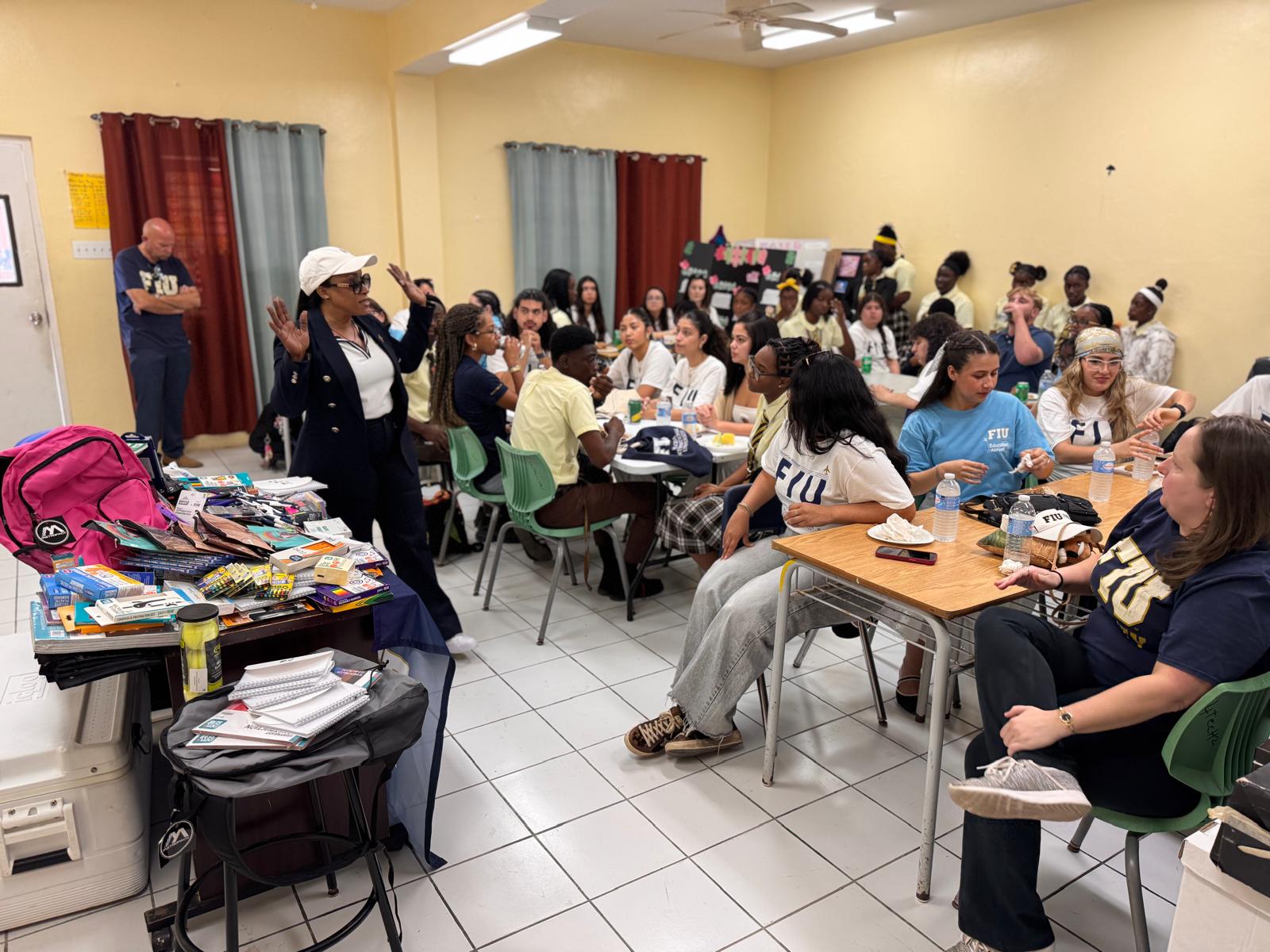
PROVIDENCIALES, Turks & Caicos Islands: — Beaches Turks and Caicos and Florida International University’s (FIU) Chaplin School of Hospitality & Tourism Management have joined forces to inspire the next generation of hospitality leaders in the Turks and Caicos Islands, partnering with Clement Howell High School and Oseta Jolly Primary School during FIU’s recent education abroad visit.
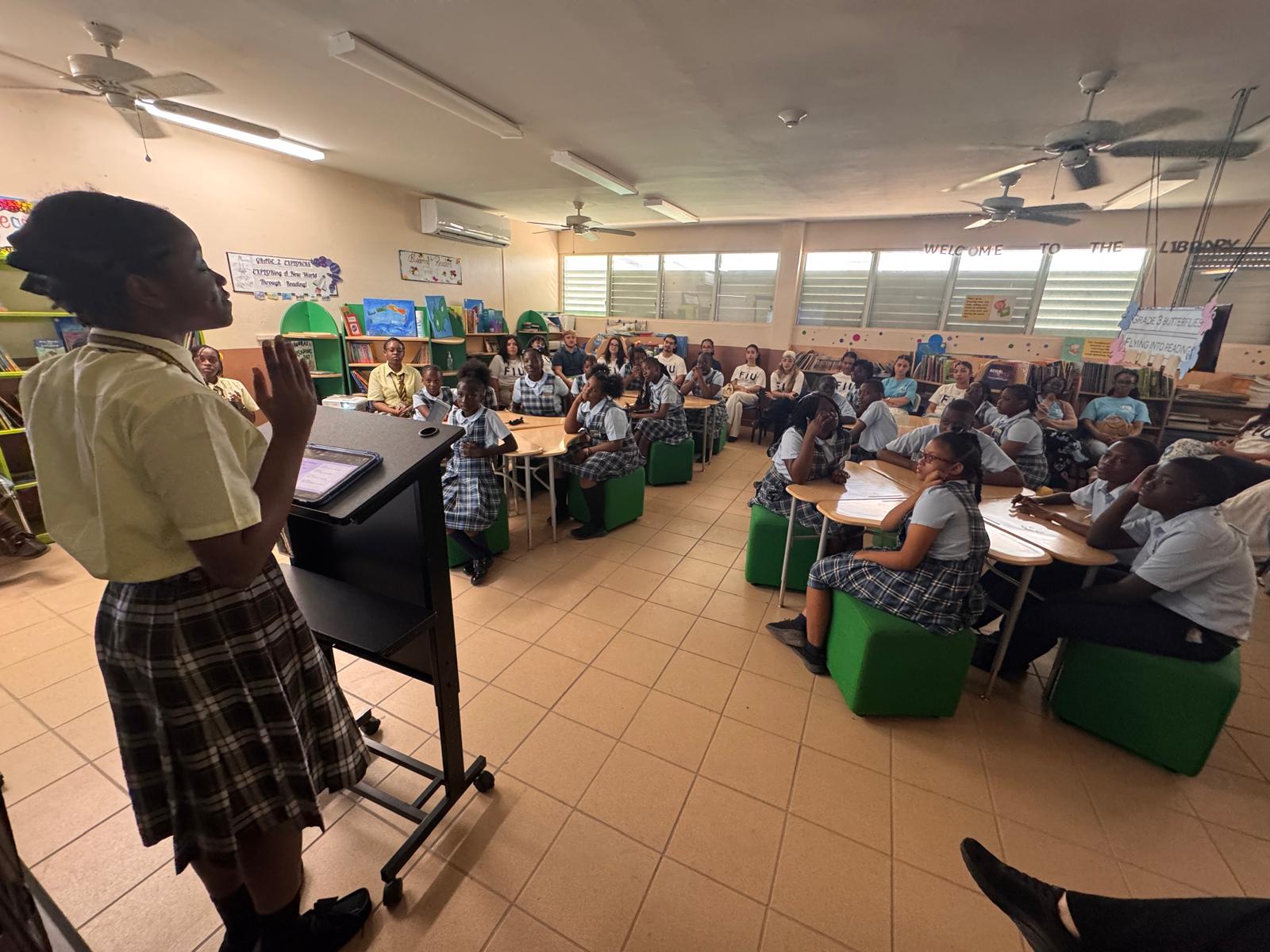
BTC & FIU training with Clement Howell High and Oseta Jolly Primary student leaders
As part of FIU’s Education Abroad programme, a delegation from the Chaplin School of Hospitality & Tourism Management travelled to Providenciales to engage students in interactive sessions on careers in tourism, leadership and customer service. Hosted by Beaches Turks and Caicos, the programme blended classroom-style presentations with on-resort exposure, underscoring the resort’s long-standing commitment to youth development and training across the islands. FIU, consistently ranked among the top hospitality management schools in the United States, used the visit to highlight international study opportunities and the global reach of a hospitality degree.
Beaches Turks and Caicos, a flagship all-inclusive family resort on Providenciales, has developed a reputation for structured training and mentorship, frequently opening its doors to local students for hands-on learning and industry immersion. This new collaboration with FIU’s Chaplin School builds on that foundation by linking local classrooms directly to a world-recognised university programme, giving students early exposure to academic pathways and professional standards in tourism.
At Clement Howell High School, FIU faculty, students and Beaches representatives met with aspiring hospitality professionals in a series of workshops and talks. Sessions focused on leadership, guest experience, innovation in tourism and the importance of regulatory standards and sustainable practices for a destination whose economy is anchored in travel and hospitality. Students also heard about internship pipelines, scholarship options and the practical steps required to transition from secondary school to university-level studies in hospitality management.
FIU alumna and Deputy Governor of the Turks and Caicos Islands, Anya Williams, delivered an energizing address, encouraging students to see themselves as future global leaders. “To build strong networks with the visiting FIU team, we have to build relationships now which will open doors to study overseas as well as mentorship and career opportunities.” Williams also highlighted how her own journey, including her time at FIU, helped shape her path to national leadership and underscored the value of combining academic excellence with service to country.
The delegation extended its outreach to Oseta Jolly Primary School. There, Clement Howell, FIU and Beaches volunteers tailored activities for younger students, introducing them to basic leadership skills. The sessions reinforced values already central to the school—respect, cleanliness and excellence.
Minister of Education, Youth, Sports and Social Services, Rachel Taylor, praised the collaboration, noting that strategic partnerships with world-class institutions are vital to aligning the national education agenda with the realities of a tourism-driven economy. She commended Beaches Turks and Caicos and FIU for investing time and resources in local students and said she looks forward to continued collaboration that will expand access to training, scholarships and international exposure for young Turks and Caicos Islanders. Taylor also emphasized that initiatives like this complement government-backed hospitality training efforts already underway with industry partners across the islands.
General Manager of Beaches Turks and Caicos, Deryk Meany, reaffirmed the resort’s commitment to developing local talent and supporting the wider community. He noted that the success of the Turks and Caicos tourism product depends on a strong developmental programme of well-trained, passionate professionals who understand both global standards and local culture.
News
50 Years of Ministerial Government: Cabinet Moves to Mark Milestone Rooted in 1976 Constitution
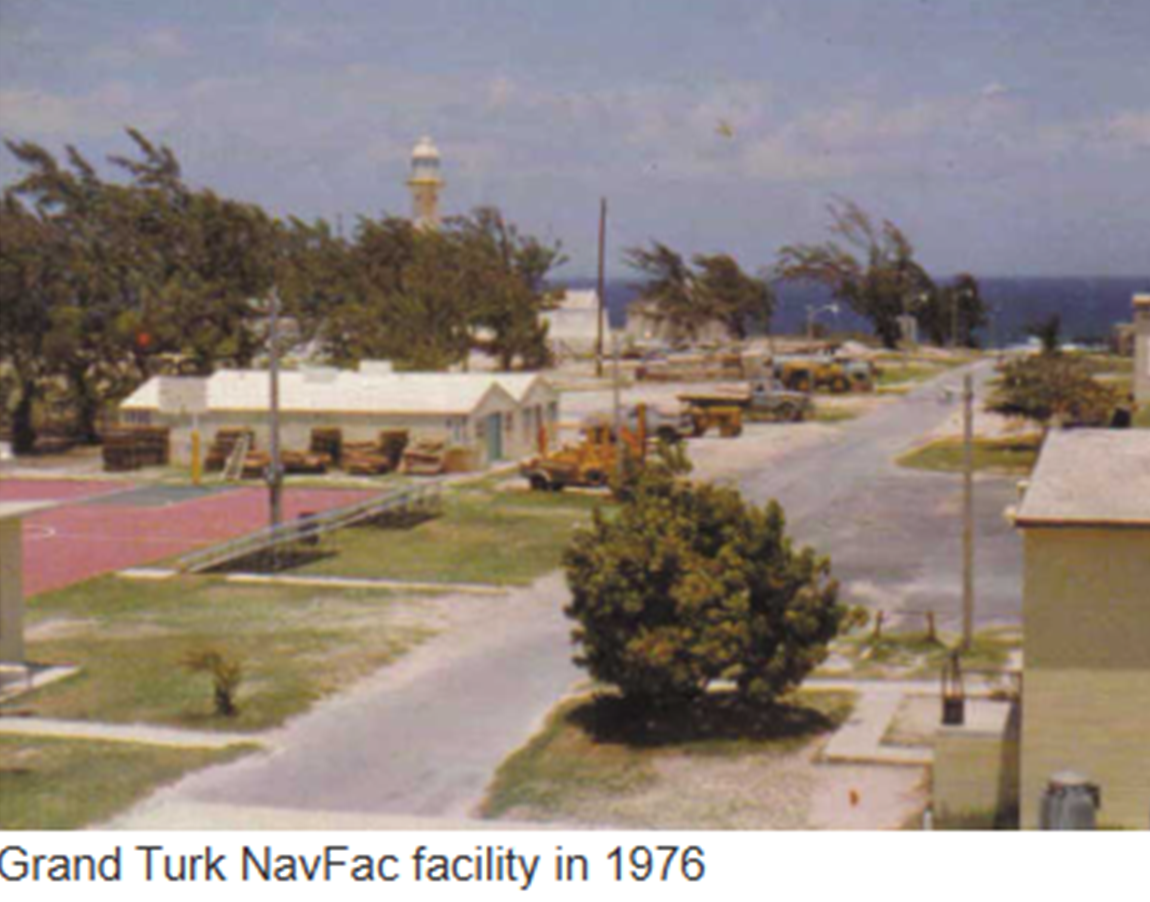
Turks and Caicos, March 30, 2026 – The Turks and Caicos Islands is preparing to mark a major political milestone, with Cabinet approving the establishment of a National Commemorative Committee to celebrate 50 years of ministerial government, a system first introduced under the 1976 Constitution.
The decision, confirmed in the February 10 Post Cabinet statement, signals a year of reflection on a governance model that fundamentally reshaped how the country is run — shifting from direct colonial administration toward locally led political leadership.
That shift was formalized in the Turks and Caicos Islands Constitution Order 1976, which laid the legal foundation for ministerial government and introduced a structured Executive and Legislative system.
At its core, the 1976 Constitution established an Executive Council, bringing together:
- a Governor,
- a Chief Minister elected by members of the Legislative Council,
- and Ministers appointed to assist in governing the Islands.
A Very Different Government Back Then
If today’s Cabinet feels crowded, the 1976 version would have seemed almost unbelievable. There were just three Ministers serving alongside the Chief Minister — a tight, compact leadership team responsible for the affairs of an entire country. No sprawling list of ministries, no long roster of portfolios — just a handful of individuals carrying the weight of governance.
Becoming a Minister wasn’t a direct vote of the people either. You first had to win a seat in the Legislative Council, and from there, the Chief Minister would recommend who should serve. The Governor then made the appointments. In other words, political trust and alignment mattered just as much as public support — and ultimate authority still rested above the local leadership.
And as for job security? There wasn’t much of it. Ministers served without fixed terms and could be removed if they lost their seat, resigned, or if the Governor revoked their appointment. Even the Chief Minister could be ousted through a vote of no confidence. Add to that the basic requirements — being at least 21, a British subject, and meeting residency rules — and it’s clear that ministerial government in 1976 was not only smaller, but far more tightly controlled.
This marked the first time elected representatives were formally given defined roles in the administration of national affairs.
Under the Constitution, the Governor retained overarching authority, but was required in many instances to act on the advice of the Executive Council, particularly in shaping policy and overseeing government operations.
The Chief Minister, meanwhile, was positioned as the central political leader, responsible for directing government business and advising on the appointment of Ministers.
Importantly, the Constitution also allowed for the assignment of responsibilities to Ministers, giving them oversight of specific areas of government — a structure that remains at the heart of today’s Cabinet system.
Section 13 of the Order made clear that Ministers could be assigned responsibility for the administration of departments or government business, embedding accountability and functional governance into the system.
The Legislative Council, established alongside the Executive, provided the law-making body, with elected and appointed members participating in debates, passing legislation, and representing the interests of the Islands.
Together, these provisions created the framework for what is now recognized as ministerial government — a hybrid system balancing local political leadership with constitutional oversight by the Governor.
The explanatory note of the 1976 Order describes it as introducing “new provisions for the Government of the Turks and Caicos Islands,” including the creation of a Legislative Council with elected members and Ministers appointed on the advice of the Chief Minister.
Fifty years on, that structure has evolved through subsequent constitutional changes, but its foundation remains rooted in the 1976 framework.
Cabinet’s decision to establish a commemorative committee suggests that the anniversary will not only celebrate political progress, but also invite reflection on how effectively the system has delivered on its promise of representation, accountability, and governance.
As the Islands approach this Golden Jubilee, attention is likely to turn not only to the achievements of ministerial government, but also to the ongoing question of how the system continues to serve a modern and rapidly developing Turks and Caicos Islands.
Developed by Deandrea Hamilton • with ChatGPT (AI) • edited by Magnetic Media.

Turks and Caicos, March 30, 2026 – The Turks and Caicos Islands Government has signaled changes to its tourism funding framework, with Cabinet approving draft amendments to the Destination Management Fee Act 2023.
The decision was confirmed in the Post Cabinet statement following the February 5 meeting, chaired by Governor Dileeni Daniel- Selvaratnam, where members agreed to move forward with revisions to the law governing the collection and administration of the fee.
The Destination Management Fee, introduced in 2023, is applied to travelers entering the country and is embedded within the cost of travel. The charge was designed to support tourism-related development, including marketing, infrastructure, and sustainability initiatives.
At the time of its introduction, the fee was linked to the establishment of a Destination Management and Marketing Organisation (DMMO), which was expected to coordinate tourism strategy and enhance the visitor experience.
However, recent developments have shifted that landscape.
The DMMO has since been discontinued, raising new questions about how funds generated through the fee are being managed and what structure will now guide tourism development efforts.
The Cabinet note does not outline what specific changes are being proposed under the amended legislation.
It also does not indicate whether adjustments will be made to:
- who pays the fee,
- how it is collected, or
- how the revenue is allocated and overseen.
The move to amend the law comes amid broader government efforts to strengthen revenue collection and compliance, including updates provided to Cabinet on the work of the Drag-Net Steering Committee — a multi-agency initiative focused on improving government revenue systems.
The lack of detail surrounding the amendments leaves several key questions unanswered, particularly given the fee’s direct impact on both visitors and residents and its role in supporting the country’s tourism economy.
Any changes to the Act would require further legislative steps, including presentation to the House of Assembly, before taking effect.
For now, the Cabinet’s approval signals that the government is moving to revise a policy that is already in force — but without yet disclosing how those revisions will alter the current system.
As tourism remains the backbone of the Turks and Caicos Islands economy, clarity on the future of the Destination Management Fee — and the framework it supports — is expected to be closely watched in the weeks ahead.
Developed by Deandrea Hamilton • with ChatGPT (AI) • edited by Magnetic Media.
Photo Credit: TCIAA





-

 News1 week ago
Password to Paradise Radio Remotes at Beaches Turks & Caicos continue to highlight the TCI as the preferred Caribbean destination
-

 News1 week ago
Beaches Turks & Caicos adds four new PADI Dive Instructors to the cadre of professionals in the watersports department
-
 News1 week ago
Beaches Turks & Caicos shares fine dining experiences to high school students in Providenciales
-

 Bahamas News1 week ago
Bahamasair Backs Surge as Bahamians Flood South Florida for V.J. Edgecombe Showdown
-
 News1 week ago
50 Years of Ministerial Government: Cabinet Moves to Mark Milestone Rooted in 1976 Constitution
-

 News1 week ago
Fuel Costs Rise Again as Pelican Energy Warns of Global Pressures
-

 News1 week ago
Government Moves to Amend Destination Management Fee Law
-

 News1 week ago
Flow TCI Empowers Local Communities with ‘Project EmpowerHER’