
TCI News
TCI: Infrastructure Minister tours public projects in Providenciales, gives update

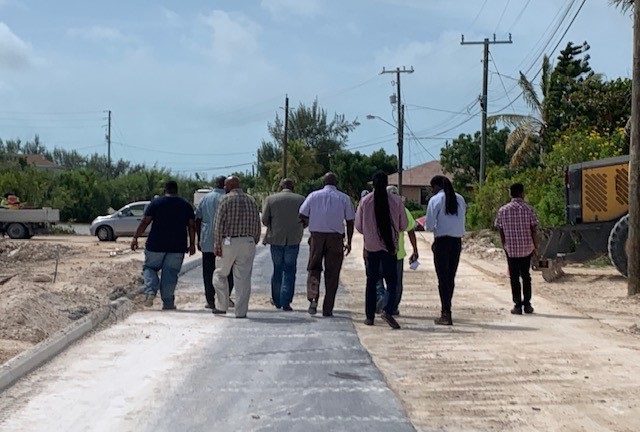
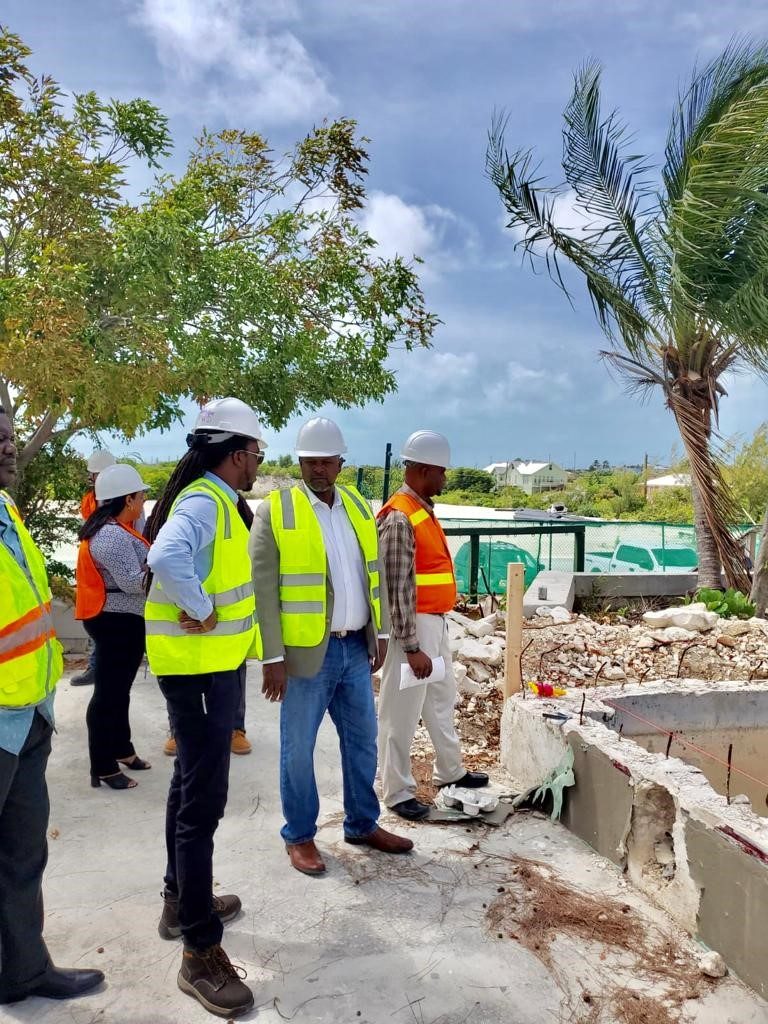
#Providenciales, August 13, 2019 – Turks and Caicos – The Deputy Premier and Minister of Infrastructure says that he is pleased with the progress on Public Works managed projects, and in one case an early completion which will result in keys being handed over this month.
A media release from the office of the DP explained: ‘The Deputy Premier and Team then visited the newly completed EMS (Ambulance) Base, on Leeward highway. This project was recently completed ahead of schedule at a cost of approximately $140K. The keys are to be officially handed over to users this month.’
Schools featured largely in the tours. Oseta Jollly Primary and Clement Howell High in Blue Hills and new Long Bay Primary Schools were all toured and again there was satisfaction expressed at the progress of the projects.
By June 2020, hurricane refurbishment work at the Oseta Jolly Primary School will be completed; it was the second site visited by the Deputy Premier.
Phase one of the School Infrastructure Project at OJPS is an investment of $1.8 million. Work to ‘repair and upgrade’ began in February and is on course for an on-time completion in February 2020.
Phase two for OJPS will deliver a new Early Childhood Block. It meant removal of the old container classrooms.

The Minister’s report said: ‘The project has an approximate cost of $1.5 M. The project commenced in June 2019 and is scheduled to be completed in June 2020.’
At Clement Howell High, $700k in repair work is tackling the goals of phase two of the high school’s infrastructure project and should be completed in April next year.
The Infrastructure Minister said his tour was aimed an ensuring quality work delivered on time, and initially took Deputy Premier Astwood to the road works under way in Five Cays and Wheeland.
The tour took the DP to Lot 1 Laney Lane in Wheeland, which was due to be finished last week and Tumpa Avenue in Blue Hills, which is scheduled to be all done by September.
His report on the ‘Phase 4’ of road projects explained: ‘….The Contract includes the road to the radar station which is 95% Completed, Granny Hill and Matilda Way and the removal of derelict vehicles within the area of the Project. This project commenced in April 2019 at a cost of $1.3 M and is scheduled to be completed in September 2019.’
The tour by the Minister and his team of the new Long Bay Primary School was described as an “intricate inspection”.
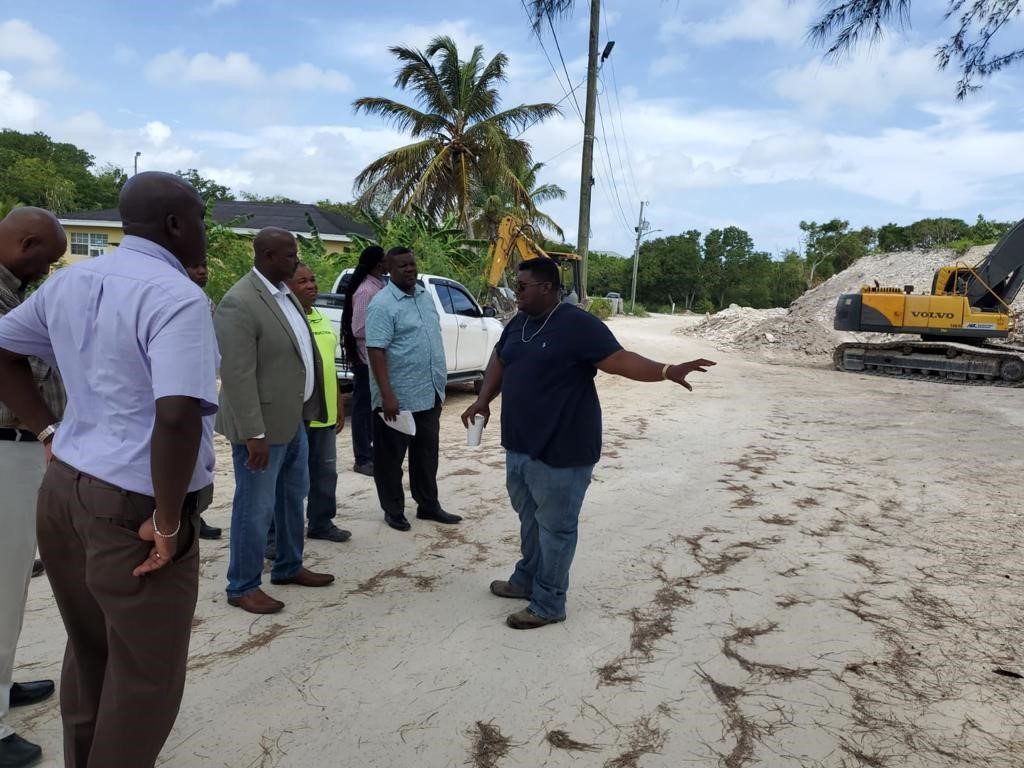
The DP in his report to media said: ‘This project has an estimated total cost of $4.7 M. It originally commenced in September 2018, the project was stopped for a brief period due to a legal challenge but recommenced in February 2019, it is on schedule for completion August 2020.”
Overall, the Deputy Primer and Minister responsible for infrastructure shared that he is pleased with the progress of the ongoing works viewed on Monday August 5, 2019. Hon Sean Astwood added that he is committed to getting timely progress reports and seeing all the projects through to fruition.
#magneticmedianews
#ministertourspublicprojects

News
BermudAir Launches Service to the Turks and Caicos Islands on October 26th, Expanding Air Connectivity Ahead of Winter Season
Providenciales, Turks and Caicos Islands (October 22nd, 2026) – The Turks and Caicos Islands welcomes BermudAir as the airline begins its service to the destination on Monday, October 26th, marking the start of a wider expansion that will connect us with additional cities across the United States, Canada and the Caribbean.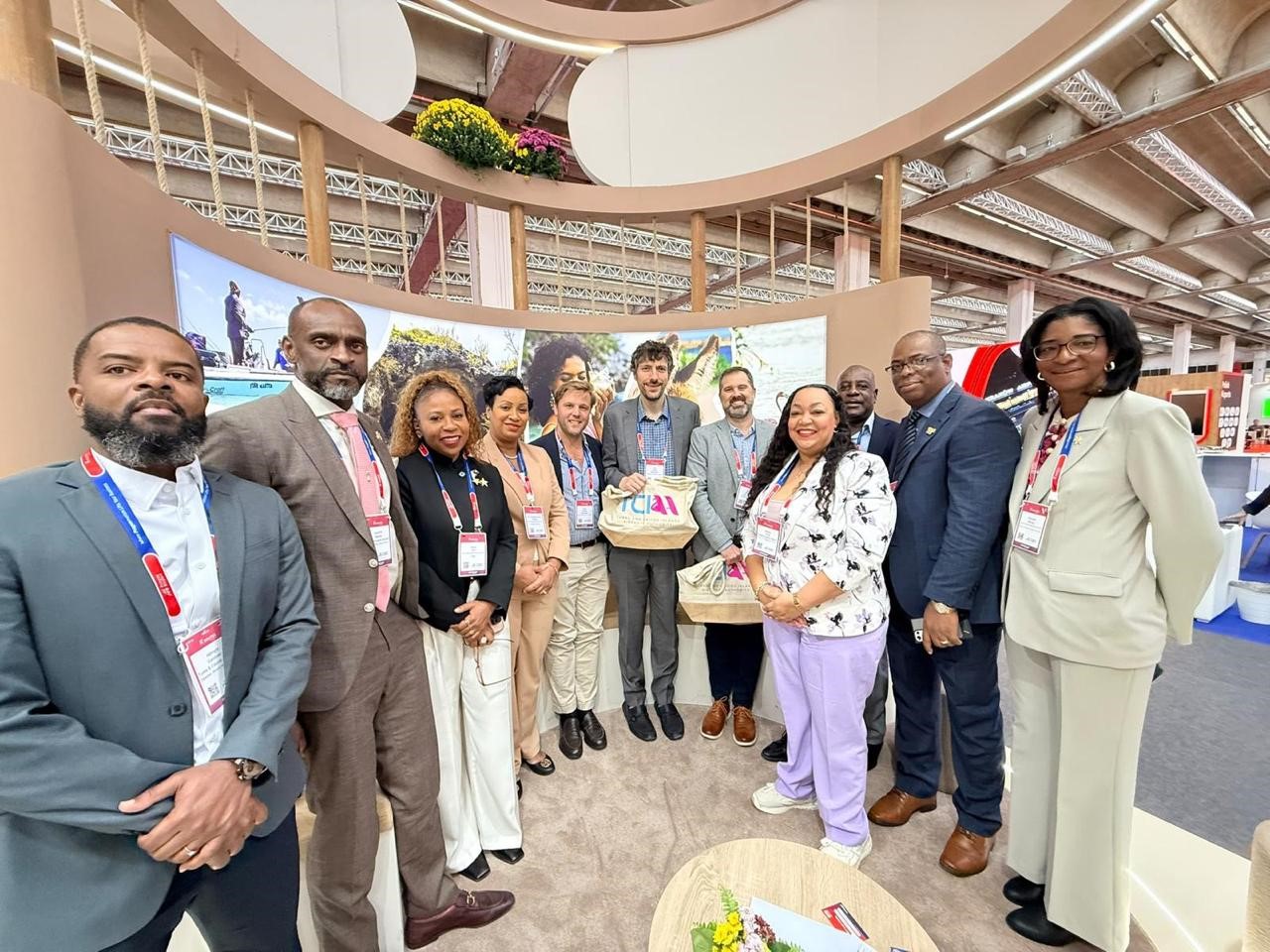
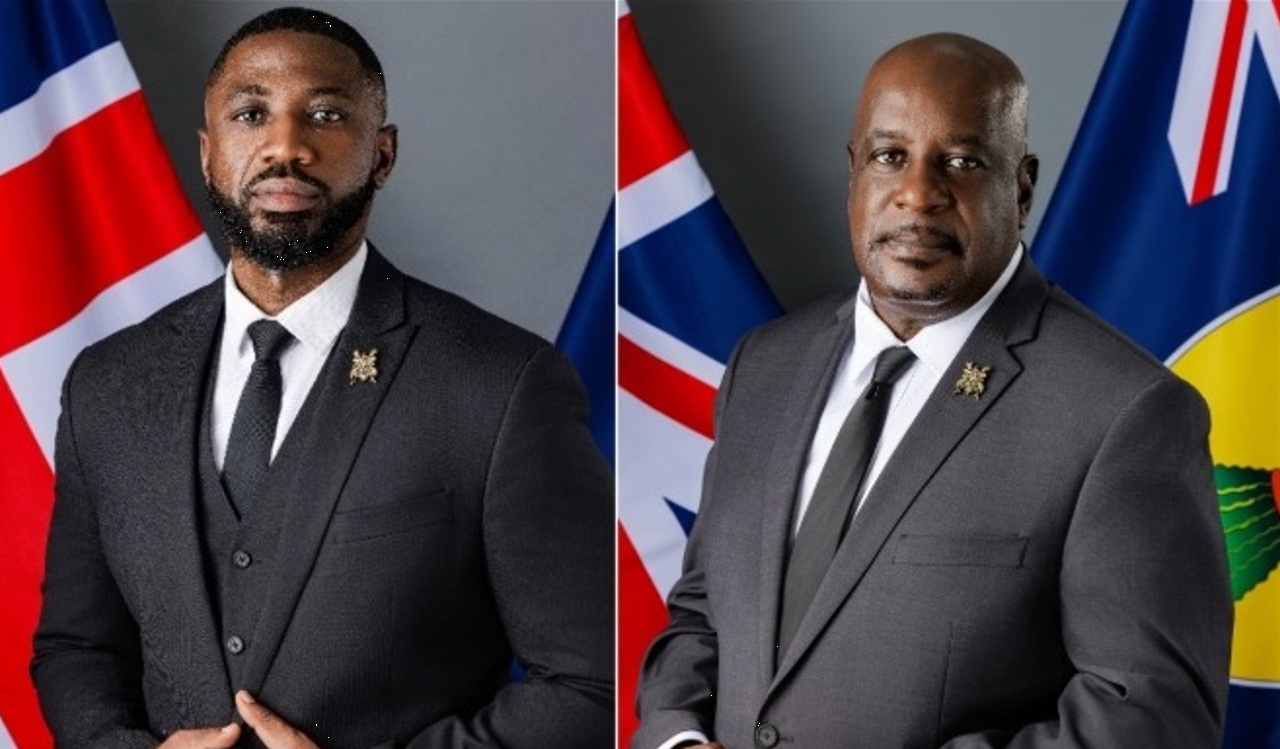
BermudAir’s service will begin with a new nonstop service between Fort Lauderdale, Florida, and Providenciales. The flight will depart from the Howard Hamilton International Airport at 8 am on Monday morning and arrives at 7.40 pm. Aboard the inaugural flight will be a delegation from the Turks and Caicos Islands led by Experience Turks and Caicos and the Turks and Caicos Islands Airports Authority (TCIAA), and will include Deputy Governor, Her Excellency Anya Williams, Minister of Tourism, Hon. Zhavargo Jolly, as well s representatives of the Turks and Caicos Hotel and Tourism Association (TCHTA), the board of the Turks and Caicos Islands Tourism Authority, Invest TC and local media.
BermudAir will operate the Fort Lauderdale–Providenciales route three times weekly, on Mondays, Wednesdays and Fridays, through May 3rd, 2027. making it easier for business travellers with the schedule offering the potential for same-day return trips. The airline is also launching nonstop service between Fort Lauderdale and Belize City, Belize, on the same schedule, offering travellers in South Florida direct access to both destinations.
The new service introduces BermudAir’s premium leisure inflight experience to the Turks and Caicos Islands. Flights will operate on Embraer E190 aircraft configured without middle seats, giving every passenger a window or aisle seat, alongside complimentary snacks and beverages.
Minister of Tourism, the Honourable Zhavargo Jolly, welcomed the airline’s arrival, noting the importance of expanding airlift to support the continued development of the destination’s tourism industry.
“Air connectivity remains one of the most important factors in the continued development of our tourism industry. BermudAir’s expansion represents an opportunity to strengthen our connections with key international markets while opening new doors for our sister islands. I am particularly encouraged by the planned direct service between Newark and South Caicos, which speaks directly to our vision of expanding tourism opportunities across the Turks and Caicos Islands. Our objective is to ensure that improved connectivity translates into greater economic activity, stronger local businesses and more opportunities for Turks and Caicos Islanders to participate in and benefit from tourism.” said Minister Jolly.
Commenting on the significance of the new route for the country’s development, the Honourable Arlington Musgrove, Minister of Physical Planning and Infrastructure Development (PPID), stated: “The introduction of BermudAir’s new service is a testament to the continued growth and development of our aviation sector. The Ministry of Physical Planning and Infrastructure Development, alongside the Turks and Caicos Islands Airports Authority, remains dedicated to enhancing our airport infrastructure to accommodate increased airlift. We are committed to working to ensure that our facilities provide a seamless, world-class experience for all incoming passengers and we warmly welcome BermudAir to our shores.”
The Fort Lauderdale launch is the first of several new services BermudAir plans to introduce to the Turks and Caicos Islands for the 2026– 2027 winter season. Additional connections to Providenciales are scheduled from:
- Bermuda to TCI and Grand Cayman: Beginning December 18th, 2026
- Anguilla: Beginning December 19th, 2026
- Boston, Massachusetts: Beginning December 19th, 2026
- Toronto, Canada: Beginning December 19th, 2026
- Raleigh-Durham, North Carolina: Beginning December 20th, 2026
- Newark, New Jersey to South Caicos: Beginning December 20th, 2026
- St. Petersburg/Tampa, Florida: Beginning December 21st, 2026
- Baltimore-Washington: Beginning December 24th, 2026
The expansion will give travellers more options for reaching the destination during the winter travel season, while broadening access from established and developing source markets. The additional routes also create opportunities for tourism stakeholders to reach new audiences and encourage visitors to explore more of the islands.
For flight schedules and bookings, visit www.flybermudair.com.
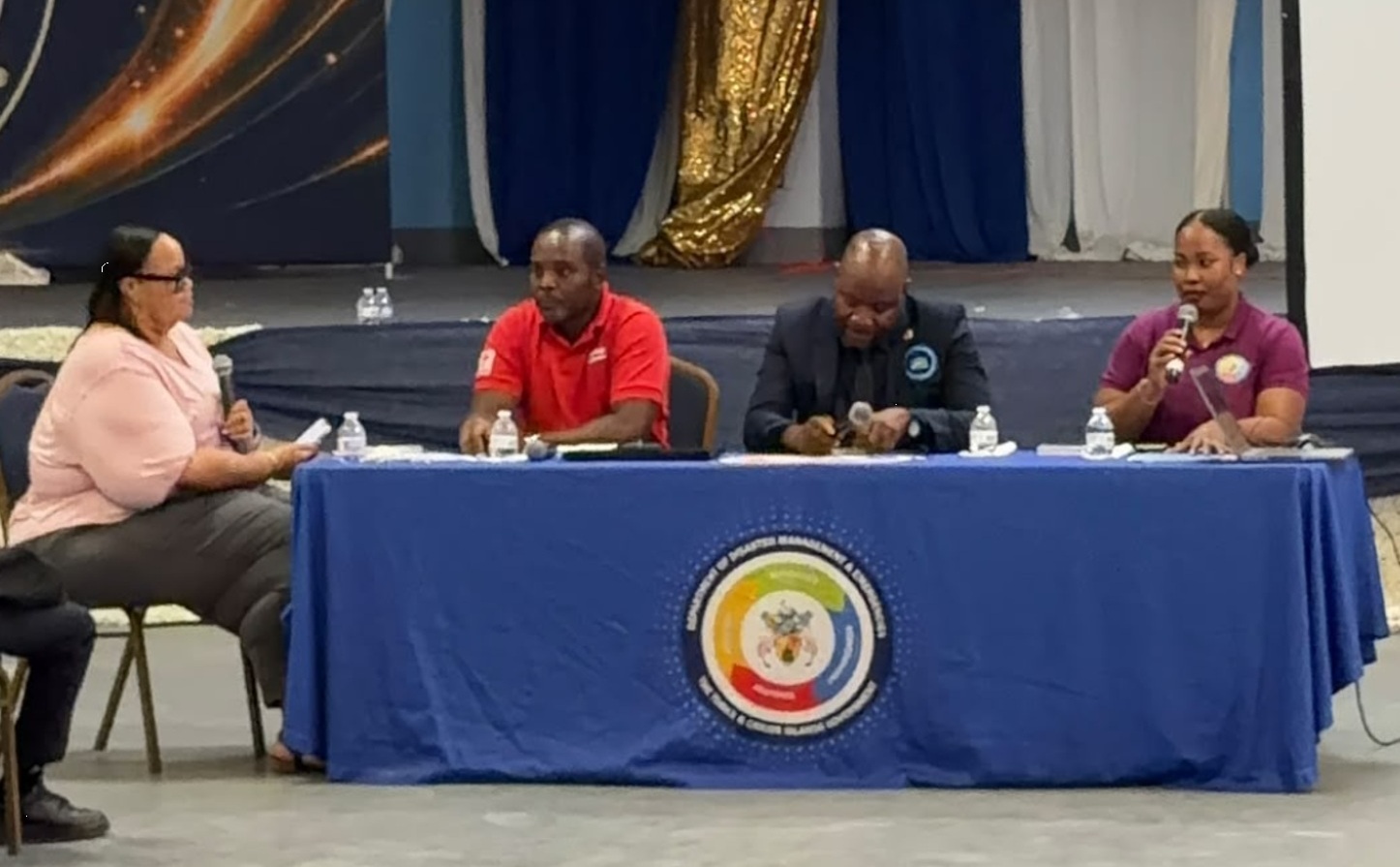
Providenciales, Turks and Caicos Islands – Thursday, 22 October 2026: The Department of Disaster Management and Emergencies (DDME) joined the global observance of International Day for Disaster Risk Reduction (IDDRR) on October 13th. Various initiatives were held throughout the islands to bring awareness to the public, including panel discussions, community engagement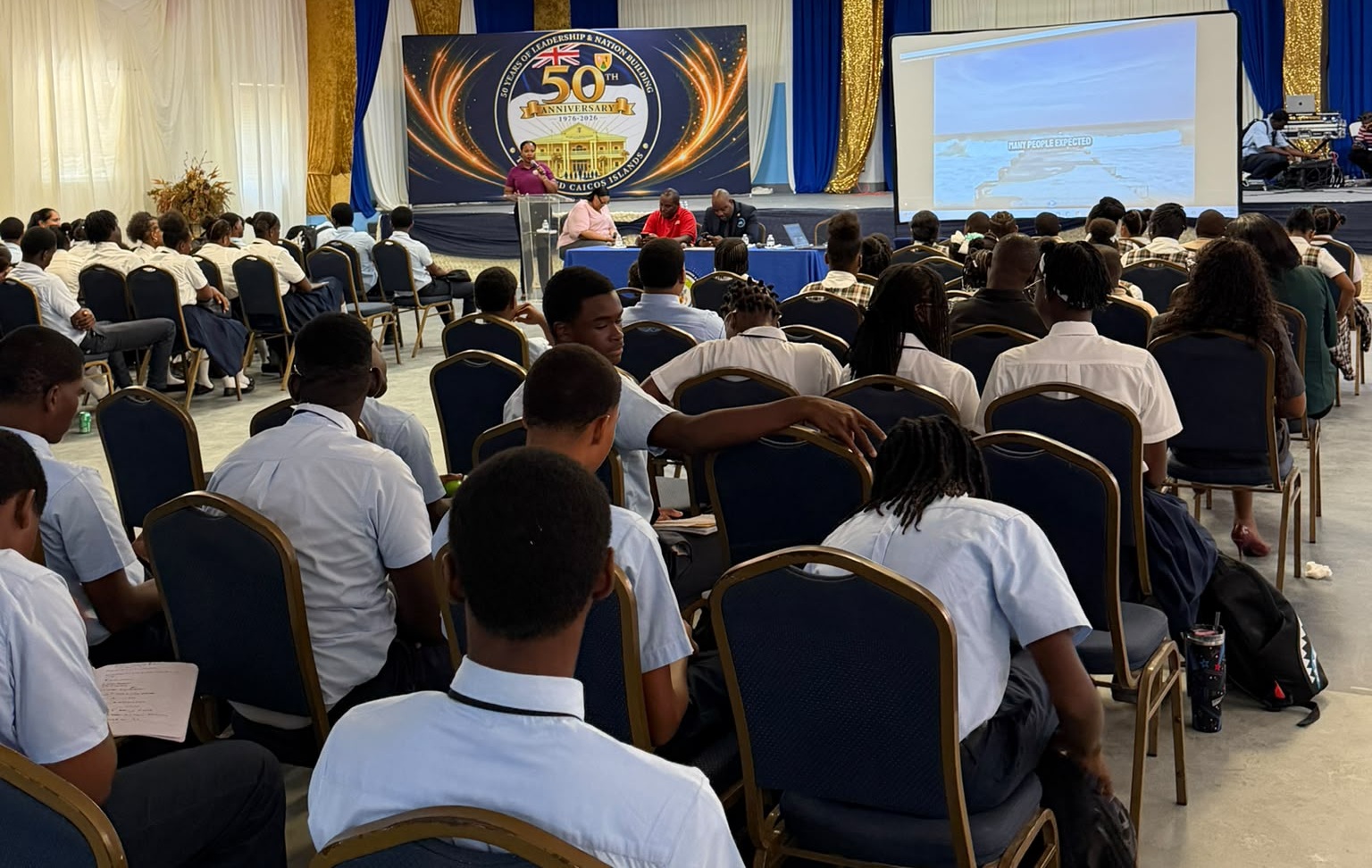 activities, school visits, essay writing and an original video submission from the Eliza Simons School in Grand Turk.
Disaster Risk Reduction is a people-centred endeavour; it emphasises that policies, systems and investments must be designed around the needs and capabilities of individuals and communities, according to the Sendai Framework for Disaster Risk Reduction 2015-2030. Each year, the United Nations Office for Disaster Risk Reduction (UNDRR), as the implementing agency for the Sendai Framework, issues a call to action encouraging individuals, communities, and countries to become resilient.
The 2026 IDDRR theme, ‘Resilience Starts at Home’ seeks to bring global and national awareness of the core role of households in disaster risk reduction, advocating for stronger governance and investment in resilient housing, reducing housing-related risk and empowering households to take risk-informed actions to protect themselves and strengthen community resilience.
The Turks and Caicos Islands, in an effort to reduce disaster risk, seeks to observe the concepts and core principles of the Sendai Framework 2015-2030. Throughout the years, many initiatives have been taken through the various stages of the disaster cycle from preparedness to recovery in an effort to strengthen the resilience of the Turks and Caicos Islands. Initiatives such as the creation and consistent updating of building codes, the Reconstruction and Rehabilitation Housing Project following major hurricanes such as Ike in 2008, the creation of an early recovery framework, as well as strengthening CCRIFF insurance were all implemented to ensure that the Turks and Caicos Islands were on the path to build back stronger and better.
This year’s theme underscores the roles governments, the private sector, and individuals play in ensuring communities and homes are safe and more resilient. The Turks and Caicos Islands Government has made significant strides in ensuring that homes are constructed through the use of risk-informed planning, land use planning and construction practices. The Reconstruction and Rehabilitation Housing Project, which facilitated the construction of twenty-four (24) completely rebuilt homes and repaired thirty-four (34) homes, provided a baseline for future housing initiatives such as Programme 3. This programme includes community renewal and infilling under the National Housing Policy and seeks to repair property that has sustained physical damage for vulnerable people.
Residents of the Turks and Caicos Islands are reminded of the individual role that they can play in ensuring that their homes are resilient.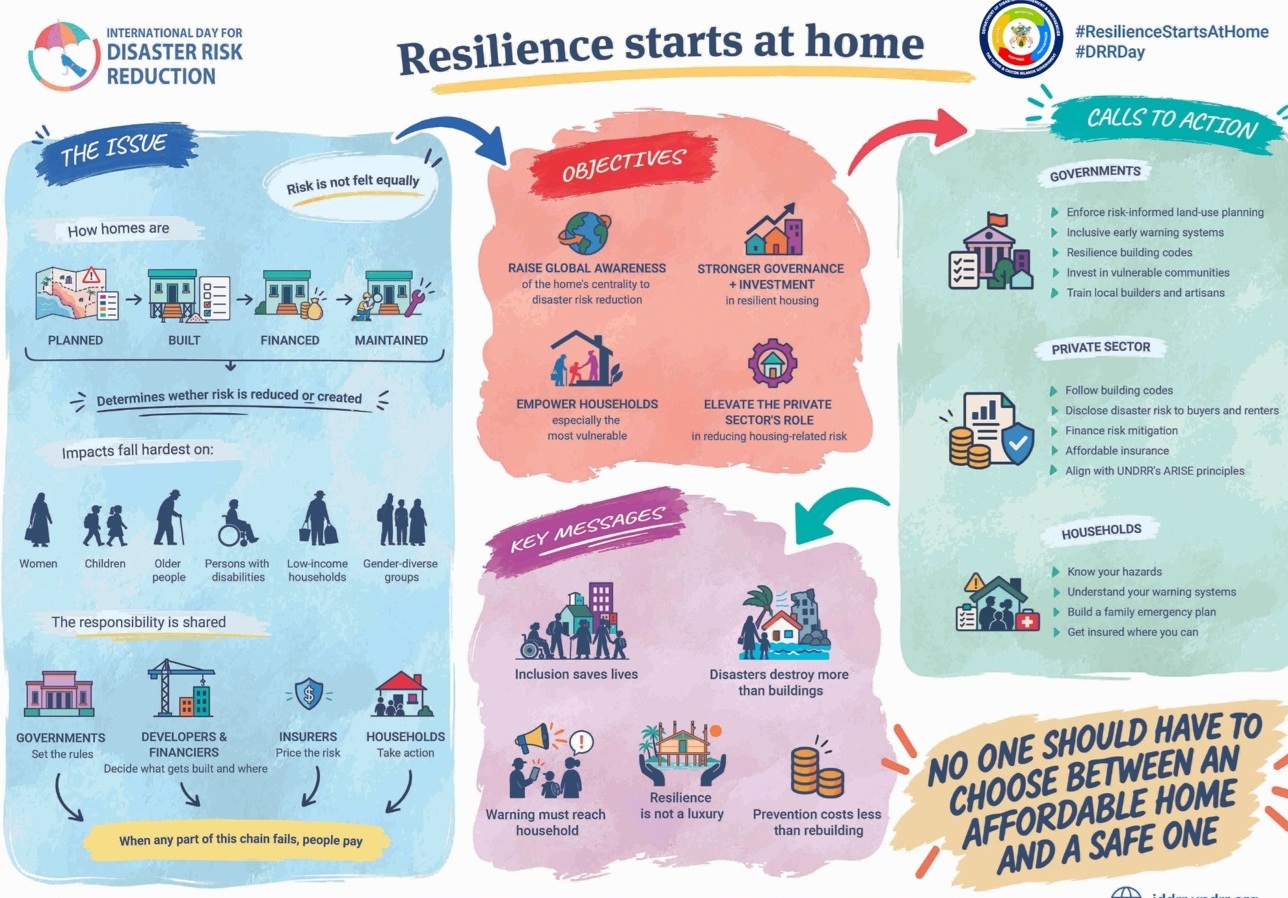
- Ensure that you obtain the proper approvals from the Planning Department before building.
- Ensure that you utilise the standards and building codes of the Turks and Caicos Islands.
- Include proper drainage systems and other methods to reduce flooding and water pooling near your home.
- Update your family emergency plans and ensure that everyone in your household is aware of its contents.
Let us all do our part in ensuring that all homes across the Turks and Caicos Islands are resilient.
Highlights from IDDRR can be seen on the Official DDME Social media accounts: Facebook @ddme.tci_official and Instagram @ddm.tci
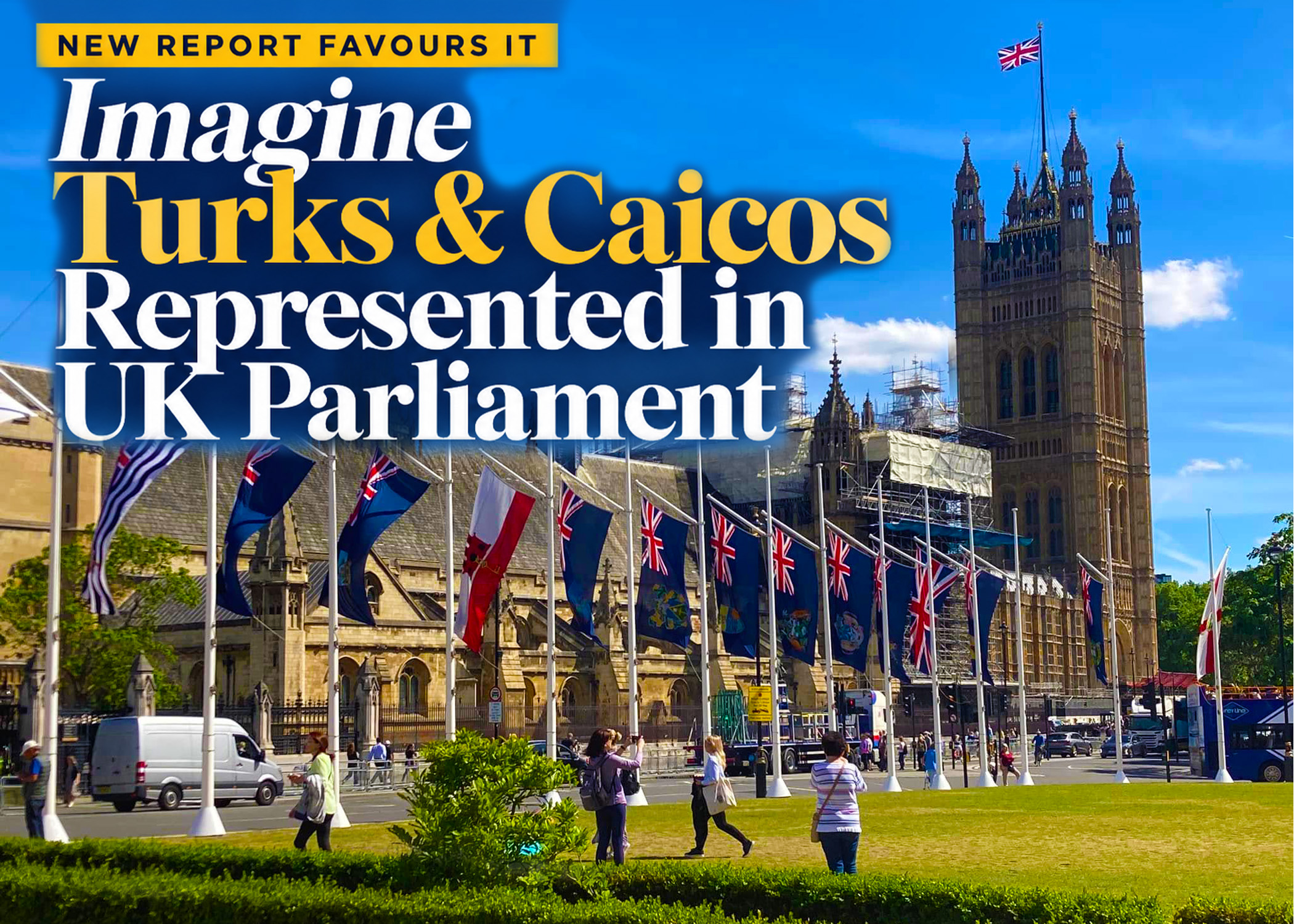
LONDON, ENGLAND — October 22, 2026 — The last time the Turks and Caicos Islands went on the record about having a representative in the UK Parliament, then-Premier Sharlene Cartwright-Robinson said there was no local appetite for it.
She made the statement on December 5, 2018, while giving evidence before the UK House of Commons Foreign Affairs Committee during its inquiry into the future of the British Overseas Territories.
“There is no appetite in Turks and Caicos for it,” she told the committee.
Magnetic Media research reveals that Caribbean British Overseas Territories have never demonstrated unanimous support for direct representation at Westminster. However, in a press release received on Thursday, October 22, 2026, a group called Conservative Friends of the Overseas Territories (CFOT) revealed proposals for all 14 British Overseas Territories to receive dedicated representation in the House of Lords.
The proposal revisits a longstanding constitutional question on which Caribbean territorial leaders have expressed differing views. Some have favoured direct parliamentary representation, while others have preferred existing arrangements for engaging with British parliamentarians.
The latest proposal differs from earlier discussions about elected representatives in the House of Commons. CFOT is advocating dedicated representation in the House of Lords, intended to strengthen the territories’ influence without replacing their elected governments.
The proposal forms part of a wider strategy that CFOT hopes will influence the policies of a future Conservative government.
The Conservative Party, led by Kemi Badenoch since November 2024, is currently the second most popular political party in Britain, according to the latest YouGov opinion poll. It remains in opposition but has shown signs of recovery in public support. The October 18–19 survey placed the Conservatives at 23 per cent, ahead of Reform UK at 22 per cent, while the governing Labour Party led with 27 per cent. Conservative support has risen from 20 per cent earlier this month, although the party’s position varies across different polls. The improvement comes as Badenoch’s party seeks to rebuild its political standing following its defeat in the 2024 general election.
The newly released report, A New Era of Partnership: Sovereignty, Security and Sustainability – Redefining the UK Relationship with the Overseas Territories, was launched earlier this month at the Conservative Party Conference in Birmingham, attended by Shadow Overseas Territories Minister Wendy Morton MP, Conservative parliamentarians and Peers.
A VOICE AT WESTMINSTER
Under the proposal, every British Overseas Territory would have dedicated representation in the House of Lords, providing a consistent parliamentary voice on constitutional rights, security, international relations and economic development.
The report stresses that such representation should strengthen, rather than replace, the democratic authority of territorial governments and their elected legislatures.
It also recommends parliamentary safeguards requiring approval before fundamental changes to a territory’s sovereignty, constitutional status or territorial integrity could take effect.
Another major proposal would establish a Cabinet Committee on the Overseas Territories, chaired by the British Prime Minister.
This would place territorial affairs under direct oversight at the highest level of UK government, with participation from Overseas Territory governments and regular reporting to Parliament.
A NEW RELATIONSHIP WITH BRITAIN
CFOT is also advocating a long-term UK–Overseas Territories strategy, jointly developed with territorial governments, within the first year of a future Conservative administration.
The strategy would be supported by individual agreements setting out priorities, responsibilities and measurable outcomes.
A proposed “no surprises” commitment would ensure territorial governments are consulted early and kept informed about British legislation, international negotiations and decisions that could materially affect their interests.
The report also proposes a permanent UK–Overseas Territories Security and Resilience Partnership, with stronger intelligence-sharing, maritime surveillance and cooperation against organised crime and illegal fishing.
Other priorities include protecting critical infrastructure, improving disaster preparedness and strengthening food, water and energy security.
Economic recommendations include improved access to banking services, greater participation in international markets and support for financial and professional services, artificial intelligence, digital assets, emerging technologies and sustainable tourism.
The report also proposes multi-year environmental conservation funding and reforms to the Darwin Plus programme, giving territorial administrations a more direct role in managing conservation projects.
Greater participation in international diplomacy, improved access to UK education and public-service training, and annual parliamentary reporting are among the additional recommendations.
CFOT: TERRITORIES DESERVE STRONGER PARTNERSHIP
Giles Roca, Chief Executive of CFOT, said the existing relationship between Britain and its Overseas Territories was fragmented and relied on a strategy that had not been updated in 15 years.
“The Overseas Territories deserve a relationship with the United Kingdom that reflects their strategic importance, respects their democratic self-government and gives them a meaningful voice in decisions that affect their future,” Roca stated.
He identified dedicated House of Lords representation and prime ministerial oversight as central elements of the proposed reforms.
CFOT was established in September 2024 as a Conservative-affiliated special interest group. It says its membership includes more than 50 Conservative MPs and Peers.
The organisation argues that the territories should be treated as partners with their own democratic institutions, economic circumstances and constitutional arrangements, rather than having their interests managed through disconnected British government departments.
WHAT HAPPENS NEXT?
The proposals arrive ahead of the next UK–Overseas Territories Joint Ministerial Council meeting in November, when territorial leaders are expected to continue discussions about their relationship with Britain.
Caribbean Overseas Territory leaders have already called for a new UK White Paper to replace the 2012 framework, seeking clearer commitments on consultation, constitutional development and the future of the relationship.
The CFOT recommendations, however, are not UK Government policy and have not been formally adopted by the Conservative Party or Overseas Territory governments.
The report is intended to influence future British policy discussions, including the development of a more structured relationship with the territories.
For the Turks and Caicos Islands, the proposal raises a practical question: whether having a dedicated representative inside the British Parliament would provide greater influence over decisions affecting the territory.
It remains to be established which Overseas Territory governments were consulted in developing the CFOT proposals and whether they would welcome the particular model of House of Lords representation now being recommended.
Find the full report here: https://www.cfot.co.uk/





-

 Bahamas News1 week ago
Rosewood Exuma: A precedent-setting case for environmental law and future development in The Bahamas
-
 News3 days ago
Imagine Turks & Caicos Represented in UK Parliament; New Report Favours It
-
 News6 days ago
Invest TCI Strengthens Regional Investment Connections at Caribbean Investment Forum 2026 in Barbados
-
 Bahamas News3 days ago
Bahamas Issues Cybersecurity Alert Over Akira Ransomware Threat
-
 Bahamas News6 days ago
Energy Minister Delivers Electrifying Keynote Opening Address at CAREC 2026
-
 News4 days ago
Crown Land Unit Leads Multi-Agency Enforcement Exercise in Five Cays
-
 News3 days ago
BermudAir Launches Service to the Turks and Caicos Islands on October 26th, Expanding Air Connectivity Ahead of Winter Season
-
 News3 days ago
DDME Celebrates International Day for Disaster Risk Reduction