
TCI News
Letter to Editor-Another Perspective by Jeremy Jones

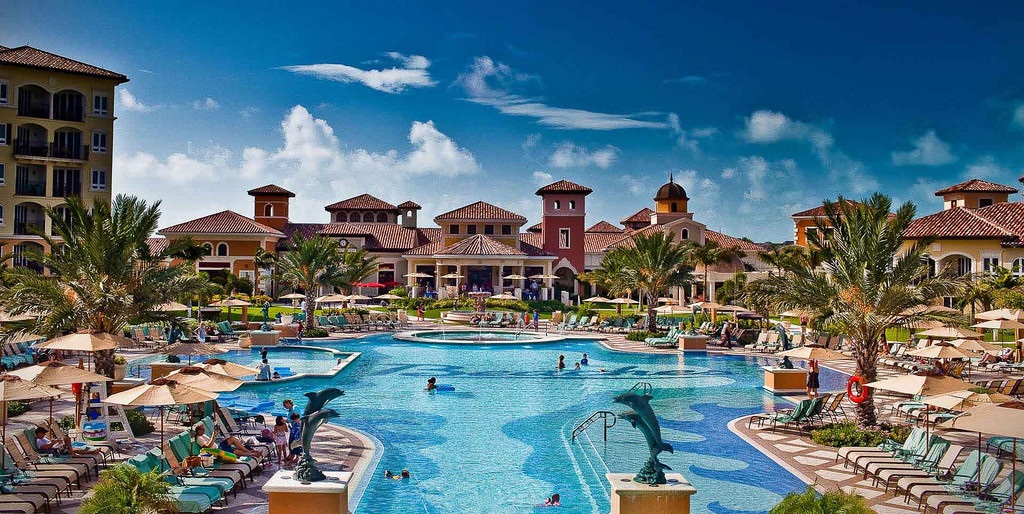
#Providenciales, February 28, 2019 -Turks and Caicos -Having lived and worked in Providenciales for just over five years prior to 2004 as General Manager for Beaches Turks and Caicos Resort and Spa, I find myself in a uniquely qualified position to add some perspective to Sandals Resorts International’s announcement of the Resort’s closure in the near and distant future.
Now don’t get me wrong, I still work for Sandals Resorts as upon leaving Providenciales in 2004, I lead the opening of the then Sandals Whitehouse Resort and Spa (now Sandals South Coast) in Jamaica, followed by a stint as Regional Director for the Eastern Caribbean. I am now back home in Jamaica as Director Corporate Services for the company.
During all this time I have made frequent visits to Provo and have seen firsthand, the continued growth of not only the resort but the island itself.

As I write this I’m sitting in the Managing Director’s office at Beaches looking at a photographic timeline on the wall showcasing the resort’s unrivaled and breathtaking development, so indulge my walk down memory lane. In 1996 there was only the Caribbean Village; the French Village expansion opened in December 1999 adding 157 keys and moving the staff population to 866. The Italian Village came in 2008 (a further 152 keys) and most recent was the acquisition of The Veranda now Key West in 2013 (adding 158 keys) taking the resort to 773 keys and over 2,000 team members; the largest employer on island.
During the 23 years since arrival, the resort’s socio-economic impact stands as a case study which would provide a great research paper for any university student’s Doctoral dissertation. But this is not an academic paper. This is the living, breathing experience of over 2,000 team members who are directly impacted by its economic influx. Beyond them are thousands more within the community – craft vendors, taxi operators, entertainers, tour providers, whose growth is intrinsically connected with the growth of the resort itself, allowing them and their families to benefit from the linkages in the economy. A rising tide after all, lifts all ships.
But these community ties are not new. On this my most recent visit I was picked up by a Beaches driver named Scottie who reminded me of when he worked as a customs officer at the airport in the early 2000s. Back then, we were landing four charter flights on a Saturday and two on a Sunday.
For those of you who can recall the airport was about a quarter of the size it is now and there was only one scheduled American Airlines flight that serviced the destination. Those additional charter flights and the need to check in and out 300 plus rooms on a Saturday and another 100 plus on a Sunday, with the inherent guest transportation and lost luggage issues became a part of daily life and brought the resort team, the immigration, customs and airport officials all closer together.
Today there are 15 flights a day originating North America and UK tied to the demand for Beaches, but which also benefit other local resorts and businesses; you can see the impact of that everywhere. As I drive around Chalk Sound and Leeward where I lived during my time here, I see more houses and homes being built. I have watched the transformation on Grace Bay with real estate and high-end retail outlets bustling with business; the Millennium highway provides access to housing developments and even Bugaloos Conch Crawl has had a complete makeover.

Many Belongers have benefitted from exposure to the Beaches tourism experience and are now independent entrepreneurs with their own restaurants, bars and service organizations. Many of the taxi drivers and tour providers have been able to expand their fleet and offerings. The prosperity and improved quality of life on the island fueled by the economic injection of the tourism dollar is everywhere.
Anyone who would deny that the success of Beaches Turks and Caicos and the Turks and Caicos Islands are intimately linked is being disingenuous. We are proud to be the leading corporate citizens in TCI for the past 22 years. Like any relationship the road has not always been smooth but throughout the challenges Sandals has continued to invest in the resort’s infrastructure and the island’s people. We have directly impacted the social framework through the numerous Sandals Foundation projects positively impacting thousands, and we continue to invest in the development of human capital through the Sandals Corporate University.
There are many more experiences that I could share and I am confident a tally of the pros and cons would lean to the former. Beaches is a successful business. No one enters a business to fail and a successful tourism business means only one thing, success for the people of TCI.
And so from my unique vantage point I wish to assure all stakeholders that Beaches has always been committed to a strong and prosperous tourism sector in the Turks and Caicos Island, and we feel that this is achievable where there is a spirit of partnership, trust and mutual respect.
(Jeremy Jones is the Director, Corporate Services at Sandals Resorts International)
Another Perspective
by Jeremy Jones

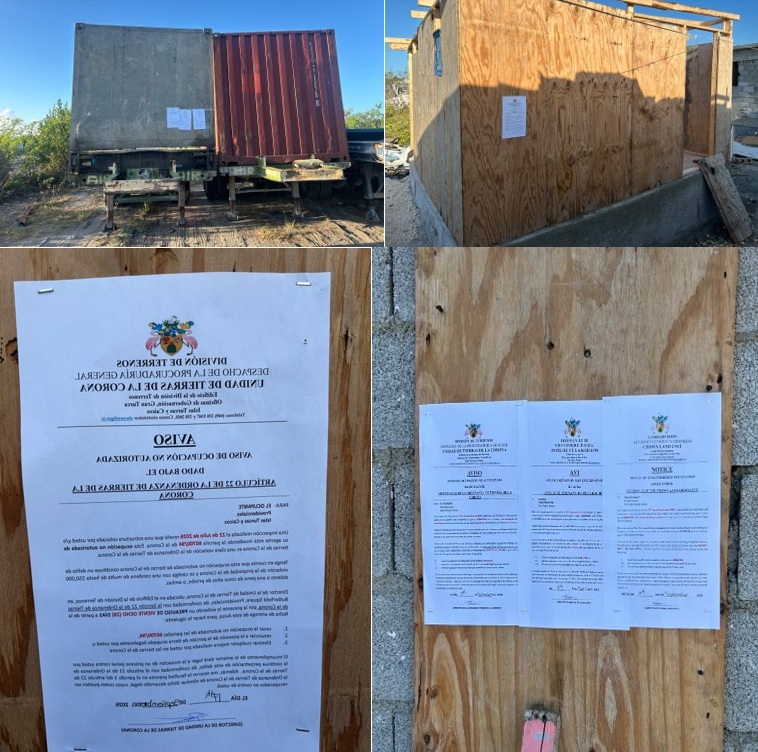
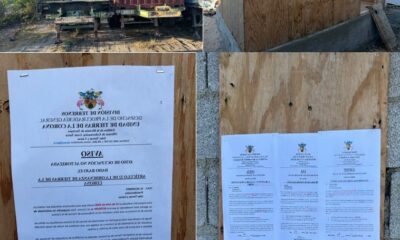
Providenciales, Turks and Caicos Islands: The Crown Land Unit, with coordination and support from the Informal Settlements Unit (ISU), conducted a multi-agency enforcement exercise in the Five Cays area on Thursday, September 17, 2026, as part of ongoing efforts to address the illegal occupation and unauthorised use of Crown land.
The exercise brought together representatives from the Crown Land Unit, ISU and the Turks and Caicos Islands Border Force. Security for the exercise was provided by the Royal Turks and Caicos Islands Police Force. Inspections were conducted across several parcels of Crown land throughout Five Cays, where instances of illegal occupation and unauthorised use had been identified.
During the exercise, a total of forty (40) Section 22 Notices of Unauthorised Occupation were served in accordance with the provisions of the Crown Land Ordinance. The notices related to various forms of unauthorised occupation and use of Crown land, including incomplete structures, shipping containers, derelict vehicles, trailer chassis, building materials and other items.
Where persons were not present, notices were affixed to the relevant structures or items. The exercise forms part of the Crown Land Unit’s continuing efforts to prevent squatting and encroachment on Crown land and to ensure that identified instances of unauthorised occupation are appropriately addressed.
The Government of the Turks and Caicos Islands reminds the public that Crown land must not be occupied, developed or otherwise used without lawful authority.
The Crown Land Unit, supported by the ISU and its other partner agencies, will continue to identify and address instances of illegal occupation of Crown land across the Turks and Caicos Islands. Persons affected by notices issued during enforcement exercises are encouraged to comply with the requirements outlined and to seek guidance from the relevant authorities where necessary.
News
BermudAir Launches Service to the Turks and Caicos Islands on October 26th, Expanding Air Connectivity Ahead of Winter Season
Providenciales, Turks and Caicos Islands (October 22nd, 2026) – The Turks and Caicos Islands welcomes BermudAir as the airline begins its service to the destination on Monday, October 26th, marking the start of a wider expansion that will connect us with additional cities across the United States, Canada and the Caribbean.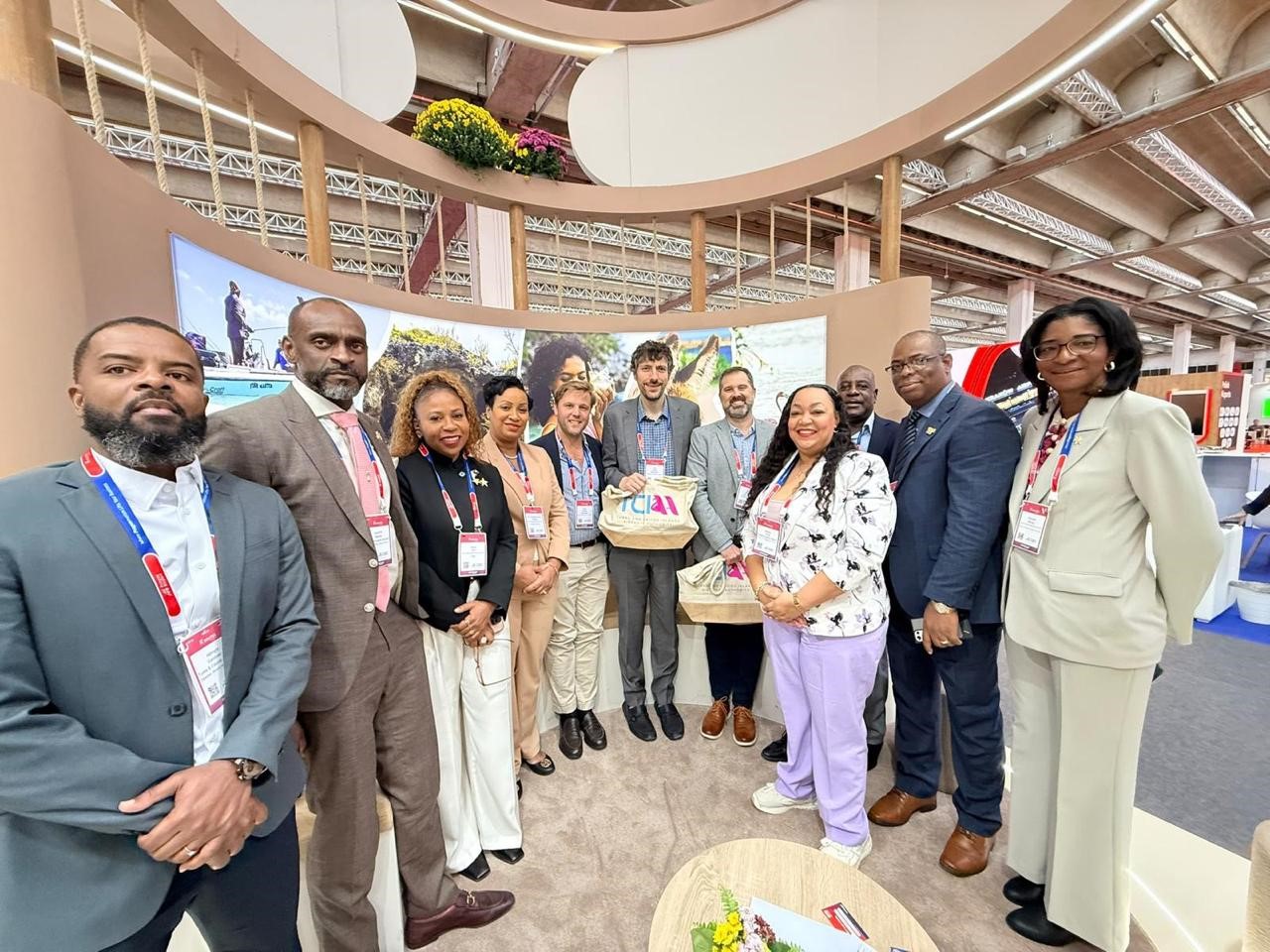
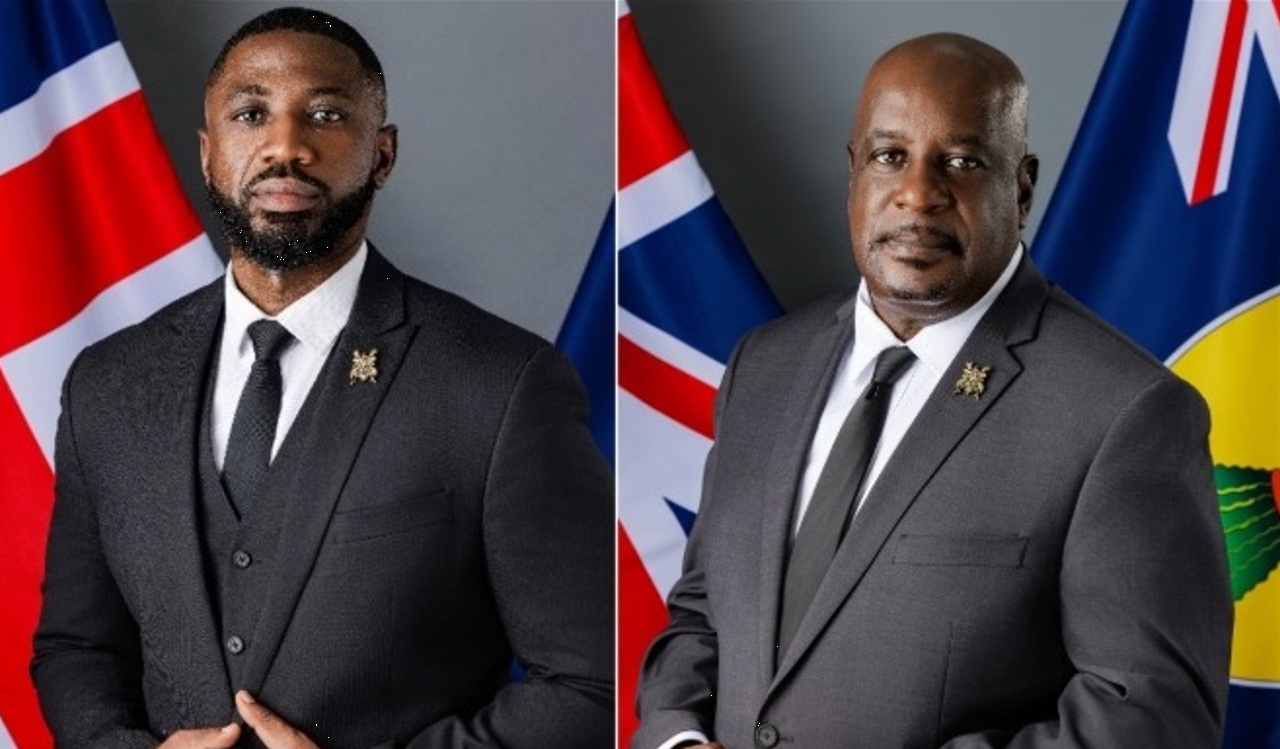
BermudAir’s service will begin with a new nonstop service between Fort Lauderdale, Florida, and Providenciales. The flight will depart from the Howard Hamilton International Airport at 8 am on Monday morning and arrives at 7.40 pm. Aboard the inaugural flight will be a delegation from the Turks and Caicos Islands led by Experience Turks and Caicos and the Turks and Caicos Islands Airports Authority (TCIAA), and will include Deputy Governor, Her Excellency Anya Williams, Minister of Tourism, Hon. Zhavargo Jolly, as well s representatives of the Turks and Caicos Hotel and Tourism Association (TCHTA), the board of the Turks and Caicos Islands Tourism Authority, Invest TC and local media.
BermudAir will operate the Fort Lauderdale–Providenciales route three times weekly, on Mondays, Wednesdays and Fridays, through May 3rd, 2027. making it easier for business travellers with the schedule offering the potential for same-day return trips. The airline is also launching nonstop service between Fort Lauderdale and Belize City, Belize, on the same schedule, offering travellers in South Florida direct access to both destinations.
The new service introduces BermudAir’s premium leisure inflight experience to the Turks and Caicos Islands. Flights will operate on Embraer E190 aircraft configured without middle seats, giving every passenger a window or aisle seat, alongside complimentary snacks and beverages.
Minister of Tourism, the Honourable Zhavargo Jolly, welcomed the airline’s arrival, noting the importance of expanding airlift to support the continued development of the destination’s tourism industry.
“Air connectivity remains one of the most important factors in the continued development of our tourism industry. BermudAir’s expansion represents an opportunity to strengthen our connections with key international markets while opening new doors for our sister islands. I am particularly encouraged by the planned direct service between Newark and South Caicos, which speaks directly to our vision of expanding tourism opportunities across the Turks and Caicos Islands. Our objective is to ensure that improved connectivity translates into greater economic activity, stronger local businesses and more opportunities for Turks and Caicos Islanders to participate in and benefit from tourism.” said Minister Jolly.
Commenting on the significance of the new route for the country’s development, the Honourable Arlington Musgrove, Minister of Physical Planning and Infrastructure Development (PPID), stated: “The introduction of BermudAir’s new service is a testament to the continued growth and development of our aviation sector. The Ministry of Physical Planning and Infrastructure Development, alongside the Turks and Caicos Islands Airports Authority, remains dedicated to enhancing our airport infrastructure to accommodate increased airlift. We are committed to working to ensure that our facilities provide a seamless, world-class experience for all incoming passengers and we warmly welcome BermudAir to our shores.”
The Fort Lauderdale launch is the first of several new services BermudAir plans to introduce to the Turks and Caicos Islands for the 2026–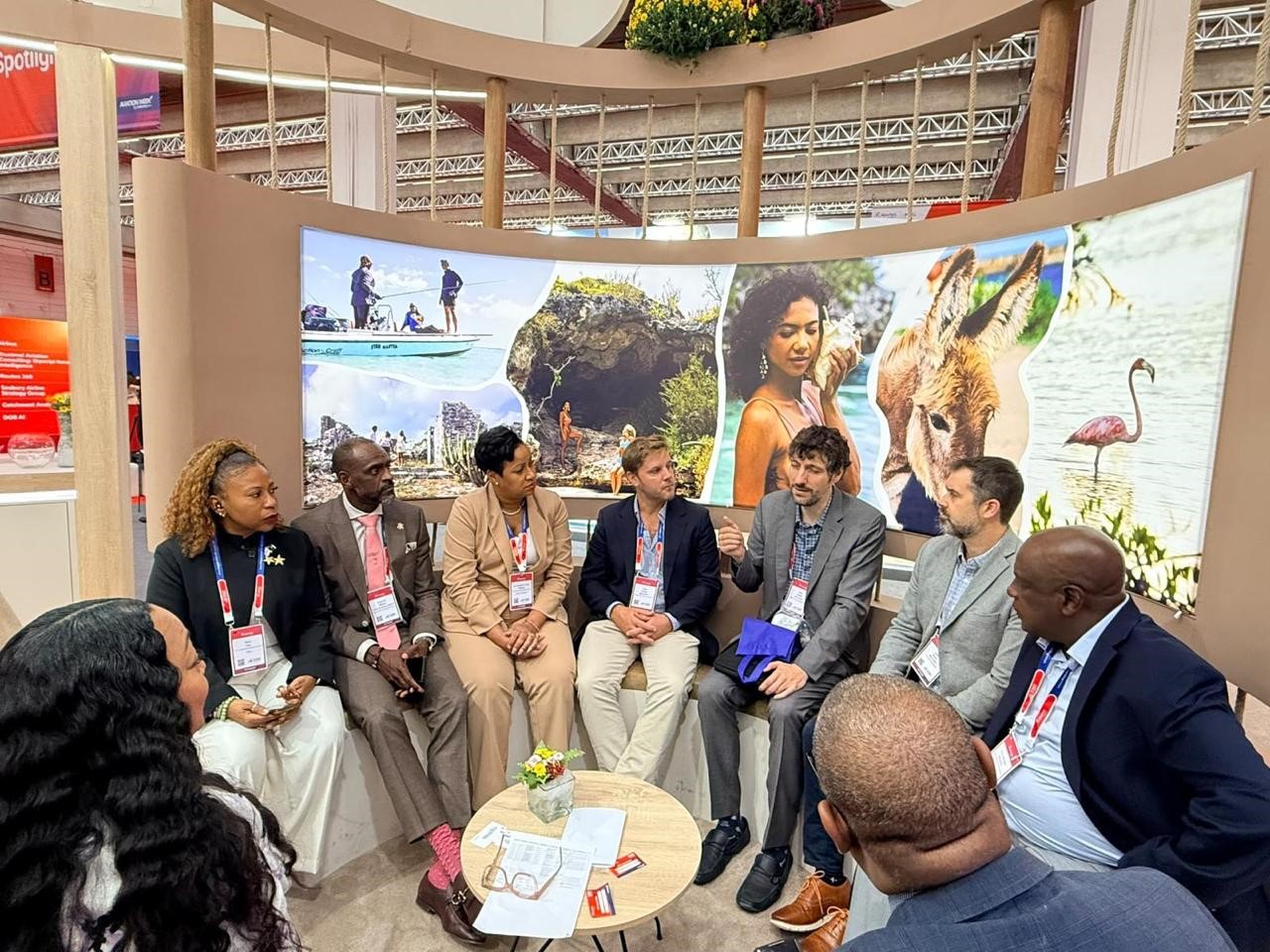 2027 winter season. Additional connections to Providenciales are scheduled from:
- Bermuda to TCI and Grand Cayman: Beginning December 18th, 2026
- Anguilla: Beginning December 19th, 2026
- Boston, Massachusetts: Beginning December 19th, 2026
- Toronto, Canada: Beginning December 19th, 2026
- Raleigh-Durham, North Carolina: Beginning December 20th, 2026
- Newark, New Jersey to South Caicos: Beginning December 20th, 2026
- St. Petersburg/Tampa, Florida: Beginning December 21st, 2026
- Baltimore-Washington: Beginning December 24th, 2026
The expansion will give travellers more options for reaching the destination during the winter travel season, while broadening access from established and developing source markets. The additional routes also create opportunities for tourism stakeholders to reach new audiences and encourage visitors to explore more of the islands.
For flight schedules and bookings, visit www.flybermudair.com.
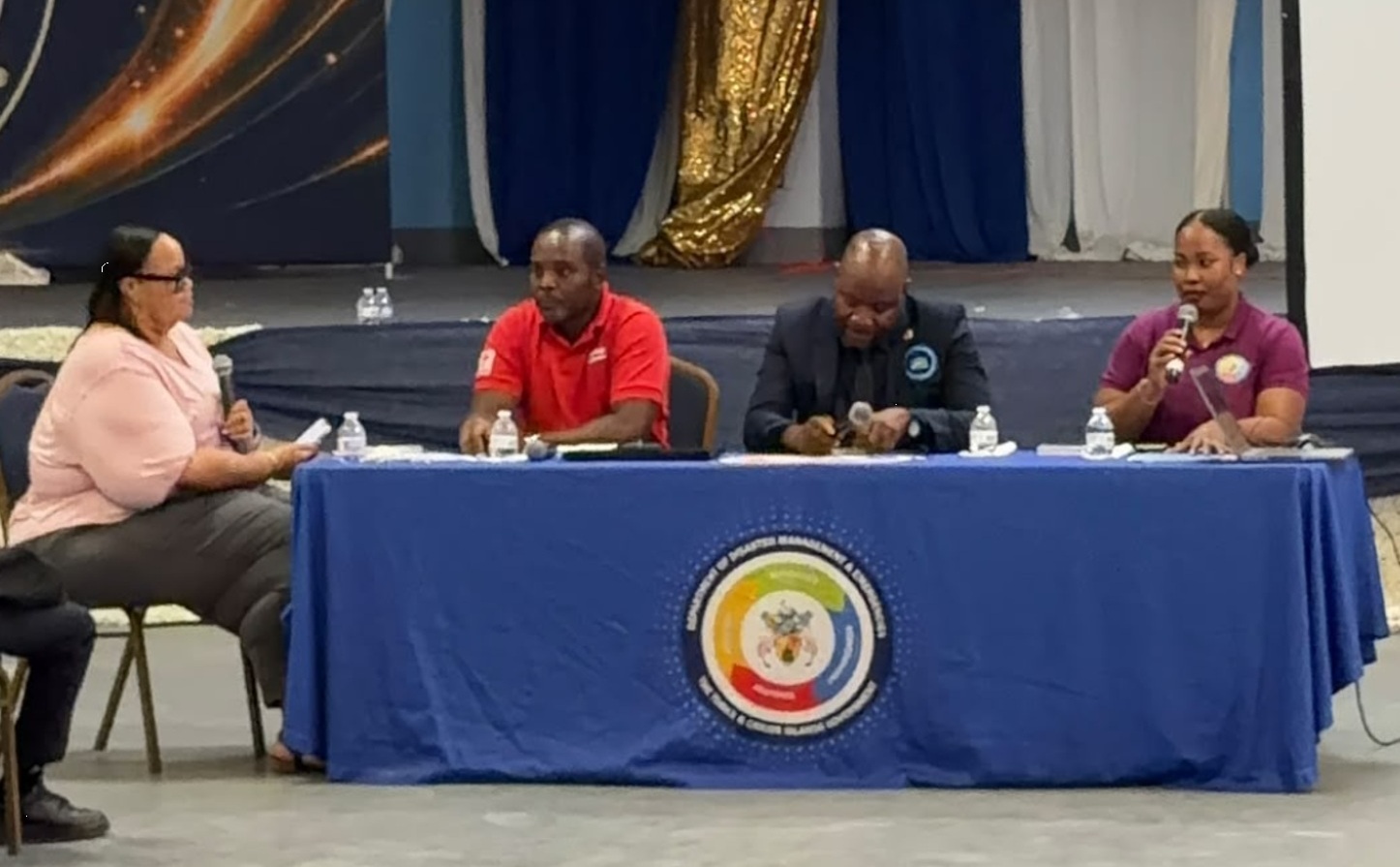
Providenciales, Turks and Caicos Islands – Thursday, 22 October 2026: The Department of Disaster Management and Emergencies (DDME) joined the global observance of International Day for Disaster Risk Reduction (IDDRR) on October 13th. Various initiatives were held throughout the islands to bring awareness to the public, including panel discussions, community engagement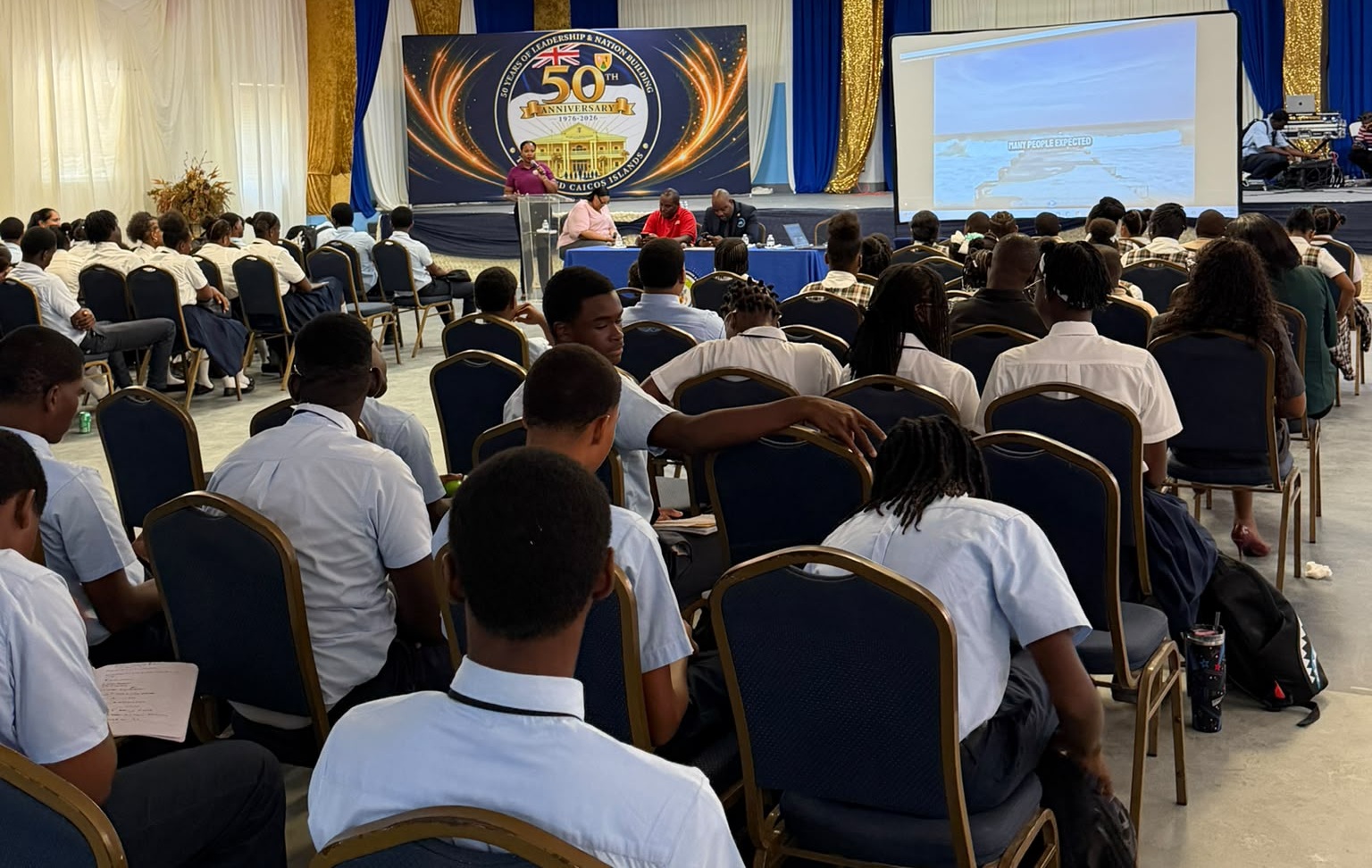 activities, school visits, essay writing and an original video submission from the Eliza Simons School in Grand Turk.
Disaster Risk Reduction is a people-centred endeavour; it emphasises that policies, systems and investments must be designed around the needs and capabilities of individuals and communities, according to the Sendai Framework for Disaster Risk Reduction 2015-2030. Each year, the United Nations Office for Disaster Risk Reduction (UNDRR), as the implementing agency for the Sendai Framework, issues a call to action encouraging individuals, communities, and countries to become resilient.
The 2026 IDDRR theme, ‘Resilience Starts at Home’ seeks to bring global and national awareness of the core role of households in disaster risk reduction, advocating for stronger governance and investment in resilient housing, reducing housing-related risk and empowering households to take risk-informed actions to protect themselves and strengthen community resilience.
The Turks and Caicos Islands, in an effort to reduce disaster risk, seeks to observe the concepts and core principles of the Sendai Framework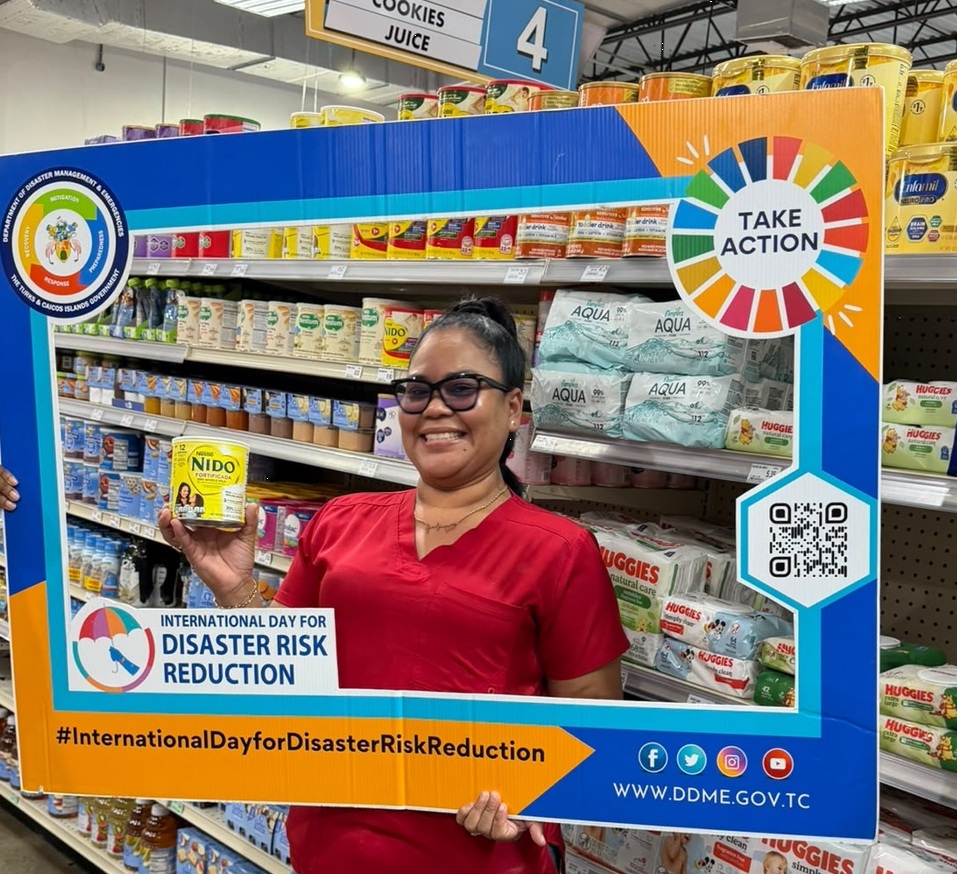 2015-2030. Throughout the years, many initiatives have been taken through the various stages of the disaster cycle from preparedness to recovery in an effort to strengthen the resilience of the Turks and Caicos Islands. Initiatives such as the creation and consistent updating of building codes, the Reconstruction and Rehabilitation Housing Project following major hurricanes such as Ike in 2008, the creation of an early recovery framework, as well as strengthening CCRIFF insurance were all implemented to ensure that the Turks and Caicos Islands were on the path to build back stronger and better.
This year’s theme underscores the roles governments, the private sector, and individuals play in ensuring communities and homes are safe and more resilient. The Turks and Caicos Islands Government has made significant strides in ensuring that homes are constructed through the use of risk-informed planning, land use planning and construction practices. The Reconstruction and Rehabilitation Housing Project, which facilitated the construction of twenty-four (24) completely rebuilt homes and repaired thirty-four (34) homes, provided a baseline for future housing initiatives such as Programme 3. This programme includes community renewal and infilling under the National Housing Policy and seeks to repair property that has sustained physical damage for vulnerable people.
Residents of the Turks and Caicos Islands are reminded of the individual role that they can play in ensuring that their homes are resilient.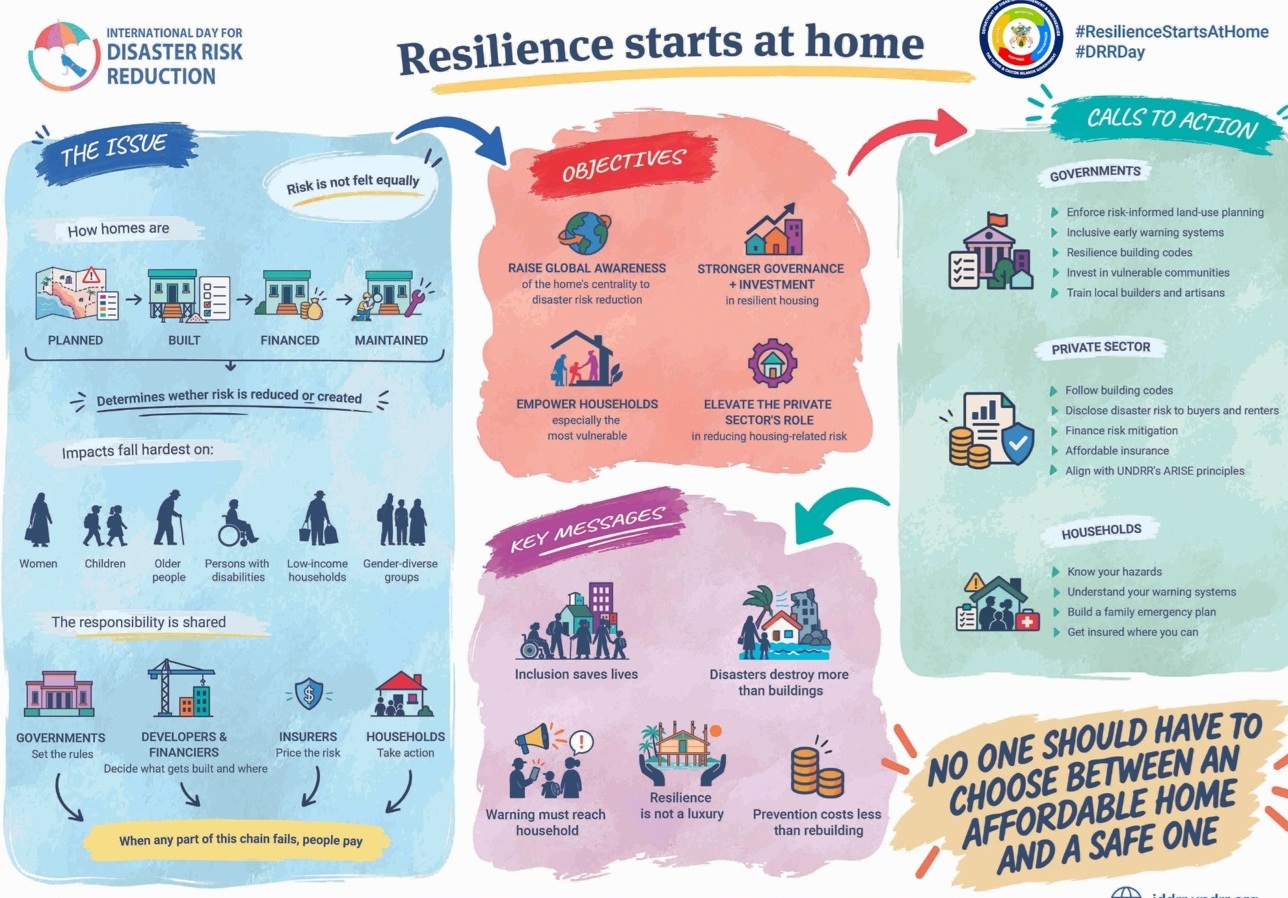
- Ensure that you obtain the proper approvals from the Planning Department before building.
- Ensure that you utilise the standards and building codes of the Turks and Caicos Islands.
- Include proper drainage systems and other methods to reduce flooding and water pooling near your home.
- Update your family emergency plans and ensure that everyone in your household is aware of its contents.
Let us all do our part in ensuring that all homes across the Turks and Caicos Islands are resilient.
Highlights from IDDRR can be seen on the Official DDME Social media accounts: Facebook @ddme.tci_official and Instagram @ddm.tci





-
 News5 days ago
Imagine Turks & Caicos Represented in UK Parliament; New Report Favours It
-
 News1 week ago
Invest TCI Strengthens Regional Investment Connections at Caribbean Investment Forum 2026 in Barbados
-
 Bahamas News5 days ago
Bahamas Issues Cybersecurity Alert Over Akira Ransomware Threat
-

 Bahamas News1 week ago
Rosewood Exuma: A precedent-setting case for environmental law and future development in The Bahamas
-
 Bahamas News1 week ago
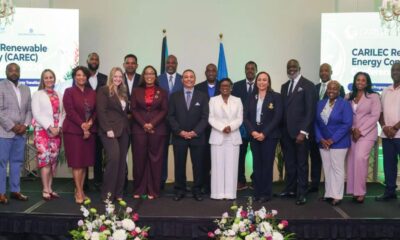
Energy Minister Delivers Electrifying Keynote Opening Address at CAREC 2026
-
 News5 days ago
BermudAir Launches Service to the Turks and Caicos Islands on October 26th, Expanding Air Connectivity Ahead of Winter Season
-
 News6 days ago
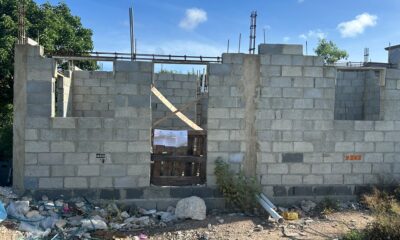
Crown Land Unit Leads Multi-Agency Enforcement Exercise in Five Cays
-
 News2 days ago
Multi-Agency Enforcement Exercise Targets Illegal Occupation of Crown Land in Five Cays