
Caribbean News
CDB Youth Fire brings Real Talk about Youth Employability

By Dana Malcolm
Staff Writer
What makes Caribbean youth attractive to employers? What do they need to secure a job? Session two of the Caribbean Development Banks Youth FIRE session aimed to answer that question.
The session took on the issue of youth employability which affects nations globally and centred the voices of the people most affected by the phenomenon. Instead of taking the usual approach of mentoring successful high school students or college students, panellists assed the root problems of vulnerable communities that hindered employability and stopped many students from ever getting to the ‘high school graduate’ stage. Speakers explored ways to fix those issues to create equal footing early for the students who would make up the workforce in the next 15 years.
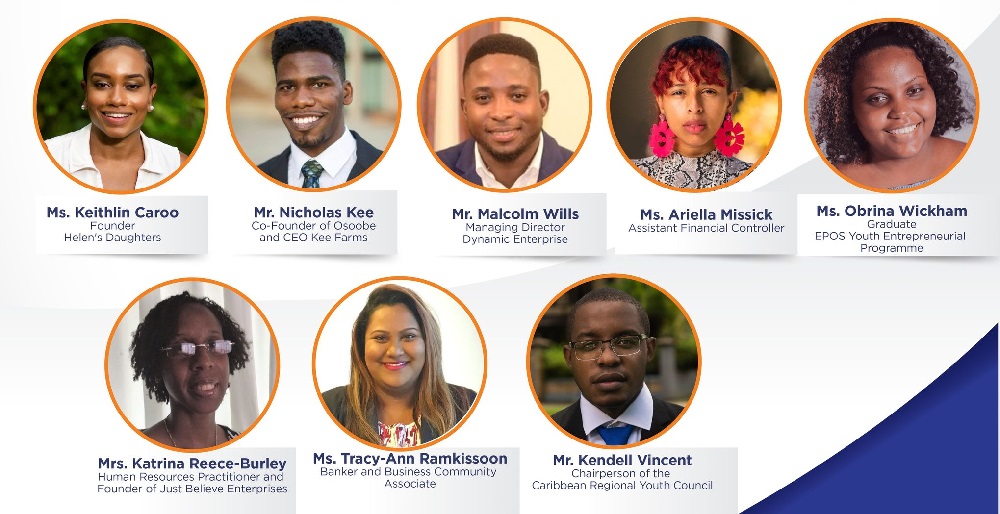
Tracey-Ann Ramkissoon, a banker, environmentalist, and social activist moderated the session. One of the main issues that most of the advocates faced was a lack of inclusivity and support in the education system for women, indigenous and immigrant children, and disabled people specifically. To make employable adults, they said, children must all be afforded level opportunities.
Human resources practitioner and the founder of ‘Just Believe Enterprises Katrina Reece Burley, who is disabled, lamented how the lack of inclusivity made it hard for disabled persons to get and maintain jobs. She insisted that the system must become more friendly to disabled persons.
“Change must occur at all levels of society where we recognize that everyone is different,” she said. Burley maintained that if all students were to succeed, inclusive education would be a must in the digital age.
Graduate of the EPOS Youth Entrepreneurial program, 17-year-old Obrina Wickham explained that participation in courses she found interesting had prepared her for the workplace and expressed her hope that other young people would be able to do the same.
“We need a society and economy that allows young people to explore their individuality and bring their new talents to the workplace.’ she said.
Kalinago Inclusion Advocate and Nanichi Foundation founder Amy Francis spearheads a foundation that supports young people in need in the Kalinago territory and allows them better access to learning supplies. Despite their contributions to society Kalinago children face stigma which impacts their access to resources, which in turn affects their employability.
“I believe if we give them the proper foundation, these children can move mountains.” Francis maintained.
Francis said scaling up programs that improved literacy in areas like finance and science and integrating indigenous knowledge in schools would help bridge the gap.
Assistant Financial Controller Ariella Misick explained the playing field was not always level for different students with different backgrounds and that as an immigrant to the Turks and Caicos she was well aware of this. She said immigrant children, especially those who needed to learn a new language, needed greater support. Directly to the TCI, she recommended that TVET Schools and community centres extend exit readiness programs to cater to students who need extra help.
“Inclusive societies are healthy societies and integration is important for self-actualization, for fostering innovation and contributing to a stronger economy,” she explained.
Panellist Keithlin Caroo who is the CEO of Helen’s Daughters, a grassroots organisation that focuses on representation for women in agriculture, was a UN Peacekeeper and Advisor on climate change issues for years. Caroo was uncomfortable with the underrepresentation of Caribbean countries especially in agriculture in the UN and how solutions for Agriculture seemed to come from the ‘top down’.
She worked to amplify the voices of women and Caribbean people on stages where their voices were lost. With that experience, she maintains that employability skills now are vastly different from 30 years ago.
“Before we wanted to secure an 8-5 job with a good pension and benefits, we’re in a world now where we need to create opportunities for ourselves.”
For this world, she said ‘employability’ is grit, persistence, the ability to pivot, a good understanding of underground trends, and taking advantage of niche markets. She encouraged the use of the internet to ‘upskill yourself’.
“You can get a degree but the internet is a world of things… instead of spending hours and hours on social media try to use that time to upskill yourselves in whatever niche market you have found.”
CEO of Dynamic Enterprises and ‘motor medical professional’ Malcolm Wills uses 3D printing to create prosthetics for amputees in Guyana. He stressed the skill of persistence, maintaining that nothing happens overnight. His market is truly a niche market that he has taken charge of, and he has four ways that entrepreneurs can really improve their skills:
-Commitment to research, research is 80-90% of the work.
-Getting in alignment with training programs that complement and expand your knowledge
-Growing your network and making strong meaningful connections
-Forging strategic partnerships
CEO of Kee Farms, Nicholas Kee, maintains that we live in a digital world and that is something that youth must use to their advantage by acquiring knowledge in niche areas of interest.
In terms of closing employability gaps, Caroo maintained that gaining experience during school was paramount instead of waiting until graduation.
“Sometimes you will not make money from that…it won’t be glory immediately, it starts with sacrifice,” she said.
A regional or national skills forum is what Wills recommends for success in the region when it comes to having a well-trained youth force and beating the employability gap
Additionally, Kee stressed that a bolstering of the telecom’s infrastructure needs to be undertaken immediately because without that we will remain behind.
“If we don’t address these things, we will essentially be locked out from different opportunities that the rest of the world presents, from the global north especially, and it also prevents us from creating our own opportunities.”
One takeaway Caroo mentioned that could really propel Caribbean youth through the business world was self-belief.
“There’s so much promise in the Caribbean region and there are so many problems, but we already have such innovative solutions, so it’s a matter of picking up the mantle, believing in yourself, and investing in yourself”
Kee mentioned curiosity and passion as his main takeaway encouraging young people to stay hungry and curious. Wills on the other hand said his main takeaway was prior preparation adding that just like with the Covid-19 pandemic you never know what the future holds.

Caribbean News
Royal Caribbean Group and Sandals Resorts Announce Landmark Partnership to Accelerate Their Leading Vacation Experiences
Royal Caribbean Group Investment to Advance Sandals and Beaches’ Growth and Broaden the Group’s Vacation Portfolio
Montego Bay, Jamaica and Miami, September 24, 2026 – Royal Caribbean Group (NYSE: RCL) and Sandals Resorts today announced the signing of an agreement to form a partnership in the all-inclusive resort space with a 50% investment from Royal Caribbean Group. Building on Sandals and Beaches Resorts’ more than four decades of leadership in Caribbean hospitality, the joint venture will create new opportunities for continued resort growth while broadening the experiences across Royal Caribbean Group’s vacation platform.
The partnership brings together two of the travel industry’s most celebrated vacation companies, pairing Sandals and Beaches’ all-inclusive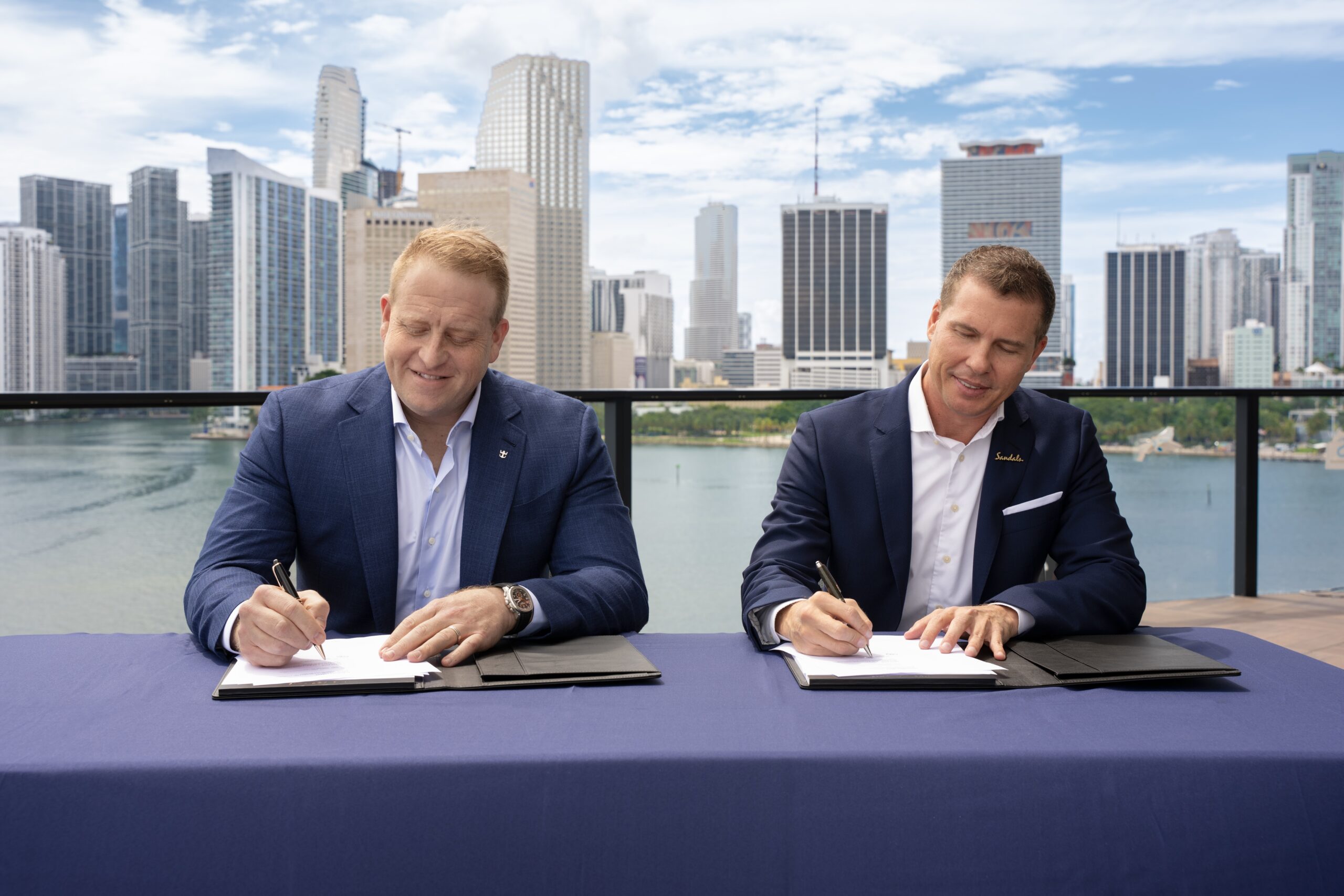 resort expertise with Royal Caribbean Group’s vacation platform, including industry-leading brands – Royal Caribbean, Celebrity Cruises and Silversea – a portfolio of private destinations, new river cruising offering, and an industry-first loyalty program. United in a shared history in the Caribbean and connected by a love for their communities, the companies will offer travelers an unparalleled collection of cruise, private destination and resort experiences, serving guests across more vacation occasions and establishing their undisputed leadership in Caribbean vacations.
The joint venture expands Royal Caribbean Group into an adjacent vacation category, growing its participation in the approximately $2 trillion global vacation market, and meets the growing global demand for Sandals and Beaches Resorts by accelerating their expansion. The partnership will include Sandals and Beaches’ collection of premier all-inclusive properties across the Caribbean, and the companies will explore opportunities to broaden distribution, deepen guest engagement, and make it easier for travelers to discover vacation experiences offered across both portfolios.
“For nearly 60 years, we’ve reimagined what a vacation can be, constantly expanding the ways we inspire our guests to explore, connect and create lifelong memories,” said Jason Liberty, Chairman and CEO, Royal Caribbean Group. “We have been building a vacation platform that brings joy to millions of people around the world and creates meaningful relationships that last with our guests. Our partnership with Sandals and Beaches Resorts is an important next step on that journey – bringing together two iconic leading vacation companies to further strengthen and grow one of the most admired resort portfolios in the world. The Stewart family has created powerful and beloved brands, and we are honored to build on that legacy. Together, we see tremendous opportunity to expand the reach of Sandals and Beaches Resorts and continue turning the vacation of a lifetime into a lifetime of vacations.”
“My father, Gordon ‘Butch’ Stewart, founded Sandals Resorts with the belief that a company built in the Caribbean could stand on the world stage alongside the most respected names in hospitality. Today is proof of how far that vision can go,” said Adam Stewart, Executive Chairman of Sandals Resorts and Beaches Resorts. “This partnership is the natural next step in building on that conviction. It gives us the ability to grow faster with a partner that shares our values of exceptional hospitality, long-term investment, and the power of enduring brands. Together, we will introduce more guests to Sandals and Beaches Resorts while creating even more extraordinary experiences for those who have made our resorts part of their lives for decades.” Stewart added, “As we continue to grow, we will remain true to what has always defined us: delivering authentic vacations that exceed expectations while creating opportunities for our team members, travel advisor partners and the communities we call home. The future has never been brighter, and I know this moment would make my father incredibly proud.”
The joint venture will be governed by a board under the shared leadership of Stewart and Liberty. Stewart will maintain a leadership role in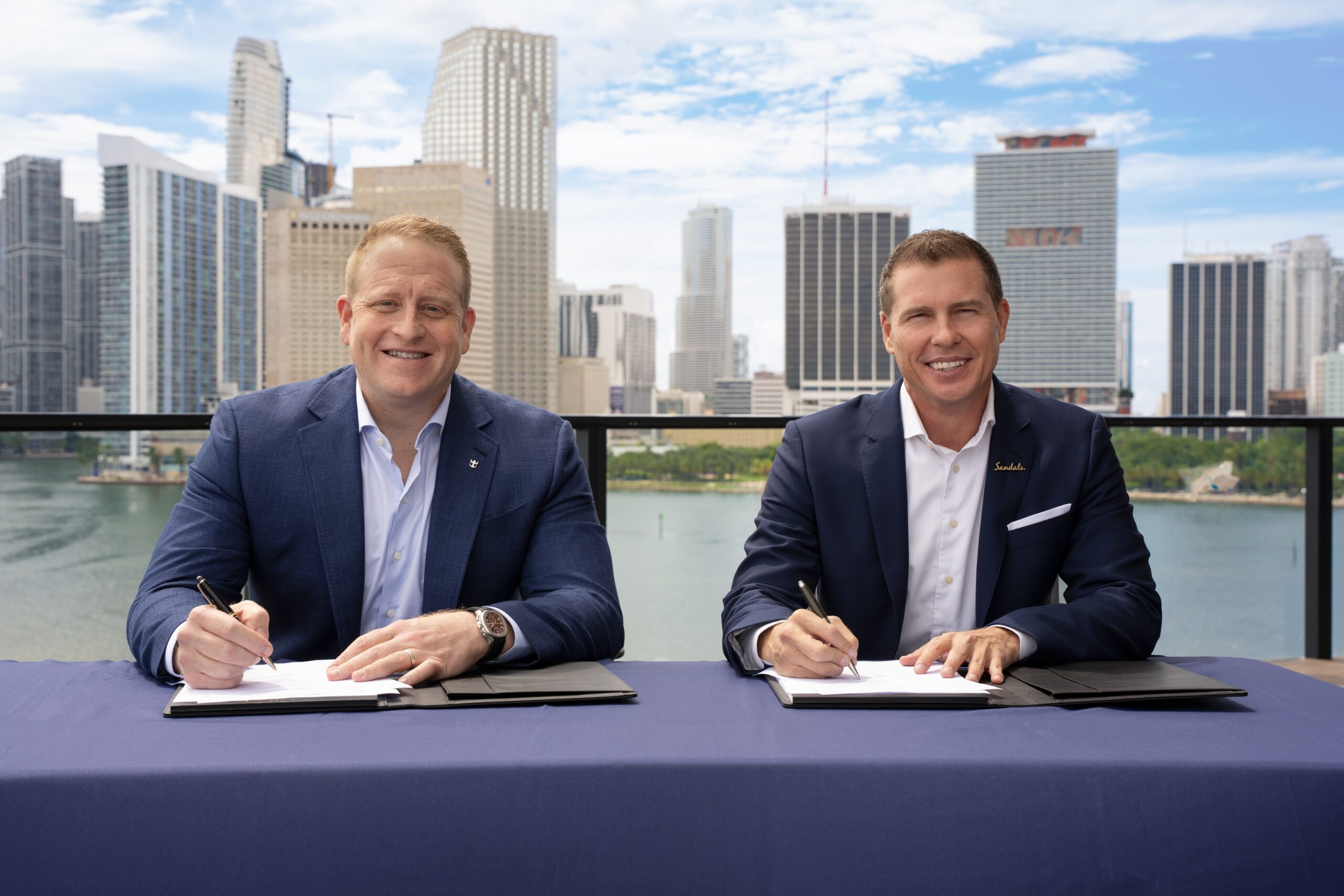 guiding the company’s long-term strategic growth as Executive Chairman of Sandals and Beaches Resorts. Existing reservations, loyalty programs, resort operations and cruise operations will continue as usual, with the partnership bringing additional resources to support future opportunities.
Under the terms of the agreement, Royal Caribbean Group will acquire a 50% equity interest in Sandals and Beaches Resorts for approximately $3 billion, representing a forward EBITDA multiple of approximately 10x. Royal Caribbean Group has secured committed debt financing from Morgan Stanley to fund the investment. The transaction is expected to close in early 2027, subject to customary approvals and closing conditions, and is expected to be accretive to earnings next year.
BofA Securities and PJT Partners acted as financial advisors, and Latham & Watkins and Jones Day acted as legal advisors to the Sandals Group. Perella Weinberg Partners and Morgan Stanley acted as financial advisors and Kirkland & Ellis LLP acted as legal advisor to Royal Caribbean Group.
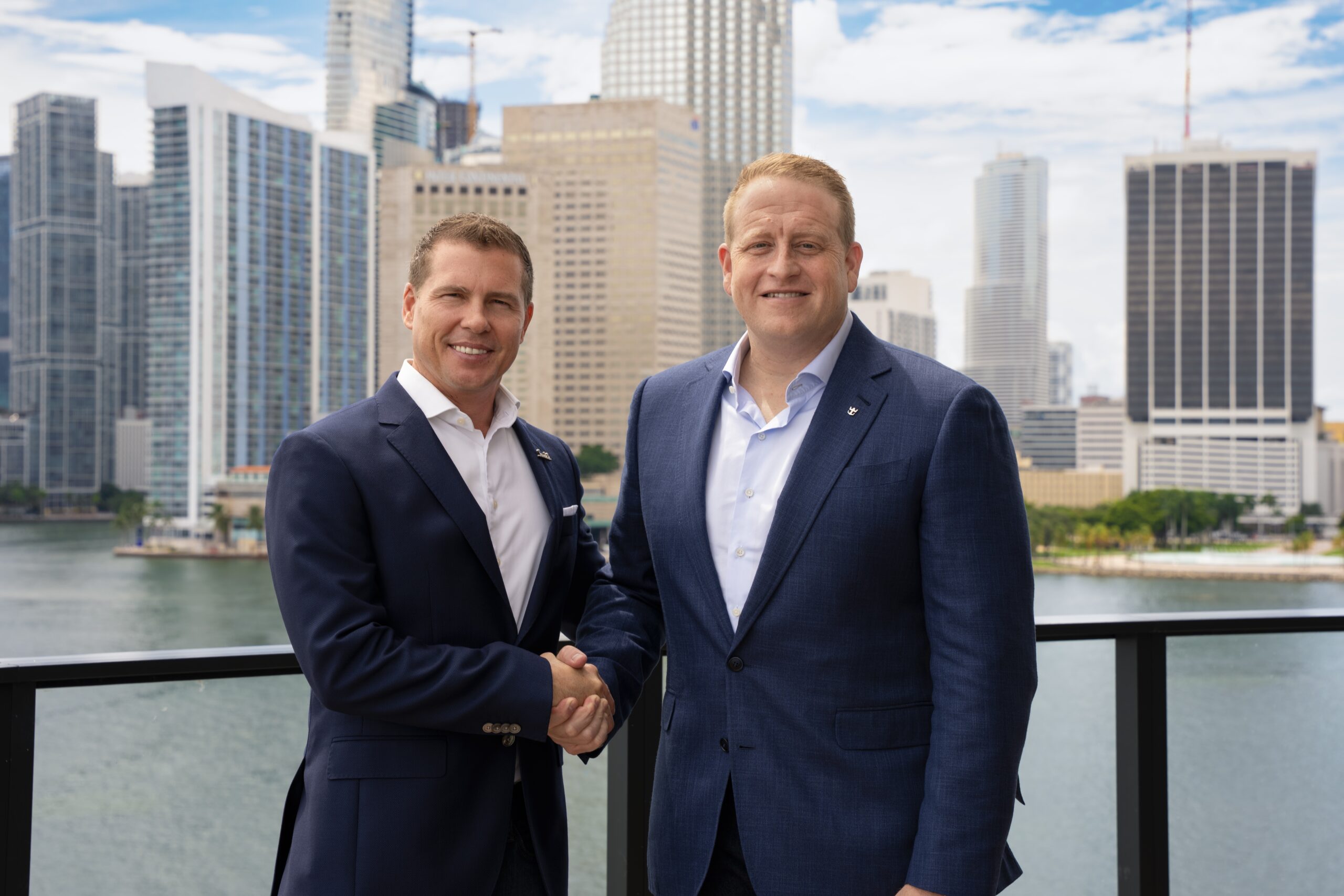
PHOTO CAPTION: Jason Liberty, Chairman and CEO of Royal Caribbean Group, and Adam Stewart, Executive Chairman of Sandals Resorts, mark the signing of an agreement to form a landmark partnership that expands Royal Caribbean Group into the all-inclusive resort space and supports the future growth of Sandals and Beaches Resorts. The signing took place at Royal Caribbean Group’s new headquarters in Miami, with the city’s skyline in the background.
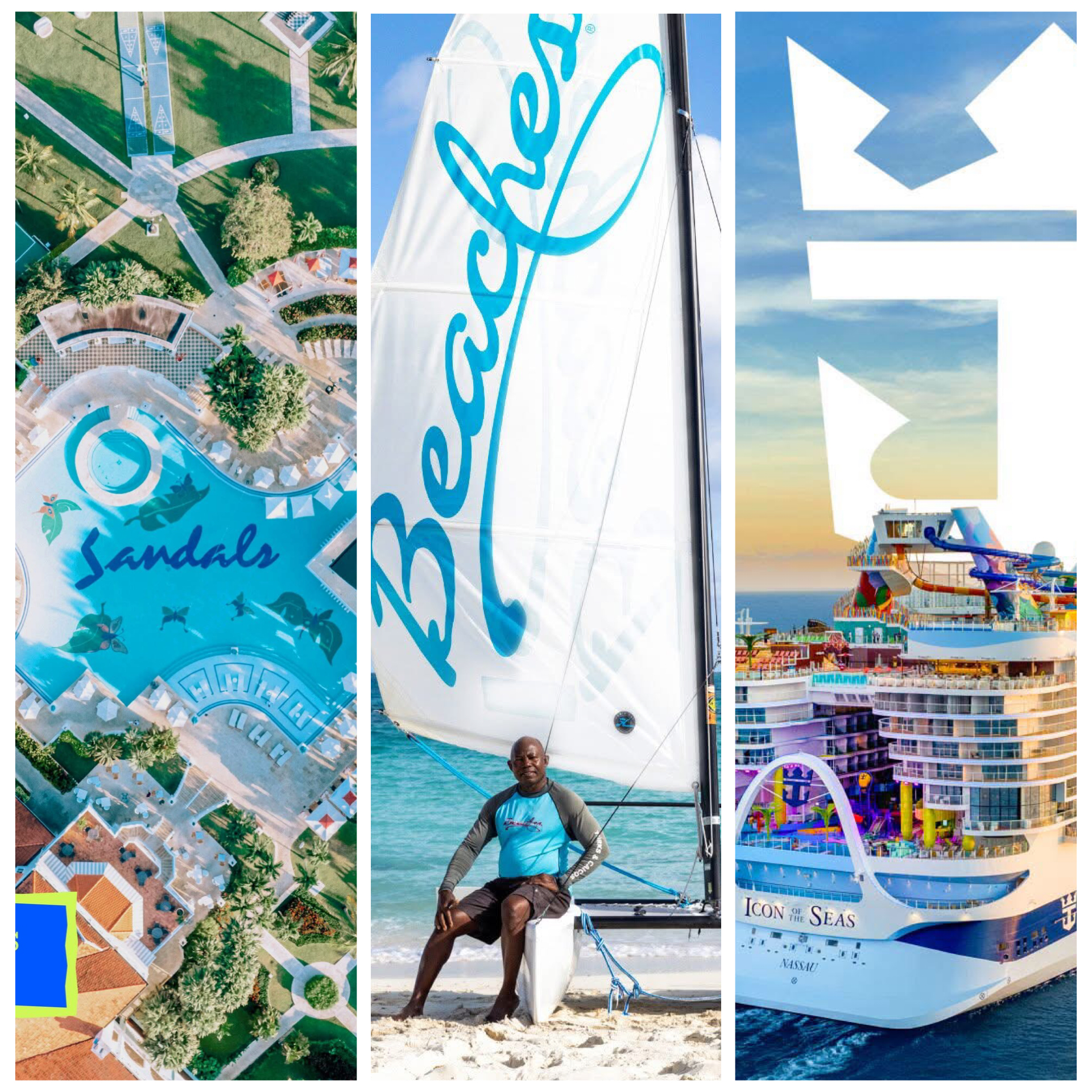
The Caribbean tourism deal first reported as a possibility on Tuesday is now a signed agreement. Royal Caribbean Group plans to pay approximately US$3 billion for a 50% stake in Sandals and Beaches Resorts, putting the value of the business at about US$6 billion. The purchase is expected to close in early 2027, subject to approvals.
Founded in Jamaica by the late Gordon “Butch” Stewart in 1981, the resort business has a presence across nine Caribbean destinations, including Jamaica, The Bahamas and Turks and Caicos. Sandals has described its workforce as nearly 20,000 people, most of them Caribbean nationals.
“My father, Gordon ‘Butch’ Stewart, founded Sandals Resorts with the belief that a company built in the Caribbean could stand on the world stage alongside the most respected names in hospitality,” said Adam Stewart in the announcement carried by PR Newswire. He will remain executive chairman, while the Stewart family retains a stake. The companies say existing reservations and resort operations will continue as usual.
Caribbean News
Pres Ali declares three days of national mourning following MV Barima tragedy July 21, 2026
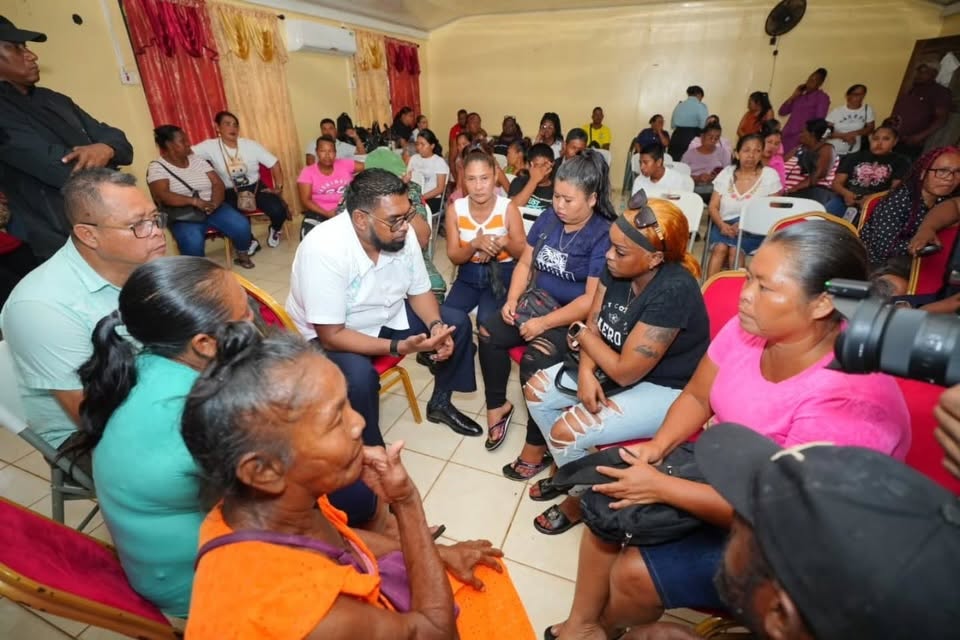
His Excellency Dr Mohamed Irfaan Ali has declared three days of national mourning following the tragic loss of lives in the M.V. Barima incident, as the nation continues to grieve alongside the families and communities affected.
The period of national mourning will be observed from Wednesday, July 22, through Friday, July 24, 2026, in honour of the victims of the tragedy. During this time, the National Flag will be flown at half-mast on all Government buildings and other appropriate locations across the country.
As part of the observances, Wednesday, July 22, has been designated a National Day of Prayer. A National Day of Prayer and Remembrance will be held at the Kingston Seawall in Georgetown, bringing together citizens in solidarity to honour the lives lost and offer support to grieving families.
The programme of remembrance will continue with a Night of Reflection and Prayer in Port Kaituma on Thursday, July 23, followed by another observance in Mabaruma on Friday, July 24.
The government is also encouraging religious organisations, civic groups and citizens throughout Guyana to organise candlelight vigils and moments of prayer during the three days as the nation collectively reflects on the tragedy and pays tribute to the victims. The declaration of national mourning underscores the government’s commitment to standing with the bereaved families and affected communities as Guyana mourns one of the country’s most heartbreaking maritime tragedies.





-

 Independent writer5 days ago
Letter to The Editor
-
 Bahamas News3 days ago
CIBC Caribbean Celebrates 2026 Unsung Heroes Finalists
-
 Health1 week ago
Know the Possible Warning Signs of Prostate Cancer
-
 News2 days ago
Indian Association of Turks and Caicos Islands Empowers Local Students Through Back-to-School Backpack & Supplies Drive
-
 Education1 week ago
TCI Schools Invited to Participate in 2026 National Student Council Election
-
 Caribbean News22 hours ago
Royal Caribbean Group and Sandals Resorts Announce Landmark Partnership to Accelerate Their Leading Vacation Experiences
-

 Health2 days ago
TCI Hospital Celebrates World Pharmacy Day 2026
-

 Bahamas News4 days ago
Romer Receives Regional Leadership Award