
Bahamas News
Bahamas Prime Minister on Passing of the Hon. Arthur Dion Hanna

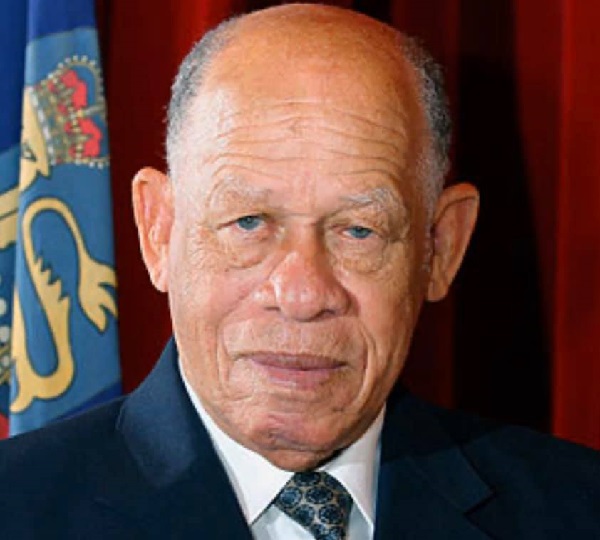
#TheBahamas, August 4, 2021 – A Bahamian giant and statesman has passed away.
It is with deep regret and profound sadness that the country has learned of the passing of former Governor General the Hon. Arthur Dion Hanna, the seventh Bahamian Governor-General of The Commonwealth of The Bahamas, who served in that capacity from 2006 to 2012.
The Hon. A.D. Hanna was a fierce patriot. He loved his Bahamas with unrelenting devotion, courage and passion. He gave his life to the Bahamian people in the struggle for majority rule and independence. He helped to form the first majority rule government in 1967.
Arthur Dion Hanna is a Founding Father of the modern Bahamas, who fought for equality and social justice throughout his long life. Many of our national institutions and progressive national policies bear the hallmarks of his advocacy for Bahamianization.
Mr. Hanna served in the Cabinet of The Bahamas for decades, including in the Finance, Education, Home Affairs and Trade and Industry portfolios. He was Deputy Prime Minister for many years during successive administrations of Sir Lynden Pindling.
A proud son of Pompey Bay, Acklins, Mr. Hanna was born on 7 March 1928. An attorney by profession, he joined the Progressive Liberal Party after returning home from his law studies in the United Kingdom. He served as the PLP’s Deputy Leader for many years and was a faithful member of his party.

Mr. Hanna was a constitutional father. He served as a Member of Parliament for 32 years. He was Government Leader in the House of Assembly from 1967 to 1984, and a member of the House from 1960 to 1992, where he served his beloved Anne’s Town Constituency.
He was predeceased by his wife Beryl Hanna nee Church, who was similarly committed to the national development of The Bahamas. His legacy of service was passed on to his children, including his surviving children: Dion, Glenys and Dawn.
Known affectionately as A.D. by generations of Bahamians, Mr. Hanna was a man of tremendous humility who loved boating, fishing and farming.
As a boy and then as a young man growing up, I well remember A.D. Hanna, especially his belief in the talents and gifts of Bahamians. He possessed a progressive soul and spirit.
I remember him constantly fighting for opportunities for all Bahamians in every sector of society.
This fight for opportunity continues. We are grateful for his service and for his enduring example.
I spoke this evening with my House colleague, the Hon. Glenys Hanna Martin to offer my personal condolences.
On behalf of the Bahamian nation, people and Government, and on my own behalf, and that of my wife, Patricia, I extend heartfelt condolences to his family, friends and colleagues on the passing of one of the political giants of the modern Bahamas, who will ever be recalled in the annals of Bahamian history.


The Bahamas, August 27, 2026 – The Royal Bahamas Police Force wishes to inform members of the public that several individuals are scheduled to appear before the Magistrate’s Court on Thursday, 27th August 2026, at 12:00 noon.
The individuals and charges are as follows:
An 18-year-old female is scheduled to be arraigned on the following charges:
Three (3) counts of Murder
Three (3) counts of Attempted Murder
Three (3) counts of Possession of a Firearm with Intent to Endanger Life
Three (3) counts of Possession of an Unlicensed Firearm
Two (2) counts of Possession of Ammunition
Armed Robbery
Abetment to Armed Robbery
Stealing
Receiving
The charges stem from three separate shooting incidents and an armed robbery that occurred on Friday, 21st August 2026, and Saturday, 22nd August 2026.
The first shooting occurred in the area of Soldier Road and Baillou Hill Road, resulting in the death of a 51-year-old male.
The second shooting occurred in the area of Joe Farrington Road, resulting in the death of a 52-year-old male.
The third shooting occurred in the area of Gladstone Road, resulting in the death of a 36-year-old male.
The armed robbery occurred at a business establishment in the area of Carmichael Road and Baillou Hill Road.
A 21-year-old male is scheduled to be arraigned on one charge of:
- Murder
The charge stems from a shooting incident that occurred on Tuesday, 21st July 2026, in the area of Samson Street, Nassau Village, which resulted in the death of a 28-year-old male.
A 32-year-old male is scheduled to be arraigned on the following charges:
- Murder
- Attempted Murder
These charges stem from a shooting incident that occurred on Wednesday, 24th December 2025, in the area of Graham Drive, Yellow Elder, which resulted in the death of a 25-year-old male.
RBPF, PACD
Bahamas News
Bahama Brass Band Invitation Sparks Heritage Debate Ahead of TCI Constitutional Holiday
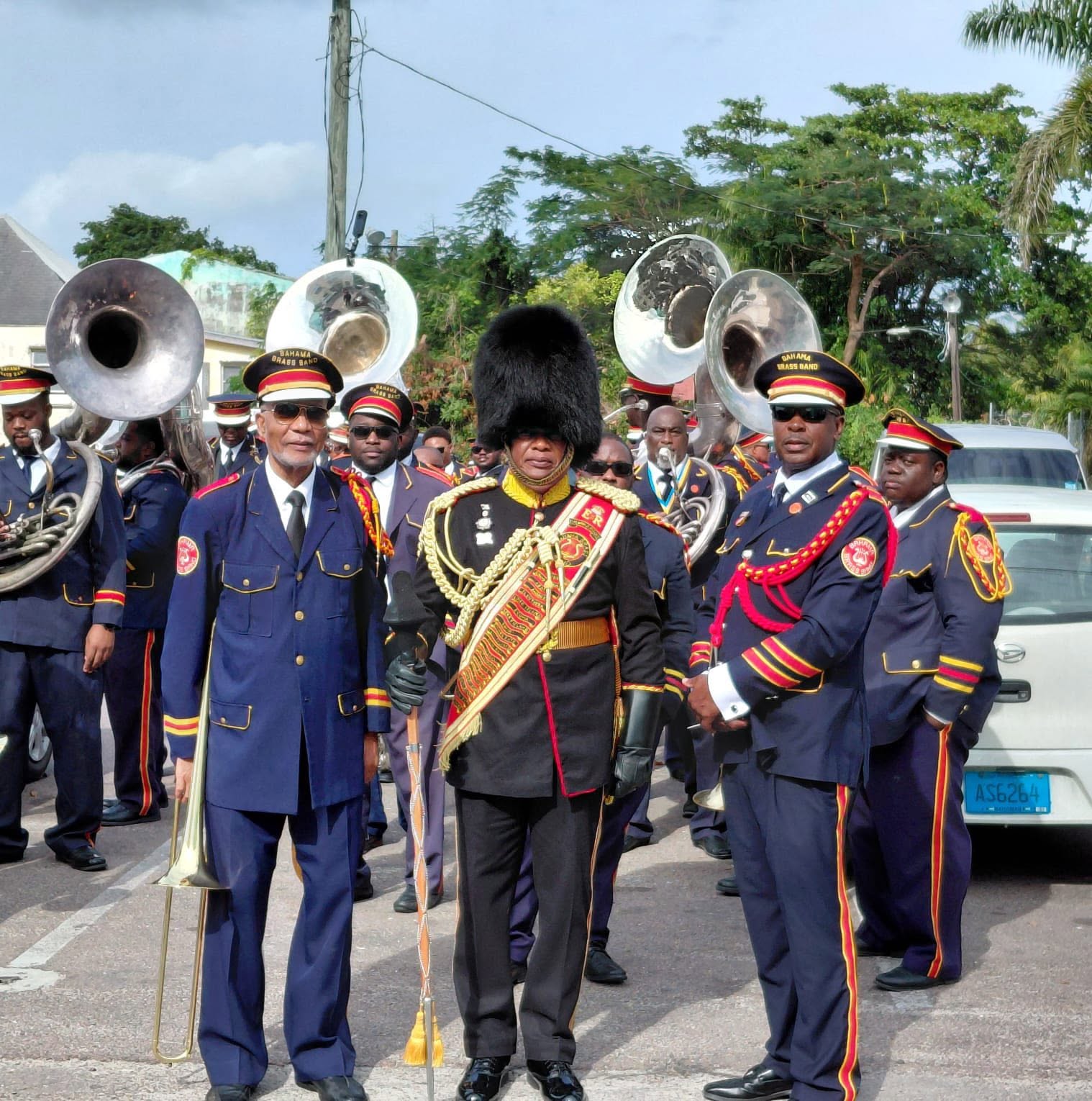
Turks and Caicos, August 20, 2026 – The planned participation of the Bahama Brass Band in the Turks and Caicos Islands’ inaugural Constitutional Holiday celebrations on August 30 has sparked public debate over culture, heritage and the historical contributions of Turks and Caicos Islanders abroad.
Organizers defended the invitation, saying the band’s inclusion is intended to highlight the deep historical ties between the two countries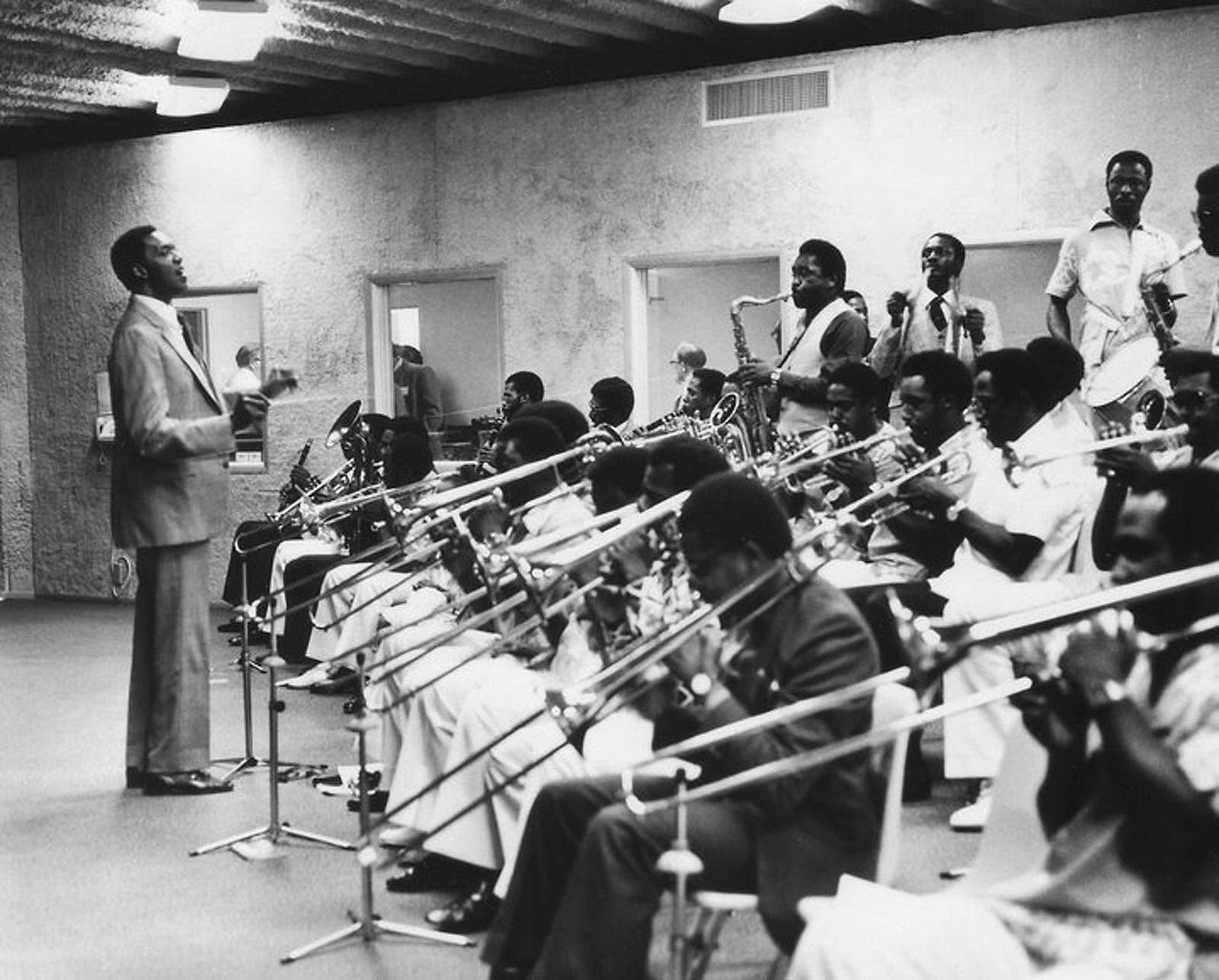 and honor Turks and Caicos men who helped establish and develop the institution in Grand Bahama.
According to the organizers, the Bahama Brass Band began in 1955 in Pine Ridge, Freeport, with Turks and Caicos Islanders, including the late Deacon Reuben Hall Sr. of Middle Caicos and Jenkins Williams and Mervin Hendfield of North Caicos, among those who helped build its foundation. The band eventually grew to more than 50 men.
The organizers also pointed to the participation of Turks and Caicos men in The Bahamas’ Independence celebrations on July 10, 1973, arguing that their contributions became part of Bahamian history while maintaining strong connections to their homeland.
Supporters say bringing the band home represents an opportunity to honor those pioneers, showcase their regional influence and expose younger generations to an important part of Turks and Caicos history.
However, concerns raised publicly described the invitation as potentially disrespectful to local culture and heritage. Organizers acknowledged those concerns, apologizing to anyone who felt overlooked or offended, while maintaining that no disrespect was intended.
The committee said the event should ultimately unite rather than divide, presenting the band’s history as evidence of the reach and resilience of Turks and Caicos heritage.
PHOTO CREDIT: Bahamas Brass Band
NASSAU, Bahamas — Caribbean Bottling Company (CBC), local producers of Dasani products, proudly sponsored the fifth annual, Caribbean Hoopfest.
The tournament brings together Bahamian high school basketball teams and visiting teams from the United States for a competitive showcase at the Kendal G. L. Isaacs Gymnasium. Following its inaugural year at the Kendal G. L. Isaacs gym and last year’s event at Loyola Hall, the tournament returned to the Kendal G. L. Isaacs gym this year.
During the weekend tournament, CBC kept athletes well hydrated with in-kind donations of Dasani Water, Powerade and Minute Maid Juices.
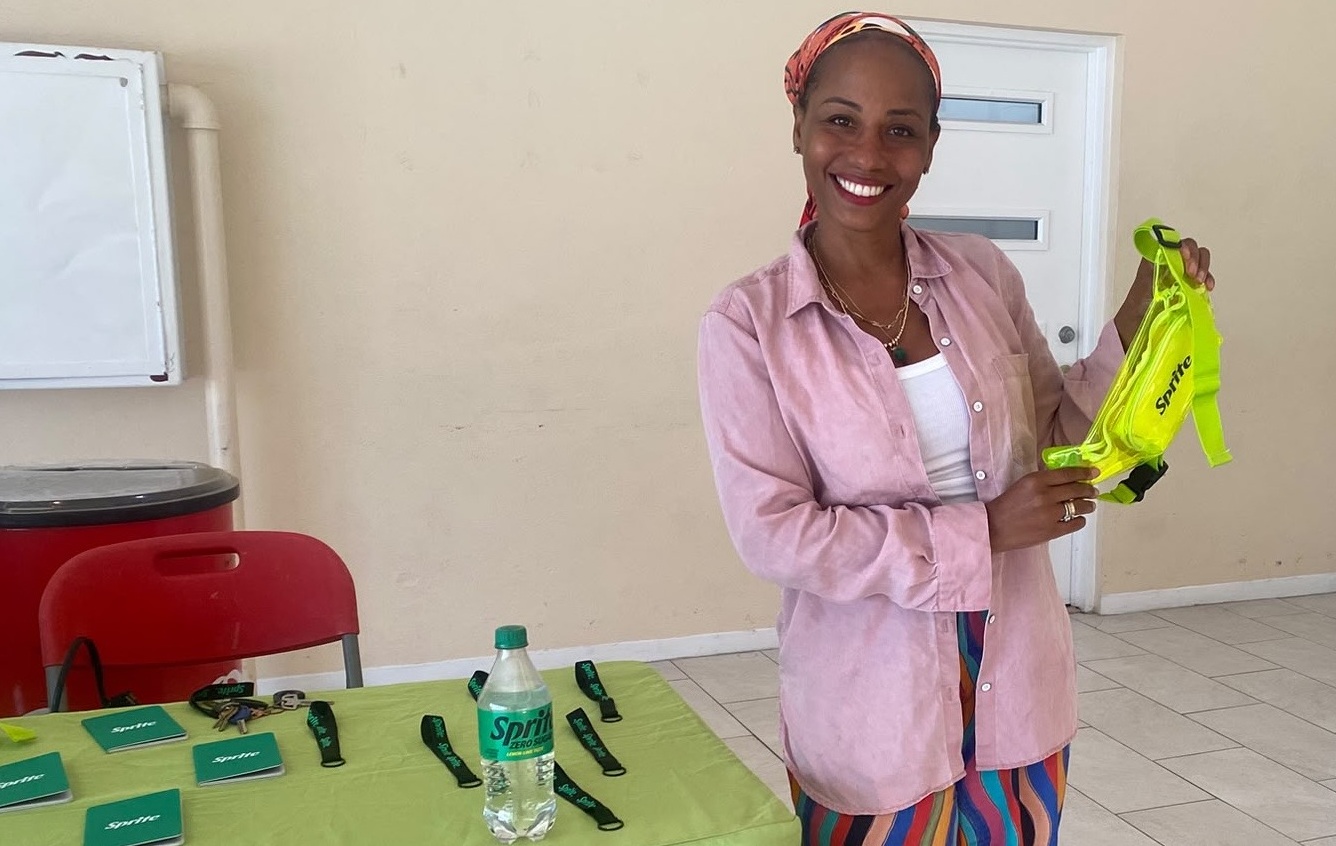
During the tournament’s final day, CBC provided additional support by offering Sprite No Sugar samples and inviting attendees to participate in its Spin the Wheel for a chance to win exciting prizes.
CBC was proud to support this incredible event, which provides young Bahamian athletes with valuable exposure to U.S. basketball scouts and coaches. This opportunity gives them the chance to earn scholarships, continue their education, and pursue their basketball careers in the United States.
Event organizer, Donald Francois shared his appreciation for CBC’s support.
“I want to express our sincere appreciation for Caribbean Bottling Company, who has been a tremendous supporter and an important part of the success of our program. Without CBC’s support, Caribbean Hoop Fest would not be able to function at the level it does today. And without Caribbean Hoop Fest, we would not have been able to provide the opportunities that have helped young Bahamian athletes gain exposure and pursue educational opportunities in the United States,” he expressed.
Since the program’s inception, several Bahamian student-athletes have been selected for scholarship opportunities, highlighting the tournament’s growing impact on the development and advancement of young basketball talent in The Bahamas.
They are: Kelvin McDowells – Guard, Wodson Antoine – Power Forward, Justin Lafleur – Guard and Sean John – Guard.
After another successful edition of the tournament, Francois shared what he hopes he and Caribbean Bottling Company can achieve in the future.
“Our vision is bigger than basketball. We want to use the platform of Caribbean Hoop Fest to educate, develop, and create opportunities for young people and their families throughout the Bahamas. With individuals and organizations committed to our mission, we believe we can continue to grow the program and make an even greater impact,” Francois said.
For more details on community support, events and new products visit Caribbean Bottling Company at www.cbcbahamas.com today.





-

 Education1 week ago
Department of Education Concludes Four-Day TCI National Standards Secondary School Curriculum Implementation Training
-

 Independent writer7 days ago
Fifty Years of Ministerial Government: Honouring Our Past, Embracing Our Present and Preparing for Our Destiny
-
 News1 week ago
UNDER 40 DAYS: COMMITTEE FORMED—BUT WHO IS ON IT?
-

 Health5 days ago
Know the Possible Warning Signs of Prostate Cancer
-

 News1 week ago
Invest TCI Brings Entrepreneurs and Bankers to the Table
-

 News3 days ago
Liberty Business launches in Turks and Caicos Islands
-
 Education4 days ago
TCI Schools Invited to Participate in 2026 National Student Council Election
-

 Independent writer12 hours ago
Letter to The Editor