
News
Just how bad was 2020’s Tourism decline? TCI Tourist Board statistics reveal

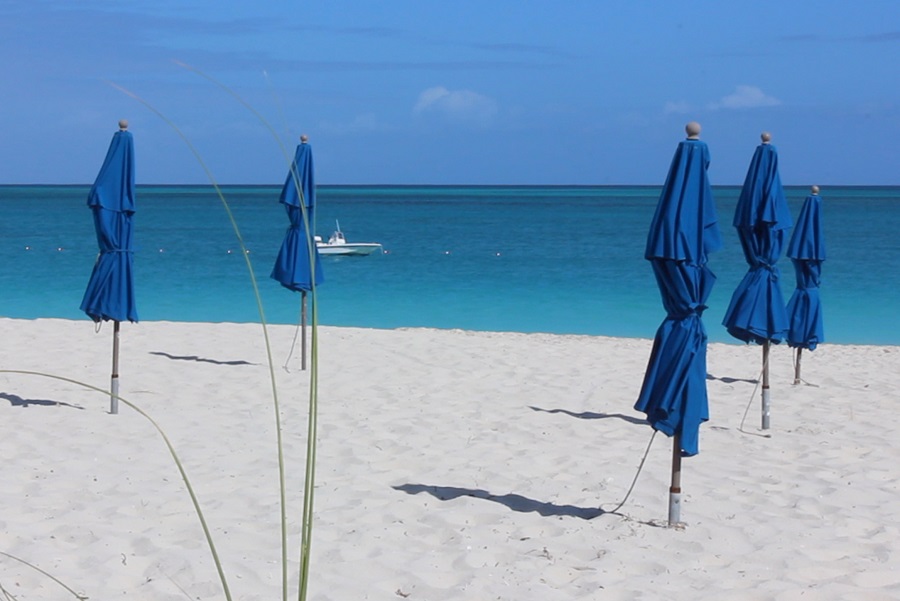
#TurksandCaicos, May 3, 2021 – Turks and Caicos Tourism Board data shows a drastic drop in overall visitors to the Islands from 2019’s record-breaking 1,598,557 to 370,406 in 2020, translating to a 77 per cent drop.
Stopover arrivals slumped by 66 per cent, cruise passenger arrival down by 81 per cent and the number of cruise vessels at port dropped by 81 per cent compared to 2019.
The phenomenal drop in the overall performance of the TCI tourism industry could be attributed to the impact of the global Coronavirus pandemic that almost brought down the entire tourism industry to a standstill.
According to the UNWTO Impact Assessment of the Covid-19 Outbreak on the International Tourism report, it was projected there would be an overall decline of 70-75 per cent in tourism for the whole of 2020.
Based on a report prepared by the TCI Tourist Board Statistical Officer Ms. Sharissa Lightbourne, stopover arrivals from the major markets such as the US, Canada, and Europe recorded a decline of 65, 62, and 79 per cent, respectively.

Even though the stopover arrivals to the Turks and Caicos Islands increased by 13 per cent in the first two months of 2020 compared to the previous year, the promising trend was soon compromised as the Islands recorded a 53 per cent drop in stopovers in March 2020 due to the detrimental impact of the novel Coronavirus in major TCI tourism markets and border closure from March 24 to July 22, 2020.
The remarkable 1,598,557 visitor arrivals in 2019 represented a nine per cent increase from the previous year’s figures. Broken down into various categories, the arrivals included 86,739 Stopover and 1,111,818 cruise visits.
The Grand Turk Cruise Center welcomed a 9 percent increase in cruise passengers and an 11 per cent increase in cruise year-over-year.
According to the Caribbean Tourism Organization (CTO), the remarkable growth made by the tourism industry in the region in 2019 could be attributed to strong demand from the main markets.
Increased airlift capacity, more diverse accommodation facilities, and sustainable recovery following hurricane season 2017 were some of the additional factors that fueled a blast in tourism the region’s tourism industry.
With the borders closed for some months, hotels shut, cruise vessels stopped sailing, air travels restricted, and the government imposed rafts of restrictions to protect the locals and mitigate the spread of the pandemic, the ever-promising TCI’s blue economy came crumbling within months, as in other Caribbean countries.
However, with the intensified global vaccination drive and promising progress in the fight against the Covid-19 pandemic, there’s hope at the end of the tunnel for the TCI tourism sector as the virus containment efforts prove effective.










By Lindsay Thompson
Bahamas Information Services
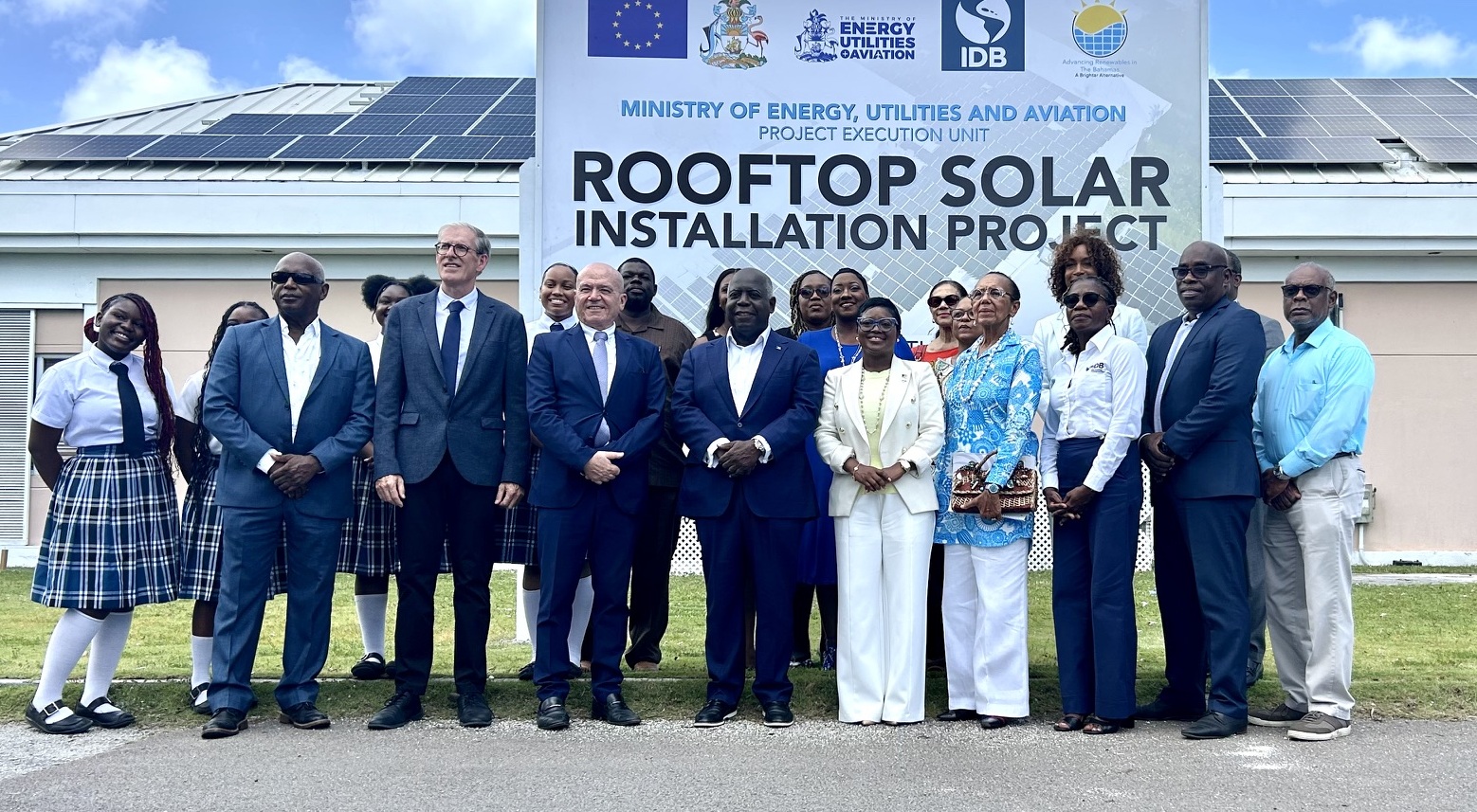
NASSAU, The Bahamas – Prime Minister the Hon. Philip Davis participated in ceremonies commissioning Completed Rooftop Solar Installations at the University of The Bahamas, a move towards energy sustainability.
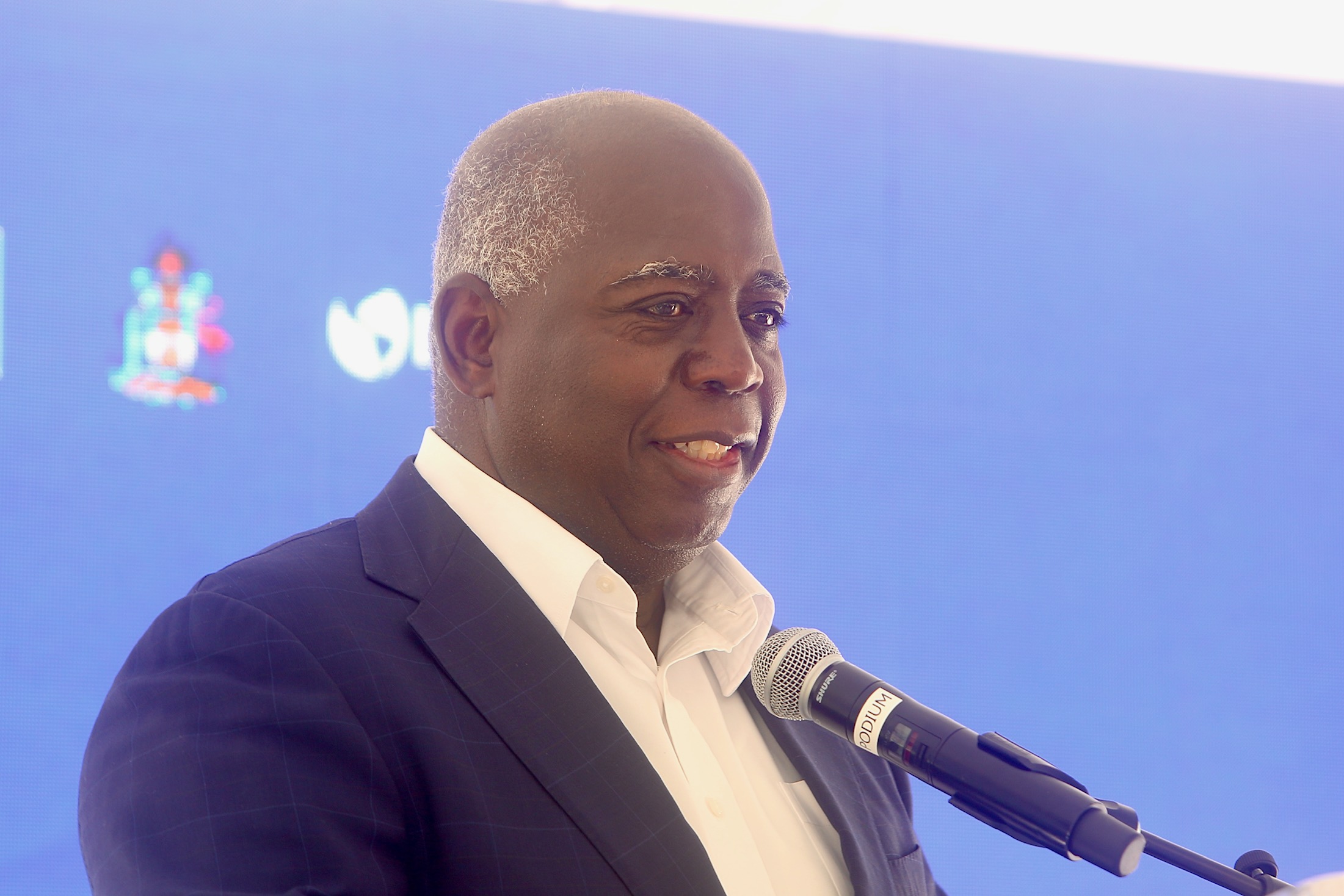
Prime Minister Philip Davis
“Today, we turn a new page on how we power our lives, how we protect our environment, and how we define Bahamian leadership in the 21st century.
Energy is foundational to national development,” the prime minister said.
The ceremony commissioning installation completion, under the Reconstruction with Resilience in the Energy Sector in The Bahamas (RRESB) programme, was held on Friday, July 3, 2026 at Courtyard Choices, University of The Bahamas.
“With this commissioning, the University of The Bahamas takes its place at the vanguard of our energy transition. You are setting an example and proving your commitment to stewardship – leaving our islands better than we found them,” the prime minister said.
He said it was good to mark the commissioning: “The country has turned a new page on how we power our lives, how we protect our environment, and how we define Bahamian leadership in the 21st century,” he said.
The prime minister regarded energy as fundamental to national development, and added, “It determines how effectively we educate our children, how reliably we deliver healthcare, and how competitive our businesses can be.” So, today is about solar panels, yes. But it is also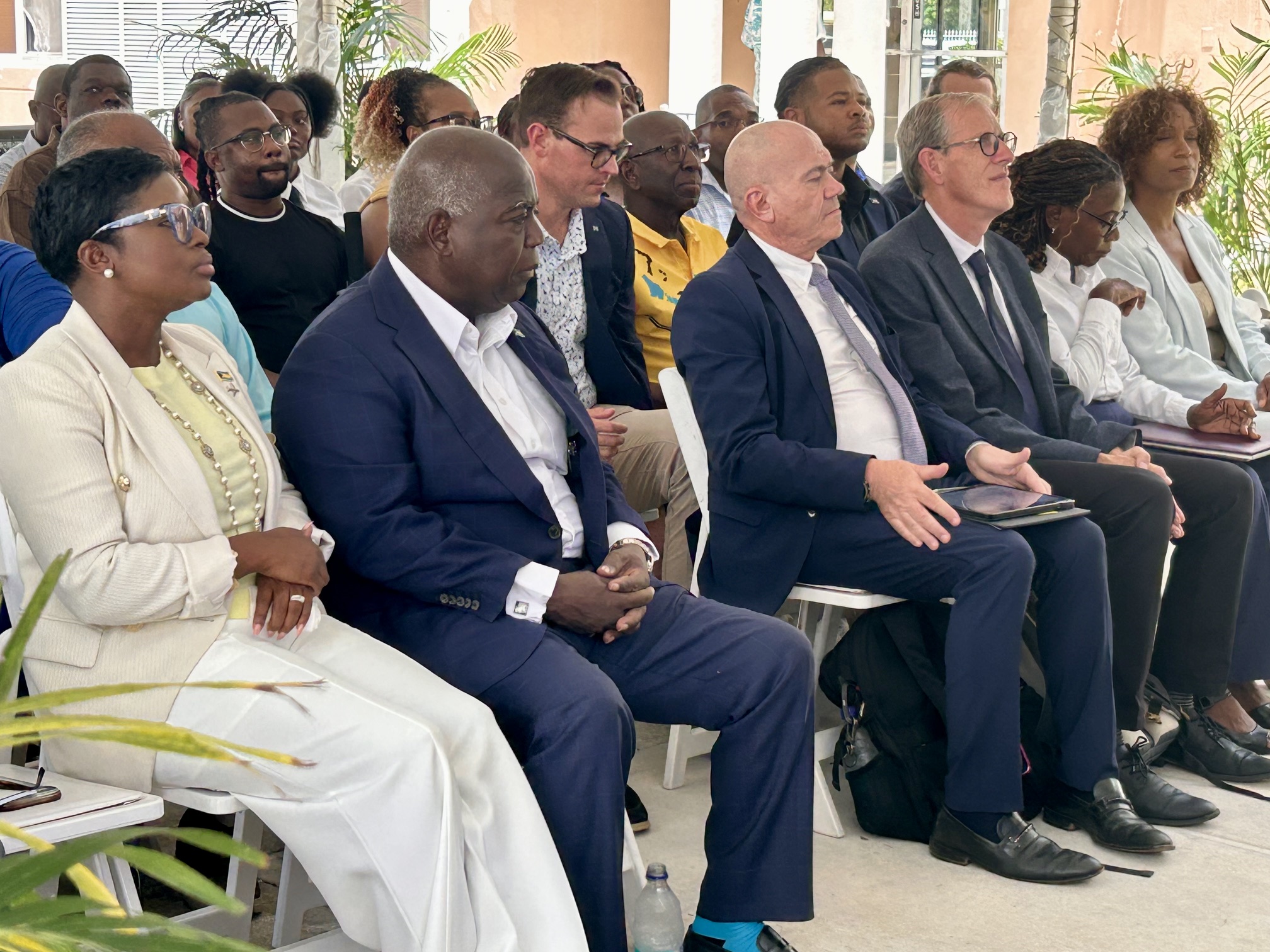 about how we power this country and what that means for the future we are building together. This is why programmes like RRESB matter.”
He said that it reflects his administration’s commitment to strengthening the systems that underscore daily life in the country, while building a country that is more sustainable and more energy-secure.
“We live on the frontlines of a changing climate.
“We have felt the fury of the winds and the rising of the tides. We know, better than most, that the old ways of generating power – reliant on volatile oil and fragile, centralized grids are no longer enough to guarantee our safety.
“This is why this administration will continue to strengthen our critical infrastructure and improve the resilience of our energy sector.
“As Prime Minister, I see these investments as investments in our future. They will serve our country for many years to come – while reflecting a broader shift in how we think about development.
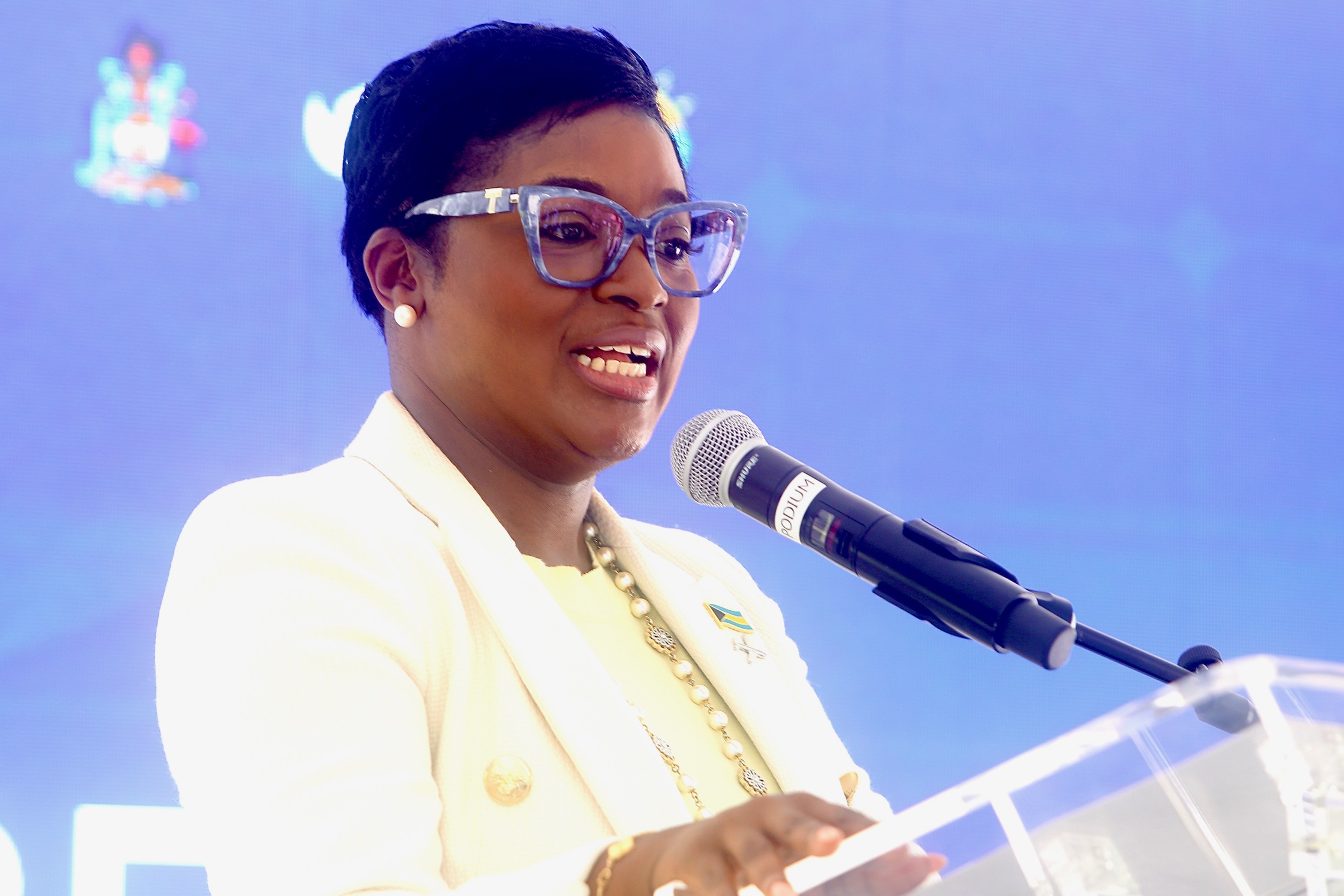
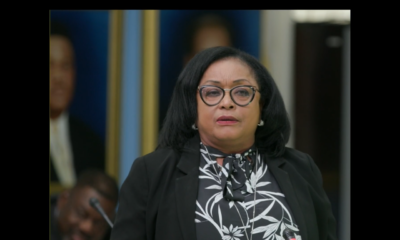
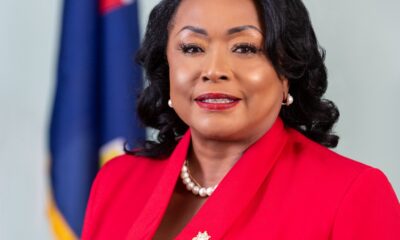
Minister of Energy, Utilities and Aviation JoBeth Coleby-Davis
The Prime Minister said: “Sustainability is no longer separate from growth – it is essential to it.”
He extended sincere appreciation to Mr. Ruiz, Head of Cooperation at the Delegation of the European Union to Jamaica, Belize, The Bahamas, The Turks and Caicos Islands and the Cayman Islands, and to Mr. Fache, Program Manager with the European Union Delegation, for their partnership.
And, he commended partners at the Inter-American Development Bank, the University of the Bahamas, the Project Execution Unit, AnO Technologies, the Hon. Jobeth Coleby-Davis and the Ministry of Energy, Utilities and Aviation for their dedication and expertise in implementing this program.
“Today’s achievement reflects what can be accomplished when we work together in pursuit of a stronger Bahamas.
“This is the work of nation-building. It is not accomplished in a single day or in a single project. It is steady work – consistent and purposeful.”
(BIS Photos/Kristaan Ingraham)
Caribbean News
From Pathways to Investment: Tackling the US $6 Billion Food Challenge for the Caribbean
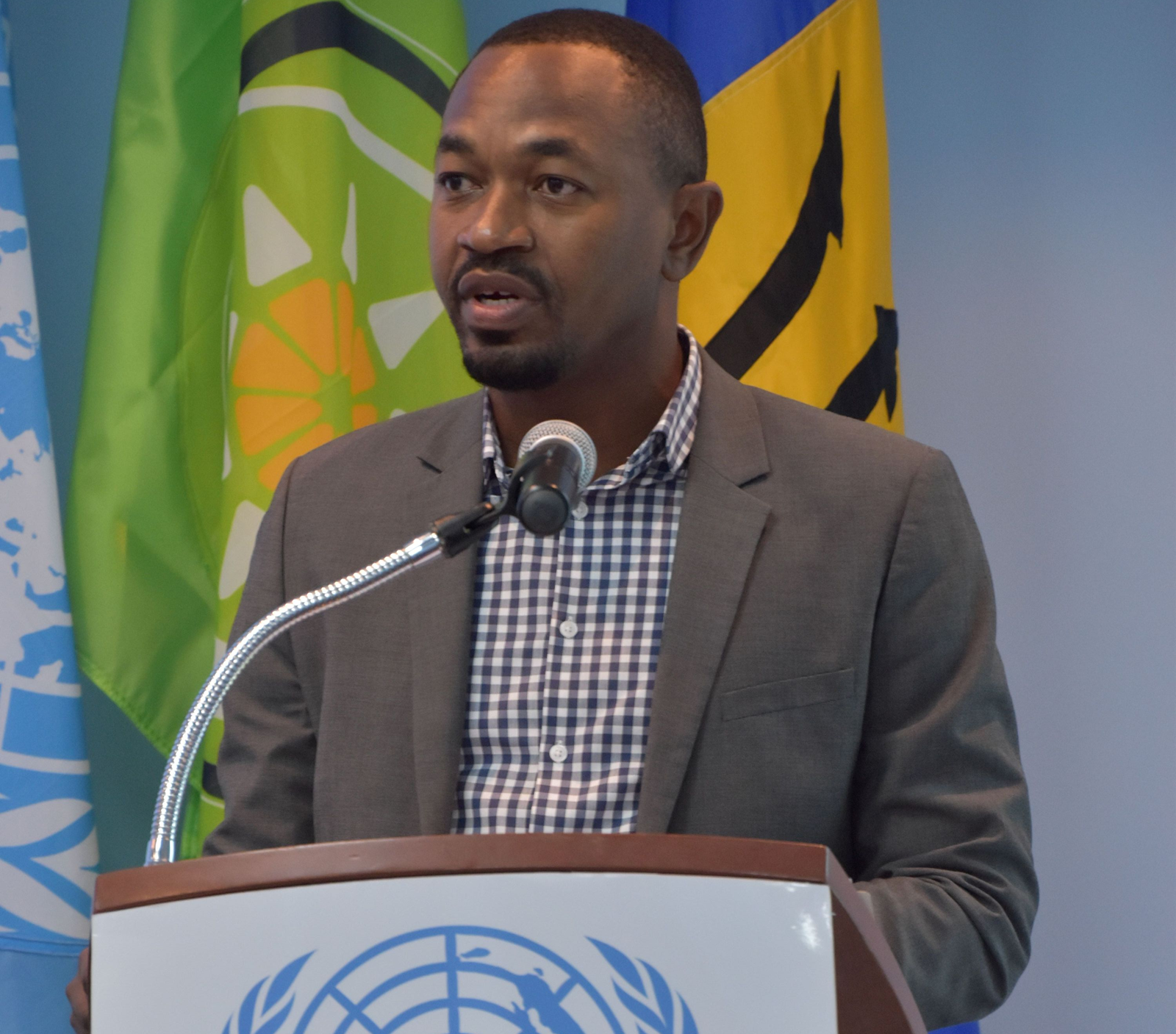
By Kenroy Roach
The Caribbean’s food systems challenge is fast evolving into a broader development challenge.
Despite decades of policy attention and investment, the region remains one of the most food import-dependent in the world, spending over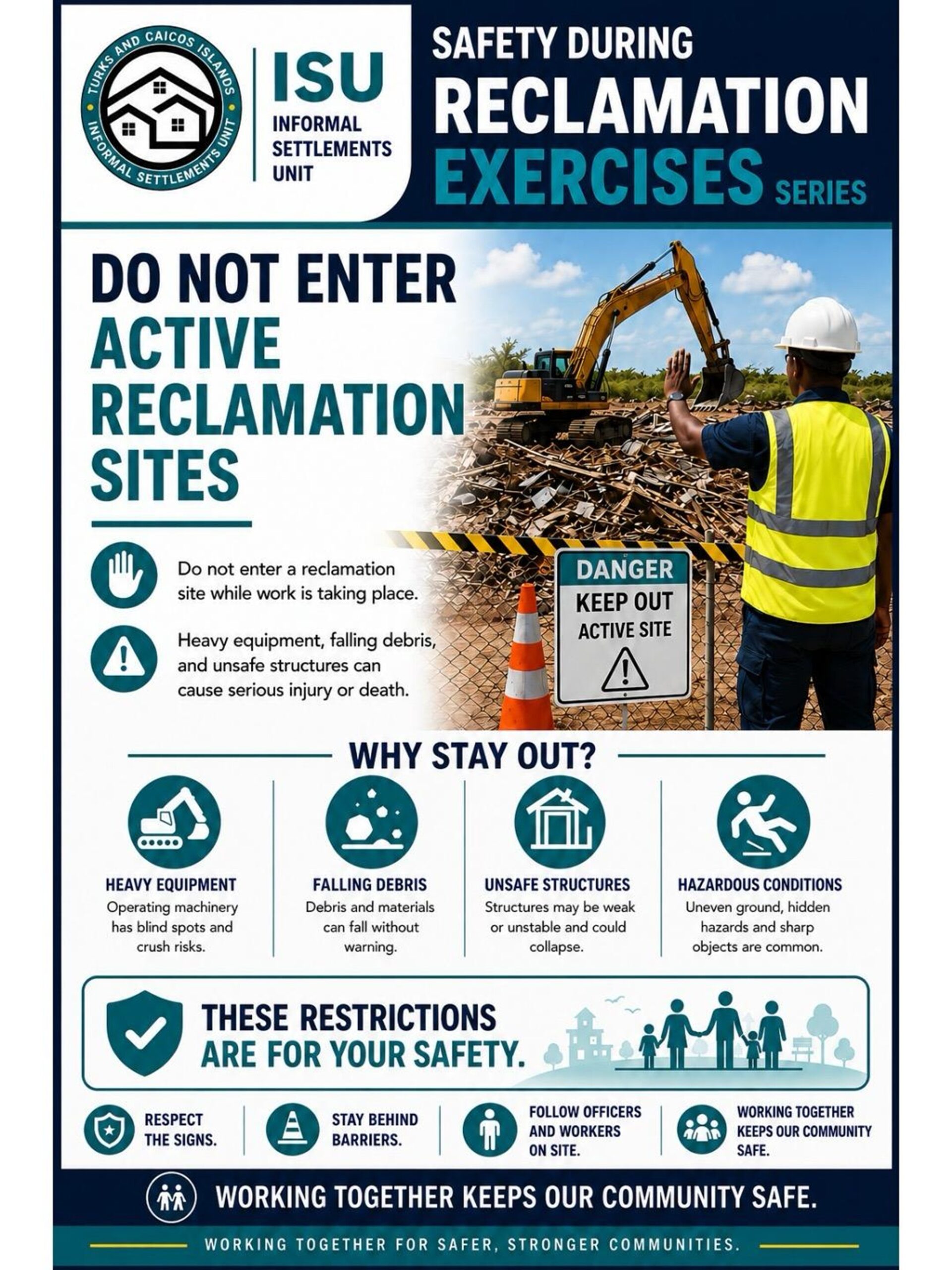 US$6 billion annually. At the same time, countries continue to grapple with food insecurity, high rates of diet-related non-communicable diseases, climate vulnerability, and exposure to external shocks that can disrupt supply chains and drive up food prices almost overnight.
For Small Island Developing States (SIDS), food security has shifted from an agriculture focus alone, it’s about economic resilience, health, climate resilience and sustainable growth.
Recognizing this reality, Caribbean governments have elevated food systems transformation as a regional priority through the CARICOM 25 x 25 Plus Five Agenda, which seeks to reduce food import dependence while strengthening domestic production, regional trade, and resilience. Across Barbados and the Eastern Caribbean, governments have also developed National Food Systems Pathways that identify the investments, partnerships, and policy reforms needed to transform food systems and accelerate progress toward the Sustainable Development Goals (SDGs).
Yet one challenge has remained persistent: financing.
In the face of high levels of public debt and limited fiscal space, while public investment remains critical, Caribbean governments simply cannot shoulder the financing burden alone. Transforming food systems at scale requires mobilizing far greater private capital, alongside development finance and public resources.
This was the rationale behind the recent convened in Barbados.
The Forum brought together governments, investors, international financial institutions, private sector leaders, regional organizations, and the United Nations around a simple proposition: food systems should be viewed not only as a development priority, but also as an investable asset class.
A distinguishing feature of the innovative gathering was its focus on attracting private investment—particularly private equity, impact investment, and blended finance solutions capable of supporting businesses and infrastructure across food value chains. By helping enterprises access growth capital and connecting investors with scalable opportunities, the initiative sought to unlock financing that complements public investment rather than adding to already constrained public balance sheets.
A key outcome was the launch of a regional Deal Book comprising approximately US$320 million in investment opportunities across seven countries, spanning agriculture, fisheries, agro-processing, logistics, and strategic food systems infrastructure. The Deal Book created a practical bridge between capital seeking opportunities and opportunities seeking capital, while enabling direct engagement between governments, enterprises, and investors.
The results were encouraging.
Across four sector-focused deal rooms, participants explored investment-ready and near-investment-ready opportunities and discussed blended finance private equity, risk-sharing, and partnerships to advance projects toward implementation.
The Forum highlighted a shift in perspective: food systems are now seen as strategic drivers of economic diversification, resilience, competitiveness, and growth. Investments across production, processing, logistics, and distribution can strengthen regional supply chains, create new businesses, generate jobs, and reduce vulnerability to external shocks.
For the United Nations, this experience reinforced an important lesson.
Transforming food systems requires more than the technical expertise of individual agencies. It requires integrated solutions that connect agriculture, nutrition, health, climate resilience, trade, private sector development, and financing.
This is where the Resident Coordinator System plays a critical role.
Across Barbados and the Eastern Caribbean, the Resident Coordinator Office has united UN system capabilities around a common food systems agenda. Working with FAO, WFP, the UN Food Systems Coordination Hub, and other partners, the RCO has helped align policy support, technical expertise, partnerships, and financing with nationally identified priorities.
The Forum demonstrated this integrated approach by convening governments, investors, development finance institutions, private sector actors, and UN agencies around a common objective. It showcased the UN’s comparative advantage as a trusted broker capable of connecting development priorities with investment opportunities.
The Forum’s success will be measured not by dialogue generated, but by investments mobilized, businesses expanded, and progress made toward resilient, competitive Caribbean food systems across the Caribbean.
Its most important outcome may therefore be what comes next.
The work starts now.
Kenroy Roach is Head of the UN Resident Coordinator Office for Barbados and the Eastern Caribbean
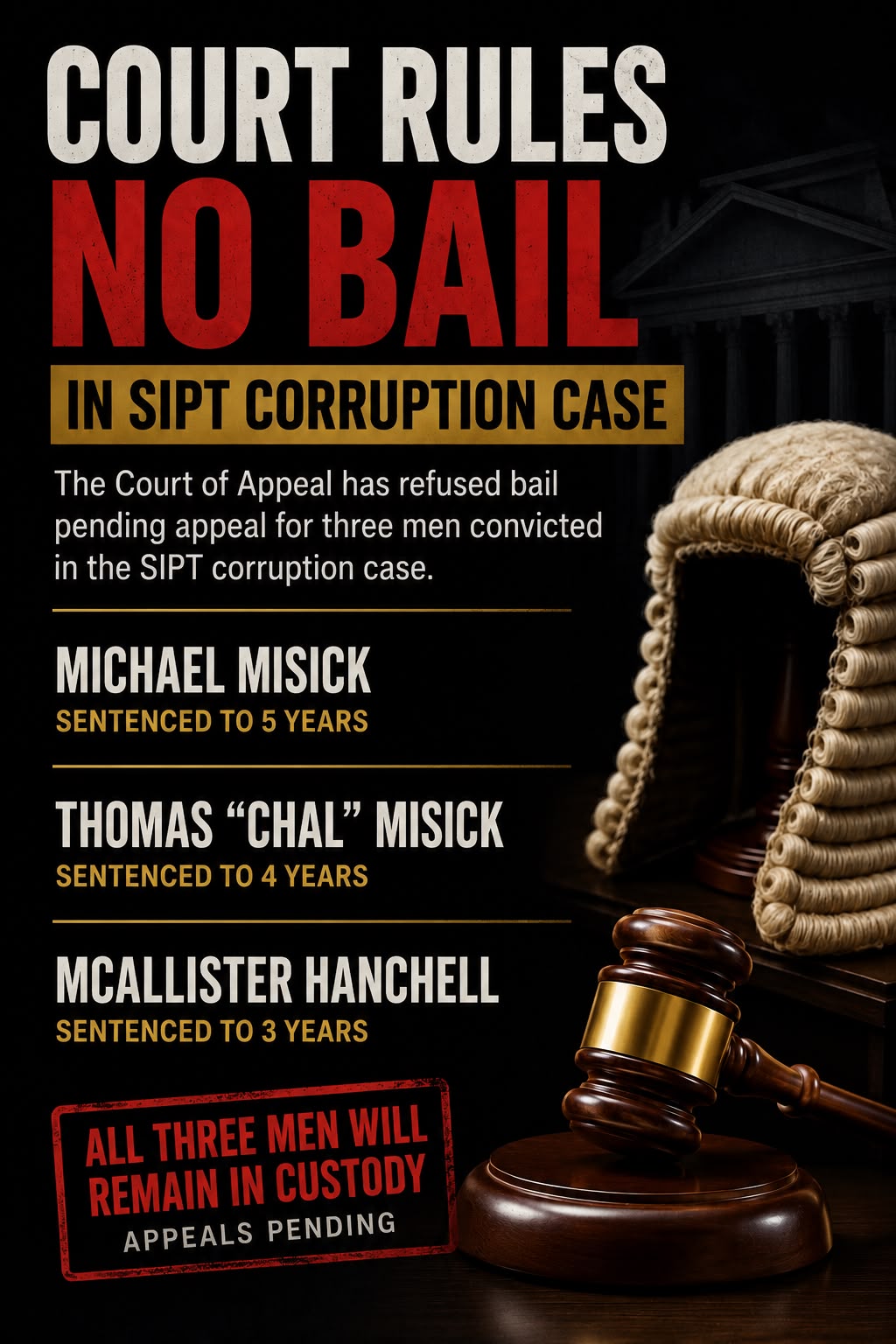
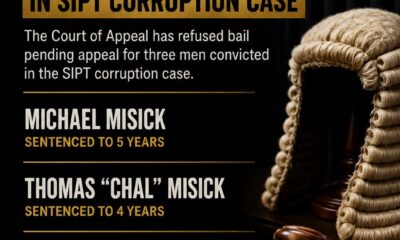
Turks and Caicos, July 6, 2026 – Former Turks and Caicos Premier Michael Misick will remain in prison as he appeals his conviction in the Special Investigation and Prosecution Team (SIPT) corruption case after the Court of Appeal refused his application for bail pending appeal.
The Court also denied bail to former Cabinet Minister McAllister Hanchell and attorney Thomas “Chal” Misick, meaning all three men will continue serving their custodial sentences at His Majesty’s Prison while the appeals process moves forward.
The ruling is a significant development in one of the territory’s most consequential criminal prosecutions. It means the convictions remain in effect, and the men will stay incarcerated unless the Court of Appeal later overturns their convictions or otherwise orders their release.
The Court found the applicants had not established the exceptional circumstances required for bail pending appeal. It also determined there was insufficient basis to conclude that the appeals were likely to succeed or that the men would complete most or all of their prison terms before their appeals are heard.
Michael Misick was sentenced in May to four years and 26 days after being convicted on three bribery counts. Hanchell received a three-year sentence for bribery, while Thomas “Chal” Misick was sentenced to four years following his conviction for money laundering.
The convictions followed years of investigations and court proceedings arising from the SIPT inquiry into allegations of corruption involving former public officials and government transactions.
While the appeals remain before the courts, Monday’s decision confirms that the three appellants will continue serving their prison sentences. Their legal challenge now shifts to the substantive appeal, where the Court of Appeal will determine whether the convictions or sentences should be upheld, varied or overturned.





-

 Caribbean News1 week ago
Sandals® and Beaches® Resorts Launch Rebranded Loyalty Program, ‘Island Insiders Club’
-
 News1 week ago
Beaches Turks & Caicos resort hosts high school tourism clubs from Providenciales and North Caicos
-
 Caribbean News3 days ago
Returning Haitians Could Be the Answer Haiti Has Been Praying For
-
 News6 days ago
Community Comes Together as ISU Community Engagement Exercise Delivers Essential Services in Kew Town
-
 News3 days ago
COURT DENIES BAIL; MISICK, HANCHELL AND CHAL MISICK TO REMAIN BEHIND BARS DURING APPEAL
-
 Caribbean News1 week ago
Migration Is No Longer Just About Borders
-

 Caribbean News1 week ago
First Caymanian Drafted to NHL as Jaxon Cover Makes History
-

 Health3 days ago
Turks & Caicos Hotel and Tourism Association Secures Landmark Health Insurance Partnership for Tourism Workforce