
world news
Say what now? CDC tells Americans told not to travel for Thanksgiving


#UnitedStates – November 19, 2020 – Basically, no place on the planet is safe enough to visit according to the United States’ top health agency: the Centers for Disease Control, CDC which is advising against travel for the Thanksgiving season including within the States.
The CDC, today released: “Travel increases your chance of getting and spreading COVID-19. Staying home is the best way to protect yourself and others from COVID-19. You can get COVID-19 during your travels. You may feel well and not have any symptoms, but you can still spread COVID-19 to others.”

The recommendation by the CDC seems to validate decisions by state governors who are calling for limited gatherings during the most family-oriented holiday of the calendar year for Americans; Thanksgiving.
News reports indicate this is the strongest guidance from the CDC since the pandemic gripped the United States, which has now recorded over 250,000 deaths and 11.6 million infections.
The CDC, on its website says: “postponing planned travel and staying home is the best way to protect yourself and others this year” and offers questions Americans should ask themselves before making a trip.
The advisory comes one week after airlines announced they would be adding flights in anticipation of the highest demand for travel since March.

United Airlines alone had said it would add 1,400 flights. JetBlue plans to add 25 non-stops to at least two Caribbean destinations, namely Haiti and the Dominican Republic.
It is too early to determine if the CDC alert will actually impact the travel plans of Americans. Tourism executives in both the Turks and Caicos and The Bahamas, for example, had already touted that bookings were strong for the Thanksgiving holiday weekend.
For Americans who opt to keep their travel schedules, the advice is about protection of self and family by wearing a mask which covers the nose and mouth when in a public place; to stay at least six feet apart from anyone who is not in your household; to wash your hands or use hand sanitizer with at least 60 percent alcohol; to avoid anyone who is sick and to avoid touching your eyes, nose and mouth.
Also worth the mention is, on its travel alert map; the CDC shades nearly 100 percent of the planet in a dark tan. Dark tan is the colour assigned to a Level 3 Travel Alert, which means Covid-19 risk is high.



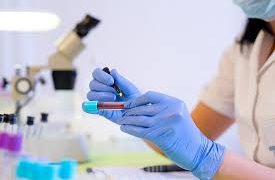

WASHINGTON, D.C. — The Americas has recorded 47,459 confirmed measles cases and 44 deaths in 2026, the region’s highest case count in 22 years, prompting the Pan American Health Organization (PAHO) to urge stronger vaccination, surveillance and rapid outbreak response.
As of July 18, cases were already more than triple the 15,011 recorded during all of 2025. Guatemala, Mexico, the United States and Peru account for 95% of confirmed cases. Guatemala leads with 30,371 cases and 26 deaths, followed by Mexico with 12,255 cases and 17 deaths.
PAHO classifies the regional public health risk as very high, citing active outbreaks, immunity gaps, international travel and populations with inadequate vaccination coverage.
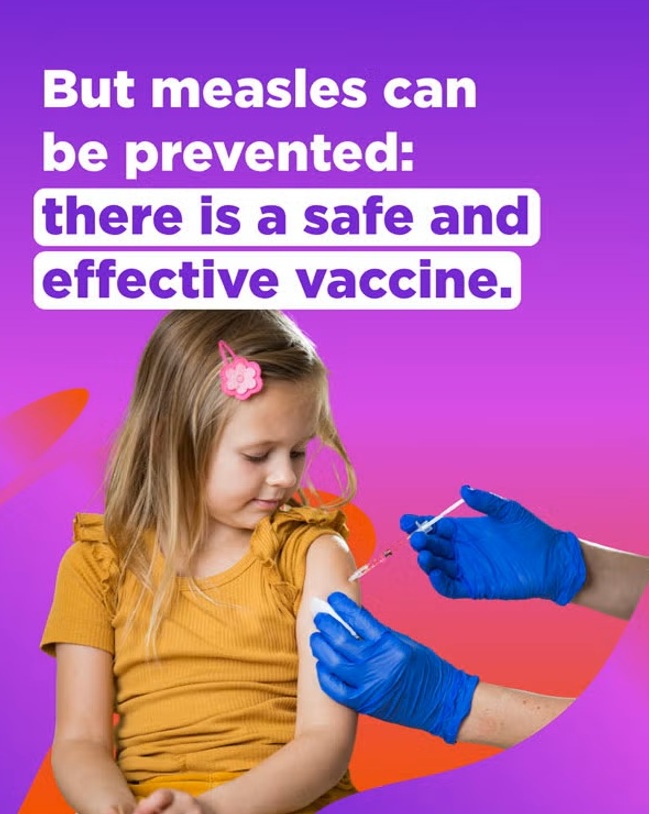
The organization says prevention starts with vaccination. Countries are being urged to achieve and maintain at least 95% coverage with two doses of measles-containing vaccine, particularly protecting children and under-vaccinated communities.
Measles spreads through the air when an infected person breathes, coughs or sneezes. Symptoms can include fever, cough, runny nose, red eyes and a rash.
PAHO is urging health authorities to detect suspected cases early and respond rapidly to stop transmission. Unvaccinated and under-vaccinated people, young children and communities with limited healthcare access face increased risk of severe illness and death.
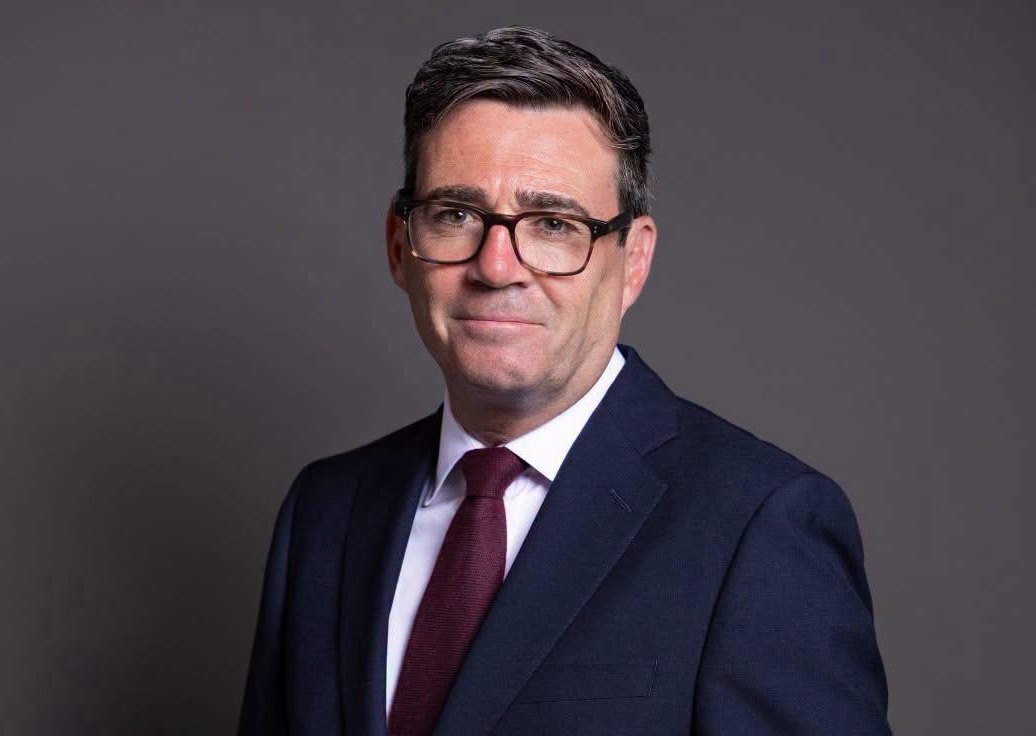
Britain’s new Prime Minister launches his administration with tax relief aimed at easing pressure on household budgets as affordability becomes a defining issue for governments worldwide.
By Deandrea Hamilton | Magnetic Media
LONDON, England — Andy Burnham has wasted little time signaling a new direction for the United Kingdom, making the cost of living the first priority of his administration with a plan to reduce household electricity bills through tax relief.
The newly elected Prime Minister announced that Value Added Tax (VAT) will be removed from domestic electricity bills beginning October 1, describing the measure as part of a broader effort to make everyday life more affordable for working families. The move fulfills a key campaign promise and marks an early shift in the government’s economic agenda.
Burnham inherits a nation still grappling with stubborn inflation, rising household expenses and years of political turnover. His opening policy signals an intention to focus on practical measures that deliver immediate financial relief while restoring confidence in government.
The announcement also resonates across the Caribbean, where affordability remains a pressing concern. In the Turks and Caicos Islands, the Government has just concluded its one-time cost-of-living assistance programme for qualifying residents. While the approaches differ, both reflect a growing recognition that easing financial pressure on households has become one of the defining challenges facing governments today.
Caribbean News
From Pathways to Investment: Tackling the US $6 Billion Food Challenge for the Caribbean

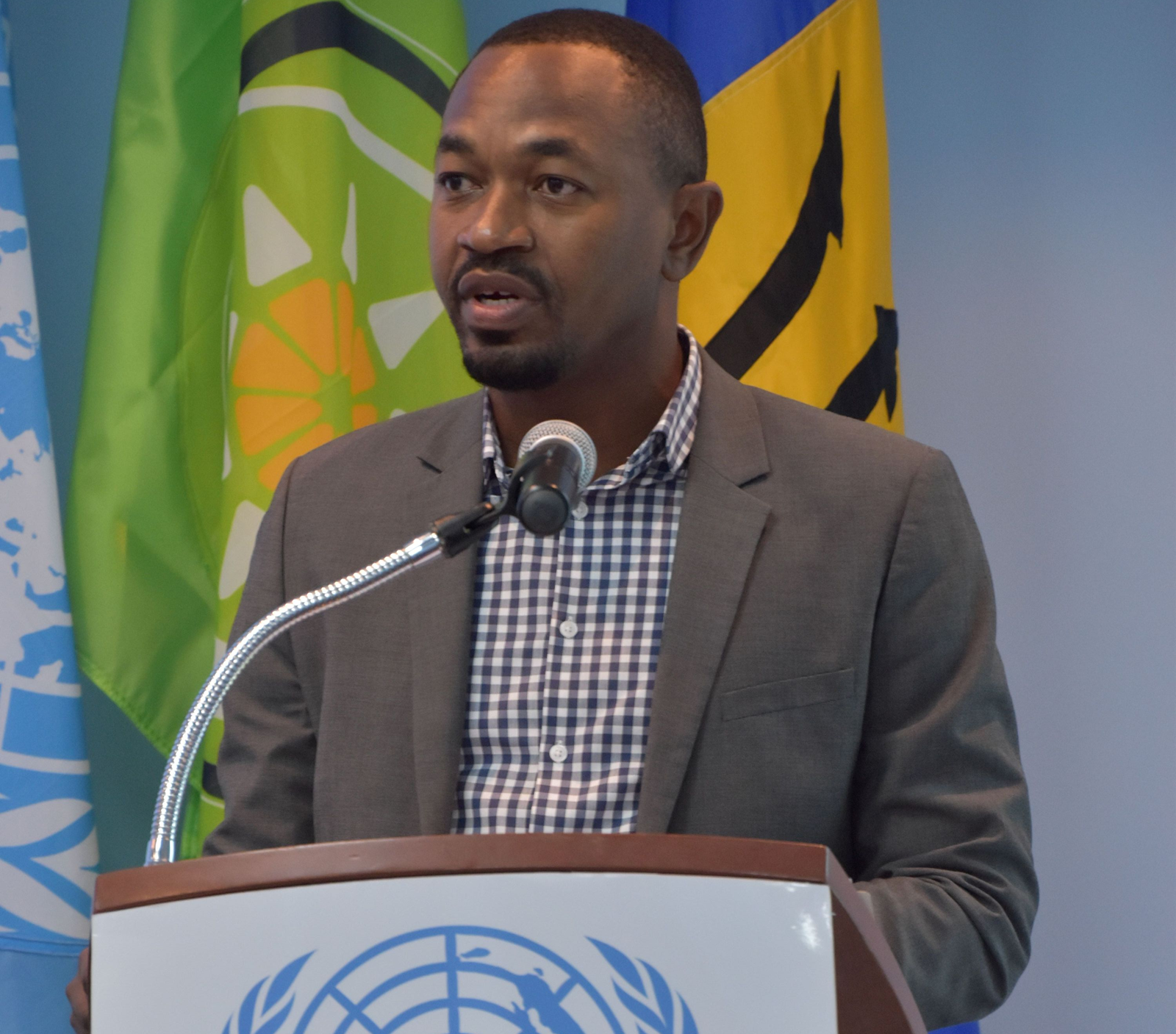
By Kenroy Roach
The Caribbean’s food systems challenge is fast evolving into a broader development challenge.
Despite decades of policy attention and investment, the region remains one of the most food import-dependent in the world, spending over US$6 billion annually. At the same time, countries continue to grapple with food insecurity, high rates of diet-related non-communicable diseases, climate vulnerability, and exposure to external shocks that can disrupt supply chains and drive up food prices almost overnight.
For Small Island Developing States (SIDS), food security has shifted from an agriculture focus alone, it’s about economic resilience, health, climate resilience and sustainable growth.
Recognizing this reality, Caribbean governments have elevated food systems transformation as a regional priority through the CARICOM 25 x 25 Plus Five Agenda, which seeks to reduce food import dependence while strengthening domestic production, regional trade, and resilience. Across Barbados and the Eastern Caribbean, governments have also developed National Food Systems Pathways that identify the investments, partnerships, and policy reforms needed to transform food systems and accelerate progress toward the Sustainable Development Goals (SDGs).
Yet one challenge has remained persistent: financing.
In the face of high levels of public debt and limited fiscal space, while public investment remains critical, Caribbean governments simply cannot shoulder the financing burden alone. Transforming food systems at scale requires mobilizing far greater private capital, alongside development finance and public resources.
This was the rationale behind the recent convened in Barbados.
The Forum brought together governments, investors, international financial institutions, private sector leaders, regional organizations, and the United Nations around a simple proposition: food systems should be viewed not only as a development priority, but also as an investable asset class.
A distinguishing feature of the innovative gathering was its focus on attracting private investment—particularly private equity, impact investment, and blended finance solutions capable of supporting businesses and infrastructure across food value chains. By helping enterprises access growth capital and connecting investors with scalable opportunities, the initiative sought to unlock financing that complements public investment rather than adding to already constrained public balance sheets.
A key outcome was the launch of a regional Deal Book comprising approximately US$320 million in investment opportunities across seven countries, spanning agriculture, fisheries, agro-processing, logistics, and strategic food systems infrastructure. The Deal Book created a practical bridge between capital seeking opportunities and opportunities seeking capital, while enabling direct engagement between governments, enterprises, and investors.
The results were encouraging.
Across four sector-focused deal rooms, participants explored investment-ready and near-investment-ready opportunities and discussed blended finance private equity, risk-sharing, and partnerships to advance projects toward implementation.
The Forum highlighted a shift in perspective: food systems are now seen as strategic drivers of economic diversification, resilience, competitiveness, and growth. Investments across production, processing, logistics, and distribution can strengthen regional supply chains, create new businesses, generate jobs, and reduce vulnerability to external shocks.
For the United Nations, this experience reinforced an important lesson.
Transforming food systems requires more than the technical expertise of individual agencies. It requires integrated solutions that connect agriculture, nutrition, health, climate resilience, trade, private sector development, and financing.
This is where the Resident Coordinator System plays a critical role.
Across Barbados and the Eastern Caribbean, the Resident Coordinator Office has united UN system capabilities around a common food systems agenda. Working with FAO, WFP, the UN Food Systems Coordination Hub, and other partners, the RCO has helped align policy support, technical expertise, partnerships, and financing with nationally identified priorities.
The Forum demonstrated this integrated approach by convening governments, investors, development finance institutions, private sector actors, and UN agencies around a common objective. It showcased the UN’s comparative advantage as a trusted broker capable of connecting development priorities with investment opportunities.
The Forum’s success will be measured not by dialogue generated, but by investments mobilized, businesses expanded, and progress made toward resilient, competitive Caribbean food systems across the Caribbean.
Its most important outcome may therefore be what comes next.
The work starts now.
Kenroy Roach is Head of the UN Resident Coordinator Office for Barbados and the Eastern Caribbean





-

 Education6 days ago
Department of Education Concludes Four-Day TCI National Standards Secondary School Curriculum Implementation Training
-

 Independent writer4 days ago
Fifty Years of Ministerial Government: Honouring Our Past, Embracing Our Present and Preparing for Our Destiny
-
 News6 days ago
UNDER 40 DAYS: COMMITTEE FORMED—BUT WHO IS ON IT?
-
 Health3 days ago
Know the Possible Warning Signs of Prostate Cancer
-

 News7 days ago
Invest TCI Brings Entrepreneurs and Bankers to the Table