
Bahamas News
BAHAMAS: The Government Proposes a Number of Tax Relief Measures to Provide Reprieve to Citizens


#Nassau, May 30, 2019 – Bahamas – The Government has proposed a number of tax relief measures to provide some reprieve to all citizens and to encourage economic activity by making the import of certain items relatively cheaper, thereby comparatively easier for persons to enter existing markets and, in some cases, create new ones.
Deputy Prime Minister and Minister of Finance the Hon. K. Peter Turnquest listed the tax relief measures during the Budget Communication 2019/20, in the House of Assembly, Wednesday, May 29, 2019.

DPM Turnquest explained that there will duty reductions worth $28 million in revenue. “In an effort to rebalance the tax burden between the provision of goods and services and reduce the attendant distortionary impacts, we are beginning to make good on our commitment to reduce duty and excise rates over the next three years.
“To that end, we will, at this time, adjust the duty on selected frequently imported items. Generally, the focus of these reductions is around educational supplies and equipment, and household implements and goods. These items include:
· Home Refrigerators of 18 cubic feet or smaller (to become duty free)
· Home Stoves that are 30 inches wide or smaller (to become duty free)
· Garbage Can Liners (from 45 per cent to 25 per cent)
· Fire Extinguishers (from 45 per cent to free)
· Flashlights (from 45 per cent to 25 per cent)
· Pens (from 10 per cent to free)
· Pencils (from 10 per cent to free)
· Crayons (from 10 per cent to free)
· Sharpeners (from 45 per cent to free)
· School Rulers (from 10 per cent to free)
· Chart Paper (from 20 per cent to free)
· Projectors (from 45 per cent to 35 per cent)
· Projector Screens (from 45 per cent to 35 per cent)
· Radios (from 45 per cent to 35 per cent)
· Pots/Pans (from 45 per cent to 25 per cent)
· And all Household Furniture (from 45 per cent to 25 per cent)
The Government has also reduced the duty from musical instruments; allowed trailers for commercial fishing boats to be eligible for duty exemption and amended the Spirits and Beer Manufacture Act to reduce the minimum bushel requirement for production, to now make microbreweries eligible for import duty concessions.
The DPM explained, “You would recall that the government earlier in the fiscal year increased the VAT zero-rating on Light Bills from those under $200 to those under $300. It was approved as a temporary measure that was to expire at the end of June.
He added, “I am pleased to advise that this higher ceiling has been made permanent, and customers will continue to enjoy VAT zero-rating on electricity bills under $300. Water Bills under $50 per billing cycle will also continue to enjoy VAT zero-rating. I can also announce today Mr. Speaker that as of March of this year over 23,500 households have benefitted from this elimination of VAT from these utilities.”
Environmental Protection and Advancement
DPM Turnquest also explained that to advance the Government’s commitment to environmental sustainability, it has tailored several measures in the 2019/20 Budget with an aim to not only protect the environment, but also to increase environmental awareness across all islands.

In addition, he stated that the measures aimed at environmental purposes are in line with the Government’s planned ban on plastic by January 2020. These measures include:
Reducing the duty on new vehicles between 1.5 liters (1500cc) and 2.0 liters (2000cc) valued at $50,000 or less from 65 per cent to 45 per cent. In this context, only cars with less than 200 miles on the odometer will be considered ‘new’. This makes smaller, more fuel-efficient vehicles more affordable.
Harmonizing the rates on all new electric and hybrid vehicles valued up to $50,000 to 10 per cent. It should be noted here that this measure will have a sunset clause of five years, after which this special revision will revert closer to the rates for other small size vehicles.
Increasing the duty on biodegradable and compostable plastic shopping bags, from five per cent to 45 per cent; but at the same time, reducing the duty on reusable cloth shopping bags from 30 per cent to 5 per cent.
Banning the use of selected single-use plastic bags, plastic food utensils, and Styrofoam food containers by January 1, 2020.
By Llonella Gilbert
Photo Caption: Parliamentarians walked from Churchill Building, across Rawson Square to the House of Assembly for the Budget Communication, today, led by Prime Minister, the Most Hon. Dr. Hubert Minnis, centre, and next to him Deputy Prime Minister and Minister of Finance the Hon. K. Peter Turnquest (with the Budget document in briefcase). DPM Turnquest highlighted the government’s proposed tax relief measures to provide some reprieve to all citizens during this Budget 2019/20 presentation in the House of Assembly, May 29, 2019.
(BIS Photo/Patrick Hanna)


The Bahamas, August 27, 2026 – The Royal Bahamas Police Force wishes to inform members of the public that several individuals are scheduled to appear before the Magistrate’s Court on Thursday, 27th August 2026, at 12:00 noon.
The individuals and charges are as follows:
An 18-year-old female is scheduled to be arraigned on the following charges:
Three (3) counts of Murder
Three (3) counts of Attempted Murder
Three (3) counts of Possession of a Firearm with Intent to Endanger Life
Three (3) counts of Possession of an Unlicensed Firearm
Two (2) counts of Possession of Ammunition
Armed Robbery
Abetment to Armed Robbery
Stealing
Receiving
The charges stem from three separate shooting incidents and an armed robbery that occurred on Friday, 21st August 2026, and Saturday, 22nd August 2026.
The first shooting occurred in the area of Soldier Road and Baillou Hill Road, resulting in the death of a 51-year-old male.
The second shooting occurred in the area of Joe Farrington Road, resulting in the death of a 52-year-old male.
The third shooting occurred in the area of Gladstone Road, resulting in the death of a 36-year-old male.
The armed robbery occurred at a business establishment in the area of Carmichael Road and Baillou Hill Road.
A 21-year-old male is scheduled to be arraigned on one charge of:
- Murder
The charge stems from a shooting incident that occurred on Tuesday, 21st July 2026, in the area of Samson Street, Nassau Village, which resulted in the death of a 28-year-old male.
A 32-year-old male is scheduled to be arraigned on the following charges:
- Murder
- Attempted Murder
These charges stem from a shooting incident that occurred on Wednesday, 24th December 2025, in the area of Graham Drive, Yellow Elder, which resulted in the death of a 25-year-old male.
RBPF, PACD
Bahamas News
Bahama Brass Band Invitation Sparks Heritage Debate Ahead of TCI Constitutional Holiday

Turks and Caicos, August 20, 2026 – The planned participation of the Bahama Brass Band in the Turks and Caicos Islands’ inaugural Constitutional Holiday celebrations on August 30 has sparked public debate over culture, heritage and the historical contributions of Turks and Caicos Islanders abroad.
Organizers defended the invitation, saying the band’s inclusion is intended to highlight the deep historical ties between the two countries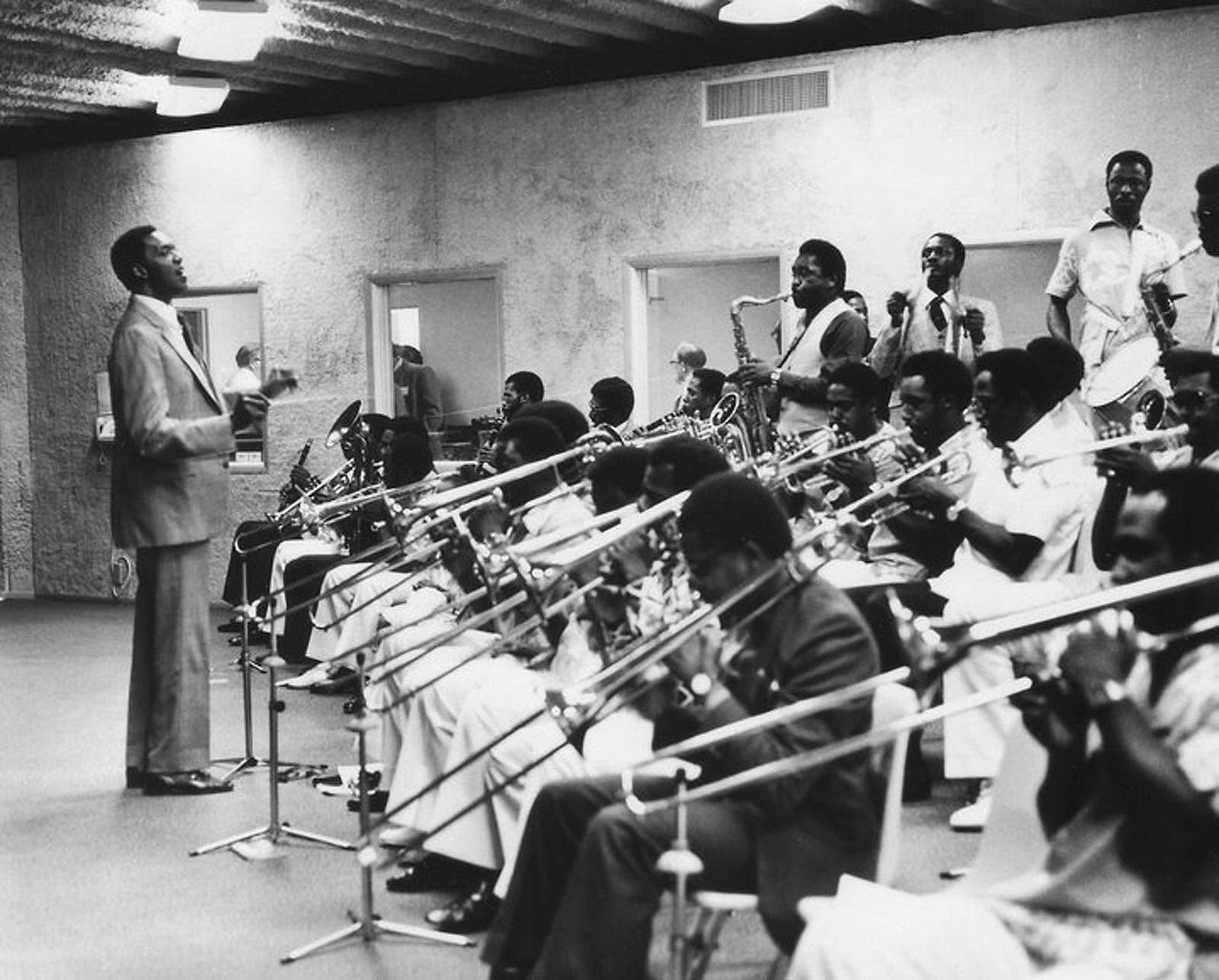 and honor Turks and Caicos men who helped establish and develop the institution in Grand Bahama.
According to the organizers, the Bahama Brass Band began in 1955 in Pine Ridge, Freeport, with Turks and Caicos Islanders, including the late Deacon Reuben Hall Sr. of Middle Caicos and Jenkins Williams and Mervin Hendfield of North Caicos, among those who helped build its foundation. The band eventually grew to more than 50 men.
The organizers also pointed to the participation of Turks and Caicos men in The Bahamas’ Independence celebrations on July 10, 1973, arguing that their contributions became part of Bahamian history while maintaining strong connections to their homeland.
Supporters say bringing the band home represents an opportunity to honor those pioneers, showcase their regional influence and expose younger generations to an important part of Turks and Caicos history.
However, concerns raised publicly described the invitation as potentially disrespectful to local culture and heritage. Organizers acknowledged those concerns, apologizing to anyone who felt overlooked or offended, while maintaining that no disrespect was intended.
The committee said the event should ultimately unite rather than divide, presenting the band’s history as evidence of the reach and resilience of Turks and Caicos heritage.
PHOTO CREDIT: Bahamas Brass Band
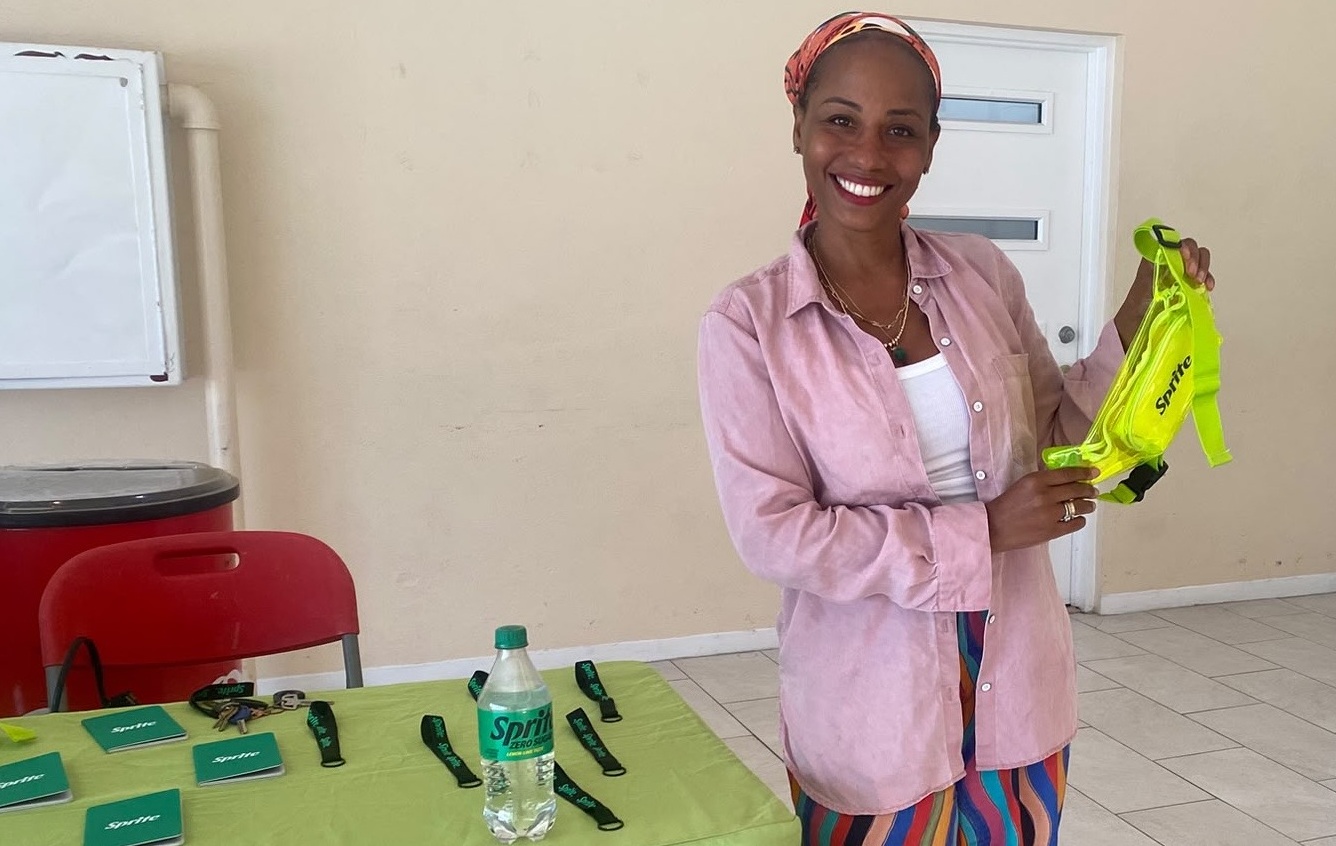
NASSAU, Bahamas — Caribbean Bottling Company (CBC), local producers of Dasani products, proudly sponsored the fifth annual, Caribbean Hoopfest.
The tournament brings together Bahamian high school basketball teams and visiting teams from the United States for a competitive showcase at the Kendal G. L. Isaacs Gymnasium. Following its inaugural year at the Kendal G. L. Isaacs gym and last year’s event at Loyola Hall, the tournament returned to the Kendal G. L. Isaacs gym this year.
During the weekend tournament, CBC kept athletes well hydrated with in-kind donations of Dasani Water, Powerade and Minute Maid Juices.
During the tournament’s final day, CBC provided additional support by offering Sprite No Sugar samples and inviting attendees to participate in its Spin the Wheel for a chance to win exciting prizes.
CBC was proud to support this incredible event, which provides young Bahamian athletes with valuable exposure to U.S. basketball scouts and coaches. This opportunity gives them the chance to earn scholarships, continue their education, and pursue their basketball careers in the United States.
Event organizer, Donald Francois shared his appreciation for CBC’s support.
“I want to express our sincere appreciation for Caribbean Bottling Company, who has been a tremendous supporter and an important part of the success of our program. Without CBC’s support, Caribbean Hoop Fest would not be able to function at the level it does today. And without Caribbean Hoop Fest, we would not have been able to provide the opportunities that have helped young Bahamian athletes gain exposure and pursue educational opportunities in the United States,” he expressed.
Since the program’s inception, several Bahamian student-athletes have been selected for scholarship opportunities, highlighting the tournament’s growing impact on the development and advancement of young basketball talent in The Bahamas.
They are: Kelvin McDowells – Guard, Wodson Antoine – Power Forward, Justin Lafleur – Guard and Sean John – Guard.
After another successful edition of the tournament, Francois shared what he hopes he and Caribbean Bottling Company can achieve in the future.
“Our vision is bigger than basketball. We want to use the platform of Caribbean Hoop Fest to educate, develop, and create opportunities for young people and their families throughout the Bahamas. With individuals and organizations committed to our mission, we believe we can continue to grow the program and make an even greater impact,” Francois said.
For more details on community support, events and new products visit Caribbean Bottling Company at www.cbcbahamas.com today.





-

 Education1 week ago
Department of Education Concludes Four-Day TCI National Standards Secondary School Curriculum Implementation Training
-

 Independent writer6 days ago
Fifty Years of Ministerial Government: Honouring Our Past, Embracing Our Present and Preparing for Our Destiny
-

 News1 week ago
UNDER 40 DAYS: COMMITTEE FORMED—BUT WHO IS ON IT?
-

 Health5 days ago
Know the Possible Warning Signs of Prostate Cancer
-

 News1 week ago
Invest TCI Brings Entrepreneurs and Bankers to the Table
-

 News3 days ago
Liberty Business launches in Turks and Caicos Islands
-
 Education3 days ago
TCI Schools Invited to Participate in 2026 National Student Council Election