
TCI News
Shocking: Customer robbed at gunpoint yards away from Police station


#Providenciales, February 22, 2019 – Turks and Caicos – Residents are concerned that a gunman showed no fear of the proximity of Police when he held up a customer of CIBCFirstCaribbean bank in Grace Bay, yesterday morning. The bank, located at the Salt Mills Plaza is surrounded by busy foot and vehicle traffic and sits next door to the Police station in the tourism district.
A Police bulletin asked for public assistance in finding the man, described as wearing a long-sleeved blue buttoned-down shirt and dark coloured pants. The suspect is of slim build and stands at about 5ft 8in tall. The armed man not only stole an “undisclosed amount of cash” but a gold champagne coloured Nissan Sunny.

The car was found about two hours later, (11:19 a.m.) abandoned in the area of the Market Place in the Bight.
“As the Police continues their investigation into this matter, they are appealing to members of the public who may have been in the vicinity of the Salt Mills Plaza and the Market Place, located in the Bight…” to contact the Chalk Sound police station at 338-5901 or 941-8082 or anonymously at Crime Stoppers, 1-800-8477.
There is an extensive network of CCTV cameras in the Grace Bay area, and Magnetic Media understands that Police are indeed reviewing security surveillance video to assist in finding the culprit.
The armed robbery occurred at 9:45 a.m. Thursday morning.
#magneticmedianews
#robberyingracebay

Deandrea Hamilton | Editor
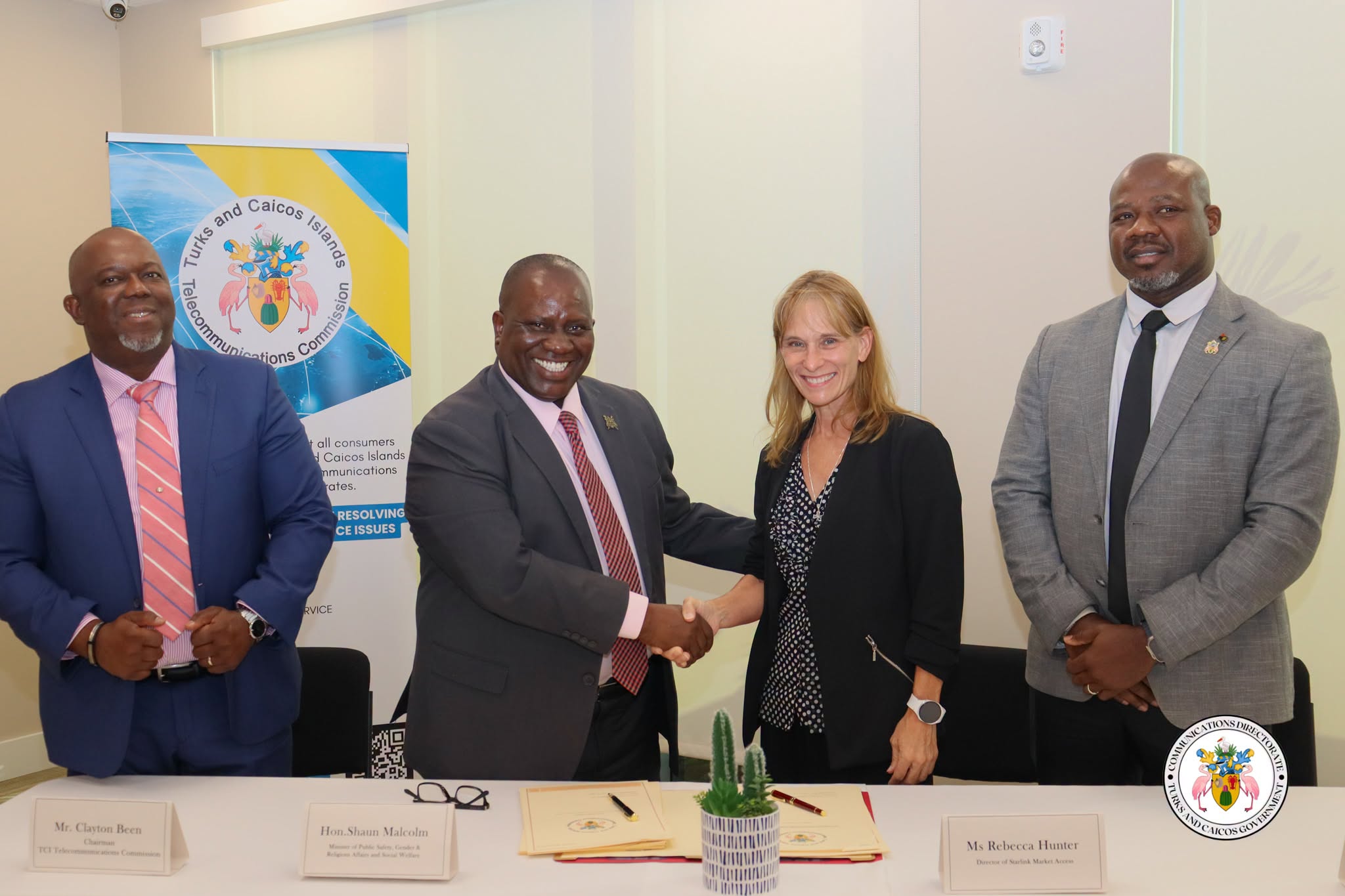
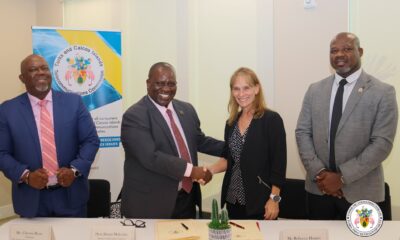
PROVIDENCIALES, TURKS AND CAICOS ISLANDS — The Turks and Caicos Islands Government is embracing satellite technology while reaffirming that neither Flow and Digicel nor plans for national fibre-optic infrastructure will be abandoned as the country enters a new era of telecommunications.
The position was underscored during the August 27 licensing of Starlink Caribbean LLC, completing a process that Kenva Williams, Director General of the TCI Telecommunications Commission, said took two years.
Minister responsible for Telecommunications Shaun Malcolm stressed that Starlink is intended to complement the telecommunications infrastructure already built across the islands, with Government remaining committed to supporting existing providers as technology evolves.
That commitment was echoed emphatically by Williams, who acknowledged concerns among the country’s established telecommunications companies about the arrival of the global satellite provider.
“The stakeholders are concerned, of course — Flow and Digicel — but I would say, as a regulator, you’re not going to fail, not on our watch. We’re going to ensure that policies are in place to keep the terrestrial services alive,” Williams said.
He explained that the established providers remain essential because of the infrastructure and mobile networks they operate.
“They are the ones who have infrastructure. They are the ones who provide the mobile services. We have to implement policies to ensure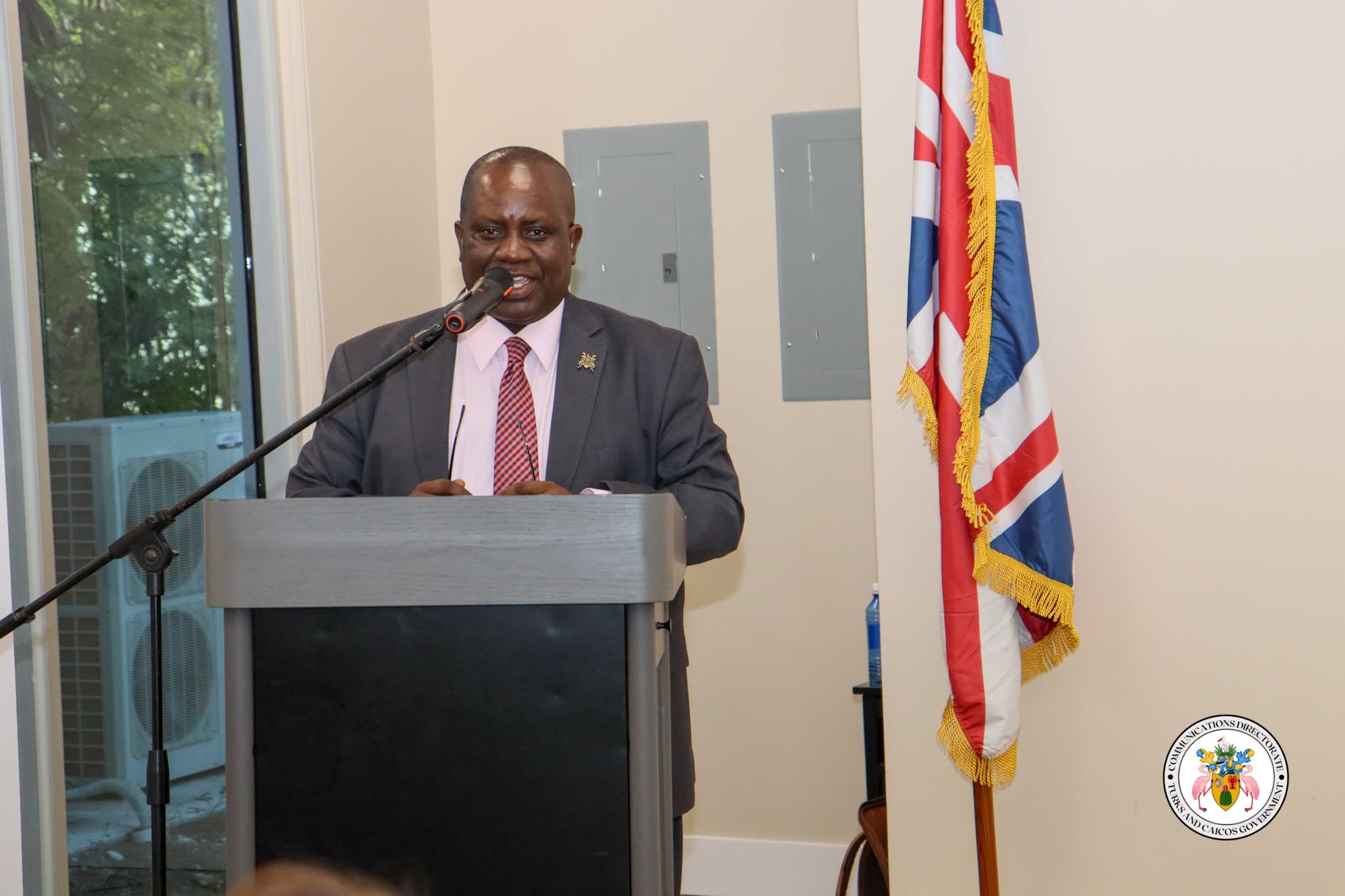 that they are well and alive while Starlink is here.”
Starlink’s entry was also strongly supported by consumers. Williams revealed that during consultation, 80 per cent of respondents indicated they wanted the satellite internet service.
The Commission nevertheless spent two years establishing an appropriate regulatory framework, consulting existing operators and stakeholders and addressing licensing, spectrum and competitive concerns before approving Starlink.
Government is also maintaining its longer-term ambition of a national fibre network, despite the considerable expense involved. Williams used the licensing ceremony to publicly urge Government to continue pursuing the project.
“Please do not lose the dream of the national fibre. That is needed. It is a must,” he said, with Malcolm reaffirming Government’s commitment to the development.
The approach positions satellite, terrestrial and fibre technologies as complementary pieces of TCI’s future telecommunications network rather than competitors from which only one can survive.
Starlink offers an immediate advantage for the country’s geography, particularly sparsely populated islands where laying extensive terrestrial infrastructure can be difficult and expensive. TCI now joins more than 20 Caribbean countries and territories where Starlink is available, expanding broadband options for homes and businesses.
The service also provides another layer of communications resilience during hurricanes and other emergencies when conventional infrastructure may be damaged or inaccessible.
Starlink will operate independently from Flow and Digicel for its regular satellite internet service, although future Direct to Cellular services will involve partnerships with the two mobile providers, according to Williams.
One significant difference will remain between the new entrant and TCI’s established telecommunications companies: Starlink will not maintain a physical office in the Turks and Caicos Islands. Williams confirmed that its operations and customer interactions will instead be conducted online.
Ask a young person what they would change about their community and the answer can be surprisingly revealing. They notice the places that feel safe and those that do not. They know where they can gather play or socialise, and where opportunities are lacking. They see the consequences of decisions made by adults, even when they may not yet understand the policies and systems behind them.
That perspective matters. The communities being planned and developed today are the places in which today’s children and teenagers will eventually build careers, raise families and make decisions of their own. Giving them an early understanding of how communities develop, why rules governing land and development exist, and how individual choices affect the wider society helps prepare them to participate thoughtfully in that future.
There is also value in giving young people a voice in the present. Youth engagement creates opportunities for them to ask questions, challenge assumptions and consider problems from perspectives that may differ from those of policymakers and professionals. Just as importantly, it encourages a sense of ownership. A young person who understands why responsible development matters is better placed to appreciate the connection between the choices made today and the kind of community they will inherit tomorrow.
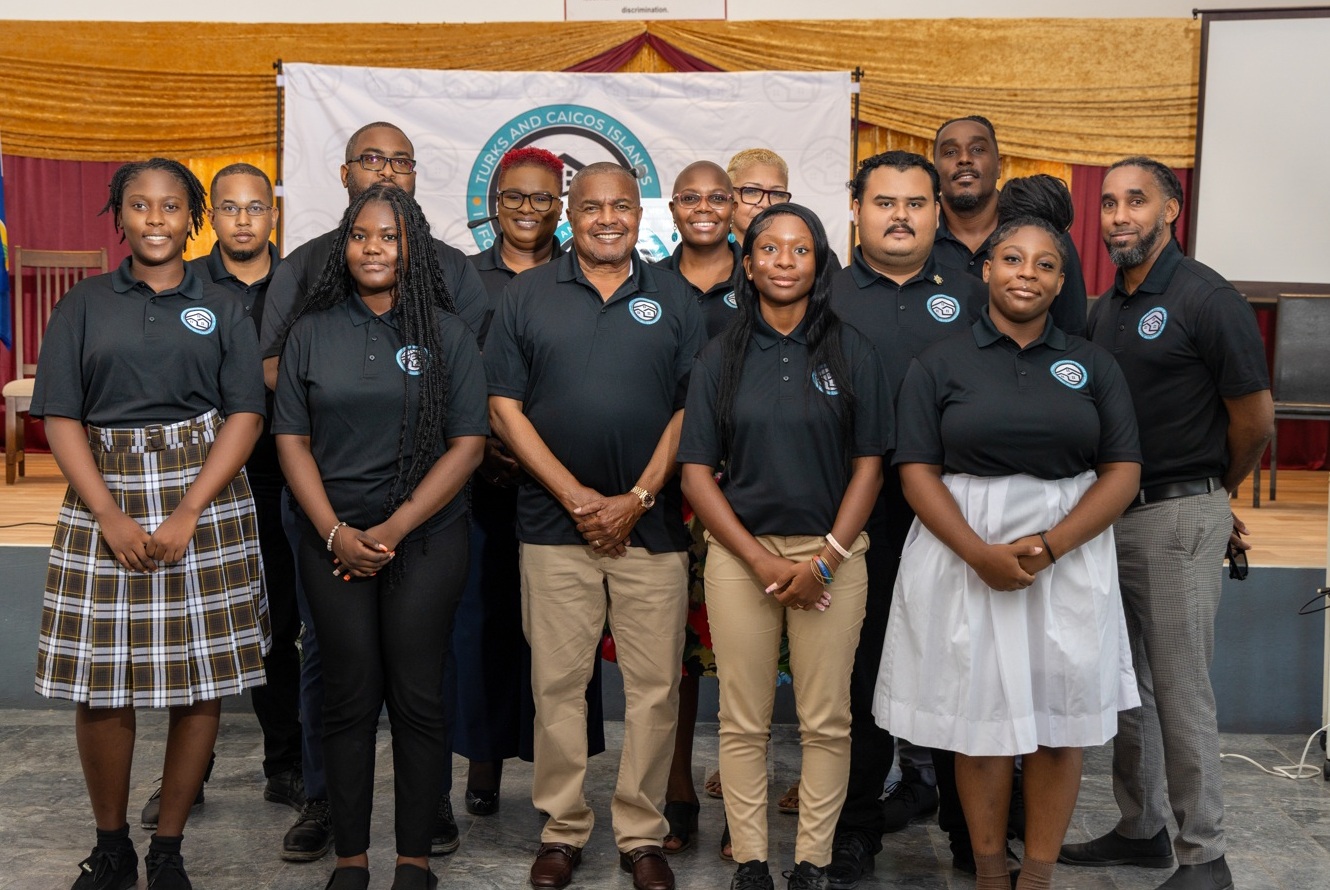
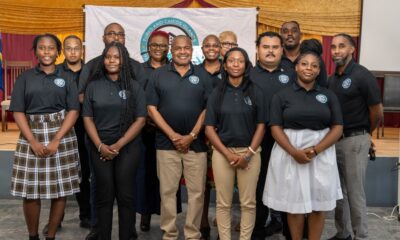
This thinking is at the heart of the Informal Settlements Unit’s Youth Outreach Programme. Through engagement with young people across the Turks and Caicos Islands, the programme introduces students to issues surrounding informal settlements, sustainable development and community responsibility in ways designed to encourage curiosity and participation. It also provides opportunities for young people to bring their own ideas and creativity to the conversation.
The next instalment of the Youth Outreach Programme will continue that work during the coming school year, with school visits and exciting competitions aimed at engaging students across different age groups and giving them opportunities to learn, participate and express their ideas. The ISU will be collaborating with the Ministry of Education on the National Primary Schools Spelling Bee as well as a National Secondary Schools Debate Competition, both in May of 2027.
The return on this sort of investment may not be immediate. Attitudes towards community, responsibility and citizenship develop over time, shaped by what young people see, what they are taught and the opportunities they are given to participate. If we want tomorrow’s communities to be thoughtfully planned, responsibly developed and cared for by the people who live in them, there is good reason to begin that conversation with the generation that will inherit them.
by Deandrea Hamilton | Editor
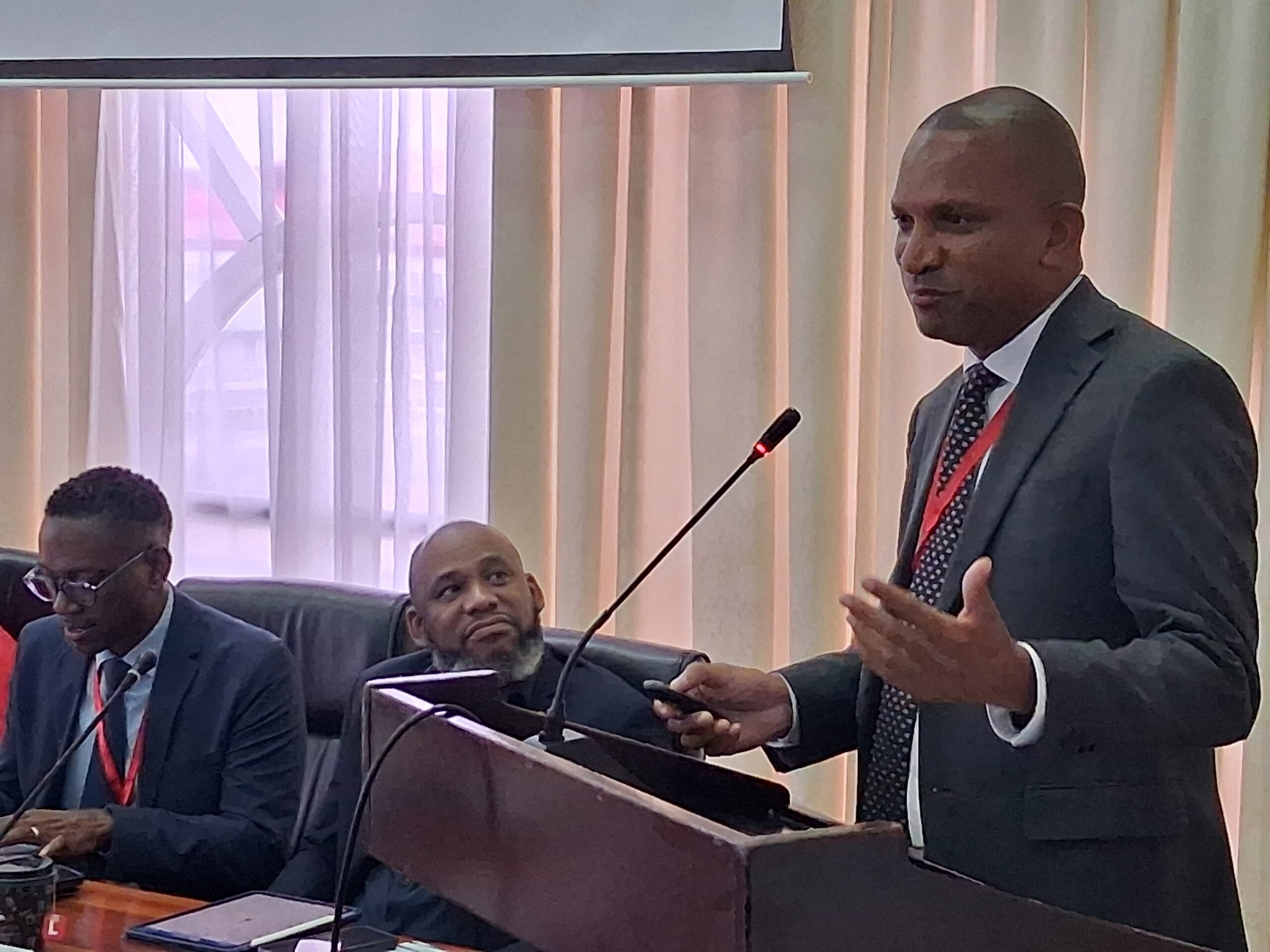
PROVIDENCIALES, TCI — In a country where government press conferences are virtually non-existent, ministers are often difficult for journalists to access and regular broadcast television news has disappeared, TCI Innovation, Technology and Energy Minister E. Jay Saunders has challenged Caribbean media to become “impossible to ignore.”
Speaking at the Caribbean Broadcasting Union gathering, Saunders argued that the Caribbean does not have a relevance problem but a “discoverability and positioning problem.”
Discoverability is precisely the issue in Saunders’ home country. Even Government’s own attempts at video news broadcasting have struggled against the realities of consistently producing a daily, weekly or even monthly newscast.
The difficulties confronting TCI media extend well beyond algorithms: limited advertising revenue, underfunding, shortages of trained professionals and insufficient human capacity leave newsrooms struggling for both staff and stamina.
Then there is the reality of operating in one of the region’s smallest societies. Politicians, journalists, advertisers, businesses and the subjects of stories often exist within the same tight economic and social circles. A controversial report that might create a ripple elsewhere can produce a tsunami in TCI, intensifying concerns among journalists about commercial and professional victimisation.
Saunders believes AI can help.
He urged Caribbean media to use the technology to transform one original story into television, radio, web, podcast, social and translated content without multiplying newsroom workload.
He also wants regional journalism structured so AI systems can find, understand and trust Caribbean sources, moving media beyond traditional SEO into Answer Engine Optimisation.
His ultimate message was emphatic: “Use AI not to make Caribbean media more artificial — but to make Caribbean voices more visible.”
For Turks and Caicos media, however, becoming visible may require more than technology. It requires an environment in which journalism can survive.
That last sentence is where I think we land the plane. It acknowledges that EJ actually has some us





-

 News1 week ago
Saunders Tells Caribbean Media: Be Seen, Be Heard – But What About TCI
-

 Bahamas News6 days ago
Royal Bahamas Police Force – ARRAIGNMENT NOTICE
-

 Health4 days ago
Is It Bad To Sleep in a Bra?
-
 News17 hours ago
Government Restates Commitment to TCI’s Telecommunications Evolution
-
 News1 day ago
Tomorrow’s Communities Start with Today’s Young Leaders: Why Youth Engagement Matters