
News
PNP Leader press conference a mix of history, praise, warnings and demands for correction of Taylor Bay Beach debacle

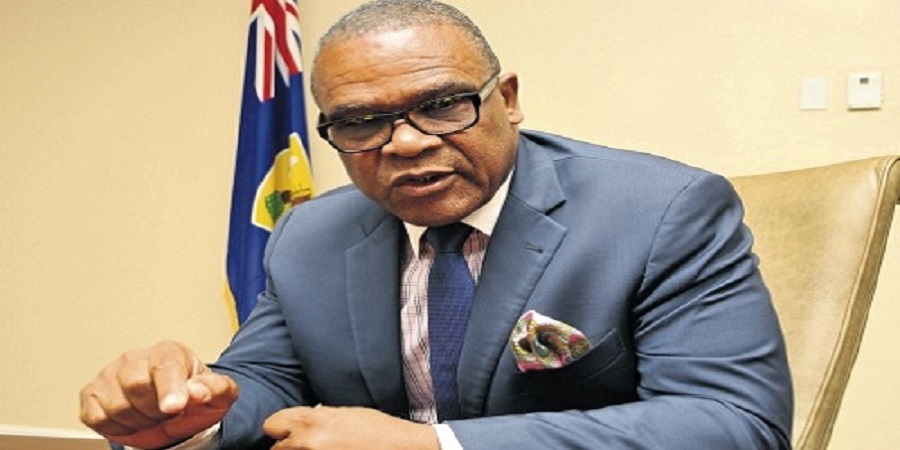
#TurksandCaicos, January 6, 2018 – Providenciales – Bundles of misinformation in the media is what brought the Leader of the Opposition, PNP out in a press conference following the confrontational situation on New Year’s Day between locals wanting to enjoy Taylor Bay Beach, and a man who claims he owns the property and charged the group with trespassing.
Comments have focused on the Taylor Bay Beach blockade which locks out locals and visitors as an old one, started nearly a quarter of a century ago when the now Opposition Leader was the then country leader; Washington Misick in his press conference on Wednesday says it is time to move past the past.
“Don’t yield to the past. We are at a different time in history, a different date and we can look forward or move backward.”
Hon Misick considers the back and forth on the hot button issue and focus on the origin of the dilemma to be a waste of time. Still the former Chief gave a backward glance…

“For persons back then who were yearning for something better than what was available at the time, they saw it as an opportunity to move the islands forward and so whether we blame them or not, that is the reality. In the early or mid 1980s, a couple of hundred acres of land was given on a conditional purchase lease to a group of Canadians which encompassed what you now see as Chalk Sound and it started from the South Dock area at the hill just above the port past Sapodilla Bay and Taylor Bay where I think on the corner there where Mosey lives– it kind of stopped there and included southland to the left.”
Misick said the land was subdivided and sold and confirmed that at the time, because there was no demand for access, no access was factored in.
When it comes to the questions about how the land, including the land allotted to the Crown also became sold off with no public beach access designated, Misick again took reporters down history road and explained that in a trade for land needed for community roadways in the Bight area, a company – comprised of Belongers and Expatriots – was given the Crown land in Taylor Bay.
 “In the end, what happened is that Taylor Bay – that land – was then sold on to Dick Clark, then from Dick Clark to Michael Ashcroft. The issue of access apparently was never ever actually completely settled and so we end up with a mess today.”
The former Finance Minister said also that the messy matter was one that the former PNP Administration tried to resolve, but there was no resolution and never any news of their attempt to set things right. Current Leader of Opposition business Misick shared that the process of trying to rectify the public access issue at Taylor Bay started some 18-months ago when Rufus Ewing was the premier.
Authentic leadership is how Washington Misick described his stance on the matter of a beach party styled protest, complete with DJ Music arranged by his younger brother and former PNP Leader and ex-Premier, Michael Misick. The elder Misick, during his Wednesday press conference held at Prestigious Properties explained that he may take some heat from within his own Progressive National Party for the position which discourages illegal behavior.
“We must always come down on the side of the law and there is a legal and proper way to fix this problem. I admire the courage of the young man on the beach who took the pictures. I admire him for standing up and confronting bigotry. There is no place for bigotry in this country and we should not tolerate it. On the other hand, we have a right as self respecting people to make sure that whatever we do, we do it within the confines of the law. We also ought to petition the authorities to make sure that the effort that was made by the PNP to have the legislation changed, to make it clear what should happen at places like Taylor Bay, that that should happen quickly.”
Misick used the press conference to outline that it was a decision under his leadership in the early 1990s which caused there to be more equity in the distribution of land in Chalk Sound, which is considered an elite residential area of Providenciales.

“It was yours truly, who took the land, thwarted the arranged and made sure the land was ten subdivided and given to Belongers. That is the truth, that is documented… if it wasn’t for that action, there would not be a black man living in Chalk Sound today…”
Although many, including the PDM Chairman, Doug Parnell say the PNP created the mess and should have fixed it in their time; Washington Misick said the PDM government is now empowered by the voters to make the change in the law as they now occupy the leadership seat.
A media statement detailing the history of this land debacle was promised by the Leader of the Opposition and was issued on Friday.

By Magnetic Media Newsroom
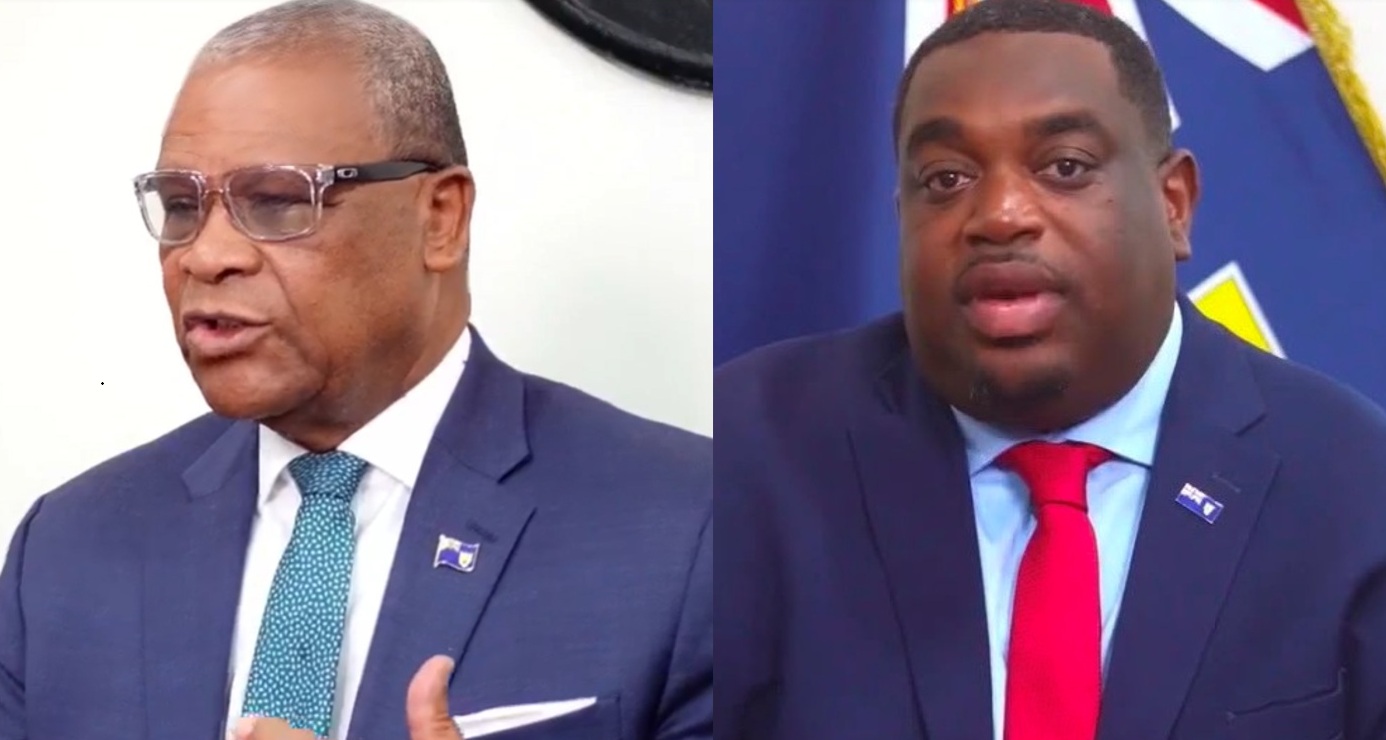
PROVIDENCIALES, Turks and Caicos Islands — The Turks and Caicos Islands Government says the breakdown of its relationship with InterHealth Canada presents an opportunity to reshape healthcare delivery, with plans to expand local medical services, strengthen primary care and reduce dependence on overseas treatment.
During a national briefing following InterHealth Canada’s notice terminating its hospital contract, Premier Charles Washington Misick acknowledged publicly for the first time that Government and InterHealth had been negotiating an exit from the arrangement for more than a year after what he described as an “irretrievably broken down” relationship.
Despite the contractual dispute, Misick and Health Minister Kyle Knowles stressed that healthcare services will continue uninterrupted during the transition.
“Allow us to do our job,” Knowles appealed, assuring residents that Government is actively managing the transition and safeguarding patient care.
The Premier outlined what amounts to a broader healthcare transformation built around four connected levels of care: strengthened community-based primary healthcare; expanded polyclinic services; enhanced hospital-based secondary care with greater specialist capacity; and overseas tertiary treatment only for cases that cannot be managed locally.
Among the proposals are the long-discussed establishment of intensive care units, expanded use of currently unfinished hospital space, recruitment of more resident specialist physicians and stronger contract management to oversee future healthcare agreements.
Knowles said the new polyclinic model will broaden services available outside the hospitals, including dentistry, ophthalmology, laboratory services, diagnostic imaging, gynaecology and preventative screening, helping to reduce pressure on emergency departments while improving early intervention.
Misick also acknowledged that while the hospital system significantly improved healthcare access after opening in 2010, Government believes further reform is necessary to improve affordability, sustainability and the range of services available within the Turks and Caicos Islands.
The briefing marked the Government’s most comprehensive explanation to date of its plans beyond the InterHealth contract, signalling that officials now see the transition as an opportunity to redesign healthcare delivery rather than simply replace one operator with another.
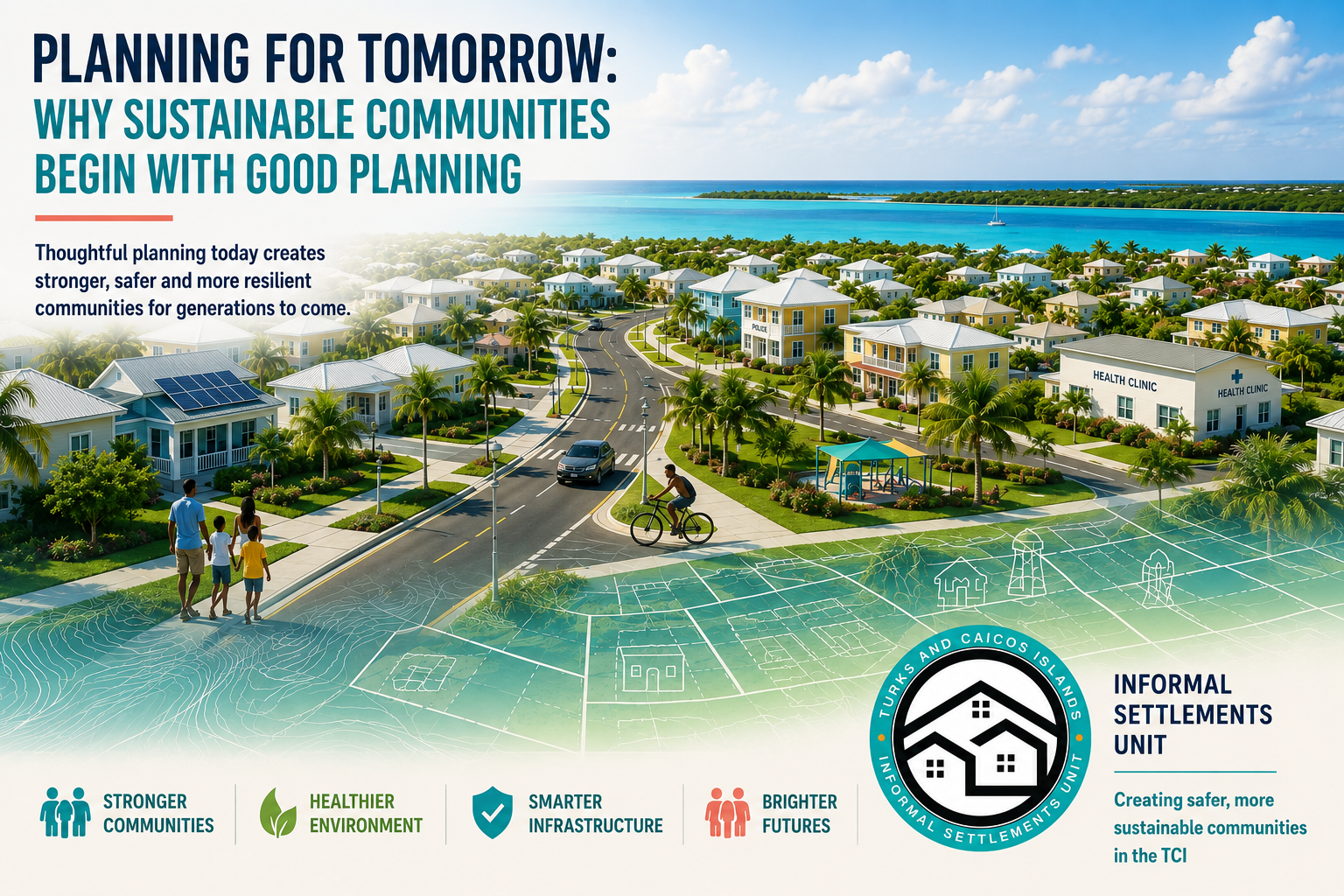
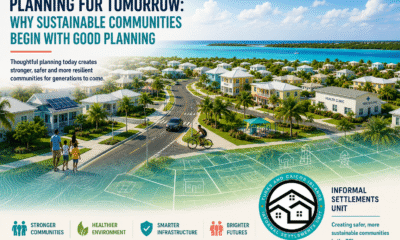
Turks and Caicos – Every thriving community tells a story long before the first home is built. The placement of roads, the routing of utilities, the protection of natural resources and the provision of schools, healthcare and emergency services are all the result of decisions made through careful planning. While these elements are often taken for granted, they form the foundation of safe, functional and sustainable communities.
As populations grow and communities evolve, planning becomes increasingly important. It helps ensure that development takes place in locations that can support it, that infrastructure keeps pace with demand, and that public services remain accessible to those who depend on them. Good planning also considers the future, creating communities that can adapt to changing needs while preserving the quality of life enjoyed by current and future generations.
Where development occurs without adequate planning, however, the effects can be felt far beyond the boundaries of a single neighbourhood. Roads may be unable to accommodate emergency vehicles, utilities can become overstretched, and environmental resources may come under increasing pressure. Delivering public services in these circumstances often becomes more difficult and more costly, creating challenges that affect entire communities rather than individual properties alone.
For this reason, sustainable development can only emanate from careful planning. It must be ensured that homes, infrastructure and essential services develop together in a coordinated and responsible way. Every planning decision contributes to the broader picture of how communities function, grow and respond to future demands.
Supporting that process requires reliable information. Accurate data helps planners and policymakers understand where growth is occurring, identify emerging needs and make informed decisions about infrastructure, housing and public services. It also strengthens collaboration among government agencies by providing a shared understanding of the challenges and opportunities facing communities.
Within the Turks and Caicos Islands, this collaborative approach is reflected in the work of the Informal Settlements Unit (ISU), which supports a range of initiatives aimed at improving the understanding of informal settlement development. Through activities such as GIS mapping, the Social Needs Assessment Survey and collaboration with partner agencies, the ISU contributes valuable information that helps support evidence-based planning and long-term decision-making.
Strong communities are not built overnight. They are shaped through thoughtful planning, informed decisions and cooperation across government and the wider community. As the Turks and Caicos Islands population continues to grow, maintaining that focus will be essential to creating communities that are safe, resilient and equipped to meet the needs of generations to come.
What the Attorney General must do now to protect Bahamian exports
Deandrea Hamilton | Editor
NASSAU, Bahamas — The United States’ decision to impose a 12.5 percent tariff on Bahamian exports is about more than higher costs for seafood, rum and other goods entering the American market. It is a warning that The Bahamas must move quickly to strengthen or clarify its legal framework governing forced labour and supply-chain enforcement.
The tariff, which takes effect July 24, is part of a sweeping U.S. trade action affecting 60 economies following a review by the Office of the U.S. Trade Representative (USTR). The review concluded that the listed countries have not adequately prohibited or enforced measures against goods linked to forced labour in global supply chains.
The action follows a recent U.S. Supreme Court ruling that invalidated an earlier series of Trump-era tariffs imposed under emergency powers. In response, the Trump administration shifted to a different legal authority—Section 301 of the Trade Act of 1974—using findings from a U.S. Trade Representative investigation into forced-labour compliance to support a new round of tariffs affecting 60 economies, including The Bahamas.
Importantly, the action does not accuse Bahamian businesses of using forced labour. Instead, it reflects the U.S. view that The Bahamas’ legal or enforcement framework does not yet meet the standard Washington expects.
That distinction matters.
The Attorney General’s Office now has the responsibility to lead the country’s legal response. That begins with determining precisely what concerns the U.S. Trade Representative identified, reviewing whether Bahamian law adequately addresses those concerns and, where necessary, recommending legislative or regulatory changes. If deficiencies exist, legal amendments and stronger enforcement could help position The Bahamas for removal from the tariff list.
The government may also seek formal discussions with U.S. officials while those reforms are undertaken, outlining a clear timetable for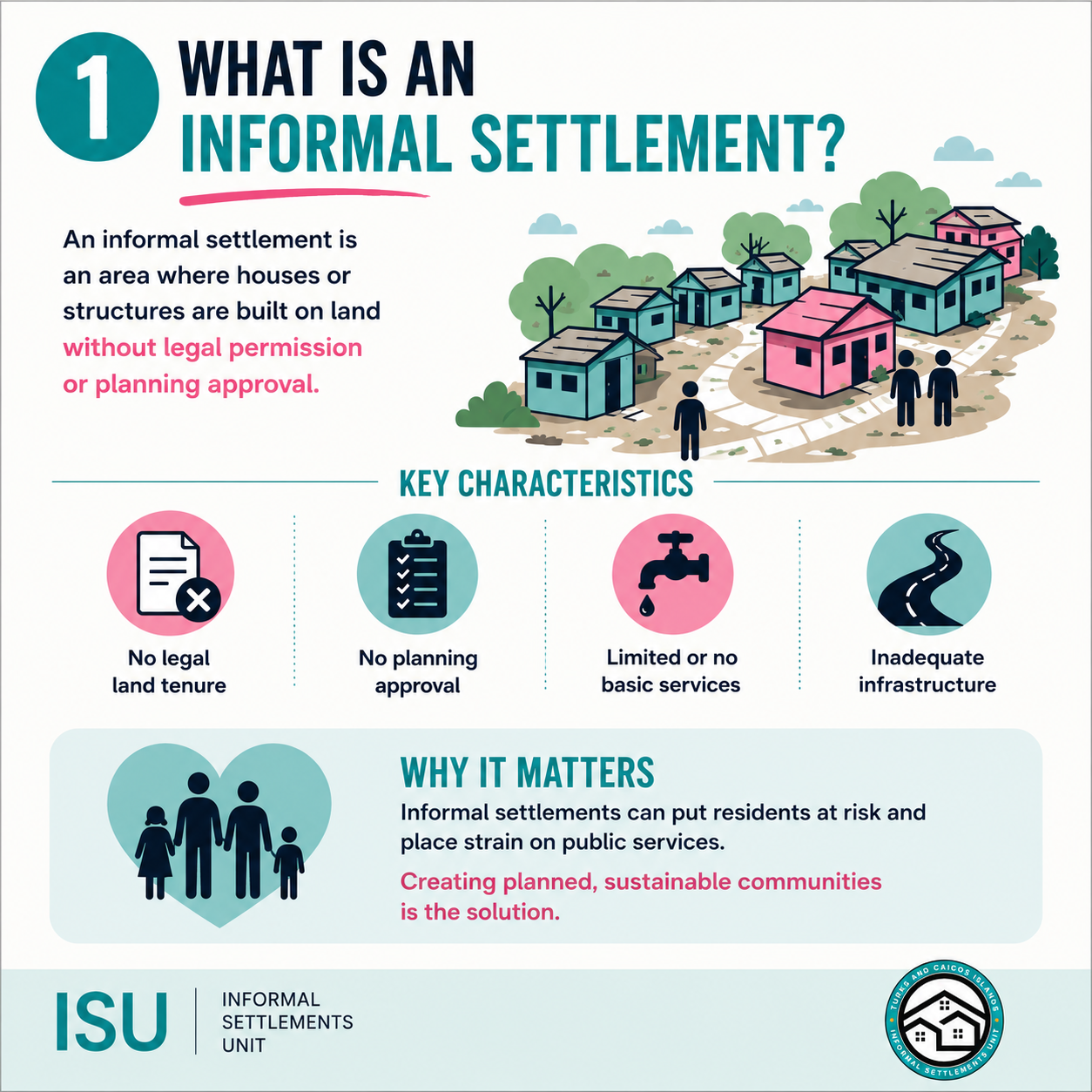 compliance and demonstrating that the country is committed to meeting international labour standards.
A Nassau Guardian front-page report on July 24 drew attention to the tariff action, prompting broader questions about why The Bahamas was included among the 60 economies affected by the U.S. trade measure and what steps are now needed to restore full confidence in the country’s trade framework.
For many Bahamians, the immediate concern will be the fisheries sector, one of the country’s largest export industries. Commercial shipments of lobster, conch, fish, crawfish and other products entering the United States could become more expensive because of the additional tariff, potentially affecting exporters’ competitiveness.
The broader lesson is that international trade increasingly depends not only on quality products, but also on strong business relationships and confidence in the legal systems that govern them.
For The Bahamas, this is less a finding of wrongdoing than a reminder that international credibility is earned through modern laws, effective enforcement and trusted partnerships. The challenge now is for the Attorney General’s Office to lead a swift legal review, identify any deficiencies and chart a clear path toward compliance so Bahamian exporters are not burdened any longer than necessary.





-

 Education4 days ago
Turks and Caicos Islands Students Excel at Cycle 13 WizdomCRM Regional AI Game National Awards Ceremony
-
 News1 week ago
Six Unauthorised Structures Demolished During Multi-Agency Planning Enforcement Operation
-
 Caribbean News5 days ago
Pres Ali declares three days of national mourning following MV Barima tragedy July 21, 2026
-
 News5 days ago
ANDY BURNHAM, NEW UK PM’S FIRST ORDER: LOWER THE COST OF LIVING
-
 Government4 days ago
Parnell Urges Premier to Step Aside, Proposes Bipartisan Board to Guide Healthcare Transition
-
 Government3 days ago
Government Outlines New Healthcare Vision as Interhealth Exit Accelerates Reform
-
 News3 days ago
Planning for Tomorrow: Why Sustainable Communities Begin with Good Planning
-
 Bahamas News3 days ago
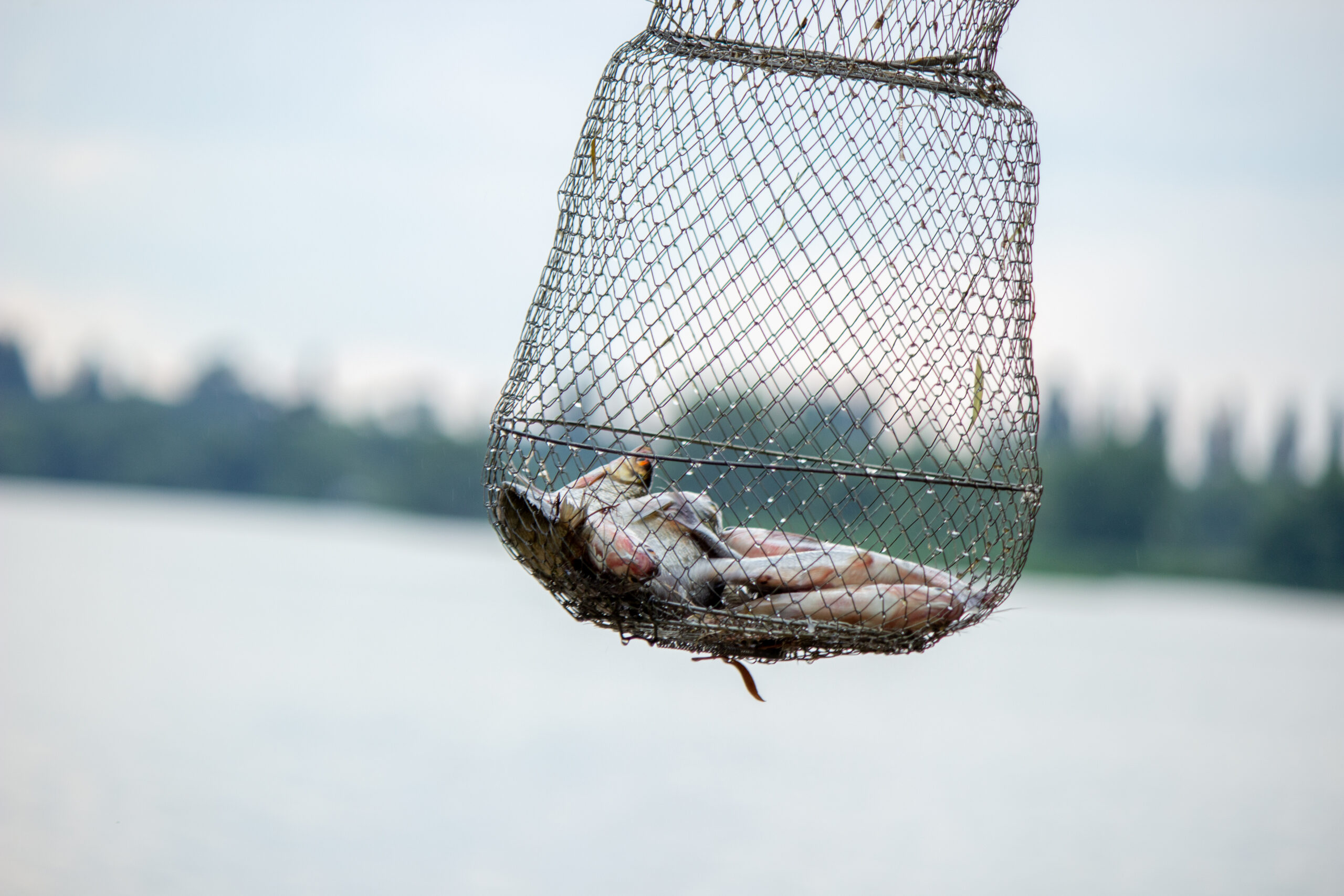
Caught in the Net, Not Accused of Wrongdoing