
Health
PUBLIC SERVICE TIMES SPOTLIGHT: Ms. Florinda Talbot Receives Master of Arts in Nursing


Turks and Caicos, April 4, 2025 – Ms. Florinda Talbot, originally from the green island of North Caicos, began her career in 1991 as a temporary teacher at Adelaide Oemler Primary School. Her dedication to education earned her a TCIG scholarship to pursue a Teaching Diploma at Mico Teachers’ College. After her studies, she taught at Eliza Simons for one year and at Enid Capron Primary School for ten years.
Following her teaching career, Ms. Talbot ventured into banking and then went on to become one of the first employees of the National Health Insurance Plan, where her passion for healthcare deepened. In 2010, she crafted a personal development plan that guided her to achieve a Bachelor’s Degree with Honors in Health and Social Care and an MBA in Hospital Management from the University of Bedfordshire. Upon returning home, she took on the role of Deputy Contract Performance Manager at the Ministry of Health and Human Services, advancing to Contract Performance Manager in April 2018. In this position, she oversees the Project Agreement with InterHealth Canada for hospital operations. Driven to further her education, Ms. Talbot left the Turks and Caicos Islands to pursue a second Master’s degree in Nursing, supported by financial assistance from the Professional Development Fund through the Deputy Governor’s Office. She has since returned to her role as Contract Performance Manager and spoke with The Public Service Times about her journey and the motivations behind it.
What inspired you to pursue a Master of Arts in Nursing, particularly focusing on adult care?
I recalled since I was a child I wanted to become a Nurse as it gives me fulfilment when caring for others. I believe that adults, particularly the elderly, deserve optimal care as many have paved the way for us to enjoy and benefit from a better way of life. As a Nurse, I am confident that I can make a positive difference in the lives of individuals who need care. Furthermore, this area also provides a high degree of career flexibility and various employment prospects. As an adult nurse, I further developed the skills and confidence to bring comfort, improve the patient’s quality of life, whatever their situation, promote health and save lives.
What aspects of the Master of Arts in Nursing program were most challenging for you, and how did you tackle those challenges as a full-time student?
The most challenging aspect of the Master of Arts in Nursing Program was obtaining the Nursing and Midwifery Council, which required 4600 hours, including theory and practical. Meeting project deadlines was also a challenge. However, I learnt from my previous studies the importance of prioritizing and planning tasks, which assisted me greatly with maintaining a healthy balance.
How did your academic journey enhance your understanding and effectiveness in your role within the Ministry of Health?
My academic journey in the Masters in Adult Nursing Program has strengthened my clinical competence and enabled me to make valuable clinical contributions to the Ministry of Health as a Registered Nurse. In particular, I will be monitoring and assessing the quality of clinical and non-clinical services being provided to patients.
What key takeaways or insights from your program that you plan to apply in your current position?
Some key takeaways or insights from my program that I plan to apply in my current position are encouraging and highlighting the importance of engaging patients in their care, moving away from the medical model of care, and making it more patient-centred. Additionally, I will continue to support our Primary Health Care sector as it continues to provide treatment for common illnesses, closer management of long-term illnesses such as diabetes, asthma, and heart disease and the prevention of future ill health through advice, immunization and screening programmes. This will, in turn, minimise the demand on the secondary level of care.
Can you share a memorable moment or project during your studies that significantly shaped your professional perspective? A memorable moment during my studies was during my hospital placement in Theatres, where I was given the opportunity to lead the surgical team for the day. This role included leading the team with the safer surgery checklist. This includes briefing, sign-in, timeout, sign-out, debriefing and managing the surgical staff breaks during the procedures. This opportunity strengthened my leadership and time management skills, significantly contributing to my professional development. What motivated you to succeed in your studies, and how did that impact your overall program experience?
My strong desire to help others, combined with a passion for healthcare and the ability to make a positive impact on patient’s lives when they are in their most vulnerable state. The patient’s smile, the daily acts of kindness and gratitude verbally expressed by my nursing colleagues, and the appreciation shown to me as part of the team have been some of the most motivating aspects of the program.
How do you envision using your Master’s degree to impact healthcare delivery and contract performance in your role at the Ministry of Health?
I anticipate using the additional knowledge and skills acquired to work with the Ministry of Health inter-professional teams to review and develop evidence-based policies and procedures, further enhancing patient care. Additionally, I intend to utilise the technical aspect of my experience and knowledge acquired relating to clinical governance and auditing, applying it to aspects of monitoring and managing the delivery of the healthcare contract.

Bahamas News
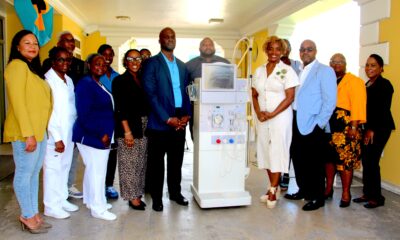
Public Hospitals Authority Foundation Donates Dialysis Machines to Princess Margaret Hospital (PMH)
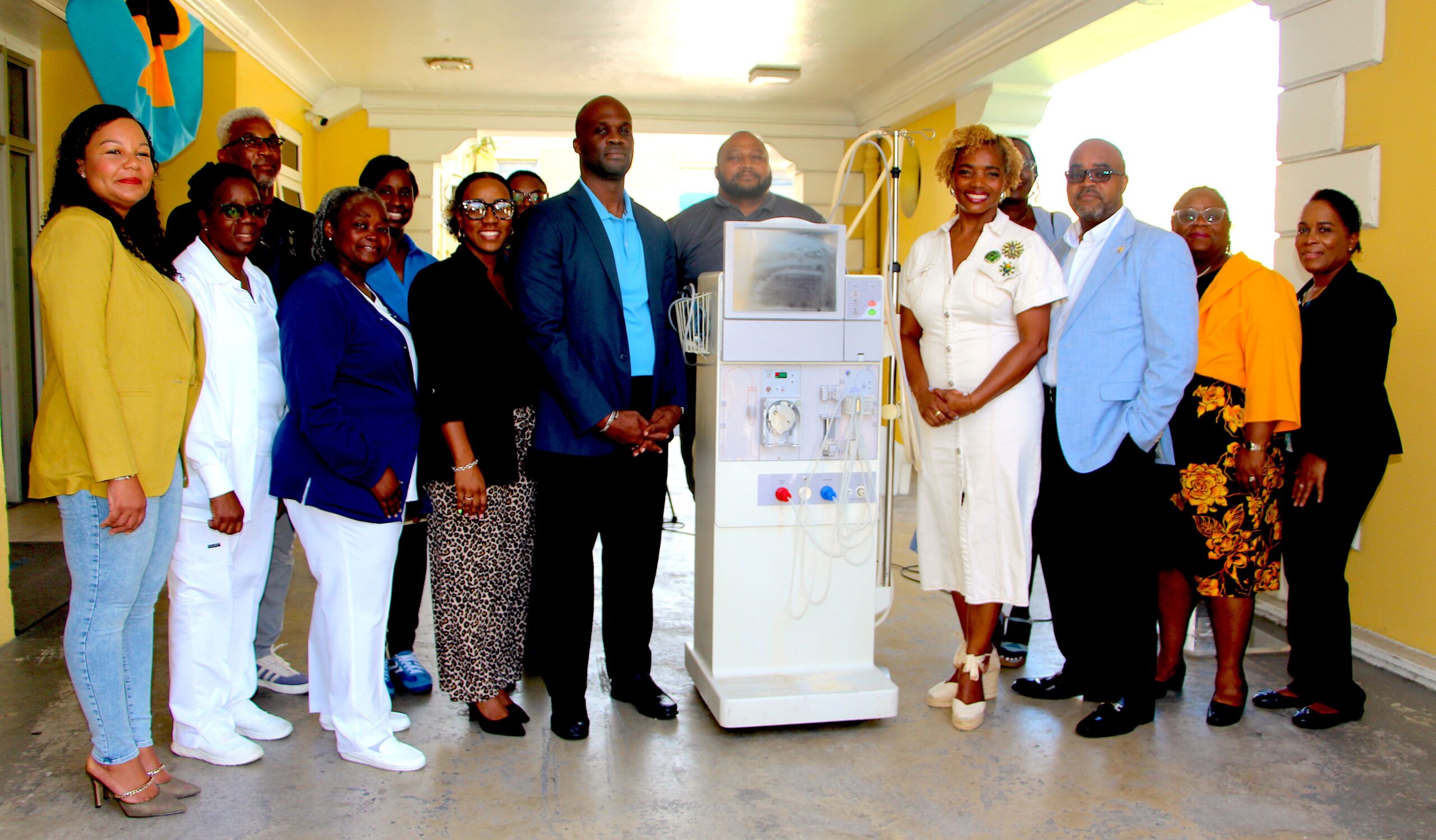
The Bahamas, September 21, 2026 – The Public Hospitals Authority (PHA) Foundation, a philanthropic organization launched in January 2024 to support public hospitals and healthcare clinics, donated eight additional dialysis machines for the PMH Renal Services unit.
Director of Foundations, Corporate and Community Relations for the Public Hospitals Authority and Executive Director of the foundation, Alana Major, said this initiative is a part of the foundation’s “Sun, Sea and Second Chances” campaign. PHA Foundation aims to secure 30 machines for Princess Margaret Hospital.
“As of today, with this donation, we are now up to 15 machines, so we are very excited about that,” Ms. Major said.
Other members of the foundation were present, including PHA Foundation Chairman Mr. Selvin Basden, who said the foundation is committed to doing its part in fulfilling the mandate of the Government of the Bahamas.
“One of the tenets of the Government is to ensure that access to healthcare is a human right. We are committed to ensuring that, at least from our part, we can deliver on that principle,” Mr. Basden said.
The PMH Renal Services Unit dialyzes about 150 to 170 patients annually. The unit provides care for patients who have been diagnosed with end-stage kidney disease and now need renal support. Patients who receive dialysis typically come to the unit three times a week, either on a Monday-Wednesday-Friday schedule or a Tuesday-Thursday-Saturday schedule.
Head of Department for Renal Services, Dr. Thurston Carroll, said she and the unit are excited to receive the donation, as it will replace machines that are not operating optimally.
“We are particularly excited about today’s donation because, although we have 20 stations within the dialysis unit, we have an aging fleet. These new machines and new water-treatment equipment will allow us to replace some of our aging equipment so that we can continue providing services to our patients.”
Foundation representatives noted that one or two organizations are already considering making bulk donations and if it happens, the foundation may be able to secure another 10 machines or another five machines in the very near future.
PMH Deputy Hospital Administrator Angelica Lockhart-Bastian and Hospital Administrator Mr. Tevard Bastian thanked the PHA Foundation for its donation to Princess Margaret Hospital.
Also in attendance were PHA Foundation Deputy Chairman Dr. Erecia Hepburn; Foundation guest Dr. Maria Oriakhi; Chief Biomedical Engineer Mr. Theodore Nottage; Administrative Officer Ms. Appapisa Neely; and Senior Assistant Hospital Administrator Mr. Valdez Bowe.
By Christina Williams
Bahamas Information Services
BIS Photos/Mark Ford
PHOTO CAPTION:
Group Photo, from left:
– Dr. Rhea Thurston Carroll, Director, Renal Services, PMH
– Nurse Kim Harris, Dialysis Nurse, Dialysis Unit, PMH
– Sister Darnell Roker, Nurse Manager, Dialysis Unit, PMH
– Mrs. Angelica Lockhart-Bastian, Deputy Hospital Administrator PMH
– Mr. Tevard Bastian, Hospital Administrator PMH
– Mrs. Alana Major, Director, Foundations, Community and Corporate Relations, PHA
– Mr. Selvin Basden, Chairman, PHA Foundation
– Dr. Erecia Hepburn, PHA Foundation Board
– Ms. Donette Danvers, Executive Assistant, Foundations, Community and Corporate Relations, PHA
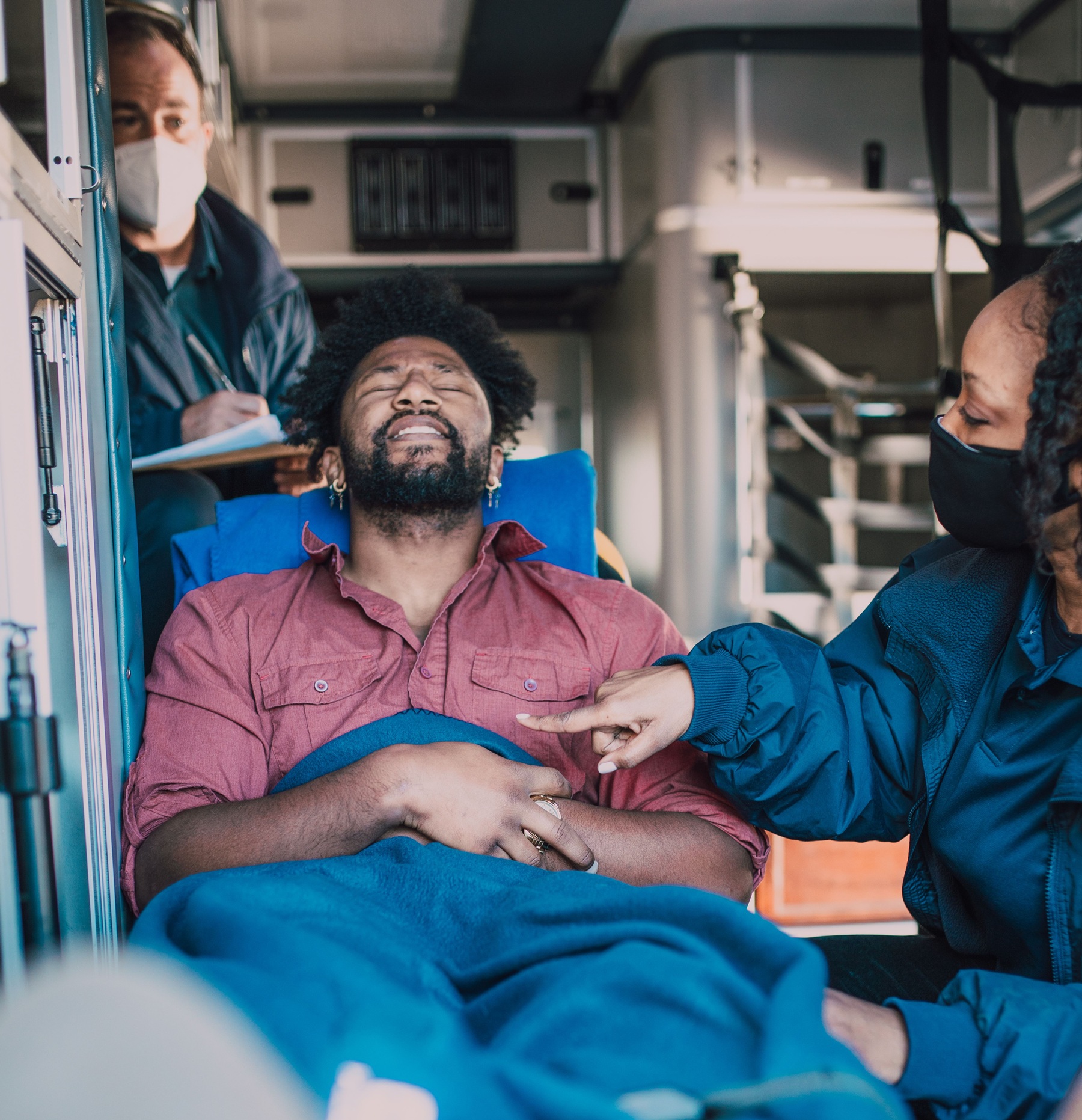
Choose the ER when delaying care could have serious or even life-threatening consequences
When you’re dealing with an unexpected illness or injury, it isn’t always easy to know where to go. Should you head to urgent care? Or is it safer to go straight to the emergency room (ER)?
The answer depends on what’s happening and how severe your symptoms are. But in the moment, it can be especially difficult to keep calm and figure out what’s best.
Emergency medicine physician B. Bryan Graham, DO, explains how understanding the difference can help you get the right care at the right time, especially when every minute matters.
What’s the difference between urgent care and the ER?
Urgent care centers and emergency rooms both provide medical care when you can’t wait for an appointment. But they serve very different purposes.
“Urgent care generally handles illnesses and injuries that need treatment soon but aren’t life-threatening,” Dr. Graham explains. “Emergency departments are equipped to handle serious emergencies where delaying care could have serious consequences.”
Dr. Graham breaks down more specific differences between the two and how to decide where to go for the care you or a loved one needs.
What is urgent care?
Urgent care centers fill the gap between your primary care provider’s office and the emergency room.
“They’re able to treat a wide variety of conditions that need to be seen the same day,” Dr. Graham says. “Many urgent care locations offer walk-in appointments and extended evening or weekend hours.”
Urgent care may be appropriate for:
- Symptoms of common viral illnesses, like cold and flu
- Wounds and cuts (including those that require stitches)
- Ear infections
- Superficial wounds or burns
- Pink eye
- Possible sprains, strains or fractures
- Sinus infections
- Skin rashes
- Sore throats
- Sprains and strains
- Urinary tract infections (UTIs)
Some urgent care centers provide services like X-rays, splinting, stitches and simple lab tests. But availability varies by location, so it can be helpful to learn in advance — before you need care — what services the urgent care closest to you provides.
“These facilities can treat many common illnesses and injuries,” Dr. Graham reiterates, “but they aren’t designed to manage severe or life-threatening emergencies. If your symptoms suddenly worsen or seem serious, the ER is typically the better choice.”
What is the ER?
Emergency rooms (sometimes called emergency departments, or EDs) are open 24 hours a day, seven days a week. They’re equipped to treat serious medical emergencies.
“People who come to the emergency department are typically treated based on the severity of their condition,” Dr. Graham explains. “That means that someone with a life-threatening emergency will be seen before someone with less urgent symptoms.”
You should go to the ER or call 911 if you experience:
- Breathing problems, including severe shortness of breath
- Chest pain or symptoms of a heart attack
- Signs of a stroke, like sudden weakness, facial drooping or difficulty speaking
- Major injuries, such as from a car accident or other trauma
- Mental health crises or psychiatric emergencies
- Poisoning
- Pregnancy-related emergencies, like heavy bleeding or signs of ectopic pregnancy
- Seizures
- Serious head injuries, especially those with loss of consciousness (passing out)
- Signs of a serious infection
- Significant dehydration
- Severe allergic reaction (anaphylaxis)
- Severe bleeding that won’t stop
- Severe burns
- Sudden, severe pain that feels intense or alarming
When needed, emergency departments can provide:
- Advanced testing, like CT scans, ultrasounds and EKGs
- Specialized emergency care, like in geriatrics and pediatrics
- Emergency procedures, including defibrillation and intubation
- Emergency surgery (and stabilization before emergency surgery that takes place in an operating room)
The ER is also the appropriate place for any situation where delaying care could lead to serious complications.
When should you go to urgent care vs. the ER?
When you’re trying to make the call between urgent care and the ER, the biggest question to ask yourself is: Could this condition be life-threatening?
If the answer is yes, go to the ER.
“If you could put the word ‘severe’ before your symptoms — whatever they are — you should likely seek emergency care,” Dr. Graham states.
If the condition is uncomfortable, painful or needs attention soon but doesn’t seem to pose an immediate threat to your health, urgent care may be the right choice.
Dr. Graham offers some specific principles to consider.
Choose urgent care if you:
- Have symptoms that are bothersome but stable

- Need treatment within hours, not minutes
- May need an X-ray, stitches or basic testing
- Can’t get a timely appointment with your primary care provider
- Have a common illness or minor injury that’s unlikely to become life-threatening

Choose the ER if you:
- Have sudden and severe symptoms
- Have chest pain, trouble breathing or stroke symptoms
- Are experiencing uncontrolled bleeding
- Lost consciousness or had a seizure
- Have a serious injury, severe burn or major trauma
- Believe delaying care could put your health or safety at risk
Final thoughts
Facing a medical issue can be scary, especially when you’re dealing with a potential emergency.
If you’re not sure whether a situation is an emergency, it’s generally safest to seek care in the ER, especially when symptoms are:
- Severe
- Quickly getting worse
- Affecting your ability to breathe, think clearly or function normally
But above all, remember: There’s no perfect decision-making formula. Medical symptoms don’t always fit neatly into categories.
“It’s important to listen to your instincts,” Dr. Graham encourages. “Don’t go by lists alone. If something feels seriously wrong, don’t spend precious time trying to diagnose yourself.”
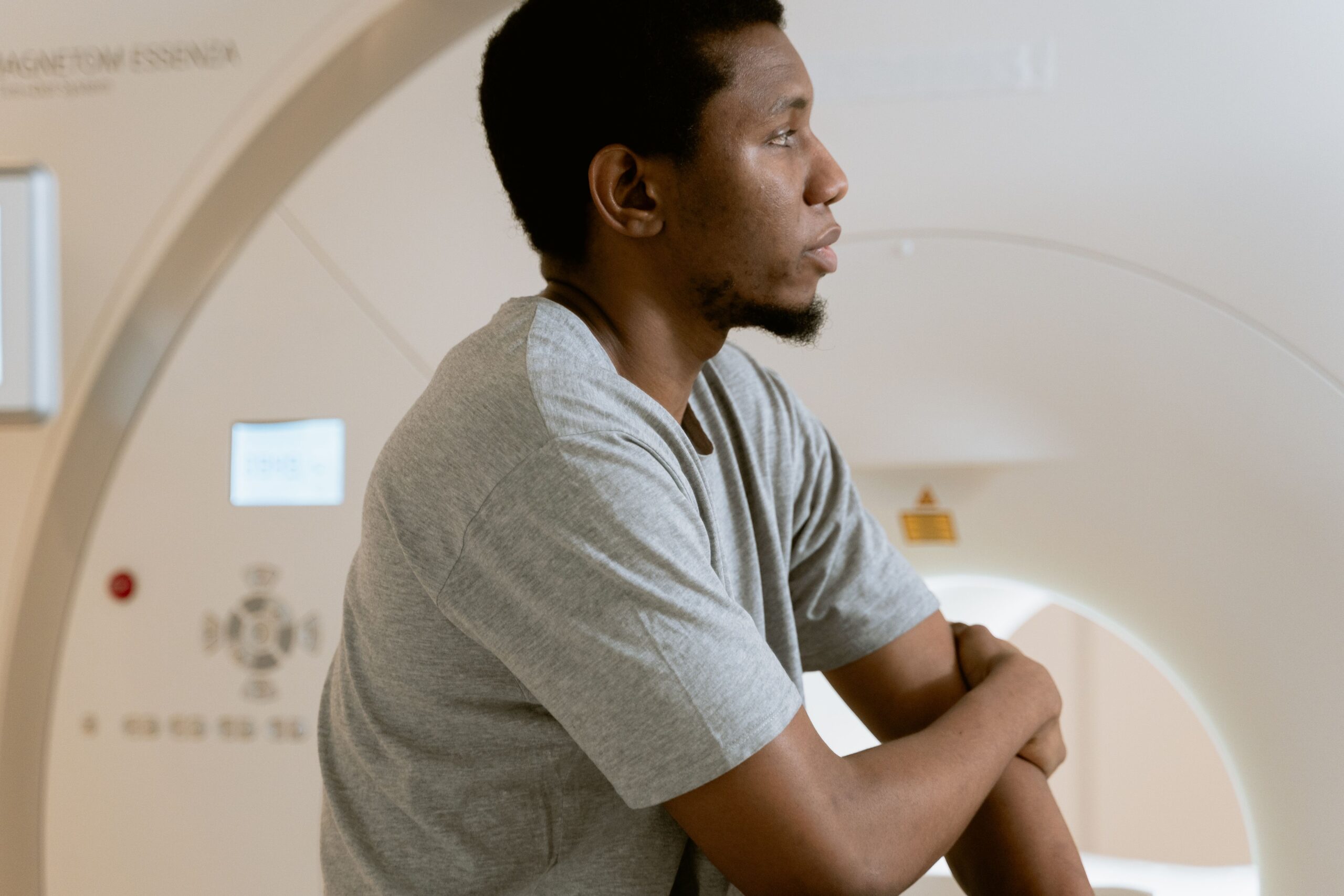
September is Prostate Cancer Awareness Month – which means it is time to watch out for the warning signs. Possible signs include slow urine flow and loss of bladder control — but if this common cancer is caught before it spreads, the prognosis is good.
Your prostate is only about the size of a walnut. But this small gland can cause big problems if left unchecked.
Warning signs of prostate cancer
“Most men with prostate cancer don’t have symptoms at first,” says urologist Christopher Weight, MD. But if you notice certain warning signs, like changes in your pee routine or pain, it’s a good idea to visit a urologist.
Prostate cancer is one of the most common cancers in men. But when it’s found early, it’s also one of the most treatable. Knowing the signs and talking with a healthcare provider about screening could save your life.
So, what should you look out for?
Slow or weak urine flow
Trouble starting to pee — called urinary hesitancy — is common as men get older. You may also notice slow flow or dribbling. Or your flow may stop altogether. The most common cause is benign prostatic hyperplasia. Still, if you experience these symptoms, it’s important to get your prostate checked.
Frequent need to urinate
A frequent and sometimes urgent need to urinate, especially at night, may be a sign of nerve damage or an infection. Or it could indicate that a tumor is putting pressure on your bladder and urethra.
Painful or burning urination
Pain or burning when you pee — called dysuria — is usually linked to a urinary tract infection (UTI). But in some cases, it can signal prostate cancer. This is especially true when it’s paired with other symptoms.
Blood in your urine
Another possible warning sign of prostate cancer is hematuria, or blood in your pee. Though this can be associated with other health issues, including a UTI, it’s worth checking out.
Prostate pain
Unexplained prostate pain — especially when sitting — can be an early sign of trouble. “It might also mean an infection, but only your urologist can say for certain,” Dr. Weight says.
Loss of bladder or bowel control
Bladder or bowel incontinence can happen with age or other medical conditions. But if you’re leaking urine or can’t control bowel movements, talk to a doctor to rule out prostate cancer.
Changes in sexual function
These symptoms can stem from many causes, but they may also signal prostate cancer. Talk to a urologist if you notice:
- Painful ejaculation
- Decreased volume of ejaculation
- Inability to keep an erection
- Blood in your semen (hematospermia)
Sexual health is a vital part of your overall well-being. So, if something feels off, it’s not just OK to speak up — it’s vital.
Later-stage signs
These symptoms often only appear when prostate cancer has spread:
- Ongoing pain in your lower back, hips or chest
- Numbness in your legs or feet
“Of course, there are endless other reasons that your back may hurt or that you have tingling in your toes that are entirely separate from any prostate troubles. But they can also be signs of later stages of prostate cancer,” Dr. Weight clarifies.
Importance of prostate cancer screening
“Since early-stage prostate cancer doesn’t cause symptoms, many men don’t know they have it,” Dr. Weight notes. “That’s why regular screening is so important — it helps catch prostate cancer early, when treatment is most effective.”
A healthcare provider may recommend screening if you’re between the ages of 55 and 69, or earlier if you have a family history or other risk factors.
Screening might feel uncomfortable to think about, but skipping it could mean missing a chance to catch prostate cancer early, when it’s easier to treat.
“A simple blood test, often followed by a physical exam if needed, gives your doctor important information about your prostate health,” Dr Weight says.
Early detection doesn’t just improve treatment options — it can also give you peace of mind.
Lower your risk of prostate cancer
“You can’t do anything about some of the risk factors for prostate cancer, like age or family history,” Dr. Weight recognizes. “But you can make lifestyle choices that support a healthier prostate.”
These small steps may make a difference:
- Get regular prostate screenings.
- Maintain a healthy weight.
- Exercise regularly.
- Eat a nutritious diet.
- Quit smoking.
“When prostate cancer is diagnosed before it spreads to other parts of the body, about 99% of people live at least five years after diagnosis,” he continues. “But the survival rate is much lower if the cancer has spread.”
That’s why it’s so important to stay proactive. Regular screenings, healthy habits and paying attention to changes in your body can make all the difference. Talk to a provider about the right plan for you.
CREDIT: CLEVELAND CLINIC





-

 Independent writer1 week ago
Fifty Years of Ministerial Government: Honouring Our Past, Embracing Our Present and Preparing for Our Destiny
-

 Health1 week ago
Know the Possible Warning Signs of Prostate Cancer
-

 Independent writer3 days ago
Letter to The Editor
-

 Education6 days ago
TCI Schools Invited to Participate in 2026 National Student Council Election
-

 News6 days ago
Liberty Business launches in Turks and Caicos Islands
-

 Bahamas News19 hours ago
CIBC Caribbean Celebrates 2026 Unsung Heroes Finalists
-

 Bahamas News2 days ago
Romer Receives Regional Leadership Award
-
 Bahamas News2 days ago
Public Hospitals Authority Foundation Donates Dialysis Machines to Princess Margaret Hospital (PMH)