
News
Primary Healthcare at the Heart of National Growth, Says Dr. Daren Hall at TCIBO 2025


Deandrea Hamilton | Editor
Turks and Caicos, June 29, 2025 – At the Turks and Caicos Islands Business Outlook 2025, Dr. Daren Hall, CEO and partner at Family Care Medical Centre and president of the TCI Medical Association, delivered a powerful address underscoring the urgent need for preventative healthcare investment. His message was clear: TCI must act decisively now, or face spiraling costs and diminishing national resilience.
Sound Economics of Preventative Care
Dr. Hall opened with a compelling economic rationale: every $1 invested in health yields up to $4 in economic return, according to WHO metrics. Healthy populations not only reduce dependency burdens but also enhance productivity—making healthcare investment not a choice, but a requisite for sustainable economic development.
Despite this, TCI’s health ecosystem remains reactive rather than proactive. In 2023–24, the Health Budget stood at $87 million, representing 24% of total national spending. However, access remains fragmented, workforce shortages persist, and over-reliance on overseas medical referrals drains foreign exchange and undermines fiscal stability.
Dr. Hall drove his point home: “The time has come for firm investment in Primary Healthcare,” and he urged the crowd to see healthcare not as a drain, but as an investment in human capital and economic resilience.
Current Gaps and Future Fixes
According to Dr. Hall’s presentation, TCI’s health system faces three critical gaps:
- Limited mental health services and chronic care programs
- Underdeveloped data systems for tracking health outcomes
- Patchy integration of community health in national policy
To bridge these divides, he advocated for measurable reforms: digital healthcare platforms for remote islands, tax incentives for community clinics, mandatory health impact assessments for major projects, and robust workforce development subsidies.
Vision for Impact
With over $400  million in cash reserves, TCI has the fiscal means to act. Dr. Hall outlined three ambitious benchmarks to measure success:
- 90% Primary Health Care (PHC) coverage across all islands
- 50% reduction in overseas medical referrals, by bringing care home
- A fully digitized health record system, underpinning evidence-based policymaking
Such outcomes, he argued, would pay for themselves—and more—through reduced treatment costs, improved workforce health, and less budget leakage abroad.
Accountability in Practice
Dr. Hall emphasized that promises must translate into action. Accountability mechanisms should include:
- Regular national reporting on PHC expansion
- Independent audits of digital health systems and workforce training
- Transparent benchmarks to track referral reductions and health outcomes
Community clinics should step forward as first responders in prevention—with tax incentives and grants aligned to performance. Meanwhile, digital data would not only inform policy but empower local providers to identify trends, prevent chronic disease, and direct resources efficiently.
Health as National Foundation
“Health is the foundation of sustainable growth,” Dr. Hall proclaimed. He called on government, private sector, and civil society to join in building “a resilient, healthy future—together.” He painted a picture of TCI as a model small island state: one that treats health as integral to development, not marginal to it.
Why Now Matters
Without timely transformation, TCI risks becoming reliant on overseas treatment at increasing costs: every referral abroad accounts for not just treatment fees, but travel expenses, time lost from work, and emotional stress on families. Under a preventative model, those resources remain invested locally—into clinics, nurses, doctors, and infrastructure.
Successful implementation could not only buffer the health system against shocks—like pandemics or natural disasters—it would also strengthen TCI’s case as an economic and investment destination. Investors and families are more confident in countries where public services are robust and people can access care.
Call to Action
Dr. Hall closed with a call to action:
“We must lead with courage, equity, and innovation.”
He urged the rollout of PHC infrastructure, comprehensive digital records, and workforce supports; he emphasized prevention as the pathway to prosperity. TCI stands at a crossroads. By committing now to preventative healthcare, the country can safeguard futures—turning health spending into economic opportunity.
Conclusion
Dr. Daren Hall’s presentation at TCIBO 2025 was more than a diagnostic—it was a plea matched to evidence and anchored in possibility. With dedicated resources, digital systems, and primary healthcare expansion, TCI could reduce dependency, cut overseas treatment, and leap toward a healthier, more prosperous tomorrow. The question now: will policymakers and stakeholders rise to make health the cornerstone of national strategy—or wait until costs make the choice moot?








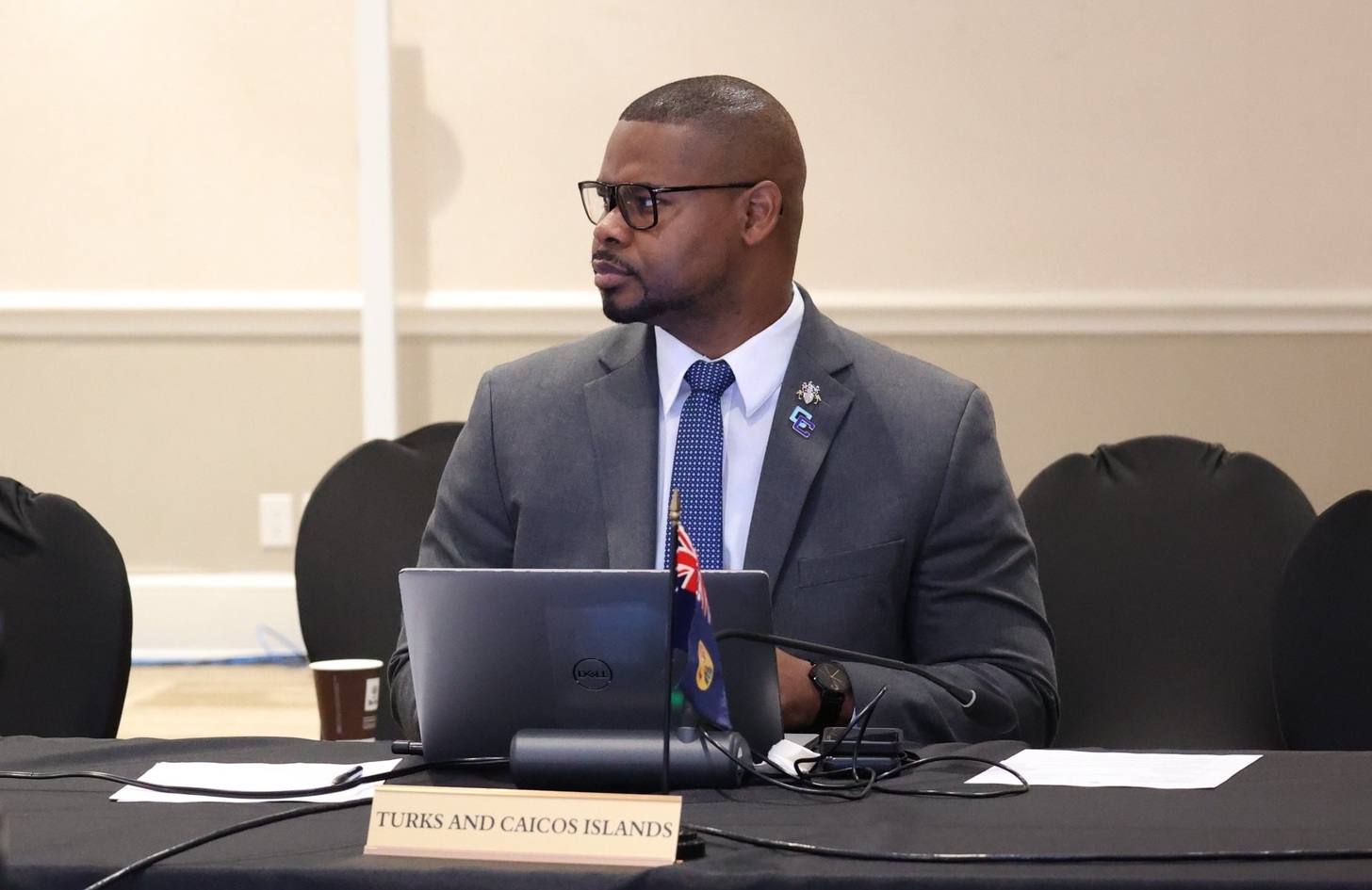
Turks and Caicos, March 18, 2026 – Public reaction across the Turks and Caicos Islands was immediate and, in some cases, heated after the Government confirmed in the House of Assembly on Friday, March 13, that it is exploring a move from Associate Member to full member of the Caribbean Community (CARICOM).
The announcement, delivered by Acting Premier and Minister of Immigration and Border Services Jamell Robinson, sparked strong concern among residents, particularly over fears that full membership could require the territory to accept free movement of labour or weaken its immigration controls.
Social media commentary over the weekend questioned why there had been no public consultation and whether the move signaled a shift in the country’s political direction.
However, a review of the official statement and follow-up remarks made by Robinson this week shows the proposal is not sudden, is not final, and would require approval from all fifteen CARICOM member states before the Turks and Caicos Islands could become a full member.
NOT A NEW IDEA
In his ministerial statement to Parliament, Robinson confirmed that discussions about full membership have been taking place within regional forums for some time.
“As an Associate Member of CARICOM, the Turks and Caicos Islands also participated in caucus meetings and discussions among Overseas Territories and Associate Members regarding regional cooperation and the continued advancement toward full membership within the CARICOM Community,” he told the House.
He added that full membership would allow the territory to engage more directly in decisions affecting the region.
“Full membership in CARICOM would present meaningful opportunities for the Turks and Caicos Islands. It would strengthen our ability to engage more fully in regional decision-making… and ensure that the Turks and Caicos Islands is better positioned to benefit from collective advocacy and coordinated action on issues of common concern.”
The idea of deeper integration is not new. Since the return of elected government in 2012, successive administrations have promoted stronger ties with CARICOM.
Former Premier Dr. Rufus Ewing regularly attended Heads of Government meetings and spoke openly about the importance of regional cooperation, even suggesting that long-term political development for the territory would likely place it closer to the Caribbean than to Britain.
Premier Sharlene Cartwright-Robinson also maintained active participation in CARICOM during her term, focusing on security cooperation, economic recovery, and regional partnerships, though her administration did not pursue full membership.
Under the current administration, Premier Charles Washington Misick has repeatedly said stronger regional integration is necessary for economic stability, security cooperation, and food supply resilience.
FREE MOVEMENT FEARS ADDRESSED
Much of the public backlash centered on the belief that full membership would force the Turks and Caicos Islands to accept the CARICOM free movement of labour provisions.
Speaking Monday to Cheryl Forman, host of First Edition on Radio Turks and Caicos, Robinson said that is not the position being taken by the Government.
“We’re looking for full membership, and just to be clear right off the bat, the Turks and Caicos is not looking to sign on to the free movement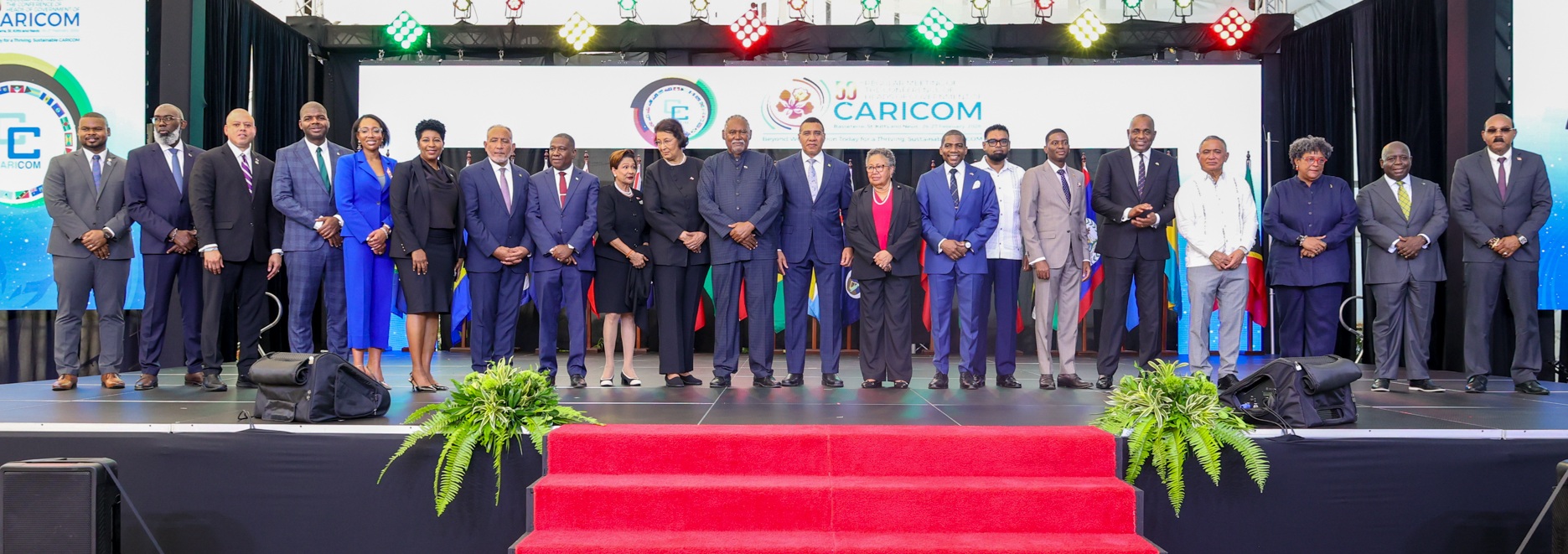 of labour portion of the Revised Treaty of Chaguaramas,” he said.
He noted that other British Overseas Territories and even some CARICOM members have negotiated exemptions.
“Just like Bermuda, just like the BVI… The Bahamas did not sign off on that portion. Free movement across the region does not even exist in the way people think. It applies only to certain skills and professions.”
Robinson stressed that any agreement would be negotiated and would not remove the territory’s ability to control immigration.
“The full membership process isn’t going to be a case where we lose our ability to determine our immigration and labour policies. Those are things that will form part of our negotiated position.”
WHY GOVERNMENT WANTS FULL MEMBERSHIP
Robinson outlined several reasons the administration believes deeper integration could benefit the territory.
One argument is that Associate Members can participate in discussions but do not have voting power.
“You can think of it as being part of a club. As an associate member, you don’t get all the benefits. You can sit in the room, but you don’t always have a final say in decisions that may impact you.”
He also said regional partnerships have already proven critical in national security.
“If it were not for the ability of our Premier to pick up the phone and speak to Prime Minister Davis in The Bahamas and Prime Minister Holness in Jamaica, our crime situation would be completely different,” Robinson said, referring to the deployment of tactical officers from both countries to assist local police operations.
He added that closer ties could also help reduce the cost of living through regional trade.
“In some cases, the very same products we import from the United States originate in the Caribbean, go to the US to be repackaged, and then come back to us. If we can trade more directly within the region, that could help bring down prices.”
Robinson also pointed to discussions within CARICOM about improving regional shipping, food production, and transportation links, including plans for Guyana to become a major agricultural supplier for the region.
NOT A GUARANTEE
Despite the public debate, Robinson emphasized that full membership is not automatic.
Any application must be negotiated and approved by all CARICOM member states, meaning the Turks and Caicos Islands cannot simply decide to join on its own terms.
That reality, he said, is why the Government is still developing its negotiating position, including work on population policy, immigration strategy, and labour planning before any final step is taken.
The debate now unfolding across the territory reflects more than a policy proposal.
It highlights a deeper question that has existed for more than a decade — whether the future of the Turks and Caicos Islands lies primarily with the United Kingdom, or increasingly with the Caribbean region to which it is geographically, economically, and culturally connected.
For now, full CARICOM membership remains only a possibility — but one that has clearly stirred strong emotions in a country still deciding how far regional integration should go.
Angle by Deandrea Hamilton. Built with ChatGPT (AI). Magnetic Media — CAPTURING LIFE.

March 19, 2026 – March is Colorectal Cancer Awareness Month, a time dedicated to highlighting the importance of prevention and early detection of one of the most common cancers affecting both men and women, according to the CDC.
March is Colorectal Cancer Awareness Month and according to the CDC, colorectal cancer is the third most common cancer for both men and women.
The good news is there are ways to help prevent it, like improving your gut health.
“A healthy gut and a diverse microbiome help decrease inflammation, and chronic inflammation we know can lead to increased risk of cancer, specifically colorectal cancer,” explained Julia Zumpano, RD, registered dietitian at Cleveland Clinic.
Zumpano said we can help improve our gut health by improving our diet.
She recommends eating foods that are high in fiber, such as whole grains, fruits, vegetables, legumes, nuts and seeds.
She also suggests adding fermented and probiotic foods into your diet. Some ideas include yogurt, kefir, kimchi and sauerkraut.
Zumpano notes that it can be overwhelming to eat a bunch of new foods at once, which is why it’s best to make a gradual transition.
“I would first begin by reducing processed foods and incorporating more fiber rich foods. And you’ll see your gut symptoms improve. So, if you have any symptoms like constipation or diarrhea, those things should improve. Now if you’re finding that you’re having gastrointestinal symptoms that aren’t going away despite making positive health changes, that’s when you should seek medical attention,” she advised.
Besides keeping a healthy diet, Zumpano said it’s also important to make sure you’re getting enough physical activity as exercise has been shown to help reduce a person’s risk for colorectal cancer.
By focusing on small sustainable lifestyle changes such as eating a fiber-rich diet, supporting gut health and staying physically active, people can take meaningful steps toward lowering the risk of colorectal cancer and improving their overall health.
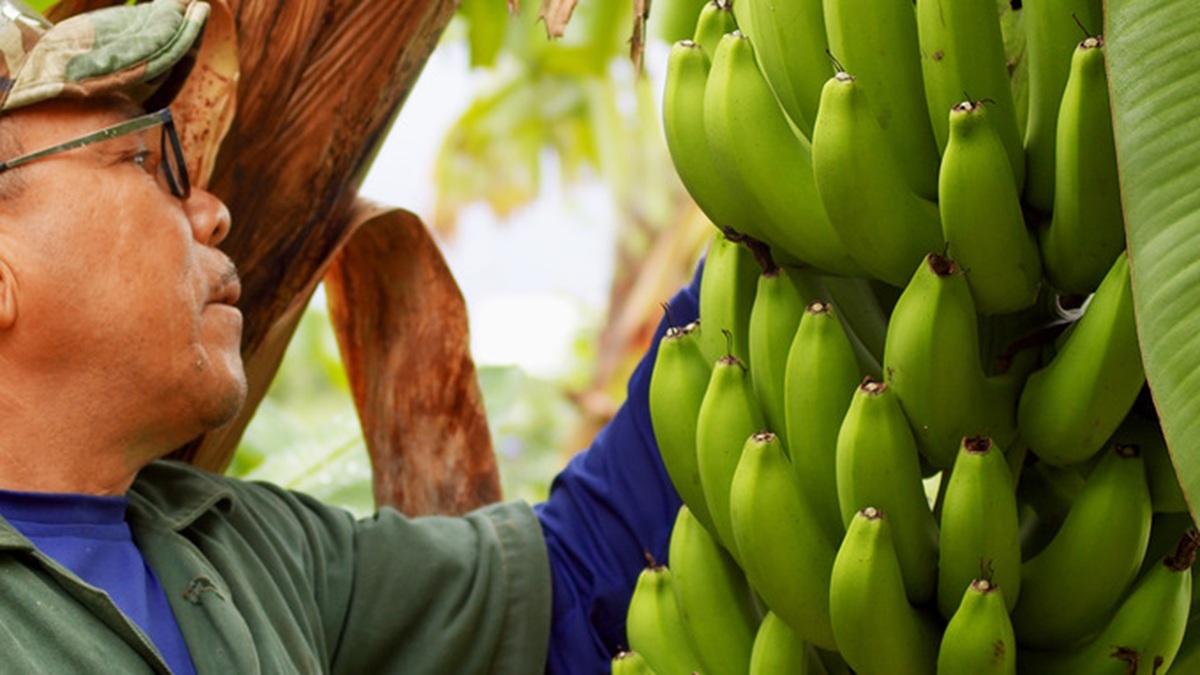
How Venezuelan farmers are learning to grow and live with a devastating plant disease
In the fields of Venezuela, where the banana has been for generations a symbol of sustenance and tradition, a shadow fell across the land. In 2023, Venezuela’s National Institute of Integral Agricultural Health (INSAI) declared a phytosanitary emergency: the fungus Fusarium Tropical Race 4 (TR4) (Fusarium oxysporum f. sp. cubense tropical race 4; syn. Fusarium odoratissimum) had arrived in producing areas in the states of Aragua, Carabobo and Cojedes.
This fungus, considered a devastating disease of banana and plantain (Musaceae) trees, can remain in the soil for more than two decades, threatening production and the lives of those who depend on it.
In the state of Aragua in the north of the country, the Renacer community had been growing bananas and plantains on 20 hectares since 2018. Then Fusarium arrived.
“When the disease hit, the entire plantation began to deteriorate. We refused to ‘die’ with the trees because that was our livelihood. The visits of INSAI confirmed that we had to chop down the banana trees. I cried a lot because I had worked with my banana trees for years,” recalls woman farmer, Lesbia Margarita García, with a broken voice.
In response, INSAI implemented measures to eliminate the affected plantations and improve the soil health by changing to other crops that allow agricultural production to recover. The Food and Agriculture Organization of the United Nations (FAO) offered assistance by providing corn seeds, tools, biosecurity inputs and training, with teams of experts helping farmers to start again.
“Planting corn, thanks to the INSAI-FAO programme, gave us a harvest that benefited everyone. We have been improving the soil,” says Lesbia Margarita with a smile. “Now we rotate crops, observe soil health and have learned how to use natural fertilizers. Expert assistance has been key.”
The pilot project works directly with affected producers in high-risk areas, promoting alternative crops such as cereals and vegetables, delivering inputs and tools to mitigate damage and applying biosecurity measures for safe and effective containment.
“Beyond the corn received, we have already planted cassava, chili peppers, beans and pumpkin. We hope that by the end of the year [2025] we will be diversified and that each season we will have something to sell. These lands do not give up,” says Lesbia Margarita with conviction.
The Renacer community is beginning to see fruits. Their products are reaching local markets, generating income and rebuilding their livelihoods.
Key actions to manage Fusarium TR4 are ongoing, including regular monitoring, continuous training, inter‑institutional coordination, updates to the national plan, information campaigns and producer impact assessments. INSAI is sustaining regulatory, surveillance measures and training —with FAO support—as part of a comprehensive long‑term strategy.
At the global level, FAO supports awareness raising, capacity building and international collaboration in the fight against Fusarium TR4 by facilitating the World Banana Forum and its Global Network on TR4.
“The objective is for countries to strengthen their operational and technical capacity, articulating actions between the public sector, the private sector and family farmers,” says Raixa Llauger, FAO Agriculture Officer in Mesoamerica. “FAO and local partners have promoted this approach in Venezuela.”
As an essential part of the activities, a comprehensive training programme was developed with activities that taught farmers how to identify the disease contain it and protect crops. In addition, FAO has distributed laboratory equipment, biosecurity tools and a multispectral drone to INSAI. Drones are an efficient and cost‑effective tool for phytosanitary surveillance, offering rapid, high‑resolution monitoring and early detection of plant pests and diseases.
Overall, the project strengthened biosecurity measures against the Fusarium fungus through the adoption of the National Action Plan and the establishment of partnerships with national and international institutions. In addition, the pilot initiative supporting smallholder farmers in key production areas and a nationwide awareness campaign with broad outreach improved surveillance, diagnosis and phytosanitary response capacities across the country.





-

 News3 days ago
CARICOM – A Regional Club With Benefits; Turks & Caicos Wants In
-
 Government7 days ago
$6M Digital Transformation Drive to expand E-Government, National ID and Biometric Borders
-
 Uncategorized6 days ago
WHERE ARE THE LOCAL ARTISTS?
-
 Bahamas News6 days ago
Bahamas Warns Travellers as UN says Middle East Conflict May No Longer Be Contained
-
 News6 days ago
NATIONAL SECURITY SHIFT: PREMIER CONFIRMS REGIMENT EXPANSION
-

 Health5 days ago
Gut Health Linked to Lower Colorectal Cancer Risk According to Cleveland Clinic Dietitian
-
 News6 days ago
South Dock Expansion Milestone as UK Audit Highlights Importance of TCI Port Security
-
 News6 days ago
Statistics Authority Highlights Trade Data as Turks & Caicos Records $227M in Imports for Q4 2025