Connect with us

Government

Turks and Caicos Premier Delivers Banner Year Budget Amid Pressing National Challenges

Published

on

Deandrea Hamilton

Editor


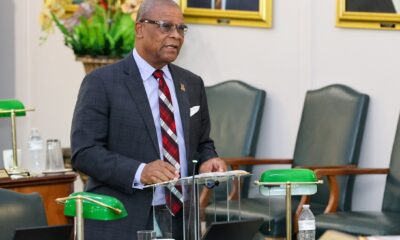
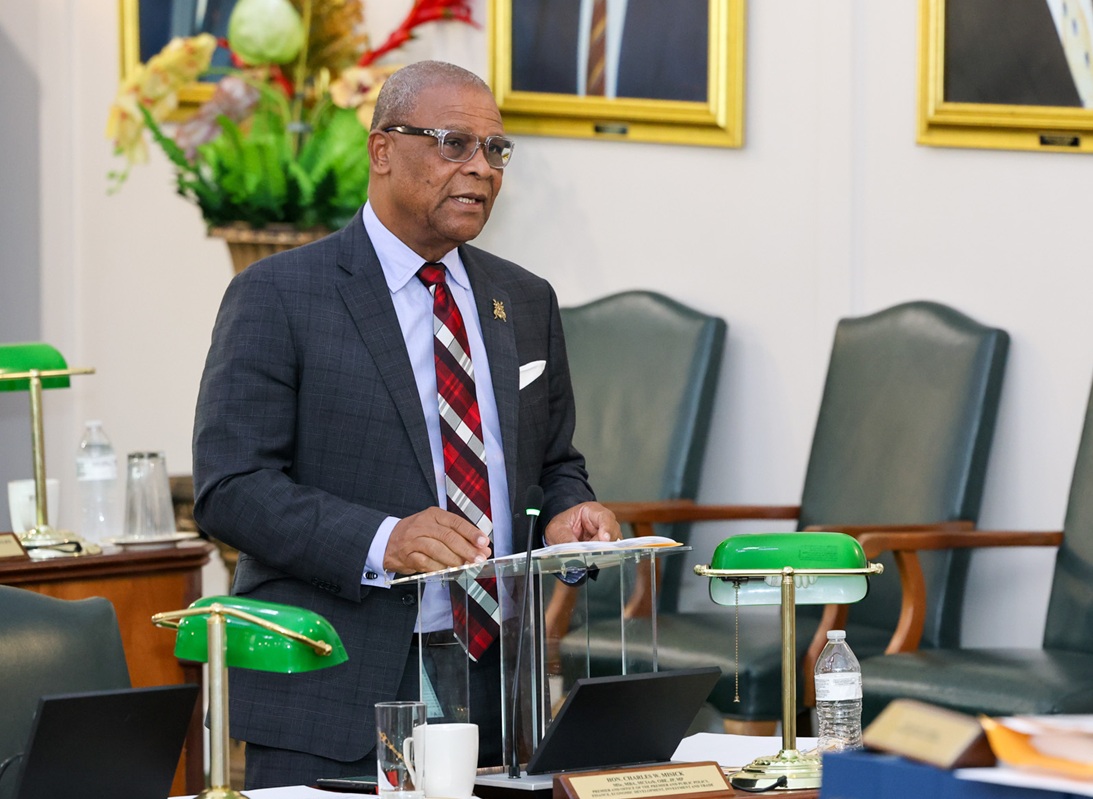
Turks and Caicos, May 23, 2025 – Premier Charles Washington Misick has unveiled what is viewed as a “banner year” budget for the Turks and Caicos Islands, forecasting $549.5 million in revenue for the 2025/26 fiscal year.

The theme: “Building Prosperity & Securing Our Future,” signals a bold promise to transform the country’s infrastructure, improve public services, and confront pressing national issues—chief among them, a deepening housing crisis and escalating security threats.

Despite the ambitious tone and large allocations, critical questions remain about whether the budget sufficiently addresses the most urgent needs of the population.

Housing Crisis: A Priority or a Placeholder?

The Premier acknowledged the country’s housing deficit, which affects every island, but offered only broad strokes in terms of solutions. His government pledged to invest $23 million in Housing and Community Amenities, a figure that also includes spending on water distribution, treatment, and district administration.

Key initiatives include:

  • Designation of traditional communities as special development zones with targeted concessions.
  • Increased funding for home repairs, aiming to support vulnerable homeowners.

However, no new housing construction projects or large-scale development plans were announced. There is also a lack of detail on timelines or targets—such as how many homes will be built, rehabilitated, or made available through affordable programs.

Conclusion: The housing crisis is acknowledged, but the government’s response, as laid out in this budget, leans heavily on incremental measures rather than bold new solutions. For citizens facing overcrowding and unaffordable rent, the plan may feel underwhelming.

Crime and Security: A Tougher, Multi-Layered Response

Violent crime, particularly gang-related murders and transnational threats, has reached alarming levels in TCI. In response, the Premier announced a sweeping $106 million allocation for public order and safety—one of the largest single budgetary spends.

Highlights include:

  • $49.1 million for the Royal Turks and Caicos Islands Police Force (RTCIPF)
  • 76 new police recruits, plus the deployment of 42 tactical officers from Barbados and Jamaica
  • Expansion of mobile police stations and planning for new fixed stations, beginning in Providenciales
  • Investment in CCTV, gunshot detection, and community policing initiatives
  • 24/7 border patrol by Marine Police and increased aerial surveillance
  • Radar installations in four strategic coastal locations
  • Strengthening partnerships with UK, U.S., Bahamas, INTERPOL, and others

The government cites an 11% decrease in serious crime and a 17% reduction in murders during the first four months of 2025. These early results offer cautious optimism, though much of the security strategy is still unfolding.

Conclusion: On crime, the government is investing heavily and appears to have a coordinated plan, blending immediate response with longer-term capacity building. The emphasis on border control and regional collaboration signals a serious approach to transnational crime.

Revenue Strategy: No Major Tax Increases, Modest Adjustments

The budget outlines $549.5 million in projected revenue, sourced primarily from:

  • Accommodation Tax: $133.7 million
  • Import Duties: $132.4 million
  • Stamp Duty: $50 million
  • Work Permits: $50 million

To support this, the government is introducing subsistence-level new revenue measures, including:

  • $40 increase in vehicle license fees
  • An import license for large-scale alcohol and tobacco importers

Conclusion: The Premier’s fiscal strategy maintains public stability by avoiding new broad-based taxes while seeking modest new streams to boost revenue. This cautious approach aims to keep inflationary pressure in check while ensuring fiscal health.

Investing in the Future: Youth, Education, Health

The budget also directs funding toward:

  • Youth programs, particularly for at-risk youth, as part of a crime prevention strategy
  • Education and skills development, though exact figures were not detailed
  • Healthcare, with a commitment to better access and affordability

A unified vision to modernize public institutions, improve digital governance, and restore public trust is also part of the long-term reform agenda.

Conclusion: The Premier articulates a future-facing approach, though some sectors lack clear budgetary breakdowns. Education and healthcare are promised support, but housing and social safety nets may require deeper intervention.

Final Assessment: A Balanced but Incomplete Response

Premier Misick’s 2025/26 Budget presents an ambitious and well-funded plan to secure the nation’s future. Investments in security and border protection are decisive and immediate, while economic growth is forecast to continue under stable fiscal policy.

However, for a country in the midst of a housing crisis, the government’s response—while well-intentioned—may fall short of the scale required to meet the moment. Similarly, social challenges linked to crime, youth disengagement, and income inequality require not just infrastructure, but deeper systemic reform.

The Premier concluded his address with a promise to “build a Turks and Caicos that works for everyone.” Whether this budget is the foundation for that future—or merely a stepping stone—will be revealed in the months ahead.

Government

GOVERNMENT BUILDS CAPACITY, NO TALK OF INDEPENDENCE YET

Published

on

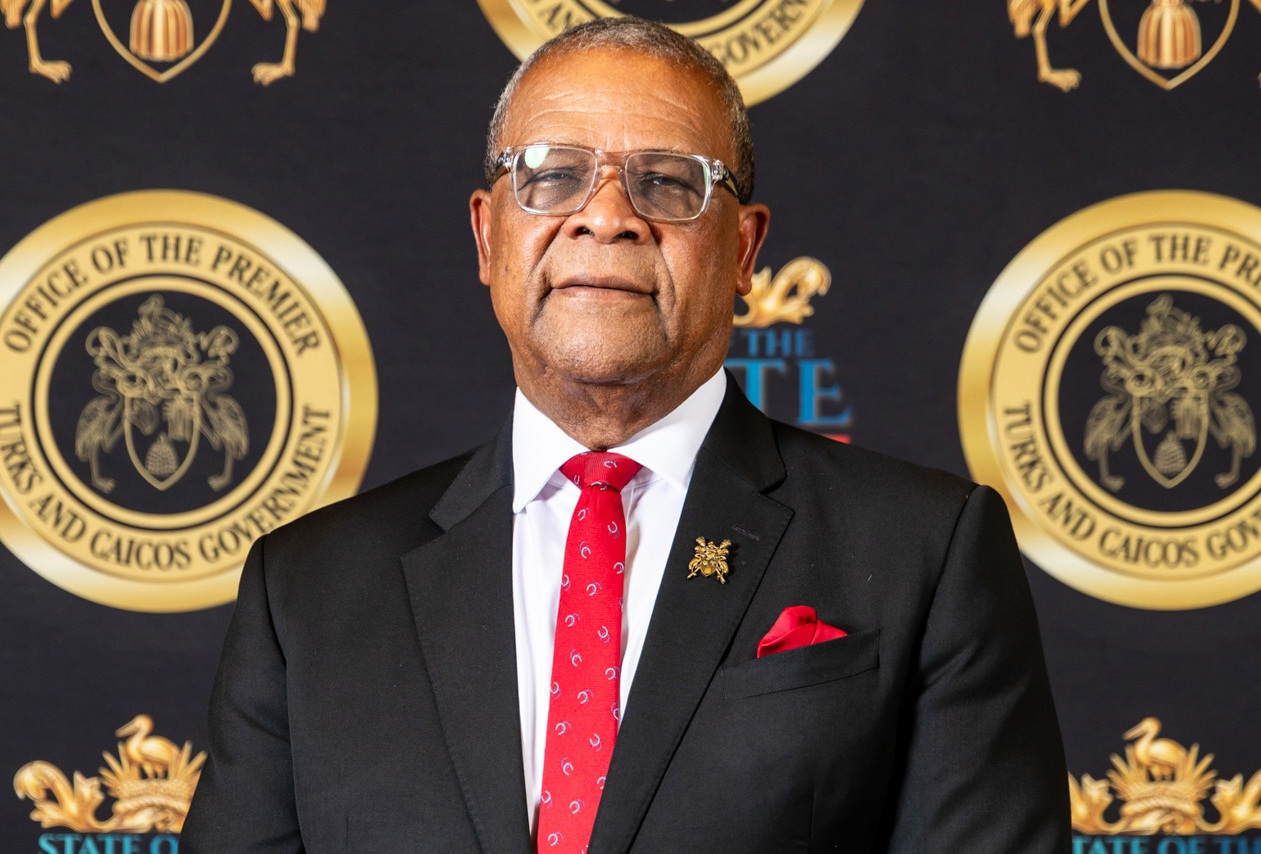
Turks and Caicos, March 18, 2026 – Despite securing significant constitutional reforms within the past year — including new powers that allow for a national referendum — Premier Charles Washington Misick made no mention of independence or any vote on the country’s political future during his 2026 State of the State Address, signalling what appears to be a continued strategy of building institutional strength before raising the question with the electorate.

The absence of any reference to a referendum stood out, particularly after the Turks and Caicos Islands successfully negotiated constitutional changes with the United Kingdom that expanded the authority of elected leaders and modernised the structure of Government.

Those reforms, which took effect last year, increased the size of Parliament, allowed for more Cabinet ministers, extended the life of a government from four to five years, and strengthened the role of elected officials in domestic affairs. The amendments also included provisions allowing for a referendum to be held on matters of national importance, a change widely viewed as giving the territory greater flexibility in determining its future political direction.

In his address, the Premier spoke of the reforms as moving the country toward “fuller self-government,” noting that the changes deliver a fully elected Parliament, widen delegated responsibility in external affairs and give elected leadership clearer authority and accountability to the people.

However, while the speech emphasised sovereignty, national security and stronger local institutions, it stopped short of any suggestion that the Government intends to call a referendum on independence or any other change in constitutional status.

Instead, the tone of the address suggested a focus on strengthening systems at home before considering further political steps.

The Premier outlined plans to expand the Police Force, strengthen the Border Force, increase the role of the Turks and Caicos Islands Regiment, modernise government through digital transformation, and improve immigration control through biometric border technology — all measures he said are necessary to secure the country’s future.

He also pointed to economic stability, infrastructure development and expanded investment as priorities, repeatedly framing the Government’s approach as one of building a stronger and more secure nation before taking on larger challenges.

The 2024 constitutional amendments, agreed between the Turks and Caicos Islands Government and the United Kingdom, formally expanded the number of elected members in the House of Assembly, increased the number of Ministers who may serve in Cabinet, extended the Parliamentary term to five years, strengthened Cabinet authority in domestic matters, and introduced provisions allowing for a referendum to be held on issues of national importance. The changes also widened delegated responsibility to local leaders in key areas of governance, marking one of the most significant steps toward greater self-government in recent decades.

The constitutional reforms achieved last year were seen by many observers as laying the groundwork for greater autonomy, and potentially future debate on independence, but the latest State of the State suggests the Government is moving cautiously.

For now, the message from the Premier appears clear: before any question of political status is put to the people, the country must first strengthen its institutions, its economy and its capacity to govern itself.

Angle by Deandrea Hamilton. Built with ChatGPT (AI). Magnetic Media — CAPTURING LIFE.

Continue Reading

Government

$6M Digital Transformation Drive to expand E-Government, National ID and Biometric Borders
Published

on

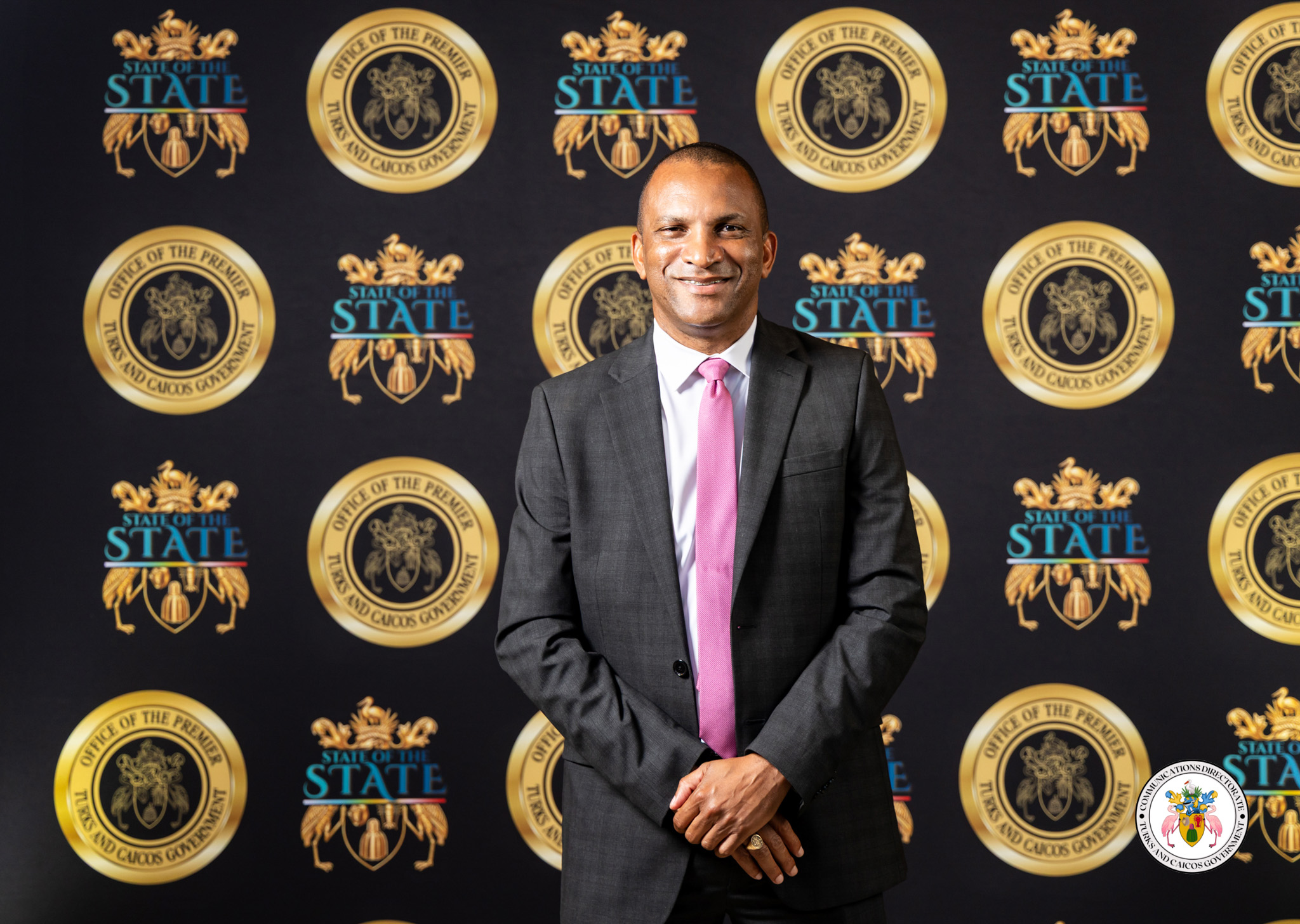
Turks and Caicos – A $6 million digital transformation programme launched after the 2024 government cyber breach is now driving a major push toward e-government in the Turks and Caicos Islands, with new systems planned for online payments, national digital identification and biometric border controls.

In his 2026 State of the State Address, Premier Charles Washington Misick said weaknesses exposed by the cyber-attack made it clear that government technology systems must be modernised to improve security, efficiency and public service delivery.

The Premier said the three-year digital agenda includes stronger network security, a redesigned government data system, new identity management tools and the creation of a National Security Operations Centre to monitor threats.

He told the country that modernising government services through digital transformation and e-governance is no longer optional but necessary for transparency, accountability and national progress.

One of the centrepieces of the plan is the National Digital ID Programme, which the Government says will modernise civil registration, establish a national population register and make it easier for residents to access public services while strengthening national security and election integrity.

The Premier also pointed to early success with the new E-Pay system, reporting that more than $1 million in government payments had already been made online within days of its launch in February, reducing long lines, paperwork and processing delays while improving transparency in public transactions.

Digital transformation is also extending to the country’s borders.

The Government confirmed that a multi-million-dollar Digital Borders Programme will introduce biometric screening and automated E-Gate technology at ports of entry, allowing citizens and low-risk travellers to move more quickly through immigration while giving authorities real-time access to identity and status information.

The move aligns with wider security standards being implemented across British Overseas Territories, where upgraded border technology is being introduced to strengthen immigration control and improve passenger processing.

Officials say the changes are part of a broader effort to create a more modern, secure and efficient public service, with additional digital systems planned across government departments over the next several years.

Angle by Deandrea Hamilton. Built with ChatGPT (AI). Magnetic Media — CAPTURING LIFE.
Continue Reading

Government

2,846 Jobs in the Pipeline; TCI with $430 Million Cash

Published

on

Turks and Caicos, November 7, 2025 – A record 2,846 new jobs are on the horizon for the Turks and Caicos Islands — a staggering figure that underscores the scale of economic momentum now coursing through the country. The announcement came yesterday as Premier and Minister of Finance, Investment and Trade, Hon. Charles Washington Misick, presented his mid-year report in the House of Assembly.

“Let me repeat, 1.27 billion dollars in development agreements for major projects have been executed,” the Premier told lawmakers. “From these projects we will create one thousand and twenty-three new rooms and two thousand eight hundred and forty-six permanent jobs for the economy.”

In a population of barely 45,000, that number is seismic. It speaks to both the opportunity and the tension of the moment — prosperity that will stretch local capacity and, inevitably, deepen reliance on foreign labour.

$1.27 Billion in Fresh Investments Fueling Growth

The employment surge is being driven by $1.27 billion in new development agreements brokered by Invest TCI between April and September 2025. The investment list is stacked with big-ticket names:

  • Hadley Investments Limited – $1.2 billion
  • The Bight by Dream Hotel – $65.5 million
  • Retreat Development Limited – $7.3 million
  • Amethyst Development Ltd. – $6.8 million

Collectively, these projects will bring 1,023 new rooms online and ignite activity across multiple islands. The Premier noted that 27 development agreements valued at just over $3 billion remain active — 22 in Providencialestwo each in Grand Turk and South Caicos, and one on Ambergris Cay.

Six new foreign direct investment (FDI) projects valued at $755 million have already started between April and September 2025, spread across four islands. Another four domestic investment proposals, worth $407.9 million, have been received for new luxury resorts, townhomes, and mixed-use spaces.

“Tourism continues to be the lifeblood of our economy,” Misick said. “But the pace of investment has been nothing short of vigorous, signaling strong investor confidence and a very promising future.”

The Labour Equation: Prosperity Meets Pressure

For all the celebration, there’s a flip side — the people needed to make this boom possible. The Premier acknowledged the growing reliance on expatriate labour and the strain that comes with it.

Work permit fees brought in $22.6 million during the first six months of the fiscal year — $1.9 million above estimates and $2.7 million higher than last year. Most of those work permits, the Premier confirmed, are tied to tourism and construction, sectors now running at full throttle.

“As construction and allied business activity has increased, so too has the number of work permits,” he said. The message was unvarnished: the more the economy expands, the greater the need for imported hands to build, serve, and sustain it.

It’s a bittersweet reality for a country whose citizens are ambitious but few. The challenge now — and the political test — will be whether the government can pair this expansion with deeper training, education, and local participation so that Turks and Caicos Islanders fill more of these high-value roles in the years ahead.

A Government Flush with Cash

If the development pipeline paints a picture of the future, the balance sheets show the country’s strength right now. The Premier reported that cash flow increased by $63.7 million in the first six months of the fiscal year.

At the end of the 2024/25 financial year, the government’s cash balance stood at $366.3 million — but by the end of September 2025, that figure had climbed to a commanding $430 million.

Of that total, $242.9 million sits in the Consolidated Fund for day-to-day operations, and $88.5 million is available in the Development Fund for project implementation — up sharply from $51.5 million in March.

It’s a level of fiscal cushion that few small island states can claim — one that gives the TCI a rare degree of resilience and maneuverability at a time when global markets are volatile.

A $1.7 Billion Economy — and Climbing

The Premier’s mid-year report confirmed that TCI’s economy now stands at $1.7 billion, with per capita income just over $34,000, among the highest in the Caribbean. Economic growth was a strong 6.5% in 2024, and global ratings agency Standard & Poor’s upgraded the country’s credit rating to A-, citing “sound fiscal management” and cash reserves nearing 30% of GDP.

Still, Misick cautioned against complacency, warning of tariff volatilityinflationary pressures, and U.S. stock market swings that could cool retiree travel — a major visitor segment. “These are realities we cannot ignore,” he said. “But neither will we be complacent. My government is responding proactively — intensifying marketing efforts, introducing targeted promotions, and pursuing new partnerships.”

The Bottom Line

The Turks and Caicos economy is running hot — billions in projects, thousands of jobs, and a government flush with cash. But with that heat comes a balancing act: managing rapid expansion while ensuring Islanders remain at the center of the story.

Because a boom means little if it doesn’t lift the people who call these islands home.

Angle by Deandrea Hamilton. Built with ChatGPT (AI). Magnetic Media — CAPTURING LIFE.

Continue Reading

FIND US ON FACEBOOK

TRENDING