
Independent writer
“How Women’s Leadership and Collective Action Make a Difference in Empowering Women”


DEAR EDITOR,
Sometimes the best ideas come from experiences far away from home.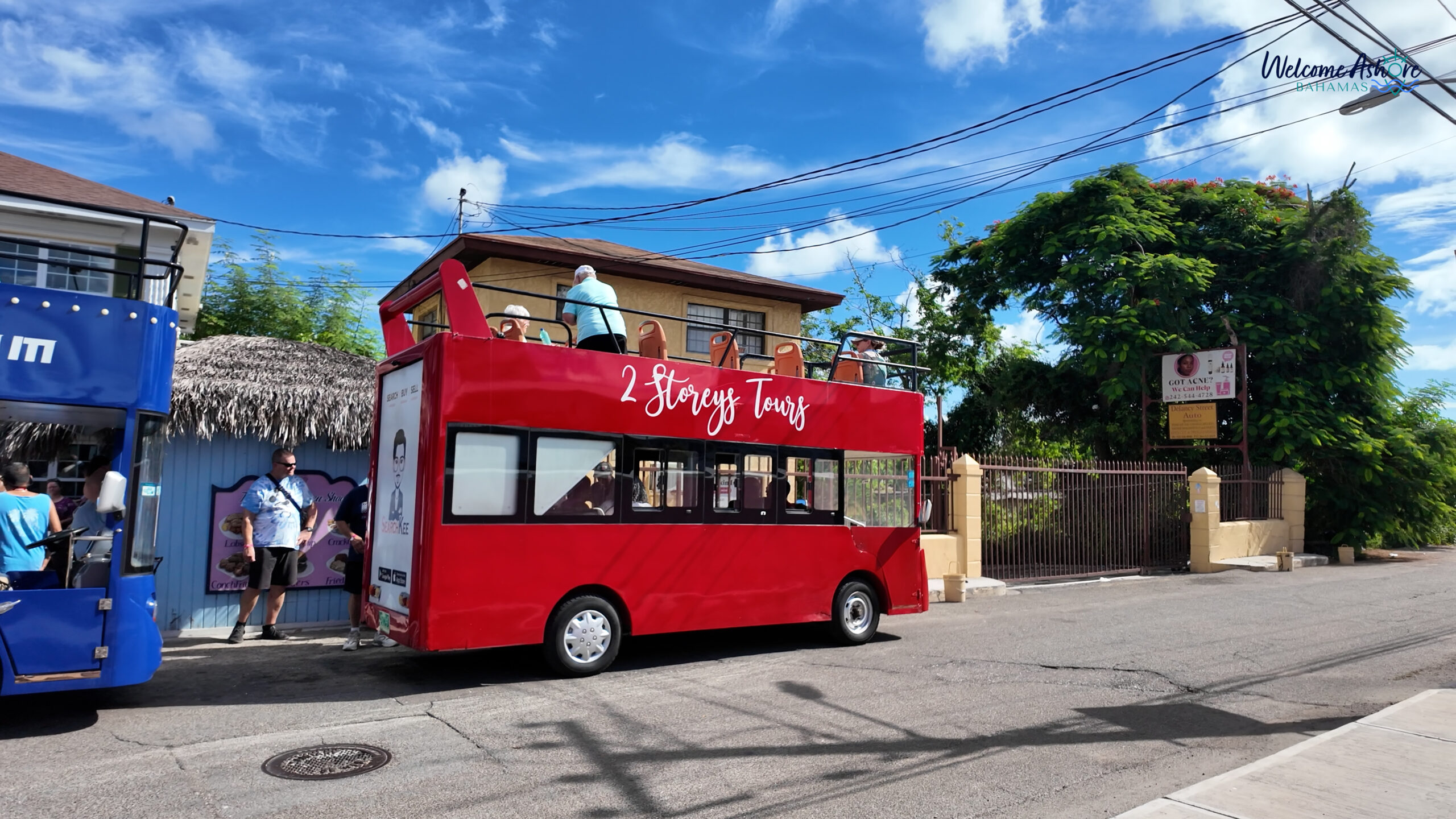
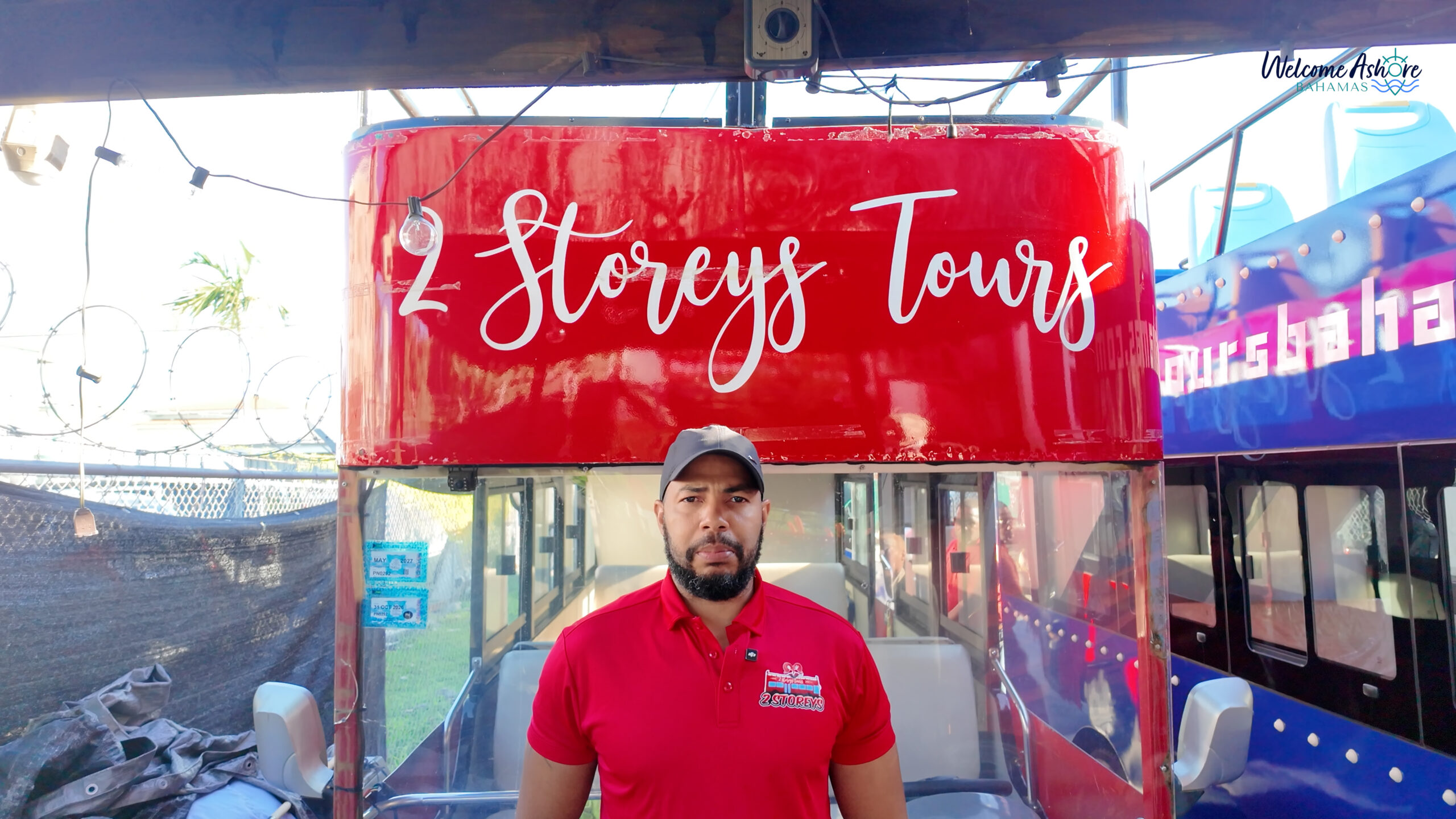
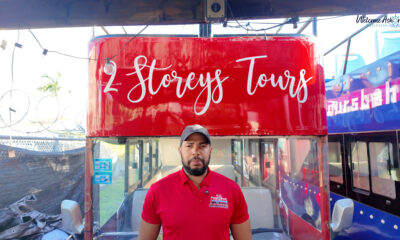
It was while I was living in Europe that I saw how excited people were about England’s iconic double-decker buses. It was a symbol of culture – and visitors looked forward to the ride as an experience in itself rather than just a method of transportation.
That sparked a thought: What if we brought that same excitement to The Bahamas, but made it uniquely Bahamian?
In November 2024, that thought became 2 Storeys Tours. I wanted visitors to see Nassau in a way they had not been able to before. That meant they could come straight off a cruise ship and onto a double-decker to see what makes our country what it is – to see our beautiful waters and to discover what makes us Bahamian.
We wanted to create something memorable, something visitors would associate with their Bahamian vacation, just as people associate double-decker buses with England.
The bus may catch your attention, but The Bahamas is what makes the experience unforgettable.
We also believe tourism should create opportunities for Bahamians.
We started less than five years ago with one very used double decker bus.
Now thanks to cruise ship business, we have quadrupled the size of our little fleet. We now have four shiny new red and blue buses, so we can say Welcome Ashore in style.
Depending on the season, between 70 and 80 percent of our business is cruise-passenger driven. Even during the slower season for hotels, the cruise ships arrive filled with people looking to explore historic Nassau and we are giving them the closest to a bird’s eye view as they can get. And they love it.
Turning an idea into a functioning business has been an exciting journey, but certainly not without challenges. From planning and preparation to finally seeing our buses on the road, the experience has taught us patience, perseverance, and the importance of believing in a vision.
We are proud of how far we’ve come, and even more excited about what lies ahead.
Building partnerships helped us to get to where we are today – building them further will take us to where we can reach tomorrow.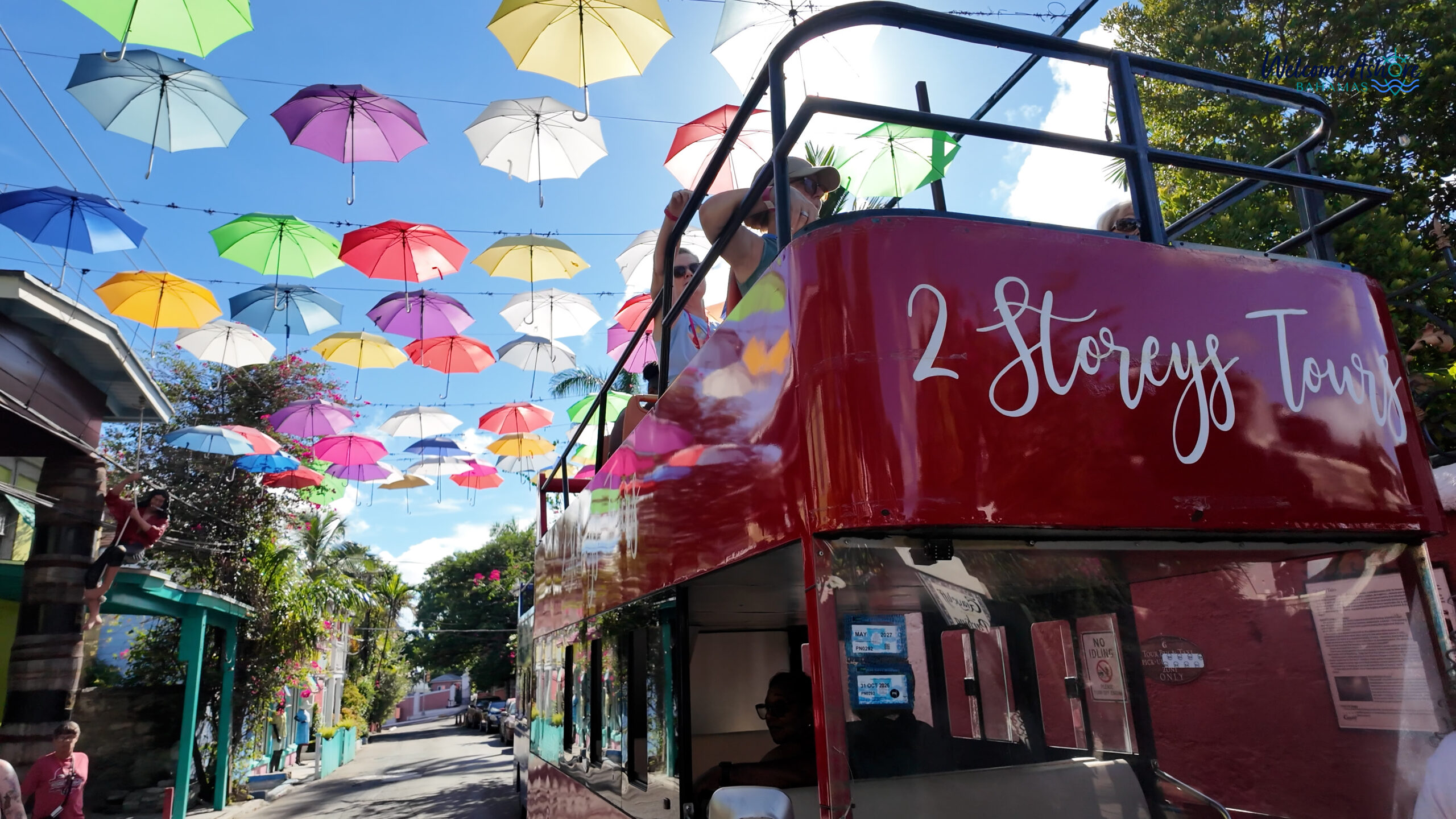
Our ambition is to make 2 Storeys Tours a recognised and trusted name in Bahamian tourism. We want to continue improving our tours, developing new experiences, embracing environmentally responsible tourism, and building meaningful relationships – and eventually take the 2 Storeys Tours experience beyond Nassau to other islands.
Above all, we want to build something that lasts.
Looking back, it’s incredible to think that an observation while living in Europe could lead to a business right here at home.
What began as an idea became a business with a purpose, and we’re only getting started.
Our inspiration came from abroad. Our passion comes from home. And our future is proudly Bahamian.
By: KEEVON MAYNARD
President, 2 Storeys Tours
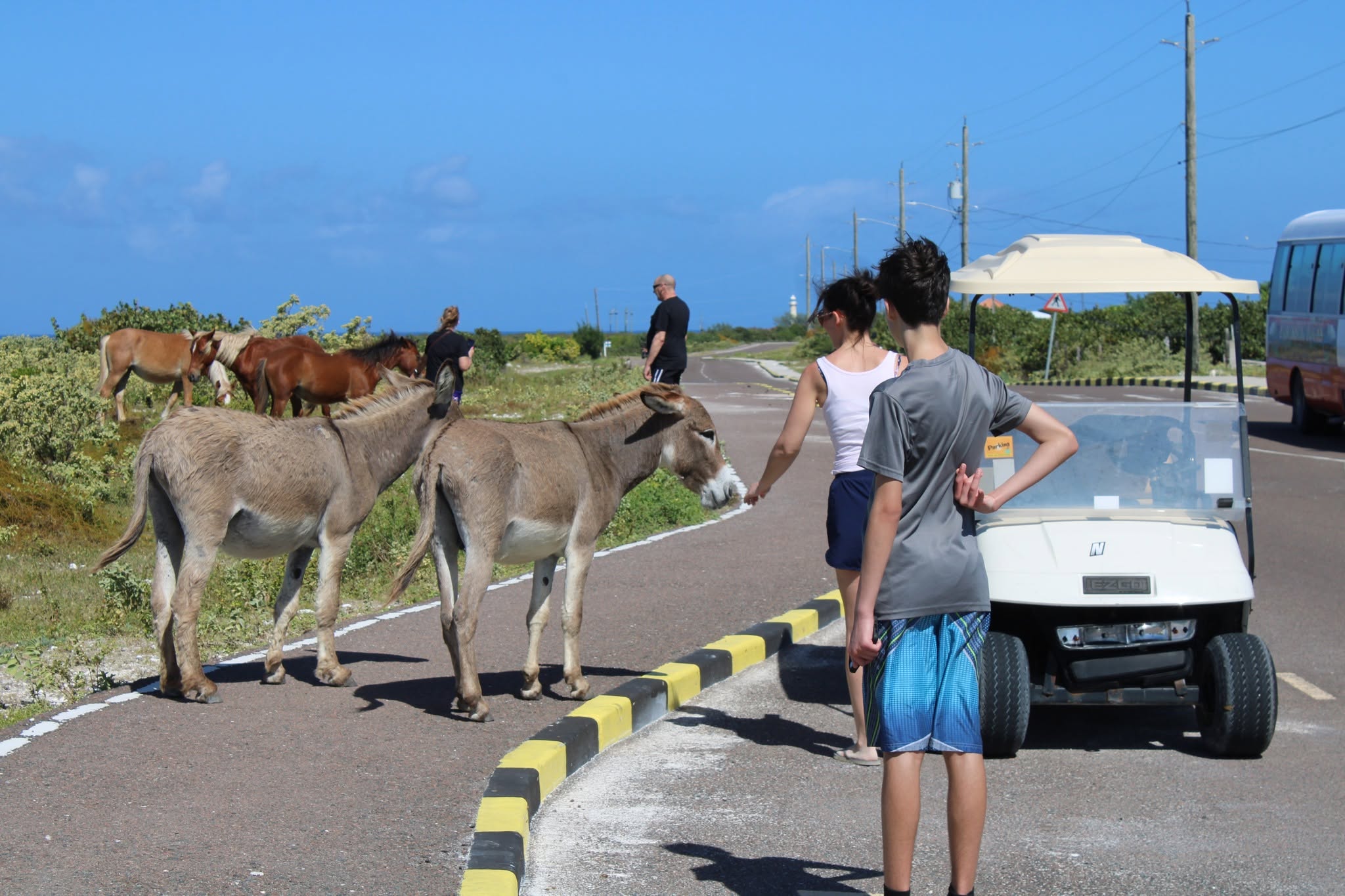
Turks and Caicos, October 31, 2026 – Once again, I feel compelled to put pen to paper on this matter. You don’t expect to slam your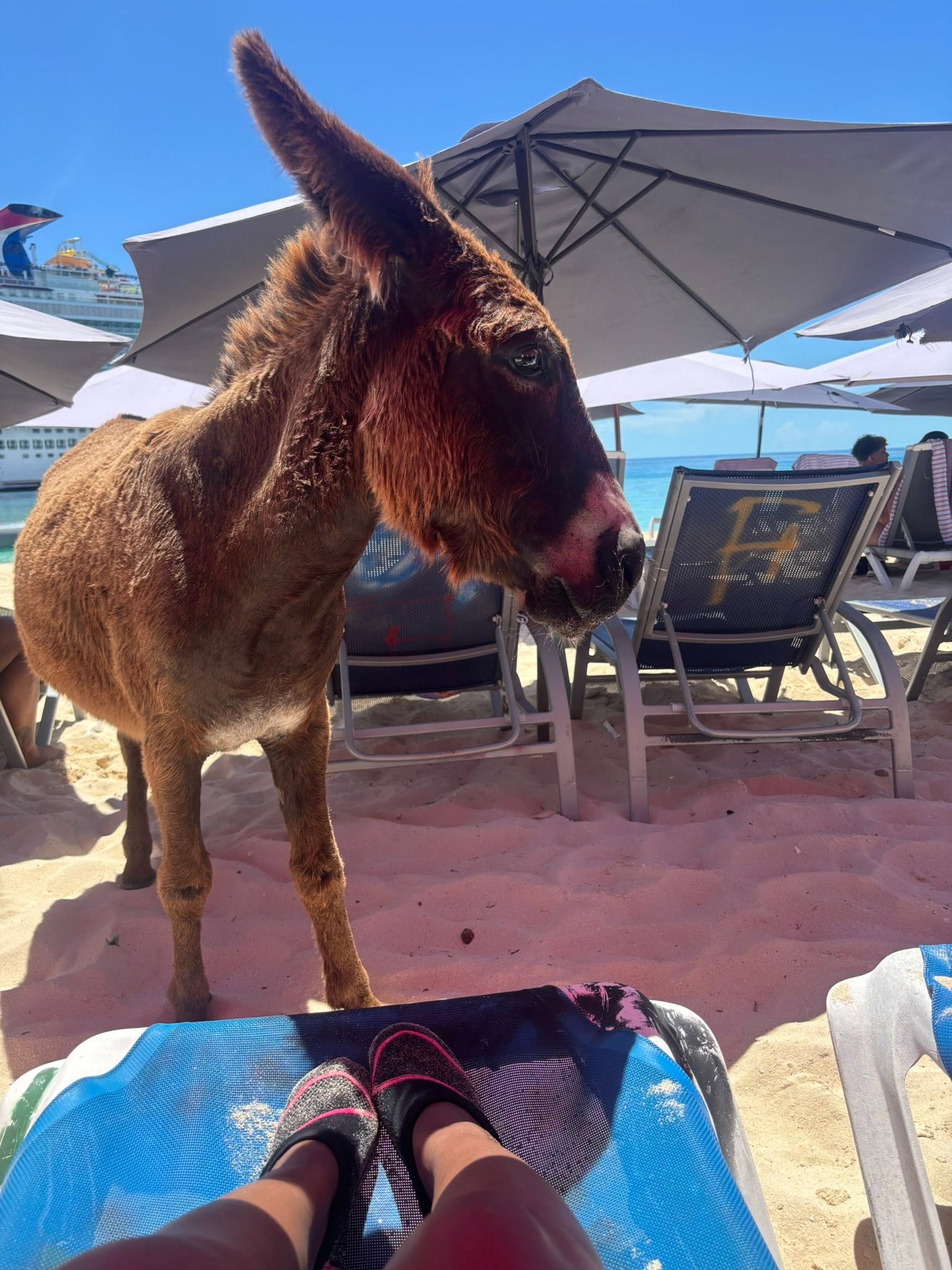 brakes in paradise. But in Grand Turk, it’s becoming routine.
Donkeys roam along roadsides, darting into traffic, while packs of dogs linger around neighborhoods. Tourists and residents alike face dangerous encounters with animals that, while symbolic of Grand Turk’s identity, now pose very real threats to public safety and themselves.
I’ve had near misses myself, and I’m not alone. This is no longer simply an island charm issue; it’s an unfolding dilemma that demands attention.
Grand Turk has a long history of romanticizing its animals. Donkeys, once essential to the island’s salt trade in the 1800s, are now part of its distinctive character. Yet neither they nor the growing population of free-roaming dogs are being adequately managed.
Estimates place the donkey population at around 500 on an island measuring just 10.5 square miles, with approximately 4,000–5,000 residents and tourist numbers that can double on cruise ship days. Add dogs that are quasi-owned—fed occasionally out of pity or when they wander onto someone’s property, but rarely properly cared for or contained—and the scale of the problem becomes clearer.
Feeding a dog occasionally is not the same as taking responsibility for it. The same applies to owners who fail to provide adequate fencing, allowing their dogs to roam freely through neighborhoods and onto public roads. Responsible ownership requires more than occasional feeding; it means ensuring an animal’s welfare while protecting the wider community.
Tourists may marvel at roadside donkeys or follow a friendly dog to the beach. But they don’t necessarily witness the accidents, injuries, property damage, and scattered garbage. Nor do they see how open grazing areas are disappearing beneath roads, homes, and new developments.
So, whose space is it now? Are the animals invading ours, or are we gradually taking theirs, leaving less vegetation for them to feed on?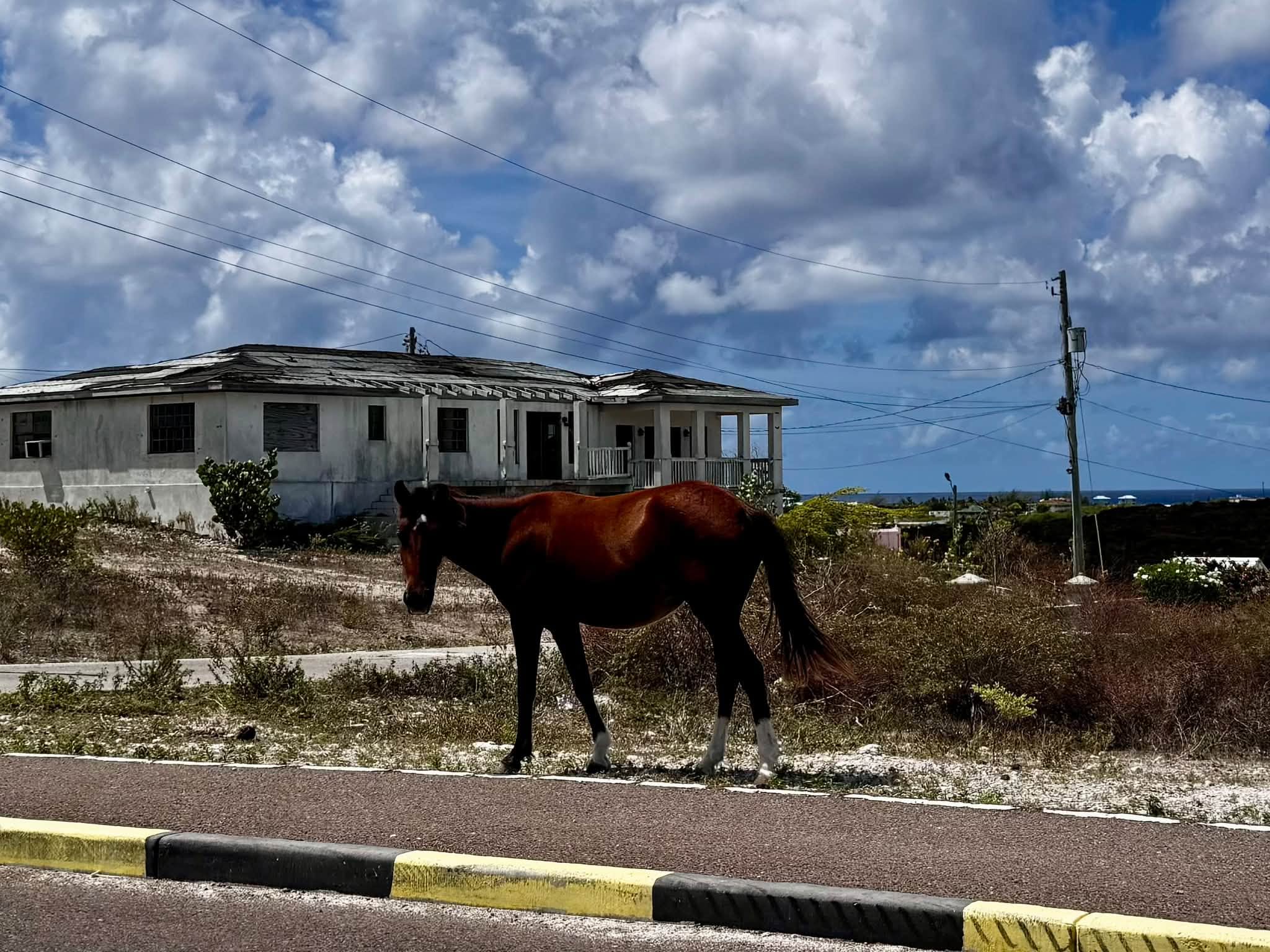
This is not simply a debate about animals. It is about responsibility, planning, and public safety.
Grand Turk’s Department of Agriculture faces a challenging predicament. The Turks & Caicos Society for the Prevention of Cruelty to Animals (TCSPCA) does what it can, but without adequate funding and government support, its capacity remains limited. Volunteers continue to step forward, yet goodwill alone cannot resolve a problem of this magnitude.
There are several suggestions from avid Hooves & Paws TCI volunteers: Establish satellite watering holes away from high-traffic areas, properly maintain existing ones, or explore the creation of a donkey sanctuary etc.
We have recently welcomed the long-awaited arrival of a full-time veterinarian, but that alone is not enough. Support vehicles, appropriate facilities, and equipment for the safe and humane capture and treatment of animals are also essential.
There is another uncomfortable question that deserves an answer: Is the Department investing in the training and resources needed for the humane euthanasia of severely injured animals when recovery is no longer possible, rather than leaving police officers to resort to shooting them?
There may be emergencies in which officers must act immediately to protect human life. However, emergency responses should not replace a properly funded animal management programme. Severely injured animals deserve a humane, professional response, with veterinary guidance wherever circumstances permit.
We have also heard concerning reports of animal mutilation. Such reports warrant serious attention and, where appropriate, proper investigation. Animal welfare must be part of this conversation, not an afterthought.
If Grand Turk wants to preserve its Beautiful by Nature identity, it needs more than slogans. It needs enforcement, practical solutions, and a willingness to acknowledge that some animals are suffering while others pose genuine dangers to residents and visitors.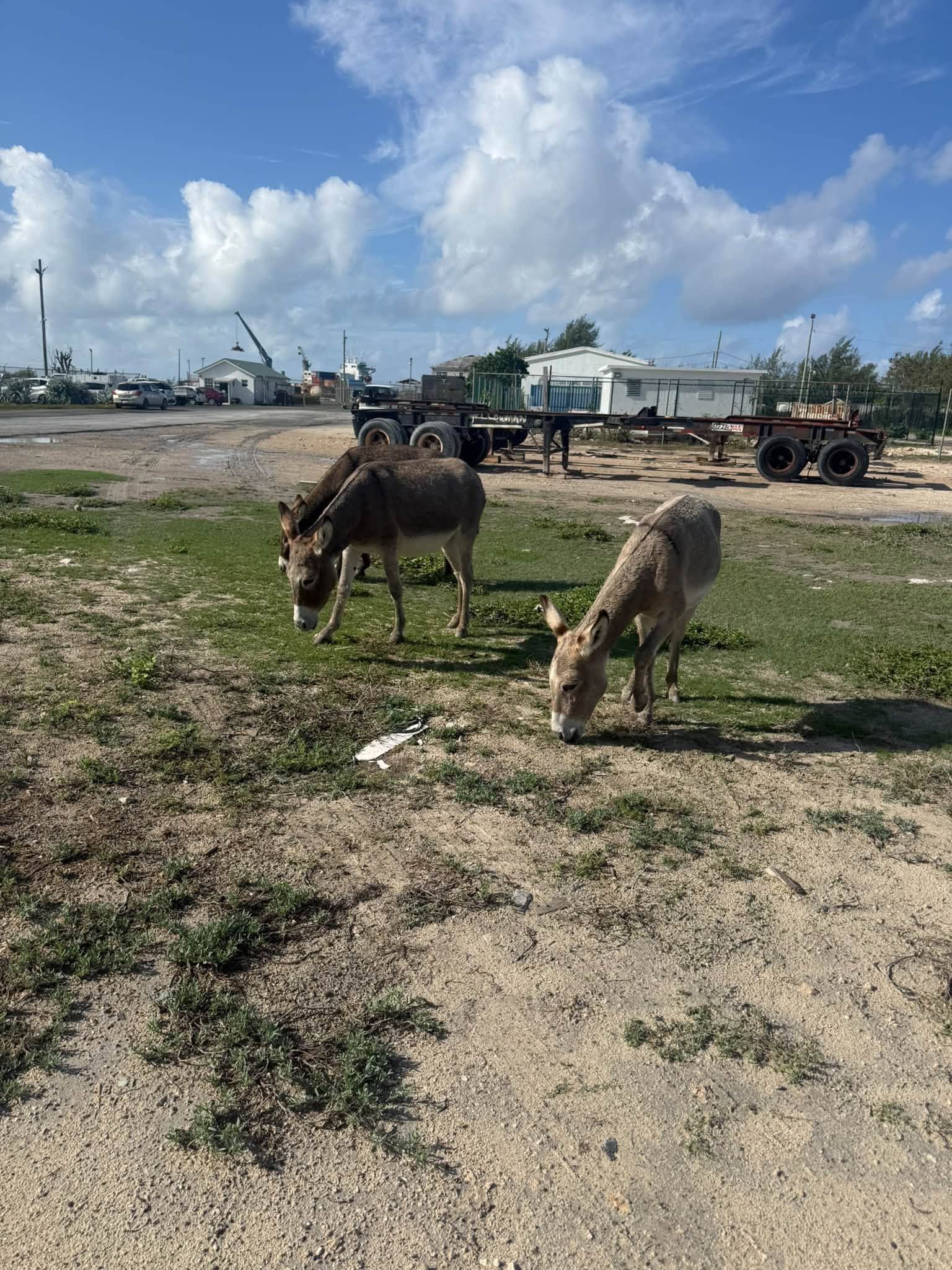
No one wants to strip the island of its character. Donkeys, dogs, horses, cows, and even the occasional roaming of goats or roosters contribute to the experience that makes Grand Turk memorable. But when charm becomes a hazard and beauty collides with danger, it is time to stop romanticizing the situation and start organizing around solutions.
There is no single, perfect answer. But continuing to do too little only increases the risk of more accidents, more suffering, and further damage to the environment we claim to cherish.
The wild can still be free, and humans and animals can coexist. But that balance requires responsible ownership, humane treatment, effective enforcement, adequate resources, and government leadership.
This administration must work alongside local volunteers, expatriate residents, animal welfare organizations, and the private sector to develop sustainable strategies before neglect leads to irreversible consequences.
Grand Turk’s animals are part of our heritage. Protecting that heritage means protecting the animals, the people who share this island with them, and the visitors who come here expecting paradise.
Ed Forbes
Bahamas News
Rosewood Exuma: A precedent-setting case for environmental law and future development in The Bahamas
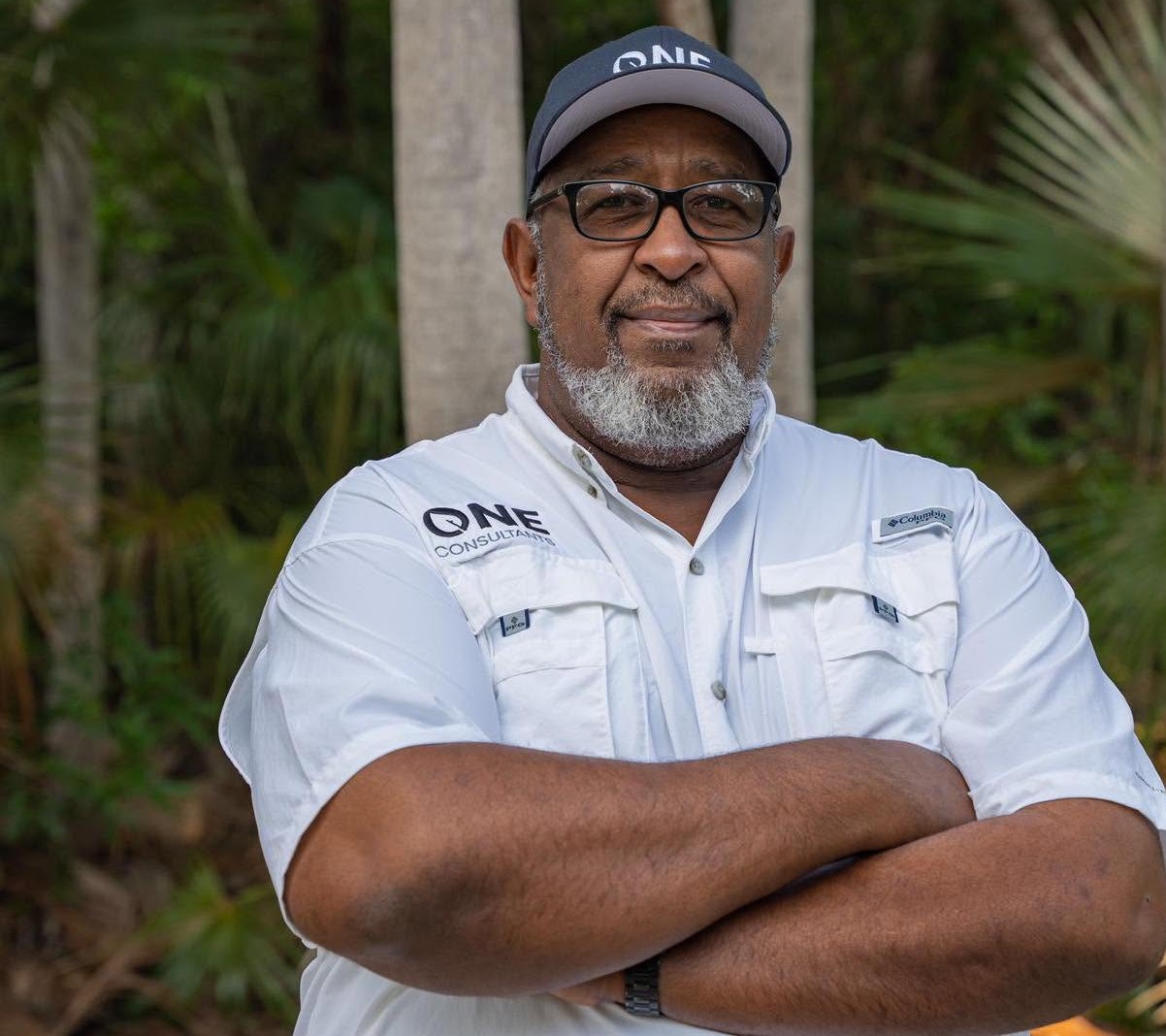
By Eric Carey, ONE Consultants, former Executive Director of the Bahamas National Trust.
We are facing an extraordinarily important moment in judicial history in The Bahamas as we await a decision on the trial of allegations in the Yntegra group’s Rosewood Exuma project.
As former Minister of the Environment, Romauld Ferreira, put it in the Supreme Court last week: “A lot is at stake…a great deal of what will be considered in this case sets the stage for what’s to come for future development in the country.”
In the trial of the judicial review of government approvals given to Yntegra for their Rosewood Exuma resort this week, we’ve heard technical arguments about failure to make key environmental documents like Yntegra’s Environmental Impact Assessment and Environmental Management Plan available to the public, failure of key documents to assess some of the most controversial aspects of the project, an unlawful consultation process, and a failure to conduct further consultation following major changes to the development.
Lawyers for Turtlegrass described how there was a “salami slicing” of the project into chunks as a way to circumvent the approvals process and disguise its full impact from public scrutiny. Only certain portions came before the public and key stakeholders like Turtlegrass and Over Yonder Cay for scrutiny, while some of the most controversial aspects did not. This is particularly problematic given what is at stake – the dredging of a beautiful Exuma bay, the North Bay, to transform it into an industrial shipping channel, complete with an enormous seawall, dock, back-of-house facilities and other industrial infrastructure.
It is unfortunate that it has had to come to this – an expensive judicial review process that calls out the government for falling down on its duties to protect the environment and follow the law – but it is important and the broader implications should not be overlooked. When Justice Leif Farquharson rules on this case, he’ll set a precedent that could echo in The Bahamas for years to come, one that answers the question: are the 2019 environmental laws that Ferreira took to parliament after many years of advocacy by environmentalists toothless tigers that are just for decoration – or are they capable of protecting the environment that we all depend on and the rights of those affected by projects to have a genuine say in them?
What is curious is that at the same time as these points are being raised in court as part of the judicial review, we are seeing personal attacks about Bob Coughlin – the person spearheading this legal action and test of environmental laws – by online trolls. Coughlin, an Exuma resident for almost a decade, has long been established as an environmental advocate and a passionate philanthropist – one who has donated almost $4 million to causes in The Bahamas since 2018, including millions to the organisation I once led, the Bahamas National Trust.
For reasons one can only speculate about, these trolls have been trying to make out all sorts of absurd things: that his legal action in support of environmental protection is a petty dispute born out of fears of competition. That Coughlin no longer even wants to pursue his eco-tourism project, when the reality is that he was forced to put it on hold because of the destructive environmental plans that are in dispute. That he is the only one who has an issue with this Rosewood Exuma resort, when in fact, neighbouring resort, Over Yonder Cay – one of the top rated resorts in the Caribbean – as well as the Save Exuma Alliance – consisting of most of the local islands and businesses in the Exuma area, and thousands of petition signers have expressed their concern with the project – over 9,000 to date. Most ironically, they claim, wrongly, that Coughlin received crown land for personal use, when in fact it is Yntegra who received crown land while having no development track record, when Coughlin instead bought his lease on Sampson Cay from a private owner.
The timing of these claims, in the week of the trial, suggest a patronising and cynical attempt to distract from the gravity of the case being heard, what it represents, and how important this decision is. With their simplistic, jingoistic and factually-dubious references to crown land, white foreigners, and the like – it’s not hard to imagine that those involved are engaged in a ploy to push the buttons of Bahamians who they apparently believe can be too easily distracted into ignoring the real issue here: that the government, has – in the words of those in the Supreme Court this week – “run roughshod” over environmental laws with its approvals for Yntegra’s Rosewood Exuma project and that this is truly a landmark case and the decision will have a long-lasting impact on future development. This is at a time when foreign direct investment (FDI) inflows into the Bahamian economy are forecast to increase by as much as two thirds over the next two years, according to the Inter-American Development Bank (IDB).
So I call on my fellow Bahamians to stay focused. This is not a story about one man – it is a story about the future we want for our country and whether we are willing to sacrifice our ability to demand environmental accountability in all developments moving forward. There is too much at stake to be thrown off the track by trolls.
As Ferreira says of the judicial review that now awaits Justice Leif Farquharson’s judgement: “This is the first set of litigation, serious litigation, that takes a deep dive into the Environmental Planning and Protection Act and the environmental impact assessment regulations…There’s a lot at stake here.”





-
 Independent writer1 week ago
Wild, Free, and Out of Control: Grand Turk’s Animal Debacle Is No Island Secret
-
 News4 days ago
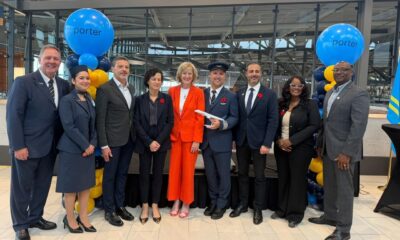
Porter Airlines Begins Nonstop Service to Turks and Caicos Islands with Toronto to PLS route
-

 News6 days ago
Turks and Caicos Islands Records Highest Third-Quarter Stayover Arrivals
-
 Bahamas News4 days ago
Inspired Abroad, Proudly Bahamian