
Caribbean News
CDB Addresses Food Import Bill


October 18, 2024
The Caribbean Development Bank (CDB) has been actively working with regional and international agencies to assist with CARICOM’s 25 by 2025 initiative which seeks to reduce the region’s rising food import bill, improve intra-regional trade, and create wealth and economic opportunities for the members of the Caribbean Community (CARICOM).
The recent pandemic and climatic events have impacted agricultural productivity with hurricane Beryl and others contributing to deepening social inequalities with Grenada, Jamaica and Saint Vincent and the Grenadines suffering massive losses. In Saint Vincent and the Grenadines, the banana and plantain industries suffered losses of up to 98 percent, while Jamaica’s agriculture sector incurred USD 15.9 million in damages, affecting over 45,000 farmers.
Grenada saw 98 percent of its infrastructure on the islands of Carriacou and Petite Martinique destroyed. These events have slowed progress towards the regional shared goal of reducing food imports by 25 percent by 2025. The new food security programme will, through a series of projects ranging between EURO 400,00 – 570,000 for national projects and up to 670,000 will support agri-MSMEs and producers by providing access to finance, fostering innovation, and improving distribution systems to enhance competitiveness and resilience.
According to Felipe de La Mota of the EU, the project forms part of a larger envelope of funds to augment regional efforts by CARICOM and the Organisation of Eastern Caribbean States (OECS) to clear bottlenecks related to food security.
The EU’s global gateway has allocated EUR 19 million to the Caribbean for food production and resilience initiatives. Adding that “We are working together with our implementing partners and stakeholders’ colleagues, other institutions and governments… who know the region… to identify those sectors and bottlenecks that we can help unlock,” he said
Honing in on the need for partnerships, the CDB executive indicated that: “addressing food security at a regional level is crucial, as no single member state can solve these issues alone, particularly smaller islands with limited resources. Through CARICOM’s unified market and congruent national and regional policy implementation, we can ensure that food production, supply, and consumption are sustainable and that we move closer to food sovereignty,” encouraged stakeholders to work together to ensure no country is left behind.
Manager of agricultural health, food safety and quality programme at the Inter American Institute for Cooperation on Agriculture (IICA), a programme partner, Dr José Urdaz, who also spoke at the event emphasized the impact of global volatility on food and nutrition security.
He highlighted current upward trends in undernourishment and food insecurity in the region and the existing over reliance on food imports. Urdaz also stated that IICA will continue to partner with organisations to improve Caribbean food security focusing on ensuring that food traded is safe. This, he added, can be accommodated through strategic initiatives to reduce non-technical trade barriers, sanitary and phytosanitary measures and by implementing capacity building.










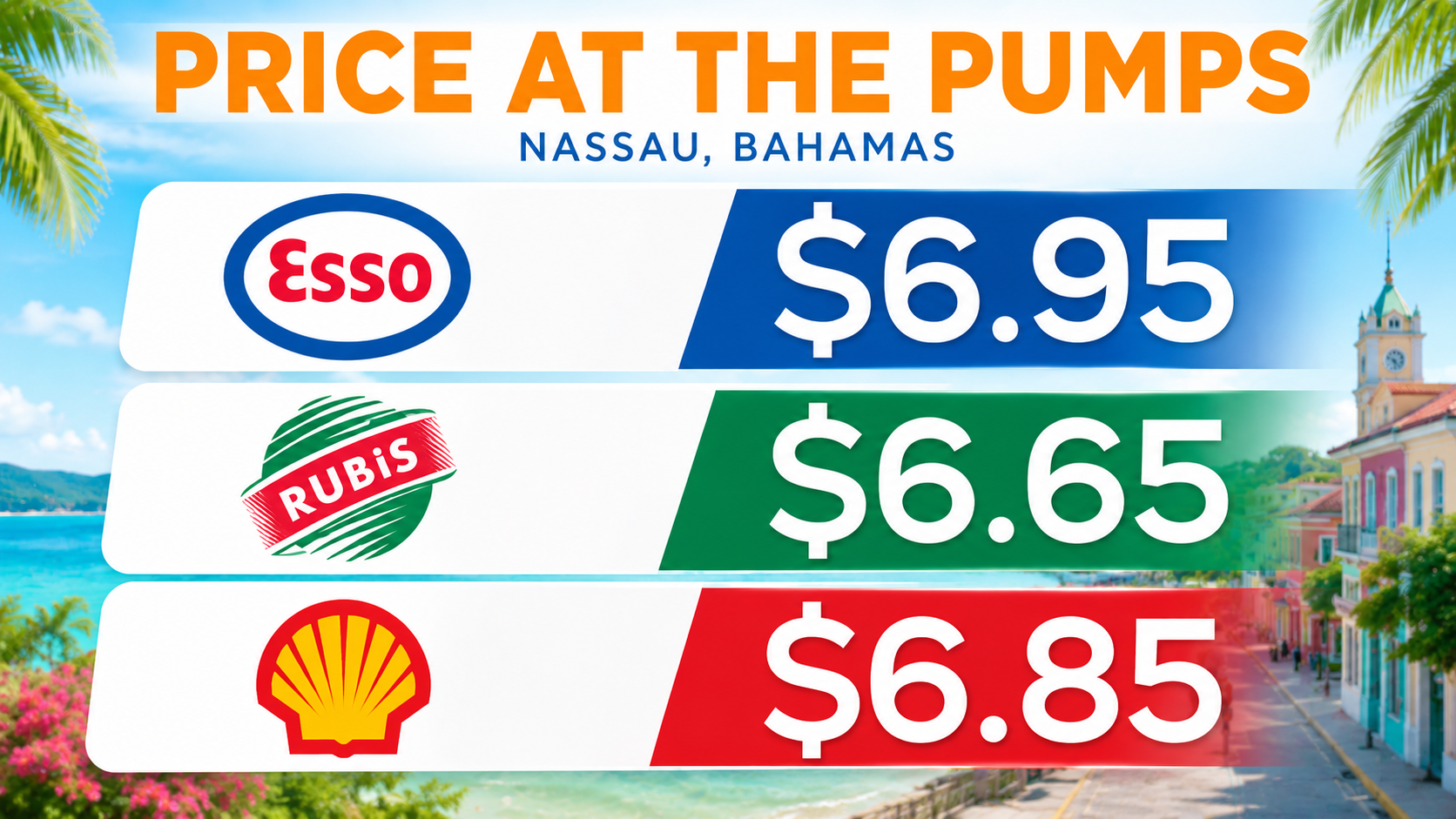
May 22, 2026 – The Caribbean Community is warning that the escalating conflict surrounding the Strait of Hormuz is now directly threatening Caribbean economies, driving up the cost of fuel, food and freight across a region heavily dependent on imports.
In a statement issued this week, CARICOM expressed “serious concern” over the worsening hostilities in the Middle East and the growing instability affecting one of the world’s most critical shipping corridors.
CARICOM said it is alarmed by: “the severe loss of life, threats to civil infrastructure, and the instability in global markets” resulting from the conflict.
The regional bloc warned that disruption in maritime transit through the Strait of Hormuz is reverberating across the global economy through: “energy markets, supply chains and increased freight costs.”
For Caribbean citizens, those consequences are already becoming painfully visible.
In Nassau, gasoline prices have surged again, with regular fuel now nearing or exceeding seven dollars per gallon at some stations. Consumers in other CARICOM countries are also reporting higher transportation costs, rising grocery bills and mounting pressure on household budgets.
The fear among regional leaders is that the crisis is far from over.
Roughly 20 percent of the world’s oil and liquefied natural gas normally passes through the Strait of Hormuz, making it one of the most strategically important waterways in global trade. Analysts warn prolonged disruption could trigger even higher global inflation and deeper supply chain instability.
The United Nations Food and Agriculture Organization has now warned that the crisis could become a: “systemic agrifood shock” capable of triggering a severe global food price crisis within six to twelve months.
The Caribbean is especially vulnerable because of its dependence on imported fuel, imported food and imported manufactured goods.
A recent UN regional analysis warned that shockwaves from the Middle East conflict are already reaching Caribbean nations, where rising oil prices and freight costs are increasing the price of imported food, electricity and transportation.
Global institutions are also sounding increasingly dire warnings.
The World Bank projects energy prices could surge by 24 percent this year because of the conflict, while fertilizer prices may jump by more than 30 percent — increases likely to feed directly into higher food costs worldwide.
The International Monetary Fund has meanwhile warned the global economy could face a “much worse outcome” if the conflict drags into 2027 and oil prices continue climbing.
CARICOM is now calling for all parties to respect international law and preserve safe passage through the Strait of Hormuz under the United Nations Convention on the Law of the Sea.
The Community stressed that transit passage: “should not be contingent on any license, levy, or authorization,” and warned that bordering states should not “hamper or suspend” the movement of vessels through the corridor.
CARICOM also called for: “cessation of hostilities” and urged “de-escalation and restraint by all parties.”
But for many Caribbean citizens, the economic pain is already here.
And with fuel nearing seven dollars per gallon in parts of The Bahamas, regional governments are facing renewed pressure over cost of living concerns, inflation and the Caribbean’s continued dependence on imported energy and food supplies.
Angle by Deandrea Hamilton. Built with ChatGPT (AI). Magnetic Media — CAPTURING LIFE.

Antigua & Barbuda, May 4, 2026 – Prime Minister Gaston Browne has secured a historic fourth consecutive term in office, leading the Antigua and Barbuda Labour Party to a commanding victory in the country’s snap general election held April 30, 2026.
Preliminary results show Browne’s party capturing 15 of the 17 seats in Parliament, tightening its grip on power and dramatically weakening the opposition.
The main opposition United Progressive Party was reduced to just one seat, held by its leader, while the Barbuda People’s Movement retained its single constituency in Barbuda.
The result marks a major political turnaround for Browne, whose party had won a much narrower 9–7 majority in the 2023 election before rebuilding support through defections and by-elections.
Voter turnout figures vary in early reports, with initial estimates indicating participation of around 35.8 percent, or roughly 22,700 voters out of more than 63,000 registered. However, broader election data suggests overall turnout may have exceeded 60 percent, reflecting steady engagement despite political tensions.
The election, called nearly two years ahead of schedule, was shaped by concerns over the cost of living, global economic pressures and fallout from U.S. visa restrictions linked to the country’s citizenship-by-investment programme.
Despite those issues, Browne campaigned on economic stability and continued development, pointing to a strong tourism recovery and ongoing infrastructure expansion.
The decisive victory now strengthens his mandate, but also raises questions about the future of the opposition, which faces internal challenges after significant losses at the polls.
Angle by Deandrea Hamilton. Built with ChatGPT (AI). Magnetic Media — CAPTURING LIFE.
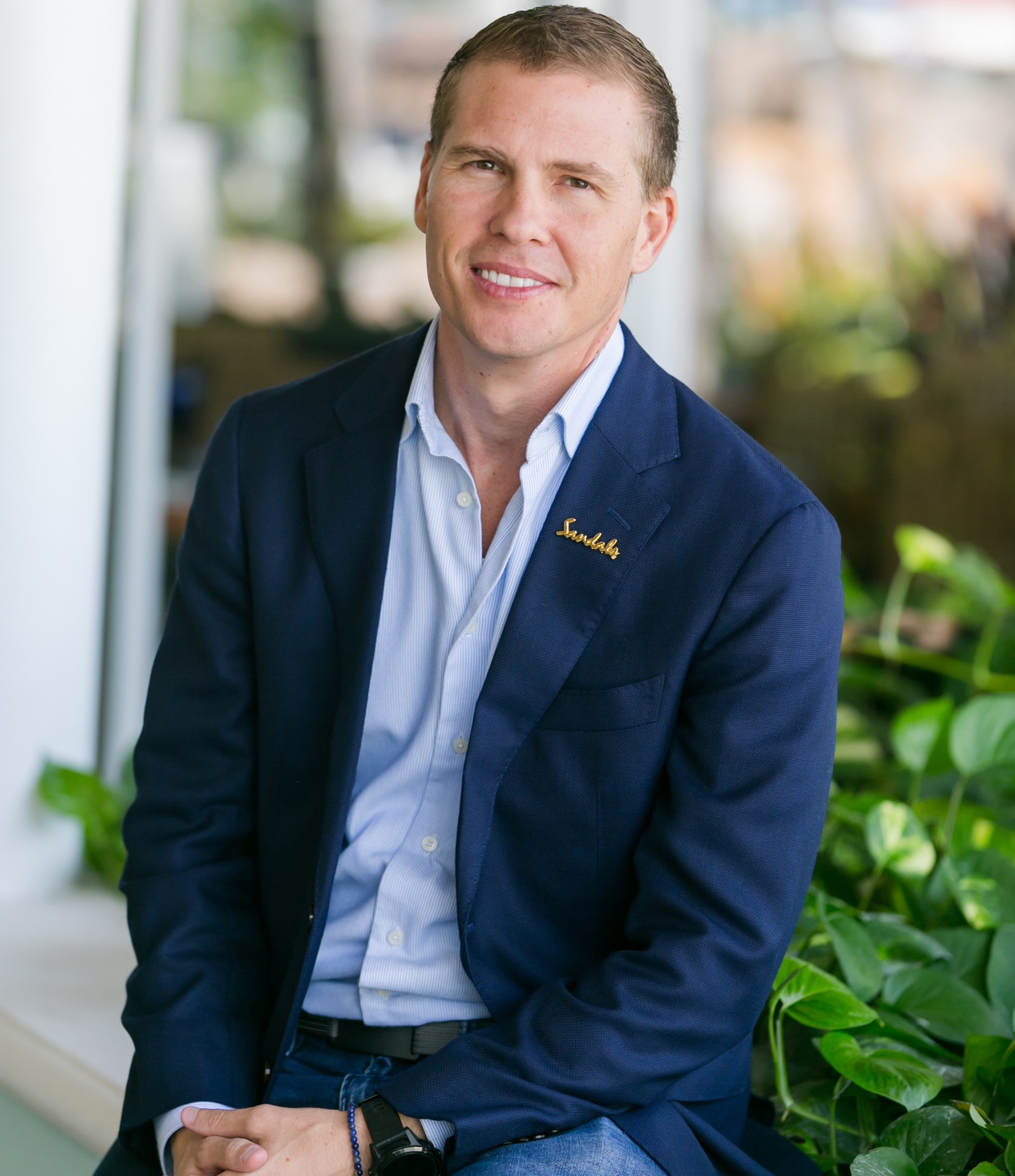
May 4, 2026 – This is not just a family dispute. It is a fight over control of a tourism empire.
At the centre is Adam Stewart, who has secured a series of legal victories across the region as challenges continue over the estate and leadership structure of Sandals Resorts International.
The multi-billion-dollar conglomerate was built by the late Gordon “Butch” Stewart, whose passing in 2021 set off a complex and ongoing dispute involving family members, estate arrangements and control of the business.
In recent rulings, courts in both The Bahamas and Jamaica have reinforced Adam Stewart’s position, effectively allowing him to continue leading the company while defending his role against legal challenges.
One key issue has centred on the interpretation of estate provisions, including whether defending his leadership could jeopardise his inheritance. The courts have ruled in his favour, clearing the way for him to maintain control without penalty.
For now, those decisions bring a measure of stability to one of the Caribbean’s most influential tourism brands.
But the matter is far from settled.
Multiple legal challenges and competing claims within the Stewart family remain active, meaning the future structure of the company is still being contested.
The implications stretch well beyond the courtroom.
Sandals operates across several Caribbean nations, including The Bahamas, Turks and Caicos Islands, Jamaica and Saint Lucia, making it a critical player in regional tourism, employment and investment.
Any uncertainty at the top of the organisation has the potential to ripple across economies that rely heavily on the brand’s continued expansion and stability.
For now, Adam Stewart remains firmly in charge. He was named Executive Chairman of Sandals Resorts International in 2021.
Still, many are keen on the outcomes of ongoing litigation, as the battle over one of the Caribbean’s most powerful business empires is still unfolding.
Angle by Deandrea Hamilton. Built with ChatGPT (AI). Magnetic Media — CAPTURING LIFE.





-

 Health3 days ago
Grand Turk Residents Fear Norovirus-Linked Cruise as Health Ministry Approves Docking
-

 Caribbean News3 days ago
CARICOM Presses for Peace as Hormuz Conflict Drives Up Caribbean Costs
-
 News6 days ago
Government Probes Possible Arson at GT Landfill
-

 Education5 days ago
TCFFA and TCICC sign historic MOU to launch Turks and Caicos’ first Sustainable Fly Fishing curriculum
-

 Bahamas News3 days ago
Over a Week Later, Bahamians Still Waiting on Full Election Numbers
-

 Bahamas News3 days ago
“Politician-1” Frenzy Intensifies After Plane Crash Survivor Allegedly Misses US Court Appearance
-

 Bahamas News3 days ago
Don Jr. Bahamas Wedding to Proceed Without President Trump
-

 Bahamas News3 days ago
Davis Unveils One Of The Largest Cabinets in Modern Bahamian History