
News
Archaic laws and policies on the books in TCI – It’s time for a change!


#TurksandCaicos, August 17, 2023 – Like many developed countries, there are a number of laws and policies still in existence on the books in Turks and Caicos Islands that have no place in a progressive society.
These laws are negatively impacting our way of life and many citizens deemed them to be antiquated, obsolete and should no longer be applicable in some cases.
Case in point: If a motorist decided he or she no longer has use of a vehicle they previously owned or if the vehicle becomes mechanically disabled, they cannot just abandon it without renewing the tags. If for some reason the owner decides to renew the tag years later, they could be subjected to stiff fines dating back from the year the original tag expired.
Does this make logical sense in a civilized society? If a motorist is found in violation, a traffic ticket should be issued. Perhaps, an alternative should be to apply a nominal late fee during renewal of vehicle registration.
Likewise, a similar situation applies to drivers’ license holders.
If for one reason or another be it financial, illness, personal or imprisonment, if a driver decides not to renew their licenses and take a sabbatical from driving, they will be subject to fines dating back to the year they allowed their DL to lapse.
As a matter of fact, a pending case was recently brought before the courts in TCI, still awaiting a verdict.
A revision of such laws could avert a perpetuation of what some would consider a choice of survival; like driving with an invalid license to get to work due to the exorbitant cost associated with renewals.
These fines could equate to hundreds if not thousands of dollars for some, especially for diasporas who were previous drivers’ license holders returning to their home land. The same predicament applies to those who may not be in a financial position to purchase another vehicle instead of renewing an old tag.
Thirdly, apparently there is an ordinance or policy on the books that requires high ranking ministerial government vehicles to have their title on the license plates.
Despite the closely knitted communities, in my opinion, such ordinance should certainly be reviewed and revised to limit exposure.
This may seem minuscule, but from a national security standpoint, with the exponential growth in irregular migration to TCI over the years, in addition to the level of violence the country is now experiencing, it could be a potential safety risk for the officials themselves and those tasked with protecting them.
There is also a pressing need to reform our current business license ordinance and find ways to consolidate fees and eliminate some of the red tape.
For example, why is it necessary to pay a fee for a business name search if your existing business is keeping the same name? It’s understandable if it is a new start-up company or if there was a lapse in renewal of business licenses.
Laws like these in the long run could have wider implications and impact, especially on the growing number of local entrepreneurs and those who are already marginalized.
On a more positive note, citizens welcome the news of having digital access to our laws in TCI, as announced by the AG’s office some months ago.
In an era of polarization and increased involvement of citizenry, having online access to our system of laws and justice is very beneficial.
TCI is at a stage in its development where we must transcend time. As our society grows and develops, it should not rely so heavily on tradition. Sometimes new laws are needed or old laws need to be changed for the benefit of the people.
We know it can be done, because we have seen it played out over the years where special interest groups or big corporations with specific goals, being able to poke and prod legislators to take positions on new policies or regulations. Some, not necessarily in the best interest of the country or beneficial to all concerned.
Our government should constantly seek to reform our laws so we can ensure our system of law and justice meets the challenges of today’s society. Any changes must also be in the best interest of the masses not just a select few.
Ultimately, it’s the people of TCI who make the final decision by choosing to elect leaders with progressive ideas and agendas.
Some of these sectors require urgent attention and revision. Failure to revise existing laws that are no longer relevant, it could disproportionately impact certain segments of population.
It could also put natives at a disadvantage and infringe on our rights and responsibilities, including future careers and the way we work.
In order to stay ahead of the curve and drive real transformation, we will need more citizens with a shared thirst for justice, a deeper compassion for others and a heightened sense of awareness.
I firmly believe that if individuals are allowed to freely pursue their self-interest in a free market like TCI, without the set back of archaic government regulations and red tape, our nation will continue to prosper in a more progressive way.
Ed Forbes,
Concerned Citizen

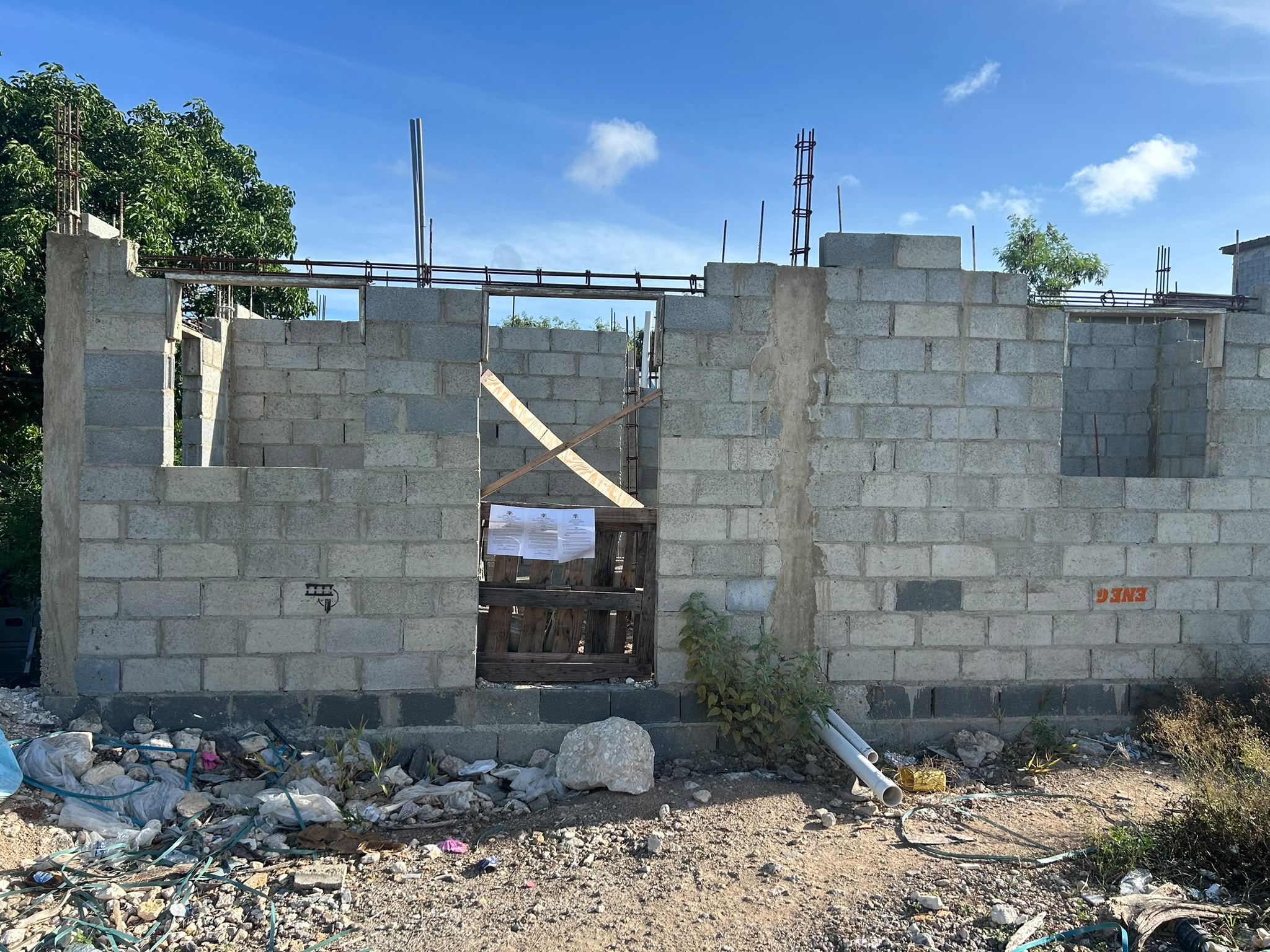
Providenciales, Turks and Caicos Islands – Wednesday, 21st October 2026: The Crown Land Unit, with coordination and support from the Informal Settlements Unit (ISU), conducted a multi-agency enforcement exercise in the Five Cays area of Providenciales on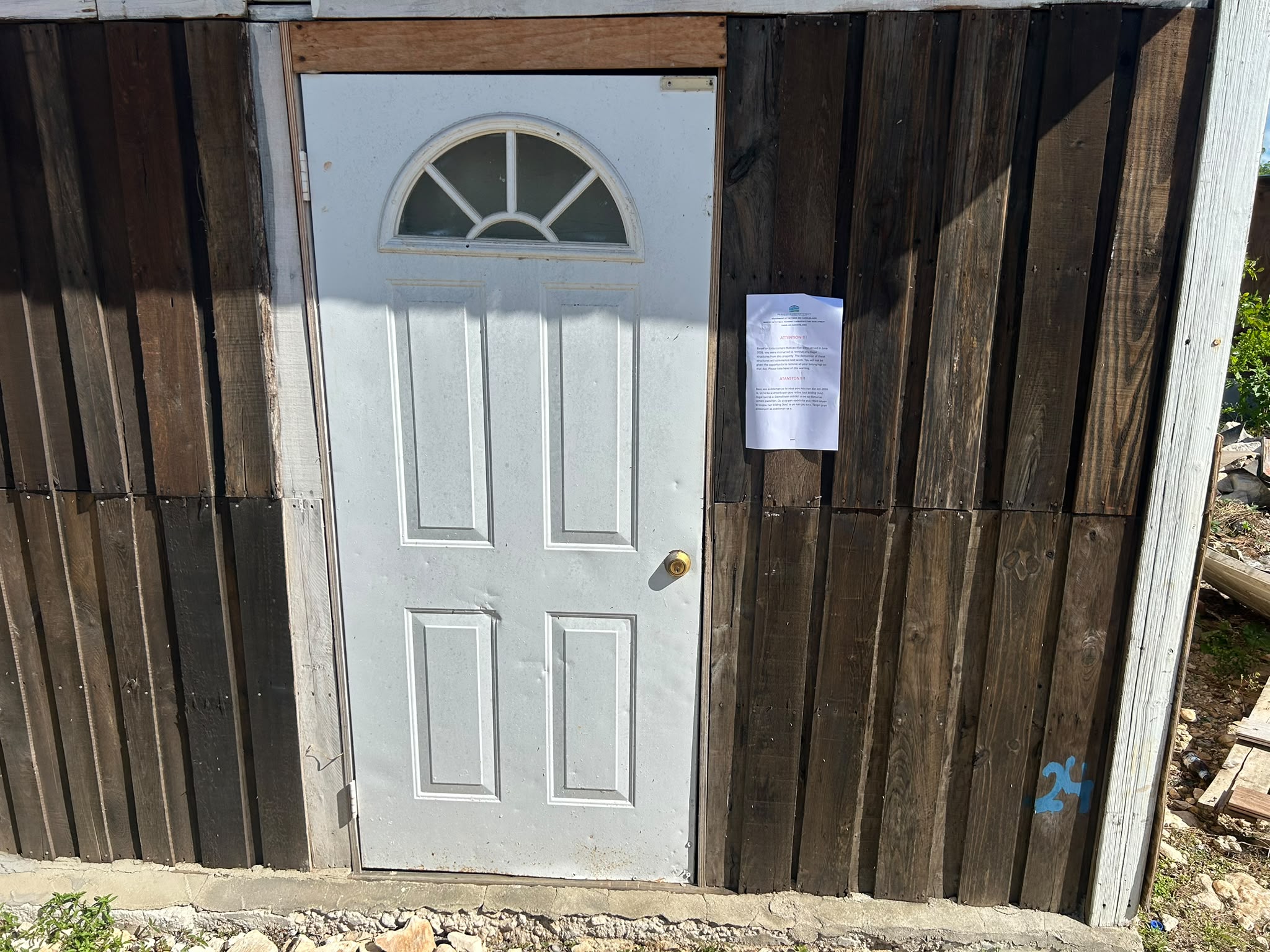 October 8, 2026, as part of the Government’s ongoing efforts to address the illegal occupation and unauthorized use of Crown land.
The exercise brought together representatives from the Crown Land Unit, ISU, TCI Border Force and Royal Turks and Caicos Islands Police Force. Inspections were conducted across several parcels of Crown land in Five Cays, where instances of illegal occupation and unauthorized use had been identified.
During the exercise, a total of seven (7) Section 22 Notices of Unauthorized Occupation were issued in accordance with the provisions of the Crown Land Ordinance. The notices related to the unauthorized placement of shipping containers and derelict vehicles, as well as the construction of an incomplete concrete structure on Crown land. Where occupants or other responsible persons were not present, notices were affixed to the relevant structures or items.
The exercise forms part of the Crown Land Unit’s continuing efforts to prevent squatting and encroachment on Crown land and to ensure that instances of unauthorized occupation are identified and appropriately addressed.
The Government of the Turks and Caicos Islands reminds the public that occupying, developing or otherwise using Crown land without lawful authority is an offence under the Crown Land Ordinance. These inspections and enforcement activities form part of a sustained program aimed at safeguarding public lands, discouraging unlawful development and ensuring that Crown land is managed in the best interests of the people of the Turks and Caicos Islands.
The Crown Land Unit will continue to work closely with the ISU and other partner agencies to identify and address instances of illegal occupation across the Islands. Persons occupying Crown land without authorization are encouraged to comply with all notices issued and to seek guidance from the relevant authorities where necessary.
News
Invest TCI Strengthens Regional Investment Connections at Caribbean Investment Forum 2026 in Barbados
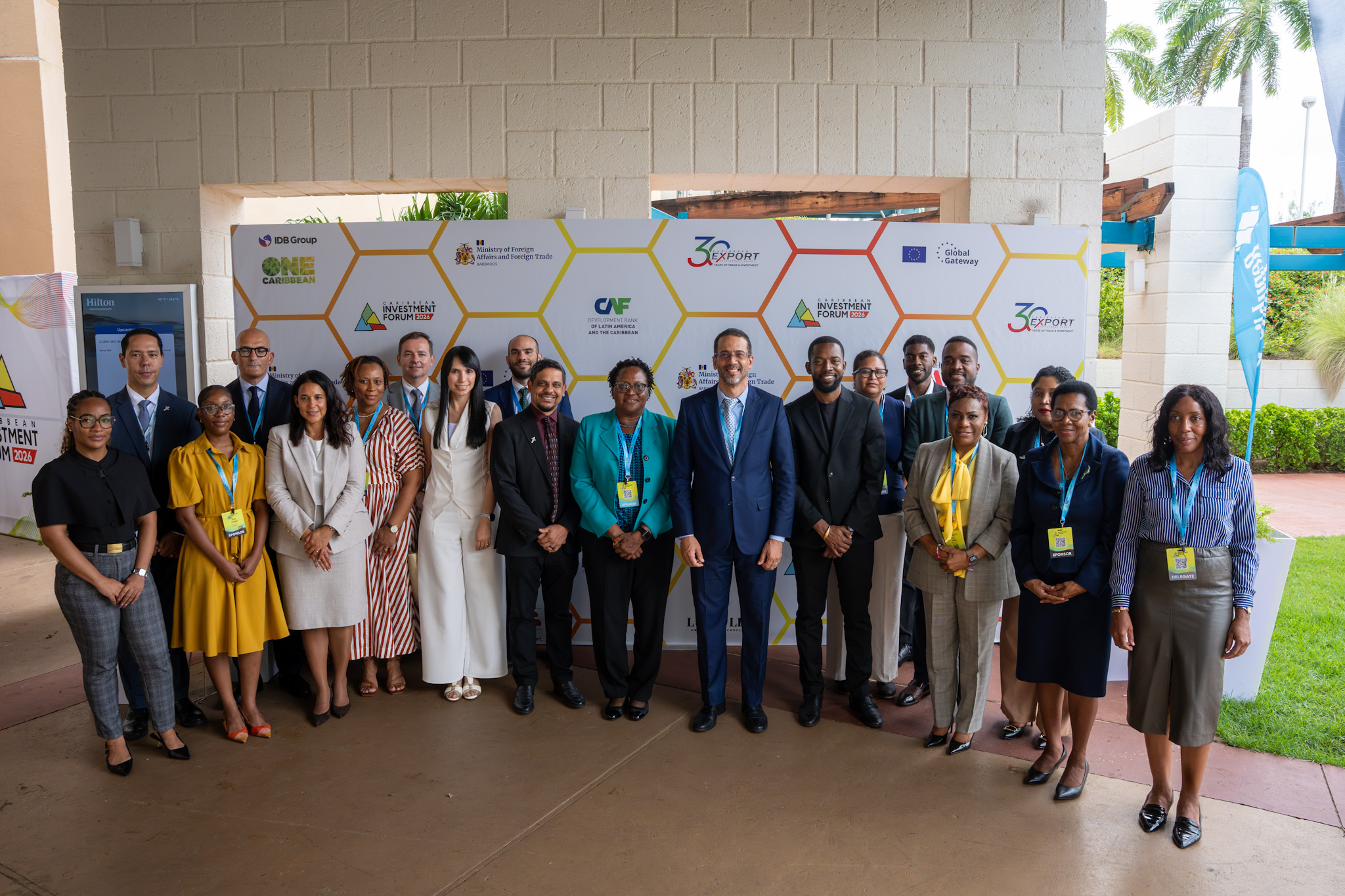
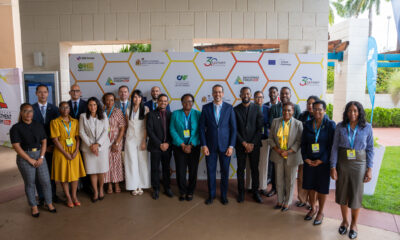
Providenciales, Turks and Caicos Islands – Monday, 19th October 2026: Invest Turks and Caicos Agency (Invest TCI) strengthened its regional presence at the Caribbean Investment Forum (CIF) 2026, held October 5 – 7, 2026, in Bridgetown, Barbados, participating as both a sponsor of the Forum and representative of the Turks and Caicos Islands’ investment landscape.
The Caribbean Investment Forum brought together regional and international investors, government representatives, business leaders,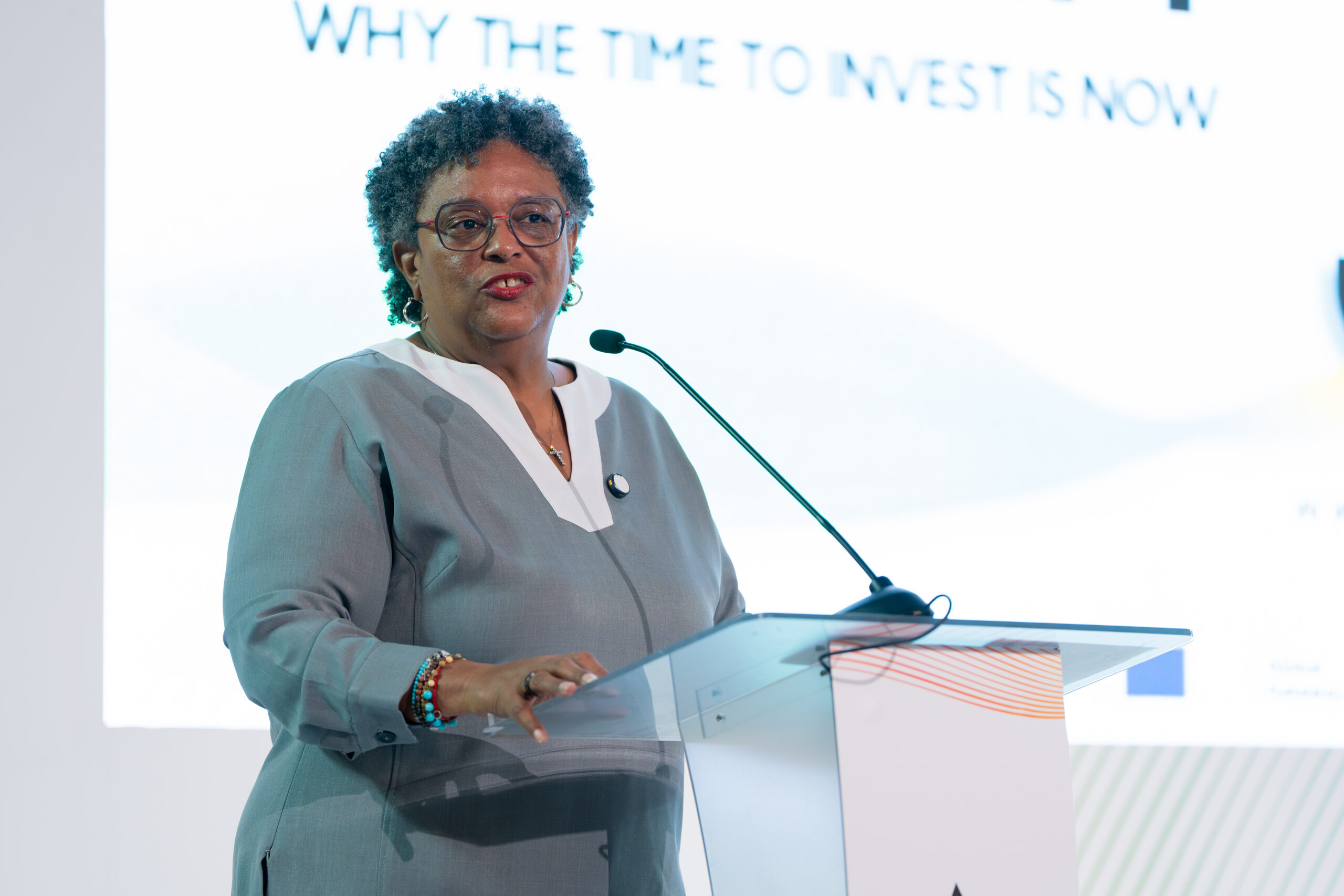 entrepreneurs, investment promotion agencies, and development partners to explore investment opportunities, strengthen partnerships, and advance sustainable economic development throughout the Caribbean.
The Agency’s sponsorship of CIF 2026 formed part of its continued commitment to strengthening the visibility of the Turks and Caicos Islands within the regional investment community and building relationships with investors, development partners, investment promotion agencies, and businesses across the Caribbean.
The opening of the Forum was attended by the Honourable Mia Amor Mottley, Prime Minister of Barbados, who emphasised the importance of scaling regional investment, strengthening economic cooperation, and transforming innovative ideas into commercially viable opportunities. Invest TCI was represented by Ms. Alexa Cooper, Domestic Investment Officer, and Mr. Hezron Henry, Marketing Support Officer. Throughout the Forum, the delegation engaged with stakeholders and promoted the Turks and Caicos Islands as a competitive investment destination while exploring opportunities for greater regional collaboration and knowledge exchange.
Speaking on her experience at the Forum, Ms. Alexa Cooper, Chief Domestic Investment Officer, said:
“CIF 2026 provided another valuable opportunity to engage with donor organisations, investors and Investment Promotion Agencies (IPAs) from across the Caribbean. A highlight for me was the introduction of an exclusive masterclass for fund managers, investors and support organisations, which offered practical insights into unlocking capital, strengthening investment ecosystems and supporting investment-ready businesses. I was equally impressed with the quality of projects pitched, which showcased the region’s innovation and investment potential. It was encouraging to see projects presented with a clearer understanding of investor expectations, reinforcing the importance of not simply developing projects, but ensuring they are well-structured, investment-ready and positioned to attract the right investment partners.”
Accompanying the Invest TCI delegation was Mr. Sean Penn, Chief Executive Officer of Sky Poultry Farm Ltd., the first commercial egg and poultry production facility in the Turks and Caicos Islands. Mr. Penn’s participation provided an opportunity to showcase the development of domestic enterprise within the Turks and Caicos Islands while highlighting the potential of agriculture and food production as part of the country’s broader economic diversification efforts.
Through his participation at CIF 2026, Mr. Penn had the opportunity to engage with regional stakeholders, gain exposure to developments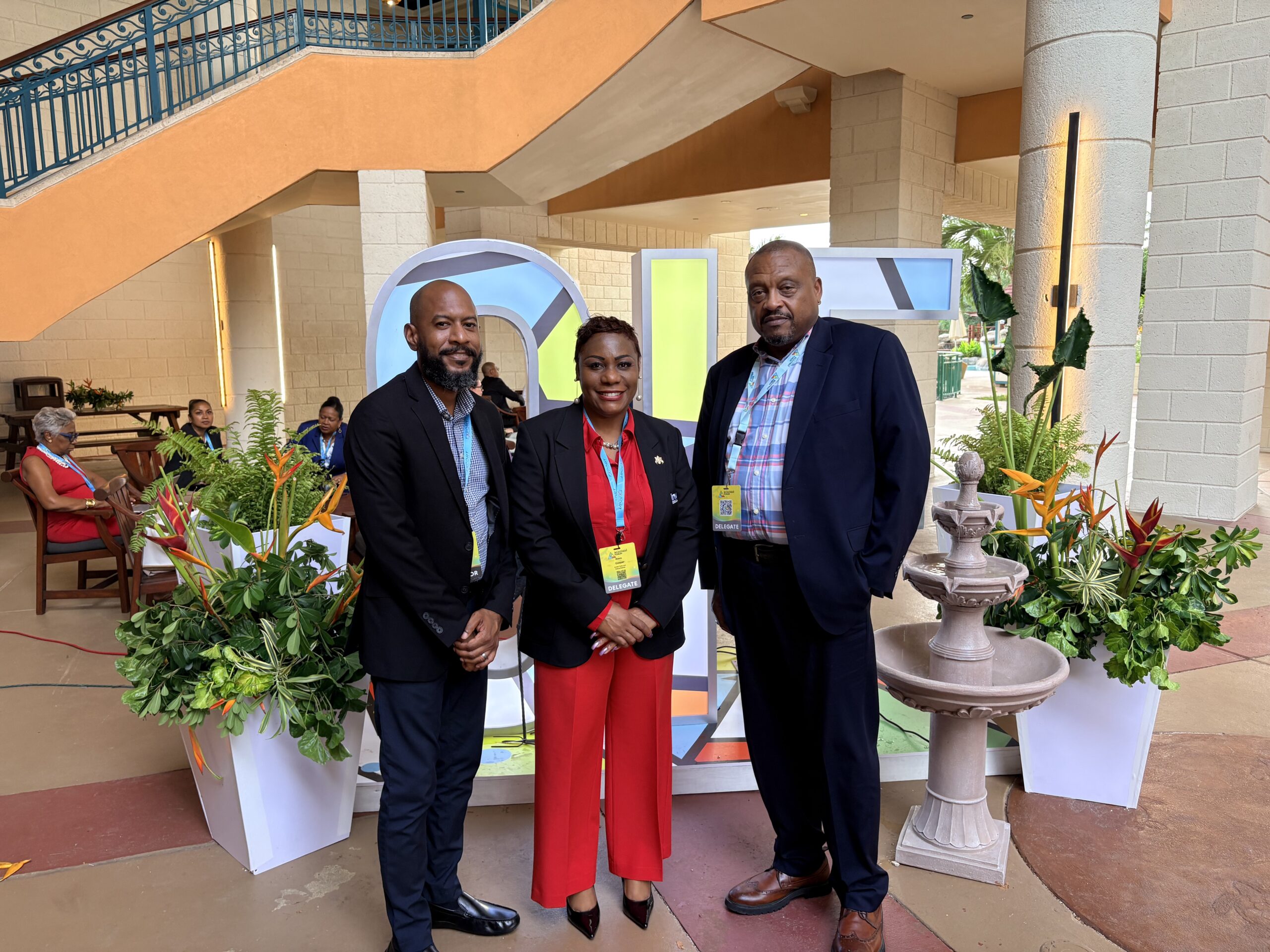 within the Caribbean agricultural sector, and explore potential partnerships and opportunities related to agricultural investment, innovation, and enterprise development.
For Invest TCI, the combination of sponsorship, investment promotion and local business representation provided a multifaceted platform to advance the Agency’s mandate. It allowed Invest TCI not only to promote the Turks and Caicos Islands to prospective investors but also to facilitate greater exposure for a local enterprise operating within an emerging sector of the economy. The Forum also provided opportunities for the Invest TCI delegation to exchange knowledge with regional counterparts, strengthen institutional relationships, and gain insight into investment trends and opportunities affecting Caribbean economies.
As the Caribbean Investment Forum continues to expand its regional reach, Santo Domingo, Dominican Republic, was announced as the destination for the next edition of the Forum, providing another opportunity to bring together investors, policymakers, investment promotion agencies and businesses from across the Caribbean and beyond.
Invest TCI looks forward to the continued growth of the Caribbean Investment Forum and the opportunities it creates to deepen regional partnerships, promote investment, and connect Caribbean businesses with new markets and sources of capital. The Agency remains committed to attracting sustainable investment, supporting domestic enterprise, encouraging economic diversification, and developing partnerships that contribute to the long-term economic development of the Turks and Caicos Islands.
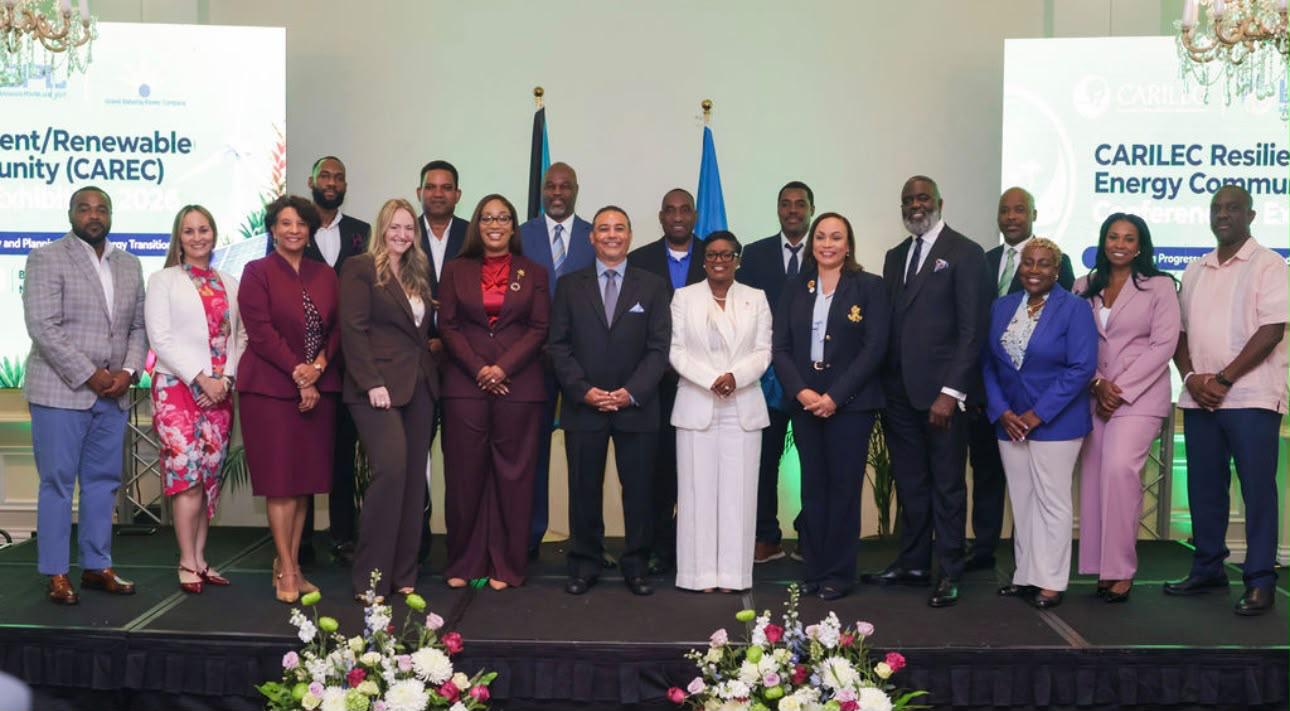
NASSAU, The Bahamas – The Bahamas’ Minister of Energy, Utilities and Aviation, The Honourable JoBeth Coleby-Davis, delivered an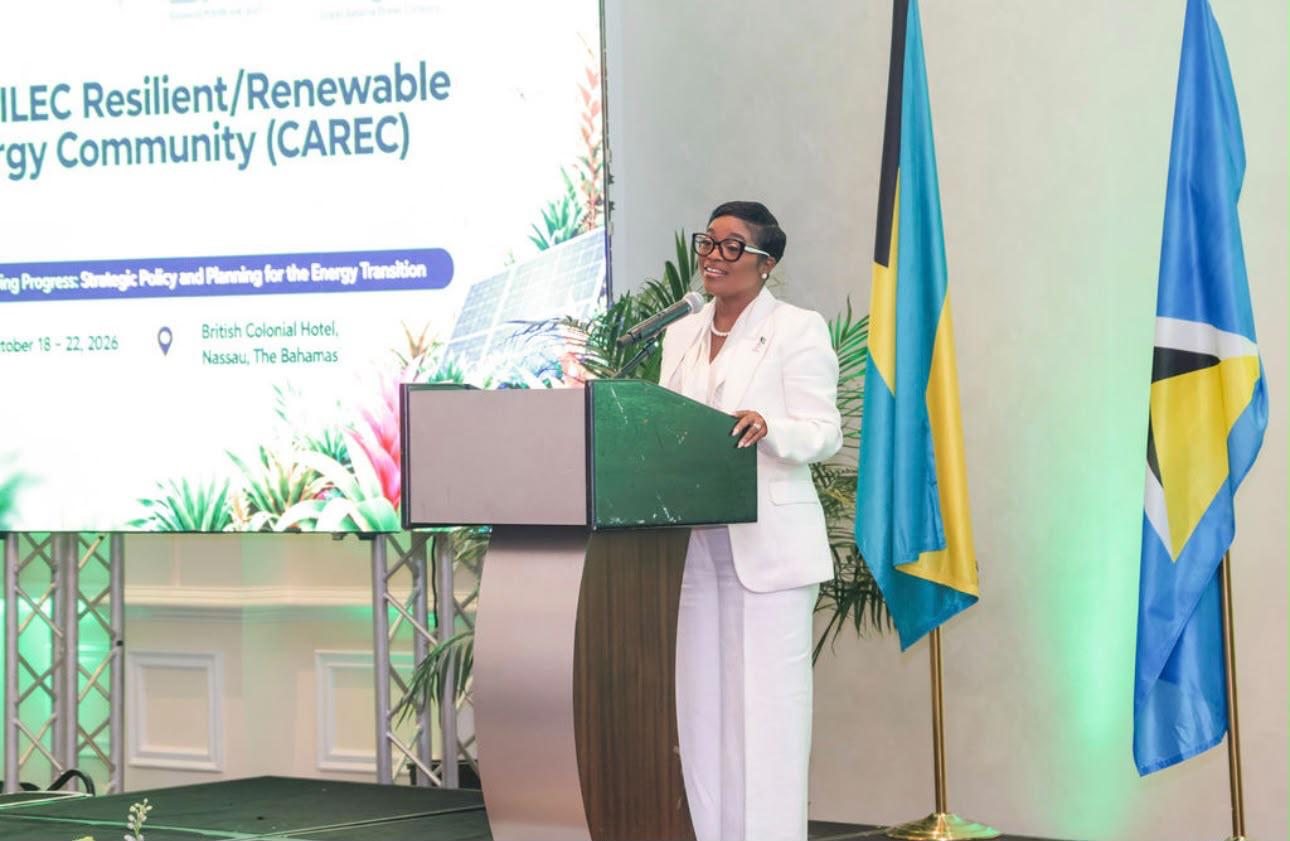 electrifying address during the opening ceremony of the 2026 CARILEC Resilient/Renewable Energy Community (CAREC) Conference and Exhibition, being held October 18–22, 2026, at the British Colonial Hotel in Nassau, The Bahamas.
Under the theme “Empowering Progress: Strategic Policy and Planning for the Energy Transition,” the event draws more than 200 industry leaders, policymakers, regulators, and energy professionals committed to advancing practical strategies for sustainable and reliable Caribbean power systems through renewable energy and emerging technologies.
During her address, titled “The New Energy Era: Transforming Policy into Progress,” Minister Coleby-Davis reminded attendees that The Bahamas’ national motto, “Forward, Upward, Onward, Together,” aptly describes what the region’s energy transition demands.
“Empowering Progress speaks directly to our national motto. Not waiting for progress, but creating the conditions that allow progress to happen. Meaningful progress, however, does not occur by accident. It requires vision, sound policy, strategic planning, strong institutions, and the determination to turn decisions into results,” said Minister Coleby-Davis.
Participants acknowledged that small island developing states share similar pressures, compounded by geographical challenges, small electricity markets, ageing infrastructure, geopolitical influences, and the growing threat of severe weather.
Tasked with ushering in a new energy era across the islands while addressing the challenges posed by The Bahamas’ unique archipelagic composition, Minister Coleby-Davis said, “Every island needs a different answer, but the same logic. As an archipelagic nation, we must provide electricity across many islands, each with its own demand and infrastructure needs. Our strategy, therefore, must be national in direction, but responsive to individual communities.”
Restating her Ministry’s three core messages—that energy is an economic and security priority, technology must be viewed as a tool to support strong institutional leadership, and natural gas should be considered a bridge, not a destination—Minister Coleby-Davis reiterated that “progress must now be reflected in functioning infrastructure, effective institutions, and better electricity services: from policy commitments to coordinated implementation, and from fragmented investment decisions to long-term planning.”
Organised by CARILEC and co-hosted by Bahamas Power and Light (BPL) and Grand Bahama Power Company (GBPC), the annual Conference and Exhibition brings together the Caribbean energy community to advance practical solutions to the region’s most pressing energy challenges and accelerate progress towards more resilient, reliable, and sustainable power systems.





-

 Independent writer1 week ago
Born Here, Raised Here, but Still Unable to Vote: Is this a Conundrum for TCI Electorate?
-

 Bahamas News4 days ago
Rosewood Exuma: A precedent-setting case for environmental law and future development in The Bahamas
-

 Bahamas News1 week ago
Monument Supports Hands for Hunger With Paradise Plates Debut
-

 Bahamas News1 week ago
Schweppes ‘the Art of Mixology’ Dazzles at Paradise Plates with Nemiroff Vodka
-
 Bahamas News3 days ago
Energy Minister Delivers Electrifying Keynote Opening Address at CAREC 2026
-
 News3 days ago
Invest TCI Strengthens Regional Investment Connections at Caribbean Investment Forum 2026 in Barbados
-

 News14 hours ago
Crown Land Unit Leads Multi-Agency Enforcement Exercise in Five Cays