
Government
TCI Energy Forum Highlights Opportunities and Challenges in the Energy Transition

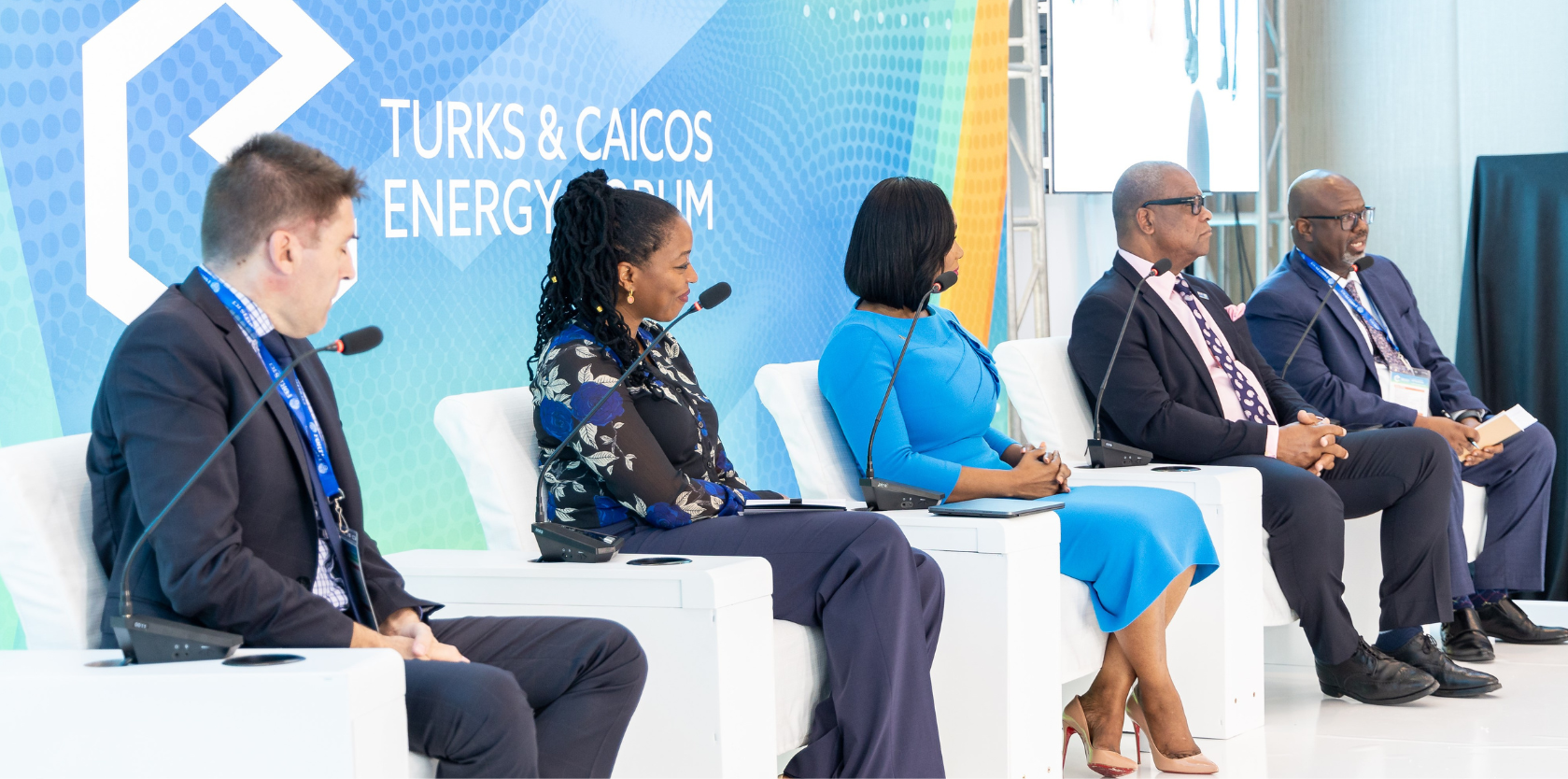
Providenciales, Turks and Caicos Islands (Thursday, June 8, 2023) – The second Turks and Caicos Energy Forum held at the Ritz-Carlton Resort on Friday, June 2, 2023, provided key insights and engendered riveting discussions on a range of considerations facing the country’s energy sector in its transition to alternative energy sources.
The full-day event encompassed a diverse and cross-sectoral array of experts, panel sessions, and presentations on topics including access to financing, regulatory reform, labor market trends, affordability and more. This year’s conference theme was ‘Changing the Energy Landscape: People. Power. Partnerships.’
Remarks were delivered by Acting Governor, Her Excellency Anya Williams, Hon. Josephine Connolly, Acting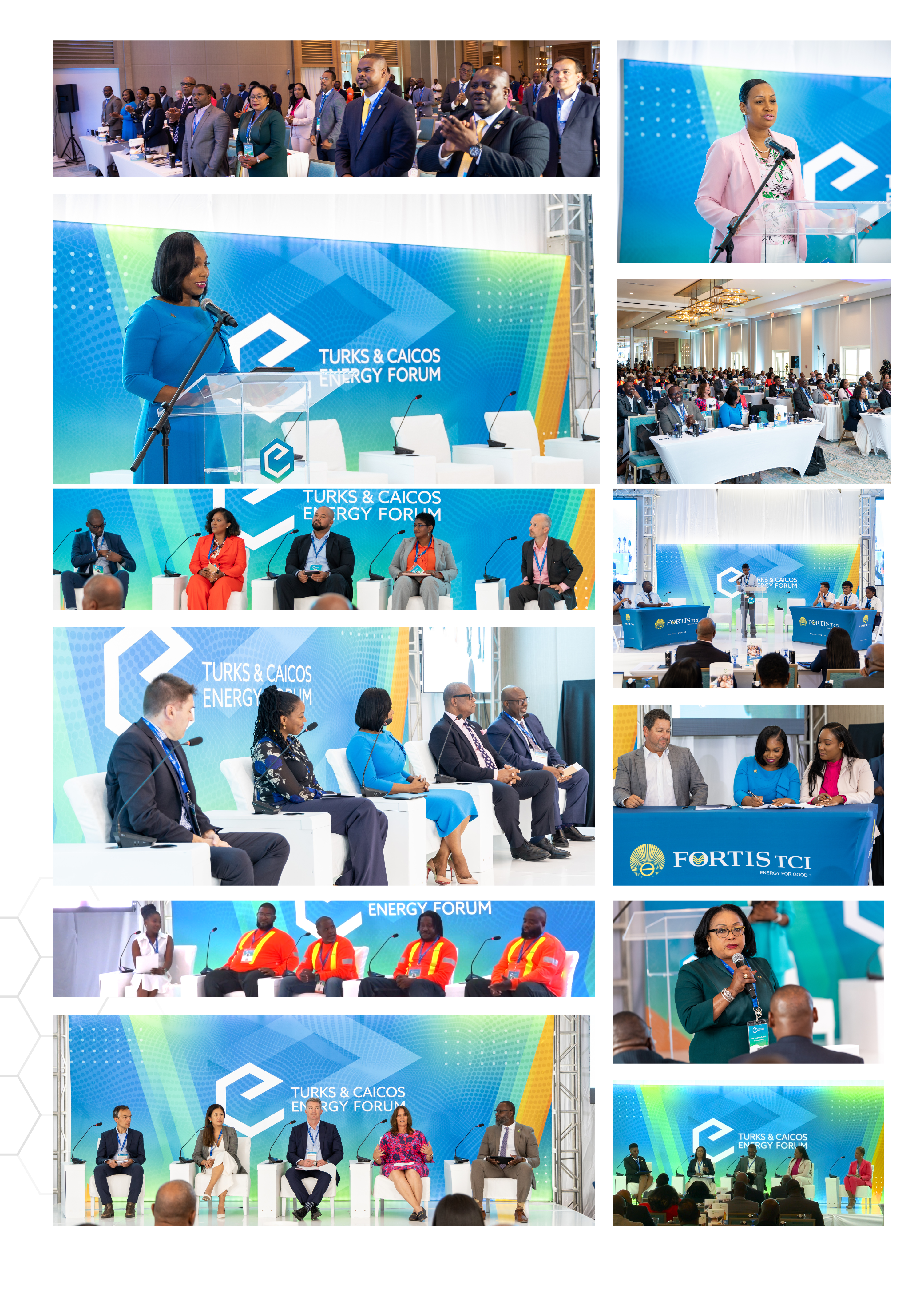 Minister of Public Utilities, and FortisTCI President and CEO Ruth Forbes. Forbes reinforced the energy company’s plan to construct TCI’s first solar plus battery microgrid on the Twin Islands of North and Middle Caicos starting this year, with Salt Cay next in line for a similar project in 2024. Both microgrids represent an investment of approximately $8 million dollars. The contract for the Twin Islands solar installation was signed at the forum with the successful bidder, Compass Solar.
Farayi Chipungu, an Attorney, Lecturer at the Harvard Kennedy School and Government, and Change Management Expert, delivered a keynote presentation on Adaptive Leadership: Driving Fundamental Change. The energy transition is a multi-year mega shift from the traditional utility model, and her presentation highlighted research, real-world examples, and core principles to help navigate the energy transition conversation.
A leadership dialogue on the perils, promise, and partnerships for the energy sector then followed with panelists Premier Hon. Charles Washington Misick, FortisTCI President and CEO Ruth Forbes, Dr. Carlos Batlle-Lopez, Advisor, and Visiting Scholar at Massachusetts Institute of Technology’s (MIT) Energy Initiative, Keynote Speaker Farayi Chipungu, moderated by Kenrick Walters, General Manager of Bordier Bank TCI Ltd. Hon. Misick also reinforced the government’s commitment to partnership in the energy transition. In her contributions, Mrs. Forbes described the trilemma facing energy providers as balancing reliability, affordability, and sustainability.
Dr. Carlos Batlle-Lopez delivered a spotlight presentation on how changes to energy sector regulations can create an enabling environment and the importance of maintaining an “equilibrium” in the electricity sector to prevent inefficient and adverse outcomes. He stressed that a regulatory path has to be designed urgently, and the changes should be gradually introduced to avoid big shocks.
The transition to cleaner energy sources requires millions of dollars in investment. Access to funding to support the transition was examined by another esteemed panel of experts moderated by Christopher Burgess, Projects Director at Rocky Mountain Institute. The discussion featured Gillian Charles-Gollop, Executive Director of Corporate Banking and Sustainable Finance at CIBC First Caribbean International Bank, Dr. David M. Bynoe, National Coordinator of the Global Environmental Facility-Small Grants Programme (GEF-SGP) at the United Nations Development Programme, Alvin Hegner, Board Chairman at Invest Turks and Caicos, and Shernelle Capron, Director of Financial Services and Supply Chain Management at FortisTCI. The panel reinforced the utility’s need for locally tailored, customized financing solutions and the banks’ need for updated energy sector regulations as an important prerequisite to secure green financing. Around 50% of FortisTCI’s capital budget this year is committed to clean and transitional energy projects. At the same time, a significant amount has been spent over the past five years to maintain existing assets on the energy grid. It was stressed that financing the clean energy transition requires a coalition of partners, including governments, instead of being solely utility-led. References were made to successful green funding scenarios in the Caribbean.
The focus then shifted to a panel on Sustainable Solutions: The Realities and Rewards, moderated by Devon Cox, Senior Vice President of Operations at FortisTCI, with panelists Susan Gray, President, and CEO at Tucson Electric Power/UNS Energy Corporation, Nils Janson, Managing Director, Policy and Regulation at K&M Advisors, Staffan Wiens, Founder of Mint Lab and Wind Technology Expert, along with Rachell Roullet, Vice President of Innovation, Technology and Strategic Planning at FortisTCI. The panel shed light on the wide range of variables and tradeoffs that must be considered in the energy transition, such as the environmental impact of the vast amount of land needed to construct utility-scale solar farms, the studies required to make data-based decisions with robust analysis and a coordinated approach, selecting the right technology and offsetting the intermittent nature of wind and solar energy to maintain a reliable electricity service. Various energy sources, battery storage, and the growing adoption of natural gas in the Caribbean to lower carbon emissions and price volatility were cited, but the experts emphasized the need to remain agile.
The next group of experts on the agenda focused on changes in the labor force and the impact of post-pandemic trends such as the great resignation, hybrid work, tech sector lay-offs, and inflationary pressures on reshaping the global labor market and how to counteract these headwinds. Dr Candice Williams, President and CEO of TCI Community College, served as moderator, alongside panelists Richard Solomon, Managing Director & Principal Consultant at Development Consulting Center Ltd, Hon. Rachel Taylor, Minister of Education, Youth, Sports, and Social Services, Turks and Caicos Islands, Aisha Laporte, Vice President of Finance, Corporate Services and CFO at FortisTCI, and Bridgette Thomas, Executive Leadership Coach, President and Founder of Strongbridge Solutions. Richard Solomon stressed that work is no longer a place, and there is a demand for favorable conditions, meaningful work, and flexibility as people reevaluate their lives.
Dervon McKellop, President, Chief Consultant and UAS Pilot at DRIFT Enterprise Services, delivered a spotlight presentation on the use of drone technology, artificial intelligence (AI), and machine learning in the energy sector. Drones are impacting the energy sector in major ways – improving efficiency, replacing some manual tasks, and enhancing inspections around the health of power grids by detecting damages, preventing failures, and enabling proactive repairs.
Long-standing employees from the Operations Division at FortisTCI took center stage to culminate the program in a panel session. They eloquently shared their stories as some of the people behind the power. The discussion was moderated by Wisland Toussaint, Senior Human Resources Officer at FortisTCI, and featured panelists Kerwin Arthur, Plant Control Shift Supervisor, Tavardo Smith, Electrical Technician III, Durell Landy, Manager of North and Middle Caicos Operations, and Kelorian Forbes, Line Foreman. The team received a standing ovation as they expressed pride in working for such an essential service and gave an inside view of the trials and triumphs of responding to mass outage scenarios.
Youth voices were also represented at the forum as top debaters from Maranatha Academy and Holy Family Catholic School recanted their winning speeches on the moot: “Without national or global enforcement, achieving greenhouse gas emission targets is unrealistic.”
Turks and Caicos Energy Forum brings together local, regional, and international energy experts, public and private sector decision-makers, and a wide cross-section of stakeholders to discuss ideas and trends affecting the future of energy. The forum is hosted by FortisTCI, the public energy provider in the Turks and Caicos Islands.

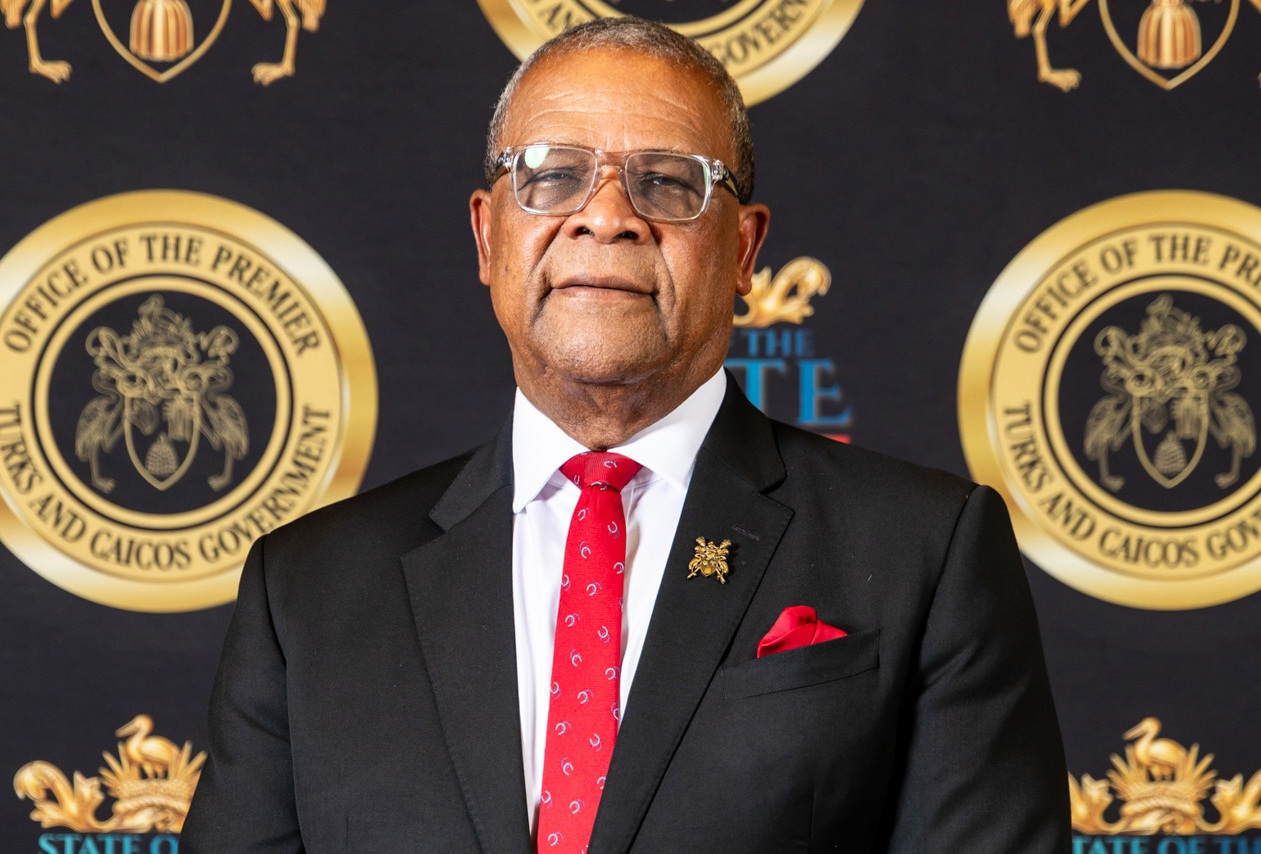
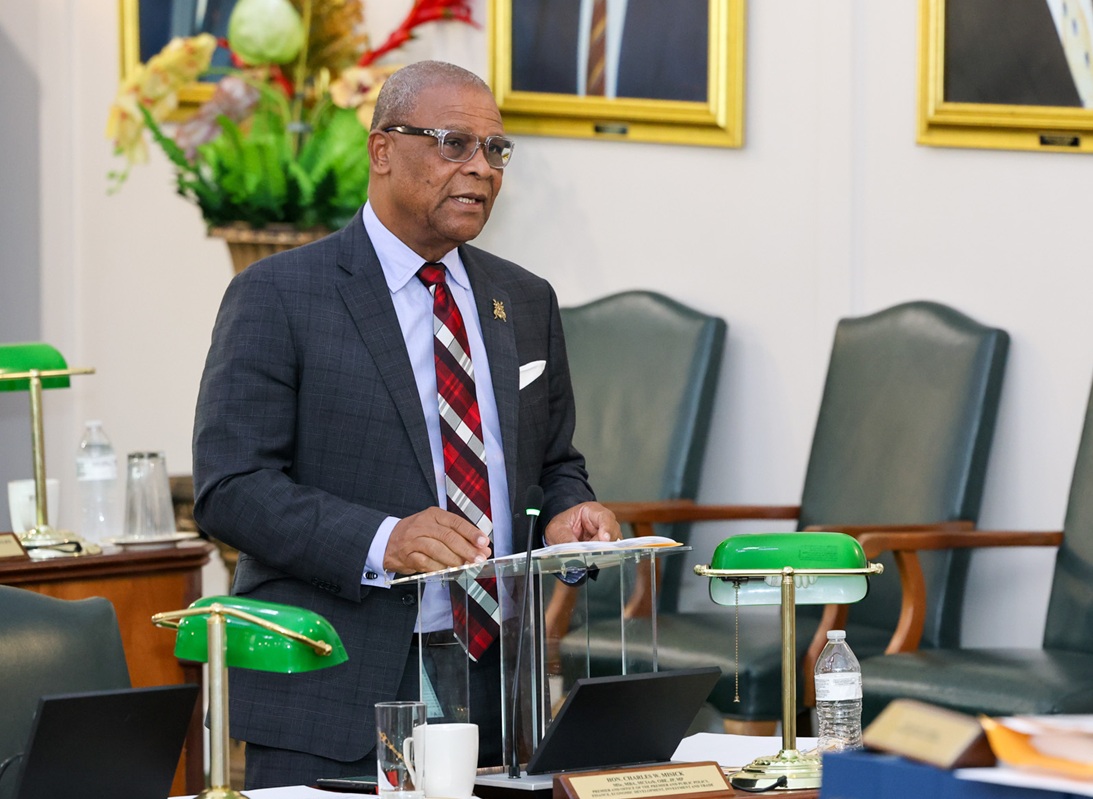
Turks and Caicos, March 18, 2026 – Despite securing significant constitutional reforms within the past year — including new powers that allow for a national referendum — Premier Charles Washington Misick made no mention of independence or any vote on the country’s political future during his 2026 State of the State Address, signalling what appears to be a continued strategy of building institutional strength before raising the question with the electorate.
The absence of any reference to a referendum stood out, particularly after the Turks and Caicos Islands successfully negotiated constitutional changes with the United Kingdom that expanded the authority of elected leaders and modernised the structure of Government.
Those reforms, which took effect last year, increased the size of Parliament, allowed for more Cabinet ministers, extended the life of a government from four to five years, and strengthened the role of elected officials in domestic affairs. The amendments also included provisions allowing for a referendum to be held on matters of national importance, a change widely viewed as giving the territory greater flexibility in determining its future political direction.
In his address, the Premier spoke of the reforms as moving the country toward “fuller self-government,” noting that the changes deliver a fully elected Parliament, widen delegated responsibility in external affairs and give elected leadership clearer authority and accountability to the people.
However, while the speech emphasised sovereignty, national security and stronger local institutions, it stopped short of any suggestion that the Government intends to call a referendum on independence or any other change in constitutional status.
Instead, the tone of the address suggested a focus on strengthening systems at home before considering further political steps.
The Premier outlined plans to expand the Police Force, strengthen the Border Force, increase the role of the Turks and Caicos Islands Regiment, modernise government through digital transformation, and improve immigration control through biometric border technology — all measures he said are necessary to secure the country’s future.
He also pointed to economic stability, infrastructure development and expanded investment as priorities, repeatedly framing the Government’s approach as one of building a stronger and more secure nation before taking on larger challenges.
The 2024 constitutional amendments, agreed between the Turks and Caicos Islands Government and the United Kingdom, formally expanded the number of elected members in the House of Assembly, increased the number of Ministers who may serve in Cabinet, extended the Parliamentary term to five years, strengthened Cabinet authority in domestic matters, and introduced provisions allowing for a referendum to be held on issues of national importance. The changes also widened delegated responsibility to local leaders in key areas of governance, marking one of the most significant steps toward greater self-government in recent decades.
The constitutional reforms achieved last year were seen by many observers as laying the groundwork for greater autonomy, and potentially future debate on independence, but the latest State of the State suggests the Government is moving cautiously.
For now, the message from the Premier appears clear: before any question of political status is put to the people, the country must first strengthen its institutions, its economy and its capacity to govern itself.
Angle by Deandrea Hamilton. Built with ChatGPT (AI). Magnetic Media — CAPTURING LIFE.
Government
$6M Digital Transformation Drive to expand E-Government, National ID and Biometric Borders
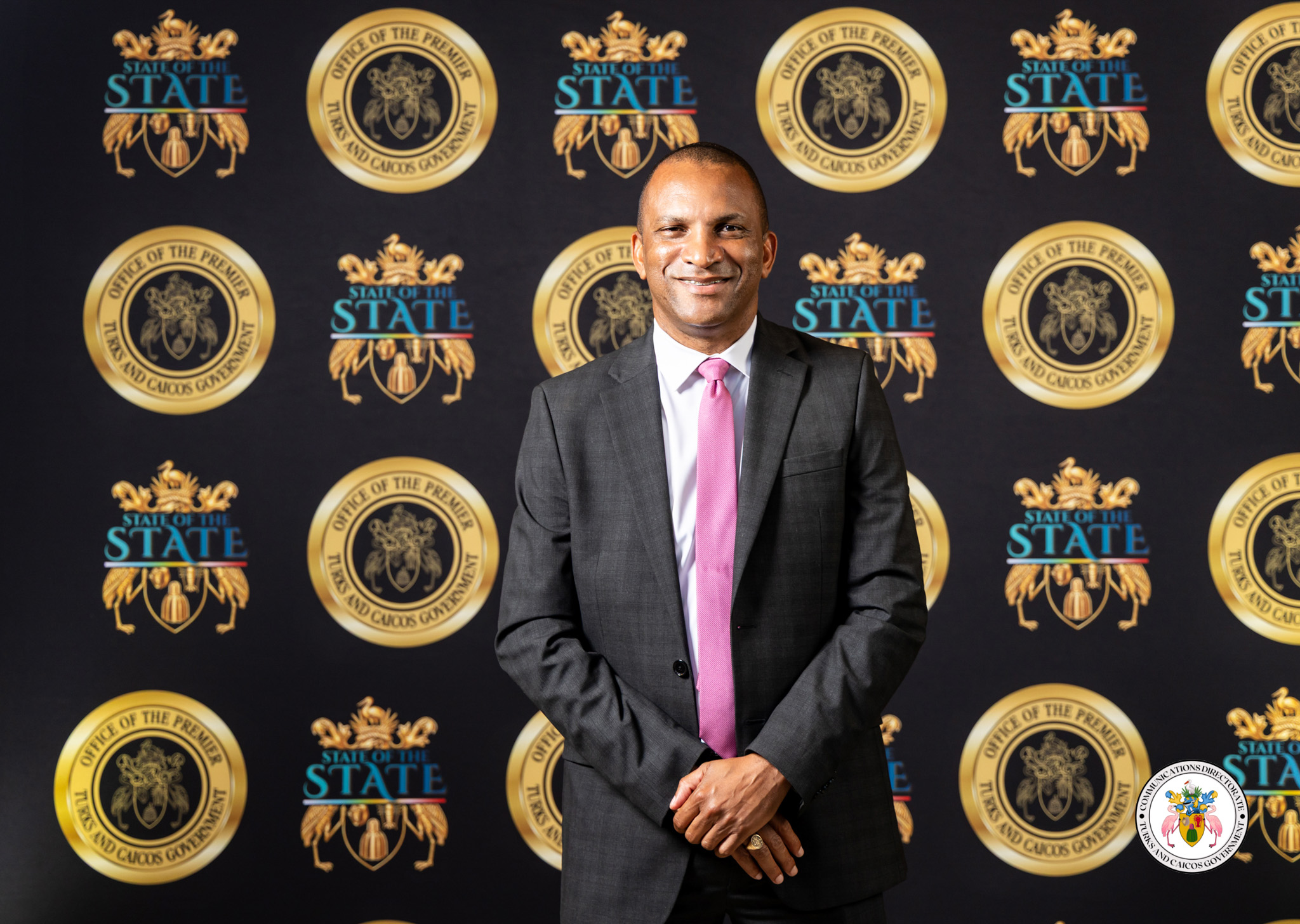
Turks and Caicos – A $6 million digital transformation programme launched after the 2024 government cyber breach is now driving a major push toward e-government in the Turks and Caicos Islands, with new systems planned for online payments, national digital identification and biometric border controls.
In his 2026 State of the State Address, Premier Charles Washington Misick said weaknesses exposed by the cyber-attack made it clear that government technology systems must be modernised to improve security, efficiency and public service delivery.
The Premier said the three-year digital agenda includes stronger network security, a redesigned government data system, new identity management tools and the creation of a National Security Operations Centre to monitor threats.
He told the country that modernising government services through digital transformation and e-governance is no longer optional but necessary for transparency, accountability and national progress.
One of the centrepieces of the plan is the National Digital ID Programme, which the Government says will modernise civil registration, establish a national population register and make it easier for residents to access public services while strengthening national security and election integrity.
The Premier also pointed to early success with the new E-Pay system, reporting that more than $1 million in government payments had already been made online within days of its launch in February, reducing long lines, paperwork and processing delays while improving transparency in public transactions.
Digital transformation is also extending to the country’s borders.
The Government confirmed that a multi-million-dollar Digital Borders Programme will introduce biometric screening and automated E-Gate technology at ports of entry, allowing citizens and low-risk travellers to move more quickly through immigration while giving authorities real-time access to identity and status information.
The move aligns with wider security standards being implemented across British Overseas Territories, where upgraded border technology is being introduced to strengthen immigration control and improve passenger processing.
Officials say the changes are part of a broader effort to create a more modern, secure and efficient public service, with additional digital systems planned across government departments over the next several years.
Angle by Deandrea Hamilton. Built with ChatGPT (AI). Magnetic Media — CAPTURING LIFE.





-

 News4 days ago
CARICOM – A Regional Club With Benefits; Turks & Caicos Wants In
-
 Government1 week ago
$6M Digital Transformation Drive to expand E-Government, National ID and Biometric Borders
-

 Uncategorized1 week ago
WHERE ARE THE LOCAL ARTISTS?
-

 Bahamas News1 week ago
Bahamas Warns Travellers as UN says Middle East Conflict May No Longer Be Contained
-

 News1 week ago
NATIONAL SECURITY SHIFT: PREMIER CONFIRMS REGIMENT EXPANSION
-

 Health6 days ago
Gut Health Linked to Lower Colorectal Cancer Risk According to Cleveland Clinic Dietitian
-
 News1 week ago
Statistics Authority Highlights Trade Data as Turks & Caicos Records $227M in Imports for Q4 2025
-

 News1 week ago
South Dock Expansion Milestone as UK Audit Highlights Importance of TCI Port Security