
Government
Russia-Ukraine war enters the second year

By Dana Malcolm
Staff Writer
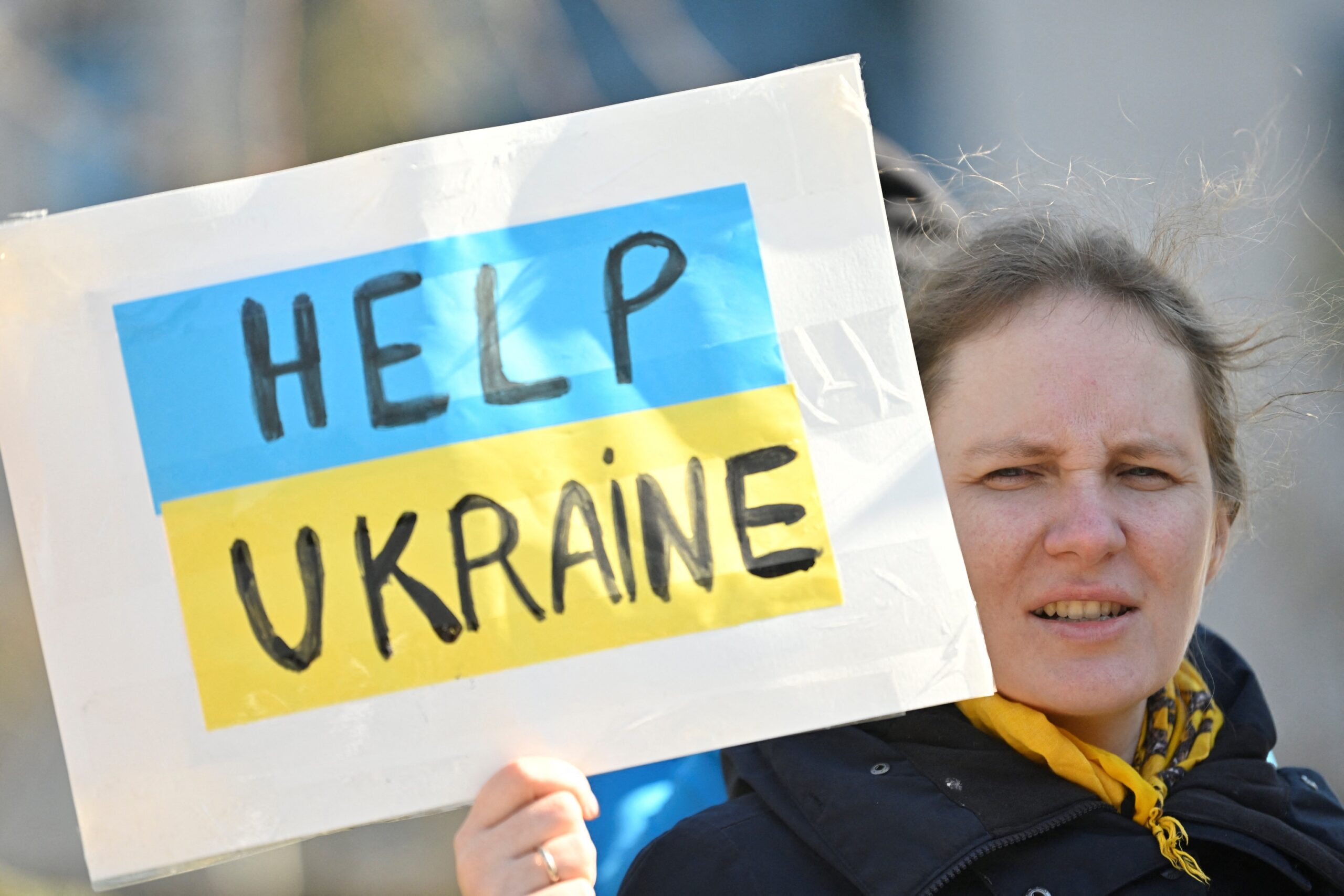
#Ukraine, February 28, 2023 – Exactly a year ago Vladimir Putin appeared on Russian television and announced that he was launching a ‘special military operation’ into Ukraine. As the Russian Invasion enters its second year we look back on the ripple effects felt around the world.
Ukraine
In the early weeks after the invasion residents began to flee en masse. The crush included students from across the globe, expatriate workers and citizens. Reports of racism against people of colour at the borders began to emerge. Neighbouring countries faithfully kept their borders open and people were allowed to leave as quickly as their legs could take them. Many walked hundreds of miles as cars ran out of gas and traffic made vehicular escape impossible. Behind them, the fighting began in earnest.
As of February 14th 8.1 million refugees have left the country, which is a crippling 20 per cent of the population lost. The UN says 21 thousand of civilians have been killed or injured so far.
Russia
After the war began Russia was hit with sanctions left and right by the EU, the United States and their allies. Retailers, restaurant chains, tech companies, luxury goods stores and more pulled out of the country en masse. Russian athletes were blacklisted from sporting events including tennis and countries are calling for their athletes to be banned from the 2024 Olympics.
Censorship in the country has become increasingly harsh and the divide between those who support the war and those who don’t is a hard line with coworkers and schoolmates reportedly turning in others deemed as traitors or dissidents to the Kremlin (the government of the Russain Federation), resulting in long jail sentences for journalists and even teenagers. Russia is estimated to have lost as many as 60 thousand soldiers with 200 thousand wounded or dead.
Europe and the UK

A 3D-printed oil pump jack is seen in front of displayed OPEC logo in this illustration picture, April 14, 2020. REUTERS/Dado Ruvic
At the beginning of the war after placing sanctions on the country and its oligarchs, Washington pushed for sanctions on its oil and energy, a tricky position for the EU which then bought the majority of its oil and gas from Russia. After much infighting, the countries agreed to ban the purchase of certain Russian energy and promised to wean themselves off the stuff by the end of 2023. Russia was quick to retaliate; it instituted a new law instructing all of the ‘unfriendly countries’ to pay for their oil in rubles, a move the EU described as blackmail. After that, citing pipeline issues it turned off the gas supply to several countries including Germany forcing them into crisis mode and prompting blackouts to preserve power as they scrambled to find new energy supplies.
In the UK gas prices reached record highs forcing the government to provide multimillion-dollar relief.
Africa
The effects of the invasion on Africa are as varied as the countries on the continent.
Most African nations have refused to outright denounce the war as the conflicts in their own countries are relegated to the back page.
In North Africa where wheat produced in Russia and Ukraine is essential, the prices of bread basket items rose exponentially. Areas like Ethiopia and Somalia saw 66 per cent and 36 per cent jumps respectively according to the UN, furthering a food crisis affecting millions with malnourished children dying daily. In other parts of Africa, lucrative oil deals were signed as the EU struggled to keep the lights on. Algeria, Senegal, Angola, Tanzania, the Democratic Republic of Congo and Nigeria all reached deals with the EU or specific countries to supply gas.
Most recently South Africa participated in a military drill with Russia and China that fell on the anniversary of the invasion.
The Caribbean
With the fighting far away, the effects felt in the Caribbean were mostly economical. With the supply chain in disarray, food prices shot up to extreme highs and oil prices followed; electricity bills caused panic. Inflation driven by the conflict wrecked the purchasing power of Caribbean residents who already pay higher prices for goods and governments were forced to implement relief measures including stimulus cheques and price caps.
The UN warned that interest rate hikes implemented in the US, UK and other large economies to curb inflation would reverberate hardest in the Caribbean and other Small Island Developing States (which did nothing to slow them down).
Russia also took shots at some countries directly listing the Turks and Caicos and 10 other UK overseas territories as well as The Bahamas as ‘unfriendly territories’.
The US
The US-Russia relationship has deteriorated significantly since the beginning of the conflict with the two countries declaring each other as enemies in everything but name. A tense prisoner exchange in late 2022 is as close as the two have gotten to publicly negotiating in the past year.
The country is Ukraine’s biggest patron sending billions and billions of dollars’ worth of weaponry and humanitarian aid to the country.
The war may drag on but the hope globally is that it will end soon as risks of further economic shock; and the displacement, assault and murder of innocents, loom on the horizon.





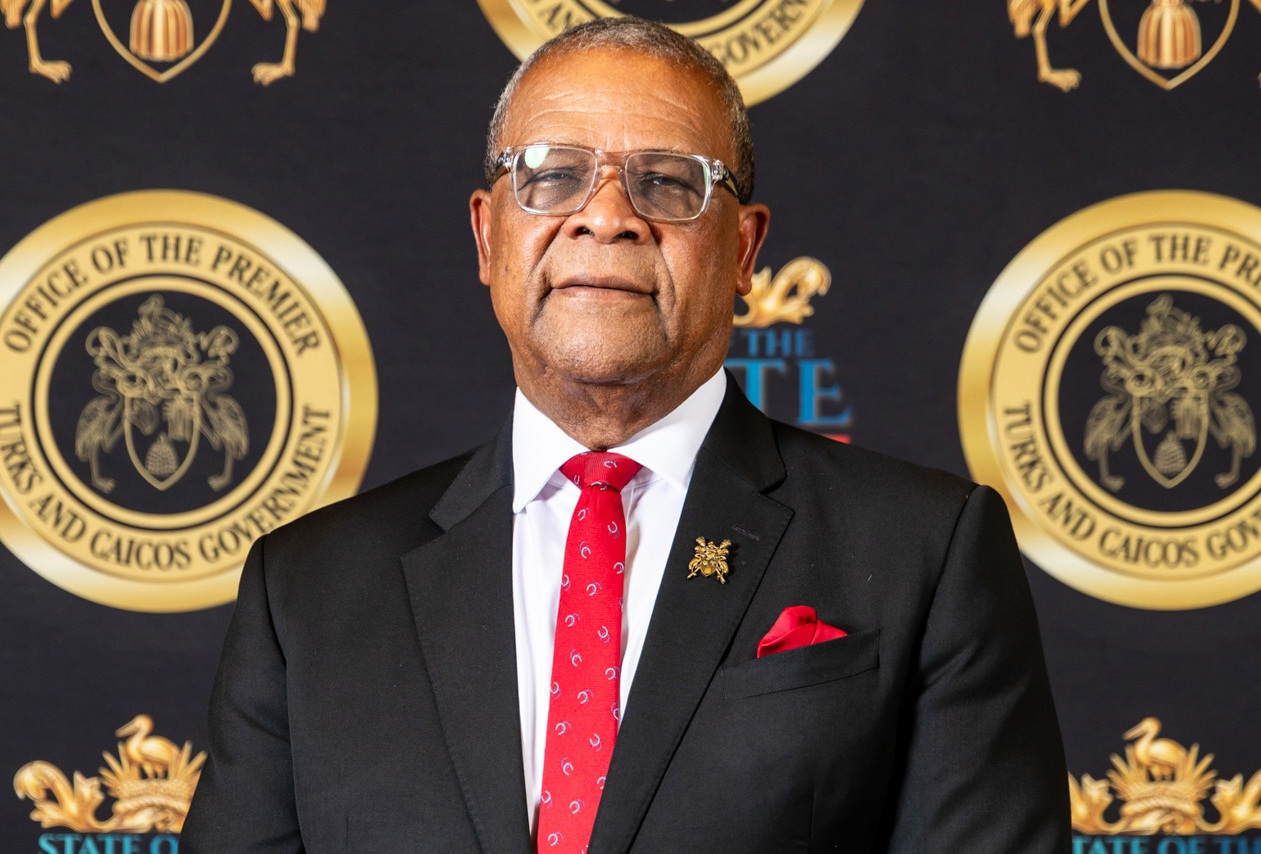
Turks and Caicos, March 18, 2026 – Despite securing significant constitutional reforms within the past year — including new powers that allow for a national referendum — Premier Charles Washington Misick made no mention of independence or any vote on the country’s political future during his 2026 State of the State Address, signalling what appears to be a continued strategy of building institutional strength before raising the question with the electorate.
The absence of any reference to a referendum stood out, particularly after the Turks and Caicos Islands successfully negotiated constitutional changes with the United Kingdom that expanded the authority of elected leaders and modernised the structure of Government.
Those reforms, which took effect last year, increased the size of Parliament, allowed for more Cabinet ministers, extended the life of a government from four to five years, and strengthened the role of elected officials in domestic affairs. The amendments also included provisions allowing for a referendum to be held on matters of national importance, a change widely viewed as giving the territory greater flexibility in determining its future political direction.
In his address, the Premier spoke of the reforms as moving the country toward “fuller self-government,” noting that the changes deliver a fully elected Parliament, widen delegated responsibility in external affairs and give elected leadership clearer authority and accountability to the people.
However, while the speech emphasised sovereignty, national security and stronger local institutions, it stopped short of any suggestion that the Government intends to call a referendum on independence or any other change in constitutional status.
Instead, the tone of the address suggested a focus on strengthening systems at home before considering further political steps.
The Premier outlined plans to expand the Police Force, strengthen the Border Force, increase the role of the Turks and Caicos Islands Regiment, modernise government through digital transformation, and improve immigration control through biometric border technology — all measures he said are necessary to secure the country’s future.
He also pointed to economic stability, infrastructure development and expanded investment as priorities, repeatedly framing the Government’s approach as one of building a stronger and more secure nation before taking on larger challenges.
The 2024 constitutional amendments, agreed between the Turks and Caicos Islands Government and the United Kingdom, formally expanded the number of elected members in the House of Assembly, increased the number of Ministers who may serve in Cabinet, extended the Parliamentary term to five years, strengthened Cabinet authority in domestic matters, and introduced provisions allowing for a referendum to be held on issues of national importance. The changes also widened delegated responsibility to local leaders in key areas of governance, marking one of the most significant steps toward greater self-government in recent decades.
The constitutional reforms achieved last year were seen by many observers as laying the groundwork for greater autonomy, and potentially future debate on independence, but the latest State of the State suggests the Government is moving cautiously.
For now, the message from the Premier appears clear: before any question of political status is put to the people, the country must first strengthen its institutions, its economy and its capacity to govern itself.
Angle by Deandrea Hamilton. Built with ChatGPT (AI). Magnetic Media — CAPTURING LIFE.
Government
$6M Digital Transformation Drive to expand E-Government, National ID and Biometric Borders
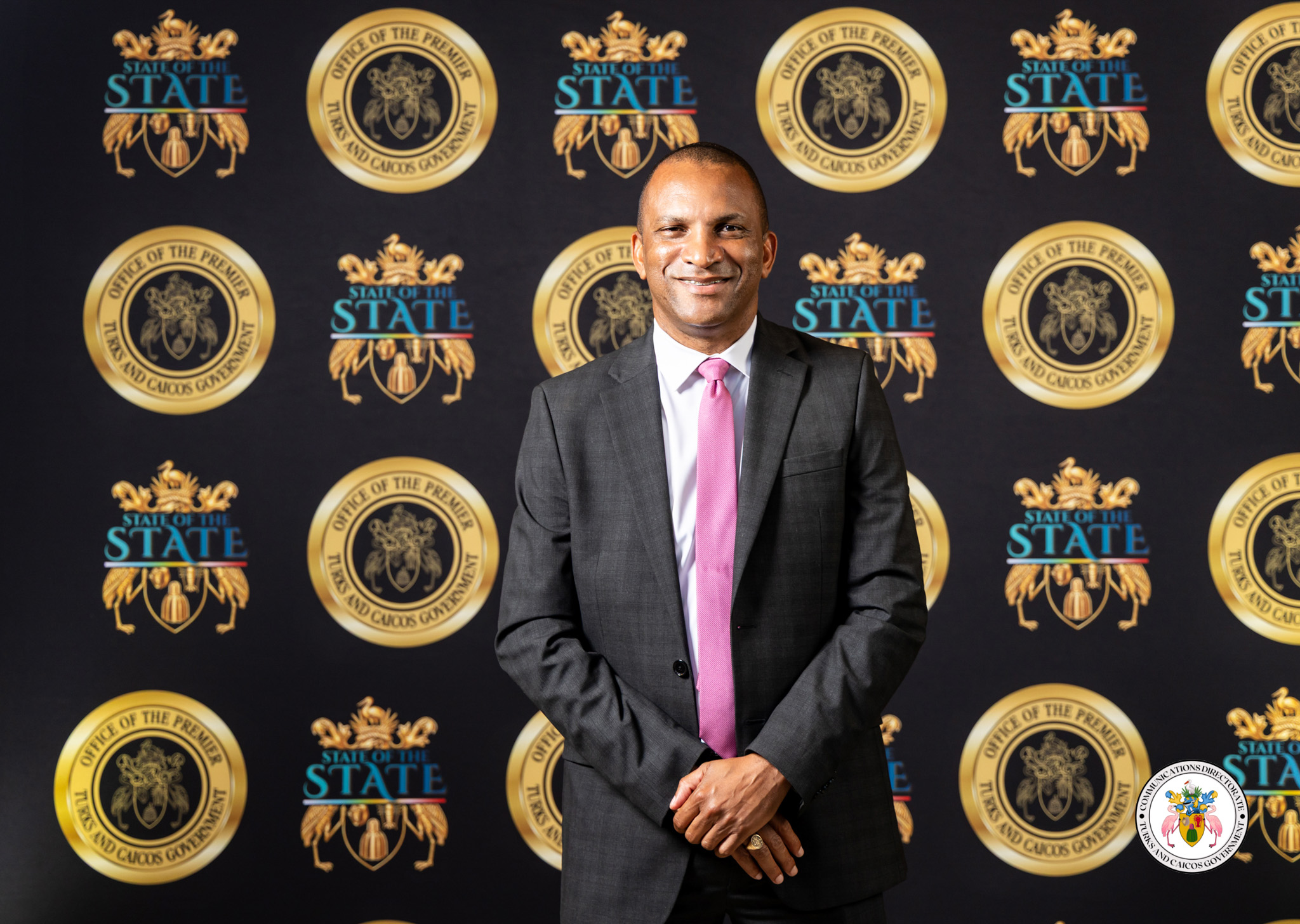
Turks and Caicos – A $6 million digital transformation programme launched after the 2024 government cyber breach is now driving a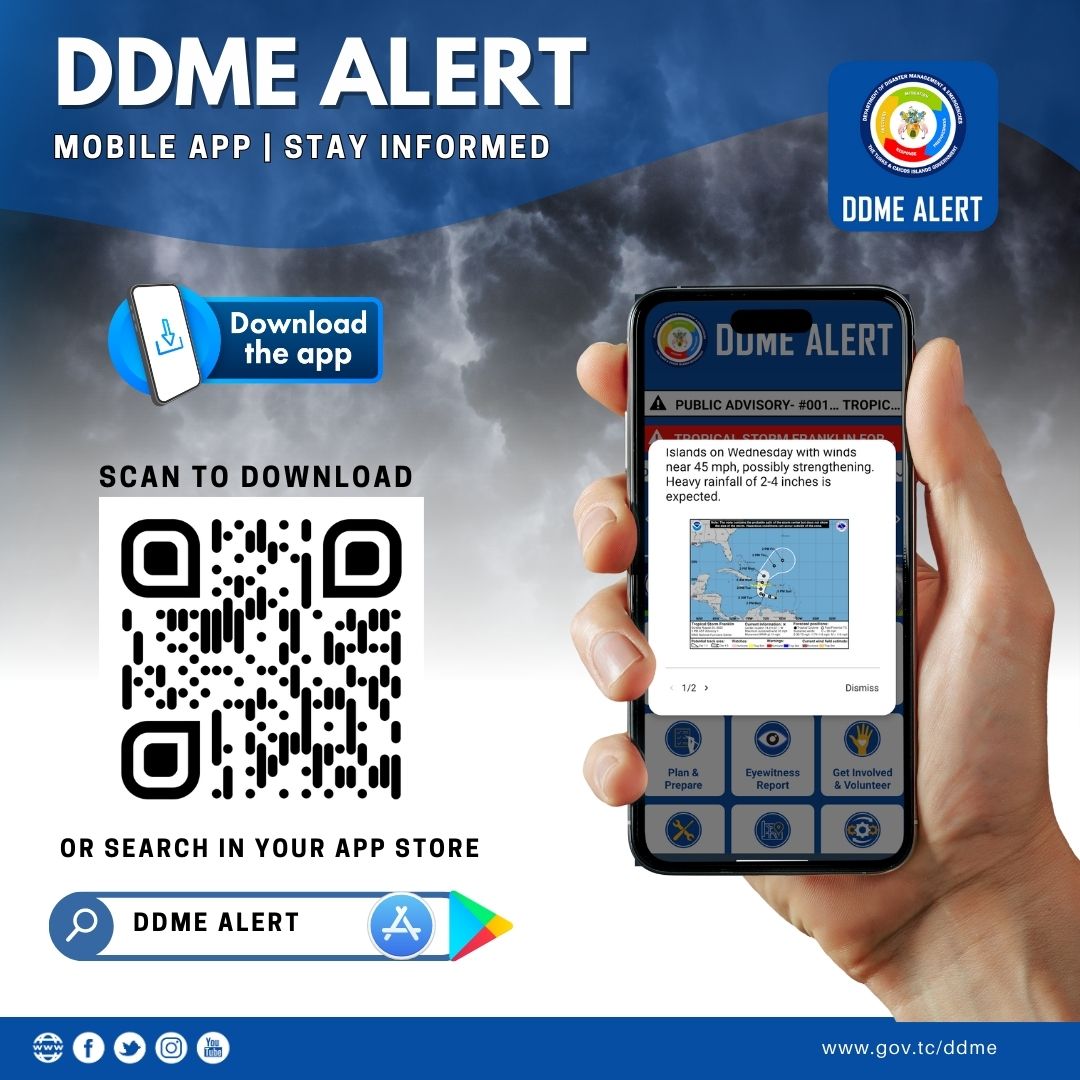 major push toward e-government in the Turks and Caicos Islands, with new systems planned for online payments, national digital identification and biometric border controls.
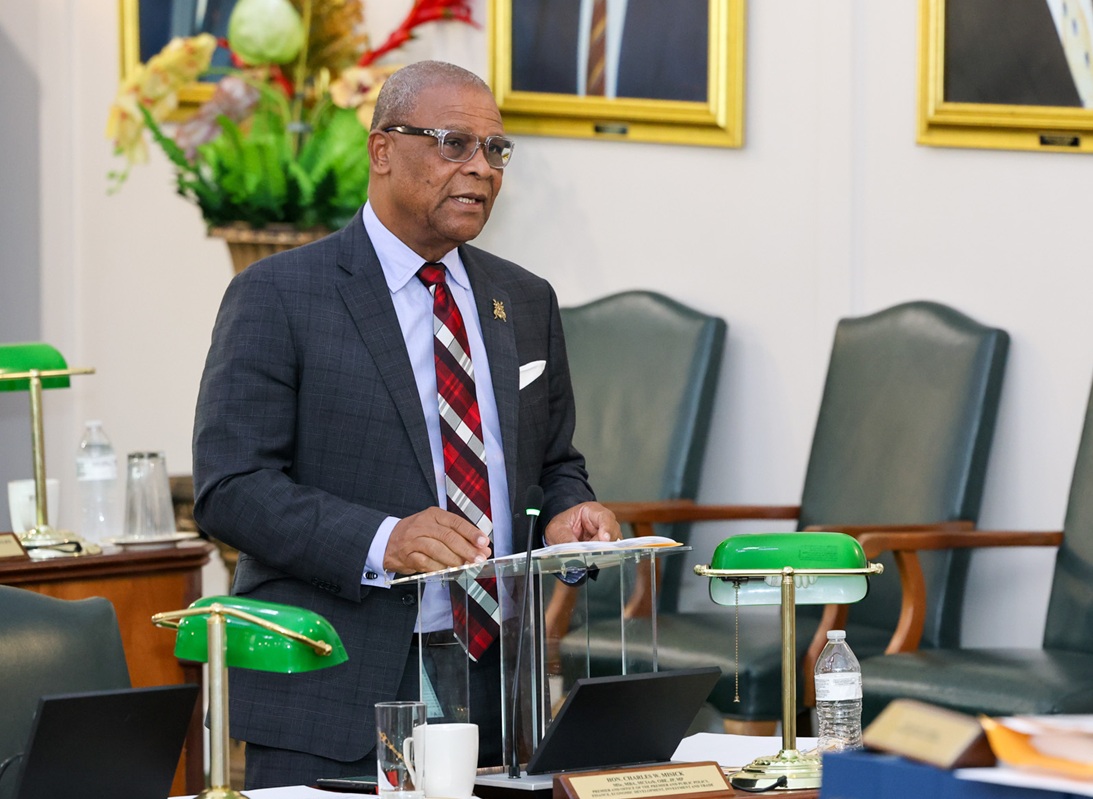
In his 2026 State of the State Address, Premier Charles Washington Misick said weaknesses exposed by the cyber-attack made it clear that government technology systems must be modernised to improve security, efficiency and public service delivery.
The Premier said the three-year digital agenda includes stronger network security, a redesigned government data system, new identity management tools and the creation of a National Security Operations Centre to monitor threats.
He told the country that modernising government services through digital transformation and e-governance is no longer optional but necessary for transparency, accountability and national progress.
One of the centrepieces of the plan is the National Digital ID Programme, which the Government says will modernise civil registration, establish a national population register and make it easier for residents to access public services while strengthening national security and election integrity.
The Premier also pointed to early success with the new E-Pay system, reporting that more than $1 million in government payments had already been made online within days of its launch in February, reducing long lines, paperwork and processing delays while improving transparency in public transactions.
Digital transformation is also extending to the country’s borders.
The Government confirmed that a multi-million-dollar Digital Borders Programme will introduce biometric screening and automated E-Gate technology at ports of entry, allowing citizens and low-risk travellers to move more quickly through immigration while giving authorities real-time access to identity and status information.
The move aligns with wider security standards being implemented across British Overseas Territories, where upgraded border technology is being introduced to strengthen immigration control and improve passenger processing.
Officials say the changes are part of a broader effort to create a more modern, secure and efficient public service, with additional digital systems planned across government departments over the next several years.
Angle by Deandrea Hamilton. Built with ChatGPT (AI). Magnetic Media — CAPTURING LIFE.





-

 News3 days ago
Password to Paradise Radio Remotes at Beaches Turks & Caicos continue to highlight the TCI as the preferred Caribbean destination
-

 Health1 week ago
Turks and Caicos Islands Hospital Celebrates Patient Safety Awareness Month: “Team Up for Patient Safety”
-

 News4 days ago
Beaches Turks & Caicos adds four new PADI Dive Instructors to the cadre of professionals in the watersports department
-

 News4 days ago
Beaches Turks & Caicos shares fine dining experiences to high school students in Providenciales
-
 Health1 week ago
Turks and Caicos Islands Medical Association (TCIMA) Elects New Executive
-

 News7 days ago
Flow TCI supports ‘Stars of Tomorrow’ at Inter-Primary Track and Field Championships
-

 Bahamas News2 days ago
Bahamasair Backs Surge as Bahamians Flood South Florida for V.J. Edgecombe Showdown
-

 News7 days ago
The Turks and Caicos Islands Featured in Top Canadian Publications