
Government
CPL Arrears to be WRITTEN OFF as the program is PHASED OUT


Deandrea Hamilton and Dana Malcolm
Editorial Staff
#TurksandCaicos, December 14, 2022 – The Crown Land review, jointly conducted by the TCIG and the UK Government has exposed that over 1,100 parcels of Crown Land are subject to long standing disputes about ownership and titles in the Conditional Purchase Lease program. Now, the expensive and contentious CPL pathway to land ownership is heading to the scrap pile, with some last ditch measures agreed in order to give people in this precarious position a chance to finally secure properties in question.
The Review proposes to write-off arrears on Conditional Purchase Lease agreements to give land owners a fresh start and final opportunity to honour their commitments.
“If this policy is to be pursued, it will be necessary to have a finite period of time within which applicants must come forward to apply for the freehold and gain the benefit of the write-off,” explains the review, adding, “A finite time period, such as three years, would ensure that titles are quickly regularised and would also save the applicant from further delays requiring a fresh revaluation which would cause the freehold price to go even higher.”
The Turks and Caicos Islands Government is likely now to agree not to reintroduce Conditional Purchase Leases in the country as per recommendations included in the newly published crown land review. For those who currently have a CPL the recommendations set out specific guidelines on how to proceed.
CPLs in the Turks and Caicos provide residents with a three year lease on residential land after which they can either extend or terminate the lease. The review, in the fact-finding process, found that six CPLs were surrendered or terminated; that 383 were cancelled for non-payment of rent and 301 bought the free hold title. It left hundreds of CPLs incomplete and unresolved.
The report, released on December 8, 2022 said: “But it was made clear that a large number of people still claim land under expired CPLs and have not done anything about selecting their terminal option. There are 1,101 parcels of Crown land in this position. This is despite the fact that the Crown Land Ordinance envisaged that all CPLs, and all their two-year extensions, should have disappeared by 2017 at the absolute latest.”
A plan to bring some finality to those with unsettled CPLs has been laid out extensively in the review which also reveals that the CPL program is a monster-sized mess with both government and leaseholders at fault.
“It is clear that leaseholders have not complied with their obligations or sought renewal of their lease, and it is also clear that Government has allowed people to assume that this is acceptable by not taking active enforcement steps in the past. Together, these factors have contributed to a culture in which CPLs have not been adhered to for decades and this explains how there comes to be such a disparity between the original CPL freehold prices and the revaluations.”
The joint Crown Land Review has anticipated that a significant problem will emerge when the parcels of land in question are valuated. Land prices in the Turks and Caicos Islands have risen sharply in the 10, 20 or 30 years since the CPLs were agreed and the appraisals to determine fair market value today will dramatically alter the costs in the original agreements.
The review offered a striking example: “To take one documented example, the freeholds in a pair of undeveloped residential plots in Providenciales were offered in the original CPL at $6,750 and $8,900 in 1999, and upon revaluation were priced at $30,800 and $73,500 respectively in 2007; they have undoubtedly gone up much more since then. Other unconfirmed examples were given to us by members of the public who spoke of more recent valuations, such as from $20,000 to $200,000, showing a tenfold increase in the freehold price upon revaluation. The effect of such re-valuations is that any person who has budgeted in reliance on the original CPL freehold price, despite the CPL having expired, will not be able to afford the increase.”
It could mean, homes and other constructions on parcels in an incomplete CPL, where no freehold title is obtained by the leaseholder, would be lost. The Review frankly points out that Government is not obligated to stick to the original price and that Government has been less than proficient in managing the CPL program, but if the CPL holder is able to pay off its rent arrears, then a new agreement could be drawn up with the help of a lending institution.
“Our conclusion is therefore that all arrears should be written off for anyone who buys the freehold. This will reduce the financial burden for people who choose that option, and it will also increase the likelihood of mortgage finance being available for the freehold purchase.”
A public awareness campaign is recommended to ensure no one in this category “misses out”.
The review also outlines who qualifies for the write-off; how and whom CPL parcels can be passed on to; recommends actions to distinct categories of CPLs; addresses government mismanagement and leaseholders who have lost documentation and after attempts to regularize CPLs the review suggests it is best to phase out the process entirely.
Recommendation 17: that CPLs should not be reintroduced. Turnkey housing (starter homes and rentals) should be the priority for those people still unable to afford undeveloped land even with the benefit of the Islander discount.











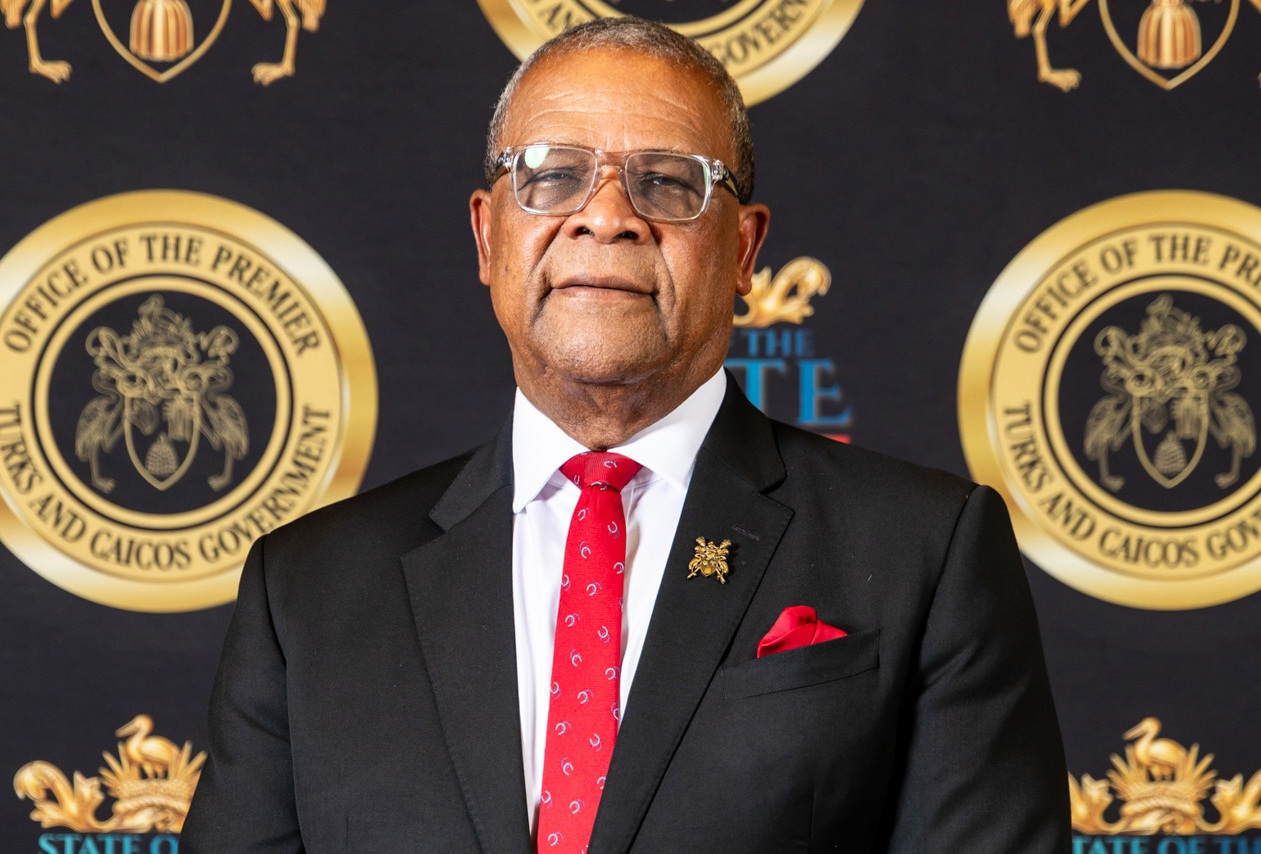
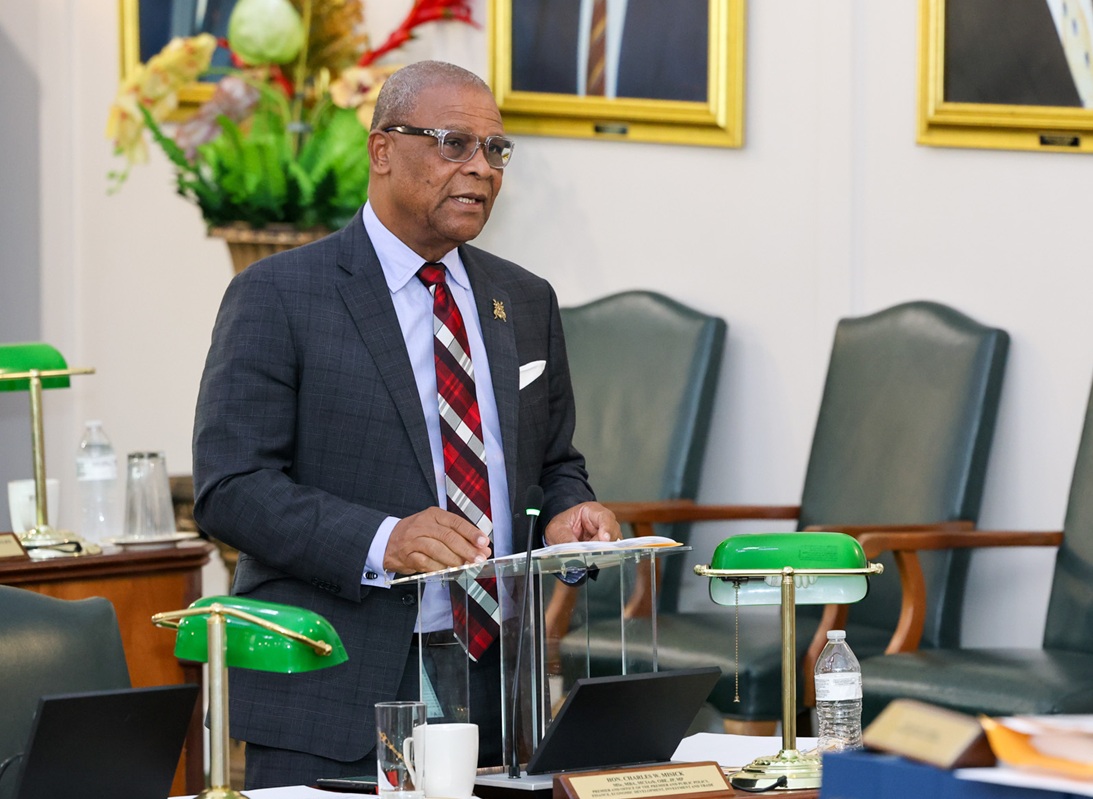
Turks and Caicos, March 18, 2026 – Despite securing significant constitutional reforms within the past year — including new powers that allow for a national referendum — Premier Charles Washington Misick made no mention of independence or any vote on the country’s political future during his 2026 State of the State Address, signalling what appears to be a continued strategy of building institutional strength before raising the question with the electorate.
The absence of any reference to a referendum stood out, particularly after the Turks and Caicos Islands successfully negotiated constitutional changes with the United Kingdom that expanded the authority of elected leaders and modernised the structure of Government.
Those reforms, which took effect last year, increased the size of Parliament, allowed for more Cabinet ministers, extended the life of a government from four to five years, and strengthened the role of elected officials in domestic affairs. The amendments also included provisions allowing for a referendum to be held on matters of national importance, a change widely viewed as giving the territory greater flexibility in determining its future political direction.
In his address, the Premier spoke of the reforms as moving the country toward “fuller self-government,” noting that the changes deliver a fully elected Parliament, widen delegated responsibility in external affairs and give elected leadership clearer authority and accountability to the people.
However, while the speech emphasised sovereignty, national security and stronger local institutions, it stopped short of any suggestion that the Government intends to call a referendum on independence or any other change in constitutional status.
Instead, the tone of the address suggested a focus on strengthening systems at home before considering further political steps.
The Premier outlined plans to expand the Police Force, strengthen the Border Force, increase the role of the Turks and Caicos Islands Regiment, modernise government through digital transformation, and improve immigration control through biometric border technology — all measures he said are necessary to secure the country’s future.
He also pointed to economic stability, infrastructure development and expanded investment as priorities, repeatedly framing the Government’s approach as one of building a stronger and more secure nation before taking on larger challenges.
The 2024 constitutional amendments, agreed between the Turks and Caicos Islands Government and the United Kingdom, formally expanded the number of elected members in the House of Assembly, increased the number of Ministers who may serve in Cabinet, extended the Parliamentary term to five years, strengthened Cabinet authority in domestic matters, and introduced provisions allowing for a referendum to be held on issues of national importance. The changes also widened delegated responsibility to local leaders in key areas of governance, marking one of the most significant steps toward greater self-government in recent decades.
The constitutional reforms achieved last year were seen by many observers as laying the groundwork for greater autonomy, and potentially future debate on independence, but the latest State of the State suggests the Government is moving cautiously.
For now, the message from the Premier appears clear: before any question of political status is put to the people, the country must first strengthen its institutions, its economy and its capacity to govern itself.
Angle by Deandrea Hamilton. Built with ChatGPT (AI). Magnetic Media — CAPTURING LIFE.
Government
$6M Digital Transformation Drive to expand E-Government, National ID and Biometric Borders
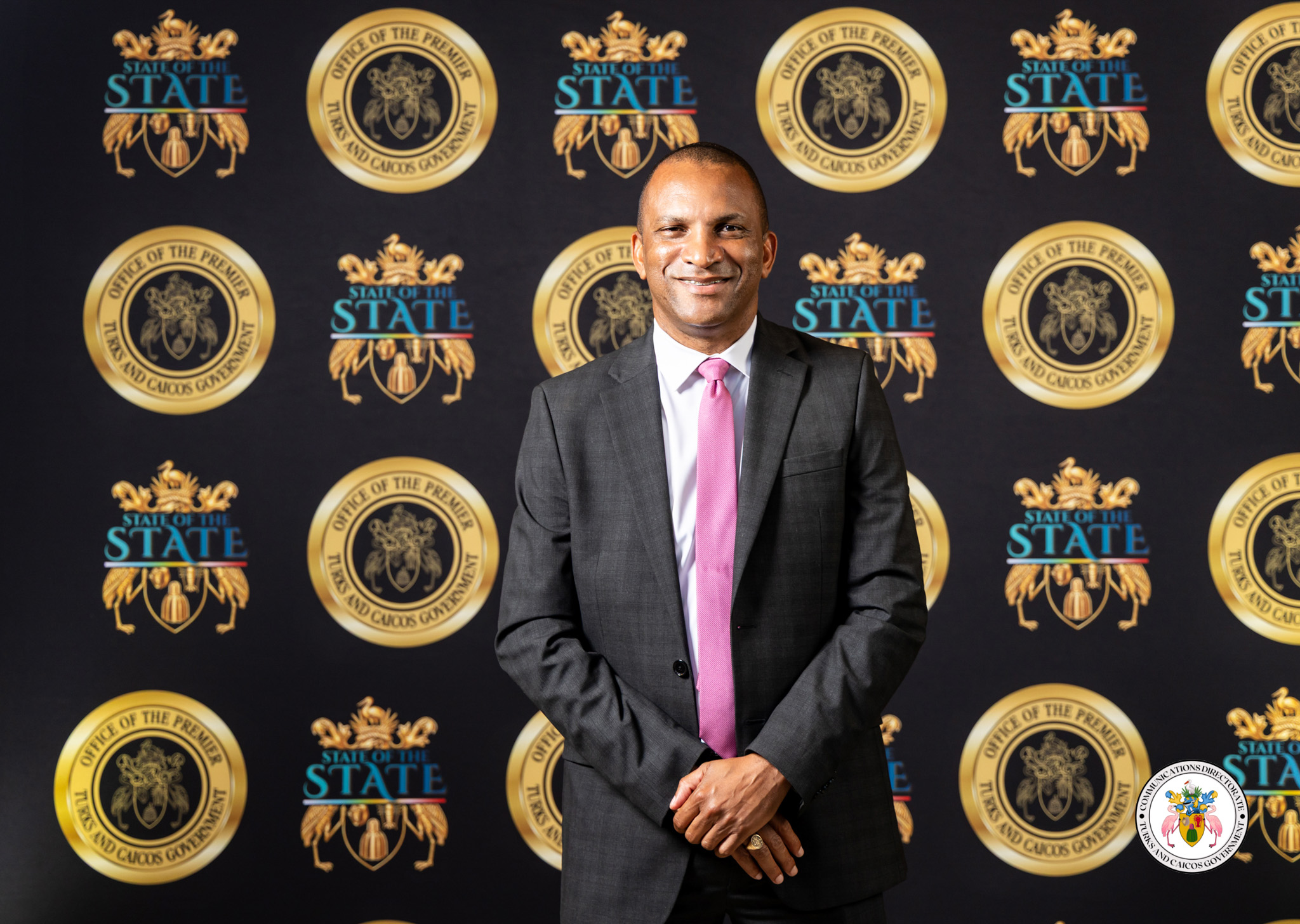
Turks and Caicos – A $6 million digital transformation programme launched after the 2024 government cyber breach is now driving a major push toward e-government in the Turks and Caicos Islands, with new systems planned for online payments, national digital identification and biometric border controls.
In his 2026 State of the State Address, Premier Charles Washington Misick said weaknesses exposed by the cyber-attack made it clear that government technology systems must be modernised to improve security, efficiency and public service delivery.
The Premier said the three-year digital agenda includes stronger network security, a redesigned government data system, new identity management tools and the creation of a National Security Operations Centre to monitor threats.
He told the country that modernising government services through digital transformation and e-governance is no longer optional but necessary for transparency, accountability and national progress.
One of the centrepieces of the plan is the National Digital ID Programme, which the Government says will modernise civil registration, establish a national population register and make it easier for residents to access public services while strengthening national security and election integrity.
The Premier also pointed to early success with the new E-Pay system, reporting that more than $1 million in government payments had already been made online within days of its launch in February, reducing long lines, paperwork and processing delays while improving transparency in public transactions.
Digital transformation is also extending to the country’s borders.
The Government confirmed that a multi-million-dollar Digital Borders Programme will introduce biometric screening and automated E-Gate technology at ports of entry, allowing citizens and low-risk travellers to move more quickly through immigration while giving authorities real-time access to identity and status information.
The move aligns with wider security standards being implemented across British Overseas Territories, where upgraded border technology is being introduced to strengthen immigration control and improve passenger processing.
Officials say the changes are part of a broader effort to create a more modern, secure and efficient public service, with additional digital systems planned across government departments over the next several years.
Angle by Deandrea Hamilton. Built with ChatGPT (AI). Magnetic Media — CAPTURING LIFE.





-

 News3 days ago
CARICOM – A Regional Club With Benefits; Turks & Caicos Wants In
-

 Government6 days ago
$6M Digital Transformation Drive to expand E-Government, National ID and Biometric Borders
-

 Uncategorized6 days ago
WHERE ARE THE LOCAL ARTISTS?
-

 News6 days ago
NATIONAL SECURITY SHIFT: PREMIER CONFIRMS REGIMENT EXPANSION
-

 Bahamas News6 days ago
Bahamas Warns Travellers as UN says Middle East Conflict May No Longer Be Contained
-

 Health5 days ago
Gut Health Linked to Lower Colorectal Cancer Risk According to Cleveland Clinic Dietitian
-

 News6 days ago
South Dock Expansion Milestone as UK Audit Highlights Importance of TCI Port Security
-
 News6 days ago
Statistics Authority Highlights Trade Data as Turks & Caicos Records $227M in Imports for Q4 2025