
News
FortisTCI pledges $40 Million Investment in transition to ‘Clean Energy’

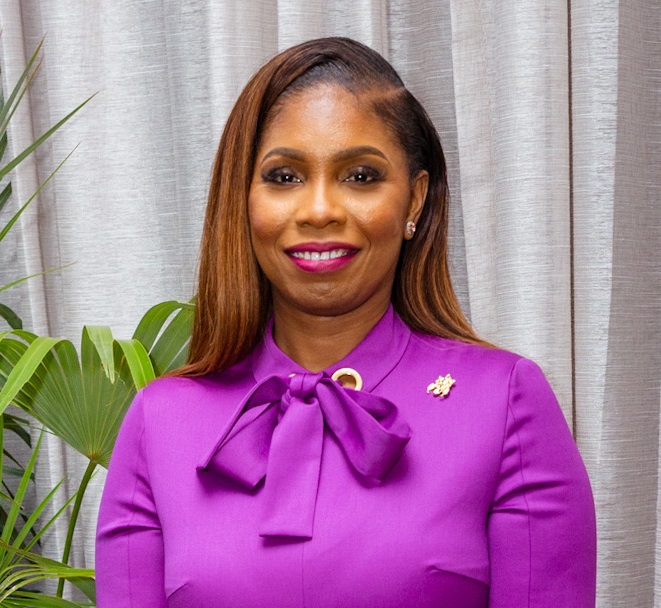
#TurksandCaicos, October 30, 2021 – The mission for clean energy in the Turks and Caicos Islands, has taken a major leap, with FortisTCI announcing a five-year plan to invest US$40 million in the industry.
Making the discloser at the recent Turks and Caicos Energy Forum, hosted by the company, President and Chief Executive Officer, Ruth Forbes, said the investment is a commitment for the transition of energy to ensure sustainable development.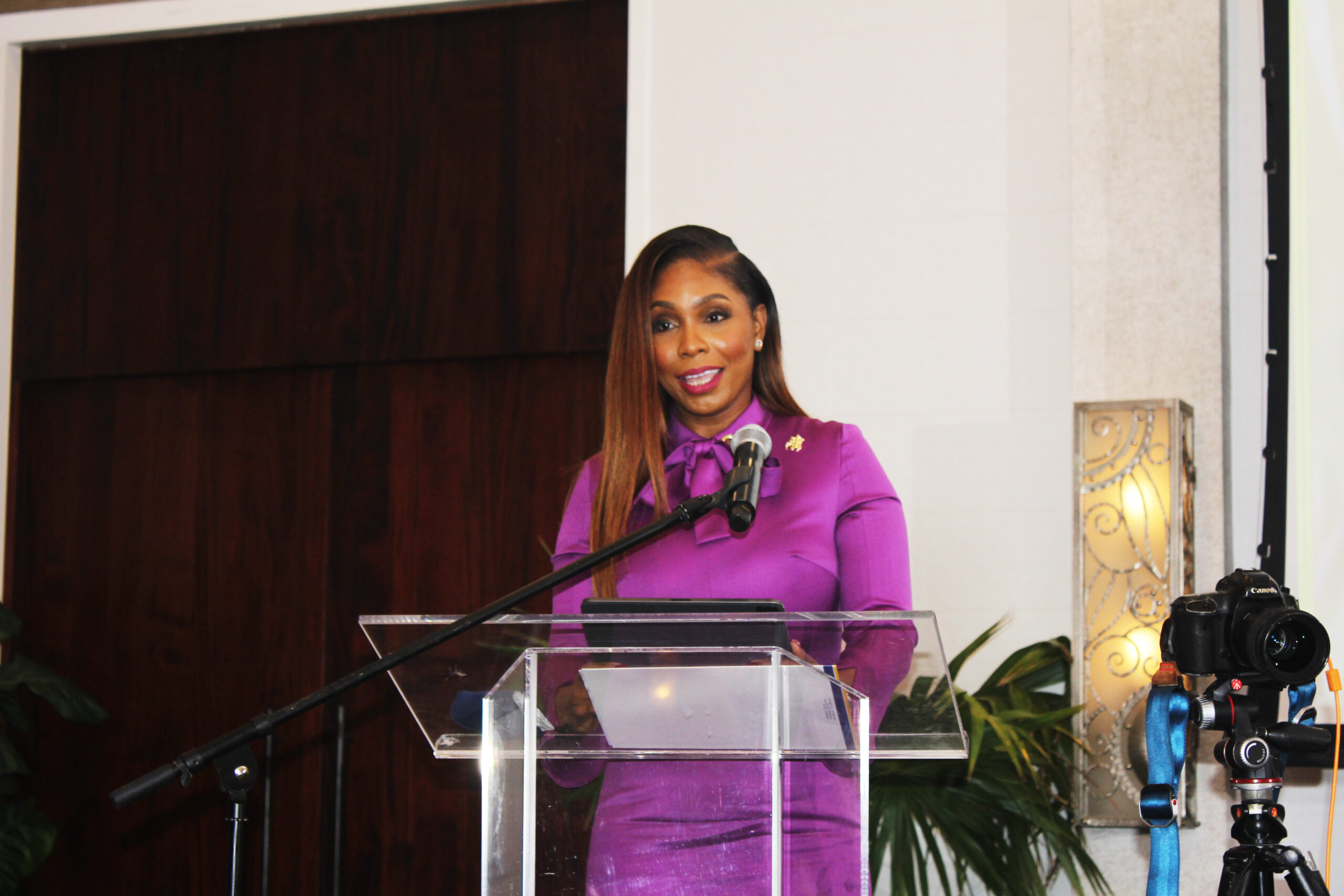
“The energy future is about electric vehicles and charging stations. It is about innovation and technology to deliver that electric, and we need new ways to fuel our economy, finding the right mix to provide a modernised regulatory framework,” she said, adding that it is without doubt a prerequisite to transform the sector.
The President also called for a “new regulatory framework” for the industry, as it will enable the company to meet customers’ changing demands, as well as bring certainty and transparency to the “regulatory environment and FortisTCI is committed to this transition,” Mrs Forbes stated.
Describing the forum as a national engagement for “our energy future,” that can be different from “what we are today,” she emphasised that for a better future, production of electricity needs to be generated from renewable sources such as wind, biomass, lower corban fuel, and natural gas, among other sources.
She further said the energy sector need to be built on decarbonisation, decentralisation, and digitisation, the (3Ds), which is a response to decarbonise the global economic transition from fossil fuels, to renewables, or lower corban energy sources.
“The 3Ds requires a new approach, they call for significant change in Government policies, regulations, in relationships between Government and utilities, and also partnerships with various stakeholders,” she pointed out.
Mrs Forbes stressed that global temperatures are rising, and everyone faces the impact from rising sea levels, more air pollutions, and more frequent and devasting storms, floods and wildfire.
“Climate Change demands attention and action from all countries, to reduce greenhouse gas emissions, and we recognise that the energy industry is a critical player in corban reduction, and Climate Change mitigation,” she said, noting that there is evidence that alternative sources are having significant impact on carbon emission reduction.
She pointed out that energy security is in “our hands,” and to make the islands less dependable on external sources, where fuels grow the economy, and deliver safe, reliable, and efficient services, “all of this is possible, it requires change from all of us,” Mrs Forbes said.
In stressing that energy is an economic builder and driver, necessary for “our future growth and development,” she said the company recognises its role in building a sustainable TCI, and it is “well placed” to meet the increased demand for electricity.

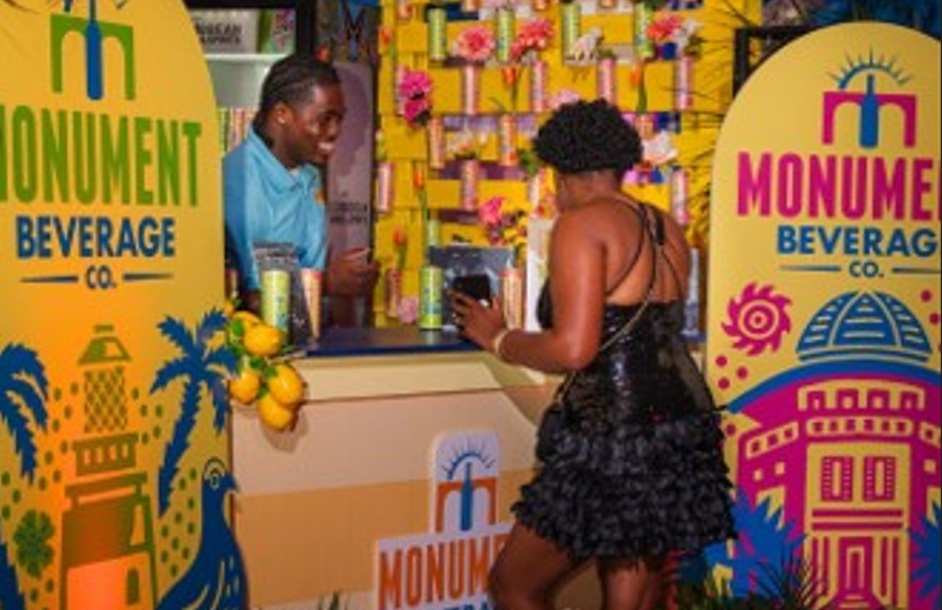
NASSAU, Bahamas — Caribbean Wines & Spirits (CWS), The Bahamas’ leading wine and spirits distributor, proudly supported Paradise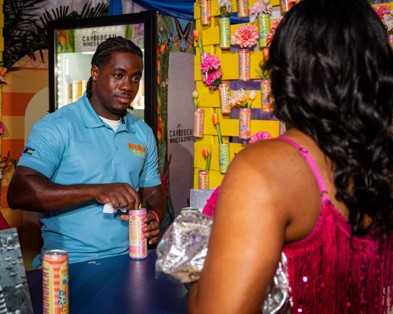 Plates, Hands for Hunger annual fundraiser with a flavorful offering of its newest product, Monument Beverage Co.
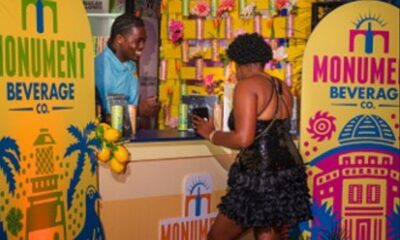
Monument, which launched this July and is available across six major islands, made its Paradise Plates debut. Guests enjoyed three bold flavors: Peach Passion, Ginger-Lime and Melon Fizz as they socialized throughout the evening.
Monument brand ambassadors engaged guests with knowledge on the ready-to-drink beverage’s unique taste and look. Many attendees were delighted to learn that Monument is 100% Bahamian-made and owned and enjoyed seeing the various national landmarks on the packaging.
The booth was adorned with vibrant brand colors, striped arches, tropical florals and a photo worthy backdrop featuring Monument cans filled with florals cascading down the wall.
At the end of the event, the entire Monument inventory had finished, making Monument’s Paradise Plates debut a huge success.
For more details on Caribbean Wines & Spirits, new products and specials, visit www.cwsbahamas.com today.
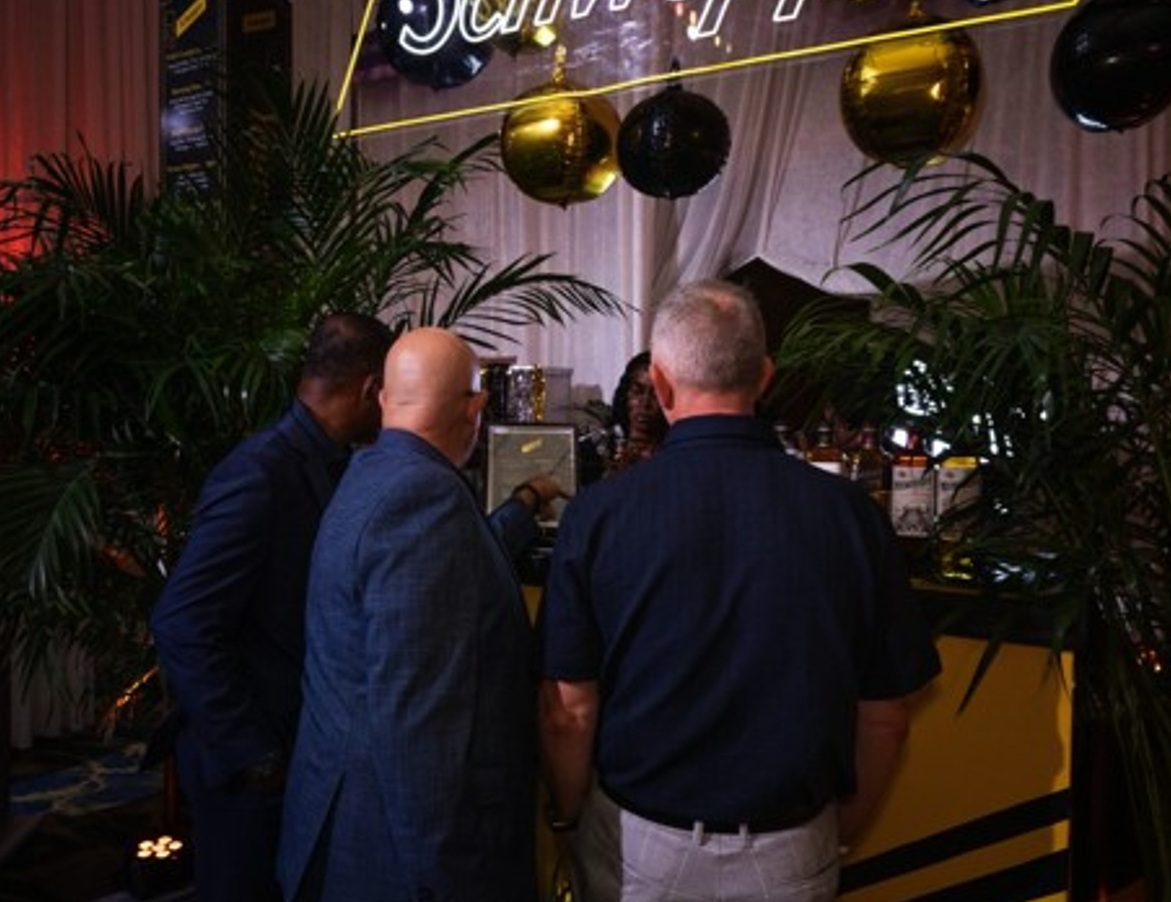
NASSAU, Bahamas — Schweppes, in collaboration with Nemiroff Vodka dazzled guests with handcrafted cocktails during Paradise Plates, Hands for Hunger’s annual fundraiser held at Atlantis’ Imperial Ballroom.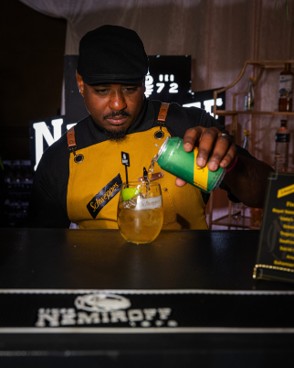
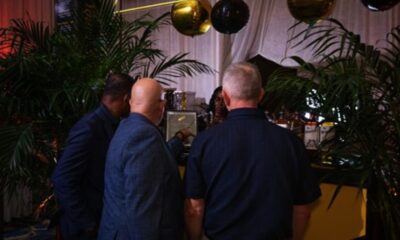
The evenings’ theme, 70’s: Paradise Disco, inspired bold and delicious sips from Schweppes and Nemiroff. The beautiful disco themed Schweppes booth, adorned with LED signs, lush greenery and hanging black and gold metallic orbs shined throughout the room.
Schweppes’ brand representatives and mixologists dressed in chic 70’s speakeasy attire engaged attendees throughout the night. Guests enjoyed receiving knowledge of each product and experiencing the vibrant energy of brand representatives.
Nemiroff Vodka, which is locally distributed by Caribbean Wines and Spirits (CWS), The Bahamas’ premier wines and spirits distributor; offered a unique variety of vodkas which made the perfect blend with Schweppes. Guests enjoyed, Nemiroff’s Honey Pepper, De Luxe, Burning Pear, Wild Cranberry, and Bold Orange vodkas throughout the night.
Fan favorite cocktails of the night were: the Wild Cranberry Tonic and the Bold Orange Fizz.
Following a positive response at Paradise Plates, CWS is offering Nemiroff and Schweppes specials at local liquor stores for the entire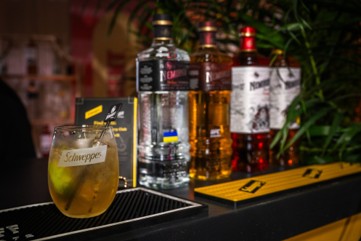 month. With the purchase of any 1-liter Nemiroff vodka, enjoy a complimentary three-pack of Schweppes mixers, to recreate the magic of Schweppes and Nemiroff.
Cara Douglas-Adderley, Senior Marketing Director for Caribbean Bottling (CBC), local producers and distributors of Coca-Cola and Dasani products and CWS shared the inspiration behind the Schweppes and Nemiroff promotion.
“We are thrilled to have paired Schweppes and Nemiroff for Paradise Plates this year, creating a premium cocktail experience for guests. After receiving such positive feedback, we wanted to extend that experience to consumers at home. Throughout October, consumers can visit their favorite watering hole, buy any 1-liter Nemiroff bottle and receive a free three-pack of Schweppes.”
Caribbean Bottling Company is proud to offer Schweppes, Coca-Cola’s premier mixer in collaboration with Caribbean Wines & Spirits and Nemiroff Vodka at Paradise Plates in support of Hands for Hunger’s mission.
For more information on CBC’s philanthropic work, new products and specials, visits www.cbcbahamas.com today.
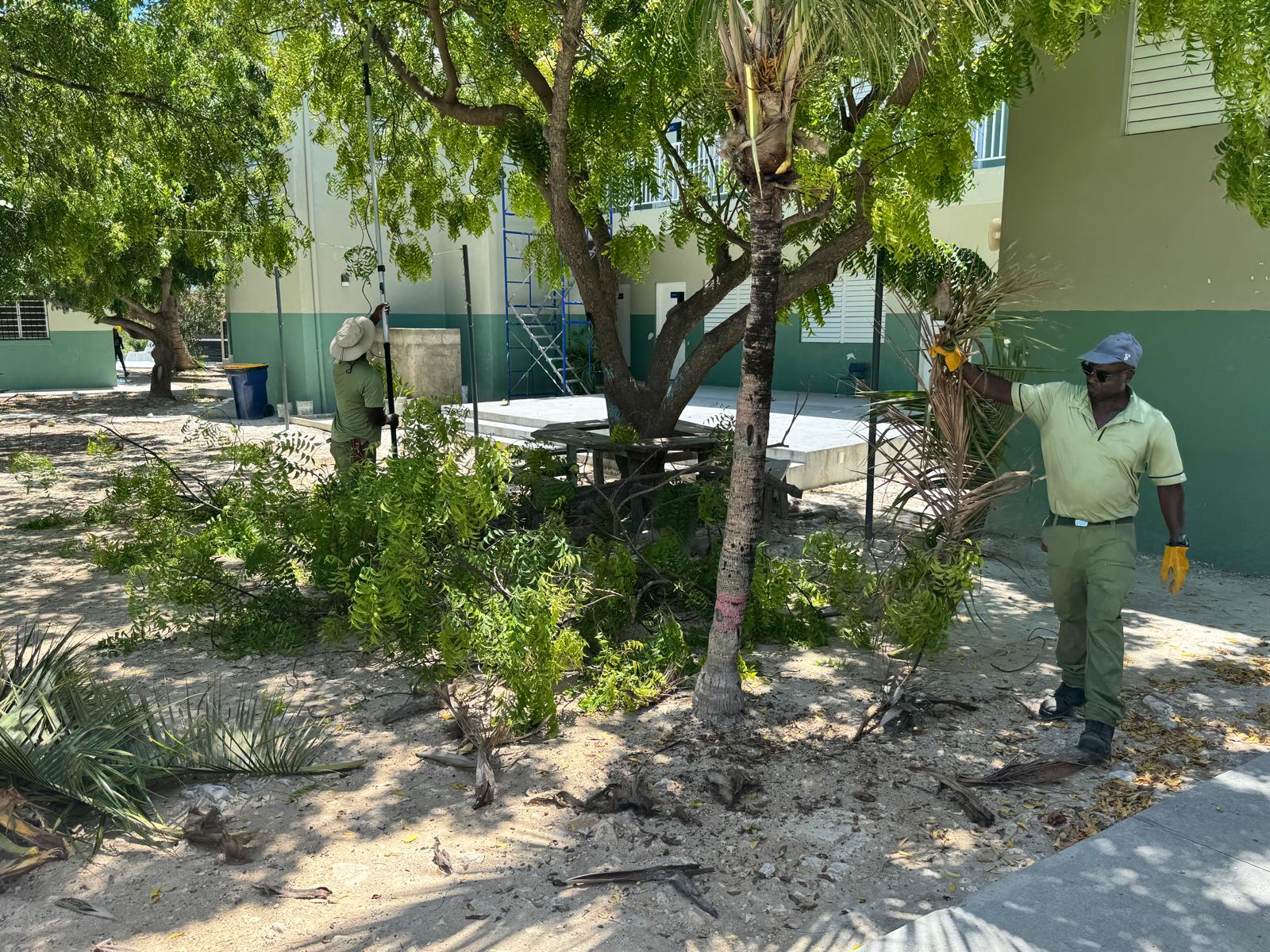
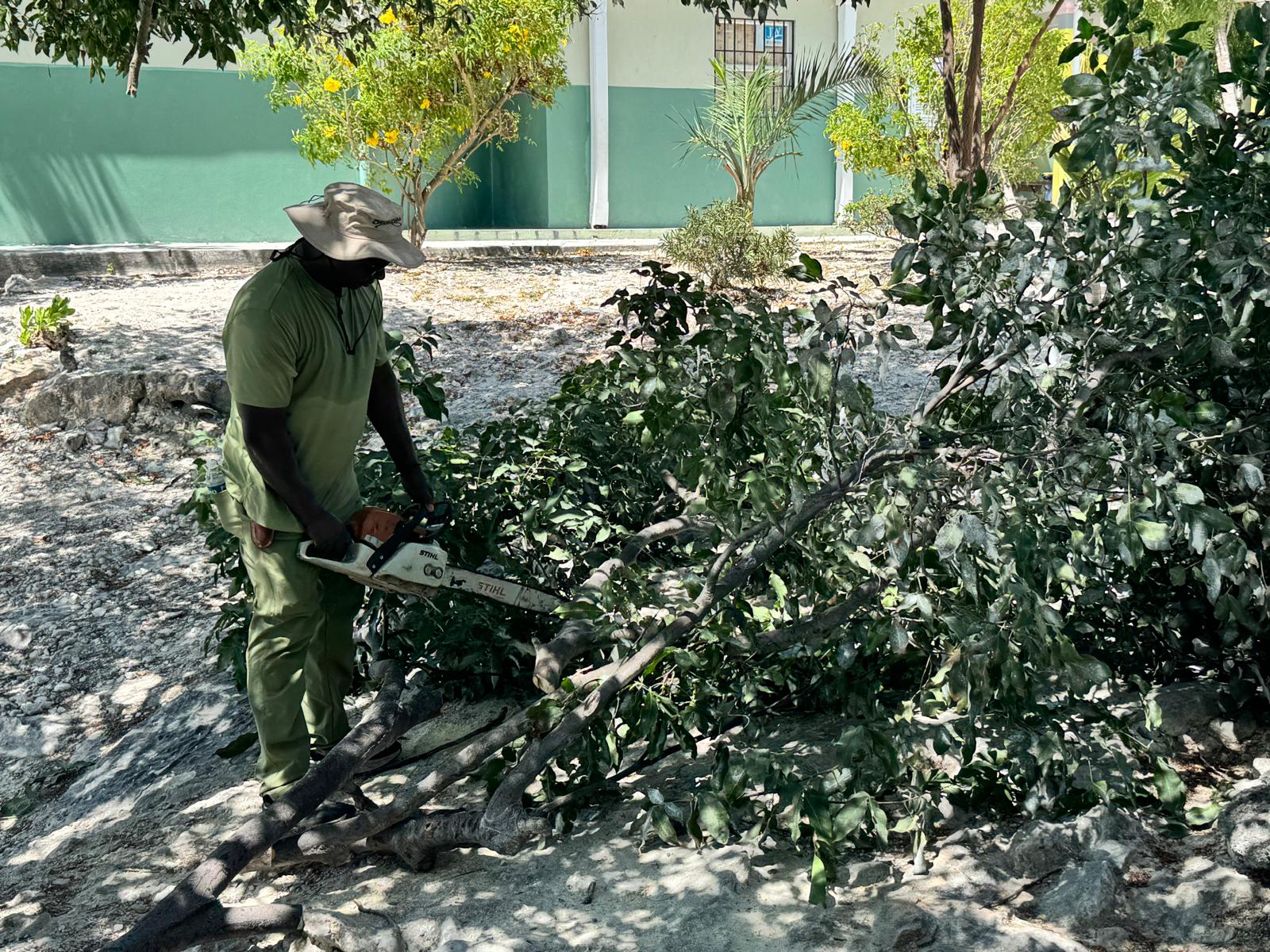
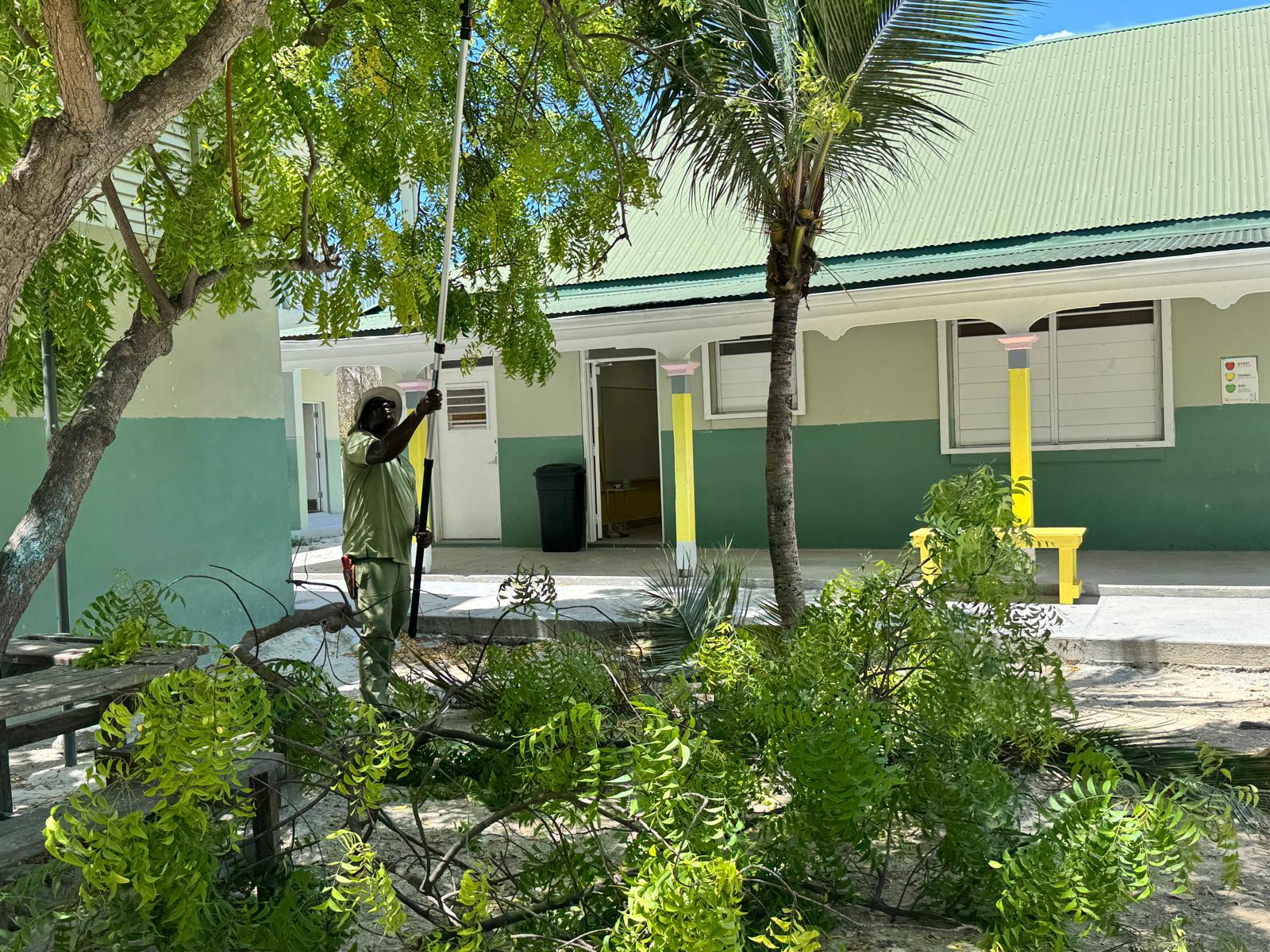
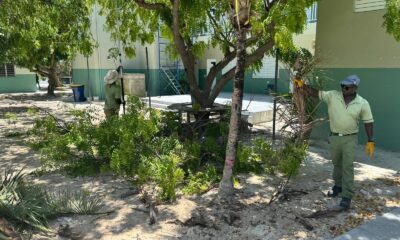
PROVIDENCIALES, Turks & Caicos Islands: — Beaches Turks and Caicos has refreshed the grounds of Enid Capron Primary School in Five Cays, Providenciales, ahead of the new school year, with a landscaping team from the resort, pruning and cutting back overgrown branches to give the campus a cleaner, safer look.
The project focused on the school’s exterior plantings, where tangled growth had begun to encroach on walkways and outdoor learning areas. The team spent time trimming hedges, thinning dense shrubs and removing deadwood to improve sightlines and airflow around the buildings.
Assistant Landscaping Manager, Kemar Jones said the work at Enid Capron is a regular priority for the department, which views community giving as a core part of its mandate. He noted that supporting local schools, particularly through hands-on environmental work, has long been a focus area for his team.
Jones, said the effort reflects the group’s wider commitment to the islands. “As a team, our goal is to give back to our communities and especially providing support for the environment and education,” Jones noted. “The team is always ready to share our skills with making the school environment more comfortable for our students and teachers.”
General Manager Deryk Meany framed the project as part of Beaches’ broader approach to working alongside the community beyond the resort gates. “At Beaches Turks and Caicos, we operate as a team not only within the confines of the resort but also with our communities,” Meany added. “Being able to share our varied skills is always our main focus. Providing a comfortable learning environment allows for a greater relationship with our educational collaborators.”
He added that the resort seeks opportunities to support range of school-based initiatives, from environmental and leadership clubs to creative programmes.
Minister of Education, Youth, Sports and Culture Hon. Rachel Taylor described the landscaping mission as a continuation of a long- standing relationship between the Ministry and Beaches Turks and Caicos. “This mission from our major private sector supporter, Beaches Turks and Caicos is a long standing activity,” Taylor said. “At Enid Capron Primary School, we are treated as family. Once we reach out to the resort, they have always responded in a positive way.”
Hon. Taylor said the support is particularly valuable in the areas of education and community development, where consistent private-sector engagement can amplify government efforts.
Nelene Swann, vice principal at Enid Capron Primary welcomed the refreshed grounds as a boost to morale before classes resume. “This is what true collaboration looks like,” she noted. “This is more than a facelift for the school. The team from Beaches Turks and Caicos has shown true commitment in adding to this learning environment for our students and teachers.”
She said the improved landscaping contributes to a more comfortable and inviting campus for all stakeholders. “This is a good way to start the new school year. This facelift will certainly make the facilities here at the school more appealing to our students, teachers and parents.





-
 News1 week ago
Beaches Turks & Caicos strengthens year-round commitment with local craft vendors and transport operators
-
 News6 days ago
Beaches Turks & Caicos gives Enid Capron Primary a pre-term facelift
-

 Independent writer3 days ago
Born Here, Raised Here, but Still Unable to Vote: Is this a Conundrum for TCI Electorate?
-
 News7 days ago
Stakeholders Strengthen Collaboration on Housing and Informal Settlements at World Habitat Day Roundtable
-

 Bahamas News1 week ago
Two Months On, The Bahamas Academy of Sciences Turns Fifty Years of Research into Action
-
 Bahamas News1 day ago
Monument Supports Hands for Hunger With Paradise Plates Debut
-
 Education6 days ago
TCICC Earns International Recognition at Ignition Community Conference 2026
-
 Bahamas News3 days ago
Schweppes ‘the Art of Mixology’ Dazzles at Paradise Plates with Nemiroff Vodka