
Caribbean News
Judge Paul Harrison dead at 84; Special court sitting to be held in his honour in TCI













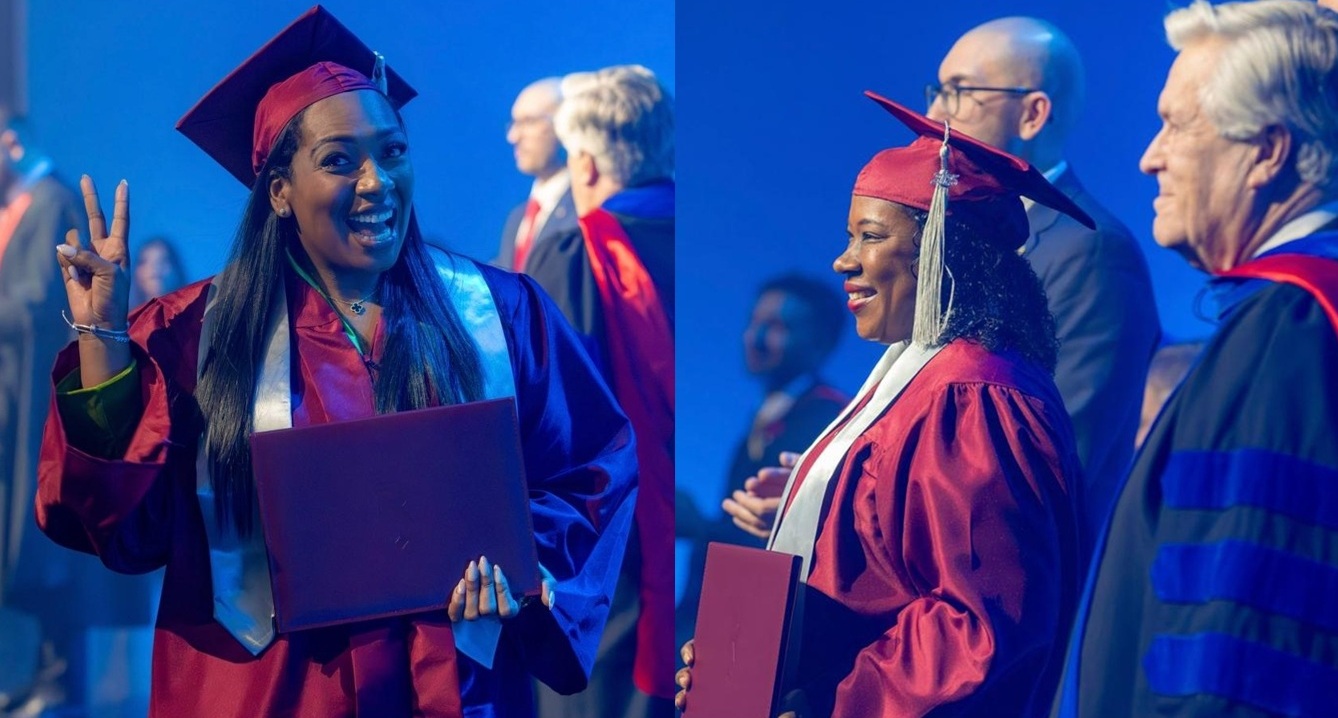
Montego Bay, Jamaica, April 22, 2026 — At Sandals and Beaches Resorts, leadership excellence is par for the course. This is increasingly evident as the Sandals Corporate University (SCU) continues to provide team members with extraordinary opportunities for higher education, growth and professional development.
Facilitated through the SCU, the programmes offered executive team members the opportunity to pursue advanced studies with Les Roches,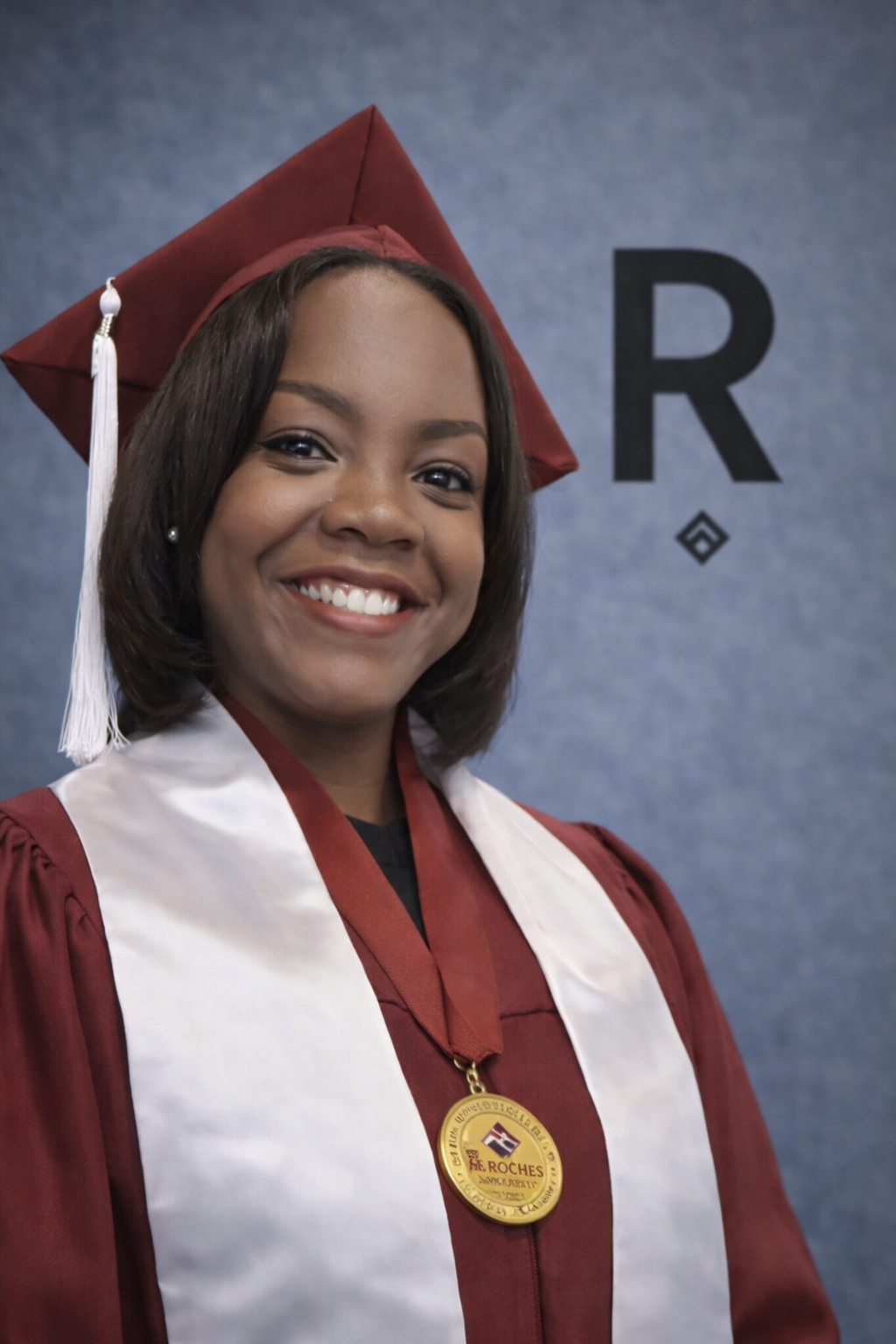 an internationally recognised Swiss hospitality university accredited by the New England Commission of Higher Education (NECHE). Renowned for its comprehensive hospitality curriculum, Les Roches was also recently ranked #2 in the world in Hospitality & Leisure Management by the QS World University Rankings 2026.
The graduating group included EMBA recipients: Heather Effs, regional manager, entertainment – Sandals Resorts, Jamaica, Della John, general manager at Sandals Grande St. Lucian and Melissa Stacy Giddings, regional manager, entertainment in the Eastern Caribbean. Also graduating was Senior Wedding Manager at Sandals Royal Bahamian, Samaria Smith-Cooper who completed the EMIHM programme.
While studying for their degrees, the EMBA students were able to enhance their experience through immersive classroom learning, travelling to the Les Roches campuses in Switzerland and Dubai to participate in the institution’s Residential Weeks. Both weeks, which took place at the start and toward the end of the course, provided the leaders with opportunities for in depth academic exposure, training and collaboration with fellow students from around the world.
Reflecting on their experiences and their decisions to pursue higher education through the SCU, each graduate expressed long standing aspirations to further their education and earn their master’s degrees and extended gratitude to the SCU for making those dreams a reality.
John, who graduated with distinction, shared that it was a proud and emotional moment when she crossed the stage to collect her certificate. She recalled that while the programme was demanding, the opportunity to deepen her knowledge of the hospitality industry on a global level made the journey a rewarding one.
“Education has always been intrinsic to who I am. I believe we must continuously learn so we can grow in this industry where we serve and lead others. This programme allowed me to sharpen my tools as a leader while gaining a broader global perspective on hospitality and tourism. Collaborating with professionals from different countries and cultures was an incredible experience and it challenged me to think differently about the future of our industry,” she remarked.
“My journey continues as I will keep sharing what I have learned to strengthen our teams and our brand every single day.”
For Giddings, the opportunity to network, study with her colleagues and lean into the vastness of hospitality was all the motivation she needed to embark on her Les Roches journey.
“I thought to myself, this was my chance to learn, expand and grow with two women I highly admire and respect.”
She noted that the coursework itself was not without its challenges, but she recognised the value in pushing forward to earn her degree which would inevitably allow her to take the next step in her career.
“It is an investment in yourself. I feel a profound sense of achievement and confidence and I feel prepared and excited about the opportunities that lie ahead,” she added.
Smith-Cooper shared that the EMIHM programme was the perfect opportunity to discover what she was capable of. However, between 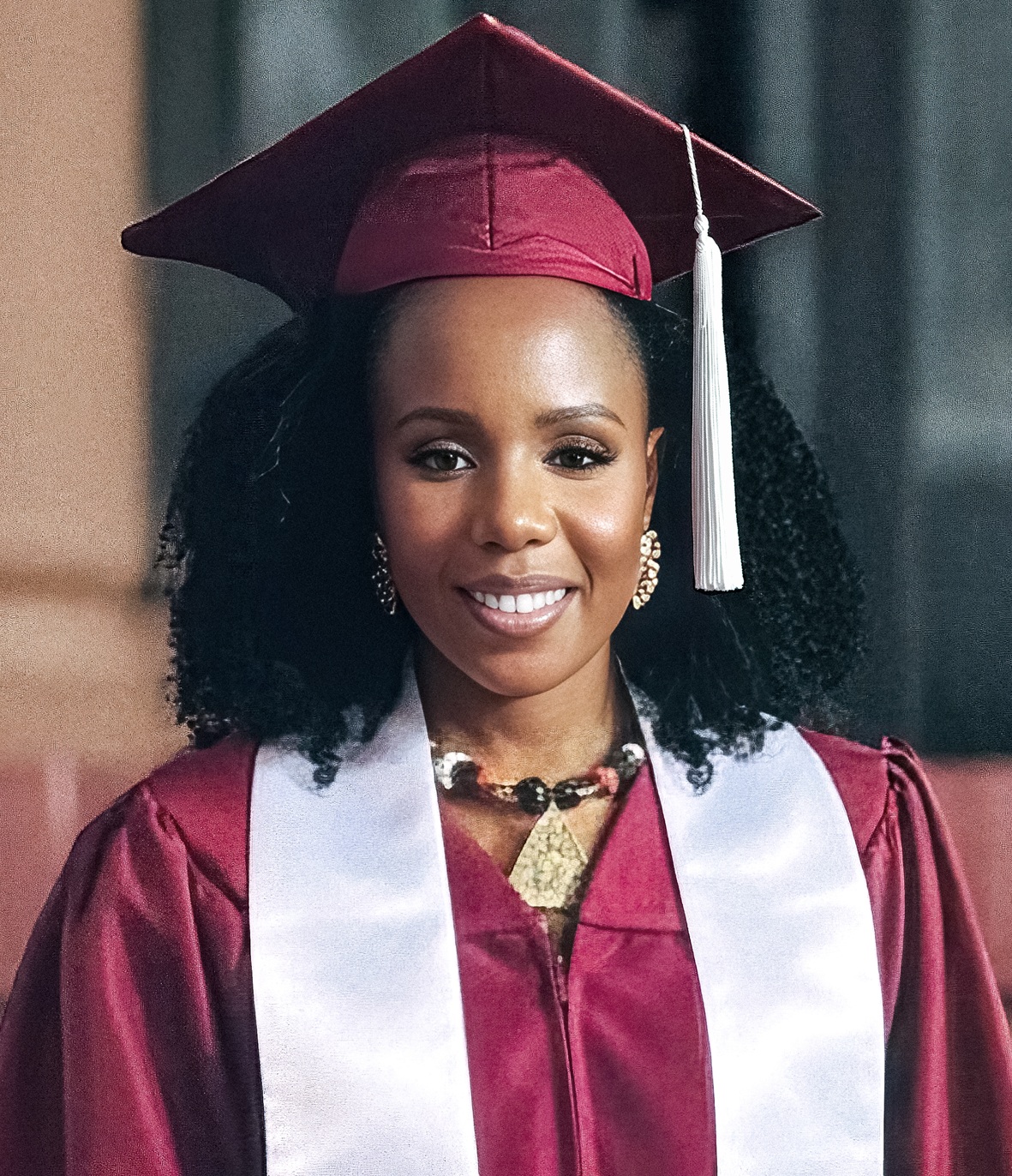 designing dream destination weddings for couples and navigating parenthood and life in general, she admitted that the undertaking was no small feat.
“One of my biggest challenges was balancing school with my everyday responsibilities at work, at home and in my personal life but this experience showed me that my capacity could grow.”
Despite the demands, she credits determination, self-belief and the encouragement of a strong support system for helping her see the journey through.
“Today, I feel proud, relieved, accomplished and more confident. This programme has helped to build my skills and prepare me for new responsibilities and future opportunities.”
Effs, who also earned her EMBA with distinction, regarded the experience as a transformative step in her professional journey.
“Pursuing this programme was truly a leap of faith for me. The coursework challenged me intellectually and professionally, but each module stretched me in the best way. I was constantly learning, applying and evolving.”
The regional entertainment manager also encouraged other team members to take advantage of the opportunities available through SCU.
“To anyone considering taking the next step through SCU, my advice is simple: take the leap of faith. Trust yourself. Tap into your superpowers. Growth begins the moment you step outside of your comfort zone. The journey may challenge you, but it will also transform you,” Effs added.
Speaking on the partnership with Les Roches, Senior Corporate Director of the SCU, Dr. Luz Longsworth expressed her appreciation for the calibre of hospitality training offered by the institution.
“Les Roches’ commitment to working with the Caribbean really impressed us and we were excited to take a team to Marbella to visit their campus and explore the possibilities for collaboration. The quality of the programme strengthens the capacity of our leaders to navigate the complex and ever evolving world of hospitality and it is highly relevant to the needs of our region,” she shared.
The Sandals Corporate University remains committed to empowering team members through world class training and educational opportunities. By investing in leadership development and professional advancement, SCU continues to equip its people with the tools needed to grow while helping to shape the next generation of hospitality leaders across the Caribbean.
Captions:
Header: SCU Grads 1: Regional Manager, Entertainment – Sandals Resorts, Jamaica, Heather Effs can’t help but strike a playful pose after crossing the Les Roches stage to collect her degree; and SCU Grads 2: Della John, general manager at Sandals Grande St. Lucia is snapped on stage with the Les Roches team at the graduation ceremony held in Switzerland.
1st insert: Senior Wedding Manager at Sandals Royal Bahamian, Samaria Smith-Cooper takes a quick selfie moment post-graduation.
2nd Insert: Melissa Stacy Giddings, regional entertainment manager for the Eastern Caribbean is all joy after completing the postgraduate programme.

April 14, 2026 – Team Trinidad and Tobago delivered one of the most commanding performances at the 2026 CARIFTA Aquatics Championships, finishing third overall in swimming and second in athletics, signaling a powerful resurgence on the regional stage.
Competing in Martinique, the swim team amassed an impressive 747 points and 59 medals—20 gold, 19 silver and 20 bronze—in what officials are calling a historic showing. The result marks a significant step forward from previous years, reinforcing the country’s growing strength across disciplines and age groups.
Standout performances came from a deep and talented squad. Zahara Anthony led the charge with 72 points, dominating the Girls 11–12 division across freestyle, butterfly and individual medley events. Liam Carrington followed closely with 69 points, delivering a near-flawless campaign in the Boys 15–17 category, while Marena Martinez, Xaiden Valentine and Serenity Pantin added critical points with consistent podium finishes.
The team’s strength was not limited to individual brilliance. Athletes like Micah Alexander, Ethan McMillan-Cole and Jaden Mills showcased versatility and depth, while relay contributions from swimmers including Julius Ennals and Anpherne Bernard helped secure the team’s overall standing.
The performance drew high praise from the Ministry of Sport and Youth Affairs in Trinidad and Tobago, which welcomed the team home in celebration of what was described as a defining moment for the programme.
Minister Phillip Watts noted, “This success is not accidental. It is the result of hard work, structure, vision, and belief. Our young athletes are proving that Trinidad and Tobago is rising again.”
He added that every performance sent a clear message across the region that the country is “not standing still… we are moving forward.”
The showing in Martinique underscores the impact of sustained investment in youth development, coaching and systems, with Team TTO emerging as one of the most complete and competitive squads at CARIFTA 2026.
With momentum now firmly on their side, Trinidad and Tobago’s swimmers are not just competing—they are setting the pace for the future of Caribbean aquatics.
Developed by Deandrea Hamilton • with ChatGPT (AI) • edited by Magnetic Media.

Barbados, April 14, 2026 – Barbados’ Prime Minister Mia Mottley rolled out a hero’s welcome for the island’s CARIFTA athletes, celebrating a team that delivered one of the most talked-about moments of the 2026 championships.
At a reception held at Ilaro Court, Mottley met with the returning team, including the country’s Under-20 men’s 4x400m relay squad—Kyle Gale, Demario Prince, Akeem Sirjue and Jamar Marshall—whose electrifying performance at the Kirani James National Stadium stunned regional powerhouses.
The Barbadian quartet surged to gold in a dramatic finish, toppling both The Bahamas—long dominant in the event—and Jamaica, whose athletes have historically controlled the CARIFTA track scene with decades of relay success.
The victory capped a high-energy night and is already being described as a defining moment for Barbadian athletics.
Speaking after the team’s return, Mottley underscored the national pride sparked by the athletes’ achievements.
“This afternoon filled me with pride. To welcome our CARIFTA athletes to Ilaro Court, to see their smiles, feel their joy and thank them personally for what they have done for Barbados, was deeply special,” she said.
The Prime Minister also announced a $1 million investment to support athlete development, including enhancements to sporting infrastructure, sports science, nutrition and training systems.
“Our young people are soaring already. Barbados must now make sure they have every tool to go even higher,” Mottley added.
The reception signaled not just celebration, but commitment—positioning Barbados to build on a breakthrough moment that has shifted the regional athletics conversation.
Angle by Deandrea Hamilton. Built with ChatGPT (AI). Magnetic Media — CAPTURING LIFE.





-
 News6 days ago
Police Honour Retired Officers and Reach Out to Community in Grand Turk
-
 News6 days ago
NEW DESTINATION GUIDE BOOK ANNOUNCED FOR TURKS & CAICOS ISLANDS
-
 News4 days ago
TCI Real Estate Enters Buyer’s Market Phase as Luxury Demand Softens
-

 Independent writer7 days ago
Questions & Concerns About Integrity at TCI Immigration Department and the Department of Labour / Employment Services
-
 News6 days ago
Experience Turks and Caicos Launches Strategic Travel Advisor Education Program in Partnership with Travelview International
-

 Government4 days ago
$94.1Mfor Health; Knowles Pushes to Keep Care at Home
-
 Government4 days ago
Digital Government Push Advances, but Reliability and Security Details Remain Unclear
-
 News6 days ago
A Lesson in Nature: Sandals Foundation Takes Students on Mindfulness Nature Trail for Earth Day