Connect with us

world news

Governments and International Organizations Come Together to Address Economic Challenges and Sustainability

Published

on

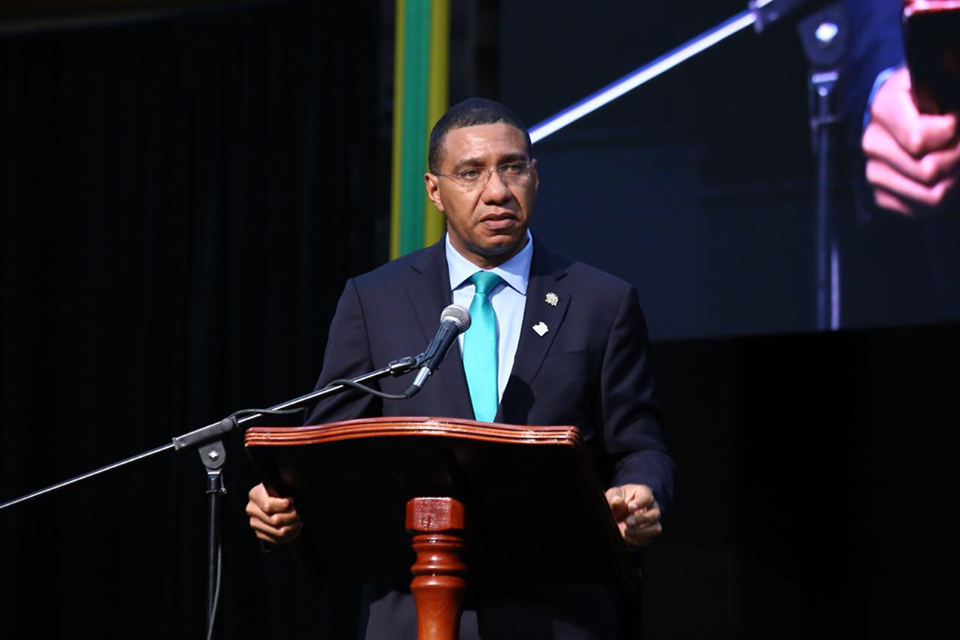
NEW YORK, 28 May 2020 — United Nations Secretary-General António Guterres, the Prime Minister of Canada, Justin Trudeau and the Prime Minister of Jamaica, Andrew Holness, will convene world leaders and international organizations today in a joint initiative to sharpen and accelerate our global response to the significant economic and human impacts of COVID-19, and advance concrete solutions to the development emergency.

This pandemic requires a large-scale, coordinated, comprehensive multilateral response to support countries in need, enabling them to recover better for more prosperous and resilient and inclusive economies and societies.

With more than 50 Heads of State and Government participating, the High-Level Event on Financing for Development in the Era of COVID-19 and Beyond is the most inclusive gathering of countries to focus on the socio-economic recovery and financing needs from the pandemic. We must continue to coordinate these efforts to avoid a devastating impact on people’s lives and livelihoods.

We all face economic strain in responding to this pandemic, particularly low- and middle-income countries, many of which are seeing their efforts to achieve the Sustainable Development Goals (SDGs) set back.

The High-Level Event looks at six urgent areas of action to mobilize the financing needed for the response and recovery. These include expanding liquidity across the global economy; addressing debt vulnerabilities; stemming illicit financial flows; increasing external finance for inclusive growth and job creation; and strategies for countries to recover better, achieve the SDGs, address climate change and restore the balance between the economy and nature.

“The pandemic has demonstrated our fragility,” said UN Secretary-General Antonio Guterres. “We are in an unprecedented human crisis, because of a microscopic virus. We need to respond with unity and solidarity, and a key aspect of solidarity is financial support.”

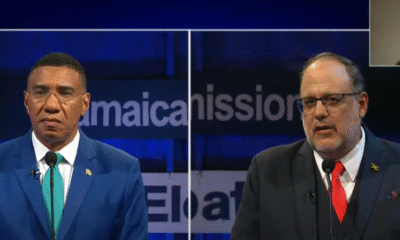
Jamaica’s Prime Minister Andrew Holness said “the COVID-19 pandemic demands that we take immediate action to address its impacts on the economies of all countries, in every region of the world and at every stage of development.” He added that he welcomes the six thematic areas of focus, including the “necessity to address the urgent need for increased liquidity, particularly for low- and middle-income countries.”

Canada’s Prime Minister Justin Trudeau said that “all countries are being tested by the COVID-19 pandemic, and it threatens to undermine our hard-won development gains. We know the best way to help all our people and economies rebound is to work together as a global community. We want to support collective and individual actions to enable a recovery that leads to more inclusive, sustainable and resilient economies, where no one is left behind.” 

The cost of the pandemic
World Health Organization (WHO) figures show that the COVID-19 pandemic has already claimed more than 340,000 lives, with more than 5.4 million cases globally. Unless we act now, UN projections indicate that the pandemic could slash nearly $US8.5 trillion from the global economy over the next two years, forcing 34.3 million people into extreme poverty this year, and potentially, an additional 130 million people during this decade. 

Failing businesses are already causing a surge in unemployment. The International Labour Organization (ILO) expects that global working hours in the second quarter of 2020 will be 10.5 per cent lower than before the crisis, equivalent to 305 million full-time jobs. Women are particularly affected, as they are overrepresented in sectors that have been the most affected with initial job losses. They are also the majority of those employed in the informal sector globally and on the whole tend to hold less secure jobs with fewer protections, less savings, and are more likely to live in, or close to, poverty.

The pandemic is causing economic distress even in countries that have not yet experienced the health impact in large numbers. Falling exports and growth are rapidly undermining the debt sustainability of many developing countries, particularly those that are heavily dependent on commodities, tourism revenues or remittances. Growing debt distress poses an enormous challenge to these countries, further constraining their ability to implement stimulus measures.

Even prior to the outbreak of the pandemic, almost half of all least developed and other low-income countries were in, or close to, debt distress. Debt servicing costs for these countries more than doubled between 2000 and 2019, to 13 per cent of government revenue, and reached more than 40 per cent in a quarter of all Small Island Developing States (SIDS).

Effective domestic resource mobilization will be crucial for rebuilding economies. Yet trillions of dollars are thought to be held in undeclared offshore financial holdings. The cost of money laundering has been estimated at around $US1.6 trillion a year.

Meeting the challenges
In the face of this unprecedented health, social and economic crisis, many governments across the world have rolled out large fiscal stimulus measures equivalent to an estimated 10 per cent of national gross domestic product (GDP). But most developing economies are finding it difficult or impossible to implement sufficiently large fiscal packages, which have so far averaged less than 1 per cent of their GDP.

In April 2020, the G-20 agreed to suspend debt service on bilateral official debt to 76 low-income developing countries to help increase liquidity to deal with the impacts of the crisis. The International Monetary Fund (IMF) offered further debt service relief to 25 of the poorest countries, and the World Bank has been coordinating with regional banks to discuss COVID-19 support, joint initiatives, co-financing, and ways to maximize net flows to the poorest and most vulnerable countries. But far more is needed, and quickly.

The High-Level Event will discuss a wide range of inclusive solutions, seeking input from the countries feeling the most impacted.

Rebuilding sustainably
In the initial containment and crisis phase of the pandemic, nations have prioritized the health of people before turning to the economic and labour market consequences.  As each nation charts its own course to recovery, countries are seeking to limit the economic fallout by taking steps to protect enterprises, jobs and incomes, and to stimulate the economy, and to do so in a way that protects women and families, young people, and the most vulnerable in our societies. 

We must raise our ambitions in order to recover better, by building more prosperous, inclusive, resilient and sustainable economies and societies. Countries cannot afford to leave unattended the underlying fragilities at the core of our current economic and social systems. We cannot wish away systemic risks, from the climate crisis to high and persistent inequality. Everyone will benefit if we address these risks by investing up front. 

The Event will include a High-Level Segment in which Heads of State and Government will express their commitment to finding multilateral solutions to the global economic crisis and its effects on the most vulnerable. In addition, a High-Level Panel of leaders from international institutions will discuss the challenges and opportunities for urgent, decisive action. Following the Panel, the High-Level Segment among Heads of State and Government, and partners will continue.

Six critical areas of focus
The Event will also launch a collaborative effort to enable discussions on concrete proposals to overcome challenges in six areas, and progress will be reported back at the margins of the High Level Political Forum in July, the General Assembly in September, and at the end of the year that include:

  1. The need to expand liquidity in the global economy and maintain financial stability to safeguard development gains. 
  2. The need to address debt vulnerabilities for all developing countries to save lives and livelihoods for billions of people around the world. 
  3. The need to create a space in which private sector creditors can proactively engage in effective and timely solutions.
  4. Prerequisites for enhancing external finance and remittances for inclusive growth and creating jobs.
  5. Measures to expand fiscal space and foster domestic resource mobilization by preventing illicit financial flows.
  6. Ensuring a sustainable and inclusive recovery by aligning recovery policies with the Sustainable Development Goals.

The outcomes of the High-Level Event include the formation of six discussions groups, a collaborative effort that aims at providing concrete proposals by mid-July.
There is no time to lose. Solutions cannot wait, and decisive action is required.

Courtesy of Office of the Prime Minister, Jamaica

Magnetic Media is a Telly Award winning multi-media company specializing in creating compelling and socially uplifting TV and Radio broadcast programming as a means for advertising and public relations exposure for its clients.

Caribbean News

From Pathways to Investment: Tackling the US $6 Billion Food Challenge for the Caribbean

Published

on

By Kenroy Roach

The Caribbean’s food systems challenge is fast evolving into a broader development challenge.

Despite decades of policy attention and investment, the region remains one of the most food import-dependent in the world, spending over US$6 billion annually. At the same time, countries continue to grapple with food insecurity, high rates of diet-related non-communicable diseases, climate vulnerability, and exposure to external shocks that can disrupt supply chains and drive up food prices almost overnight.
For Small Island Developing States (SIDS), food security has shifted from an agriculture focus alone, it’s about economic resilience, health, climate resilience and sustainable growth.

Recognizing this reality, Caribbean governments have elevated food systems transformation as a regional priority through the CARICOM 25 x 25 Plus Five Agenda, which seeks to reduce food import dependence while strengthening domestic production, regional trade, and resilience. Across Barbados and the Eastern Caribbean, governments have also developed National Food Systems Pathways that identify the investments, partnerships, and policy reforms needed to transform food systems and accelerate progress toward the Sustainable Development Goals (SDGs).

Yet one challenge has remained persistent: financing.

In the face of high levels of public debt and limited fiscal space, while public investment remains critical, Caribbean governments simply cannot shoulder the financing burden alone. Transforming food systems at scale requires mobilizing far greater private capital, alongside development finance and public resources.

This was the rationale behind the recent convened in Barbados.

The Forum brought together governments, investors, international financial institutions, private sector leaders, regional organizations, and the United Nations around a simple proposition: food systems should be viewed not only as a development priority, but also as an investable asset class.

A distinguishing feature of the innovative gathering was its focus on attracting private investment—particularly private equity, impact investment, and blended finance solutions capable of supporting businesses and infrastructure across food value chains. By helping enterprises access growth capital and connecting investors with scalable opportunities, the initiative sought to unlock financing that complements public investment rather than adding to already constrained public balance sheets.

A key outcome was the launch of a regional Deal Book comprising approximately US$320 million in investment opportunities across seven countries, spanning agriculture, fisheries, agro-processing, logistics, and strategic food systems infrastructure. The Deal Book created a practical bridge between capital seeking opportunities and opportunities seeking capital, while enabling direct engagement between governments, enterprises, and investors.

The results were encouraging.

Across four sector-focused deal rooms, participants explored investment-ready and near-investment-ready opportunities and discussed blended finance private equity, risk-sharing, and partnerships to advance projects toward implementation.

The Forum highlighted a shift in perspective: food systems are now seen as strategic drivers of economic diversification, resilience, competitiveness, and growth. Investments across production, processing, logistics, and distribution can strengthen regional supply chains, create new businesses, generate jobs, and reduce vulnerability to external shocks.

For the United Nations, this experience reinforced an important lesson.

Transforming food systems requires more than the technical expertise of individual agencies. It requires integrated solutions that connect agriculture, nutrition, health, climate resilience, trade, private sector development, and financing.

This is where the Resident Coordinator System plays a critical role.

Across Barbados and the Eastern Caribbean, the Resident Coordinator Office has united UN system capabilities around a common food systems agenda. Working with FAO, WFP, the UN Food Systems Coordination Hub, and other partners, the RCO has helped align policy support, technical expertise, partnerships, and financing with nationally identified priorities.

The Forum demonstrated this integrated approach by convening governments, investors, development finance institutions, private sector actors, and UN agencies around a common objective. It showcased the UN’s comparative advantage as a trusted broker capable of connecting development priorities with investment opportunities.

The Forum’s success will be measured not by dialogue generated, but by investments mobilized, businesses expanded, and progress made toward resilient, competitive Caribbean food systems across the Caribbean.

Its most important outcome may therefore be what comes next.

The work starts now.

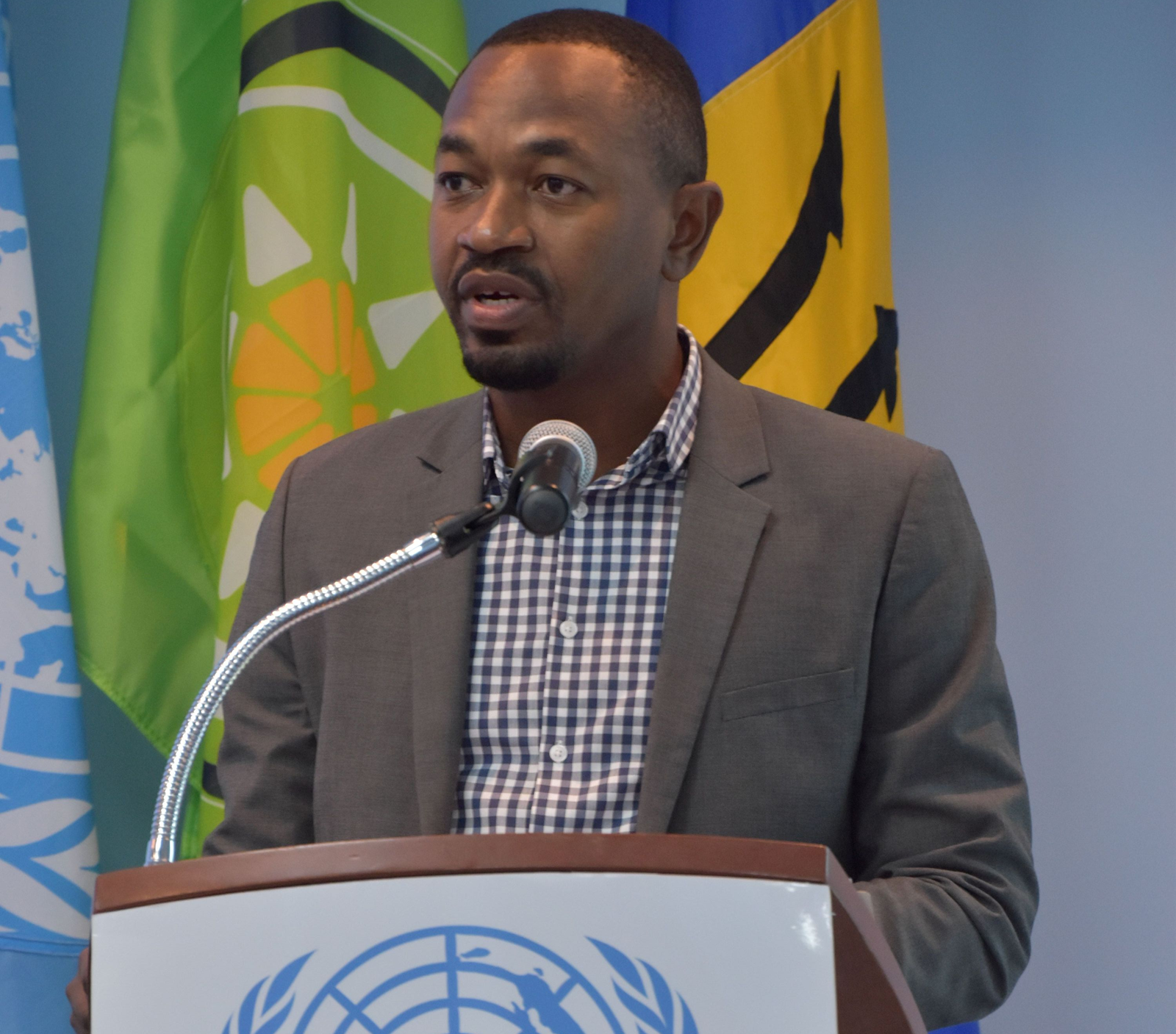
Kenroy Roach is Head of the UN Resident Coordinator Office for Barbados and the Eastern Caribbean


Continue Reading

News

Saudi Arabia, UAE Among Global Partners Joining CARICOM Summit in Saint Lucia

Published

on

Deandrea Hamilton | Editor


GROS ISLET, Saint Lucia — The 51st Regular Meeting of the Conference of Heads of Government of the Caribbean Community (CARICOM) officially opened on Sunday, July 5, with Caribbean leaders joined by influential international partners including Saudi Arabia, the United Arab Emirates, Afreximbank and the Commonwealth Secretariat.

Hosted by Saint Lucia’s Prime Minister Philip J. Pierre, who assumed the rotating CARICOM Chairmanship on July 1, the Opening Ceremony at Sandals Grande St. Lucian brought together Heads of Government from The Bahamas, Barbados, Belize, Dominica, Grenada, Guyana, Haiti, Jamaica, Antigua and Barbuda, St. Kitts and Nevis, St. Vincent and the Grenadines, Suriname and host Saint Lucia.

Associate Members also participated in the opening, including the Turks and Caicos Islands, British Virgin Islands, Bermuda, the Cayman Islands and Martinique, which is attending as CARICOM’s newest Associate Member. Anguilla was represented by Premier Cora Richardson-Hodge, the territory’s first woman premier, underscoring the growing role of women in Caribbean leadership.

Among the distinguished international guests were His Excellency Adel al-Jubeir, Saudi Arabia’s Minister of State for Foreign Affairs; Her Excellency Noura bint Mohammed Al Kaabi, UAE Minister of State for Foreign Affairs; Dr. George Elombi, President and Chairman of Afreximbank; and Shirley Botchwey, Secretary-General of the Commonwealth.

Their participation reflects increasing international interest in the Caribbean as governments pursue partnerships in climate finance, trade, food security, investment, regional security and sustainable development.

The Opening Ceremony featured remarks from Prime Minister Pierre, outgoing CARICOM Chairman Terrance Drew and CARICOM Secretary-General Carla Barnett. Business sessions continue through July 8, with leaders expected to deliberate on climate resilience, the CARICOM Single Market and Economy, reparations, regional security, food and nutrition security, Community enlargement and foreign relations.

As deliberations begin, the presence of global powers alongside a full complement of Caribbean leadership reinforces CARICOM’s expanding influence—not only as the region’s principal integration movement, but increasingly as a respected voice on the international stage.

Continue Reading

Caribbean News

Migration Is No Longer Just About Borders

Published

on

What Caribbean migration dialogues reveal about the region’s future


By Patrice Quesada, Coordinator, IOM Caribbean

Migration has become one of the defining issues shaping the Caribbean’s future—not simply because people are moving, but because our economies, labour markets, populations and climate realities are changing.

Over the past several weeks, I have participated in migration discussions at the global, regional and national levels. While each conversation was different, they all pointed to the same conclusion: the Caribbean is beginning to recognize migration not only as a border issue, but as a development issue.

The challenge now is moving from dialogue to action.

From Global Commitments to Caribbean Solutions

That shift was evident during the International Migration Review Forum held at the United Nations in New York, where Caribbean participation was particularly strong. Delegations from ten Caribbean countries, including ministerial representatives from Barbados and Belize, reinforced the region’s growing commitment to shaping international migration policy.

Two messages emerged clearly.

First, migration governance must be grounded in each country’s realities and supported by concrete national commitments. Second, migration cannot be viewed in isolation. It is closely linked to labour markets, demographic change, climate vulnerability and long-term development planning.

Every Caribbean Country Has Its Own Story

Across the region, governments are approaching migration through different lenses.

In Saint Lucia, the launch of the country’s draft migration policy reflected concerns about declining birth rates, labour shortages and continued emigration. The discussions recognised that labour needs, diaspora engagement, remittances, return migration and protection must all work together within one national strategy.

Jamaica demonstrated how migration planning can begin at the local level, with Clarendon becoming the country’s first parish to integrate migration considerations into its long-term development strategy.

Guyana, meanwhile, is managing migration in the context of rapid economic growth, balancing increased labour demand with worker protections and orderly migration systems.

Barbados has also begun incorporating migration into broader population planning as it addresses demographic decline and an ageing population.

The Bahamas has focused on disaster preparedness, bringing together government agencies to strengthen national plans for managing inter-island and cross-border movement during emergencies while safeguarding the rights and dignity of displaced people.

Different countries face different challenges—but all are recognising migration as an essential part of national planning.

The Caribbean’s Greatest Untapped Asset

One message resurfaced repeatedly throughout these discussions.

The Caribbean diaspora should no longer be viewed simply as a source of remittances.

Across the region, citizens living abroad continue to contribute through investment, entrepreneurship, professional expertise, advocacy and, in many cases, by returning home with new skills and experience.

The opportunity now is to engage the diaspora more deliberately as a strategic development partner.

Turning Dialogue into Action

Technical discussions held throughout May demonstrated that governments are beginning to move beyond policy conversations.

CARICOM, supported by the International Labour Organization and the Inter-American Development Bank, convened regional labour migration specialists to explore how migration can help address workforce shortages while ensuring fair recruitment and decent working conditions.

Together, these initiatives suggest the Caribbean is entering a new phase—one where migration is no longer viewed simply as movement across borders, but as a tool for economic resilience, demographic planning and sustainable development.

The conversations have begun.

The next challenge is ensuring they lead to meaningful action.

Continue Reading

FIND US ON FACEBOOK

TRENDING