
Bahamas News
Bahamas Disaster Reconstruction Authority leading ambitious multi-million dollar housing, home repair

#TheBahamas – March 12, 2020 — The Bahamas Disaster Reconstruction Authority is leading ambitious housing and home repair programs in Abaco and Grand Bahama designed to assist residents whose homes were damaged or destroyed by Hurricane Dorian.
The Authority is providing temporary residential domes in Spring City, Abaco; additional domes to disaster zone residents who want one on their property; the development of 55 lots in Central Pines for single- and multi-family use, along with two further 60-acre tracts; the Small Home Repair Programme for various levels of home restoration; and, its partnerships with NGOs through which the NGOs provide materials and technical assistance while the Authority pays for labour.
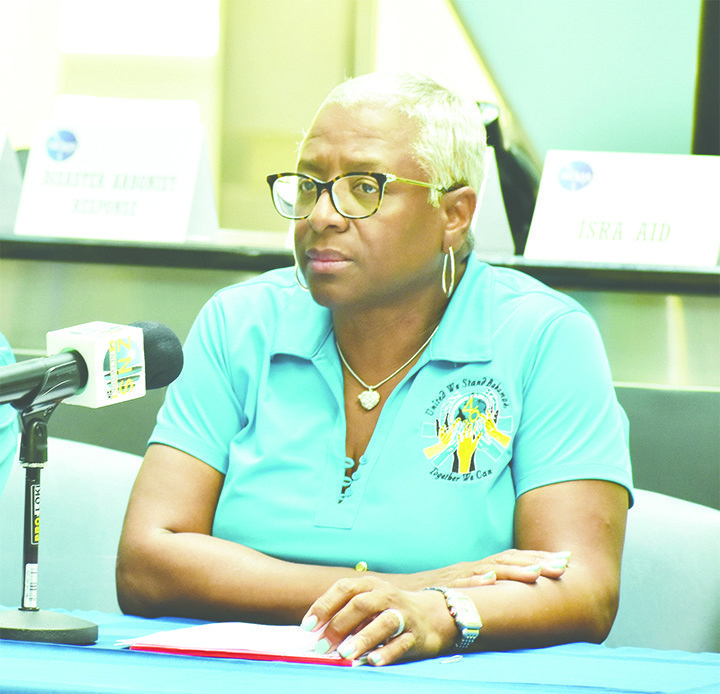
“Providing housing and assisting with home repairs are major points of focus for the Authority,” said Katherine Forbes-Smith, Managing Director of the Bahamas Disaster Reconstruction Authority on Sunday, March 8 at a two-hour press event hosted by the Authority at Harry C. Moore Library, University of The Bahamas, marking the six-month period since Hurricane Dorian hit Abaco and Grand Bahama.
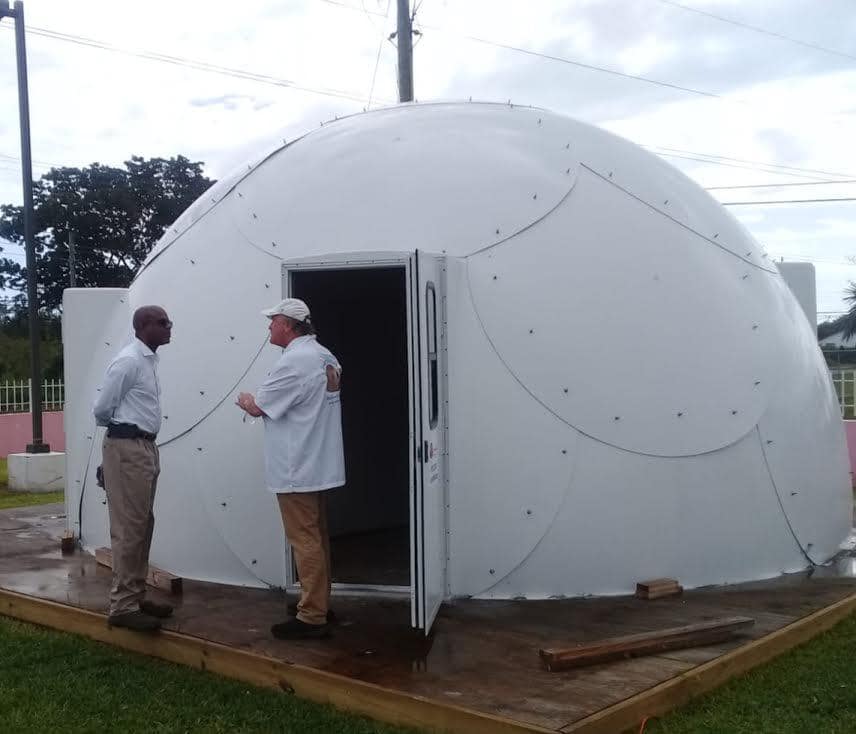
Domes
Thirty-two domes in Spring City are complete and have been turned over to the Authority.
The Authority is awaiting final utility connections that should be done this week.
After conferring with the Department of Social Services the domes will be turned over to residents of Spring City.
The criteria to occupy the domes are: a person’s home should have been destroyed by the storm; and, priority will be given to the elderly, physically and mentally challenged, single mothers and families with infants and small children.
“We are also in the process of constructing domes on the private properties of those who meet the criteria, four of which are being installed in Little Abaco,” said Mrs. Forbes-Smith.
“We encourage others with destroyed homes to apply to the Authority for temporary housing assistance.”

Lots/Residential Tracts
The Authority is also working on immediately developing 55 lots in Central Pines for single- and multi-family use.
“We are in the process of having properties from the Ministry of the Environment and Housing transferred to the Authority,” said Mrs. Forbes-Smith.
“It is hoped these units provide much-needed rentals and housing for people already on the island, and those seeking to return.”
Additionally, the Authority is working on the development of two, 60-acre tracts – one in Marsh Harbour and the other in Wilson City. The Surveyor General has confirmed the preliminary survey is complete.
The final plans and topography are being properly documented so the information can be included in an RFP scheduled for issue by the middle of April.
“It is hoped work would begin on this initiative in the third quarter of this year,” said Mrs. Forbes-Smith.
“It is envisioned that the developments will showcase innovative housing solutions that are sustainable, eco-friendly, energy efficient and meet with our goal of building back better.
“Local and international developers will be invited to provide solutions for the 60-acre tracts.”
Home Repairs
The Authority launched its Small Home Repair Programme on February 10.
Residents whose homes were assessed with minimal damage are eligible for $2,500 in purchase orders; those with medium damage are eligible for $5,000 in purchase orders; those with major damage are eligible for $7,500 in purchase orders; and those whose homes were destroyed are eligible for $10,000 in purchase orders.
Purchase order recipients are able to use them for home improvement materials, labour or a combination of both.
There is an online registration for the programme. In-person, sign-up locations have also been established in Grand Bahama, Abaco and New Providence.
To qualify a person needs to be Bahamian; to own the property in question; there must be proof of residence at August 31, 2019; the property would need to have been uninsured; and the property has to be in Grand Bahama or Abaco.
Materials purchased with purchase orders would have to be from approved vendors in The Bahamas.

Since the launch of the Small Home Repair Programme web portal, 3,137 people set up user profiles.
Of those 3,137 profiles, 2,069 homeowners have completed the full registration for assistance.
Of the 2,069 homeowners registered: 804 need structural assessments; 471 need to upload documents; 404 approved have met all the criteria and structural assessments.
The Authority is still waiting on 89 percent of homeowners to bring in their quotes so purchase orders could be issued.
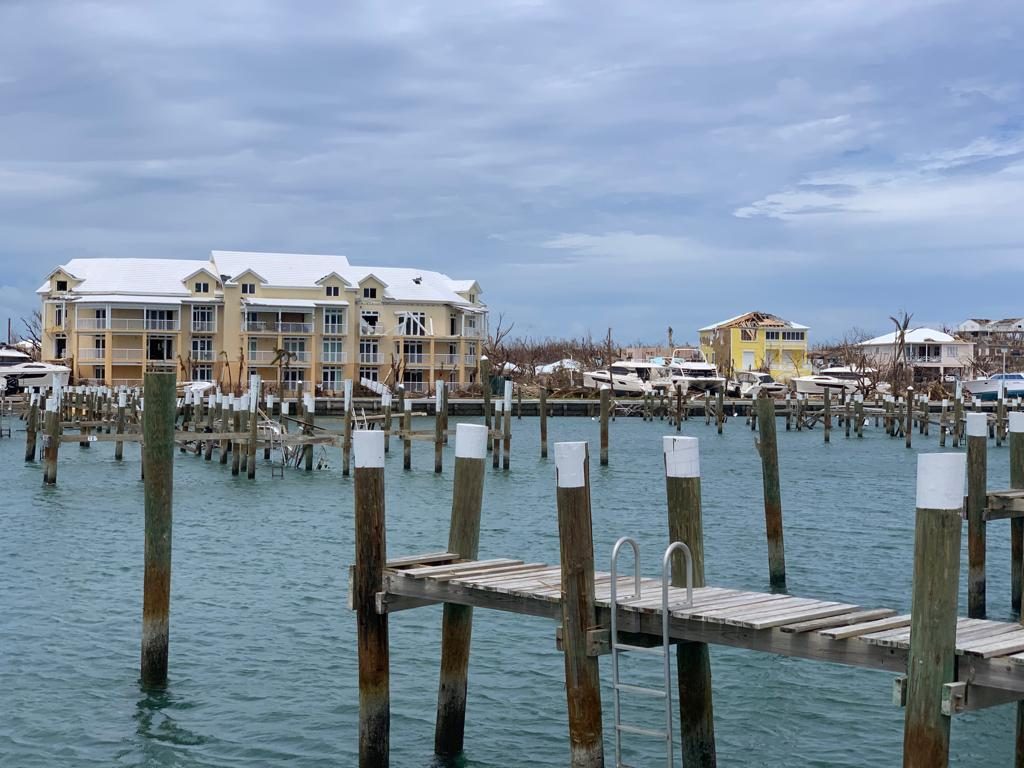
The Authority has also partnered with various NGOs in Dorian-impacted communities to assist with home repairs.
Through the partnerships the Government pays for home repair labour and the NGOs provide supplies and various types of logistical and technical assistance.
A working model of this partnership is with Church by the Sea in Little Abaco. Church by the Sea is located in Fort Lauderdale, Florida.
It is assisting with home repairs across the Little Abaco communities.









Bahamas News
Bahama Brass Band Invitation Sparks Heritage Debate Ahead of TCI Constitutional Holiday

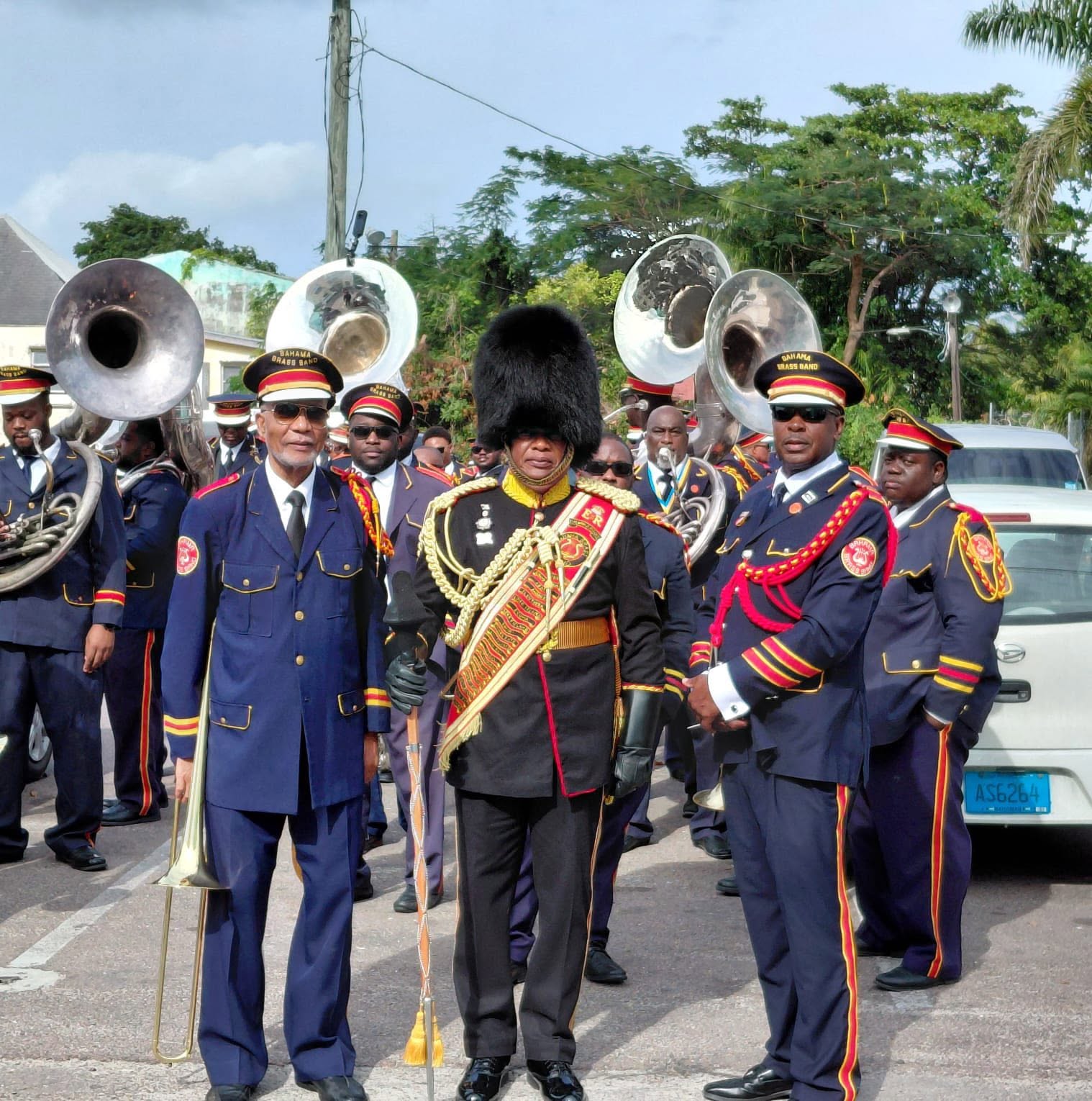
Turks and Caicos, August 20, 2026 – The planned participation of the Bahama Brass Band in the Turks and Caicos Islands’ inaugural Constitutional Holiday celebrations on August 30 has sparked public debate over culture, heritage and the historical contributions of Turks and Caicos Islanders abroad.
Organizers defended the invitation, saying the band’s inclusion is intended to highlight the deep historical ties between the two countries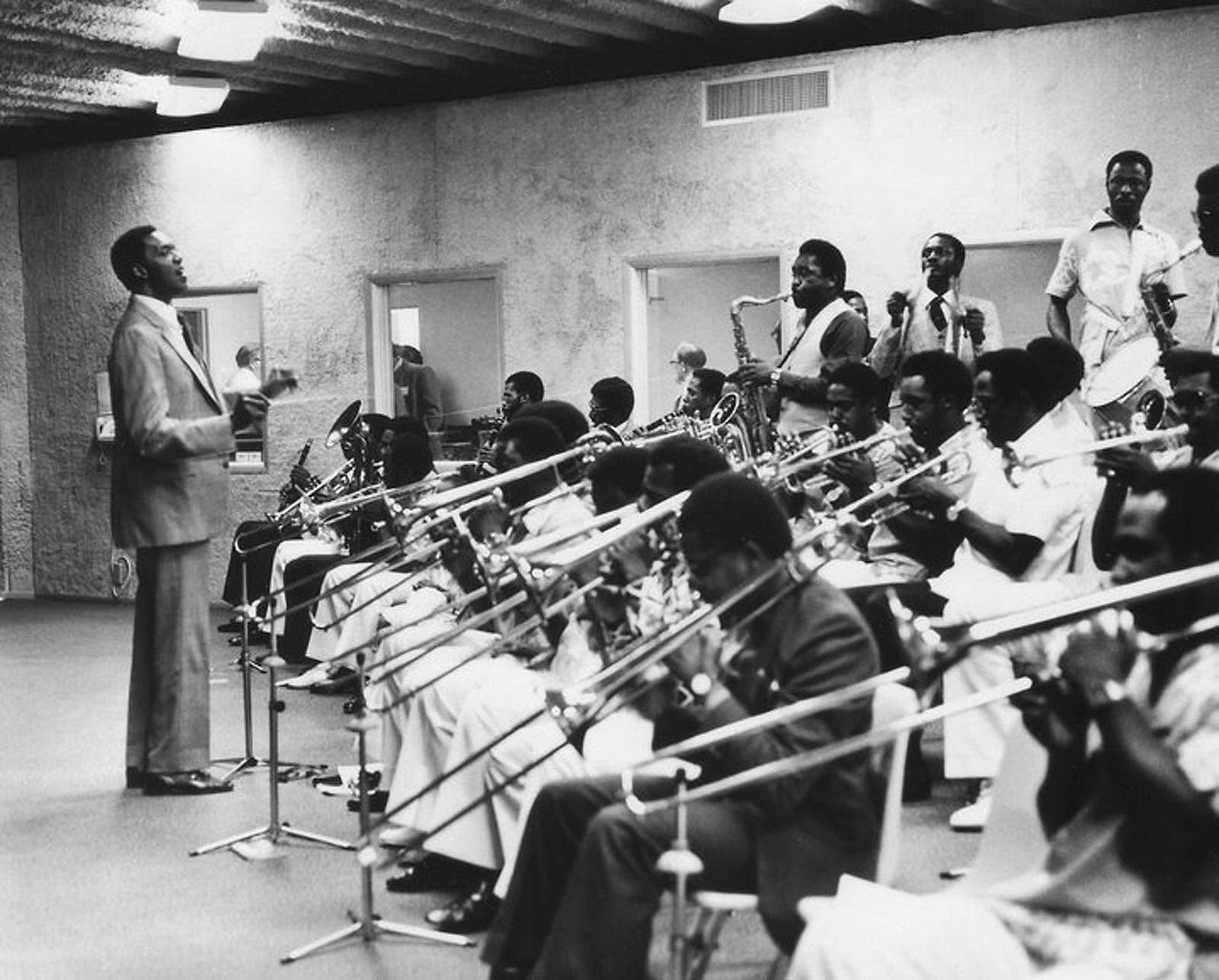 and honor Turks and Caicos men who helped establish and develop the institution in Grand Bahama.
According to the organizers, the Bahama Brass Band began in 1955 in Pine Ridge, Freeport, with Turks and Caicos Islanders, including the late Deacon Reuben Hall Sr. of Middle Caicos and Jenkins Williams and Mervin Hendfield of North Caicos, among those who helped build its foundation. The band eventually grew to more than 50 men.
The organizers also pointed to the participation of Turks and Caicos men in The Bahamas’ Independence celebrations on July 10, 1973, arguing that their contributions became part of Bahamian history while maintaining strong connections to their homeland.
Supporters say bringing the band home represents an opportunity to honor those pioneers, showcase their regional influence and expose younger generations to an important part of Turks and Caicos history.
However, concerns raised publicly described the invitation as potentially disrespectful to local culture and heritage. Organizers acknowledged those concerns, apologizing to anyone who felt overlooked or offended, while maintaining that no disrespect was intended.
The committee said the event should ultimately unite rather than divide, presenting the band’s history as evidence of the reach and resilience of Turks and Caicos heritage.
PHOTO CREDIT: Bahamas Brass Band
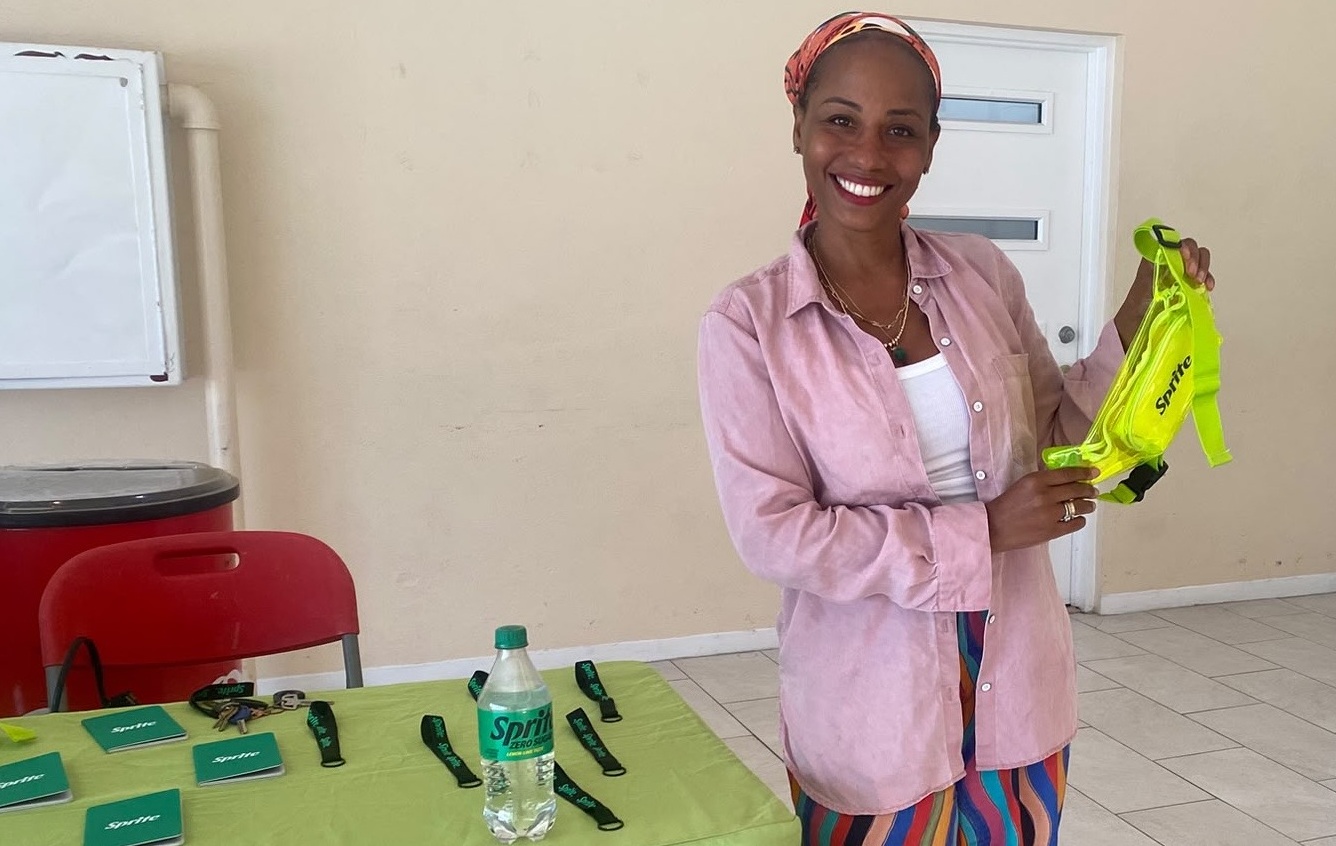
NASSAU, Bahamas — Caribbean Bottling Company (CBC), local producers of Dasani products, proudly sponsored the fifth annual, Caribbean Hoopfest.
The tournament brings together Bahamian high school basketball teams and visiting teams from the United States for a competitive showcase at the Kendal G. L. Isaacs Gymnasium. Following its inaugural year at the Kendal G. L. Isaacs gym and last year’s event at Loyola Hall, the tournament returned to the Kendal G. L. Isaacs gym this year.
During the weekend tournament, CBC kept athletes well hydrated with in-kind donations of Dasani Water, Powerade and Minute Maid Juices.
During the tournament’s final day, CBC provided additional support by offering Sprite No Sugar samples and inviting attendees to participate in its Spin the Wheel for a chance to win exciting prizes.
CBC was proud to support this incredible event, which provides young Bahamian athletes with valuable exposure to U.S. basketball scouts and coaches. This opportunity gives them the chance to earn scholarships, continue their education, and pursue their basketball careers in the United States.
Event organizer, Donald Francois shared his appreciation for CBC’s support.
“I want to express our sincere appreciation for Caribbean Bottling Company, who has been a tremendous supporter and an important part of the success of our program. Without CBC’s support, Caribbean Hoop Fest would not be able to function at the level it does today. And without Caribbean Hoop Fest, we would not have been able to provide the opportunities that have helped young Bahamian athletes gain exposure and pursue educational opportunities in the United States,” he expressed.
Since the program’s inception, several Bahamian student-athletes have been selected for scholarship opportunities, highlighting the tournament’s growing impact on the development and advancement of young basketball talent in The Bahamas.
They are: Kelvin McDowells – Guard, Wodson Antoine – Power Forward, Justin Lafleur – Guard and Sean John – Guard.
After another successful edition of the tournament, Francois shared what he hopes he and Caribbean Bottling Company can achieve in the future.
“Our vision is bigger than basketball. We want to use the platform of Caribbean Hoop Fest to educate, develop, and create opportunities for young people and their families throughout the Bahamas. With individuals and organizations committed to our mission, we believe we can continue to grow the program and make an even greater impact,” Francois said.
For more details on community support, events and new products visit Caribbean Bottling Company at www.cbcbahamas.com today.
NASSAU, Bahamas — More Bahamians are accessing HIV and sexually transmitted infection-related healthcare through National Health Insurance, a trend the NHI Authority says should be viewed positively.
NHIA stressed in an August 6 statement that its 2025 figures measure healthcare utilisation, not newly diagnosed infections. They include beneficiaries screened, treated, monitored or receiving follow-up care, including people diagnosed previously.
“Increased utilisation of these services should be viewed as a positive development,” NHIA said.
The Authority pointed to “greater enrolment and use of NHI, improved access to screening and testing, continued treatment and monitoring of existing conditions, and increased willingness to seek medical care.”
The development comes amid a mixed three-year HIV picture. New diagnoses rose from 130 in 2023 to 156 in 2024, before declining to 142 in 2025.
NHIA said increased utilisation demonstrates that more beneficiaries are accessing needed healthcare and actively managing their health, reinforcing the importance of screening, early diagnosis and continued treatment.





-

 News1 week ago
BermudAir Launches New York Area’s First Nonstop Service to South Caicos, Now Just a 3.5 Hour Flight from Newark
-
 News1 week ago
Salt Cay Water Shortage Unresolved as Residents Question Promised Relief
-
 Bahamas News1 week ago
CBC Supports Opportunities for Young Bahamian Basketball Players
-

 Bahamas News1 week ago
Bahama Brass Band Invitation Sparks Heritage Debate Ahead of TCI Constitutional Holiday
-
 News3 days ago
Saunders Tells Caribbean Media: Be Seen, Be Heard – But What About TCI
-
 Health1 week ago
Turks and Caicos Islands Hospital Celebrates Successful Completion of 2026 Summer READY Programme