
world news
Statement and Brexit Update from UK Ministers

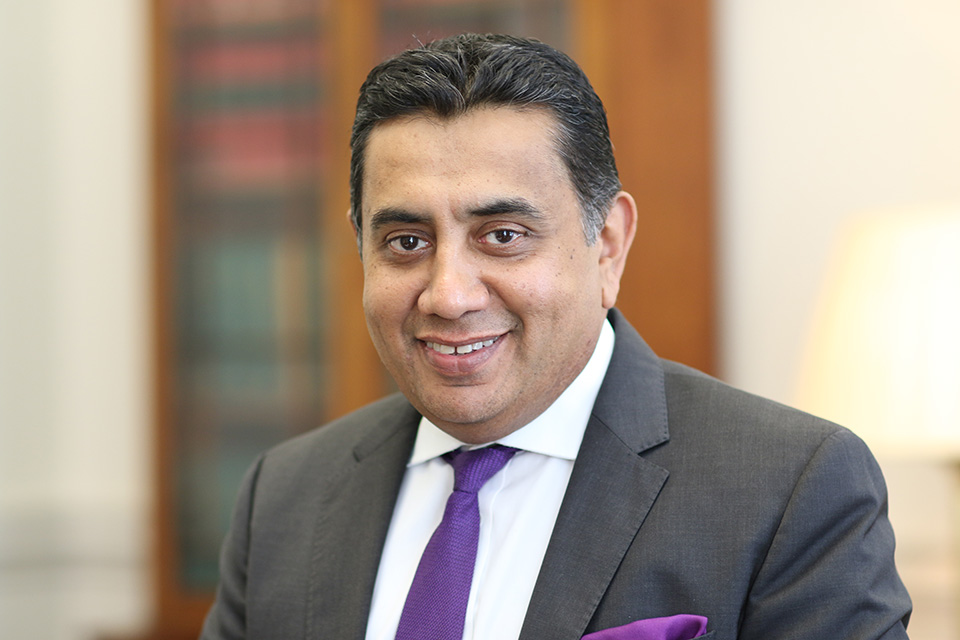
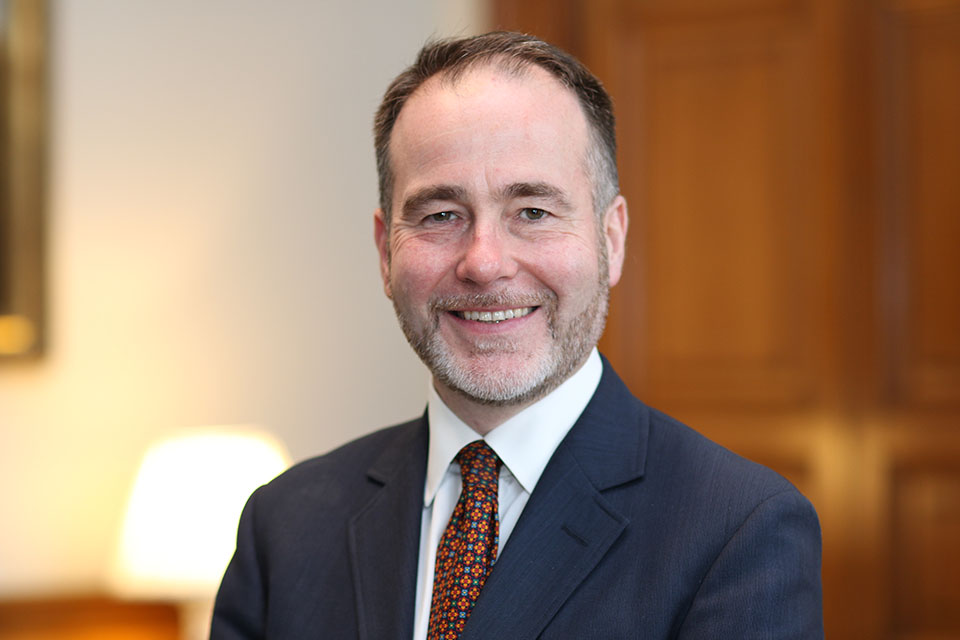
Lord Tariq Ahmad, Minister for the Commonwealth, the UN and South Asia and Christopher Pincher, Minister for Europe and the Americas
#TCI Office of the Governor – January 29, 2020 — “As the United Kingdom Government’s Ministers of State responsible for our Overseas Territories (OTs), a priority for us, and for the entire Government, has been to work closely with Territory leaders to identify the opportunities and concerns in each OT associated with Brexit.
You will be aware of the recent General Election in the United Kingdom, the resulting new dynamics in the United Kingdom’s Parliament and the decisive action of the Prime Minister to press ahead with Brexit. The United Kingdom is set to leave the EU on 31 January with a deal – the Prime Minister’s newly negotiated Withdrawal Agreement. The Withdrawal Agreement provides for an implementation period lasting until 31 December 2020, a time-limited period of transition before Brexit-related changes take place. We want to take this opportunity to set out what this means for people and businesses in the OTs.
To summarise – during the implementation period, your rights and those of your family members will not change, and neither will the relationship OT companies and NGOs have with the EU.
Many of you may be thinking about how Brexit could affect your ability to travel or live abroad. Firstly, we would like to make clear that eligibility criteria for British passports of all types will not be affected by our departure from the EU. Secondly, the rules on travelling to the EU will remain the same throughout the implementation period.This means British Citizen passport holders will be able to continue to live, work and study in the EU as they do now. The rights of British Overseas Territory Citizen (BOTC) passport holders – including 90-day visa-free access to the Schengen area in any 180 days – will also not change, either during the implementation period or afterwards.
We fully understand the importance of EU funding for a number of organisations in the Territories. That is why the United Kingdom Government had agreed to cover EU-funded projects in the OTs under EDF, BEST, Horizon 2020 and Erasmus+ if the EU were to cease payments. As part of the Prime Minister’s deal, there is no longer any risk of this: projects in the OTs under these funding streams will continue to be covered by the EU for their duration.
Businesses in the OTs exporting goods to the EU27 will continue to be able to export tariff and quota-free for the duration of the implementation period. Tariff and quota-free access to the United Kingdom market for OT goods will continue indefinitely. While post-2020 access to the EU27 market is a matter for the upcoming negotiations on the Future Partnership, the United Kingdom Government is absolutely committed to seeking the best possible access for OT goods as part of our future relationship with the EU. During these negotiations the United Kingdom Government will also work to ensure that any post-2020 mobility arrangements agreed with the EU consider the specific needs and requirements of the OTs.
We want to both assure you and to leave you in no doubt that the United Kingdom is absolutely committed to the safety and prosperity of each of our British OTs. Brexit is no exception to this. As we head into the next phase of the negotiations and take up the opportunities afforded by our departure from the EU, including the ability to negotiate our own trade agreements around the world, the continuing priority for the United Kingdom Government is to ensure that the voices of our OTs are heard. And that your priorities inform our approach to the negotiations every step of the way.
The Governor, His Excellency Nigel Dakin, added: “The Governor and Premier’s Office have been in close touch with the UK Government, and in particular Lord Ahmad, over the last year ensuring TCI’s voice has been heard. While this statement should reassure citizens about the impact of Brexit, the more interesting opportunity is how the United Kingdom now refocuses her attention towards a more global outlook. I anticipate far greater positive engagement with the Caribbean in general, and the Overseas Territories in particular, from 2020 onwards. As a result, I look forward to a visit by Lord Ahmad in the near future. His programme will be designed to ensure he meets, as well as the Premier and Leader of the Opposition, those involved in national security, serious crime and criminal justice as well as seeing the recovery the Islands have experienced since his last post-hurricane visit.”









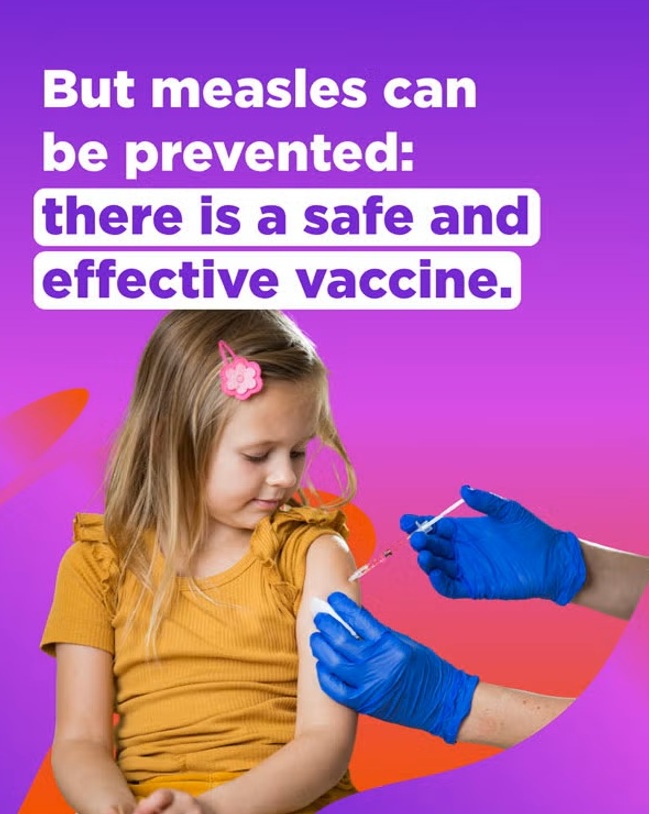
WASHINGTON, D.C. — The Americas has recorded 47,459 confirmed measles cases and 44 deaths in 2026, the region’s highest case count in 22 years, prompting the Pan American Health Organization (PAHO) to urge stronger vaccination, surveillance and rapid outbreak response.
As of July 18, cases were already more than triple the 15,011 recorded during all of 2025. Guatemala, Mexico, the United States and Peru account for 95% of confirmed cases. Guatemala leads with 30,371 cases and 26 deaths, followed by Mexico with 12,255 cases and 17 deaths.
PAHO classifies the regional public health risk as very high, citing active outbreaks, immunity gaps, international travel and populations with inadequate vaccination coverage.
The organization says prevention starts with vaccination. Countries are being urged to achieve and maintain at least 95% coverage with two doses of measles-containing vaccine, particularly protecting children and under-vaccinated communities.
Measles spreads through the air when an infected person breathes, coughs or sneezes. Symptoms can include fever, cough, runny nose, red eyes and a rash.
PAHO is urging health authorities to detect suspected cases early and respond rapidly to stop transmission. Unvaccinated and under-vaccinated people, young children and communities with limited healthcare access face increased risk of severe illness and death.
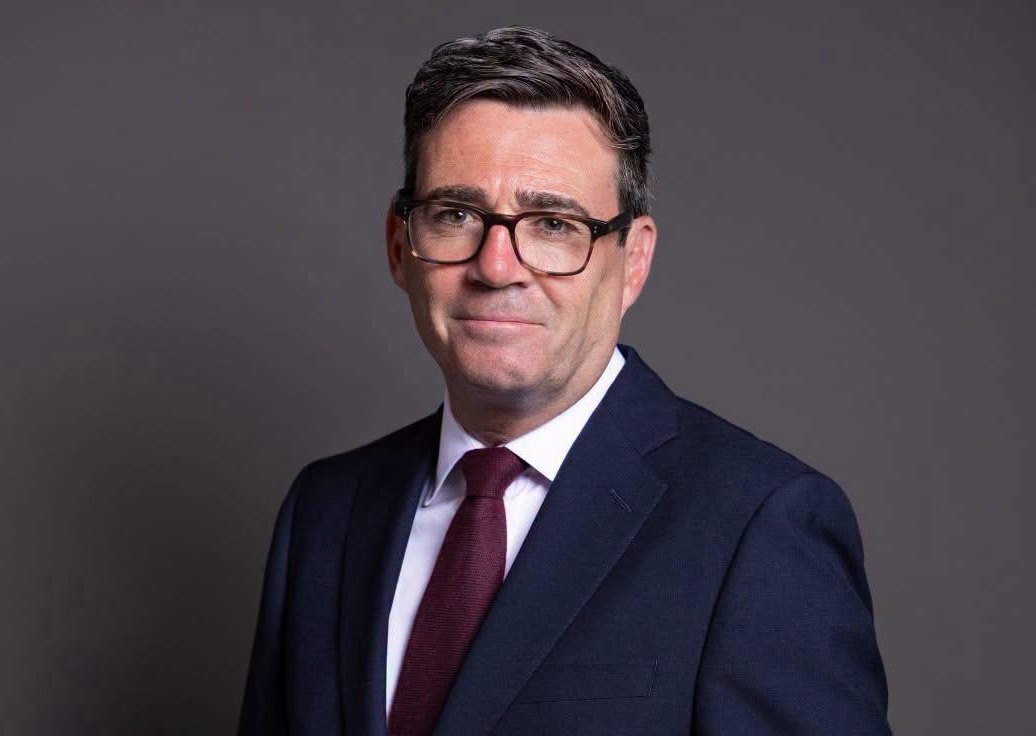
Britain’s new Prime Minister launches his administration with tax relief aimed at easing pressure on household budgets as affordability becomes a defining issue for governments worldwide.
By Deandrea Hamilton | Magnetic Media
LONDON, England — Andy Burnham has wasted little time signaling a new direction for the United Kingdom, making the cost of living the first priority of his administration with a plan to reduce household electricity bills through tax relief.
The newly elected Prime Minister announced that Value Added Tax (VAT) will be removed from domestic electricity bills beginning October 1, describing the measure as part of a broader effort to make everyday life more affordable for working families. The move fulfills a key campaign promise and marks an early shift in the government’s economic agenda.
Burnham inherits a nation still grappling with stubborn inflation, rising household expenses and years of political turnover. His opening policy signals an intention to focus on practical measures that deliver immediate financial relief while restoring confidence in government.
The announcement also resonates across the Caribbean, where affordability remains a pressing concern. In the Turks and Caicos Islands, the Government has just concluded its one-time cost-of-living assistance programme for qualifying residents. While the approaches differ, both reflect a growing recognition that easing financial pressure on households has become one of the defining challenges facing governments today.
Caribbean News
From Pathways to Investment: Tackling the US $6 Billion Food Challenge for the Caribbean

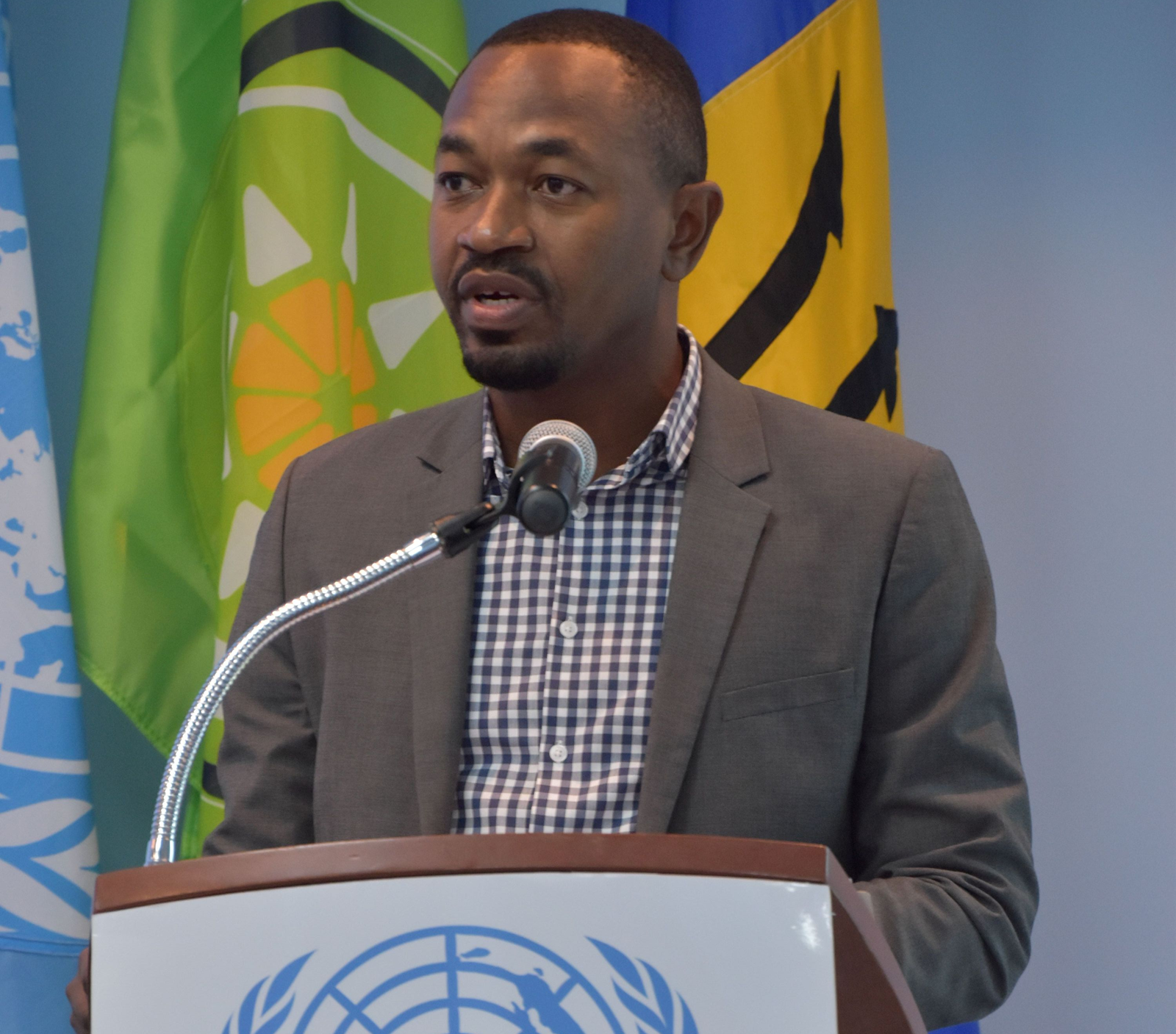
By Kenroy Roach
The Caribbean’s food systems challenge is fast evolving into a broader development challenge.
Despite decades of policy attention and investment, the region remains one of the most food import-dependent in the world, spending over US$6 billion annually. At the same time, countries continue to grapple with food insecurity, high rates of diet-related non-communicable diseases, climate vulnerability, and exposure to external shocks that can disrupt supply chains and drive up food prices almost overnight.
For Small Island Developing States (SIDS), food security has shifted from an agriculture focus alone, it’s about economic resilience, health, climate resilience and sustainable growth.
Recognizing this reality, Caribbean governments have elevated food systems transformation as a regional priority through the CARICOM 25 x 25 Plus Five Agenda, which seeks to reduce food import dependence while strengthening domestic production, regional trade, and resilience. Across Barbados and the Eastern Caribbean, governments have also developed National Food Systems Pathways that identify the investments, partnerships, and policy reforms needed to transform food systems and accelerate progress toward the Sustainable Development Goals (SDGs).
Yet one challenge has remained persistent: financing.
In the face of high levels of public debt and limited fiscal space, while public investment remains critical, Caribbean governments simply cannot shoulder the financing burden alone. Transforming food systems at scale requires mobilizing far greater private capital, alongside development finance and public resources.
This was the rationale behind the recent convened in Barbados.
The Forum brought together governments, investors, international financial institutions, private sector leaders, regional organizations, and the United Nations around a simple proposition: food systems should be viewed not only as a development priority, but also as an investable asset class.
A distinguishing feature of the innovative gathering was its focus on attracting private investment—particularly private equity, impact investment, and blended finance solutions capable of supporting businesses and infrastructure across food value chains. By helping enterprises access growth capital and connecting investors with scalable opportunities, the initiative sought to unlock financing that complements public investment rather than adding to already constrained public balance sheets.
A key outcome was the launch of a regional Deal Book comprising approximately US$320 million in investment opportunities across seven countries, spanning agriculture, fisheries, agro-processing, logistics, and strategic food systems infrastructure. The Deal Book created a practical bridge between capital seeking opportunities and opportunities seeking capital, while enabling direct engagement between governments, enterprises, and investors.
The results were encouraging.
Across four sector-focused deal rooms, participants explored investment-ready and near-investment-ready opportunities and discussed blended finance private equity, risk-sharing, and partnerships to advance projects toward implementation.
The Forum highlighted a shift in perspective: food systems are now seen as strategic drivers of economic diversification, resilience, competitiveness, and growth. Investments across production, processing, logistics, and distribution can strengthen regional supply chains, create new businesses, generate jobs, and reduce vulnerability to external shocks.
For the United Nations, this experience reinforced an important lesson.
Transforming food systems requires more than the technical expertise of individual agencies. It requires integrated solutions that connect agriculture, nutrition, health, climate resilience, trade, private sector development, and financing.
This is where the Resident Coordinator System plays a critical role.
Across Barbados and the Eastern Caribbean, the Resident Coordinator Office has united UN system capabilities around a common food systems agenda. Working with FAO, WFP, the UN Food Systems Coordination Hub, and other partners, the RCO has helped align policy support, technical expertise, partnerships, and financing with nationally identified priorities.
The Forum demonstrated this integrated approach by convening governments, investors, development finance institutions, private sector actors, and UN agencies around a common objective. It showcased the UN’s comparative advantage as a trusted broker capable of connecting development priorities with investment opportunities.
The Forum’s success will be measured not by dialogue generated, but by investments mobilized, businesses expanded, and progress made toward resilient, competitive Caribbean food systems across the Caribbean.
Its most important outcome may therefore be what comes next.
The work starts now.
Kenroy Roach is Head of the UN Resident Coordinator Office for Barbados and the Eastern Caribbean





-

 News1 week ago
Indian Association of Turks and Caicos Islands Empowers Local Students Through Back-to-School Backpack & Supplies Drive
-
 Bahamas News22 hours ago
The Bahamas Reaffirms Support for Ukraine at International Conference in Toronto
-
 Caribbean News7 days ago
Royal Caribbean Group and Sandals Resorts Announce Landmark Partnership to Accelerate Their Leading Vacation Experiences
-
 Bahamas News1 week ago
CIBC Caribbean Celebrates 2026 Unsung Heroes Finalists
-

 Health1 week ago
TCI Hospital Celebrates World Pharmacy Day 2026
-

 Caribbean News1 week ago
Royal Caribbean Signs US$3-Billion Deal for Half of Sandals and Beaches
-
 Bahamas News1 week ago
Romer Receives Regional Leadership Award
-

 News3 days ago
Invest Turks and Caicos Islands Highlights Investment Growth and Workforce Opportunity at 5th Annual General Meeting