TCI News
TCI: Exports weak at just over 1% of Imports; Department of Trade to change the trend


#Providenciales, June 1, 2019 – Turks and Caicos – A soaring increase in imports has bolstered the country’s revenues generously but the story is far more concerning when it comes to export earnings for the Turks and Caicos Islands. Statistics Department figures from 2018 expose income from exports as just barely over one percent of income from imports, and the experts have advised the Turks and Caicos to fix this problem.
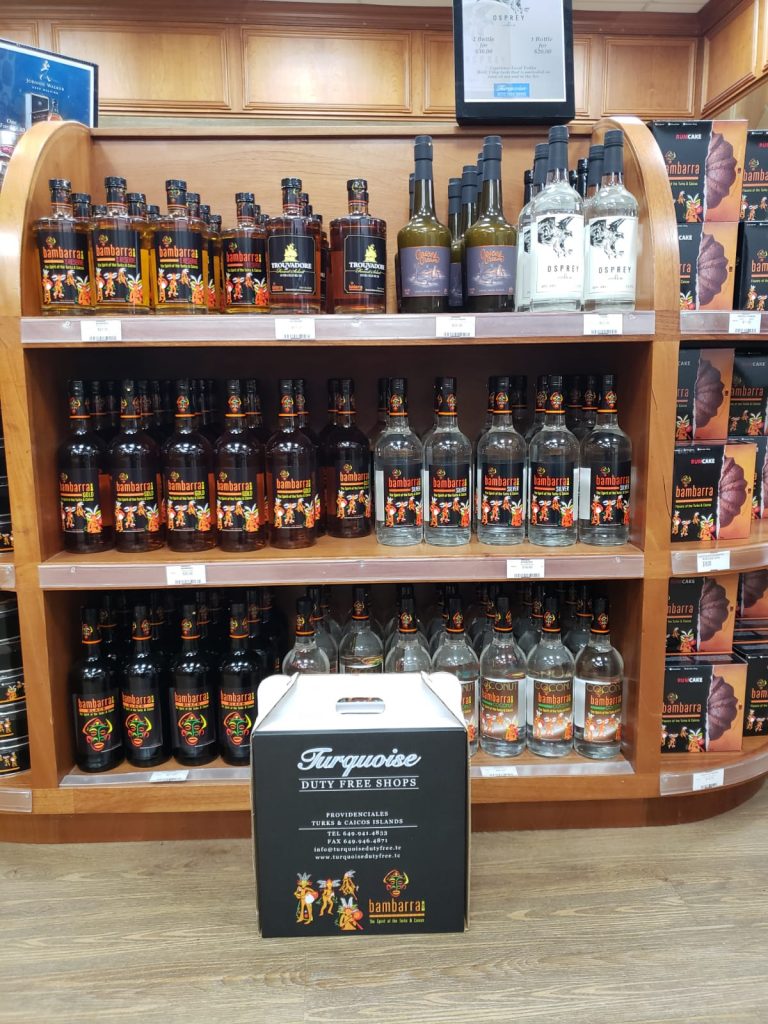
The biggest export for the Turks and Caicos Islands is rum. Hard liquor accounts for some 20 percent of the reported $10.5 million in export earnings according to the OEC or Organisation of Economic Complexity.
The OEC website tracks countries across the globe and gives the TCI a ranking of 210th in the world for exports. The OEC shares that conch is the second largest export accounting for 11 percent and lobster is third, at 9.3 percent of exported goods in 2017.
The Turks and Caicos Statistics Department reports that in 2018, the country earned a mere $5.8 million from exports. Imports are listed as have brought in $487.3 million dollars in 2018.
The Organization of Economic Complexity posts that export earnings have been sinking by an annual rate of over 33 percent since 2012. The TCI Department of Statistics reveals that exports plummeted in 2017 to a mere $2.3 million in earnings but rose significantly in 2018.
What all facts point to is that the TCI is charting a negative trade balance. This archipelago brings in over $480 million dollars more in goods than it sends out; at least that this the 2018 picture.
But there a Department coming for that, says Premier and Trade Minister, Sharlene Robinson. Trade is the facet of her cabinet portfolio which gets the least amount of attention and that fact is expected to be radically altered within this new fiscal year.
“Following the conclusion of the COSME program the Government decided accept and implement much of the proposed recommendations and strategies and consequently approved the establishment of a Department of Trade, Industry and Consumer Affairs to facilitate the development and growth of trade and business in the Turks and Caicos Islands.”
The concept of a Department of Trade has already been ratified at the Cabinet Level and Magnetic Media questions about this intriguing announcement revealed that a myriad of opportunities and new legislation is coming to govern trade in the TCI.
“The department will see three staff members; Director of Trade, Director of Consumer Affairs and Trade Officer all are required to have a legal background. Under the department a National Trade Facilitation Task Force will also be established and will develop and implement a comprehensive action plan on measures to improve and increase trade.”
Although it is very, very slow going, Brexit is influencing this strategy by the Turks and Caicos explained the Office of the Premier.

‘The Premier and Minister of Finance Investment and Trade during her Budget Address for the 2019/20 Fiscal Year said, “The timeliness of this undertaking is especially significant given the anticipated impact on our access to the European market on account of the UK’s planned withdrawal from the European Union. We have commenced discussions with the UK Department for International Trade on participating in future UK free trade agreements should the UK cease to be a member of the European Union”.
Initially, the work of the department will be exploration of opportunities and adequate response to that information with the creation of a climate of trade in the Turks and Caicos Islands. This is no easy feat.
“The department’s main aim will be to develop bilateral trade agreements or formal arrangements with new and existing trading partners. The Department also seeks to provide assistance to entrepreneurs and businesses (particularly MSMEs) as it relates to laws and procedures governing international trade including exports, rules of origin, market access etc. The aim is also to promote consumer education and awareness and will ensure the enforcement of the Consumer Protection Ordinance (2016).”
As for when the appointments will happen and when the requisite legislation will be drafted, approved and passed into law, there were no specifics. However, the Office of the Trade Minister did say, “It is expected that support legislation will be completed and posts for Trade Officer and Director of Consumer Affairs filled within the 2019/20 Financial Year.”
The Department of Trade, Industry and Consumer Affairs will fall under the Ministry of Finance, Investment and Trade.
#magneticmedianews
#tciexportsweak


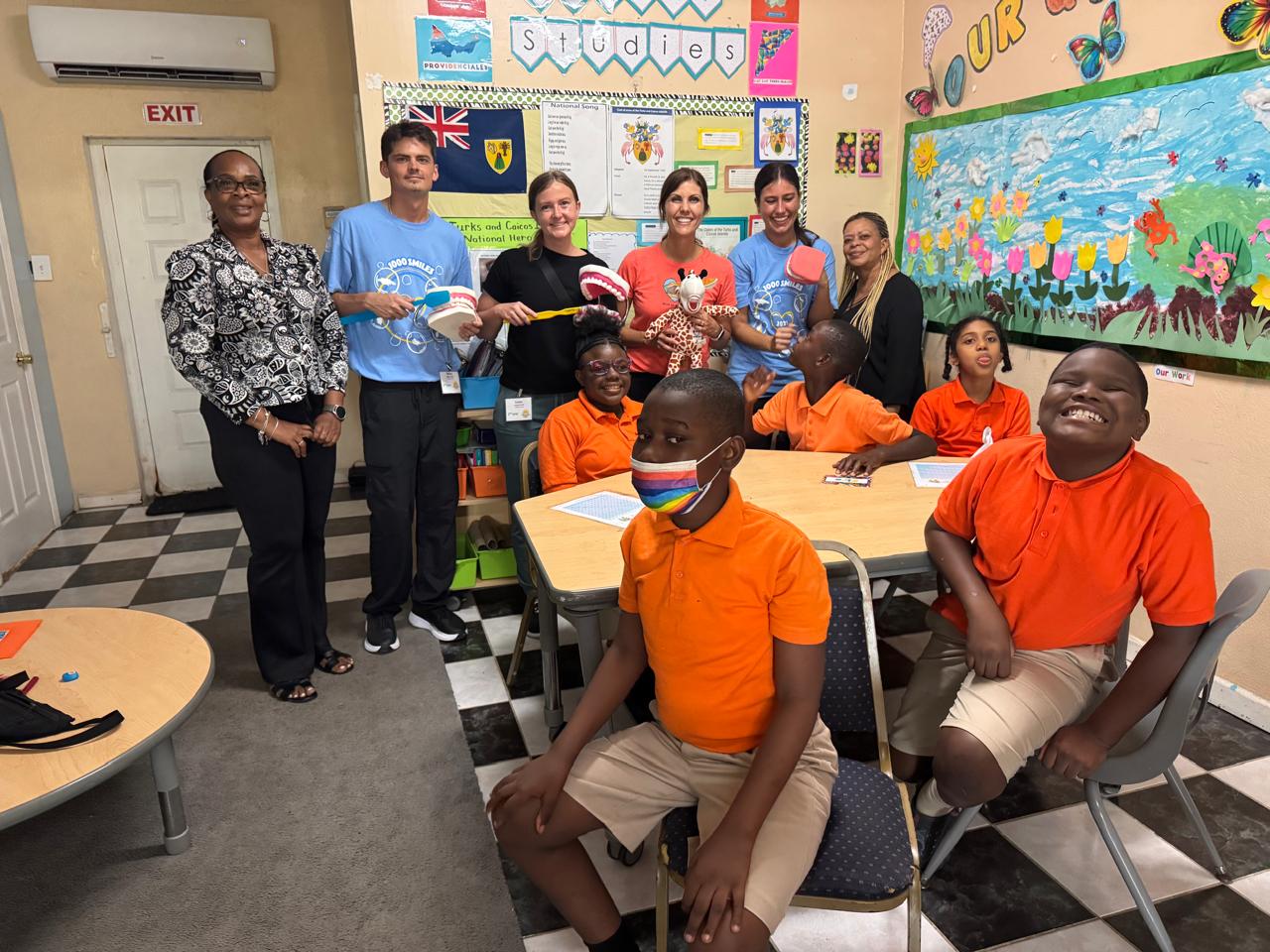
PROVIDENCIALES, Turks & Caicos Islands: — Beaches Turks & Caicos continues to lead the way in sustainability by cultivating a culture of environmental stewardship across the Turks and Caicos Islands. Through the introduction of biodegradable alternatives, agricultural education and community partnerships, the resort is setting a new standard for eco-conscious hospitality. As part of its ongoing sustainability mission, the resort has replaced single-use plastics and certain chemicals with compostable, biodegradable products derived from natural sources, to reduce pollution and minimize the resort’s carbon footprint.
“At Beaches Turks & Caicos, sustainability is woven into every part of the guest experience,” said Managing Director, James McAnally. “From the products we use to the relationships we nurture, our goal is to make responsible environmental choices that benefit our guests, team members and the wider Turks and Caicos community.”
The resort also practices on-site composting, recycling fruit and vegetable waste from its kitchens to enrich soil and sustain its lush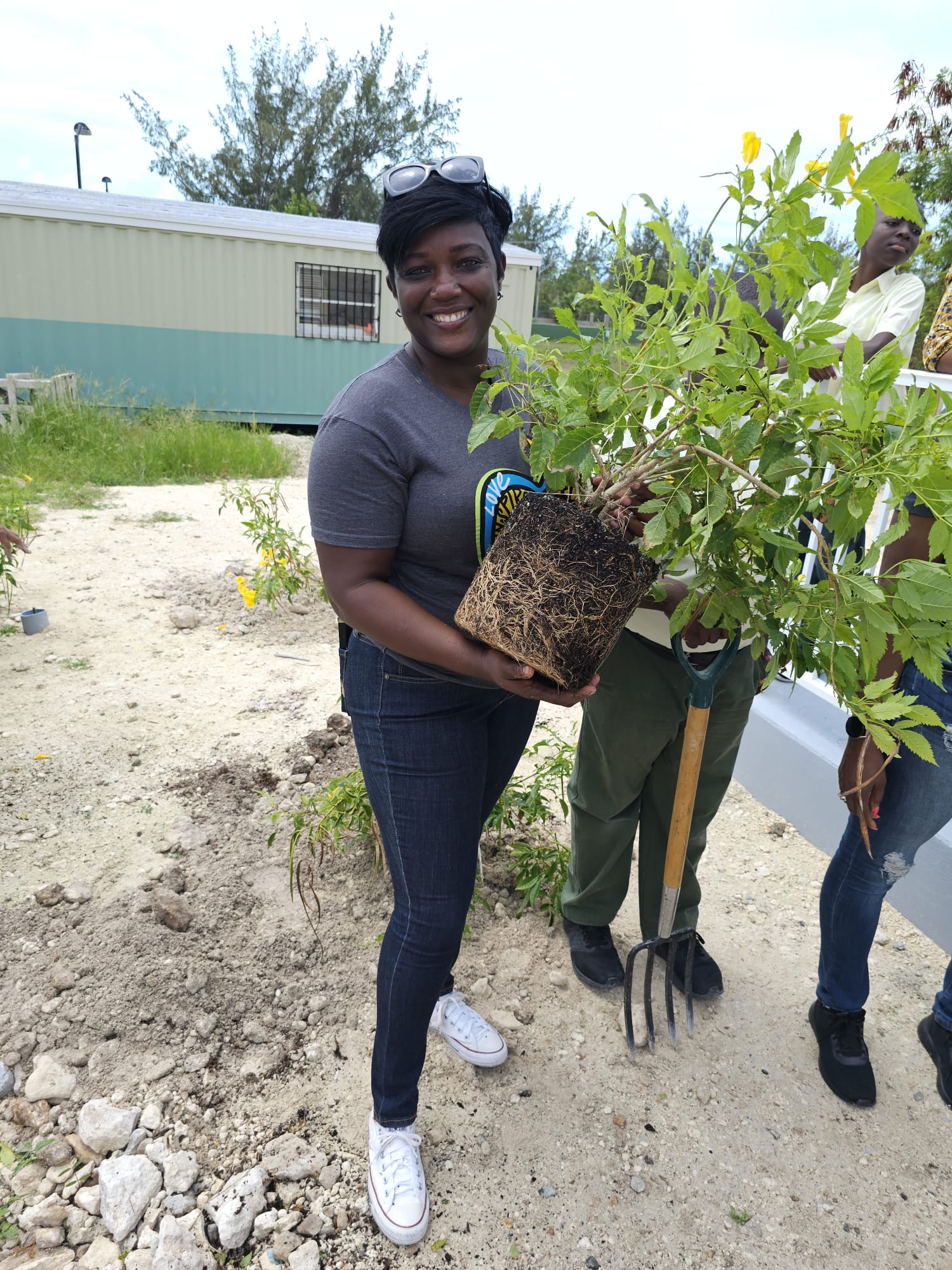 landscaping. This closed-loop system reduces waste and promotes biodiversity across the property.
Beyond the resort, Beaches collaborates with local partners including schools, government agencies and NGOs to extend green education into the wider community. Through the Sandals Foundation, the resort supports projects such as the installation of water filtration systems, tree-planting activities and biodegradable workshops. Schools like Enid Capron Primary have expanded their farming projects and integrated agricultural science into their curriculum thanks to this partnership. Beaches also leads regular coastal cleanups and reforestation drives which inspires residents and students to play an active role in protecting their environment. “The Earth Guardian volunteers take pride in giving back to our schools and the communities we serve,” noted Public Relations Manager, Orville Morgan. “These initiatives create a sense of shared responsibility that strengthens both our communities and our natural resources.”
With its commitment to biodegradable innovation, sustainable education and environmental action, Beaches Turks & Caicos continues to set the benchmark for biodiversity and sustainability in the Turks and Caicos Islands.
Photo Captions
1st insert: Beaches Turks and Caicos and the Sandals Foundation celebrate with students at the Enid Capron Primary School in a Reading Road Trip experience where guests and students get to experience a cultural melting pot of activity.
2nd insert: Beaches Turks and Caicos resort Simone Woodfine from the Bar Department prepares to plant a tree at one of our schools to celebrate the mission of providing a healthier environment for the Turks and Caicos Islands
TCI News
Turks and Caicos Corporate Community Join Beaches Resort to Raise Funds for Jamaica’s Hurricane Melissa Relief

Turks and Caicos Islands, December 17, 2025 – Corporate partners in and around Providenciales recently joined Beaches Turks and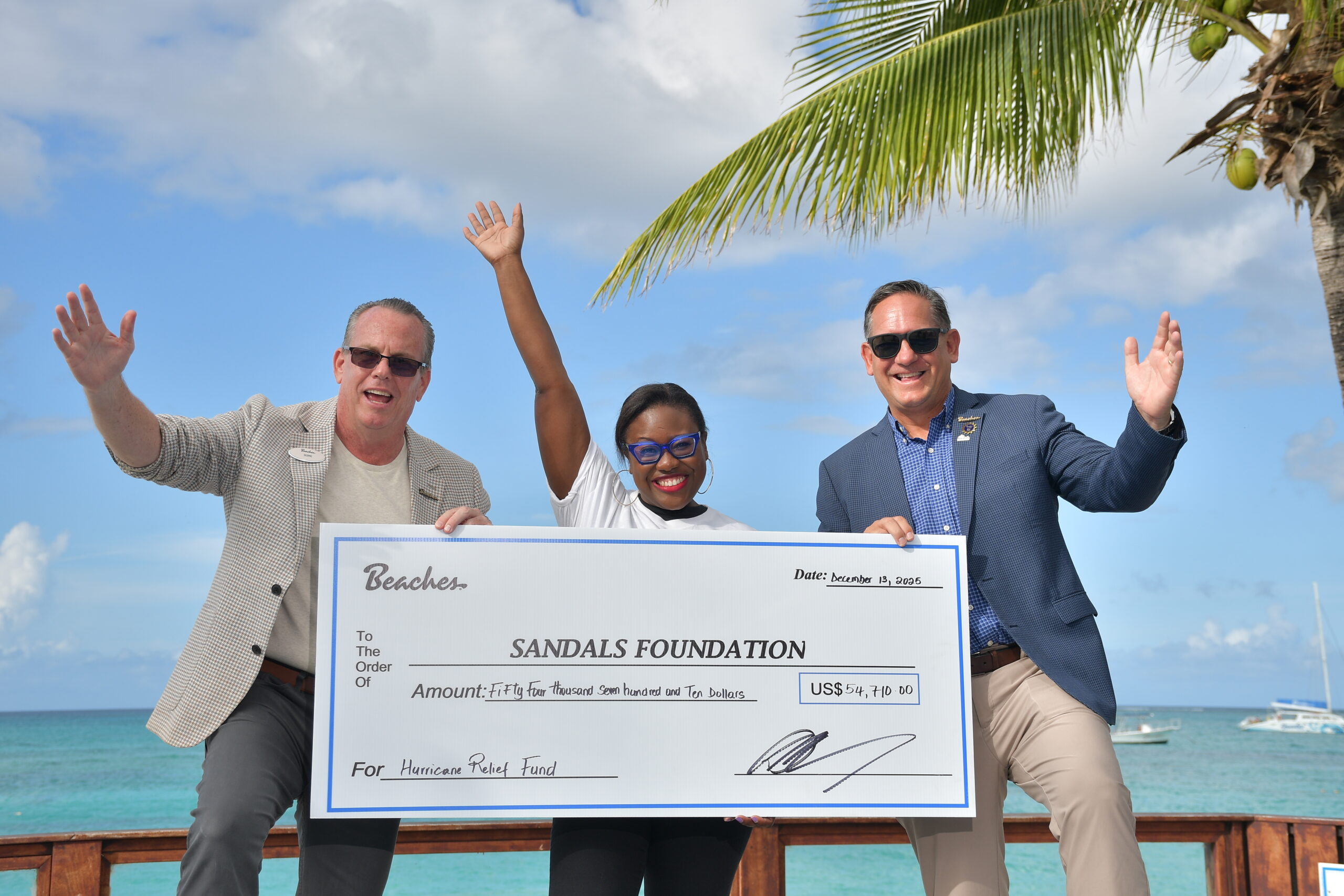 Caicos Resort raising over US $54,000 to support Jamaica’s Hurricane Melissa Relief effort. The fundraising dinner, aptly titled, ‘One Caribbean, One Family, One Love’ saw over eighteen companies gather on Friday, December 12 to support the recovery of families and the rebuilding of communities affected by the category 5 storm.
“When our Caribbean family calls, we will respond with love,” said Deryk Meany, General Manager of the Beaches Turks and Caicos resort. “Today it is Jamaica that is affected, but tomorrow, it could be the Turks and Caicos or another neighbouring island. We are committed to serving our brothers and sisters and are deeply grateful to everyone who have donated to the cause.”
Since the passage of Hurricane Melissa in Jamaica on October 28, the Sandals Foundation has been working around the clock with local agencies and international partners to provide shelter essentials, food, and clean water, restore schools, and provide medical support to hospitals. Funds raised at the recent benefit dinner will help bolster the next phase of the philanthropic organisation’s support to rebuild schools and livelihoods in affected communities.
“As we continue to provide essential first-relief support, we have already begun our long-term recovery response,” says Patrice Gilpin, Public Relations Manager at Sandals Foundation. “Many schools, which are the cornerstone of stability, learning, and emotional support for our young ones, require urgent attention. This donation will go a far way in restoring a sense of normalcy in the lives of our youngest and most vulnerable.”
The One Caribbean, One Family, One Love fundraising dinner featured, amongst other things a silent auction of Sandals and Beaches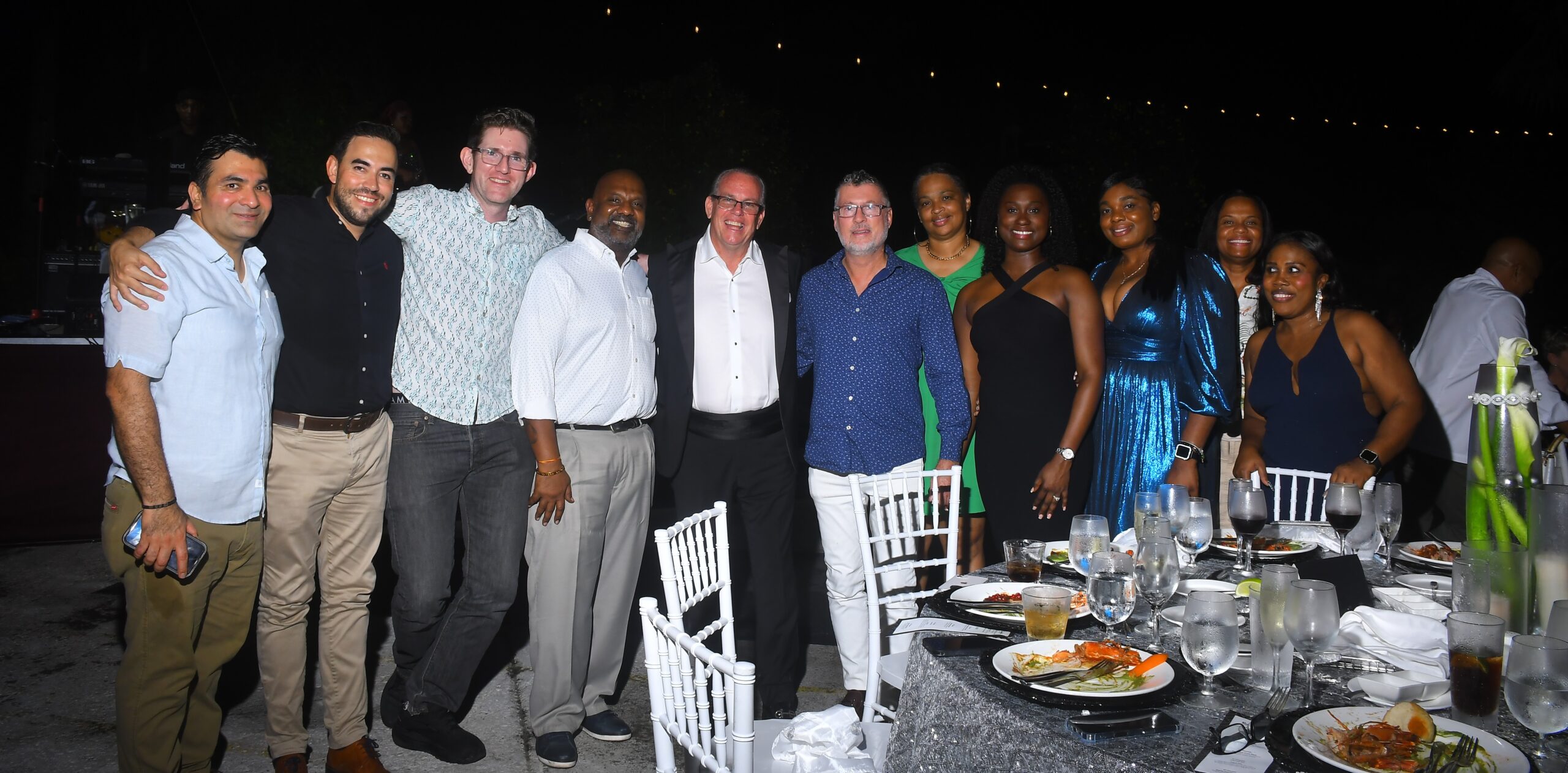 Resort stays, airline tickets, spa services, catamaran cruise, and private chef dinner. The night’s four course meal was also spearheaded by the TCI’s 2025 Taste of the Caribbean silver medalist culinary team- all of whom volunteered for the event.
Managing Director of the Northern Caribbean and Curaçao, James McAnally expressed delight at the outcome noting, “The success of this event is indicative of the power of partnerships to effect real change. We are grateful to the TCI business community, resort guests and our resort team for coming together and making this moment count.”
Photo Captions
1st insert: Sandals Foundation Public Relations Manager Patrice Gilpin (centre) accepts the cheque from Beaches Turks and Caicos resort General Manager Deryk Meany (left) and Managing Director of the Northern Caribbean and Curacao James McAnally
2nd insert: Members of the Beaches Turks and Caicos resort’s entertainment team were on hand to provide scintillating performances at the event
3rd insert: Beaches Turks and Caicos resort General Manager Deryk Meany (5th left) poses for the cameras with representatives of the Graceway Communities as he personally thanked those who were in attendance