
TCI News
United Way Turks & Caicos to host Reading Relay to Promote Literacy

#Providenciales, April 17, 2019 – Turks and Caicos – United Way TCI will host its 1st annual Reading Relay on Monday, April 22nd at the TCI National Stadium to culminate the organization’s 5 weeks long national read-a-thon under the theme Reading Superheroes.

Officially launched in March, the national literacy campaign is part of United Way TCI’s mandate to improve literacy throughout the Turks and Caicos Islands by encouraging children to read.
The Reading Relay will take place at the TCI National Stadium on Monday April 22nd with over 300 students from 11 participating schools registered to be a part of the relay.
Claudine Ewing, Executive Director of United Way TCI commented on the reason behind this latest campaign by saying; “Our aim this year is to focus on education and that is why we are tackling literacy and reading in our primary schools. We know that many of our students are not reading at grade level. We are using this initiative to make reading fun and make them better readers. Our aim is that no child is left behind when we have the opportunity to assist.”
She further noted; “The reading relay will be a great way for students to showcase their reading skills and improvement.”
The Reading Relay is the final event of a national read-a-thon which encouraged students to read to friends and family for a sponsored fee. The top two students with the most reading hours were chosen as readers of the week by their school and named reading superheroes by United Way TCI.
United Way TCI has pledged to donate 25% of the proceeds raised by each school to their PTA and 75% of proceeds will go to fund the Reading Intervention Program- “Yes I Can Read”, which is an after school tutoring program helping children become better readers. The winning school will receive an updated library and the student that raised the most money will receive a vacation for a family of 4.

The Reading Intervention Program has already been launched as a pilot program at the Enid Capron Primary School and the contribution of more funds will help to expand the program to more children in need.
“Based on the government’s statistics we have over 1,700 students in the government primary school system with a great number of them not reading at grade level. There are many contributors to this, such as learning disability, language barriers, etc.” Ewing stated.
The Reading Relay will begin at 8am on Monday, April 22nd at the Turks and Caicos National Stadium. We appreciate the contribution of our many sponsors, volunteers and The Government Of The Turks & Caicos Islands.
About United Way
United Way Turks & Caicos was born in 2018 from the desire and generosity of a single donor that believed in United Way World wide’s mission and values and wanted to replicate the success of the United Way business model in the Turks & Caicos Islands. United Way Turks & Caicos Island envisions a community where all individuals and families achieve their human potential through Education. Our Mission is to improve lives by cultivating and inspiring the caring power of the community to advance the common good of all.
For more information on United Way TCI, please contact Claudine Ewing at 343-3000 or info@unitedwaytci.org.


Providenciales, Turks and Caicos Islands – Friday, 2nd October 2026: Invest Turks and Caicos officially opened Caya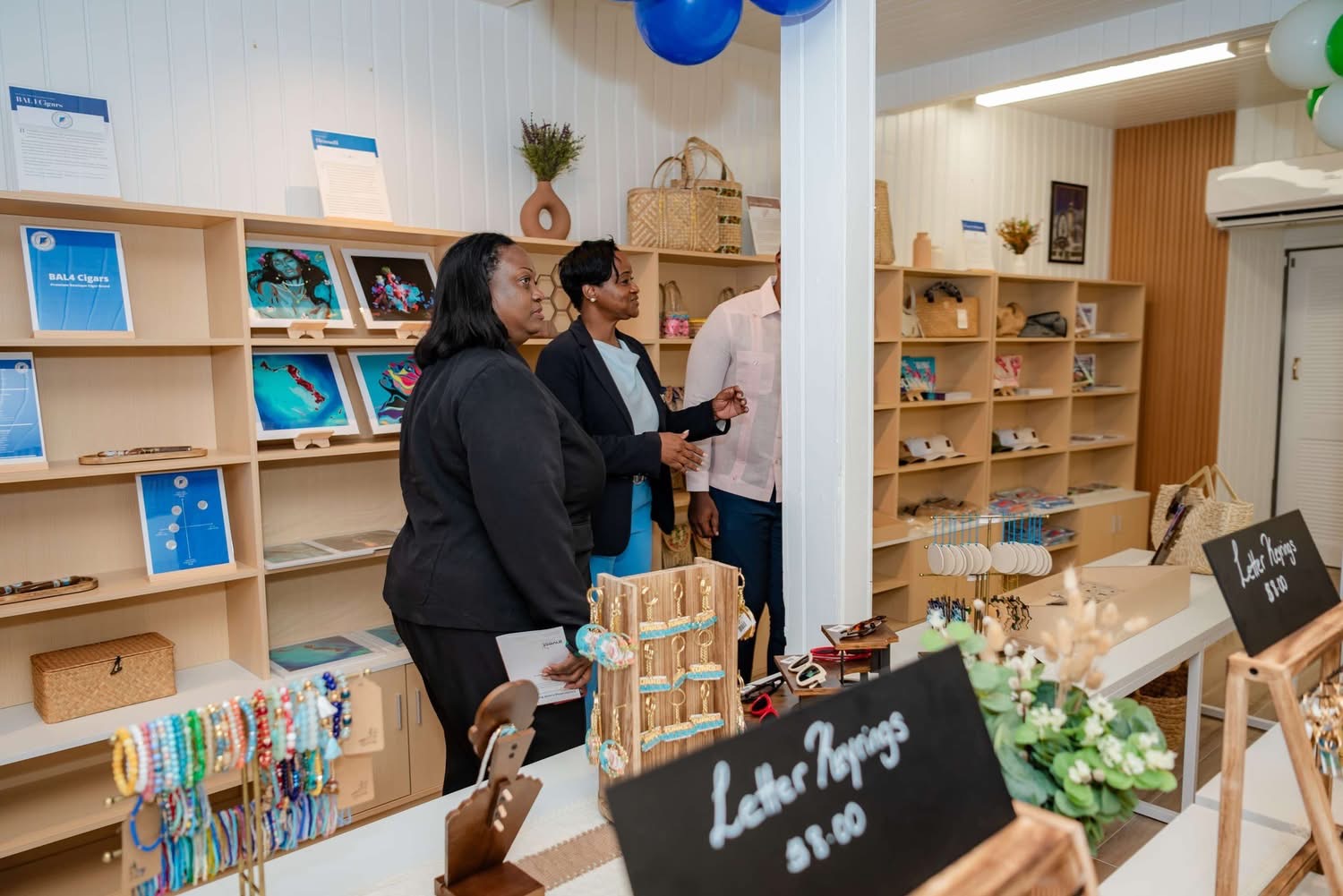 Hico Collective, the Grand Turk MSME Storefront, on Friday, September 18, 2026, marking a significant milestone in the Agency’s ongoing efforts to support local entrepreneurs, expand access to market opportunities, and strengthen the small business ecosystem.
Caya Hico Collective has been established as a dedicated retail space to showcase and sell locally made products, initially featuring entrepreneurs participating in the MSME Programme. As the initiative develops, there are plans to expand participation to include other small businesses producing locally made goods, including those not directly supported under the Programme. The storefront will provide local businesses with greater exposure and direct access to both residents and the thousands of visitors who arrive in Grand Turk each year creating stronger linkages between local entrepreneurs and the tourism economy. The store currently features fourteen (14) inaugural vendors, representing a diverse selection of local businesses and products from across the Turks and Caicos Islands.
Speaking on the significance of the initiative, Ms. Alexa Cooper, Chief Domestic Investment Officer, said:
“This storefront represents a practical and meaningful step in supporting our MSMEs by providing access to market, one of the most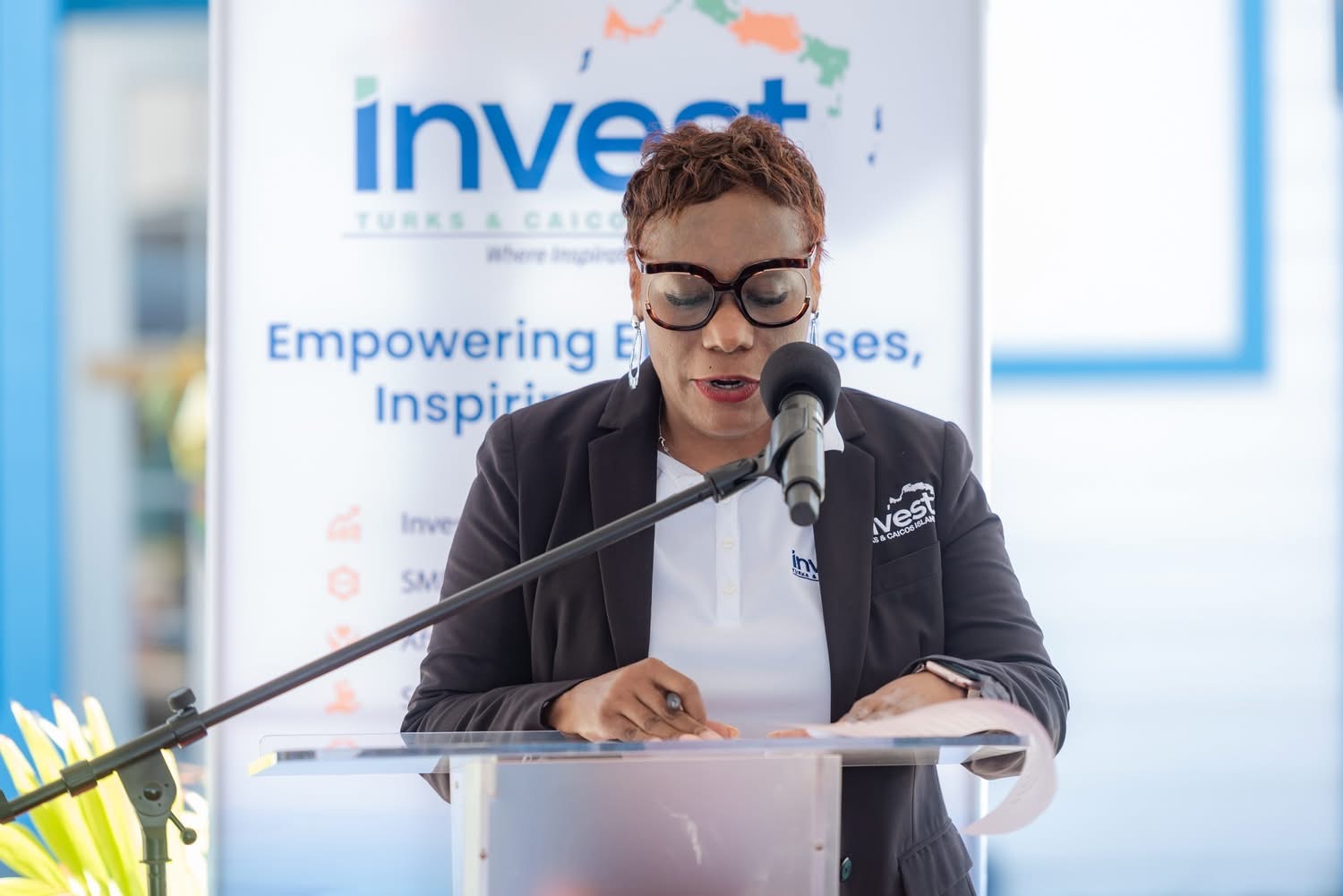 critical components of business growth. It is a space where local talent, creativity and entrepreneurship can be showcased, supported and connected with new customers.”
A Name Chosen by Grand Turk’s Youth
The name Caya Hico Collective was selected through the Grand Turk MSME Storefront Naming Competition, an initiative conducted in partnership with H.J. Robinson High School. Students were invited to propose an original name that reflected Grand Turk’s identity, culture and heritage while also being suitable for a storefront showcasing locally made products.
Following an independent judging process, Mauvarii Selver was selected as the competition winner for the submission Caya Hico Collective.
The name was recognised for its cultural and historical significance, distinctiveness and strong storytelling potential. “Caya Hico” is derived from the Lucayan term meaning “string of islands,” reflecting the archipelagic identity and heritage of the Turks and Caicos Islands. The use of “Collective” further reflects the purpose of the storefront: bringing together products from multiple local entrepreneurs under one shared retail platform. Together, the name Caya Hico Collective connects the Islands’ heritage with the initiative’s vision of bringing local businesses, products and creativity together in one space.
The naming competition provided students with an opportunity to participate directly in a real-world branding exercise and contribute to an initiative that will form part of Grand Turk’s commercial and tourism landscape.
Mauvarii was formally recognised during the opening ceremony, alongside the other students who participated in the naming competition, the inaugural MSME vendors, and key stakeholders whose contributions supported the successful development and opening of the storefront.
Angela Musgrove, Chief Executive Officer of Invest Turks and Caicos, added:
“Caya Hico Collective is more than a retail space. It reflects our continued focus on strengthening linkages between local businesses and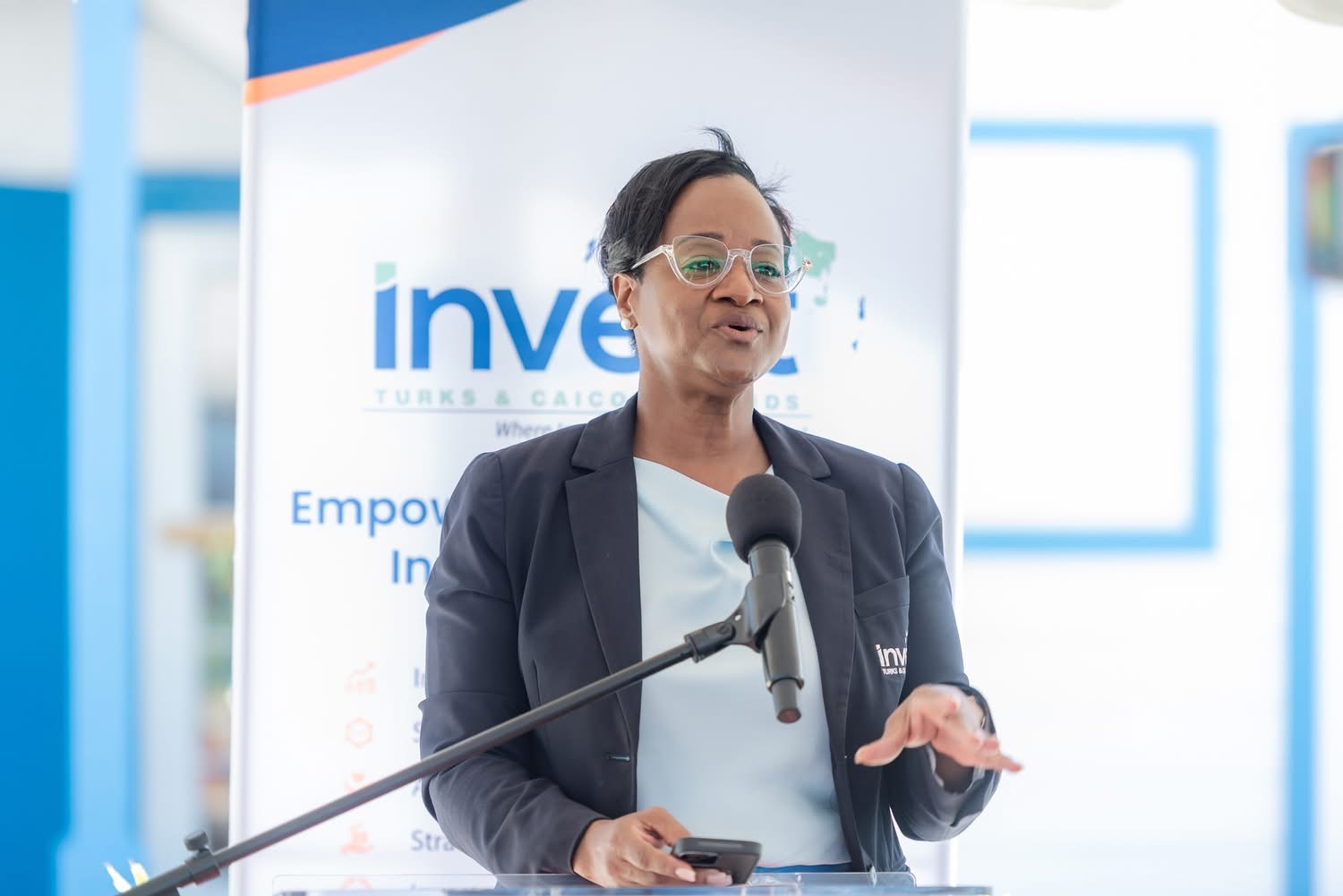 the tourism sector, creating more opportunities for MSMEs to reach visitors, increasing sales and participate more fully in the tourism economy. At the same time, it gives visitors greater access to authentic products that reflect the creativity and culture of the Turks and Caicos Islands.”
Supporting Local Enterprise and Tourism Linkages
Caya Hico Collective is expected to serve as an important platform for local entrepreneurs by increasing the visibility of locally produced goods, creating additional sales opportunities and providing visitors with greater access to authentic products from the Turks and Caicos Islands.
Through the storefront, Invest Turks and Caicos aims to encourage residents and visitors alike to discover, purchase and support locally made products, while creating a stronger connection between entrepreneurship, culture and the visitor experience in Grand Turk. The initiative is intended to increase opportunities for local businesses to benefit from tourism activity by connecting visitors directly with locally made products that showcase the creativity and talent of entrepreneurs across the Turks and Caicos Islands. This forms part of Invest Turks and Caicos’ broader commitment to promoting economic diversification, sustainable business development and stronger linkages between local enterprises and the tourism sector.
Health
TCI Hospital Marks Breast Cancer Awareness Month 2026 with “Know. Check. Act. Support.” Campaign
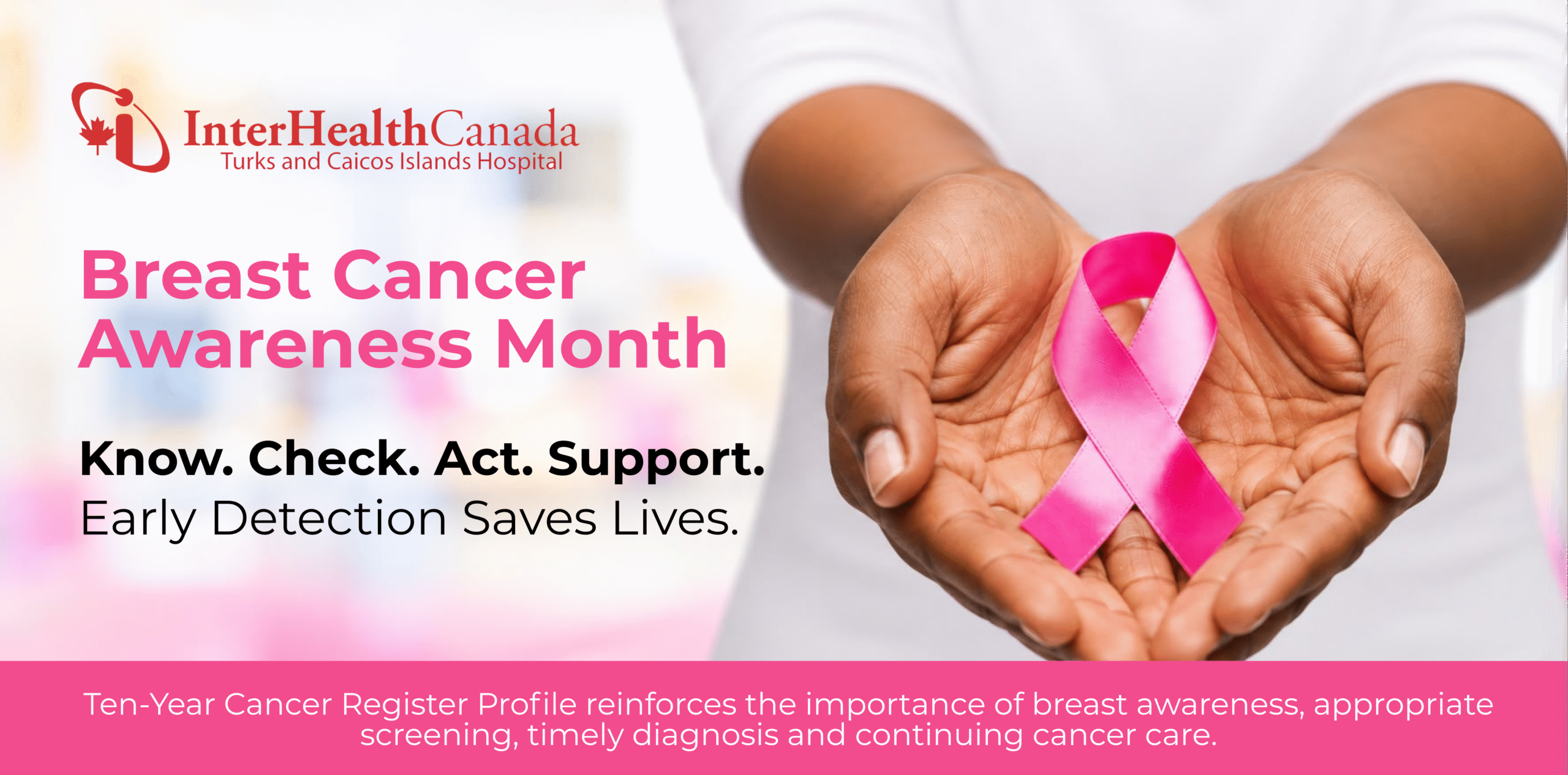
Ten-Year Cancer Register Profile reinforces the importance of breast awareness, appropriate screening, timely diagnosis and continuing cancer care
Providenciales, Turks and Caicos Islands – 1st October 2026 – Turks and Caicos Islands Hospital (TCI Hospital) is marking Breast Cancer Awareness Month 2026 with a month-long public awareness campaign under the theme “Know. Check. Act. Support. – Early Detection Saves Lives.”
This year’s campaign is being informed by TCI Hospital’s Ten-Year Cancer Register Profile, 2016–2025, which demonstrates that breast cancer remains an important and continuing healthcare issue for patients, families and the wider Turks and Caicos Islands community.
Throughout the ten-year period, TCI Hospital continued to record new cases of malignant neoplasms of the breast each year. Annual new registrations fluctuated, reinforcing an important message: breast cancer is not an occasional concern confined to Breast Cancer Awareness Month, it requires sustained awareness, appropriate screening, timely investigation and diagnosis, access to treatment, follow-up and support throughout the year.
What Our Cancer Register Tells Us
The TCI Hospital Cancer Register recorded 21 new breast cancer cases in 2016, the highest annual figure reported during the ten-year profile. In subsequent years, the overall annual new-case count ranged from 8 to 18 cases, with 18 new cases recorded in 2024 and 10 in 2025.
The register also demonstrates the continuing accumulation of breast cancer cases within the hospital’s cancer records. The total registered breast cancer caseload increased from 79 in 2016 to 192 by 2025. More recently, the register increased from 160 cases in 2023 to 181 in 2024 and 192 in 2025. These figures represent the hospital’s registered caseload and should not be interpreted as population incidence, prevalence or the number of people currently living with breast cancer.
Behind every registration is more than a statistic. Each represents a person whose diagnosis has implications for their family and for the healthcare professionals and services involved in cancer investigation, treatment, coordination, follow-up and support.
The ten-year profile therefore reinforces the importance not only of identifying breast cancer, but of ensuring that people affected by the disease are supported throughout their cancer journey.
Know the Signs and Act on Changes
Breast cancer can present in different ways. Changes that should prompt assessment by a healthcare professional may include a new lump or thickening in the breast or underarm; a change in the size, shape or appearance of a breast; dimpling, puckering or other unusual changes to the breast skin; nipple changes or unusual discharge; or another new or persistent breast change.
Finding a change does not necessarily mean that a person has cancer. However, an unexplained or persistent change should not be ignored.
TCI Hospital encourages members of the community to become familiar with what is normal for their breasts and to seek medical advice if they notice something different.
Know Your Risk. Know Your Family History.
Breast cancer risk is influenced by several factors. Understanding personal and family medical history can help individuals have more informed conversations with their healthcare providers about their individual risk.
Having no known family history of breast cancer does not mean that breast health can be ignored. Equally, people with a significant family history or other factors that may increase their risk should discuss this with an appropriate healthcare professional.
The TCI Hospital Cancer Register also records male breast cancer, reminding the community that although breast cancer predominantly affects women, it can also occur in men.
Screening and Early Diagnosis Matter
Breast awareness and screening have different but complementary purposes. Screening is intended to identify possible breast abnormalities in people who may not have symptoms, while a new or concerning breast change requires appropriate clinical assessment.
There is no single screening approach that is appropriate for every individual. TCI Hospital therefore encourages people to discuss their age, personal risk factors, family history and appropriate breast screening with their healthcare provider.
Similarly, people experiencing a concerning breast change should not wait for their next routine screening appointment before seeking medical advice.
The campaign’s message “Early Detection Saves Lives” emphasizes the importance of timely action. It does not mean that every breast change is cancer. Rather, seeking medical attention allows appropriate investigation to take place and, where cancer is diagnosed, enables the healthcare team to determine the most appropriate next steps.
From Cancer Registration to Better Cancer Care
TCI Hospital Chief Executive Officer Dr Denise Braithwaite-Tennant said the Cancer Register has an important role beyond recording the number of cancer cases seen by the hospital.
“Our Cancer Register is not simply about counting cases. It helps us understand the cancer burden presenting to our hospital, identify patterns over time and inform how we plan and strengthen cancer services. Behind every number is a patient, a family and a cancer journey. The continued recording of new breast cancer cases reminds us why awareness must lead to action and why our health system must continue to strengthen the pathway from appropriate screening and timely diagnosis through treatment, follow-up and survivorship support.”
“During Breast Cancer Awareness Month, we want our community to understand that fear should not become a reason to delay seeking care. Know what is normal for you, understand your risk, participate in screening that is appropriate for you and seek medical advice when something changes. Just as importantly, we must continue to support those undergoing cancer treatment and those living beyond a cancer diagnosis.”
Know. Check. Act. Support.
Throughout October, TCI Hospital will deliver a programme of activities designed to turn breast cancer awareness into practical action.
Activities will include an educational breast cancer awareness video addressing signs and symptoms, screening, early detection and support; publication of findings from the TCI Hospital Ten-Year Cancer Register Profile, 2016–2025; breast cancer facts and educational messages; a special House Call – Pink Round Table addressing breast cancer risk, symptoms, diagnosis, treatment and survivorship; and Pink Fridays, during which TCI Hospital team members will wear pink to promote awareness, early detection, survivorship and support.
The campaign will also highlight the important role of families, friends, caregivers, healthcare professionals and the wider community. Support can take many forms; from listening and accompanying someone to an appointment to assisting with transportation, meals, childcare or other practical needs during treatment.
TCI Hospital’s Breast Cancer Awareness Month message to the Turks and Caicos Islands community is:
KNOW – Know your body, your family history and your individual risk.
CHECK – Participate in appropriate screening and pay attention to changes.
ACT – Do not ignore a new or concerning breast change. Seek medical advice.
SUPPORT – Stand with patients, survivors, families and others affected by breast cancer.
Know. Check. Act. Support.
Early Detection Saves Lives.
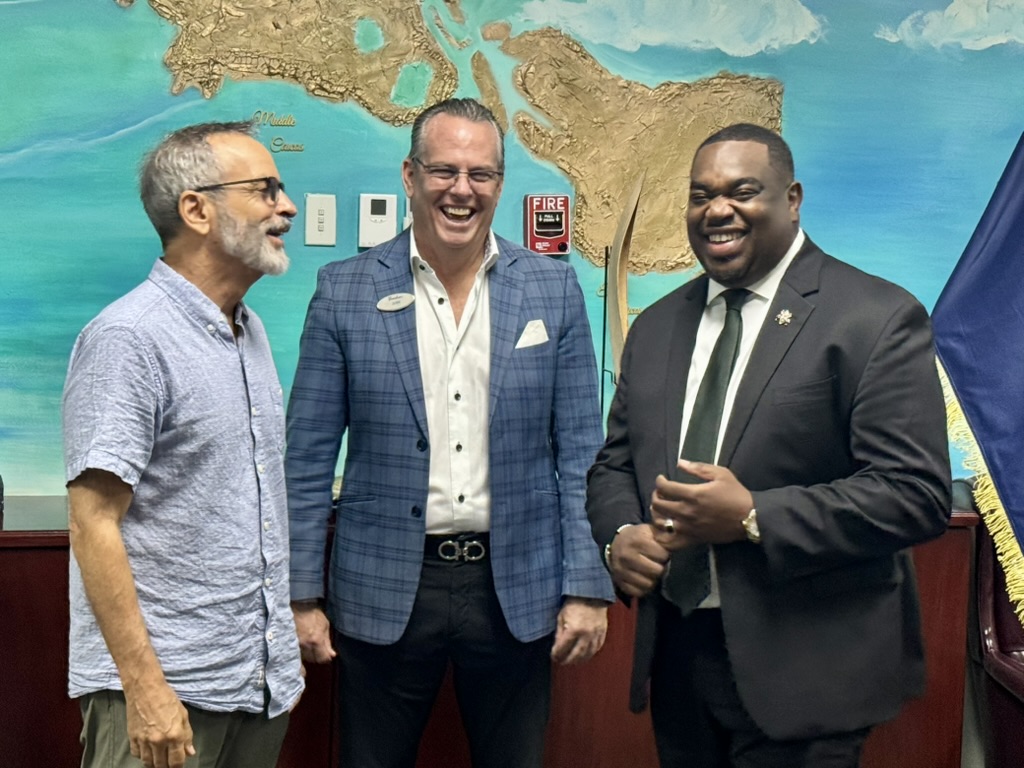
Turks and Caicos Islands, September 29, 2026 – Beaches Turks and Caicos, the Sandals Foundation, and Great Shape Inc.’s iCare programme have completed a record-breaking one-week humanitarian eye care mission in Providenciales, delivering free optical services to more than 4,800 individuals. The 2026 venture brought together 52 volunteer eye care professionals from the United and Canada who provided comprehensive screenings, advanced laser treatments, and thousands of pairs of glasses to residents across the Turks and Caicos Islands.
The mission’s services covered multiple areas of eye health as medical volunteers conducted over 1,000 health screenings paired with educational sessions on eye care and the risks associated with prolonged screen use. Among the most significant clinical achievements were 122 Selective Laser Trabeculoplasty (SLT) procedures, a treatment for open-angle glaucoma, and 13 panretinal photocoagulation (PRP) procedures, an outpatient laser therapy used to halt the growth of abnormal, fragile blood vessels on the retina that can cause bleeding and vision loss.
In addition to clinical interventions, the team distributed over 150 pre-made prescription glasses, more than 2,500 sunglasses, and over 1,400 reading glasses during the mission week. A further 700 custom prescription glasses are being completed and will be delivered to patients in the coming weeks. In addition to adults, students from 16 government and non-government schools throughout Providenciales also received vision testing and care.
Kyle Knowles, Minister of Health and Human Services for the Turks and Caicos Islands, praised the collaboration as “timely” and highlighted the unmatched visual support provided to the community. “We are grateful for this continued collaboration with the TCI government and the Sandals Foundation,” Knowles said. “We have seen where these eye care professionals come here and share their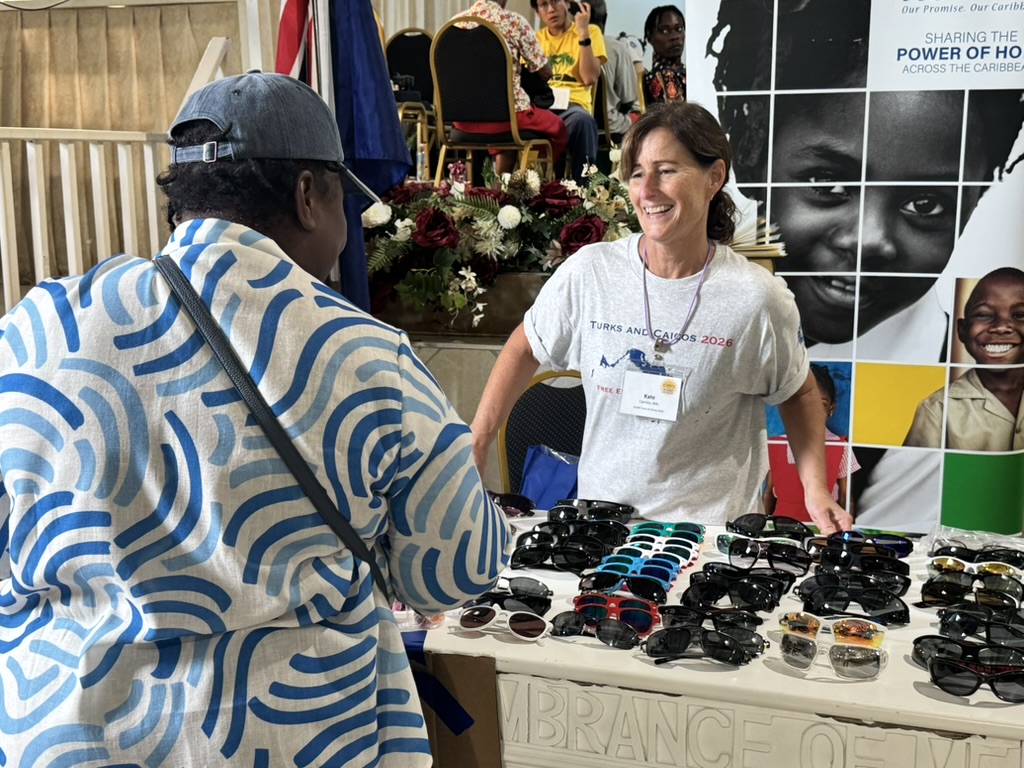 expertise with our schools and our communities, free of charge. This is what teamwork looks like here in the Turks and Caicos Islands.”
Deryk Meany, General Manager of Beaches Turks and Caicos, noted the historic scale of the mission. “We have witnessed a record number of optical services being offered this year which augurs well for the people and children of the Turks and Caicos Islands,” Meany said. “The support that the Sandals Foundation and Great Shape Inc.! has received from the government of the TCI is phenomenal. As an organization, we are conscious of the support that is needed and the opportunities that we have to share in this mission.”
Rachel Taylor, Minister of Education, Youth, Sports and Culture emphasized the value of early screening for students in an era of increasing digital device use. “To be able to provide early screening for our students is priceless,” Taylor said. “With the consistent use of gadgets by our children, the health screening and education is timely for us within the education ministry. We are grateful for this support from the Sandals Foundation and the Great Shape team. If there are challenges identified by the team, parents will be able to provide the necessary care for the children.”
For Nadienne Crossman, vice principal of the BEST Institute, the competence and warmth of the volunteer team was a highlight. “The services provided by these professionals was unmatched,” Crossman noted. “The team who visited our school allowed every student to feel comfortable while they were being tested. As teachers, when we got to the community site, we were treated with respect by everyone. To be able to see multiple specialists free of charge was outstanding. Sandals Foundation and the Great Shape team provided a safe space for us to care for our eyes.”
Steven Stern, Founder of iCare, credited the enthusiasm of volunteers and the seamless support from local partners. “The team for this project was enthusiastic with every client that we saw,” Stern said. “They were creative in using technology to assist with translation while they also learned so much about the TCI culture. The support from the Sandals Foundation and the government of the TCI was simply magical. We are looking forward to returning already.”
The Sandals Foundation coordinates logistics and covers costs for transportation, food, and beverages for the iCare clinic and its teams, while Beaches Resorts provides accommodation free of charge. The close of the 2026 mission stands as a testament to the power of cross-sector collaboration — uniting government, hospitality, and nonprofit expertise to safeguard vision and opportunity for an entire community.





-

 Bahamas News1 week ago
Walk for the Cure Every Saturday This October
-

 News1 week ago
Invest Turks and Caicos Officially Opened Caya Hico Collective, Grand Turk MSME Storefront
-
 Health1 week ago
TCI Hospital Marks Breast Cancer Awareness Month 2026 with “Know. Check. Act. Support.” Campaign
-
 Health6 days ago
Cleveland Clinic First in Ohio to Perform Robotic Nipple-Sparing Mastectomy