
TCI News
Six Senses Resort and Spa returns for another try at Salt Cay, Cabinet considers the concept


#Salt Cay, Turks and Caicos Islands – Wednesday June 27, 2018 – For nearly a decade, Six Senses Resort has been angling itself for a unique presence in the Caribbean and had determined that tiny Salt Cay in the Beautiful by Nature Turks and Caicos Islands was ideal for the luxury escape.
Then major controversy struck and soured the prospect of the development which was touted to be ‘green’ and bring ‘green’ to the people of the island, often considered ‘forgotten’.
The names Mario Hoffmann and Stephan Kral – Salt Cay Devco, investors behind the Six Senses concept – were severely tarnished in the scandalous Commission of Inquiry of 2009.
Despite, the duo tried vigorously to salvage their reputation, to no avail.
In 2018, the Developers of Six Senses are back and have already made a presentation to the Turks and Caicos Islands Cabinet, piquing interests it seems as the investors have been asked to return with a more detailed plan.
A Cabinet report from the Governor’s Office on May 30, 2018 said this about the agenda item: “Considered a Proposal for the Development of a Six Senses Resort on the Island of Salt Cay and requested further information.”
Ever since, there has been a steady stream of inquiries to Magnetic Media to find out more about the development and what it proposes on the tranquil island, renowned for its laid back beauty, intriguing history, captivating coastal vistas and its animal life including endearing donkeys on land and awe-striking whales in the ocean.

File ph
Articles from 2010, including a feature in Turks and Caicos magazine ‘Times of the Islands’ had featured the concept of a resort promoting zen-like villas, sultry spa, tennis court, restaurant and eco-friendly golf course as an opportunity for a resurgence of the island where the economy now is just as dry as its Salinas. Ironically, the 2.5 square miles used to be a financial life line to the people of the cay and the country, during the salt-raking era.
The Turks and Caicos Weekly News (newspaper) in an article on June 11 2018, reminded of the court battle and loss of Salt Cay Devco; where Mario Hoffmann had to return over 1,500 acres of land to Government, cover a percentage of the legal fees and surrender his Turks and Caicos Belonger status which was obtained under the Michael Misick government regime.
You get the feeling that getting this application and proposal approved will not be easy; but just maybe the timing is right.
A media release in 2010 announced that Six Senses Resorts and Spas was pegged to open its Turks and Caicos edition in 2013; five years later we are only told by the Investment Minister – Premier Sharlene Robinson – that there is no comment at this stage of the pitch. 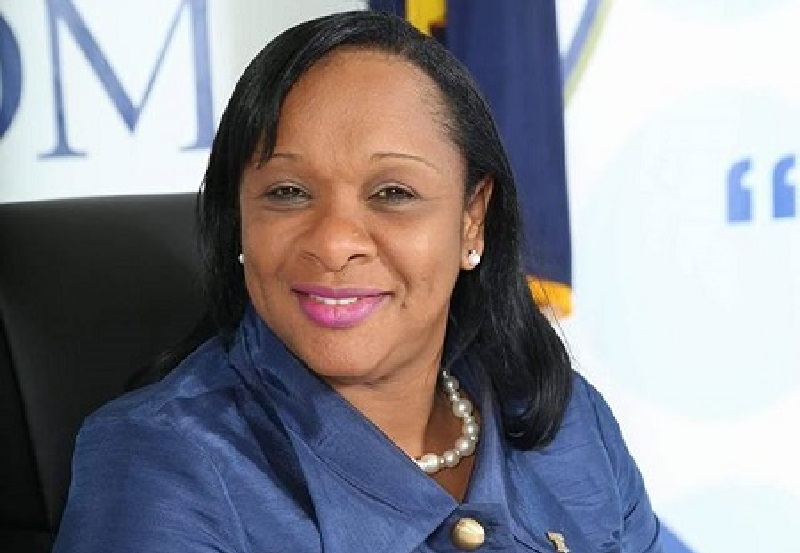
Hon Sharlene Robinson said to Magnetic Media: “It is a Proposal discussed and I am not able to share anything further as it is a matter before Cabinet. What I will say is that the residents of Salt Cay do not have opportunities to speak to the Government in the upcoming round of Town Halls and to benefit from.”
The 2010 article, published online at HotelierMiddleEast.com, among other websites said in part:
‘Designed to introduce the group’s ‘Slow Life’ philosophy, the project will comprise a total of 40 one- and two-bedroom villa suites and three-bedroom retreats, plus 13 four-bedroom residential villas.
In addition to various dining option, including an organic garden restaurant, there will be a jazz bar, an observatory, and Cinema Paradiso — an open-air area showing classic movies.
Leisure activities will focus on water activities, but will also include tennis and an eco-friendly golf course.’
The news story explained that the phase one investment on the Six Senses Resort and Spa would be $200 million.
Salt Cay residents are admittedly curious.












News
50 Years of Ministerial Government: Cabinet Moves to Mark Milestone Rooted in 1976 Constitution

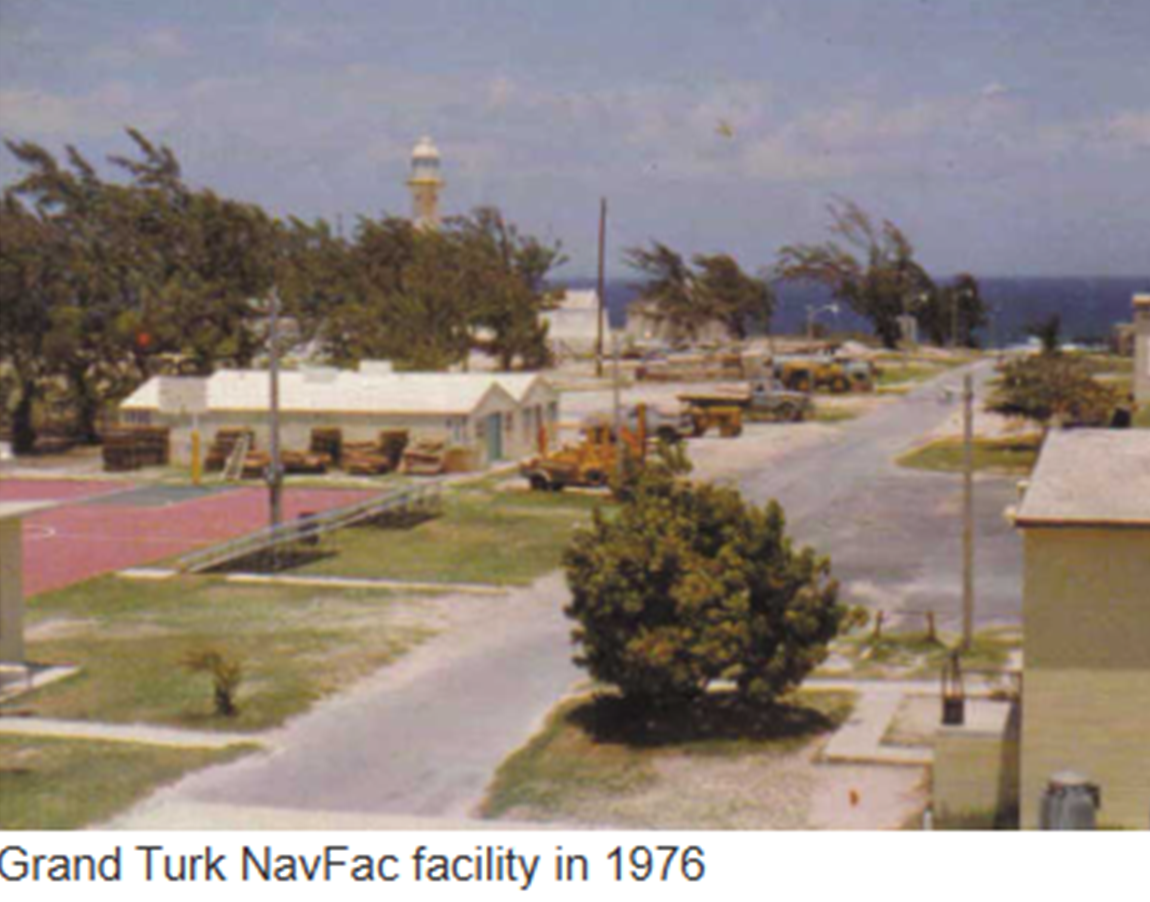
Turks and Caicos, March 30, 2026 – The Turks and Caicos Islands is preparing to mark a major political milestone, with Cabinet approving the establishment of a National Commemorative Committee to celebrate 50 years of ministerial government, a system first introduced under the 1976 Constitution.
The decision, confirmed in the February 10 Post Cabinet statement, signals a year of reflection on a governance model that fundamentally reshaped how the country is run — shifting from direct colonial administration toward locally led political leadership.
That shift was formalized in the Turks and Caicos Islands Constitution Order 1976, which laid the legal foundation for ministerial government and introduced a structured Executive and Legislative system.
At its core, the 1976 Constitution established an Executive Council, bringing together:
- a Governor,
- a Chief Minister elected by members of the Legislative Council,
- and Ministers appointed to assist in governing the Islands.
A Very Different Government Back Then
If today’s Cabinet feels crowded, the 1976 version would have seemed almost unbelievable. There were just three Ministers serving alongside the Chief Minister — a tight, compact leadership team responsible for the affairs of an entire country. No sprawling list of ministries, no long roster of portfolios — just a handful of individuals carrying the weight of governance.
Becoming a Minister wasn’t a direct vote of the people either. You first had to win a seat in the Legislative Council, and from there, the Chief Minister would recommend who should serve. The Governor then made the appointments. In other words, political trust and alignment mattered just as much as public support — and ultimate authority still rested above the local leadership.
And as for job security? There wasn’t much of it. Ministers served without fixed terms and could be removed if they lost their seat, resigned, or if the Governor revoked their appointment. Even the Chief Minister could be ousted through a vote of no confidence. Add to that the basic requirements — being at least 21, a British subject, and meeting residency rules — and it’s clear that ministerial government in 1976 was not only smaller, but far more tightly controlled.
This marked the first time elected representatives were formally given defined roles in the administration of national affairs.
Under the Constitution, the Governor retained overarching authority, but was required in many instances to act on the advice of the Executive Council, particularly in shaping policy and overseeing government operations.
The Chief Minister, meanwhile, was positioned as the central political leader, responsible for directing government business and advising on the appointment of Ministers.
Importantly, the Constitution also allowed for the assignment of responsibilities to Ministers, giving them oversight of specific areas of government — a structure that remains at the heart of today’s Cabinet system.
Section 13 of the Order made clear that Ministers could be assigned responsibility for the administration of departments or government business, embedding accountability and functional governance into the system.
The Legislative Council, established alongside the Executive, provided the law-making body, with elected and appointed members participating in debates, passing legislation, and representing the interests of the Islands.
Together, these provisions created the framework for what is now recognized as ministerial government — a hybrid system balancing local political leadership with constitutional oversight by the Governor.
The explanatory note of the 1976 Order describes it as introducing “new provisions for the Government of the Turks and Caicos Islands,” including the creation of a Legislative Council with elected members and Ministers appointed on the advice of the Chief Minister.
Fifty years on, that structure has evolved through subsequent constitutional changes, but its foundation remains rooted in the 1976 framework.
Cabinet’s decision to establish a commemorative committee suggests that the anniversary will not only celebrate political progress, but also invite reflection on how effectively the system has delivered on its promise of representation, accountability, and governance.
As the Islands approach this Golden Jubilee, attention is likely to turn not only to the achievements of ministerial government, but also to the ongoing question of how the system continues to serve a modern and rapidly developing Turks and Caicos Islands.
Developed by Deandrea Hamilton • with ChatGPT (AI) • edited by Magnetic Media.
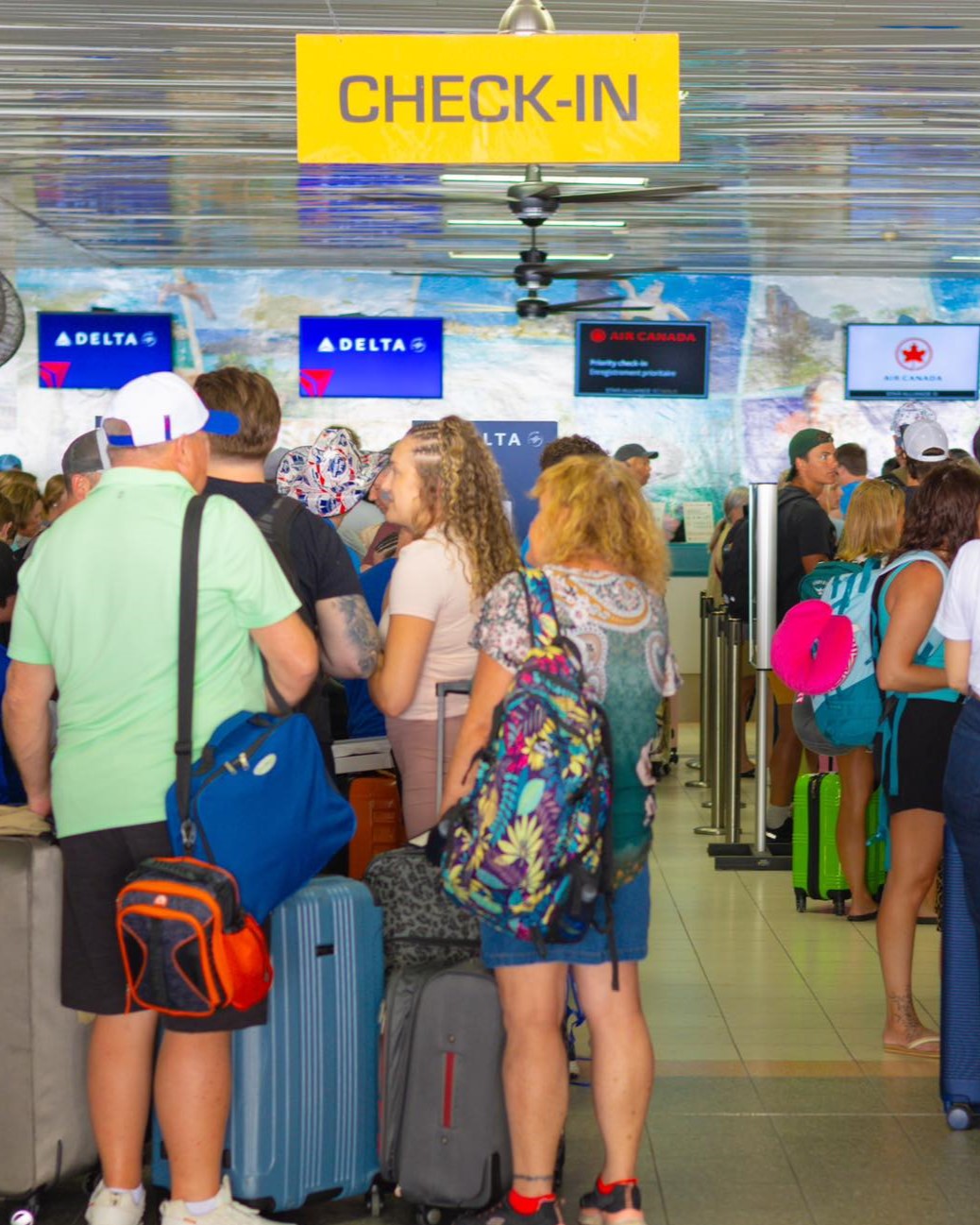
Turks and Caicos, March 30, 2026 – The Turks and Caicos Islands Government has signaled changes to its tourism funding framework, with Cabinet approving draft amendments to the Destination Management Fee Act 2023.
The decision was confirmed in the Post Cabinet statement following the February 5 meeting, chaired by Governor Dileeni Daniel- Selvaratnam, where members agreed to move forward with revisions to the law governing the collection and administration of the fee.
The Destination Management Fee, introduced in 2023, is applied to travelers entering the country and is embedded within the cost of travel. The charge was designed to support tourism-related development, including marketing, infrastructure, and sustainability initiatives.
At the time of its introduction, the fee was linked to the establishment of a Destination Management and Marketing Organisation (DMMO), which was expected to coordinate tourism strategy and enhance the visitor experience.
However, recent developments have shifted that landscape.
The DMMO has since been discontinued, raising new questions about how funds generated through the fee are being managed and what structure will now guide tourism development efforts.
The Cabinet note does not outline what specific changes are being proposed under the amended legislation.
It also does not indicate whether adjustments will be made to:
- who pays the fee,
- how it is collected, or
- how the revenue is allocated and overseen.
The move to amend the law comes amid broader government efforts to strengthen revenue collection and compliance, including updates provided to Cabinet on the work of the Drag-Net Steering Committee — a multi-agency initiative focused on improving government revenue systems.
The lack of detail surrounding the amendments leaves several key questions unanswered, particularly given the fee’s direct impact on both visitors and residents and its role in supporting the country’s tourism economy.
Any changes to the Act would require further legislative steps, including presentation to the House of Assembly, before taking effect.
For now, the Cabinet’s approval signals that the government is moving to revise a policy that is already in force — but without yet disclosing how those revisions will alter the current system.
As tourism remains the backbone of the Turks and Caicos Islands economy, clarity on the future of the Destination Management Fee — and the framework it supports — is expected to be closely watched in the weeks ahead.
Developed by Deandrea Hamilton • with ChatGPT (AI) • edited by Magnetic Media.
Photo Credit: TCIAA

Turks and Caicos, March 30, 2026 – Electricity costs in the Turks and Caicos Islands are climbing again, with Pelican Energy reporting increases in the fuel factor for March, while warning that global instability could push prices even higher in the months ahead.
In its latest update to customers, the power provider confirmed that fuel factor rates — the portion of electricity bills tied directly to the cost of fuel — have risen across most service territories.
Providenciales, North Caicos and Middle Caicos will see a 3.4 percent increase, bringing the rate to $0.1658 per kilowatt hour, while Grand Turk and Salt Cay will experience a 2.8 percent rise to $0.1569 per kWh. The rate for South Caicos is still pending, though in February it climbed by 2.8 percent to $0.1728 per kWh.
The fuel factor is a variable charge, meaning it moves in response to international oil prices — and right now, those prices are under pressure.
Pelican Energy pointed to geopolitical tensions in the Middle East, including ongoing conflict affecting key global shipping routes such as the Strait of Hormuz, as a major driver of recent increases.
That narrow waterway near Iran is one of the world’s most critical oil transit corridors, with a significant share of global fuel supply passing through it daily. Any disruption — whether from conflict, threats, or shipping delays — has a direct impact on global prices.
Energy markets have remained volatile as a result, with production decisions by OPEC and its allies also influencing supply levels and pricing trends.
For the Turks and Caicos Islands, which relies heavily on imported fuel for electricity generation, the impact is immediate.
“Because we rely on imported fuel to generate electricity, these market conditions can influence fuel costs in TCI,” the company said, noting that it is closely monitoring developments.
While the upward movement in fuel costs is concerning, Pelican Energy also indicated that infrastructure upgrades are underway — projects that may cause short-term inconvenience but are expected to improve long-term energy reliability.
Those improvements could include enhancements to generation capacity and distribution systems, though in the near term, residents and businesses may experience disruptions, including traffic impacts linked to ongoing works.
The company emphasized that the fuel factor will continue to fluctuate in line with global trends, rising when international prices increase and falling when they decline.
For consumers already facing high utility costs, the latest adjustment reinforces how closely local electricity prices are tied to global events far beyond the region’s control.
With tensions in key oil-producing areas showing no clear resolution, and global supply routes remaining vulnerable, the outlook for fuel costs remains uncertain.
For now, Pelican Energy says it will continue to monitor international developments and keep customers informed — but the message is clear: what happens in global oil markets is being felt directly on electricity bills at home.
Developed by Deandrea Hamilton • with ChatGPT (AI) • edited by Magnetic Media.





-

 News3 days ago
Password to Paradise Radio Remotes at Beaches Turks & Caicos continue to highlight the TCI as the preferred Caribbean destination
-

 News4 days ago
Beaches Turks & Caicos adds four new PADI Dive Instructors to the cadre of professionals in the watersports department
-

 Health1 week ago
Turks and Caicos Islands Hospital Celebrates Patient Safety Awareness Month: “Team Up for Patient Safety”
-

 News4 days ago
Beaches Turks & Caicos shares fine dining experiences to high school students in Providenciales
-

 Health1 week ago
Turks and Caicos Islands Medical Association (TCIMA) Elects New Executive
-

 News1 week ago
Flow TCI supports ‘Stars of Tomorrow’ at Inter-Primary Track and Field Championships
-

 Bahamas News2 days ago
Bahamasair Backs Surge as Bahamians Flood South Florida for V.J. Edgecombe Showdown
-

 News1 week ago
ISU Community Caravan Delivers Essential Services to Granny Hill North