
News
US President Trump proposes radical Green Card policy change, Caribbean residents demand similar measure from own governments

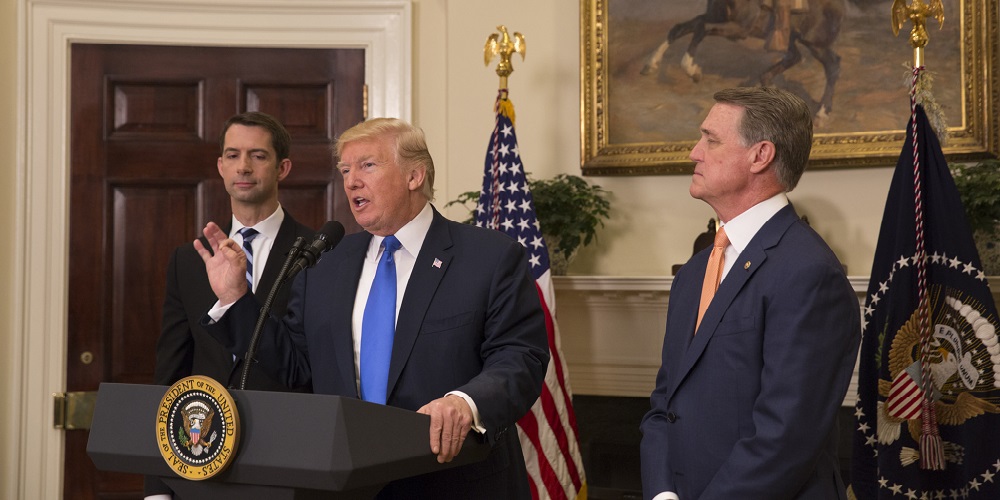
#UnitedStates, January 12, 2018 – Washington, DC – Newly touted Green Card reforms are billed as having the power to bolster the competitive edge of the United States of America and restore trust between its People and Government. President Donald Trump, flanked by Senator Tom Cotton and Senator David Perdue on Thursday at White House unveiled a proposal for sweeping and significant changes to the country’s Immigration Policy, said to be the first such changes in half a century.
 “The RAISE Act will reduce poverty, increase wages and save tax payers billion and billions of dollars. It will do this by changing the way the United States issues Green Cards to nationals from other countries. Green Cards provide permanent residency, work authorizations and fast track to citizenship,” said President Trump as he explained the reason for this dramatic switch.
“For decades the United States was operating and has operated a very low skilled immigration system, issuing record numbers of Green Cards to low-wage immigrants. This policy has placed substantial pressure on American workers, tax payers and community resources, among those hit the hardest in recent years have been immigrants, and very importantly, minority workers competing for jobs against brand new arrivals and it has not been fair to our people, to our citizens, to our workers,” he said.
While there are already naysayers weighing in on the impact of this more stringent and selective policy proposal, Mr. Trump said the change is a demonstration of compassion for American citizens which puts the working family’s needs first. The President is also confident that the legislative proposal will result in migrant workers who are more successful in the United States.
“The RAISE Act ends chain migration and replaces our low skill system with a new point-based system for receiving a Green Card, this competitive application process will favor applicants who speak English, can financially support themselves and their families and demonstrate skills that will contribute to our economy. The RAISE ACT prevents immigrants and new migrants from collecting welfare and protects US workers from being displaced.”
It is a measure which president Trump explained was mandated by the American voters. However, more than Americans are sounding off on the legislative proposal. Magnetic Media in testing the temperature of Caribbean region residents on the subject found that people support the message and some are weary of the messenger.

“I have been watching him (Trump) for a while and watching his actions and my thing is he has an issue with brown and black people. I feel honestly that he is actually racist…he has problems with the Hispanics, he has problems with the Muslim countries and so I figure that (proposed new RAISE Act) is to target the brown and black people. But I agree that even we, in The Bahamas are losing our sovereignty to the foreigners and our government has to get tough and that has to stop.”
The man speaking to us via WhatsApp is resident in the Bahamas’ second city, Grand Bahama and adds that he objects to the other comments reported to have come from the mouth of President Donald Trump related to Haiti and a few other nations.
While those reported demeaning comments from Trump are grabbing some headlines and sparking vigorous debate, it seems the reports on the remarks are more designed to steal the spotlight of the new policy proposed and drafted by Senators Cotton and Purdue; still many in the region are paying attention and hoping their own country will follow suit.
“If the Premier of the Turks and Caicos was more hard-nosed about immigration, this place would be better off because there are too many people who are here on work permits and a lot of them need to go. There are too many Filipinos here, too many Jamaicans, too many Haitians here and a lot of them are preventing locals from being able to find a job. Turks and Caicos really gatta take a hard-nosed approach to Immigration.”
In the second half of 2017, both The Bahamas and Turks and Caicos announced controversial measures to stem the flow of illegal and legal migration, including a freeze on new work permit applications and traveler visas to the TCI and in The Bahamas a December 31, 2017 deadline for illegal migrants to leave the country or face deportation.
A former resident of the region and UK citizen explained, “Its got to be the way forward. You can’t have open boarders to be world. Just nuts,” he said, “The other week I spoke to a Haitian guy in Provo and he has – wait for it – nine children from five different women. No wife as yet, he told me he hasn’t found the right one. I told him to go and have it (penis) chopped off!”

The man commenting to Magnetic Media says the United Kingdom is also favoring a point system for immigrants post Brexit.
In 2014, a report by the Migration Policy Institute in the United States revealed that there were four million Caribbean immigrants in the United States, which was nine per cent of the 42.2 million immigrants in the country. Leading the top five were Cuba, at number one; Dominican Republic was second; Jamaica was third; next was Haiti and Trinidad and Tobago rounded out the top five. The Bahamas was eighth on that 2014 list, with Turks and Caicos having no distinct spot on the chart.
#MagneticMediaNews
#USGreenCardpolicychange
Photo credit: Wikipedia & VOA news

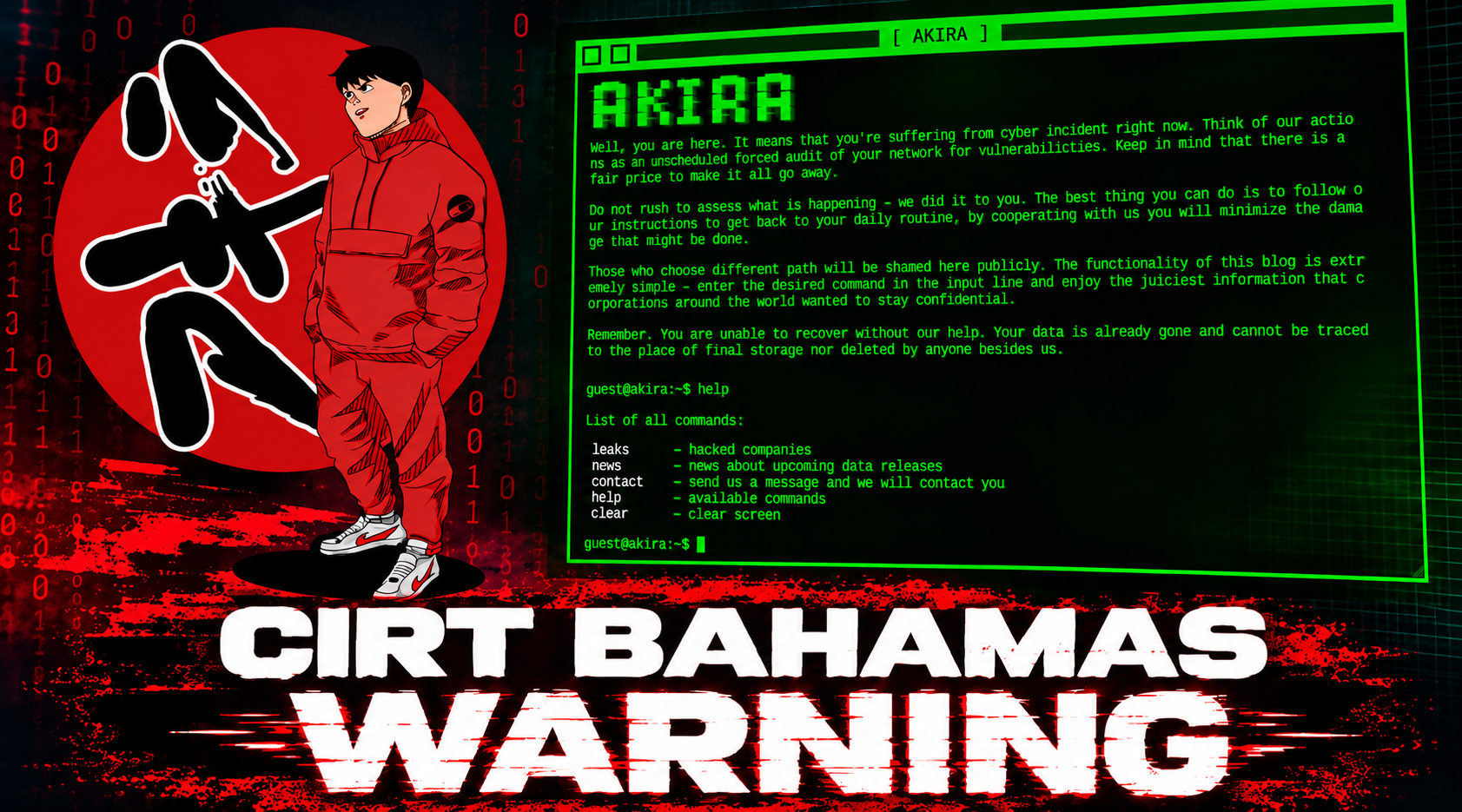
Nassau, The Bahamas, October 22, 2026 — The National Computer Incident Response Team of The Bahamas (CIRT-BS) has issued a cybersecurity advisory warning businesses, government institutions and other organisations about the growing threat posed by Akira ransomware, a cybercriminal operation capable of stealing sensitive information, disrupting networks and demanding ransom payments.
Active since March 2023, Akira operates through a Ransomware-as-a-Service model, with affiliates exploiting weaknesses in computer networks to gain unauthorised access.
Once inside, attackers can steal confidential data, disable recovery systems and encrypt files, preventing organisations from accessing critical information.
Particularly concerning is Akira’s use of double extortion, threatening to publish stolen information unless victims pay. Some attacks involve data theft without encryption.
The October 22 advisory identifies vulnerabilities involving Cisco and SonicWall firewalls, VPN services, Microsoft Remote Desktop Protocol, Veeam backup systems and outdated Windows and Linux operating systems. VMware ESXi and Nutanix AHV environments are also potential targets.
Attackers may exploit unpatched software, stolen login credentials and inadequately secured remote-access applications, including AnyDesk and RustDesk.
Warning signs include unexpected administrator accounts, unusual remote logins, unauthorised software installations, suspicious backup activity, mass file changes and ransom notes.
CIRT-BS recommends immediate security updates, multifactor authentication, restricted remote access, stronger network monitoring and secure backups maintained separately from operational systems.
Organisations should also remove unnecessary internet exposure of remote desktop services, limit administrative privileges and regularly test backup restoration.
The advisory does not identify any confirmed Akira attack against a Bahamian organisation but highlights vulnerabilities that could expose institutions to serious financial and operational disruption.
Cybersecurity incidents can be reported to CIRT-BS at soc@cirt.bs or through its official website.
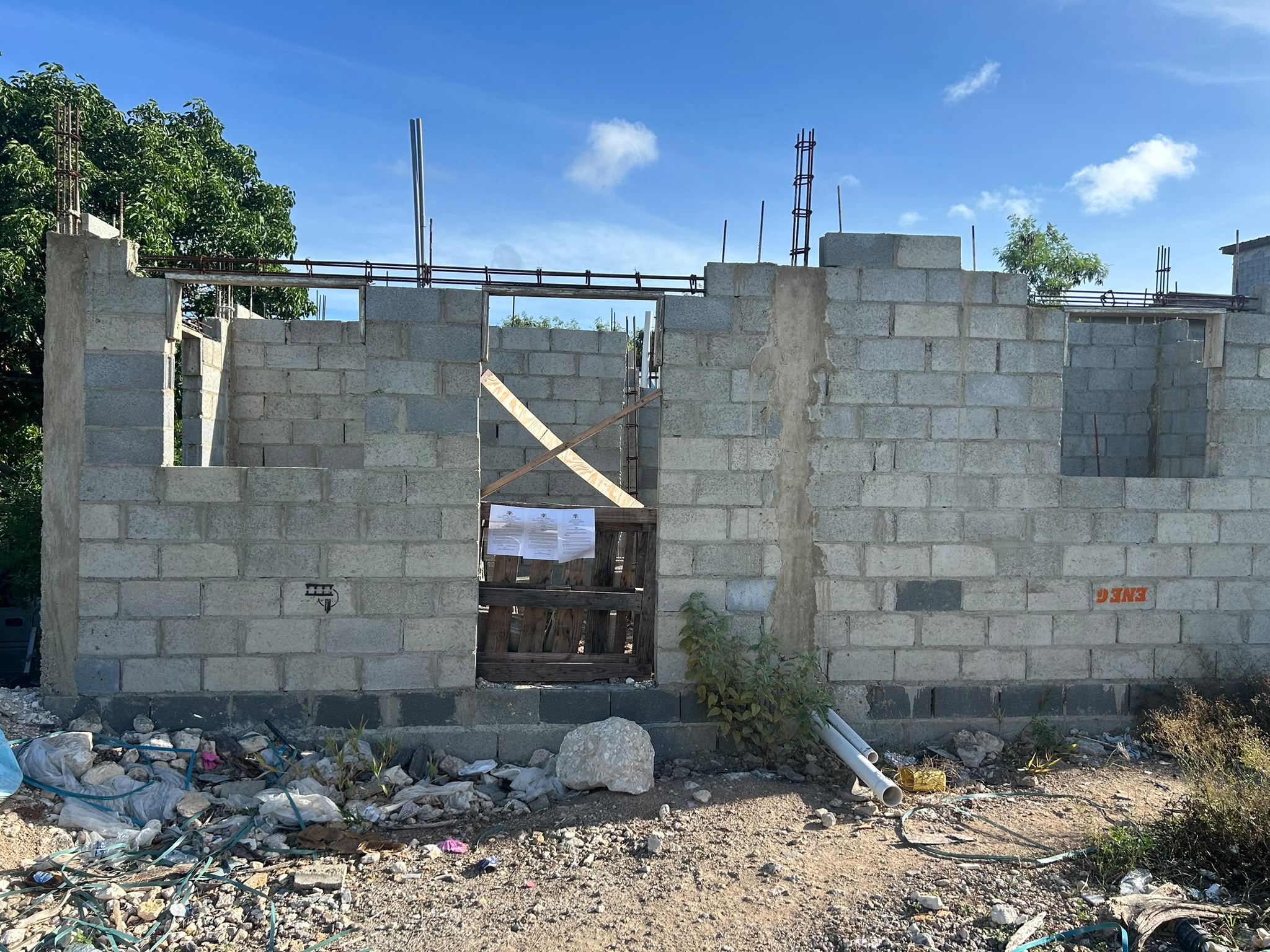
Providenciales, Turks and Caicos Islands – Wednesday, 21st October 2026: The Crown Land Unit, with coordination and support from the Informal Settlements Unit (ISU), conducted a multi-agency enforcement exercise in the Five Cays area of Providenciales on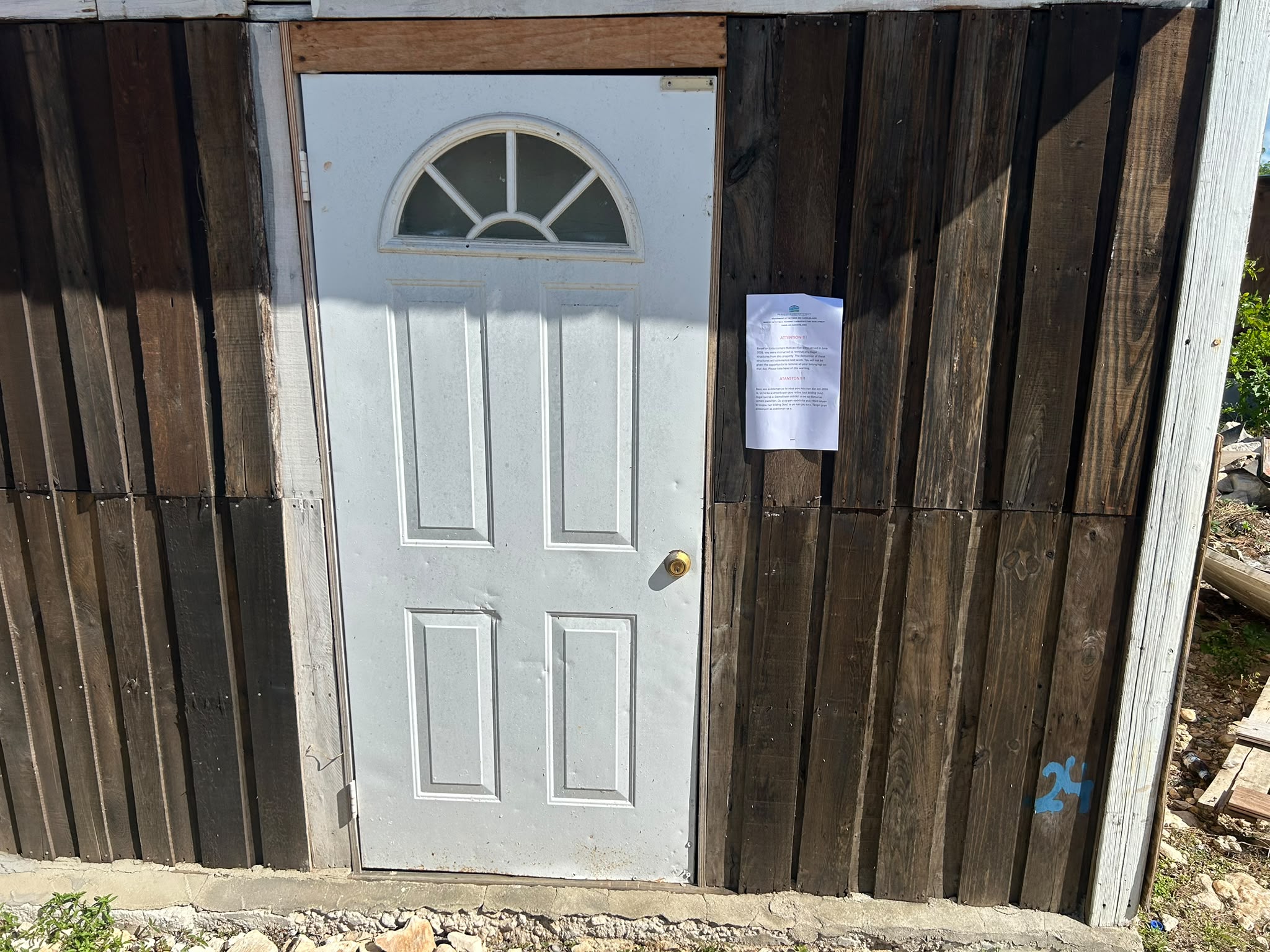 October 8, 2026, as part of the Government’s ongoing efforts to address the illegal occupation and unauthorized use of Crown land.
The exercise brought together representatives from the Crown Land Unit, ISU, TCI Border Force and Royal Turks and Caicos Islands Police Force. Inspections were conducted across several parcels of Crown land in Five Cays, where instances of illegal occupation and unauthorized use had been identified.
During the exercise, a total of seven (7) Section 22 Notices of Unauthorized Occupation were issued in accordance with the provisions of the Crown Land Ordinance. The notices related to the unauthorized placement of shipping containers and derelict vehicles, as well as the construction of an incomplete concrete structure on Crown land. Where occupants or other responsible persons were not present, notices were affixed to the relevant structures or items.
The exercise forms part of the Crown Land Unit’s continuing efforts to prevent squatting and encroachment on Crown land and to ensure that instances of unauthorized occupation are identified and appropriately addressed.
The Government of the Turks and Caicos Islands reminds the public that occupying, developing or otherwise using Crown land without lawful authority is an offence under the Crown Land Ordinance. These inspections and enforcement activities form part of a sustained program aimed at safeguarding public lands, discouraging unlawful development and ensuring that Crown land is managed in the best interests of the people of the Turks and Caicos Islands.
The Crown Land Unit will continue to work closely with the ISU and other partner agencies to identify and address instances of illegal occupation across the Islands. Persons occupying Crown land without authorization are encouraged to comply with all notices issued and to seek guidance from the relevant authorities where necessary.
News
Invest TCI Strengthens Regional Investment Connections at Caribbean Investment Forum 2026 in Barbados

Providenciales, Turks and Caicos Islands – Monday, 19th October 2026: Invest Turks and Caicos Agency (Invest TCI) strengthened its regional presence at the Caribbean Investment Forum (CIF) 2026, held October 5 – 7, 2026, in Bridgetown, Barbados, participating as both a sponsor of the Forum and representative of the Turks and Caicos Islands’ investment landscape.
The Caribbean Investment Forum brought together regional and international investors, government representatives, business leaders,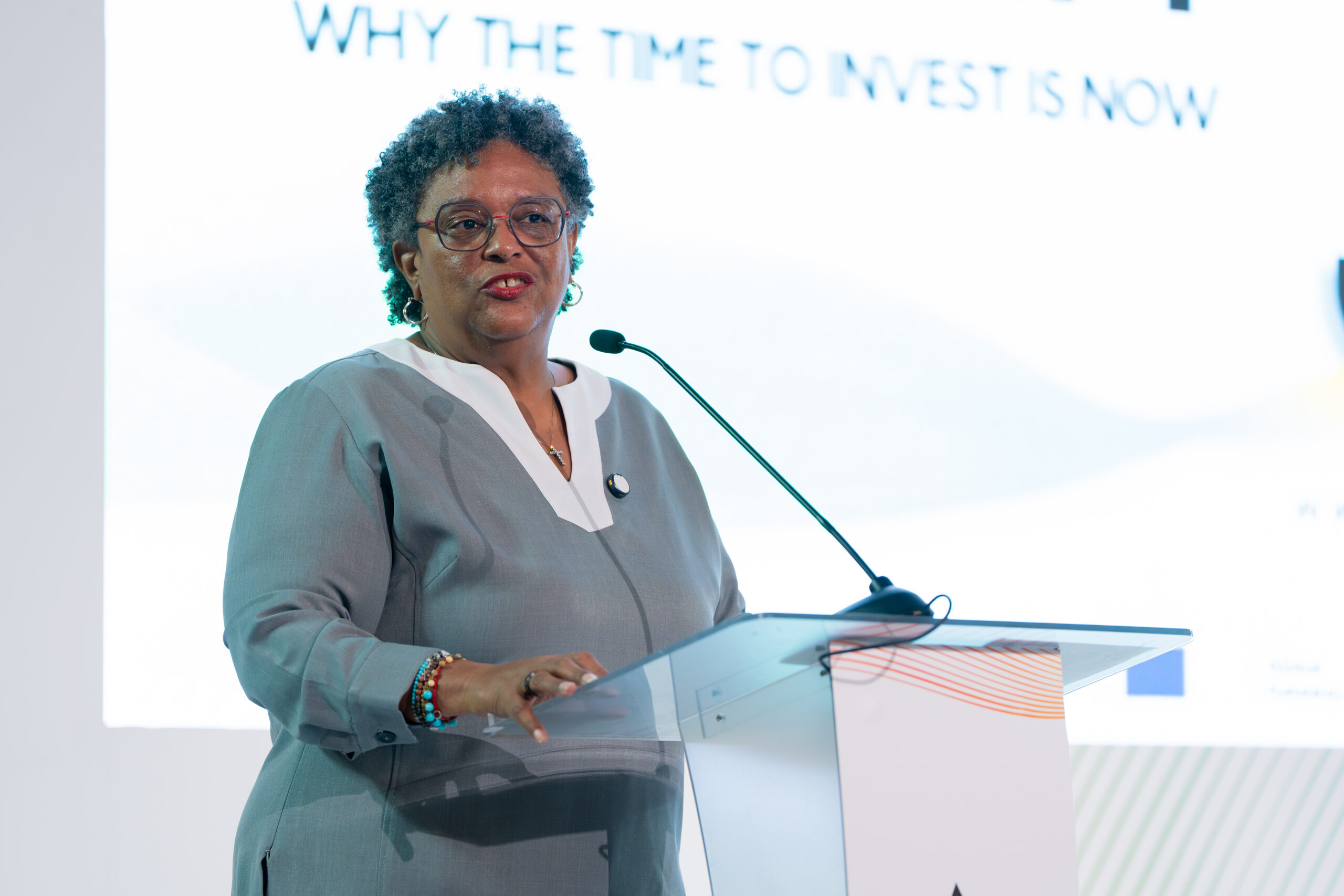 entrepreneurs, investment promotion agencies, and development partners to explore investment opportunities, strengthen partnerships, and advance sustainable economic development throughout the Caribbean.
The Agency’s sponsorship of CIF 2026 formed part of its continued commitment to strengthening the visibility of the Turks and Caicos Islands within the regional investment community and building relationships with investors, development partners, investment promotion agencies, and businesses across the Caribbean.
The opening of the Forum was attended by the Honourable Mia Amor Mottley, Prime Minister of Barbados, who emphasised the importance of scaling regional investment, strengthening economic cooperation, and transforming innovative ideas into commercially viable opportunities. Invest TCI was represented by Ms. Alexa Cooper, Domestic Investment Officer, and Mr. Hezron Henry, Marketing Support Officer. Throughout the Forum, the delegation engaged with stakeholders and promoted the Turks and Caicos Islands as a competitive investment destination while exploring opportunities for greater regional collaboration and knowledge exchange.
Speaking on her experience at the Forum, Ms. Alexa Cooper, Chief Domestic Investment Officer, said:
“CIF 2026 provided another valuable opportunity to engage with donor organisations, investors and Investment Promotion Agencies (IPAs) from across the Caribbean. A highlight for me was the introduction of an exclusive masterclass for fund managers, investors and support organisations, which offered practical insights into unlocking capital, strengthening investment ecosystems and supporting investment-ready businesses. I was equally impressed with the quality of projects pitched, which showcased the region’s innovation and investment potential. It was encouraging to see projects presented with a clearer understanding of investor expectations, reinforcing the importance of not simply developing projects, but ensuring they are well-structured, investment-ready and positioned to attract the right investment partners.”
Accompanying the Invest TCI delegation was Mr. Sean Penn, Chief Executive Officer of Sky Poultry Farm Ltd., the first commercial egg and poultry production facility in the Turks and Caicos Islands. Mr. Penn’s participation provided an opportunity to showcase the development of domestic enterprise within the Turks and Caicos Islands while highlighting the potential of agriculture and food production as part of the country’s broader economic diversification efforts.
Through his participation at CIF 2026, Mr. Penn had the opportunity to engage with regional stakeholders, gain exposure to developments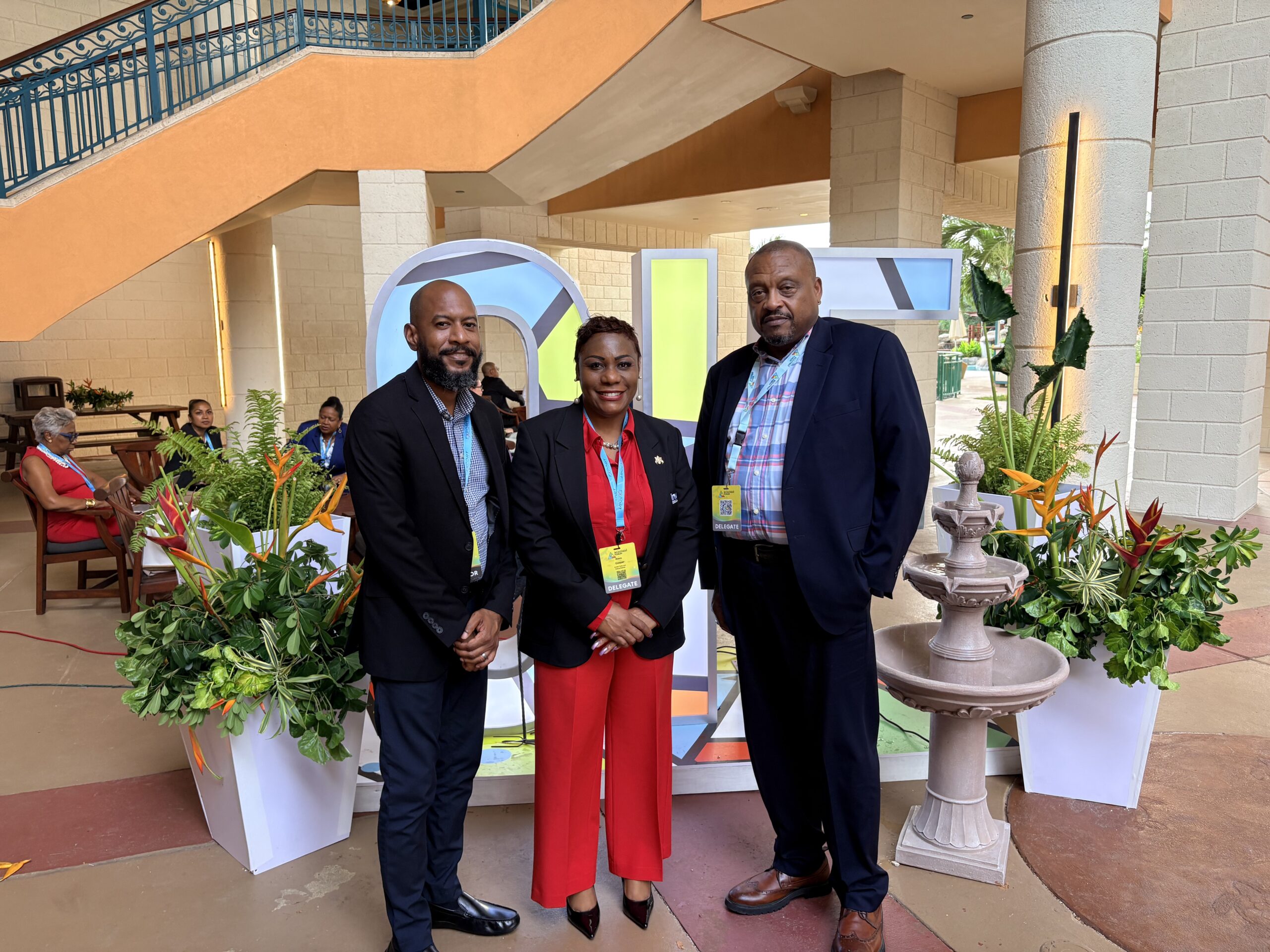 within the Caribbean agricultural sector, and explore potential partnerships and opportunities related to agricultural investment, innovation, and enterprise development.
For Invest TCI, the combination of sponsorship, investment promotion and local business representation provided a multifaceted platform to advance the Agency’s mandate. It allowed Invest TCI not only to promote the Turks and Caicos Islands to prospective investors but also to facilitate greater exposure for a local enterprise operating within an emerging sector of the economy. The Forum also provided opportunities for the Invest TCI delegation to exchange knowledge with regional counterparts, strengthen institutional relationships, and gain insight into investment trends and opportunities affecting Caribbean economies.
As the Caribbean Investment Forum continues to expand its regional reach, Santo Domingo, Dominican Republic, was announced as the destination for the next edition of the Forum, providing another opportunity to bring together investors, policymakers, investment promotion agencies and businesses from across the Caribbean and beyond.
Invest TCI looks forward to the continued growth of the Caribbean Investment Forum and the opportunities it creates to deepen regional partnerships, promote investment, and connect Caribbean businesses with new markets and sources of capital. The Agency remains committed to attracting sustainable investment, supporting domestic enterprise, encouraging economic diversification, and developing partnerships that contribute to the long-term economic development of the Turks and Caicos Islands.





-

 Independent writer1 week ago
Born Here, Raised Here, but Still Unable to Vote: Is this a Conundrum for TCI Electorate?
-

 Bahamas News5 days ago
Rosewood Exuma: A precedent-setting case for environmental law and future development in The Bahamas
-

 News3 days ago
Invest TCI Strengthens Regional Investment Connections at Caribbean Investment Forum 2026 in Barbados
-

 Bahamas News1 week ago
Monument Supports Hands for Hunger With Paradise Plates Debut
-
 Bahamas News4 days ago
Energy Minister Delivers Electrifying Keynote Opening Address at CAREC 2026
-

 Bahamas News1 week ago
Schweppes ‘the Art of Mixology’ Dazzles at Paradise Plates with Nemiroff Vodka
-
 Bahamas News6 hours ago
Bahamas Issues Cybersecurity Alert Over Akira Ransomware Threat
-

 News1 day ago
Crown Land Unit Leads Multi-Agency Enforcement Exercise in Five Cays