
Bahamas News
Grand Bahama International Airport Will Reopen Today









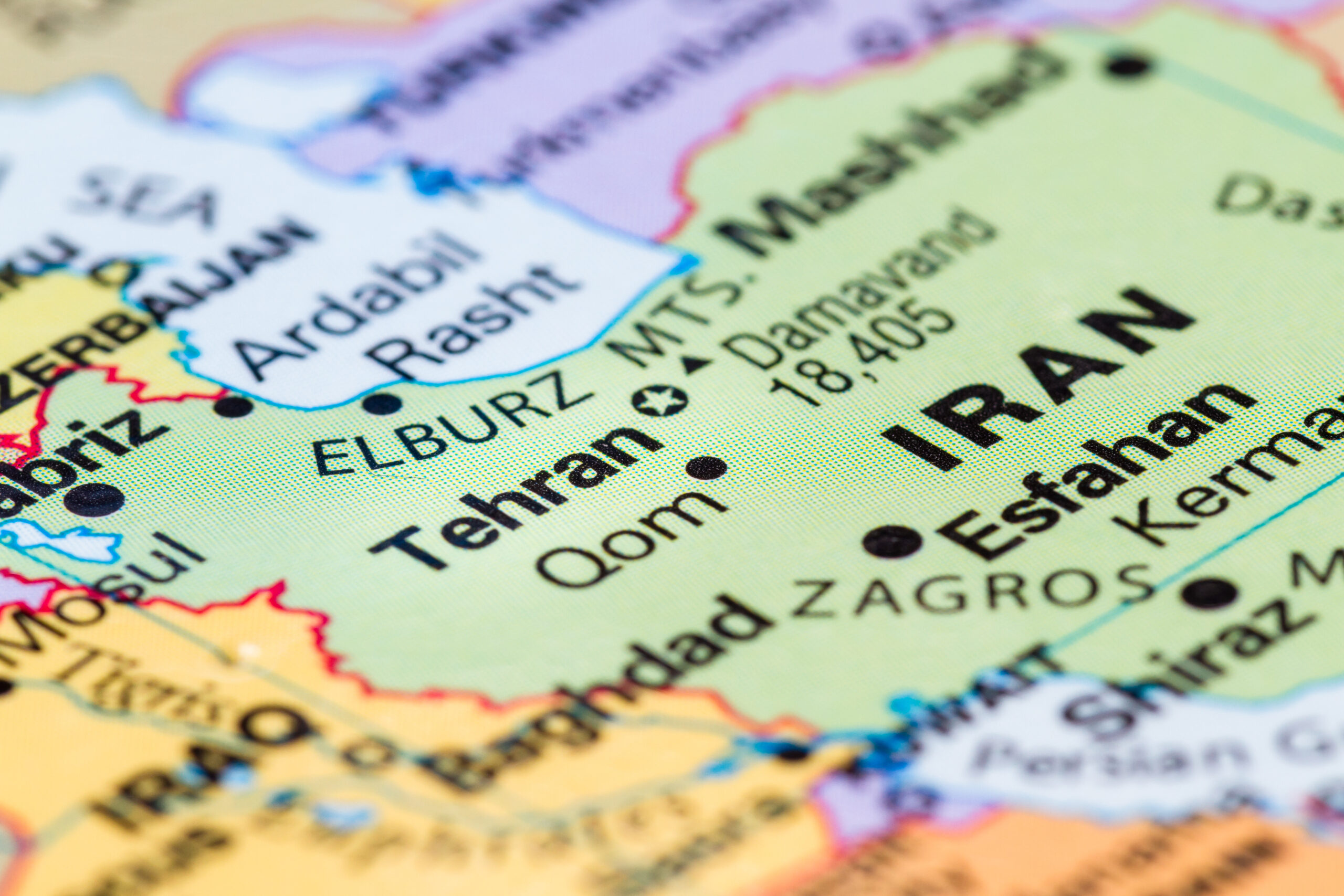
The Bahamas, March 18, 2026 – Twenty days into the latest Middle East escalation, the United Nations is warning the conflict is spreading beyond its original battlefield, as the death toll rises and governments around the world issue urgent travel advisories — including The Bahamas.
In a March 17 statement, the UN Secretary-General’s office said the war must stop and called for all Security Council resolutions to be respected, noting with concern that countries in the Gulf continue to be targeted, raising fears of a wider regional confrontation.
The current round of fighting began February 28 with strikes involving the United States, Israel and Iranian-linked forces, followed by missile and drone attacks across Iraq, Lebanon and parts of the Gulf.
International monitors report more than 1,300 people killed in Iran alone, with additional casualties reported in Lebanon, Israel and Gulf states. U.S. officials confirm at least 13 American service members have died since the escalation began, while reports indicate additional senior Iranian military leaders were killed in recent strikes.
Despite the growing violence, several NATO countries including the United Kingdom, France and Germany have not joined offensive operations, instead calling for diplomacy to prevent the conflict from widening.
The Bahamas Ministry of Foreign Affairs has also issued a travel advisory, warning Bahamian nationals to avoid travel to Israel, Palestine, Iran and Lebanon and to reconsider travel across much of the Gulf region due to the risk of sudden escalation, flight disruptions and security threats.
Officials say Bahamians already in the region should remain vigilant and be prepared for rapidly changing conditions.
Angle by Deandrea Hamilton. Built with ChatGPT (AI). Magnetic Media — CAPTURING LIFE.
Bahamas News
The Bahamas Celebrates Andrew Young at 94 – A Legend Honoured with Love at Baha Mar Gala
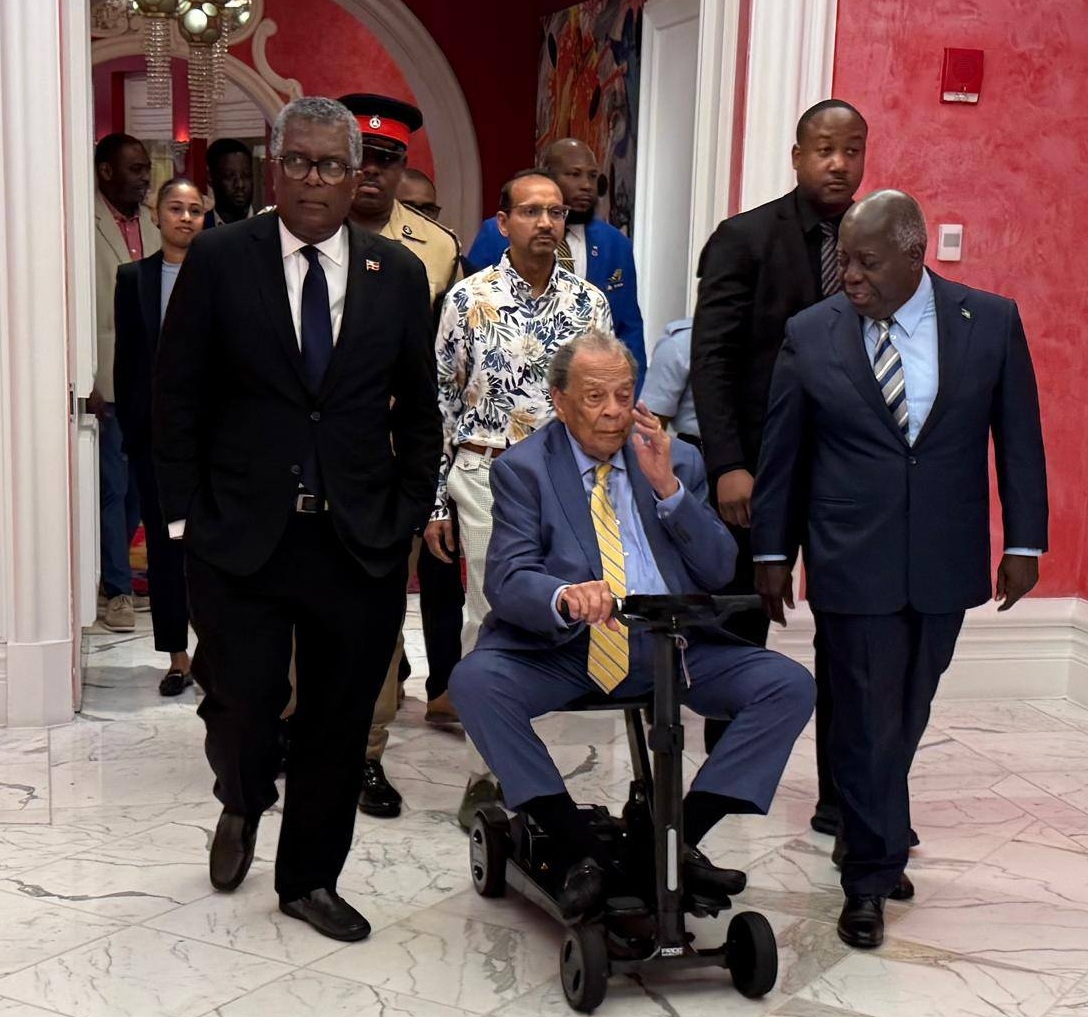
The Bahamas, March 18, 2026 – The Bahamas showed its deep affection for one of the world’s most respected civil rights leaders as Ambassador Andrew Jackson Young Jr. celebrated his 94th birthday in grand style at a gala held at the Eccho Art Gallery, Grand Hyatt Baha Mar on March 12, 2026.
The evening was filled with tributes, laughter and cultural pride, reflecting what many guests described as a genuine bond between Young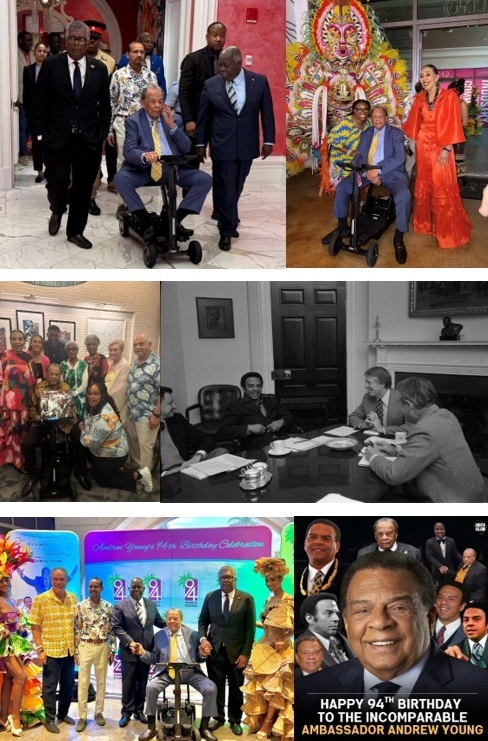 and The Bahamas — a country he has long admired and visited often. Those in attendance said the celebration felt less like a formal event and more like a heartfelt tribute to a man whose life has helped shape modern history.
Prime Minister Philip Davis, Foreign Affairs Minister Fred Mitchell, Bahamas Ambassador to the United States Wendall Jones, and U.S. Ambassador to The Bahamas Herschel Walker were among the dignitaries offering remarks, along with Andrew Young Foundation President Gaurav Kumar and other international guests.
The event was co-hosted by veteran broadcaster Karyn Greer of WSB-TV Channel 2 Action News and Bahamian journalist Dr. Deborah Bartlett, who both reflected on Young’s lifelong commitment to justice, diplomacy and public service.
Born in 1932, Andrew Young is widely regarded as one of the most influential figures of the American civil rights movement. He worked closely with Dr. Martin Luther King Jr., served as a key leader in the Southern Christian Leadership Conference, and later became a U.S. Congressman, U.S. Ambassador to the United Nations under President Jimmy Carter, and Mayor of Atlanta.
Over the decades, Young has been honoured by multiple U.S. presidents, including receiving the Presidential Medal of Freedom, the nation’s highest civilian award, from President Bill Clinton. His diplomatic work, civil rights leadership and global humanitarian efforts have earned him recognition across the world.
Guests noted that even at 94, Young remains active, engaged and passionate about international cooperation and human rights, continuing to inspire new generations.
His wife, Carolyn McClain Young, delivered the vote of thanks, expressing gratitude for what she called the warmth and love shown by the Bahamian people.
The celebration ended in true island fashion with a Junkanoo rush-out, bringing guests to their feet in a joyful close to an evening that blended history, culture and admiration.
For many in attendance, the message of the night was simple — Andrew Young loves The Bahamas, and The Bahamas loves him right back.
Developed by Deandrea Hamilton • with ChatGPT (AI) • edited by Magnetic Media.
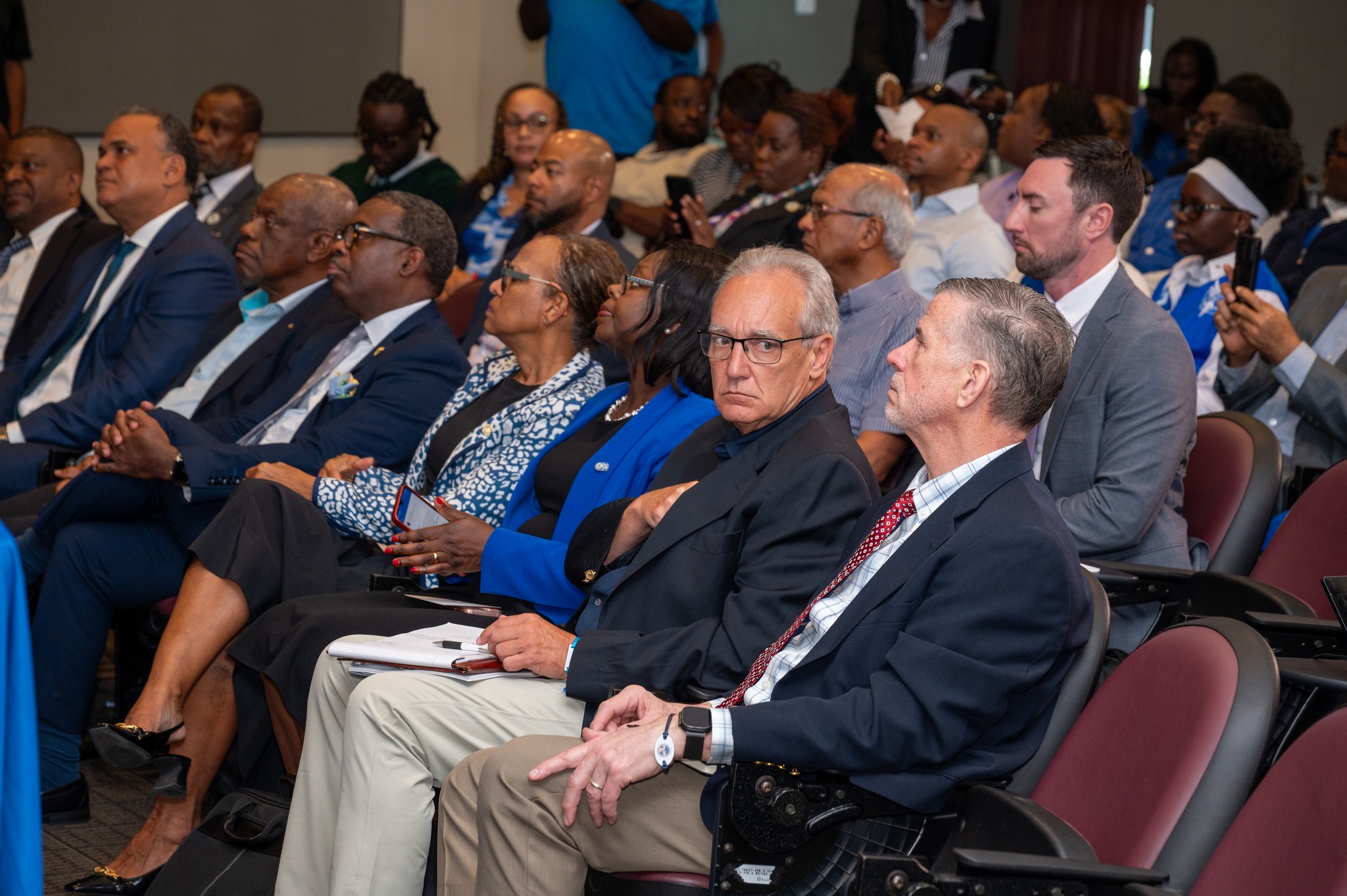
Nassau, THE BAHAMAS – From pressures on the independence of the US Federal Reserve and relations with China to the instability facing the global economic landscape and how it all impacts The Bahamas’ economy and prospects, Tuesday’s Central Banking Series hosted by University of The Bahamas (UB) in partnership with the Global Interdependence Center (GIC) peeled back the layers of the most critical factors impacting the world’s economic landscape.
At the one-day summit, top economic strategists, policymakers, academics, and economists gave frank and considered insights on the range of opportunities and challenges. In facilitating the high-level talks, UB’s Government and Public Policy Institute (GPPI) continues to provide the platform for evidence-based dialogue on public policy and reform.
“By convening world-class thinkers, policymakers, and practitioners here in Nassau, we affirm that The Bahamas is not solely a subject of global economic forces, but also a participant in the conversations that shape them,” said UB President Dr. Robert Blaine, III.
In his remarks, Minister of Economic Affairs Senator the Honourable Michael Halkitis acknowledged the ripple effects of financial shifts which put pressure on the Bahamian economy, yet he acknowledged that the economy is on the rise. He expressed confidence in the country’s readiness to adapt, citing a deep talent pool and expanding foreign and domestic investments.
“What makes this period particularly significant is the breadth of investment activity across sectors,” said Minister Halkitis, a UB alumnus. “Tourism development remains strong, but it is not the sole driver of growth. Investments are expanding into renewable energy, maritime services, digital infrastructure, agriculture, logistics and the blue and green economies.”
Economist and Former President and CEO of the Federal Reserve of Richmond, Dr. Jeffrey Lacker offered a sobering view on the independence of the US Federal Reserve, a topic that has attracted much national and international in the face of blistering pronouncements by US President Donald Trump.
Dr. Lacker said the Federal Reserve’s choice of monetary policy instrument and setting of the overnight interest rate that it controls should be “free of executive branch and congressional meddling.”
“And by meddling, what I mean is overtly expressed policy direction, opinions about where policies should go, expressed in a way that carries with it the implied threat of adverse consequences to either the individual or the institution, either in the form of legislative changes or some sort of political harassment,” he said.
“The value of insulating day-to-day, meeting-to-meeting monetary policy from pressure from elected officials with an eye on their next election is widely recognized. Neglecting that pressure, caving into that pressure is a road to short-termism, or short-term stimulus at the cost of inflation later on.”
Other pertinent conversations at the summit focused on digital initiatives for financial inclusion, monetary and fiscal policies and strategies in The Bahamas, and the impact of AI on macroeconomic conditions. There was also a special presentation on the history and value of gold. Students from Government High School were among the audience members gaining knowledge from experts.
“When we determined the theme for this year, being Challenges and Opportunities in a Dynamic Global Environment, we did not know what was going to evolve in recent times,” said GPPI Executive Director Zhivargo Laing, referring to the war that the US and Israel initiated against Iran. “So I would like to think that maybe there was a little bit of insight that was taking place during the course of our discussions. But we are here again for the third time with our partners at the GIC to entertain a deep discussion on just what are those challenges and opportunities in this very dynamic environment in which we find ourselves.”





-

 News1 week ago
CARICOM – A Regional Club With Benefits; Turks & Caicos Wants In
-

 Health7 days ago
Turks and Caicos Islands Hospital Celebrates Patient Safety Awareness Month: “Team Up for Patient Safety”
-

 News16 hours ago
Password to Paradise Radio Remotes at Beaches Turks & Caicos continue to highlight the TCI as the preferred Caribbean destination
-

 News2 days ago
Beaches Turks & Caicos adds four new PADI Dive Instructors to the cadre of professionals in the watersports department
-
 Health7 days ago
Turks and Caicos Islands Medical Association (TCIMA) Elects New Executive
-
 News2 days ago
Beaches Turks & Caicos shares fine dining experiences to high school students in Providenciales
-

 News5 days ago
Flow TCI supports ‘Stars of Tomorrow’ at Inter-Primary Track and Field Championships
-
 News5 days ago
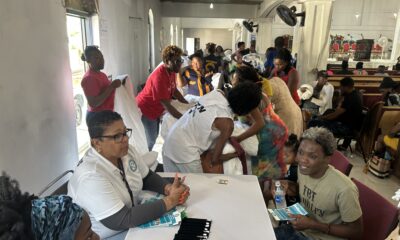
ISU Community Caravan Delivers Essential Services to Granny Hill North