
News
TCI Women can win $780,000 contract, CDB encourages gender equality



Bahamas News
Public Hospitals Authority Foundation Donates Dialysis Machines to Princess Margaret Hospital (PMH)
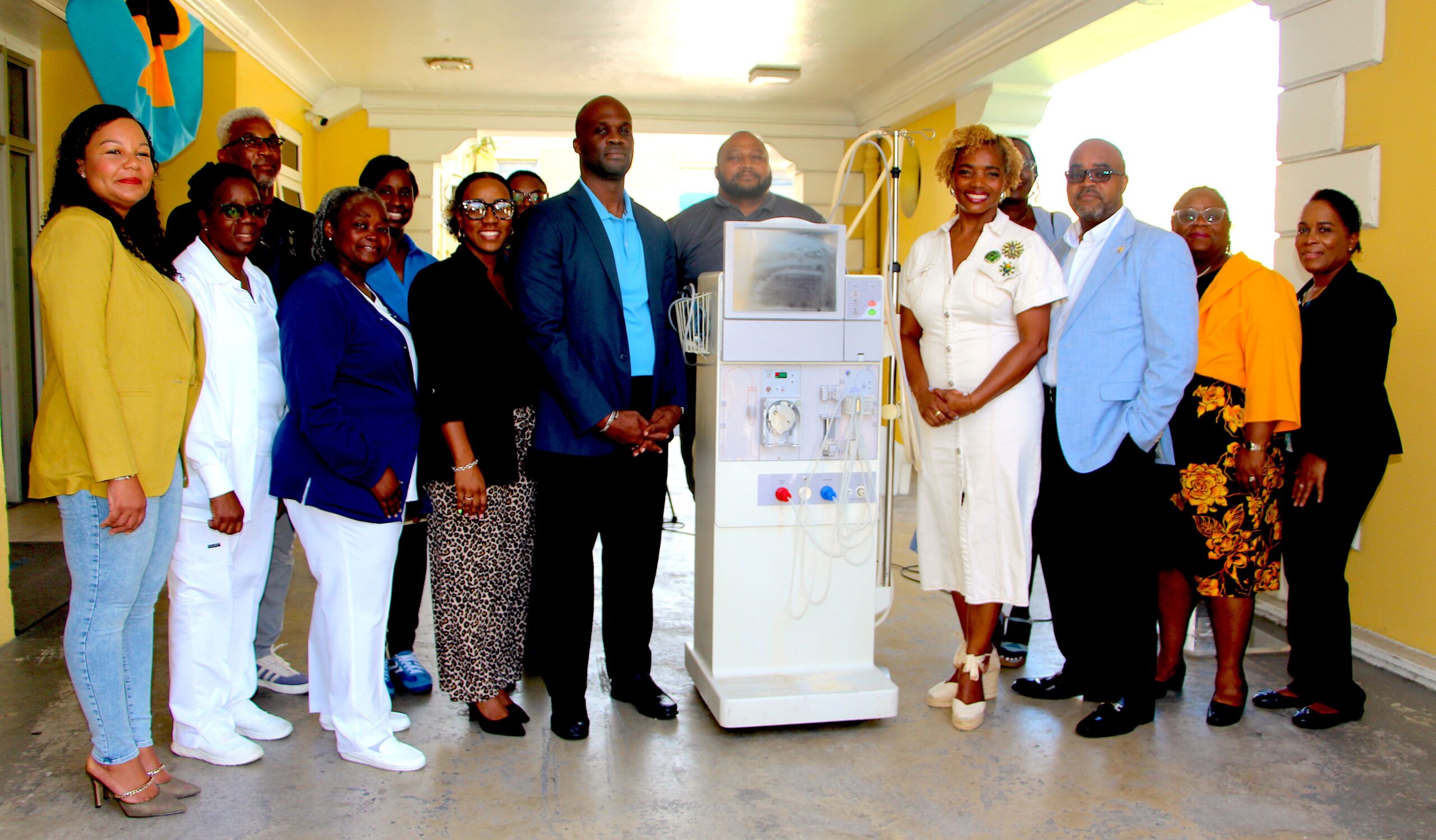
The Bahamas, September 21, 2026 – The Public Hospitals Authority (PHA) Foundation, a philanthropic organization launched in January 2024 to support public hospitals and healthcare clinics, donated eight additional dialysis machines for the PMH Renal Services unit.
Director of Foundations, Corporate and Community Relations for the Public Hospitals Authority and Executive Director of the foundation, Alana Major, said this initiative is a part of the foundation’s “Sun, Sea and Second Chances” campaign. PHA Foundation aims to secure 30 machines for Princess Margaret Hospital.
“As of today, with this donation, we are now up to 15 machines, so we are very excited about that,” Ms. Major said.
Other members of the foundation were present, including PHA Foundation Chairman Mr. Selvin Basden, who said the foundation is committed to doing its part in fulfilling the mandate of the Government of the Bahamas.
“One of the tenets of the Government is to ensure that access to healthcare is a human right. We are committed to ensuring that, at least from our part, we can deliver on that principle,” Mr. Basden said.
The PMH Renal Services Unit dialyzes about 150 to 170 patients annually. The unit provides care for patients who have been diagnosed with end-stage kidney disease and now need renal support. Patients who receive dialysis typically come to the unit three times a week, either on a Monday-Wednesday-Friday schedule or a Tuesday-Thursday-Saturday schedule.
Head of Department for Renal Services, Dr. Thurston Carroll, said she and the unit are excited to receive the donation, as it will replace machines that are not operating optimally.
“We are particularly excited about today’s donation because, although we have 20 stations within the dialysis unit, we have an aging fleet. These new machines and new water-treatment equipment will allow us to replace some of our aging equipment so that we can continue providing services to our patients.”
Foundation representatives noted that one or two organizations are already considering making bulk donations and if it happens, the foundation may be able to secure another 10 machines or another five machines in the very near future.
PMH Deputy Hospital Administrator Angelica Lockhart-Bastian and Hospital Administrator Mr. Tevard Bastian thanked the PHA Foundation for its donation to Princess Margaret Hospital.
Also in attendance were PHA Foundation Deputy Chairman Dr. Erecia Hepburn; Foundation guest Dr. Maria Oriakhi; Chief Biomedical Engineer Mr. Theodore Nottage; Administrative Officer Ms. Appapisa Neely; and Senior Assistant Hospital Administrator Mr. Valdez Bowe.
By Christina Williams
Bahamas Information Services
BIS Photos/Mark Ford
PHOTO CAPTION:
Group Photo, from left:
– Dr. Rhea Thurston Carroll, Director, Renal Services, PMH
– Nurse Kim Harris, Dialysis Nurse, Dialysis Unit, PMH
– Sister Darnell Roker, Nurse Manager, Dialysis Unit, PMH
– Mrs. Angelica Lockhart-Bastian, Deputy Hospital Administrator PMH
– Mr. Tevard Bastian, Hospital Administrator PMH
– Mrs. Alana Major, Director, Foundations, Community and Corporate Relations, PHA
– Mr. Selvin Basden, Chairman, PHA Foundation
– Dr. Erecia Hepburn, PHA Foundation Board
– Ms. Donette Danvers, Executive Assistant, Foundations, Community and Corporate Relations, PHA

Miami, Florida – Director of Aviation and Deputy Director General of Tourism, Dr. Kenneth Romer was presented with The 2025-2026 Infrastructure Leadership MVP Award, during the 10th Annual Caribbean Infrastructure Forum (CARIF) held in Miami September 15-16, 2026.
According to event organizers, New Energy Events, the MVP Leadership Award is the highest individual honor in the industry and is presented to an individual who has demonstrated exceptional, strategic and visionary leadership in advancing infrastructure in the Caribbean. Chosen by an independent jury of regional industry leaders, “The recipient is recognized for their sustained impact, influence across sectors, and dedication to driving meaningful progress in policy, investment, or project delivery”, said Event Organizers.
Romer becomes only the third person from the Region, and the first from The Bahamas to receive the Leadership MVP Award, joining last year’s winner The Honourable Mia Mottley, Prime Minister of Barbados.
Represented among the Conference Speakers and present at the Award Ceremony was Minister of Energy, Utilities and Aviation, The Honourable JoBeth Coleby-Davis, who said that, “This award amplifies The Bahamas Government’s commitment to executing a vision that sets the benchmark for infrastructural investments opportunities across our archipelago while supporting exemplary Bahamian leaders like Dr. Romer, who are steering the Caribbean toward more resilient, investable, and innovative infrastructure”.
“While this award is deemed an individual honor, it is a recognition of the Bahamas’ position as a respected regional leader and more so, a reflection of the incredible talent that resides within our small, but indomitable nation that continues to punch above its weight class as the world marks the manner of our bearing”, said Dr. Romer.
Dr. Romer has been instrumental in driving post-pandemic tourism recovery alongside the transformation of airports across the Family Islands through the Government’s landmark Family Islands Renaissance initiative. Under his leadership as Director of Aviation and Deputy Director General of Tourism, the sector has embraced a strategic, forward-looking approach focused on modernizing over 19 runways and terminals, strengthening safety and resilience, expanding international and regional connectivity, and leveraging public-private partnerships to deliver world-class facilities.
Dr. Romer’s work has helped translate the National Aviation Strategic Plan into tangible infrastructure projects that are creating new opportunities for tourism, investment, entrepreneurship and economic growth across the archipelago.
In 2025, he became the first person from the Caribbean and LATAM Region to be appointed to the Board of the International Association of Airports Executives.
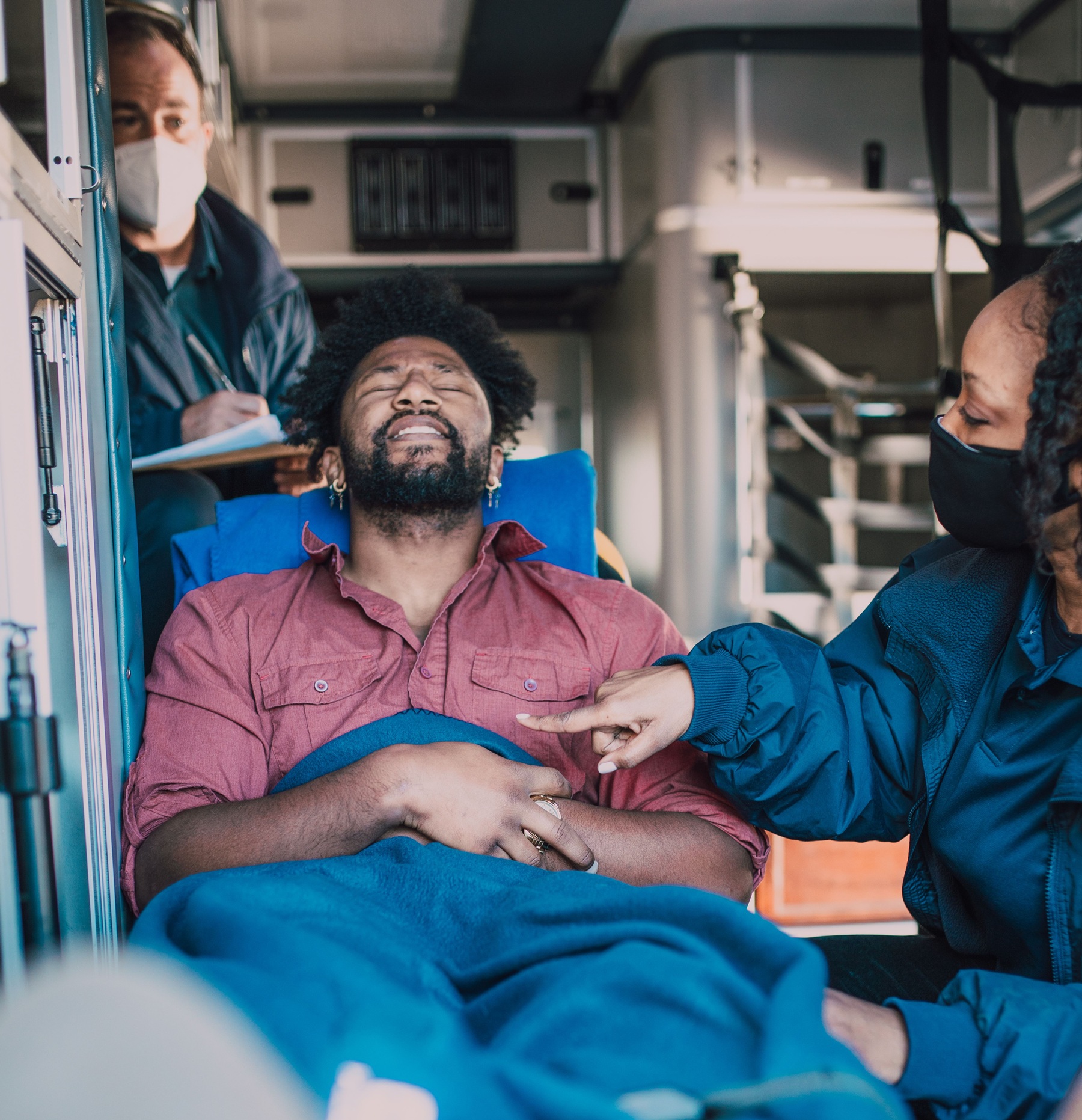
Choose the ER when delaying care could have serious or even life-threatening consequences
When you’re dealing with an unexpected illness or injury, it isn’t always easy to know where to go. Should you head to urgent care? Or is it safer to go straight to the emergency room (ER)?
The answer depends on what’s happening and how severe your symptoms are. But in the moment, it can be especially difficult to keep calm and figure out what’s best.
Emergency medicine physician B. Bryan Graham, DO, explains how understanding the difference can help you get the right care at the right time, especially when every minute matters.
What’s the difference between urgent care and the ER?
Urgent care centers and emergency rooms both provide medical care when you can’t wait for an appointment. But they serve very different purposes.
“Urgent care generally handles illnesses and injuries that need treatment soon but aren’t life-threatening,” Dr. Graham explains. “Emergency departments are equipped to handle serious emergencies where delaying care could have serious consequences.”
Dr. Graham breaks down more specific differences between the two and how to decide where to go for the care you or a loved one needs.
What is urgent care?
Urgent care centers fill the gap between your primary care provider’s office and the emergency room.
“They’re able to treat a wide variety of conditions that need to be seen the same day,” Dr. Graham says. “Many urgent care locations offer walk-in appointments and extended evening or weekend hours.”
Urgent care may be appropriate for:
- Symptoms of common viral illnesses, like cold and flu
- Wounds and cuts (including those that require stitches)
- Ear infections
- Superficial wounds or burns
- Pink eye
- Possible sprains, strains or fractures
- Sinus infections
- Skin rashes
- Sore throats
- Sprains and strains
- Urinary tract infections (UTIs)
Some urgent care centers provide services like X-rays, splinting, stitches and simple lab tests. But availability varies by location, so it can be helpful to learn in advance — before you need care — what services the urgent care closest to you provides.
“These facilities can treat many common illnesses and injuries,” Dr. Graham reiterates, “but they aren’t designed to manage severe or life-threatening emergencies. If your symptoms suddenly worsen or seem serious, the ER is typically the better choice.”
What is the ER?
Emergency rooms (sometimes called emergency departments, or EDs) are open 24 hours a day, seven days a week. They’re equipped to treat serious medical emergencies.
“People who come to the emergency department are typically treated based on the severity of their condition,” Dr. Graham explains. “That means that someone with a life-threatening emergency will be seen before someone with less urgent symptoms.”
You should go to the ER or call 911 if you experience:
- Breathing problems, including severe shortness of breath
- Chest pain or symptoms of a heart attack
- Signs of a stroke, like sudden weakness, facial drooping or difficulty speaking
- Major injuries, such as from a car accident or other trauma
- Mental health crises or psychiatric emergencies
- Poisoning
- Pregnancy-related emergencies, like heavy bleeding or signs of ectopic pregnancy
- Seizures
- Serious head injuries, especially those with loss of consciousness (passing out)
- Signs of a serious infection
- Significant dehydration
- Severe allergic reaction (anaphylaxis)
- Severe bleeding that won’t stop
- Severe burns
- Sudden, severe pain that feels intense or alarming
When needed, emergency departments can provide:
- Advanced testing, like CT scans, ultrasounds and EKGs
- Specialized emergency care, like in geriatrics and pediatrics
- Emergency procedures, including defibrillation and intubation
- Emergency surgery (and stabilization before emergency surgery that takes place in an operating room)
The ER is also the appropriate place for any situation where delaying care could lead to serious complications.
When should you go to urgent care vs. the ER?
When you’re trying to make the call between urgent care and the ER, the biggest question to ask yourself is: Could this condition be life-threatening?
If the answer is yes, go to the ER.
“If you could put the word ‘severe’ before your symptoms — whatever they are — you should likely seek emergency care,” Dr. Graham states.
If the condition is uncomfortable, painful or needs attention soon but doesn’t seem to pose an immediate threat to your health, urgent care may be the right choice.
Dr. Graham offers some specific principles to consider.
Choose urgent care if you:
- Have symptoms that are bothersome but stable

- Need treatment within hours, not minutes
- May need an X-ray, stitches or basic testing
- Can’t get a timely appointment with your primary care provider
- Have a common illness or minor injury that’s unlikely to become life-threatening

Choose the ER if you:
- Have sudden and severe symptoms
- Have chest pain, trouble breathing or stroke symptoms
- Are experiencing uncontrolled bleeding
- Lost consciousness or had a seizure
- Have a serious injury, severe burn or major trauma
- Believe delaying care could put your health or safety at risk
Final thoughts
Facing a medical issue can be scary, especially when you’re dealing with a potential emergency.
If you’re not sure whether a situation is an emergency, it’s generally safest to seek care in the ER, especially when symptoms are:
- Severe
- Quickly getting worse
- Affecting your ability to breathe, think clearly or function normally
But above all, remember: There’s no perfect decision-making formula. Medical symptoms don’t always fit neatly into categories.
“It’s important to listen to your instincts,” Dr. Graham encourages. “Don’t go by lists alone. If something feels seriously wrong, don’t spend precious time trying to diagnose yourself.”





-

 Education1 week ago
Department of Education Concludes Four-Day TCI National Standards Secondary School Curriculum Implementation Training
-

 Independent writer1 week ago
Fifty Years of Ministerial Government: Honouring Our Past, Embracing Our Present and Preparing for Our Destiny
-

 News1 week ago
UNDER 40 DAYS: COMMITTEE FORMED—BUT WHO IS ON IT?
-

 Health7 days ago
Know the Possible Warning Signs of Prostate Cancer
-

 Independent writer2 days ago
Letter to The Editor
-

 Education5 days ago
TCI Schools Invited to Participate in 2026 National Student Council Election
-

 News5 days ago
Liberty Business launches in Turks and Caicos Islands
-

 Bahamas News20 hours ago
Romer Receives Regional Leadership Award