
News
Ministerial Statement by Hon Delroy Williams



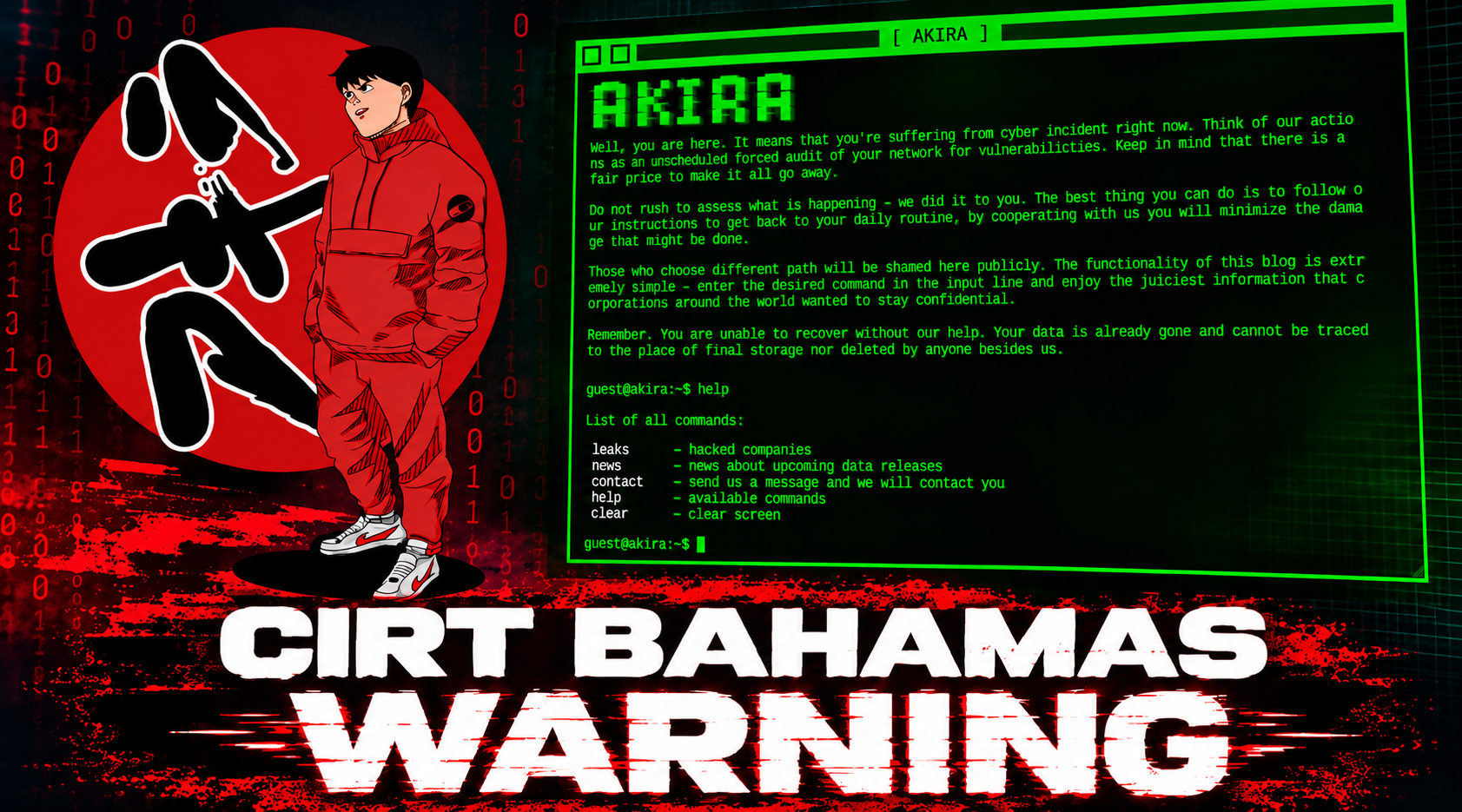
Nassau, The Bahamas, October 22, 2026 — The National Computer Incident Response Team of The Bahamas (CIRT-BS) has issued a cybersecurity advisory warning businesses, government institutions and other organisations about the growing threat posed by Akira ransomware, a cybercriminal operation capable of stealing sensitive information, disrupting networks and demanding ransom payments.
Active since March 2023, Akira operates through a Ransomware-as-a-Service model, with affiliates exploiting weaknesses in computer networks to gain unauthorised access.
Once inside, attackers can steal confidential data, disable recovery systems and encrypt files, preventing organisations from accessing critical information.
Particularly concerning is Akira’s use of double extortion, threatening to publish stolen information unless victims pay. Some attacks involve data theft without encryption.
The October 22 advisory identifies vulnerabilities involving Cisco and SonicWall firewalls, VPN services, Microsoft Remote Desktop Protocol, Veeam backup systems and outdated Windows and Linux operating systems. VMware ESXi and Nutanix AHV environments are also potential targets.
Attackers may exploit unpatched software, stolen login credentials and inadequately secured remote-access applications, including AnyDesk and RustDesk.
Warning signs include unexpected administrator accounts, unusual remote logins, unauthorised software installations, suspicious backup activity, mass file changes and ransom notes.
CIRT-BS recommends immediate security updates, multifactor authentication, restricted remote access, stronger network monitoring and secure backups maintained separately from operational systems.
Organisations should also remove unnecessary internet exposure of remote desktop services, limit administrative privileges and regularly test backup restoration.
The advisory does not identify any confirmed Akira attack against a Bahamian organisation but highlights vulnerabilities that could expose institutions to serious financial and operational disruption.
Cybersecurity incidents can be reported to CIRT-BS at soc@cirt.bs or through its official website.
News
BermudAir Launches Service to the Turks and Caicos Islands on October 26th, Expanding Air Connectivity Ahead of Winter Season

Providenciales, Turks and Caicos Islands (October 22nd, 2026) – The Turks and Caicos Islands welcomes BermudAir as the airline begins its service to the destination on Monday, October 26th, marking the start of a wider expansion that will connect us with additional cities across the United States, Canada and the Caribbean.
BermudAir’s service will begin with a new nonstop service between Fort Lauderdale, Florida, and Providenciales. The flight will depart from the Howard Hamilton International Airport at 8 am on Monday morning and arrives at 7.40 pm. Aboard the inaugural flight will be a delegation from the Turks and Caicos Islands led by Experience Turks and Caicos and the Turks and Caicos Islands Airports Authority (TCIAA), and will include Deputy Governor, Her Excellency Anya Williams, Minister of Tourism, Hon. Zhavargo Jolly, as well s representatives of the Turks and Caicos Hotel and Tourism Association (TCHTA), the board of the Turks and Caicos Islands Tourism Authority, Invest TC and local media.
BermudAir will operate the Fort Lauderdale–Providenciales route three times weekly, on Mondays, Wednesdays and Fridays, through May 3rd, 2027. making it easier for business travellers with the schedule offering the potential for same-day return trips. The airline is also launching nonstop service between Fort Lauderdale and Belize City, Belize, on the same schedule, offering travellers in South Florida direct access to both destinations.
The new service introduces BermudAir’s premium leisure inflight experience to the Turks and Caicos Islands. Flights will operate on Embraer E190 aircraft configured without middle seats, giving every passenger a window or aisle seat, alongside complimentary snacks and beverages.
Minister of Tourism, the Honourable Zhavargo Jolly, welcomed the airline’s arrival, noting the importance of expanding airlift to support the continued development of the destination’s tourism industry.
“Air connectivity remains one of the most important factors in the continued development of our tourism industry. BermudAir’s expansion represents an opportunity to strengthen our connections with key international markets while opening new doors for our sister islands. I am particularly encouraged by the planned direct service between Newark and South Caicos, which speaks directly to our vision of expanding tourism opportunities across the Turks and Caicos Islands. Our objective is to ensure that improved connectivity translates into greater economic activity, stronger local businesses and more opportunities for Turks and Caicos Islanders to participate in and benefit from tourism.” said Minister Jolly.
Commenting on the significance of the new route for the country’s development, the Honourable Arlington Musgrove, Minister of Physical Planning and Infrastructure Development (PPID), stated: “The introduction of BermudAir’s new service is a testament to the continued growth and development of our aviation sector. The Ministry of Physical Planning and Infrastructure Development, alongside the Turks and Caicos Islands Airports Authority, remains dedicated to enhancing our airport infrastructure to accommodate increased airlift. We are committed to working to ensure that our facilities provide a seamless, world-class experience for all incoming passengers and we warmly welcome BermudAir to our shores.”
The Fort Lauderdale launch is the first of several new services BermudAir plans to introduce to the Turks and Caicos Islands for the 2026– 2027 winter season. Additional connections to Providenciales are scheduled from:
- Bermuda to TCI and Grand Cayman: Beginning December 18th, 2026
- Anguilla: Beginning December 19th, 2026
- Boston, Massachusetts: Beginning December 19th, 2026
- Toronto, Canada: Beginning December 19th, 2026
- Raleigh-Durham, North Carolina: Beginning December 20th, 2026
- Newark, New Jersey to South Caicos: Beginning December 20th, 2026
- St. Petersburg/Tampa, Florida: Beginning December 21st, 2026
- Baltimore-Washington: Beginning December 24th, 2026
The expansion will give travellers more options for reaching the destination during the winter travel season, while broadening access from established and developing source markets. The additional routes also create opportunities for tourism stakeholders to reach new audiences and encourage visitors to explore more of the islands.
For flight schedules and bookings, visit www.flybermudair.com.
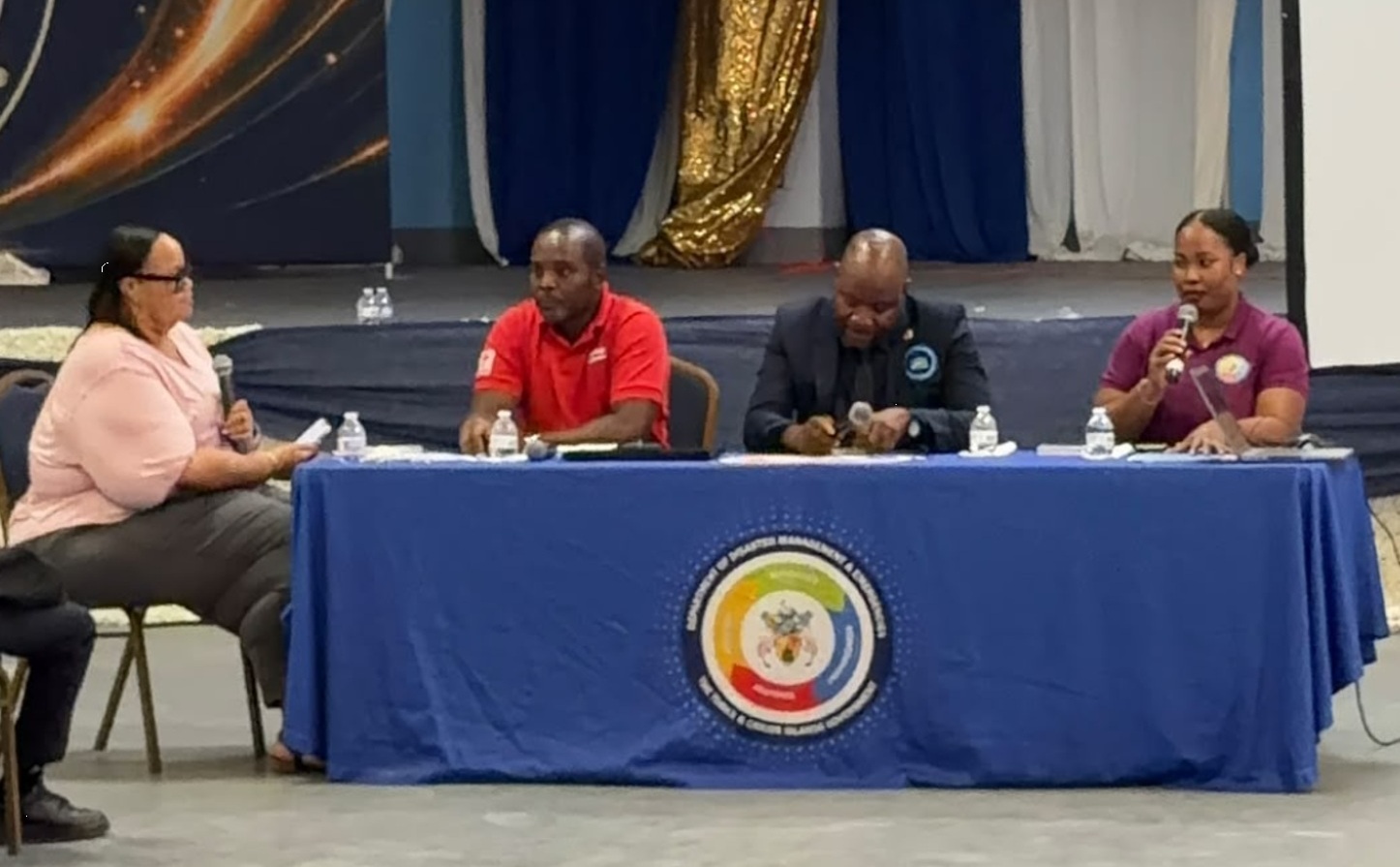
Providenciales, Turks and Caicos Islands – Thursday, 22 October 2026: The Department of Disaster Management and Emergencies (DDME) joined the global observance of International Day for Disaster Risk Reduction (IDDRR) on October 13th. Various initiatives were held throughout the islands to bring awareness to the public, including panel discussions, community engagement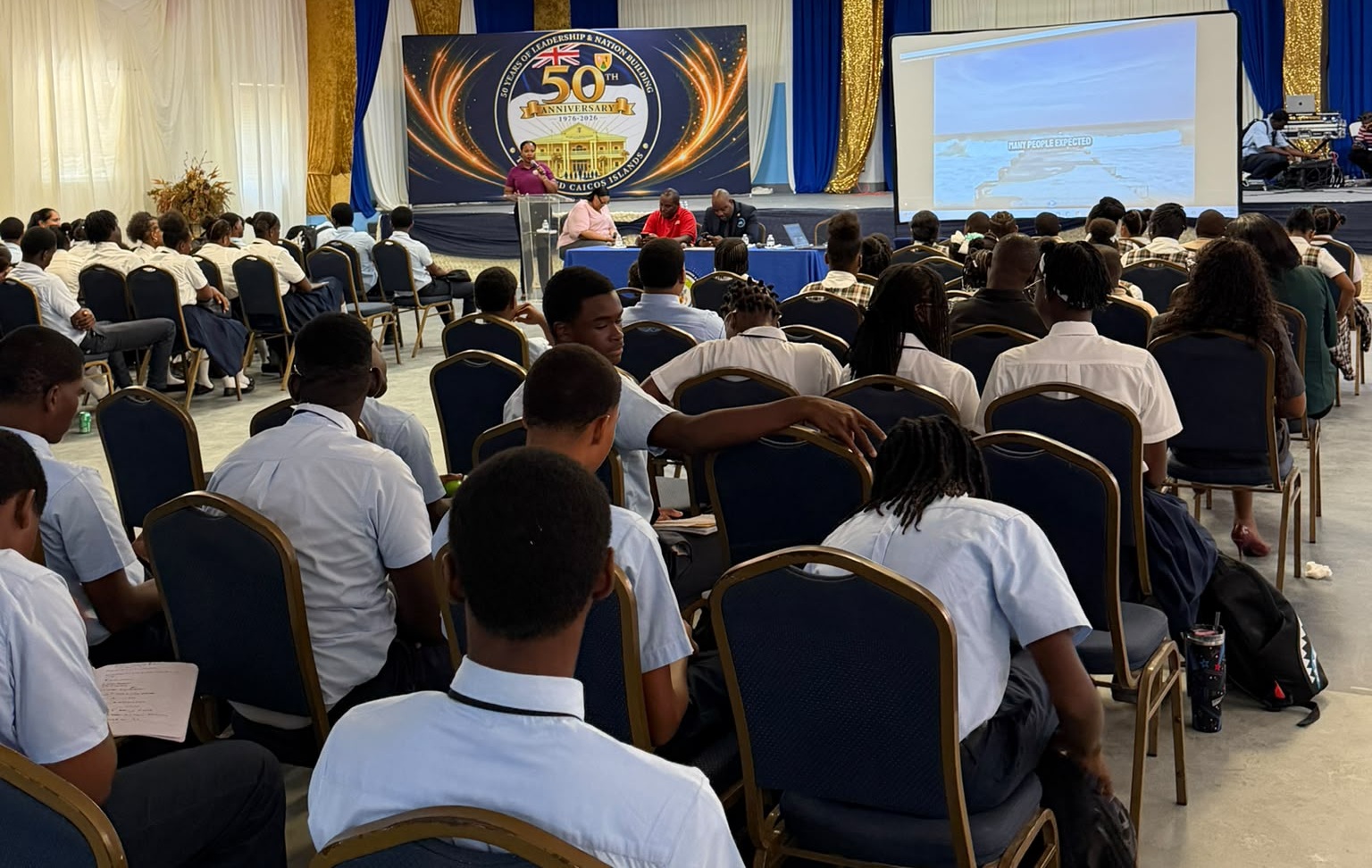 activities, school visits, essay writing and an original video submission from the Eliza Simons School in Grand Turk.
Disaster Risk Reduction is a people-centred endeavour; it emphasises that policies, systems and investments must be designed around the needs and capabilities of individuals and communities, according to the Sendai Framework for Disaster Risk Reduction 2015-2030. Each year, the United Nations Office for Disaster Risk Reduction (UNDRR), as the implementing agency for the Sendai Framework, issues a call to action encouraging individuals, communities, and countries to become resilient.
The 2026 IDDRR theme, ‘Resilience Starts at Home’ seeks to bring global and national awareness of the core role of households in disaster risk reduction, advocating for stronger governance and investment in resilient housing, reducing housing-related risk and empowering households to take risk-informed actions to protect themselves and strengthen community resilience.
The Turks and Caicos Islands, in an effort to reduce disaster risk, seeks to observe the concepts and core principles of the Sendai Framework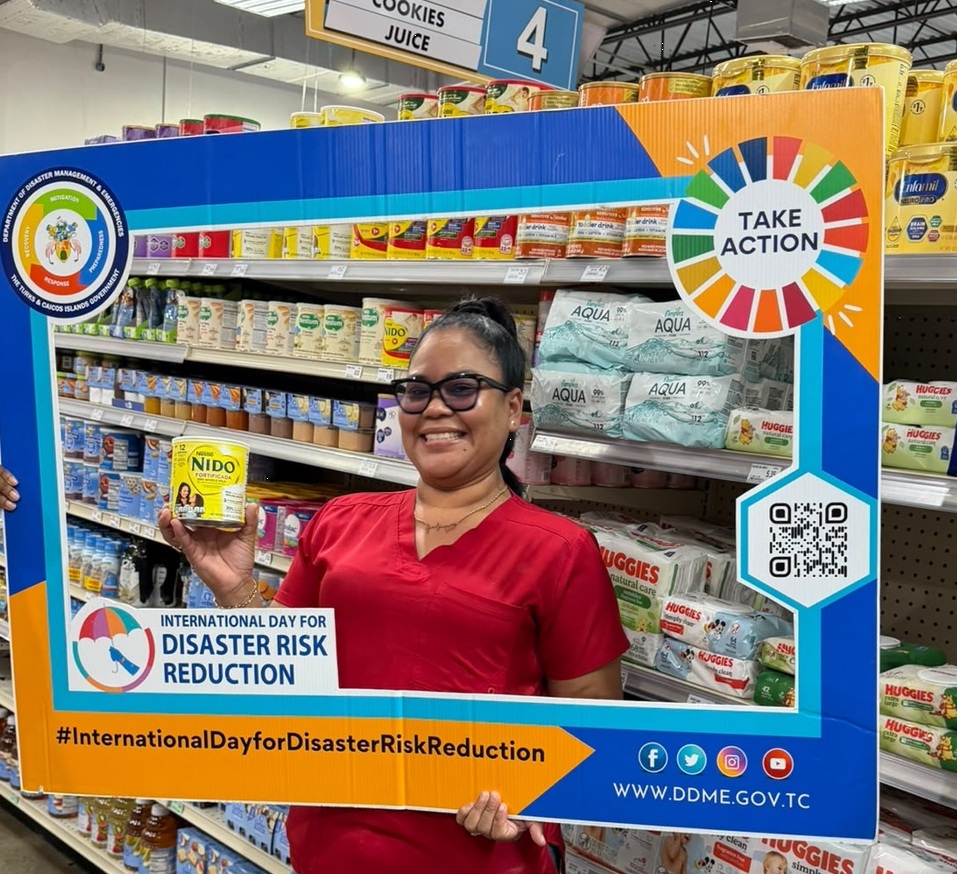 2015-2030. Throughout the years, many initiatives have been taken through the various stages of the disaster cycle from preparedness to recovery in an effort to strengthen the resilience of the Turks and Caicos Islands. Initiatives such as the creation and consistent updating of building codes, the Reconstruction and Rehabilitation Housing Project following major hurricanes such as Ike in 2008, the creation of an early recovery framework, as well as strengthening CCRIFF insurance were all implemented to ensure that the Turks and Caicos Islands were on the path to build back stronger and better.
This year’s theme underscores the roles governments, the private sector, and individuals play in ensuring communities and homes are safe and more resilient. The Turks and Caicos Islands Government has made significant strides in ensuring that homes are constructed through the use of risk-informed planning, land use planning and construction practices. The Reconstruction and Rehabilitation Housing Project, which facilitated the construction of twenty-four (24) completely rebuilt homes and repaired thirty-four (34) homes, provided a baseline for future housing initiatives such as Programme 3. This programme includes community renewal and infilling under the National Housing Policy and seeks to repair property that has sustained physical damage for vulnerable people.
Residents of the Turks and Caicos Islands are reminded of the individual role that they can play in ensuring that their homes are resilient.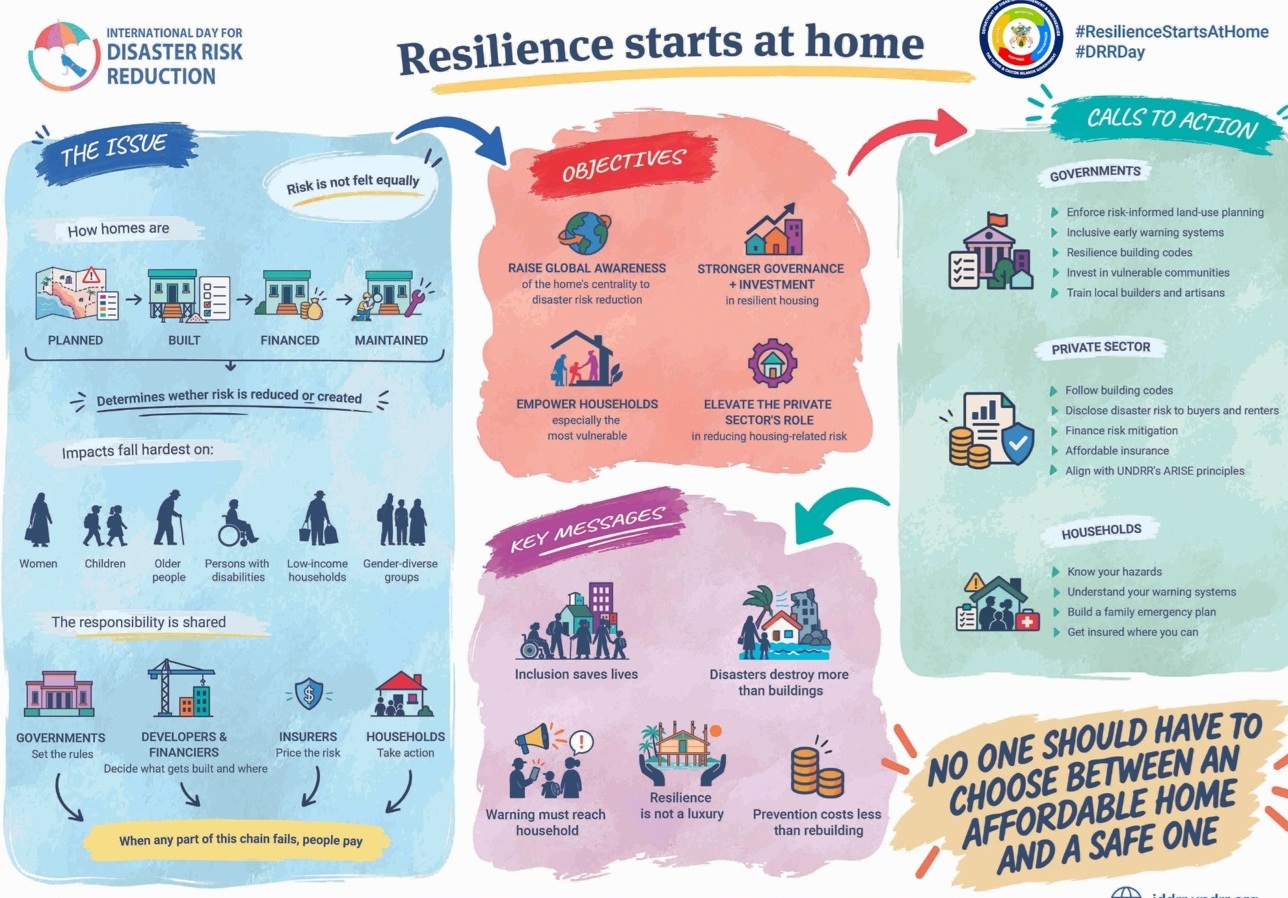
- Ensure that you obtain the proper approvals from the Planning Department before building.
- Ensure that you utilise the standards and building codes of the Turks and Caicos Islands.
- Include proper drainage systems and other methods to reduce flooding and water pooling near your home.
- Update your family emergency plans and ensure that everyone in your household is aware of its contents.
Let us all do our part in ensuring that all homes across the Turks and Caicos Islands are resilient.
Highlights from IDDRR can be seen on the Official DDME Social media accounts: Facebook @ddme.tci_official and Instagram @ddm.tci





-

 Bahamas News7 days ago
Rosewood Exuma: A precedent-setting case for environmental law and future development in The Bahamas
-

 News6 days ago
Invest TCI Strengthens Regional Investment Connections at Caribbean Investment Forum 2026 in Barbados
-
 Bahamas News2 days ago
Bahamas Issues Cybersecurity Alert Over Akira Ransomware Threat
-
 News3 days ago
Imagine Turks & Caicos Represented in UK Parliament; New Report Favours It
-
 Bahamas News6 days ago
Energy Minister Delivers Electrifying Keynote Opening Address at CAREC 2026
-

 News3 days ago
Crown Land Unit Leads Multi-Agency Enforcement Exercise in Five Cays
-

 News3 days ago
BermudAir Launches Service to the Turks and Caicos Islands on October 26th, Expanding Air Connectivity Ahead of Winter Season
-

 News3 days ago
DDME Celebrates International Day for Disaster Risk Reduction