News
Ardenne High shows faith in physically challenged student

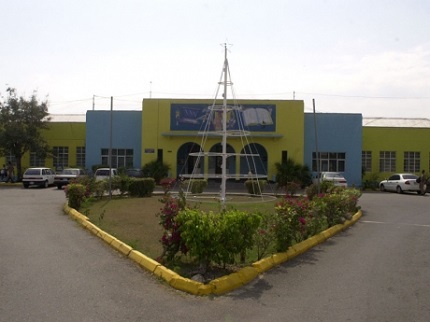
Kingston, Jamaica, December 25, 2016 – On realizing that physically disabled student at Ardenne High School in Kingston, Faith Grant, would be unable to attend a class held only on one of the institution’s upper floors, the school’s administration promptly moved to solve the challenge.
Electronic Document Preparation and Management (EDPM), a Caribbean Secondary Education Certificate (CSEC) subject designed to equip students with clerical and administrative skills, was one of the eight subjects Faith selected when she started fourth form. But being the school’s sole wheelchair mobile student placed her at a disadvantage as she was unable to attend classes in the designated rooms.
However, innovative thinking by the staff, headed by Principal, Nadine Molloy, has resulted in Faith now being able to participate with the other students via the video-conferencing technology platform, Skype, which she accesses from the school’s library. “A member of the team suggested that we do it by Skype; and we explored it and now we are happy that we did,” Ms. Molloy said.
Recounting her decision to accept Faith as a student at Ardenne, Ms. Molloy says while acknowledging the anticipated challenges in doing so, the school was, nonetheless, willing to make the necessary adjustments to accommodate her. “Some persons wondered if we were doing the right thing. But I am always up for a challenge and I indicated to the staff that I was going to try, which meant we were all going to try,” she states.
The Principal indicates that she researched cerebral palsy and had the staff consult with trained personnel on how best to relate to and teach students with the condition. Consequent on this, Ms. Molloy says Faith’s presence at the school has helped students and staff to be more embracing of and sensitive to persons with disabilities. “It teaches acceptance and it shows that some things that we are afraid of, we don’t need to be. It also shows that it is important for us to make the sacrifice and go the extra mile to ensure that each person, no matter their capacity, can self-actualize,” she adds.
 The Principal is confident that Faith will evolve into a productive member of society because she has been given the opportunity to pursue her education. When Faith was diagnosed with cerebral palsy as a young child, her mother, Susan Henry, purposed to provide her with as fulfilling a life as is possible.
Ms. Henry says she acknowledged that this would mean doing everything possible to provide her with the best educational opportunities. She says it was on the advice of a therapist that she decided to have Faith enrolled in the mainstream school system, instead of a special needs institution.
Ms. Henry said that she is happy with the decision taken and is very grateful for and appreciative of Ardenne’s kind gesture in going the extra mile over the years to accommodate Faith. She says the teachers and students have been particularly helpful, adding that the administration has endeavored to accommodate classes on the ground floor and install ramps for Faith’s benefit.
“Schools should really give physically disabled children a chance, as long as they are able to function…on par with other children. We need to accept that persons with disabilities are humans (too) and they should not be discriminated against,” Ms. Henry contends. She adds that, in so doing, “it also teaches the younger generation values of kindness and of being helpful, and sensitises them to the needs of the disabled community.”
Cerebral palsy is a disorder that affects muscle tone, movement, and motor skills. As the condition affects coordination, functions such as standing, breathing, bladder control, eating and talking can be affected.
Photo credit: JIS

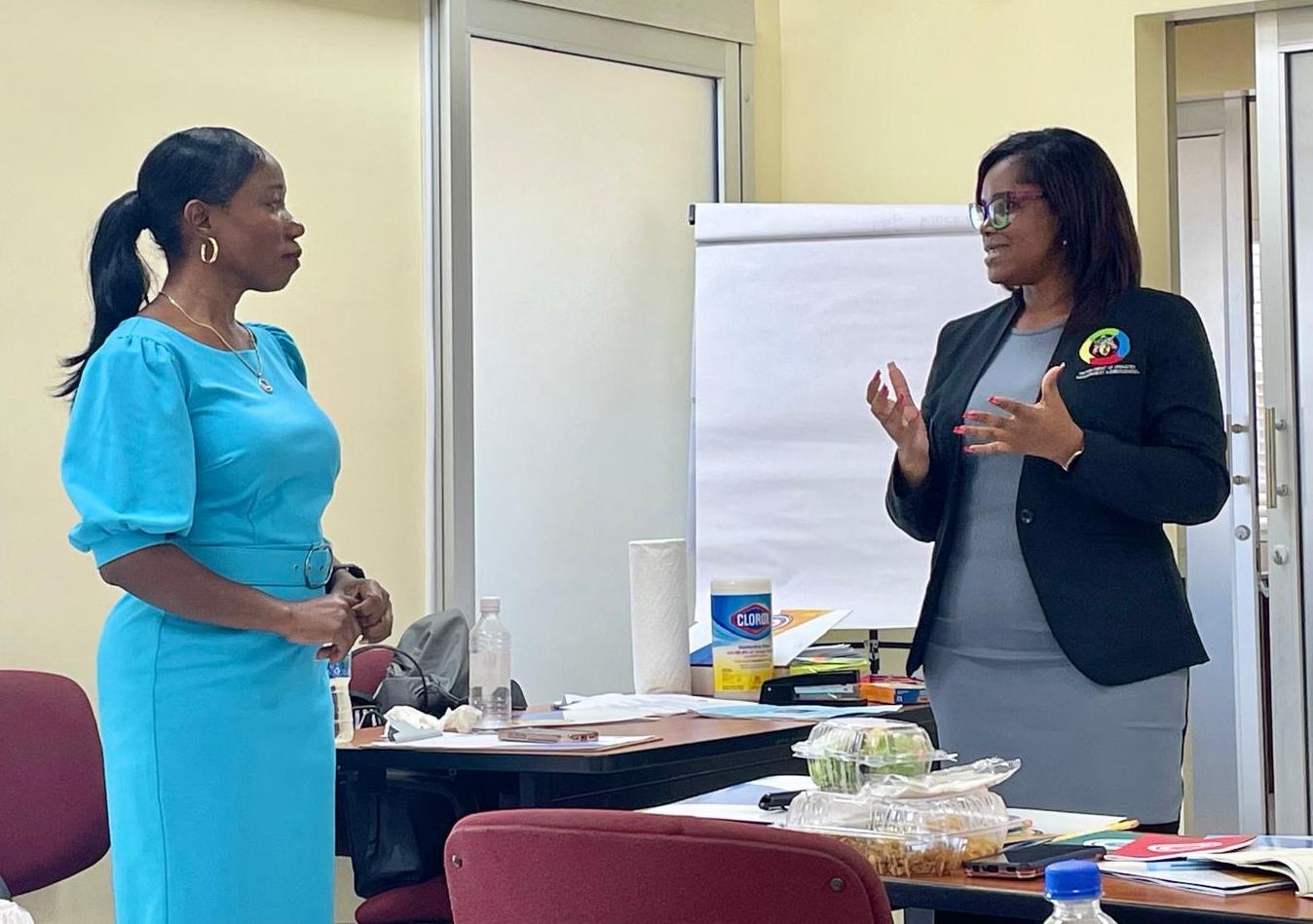
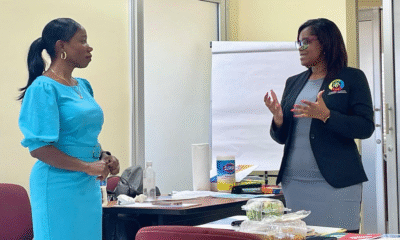
Providenciales, Turks and Caicos Islands – Wednesday, 25 February 2026: Staff of the Department of Disaster Management and Emergencies (DDME) participated in a one‑day Professional Staff Development Workshop on Thursday, 19th February 2026. The session was facilitated by former DDME Director (2011–2021) and current Permanent Secretary of the Governor’s Office, Dr. Virginia Clerveaux.
The in-house workshop was organised by the DDME Training Unit, to focus on the National Disaster Management Framework, strengthening staff understanding of their roles and responsibilities within disaster management. The session also aimed to enhance the effectiveness of the National Emergency Operations Centre (NEOC) and reinforce inter‑agency coordination.
Drawing on her extensive experience in disaster management in the Turks and Caicos Islands, as well as several deployments to CDEMA member states including Haiti, The Bahamas, and Jamaica, Dr. Clerveaux provided practical insights that reinforced key concepts and clarified operational expectations. Staff members actively participated in discussions and shared recommendations to improve sub‑committee performance and overall departmental efficiency.
To support learning retention, the workshop incorporated pre‑ and post‑assessments, enabling participants to evaluate their understanding and track improvements.
Acting Director of DDME, Mr. Kevaun Lucas stated: “Investing in the continued development of our team is essential to strengthening national resilience. This and future planned workshops will help to reinforce our commitment to building a highly skilled, well‑coordinated workforce capable of leading and supporting disaster management efforts across the Turks and Caicos Islands. I am proud of the team’s engagement and encouraged by the meaningful contributions they made throughout the session.”
This Professional Staff Development Workshop forms part of DDME’s ongoing commitment to enhancing internal capacity, strengthening operational coordination and improving overall departmental synergy as the agency continues to advance national preparedness and response capabilities.
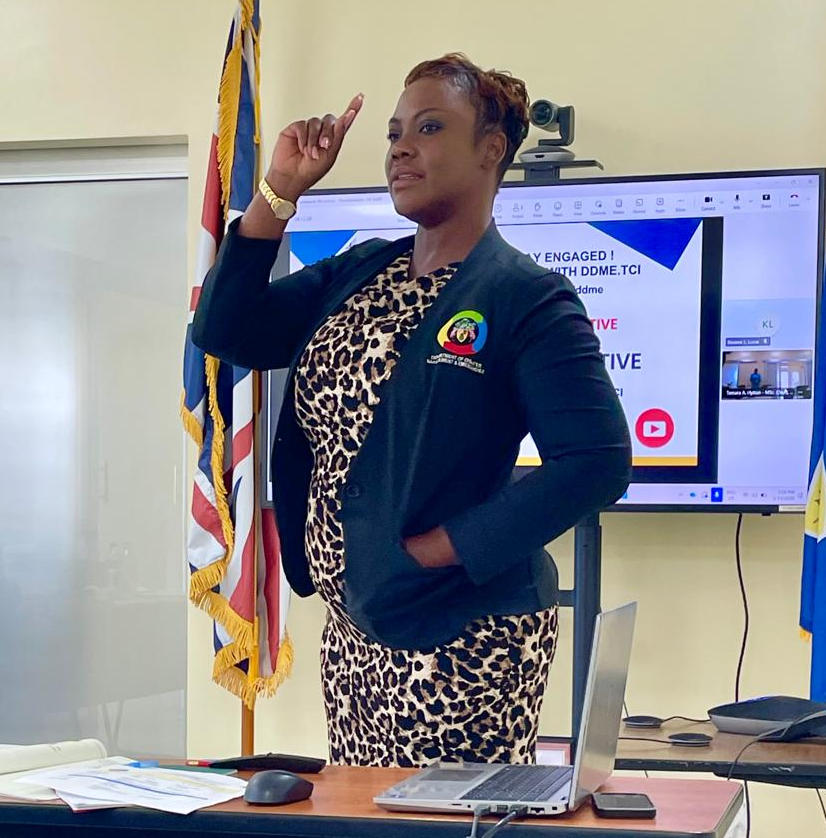
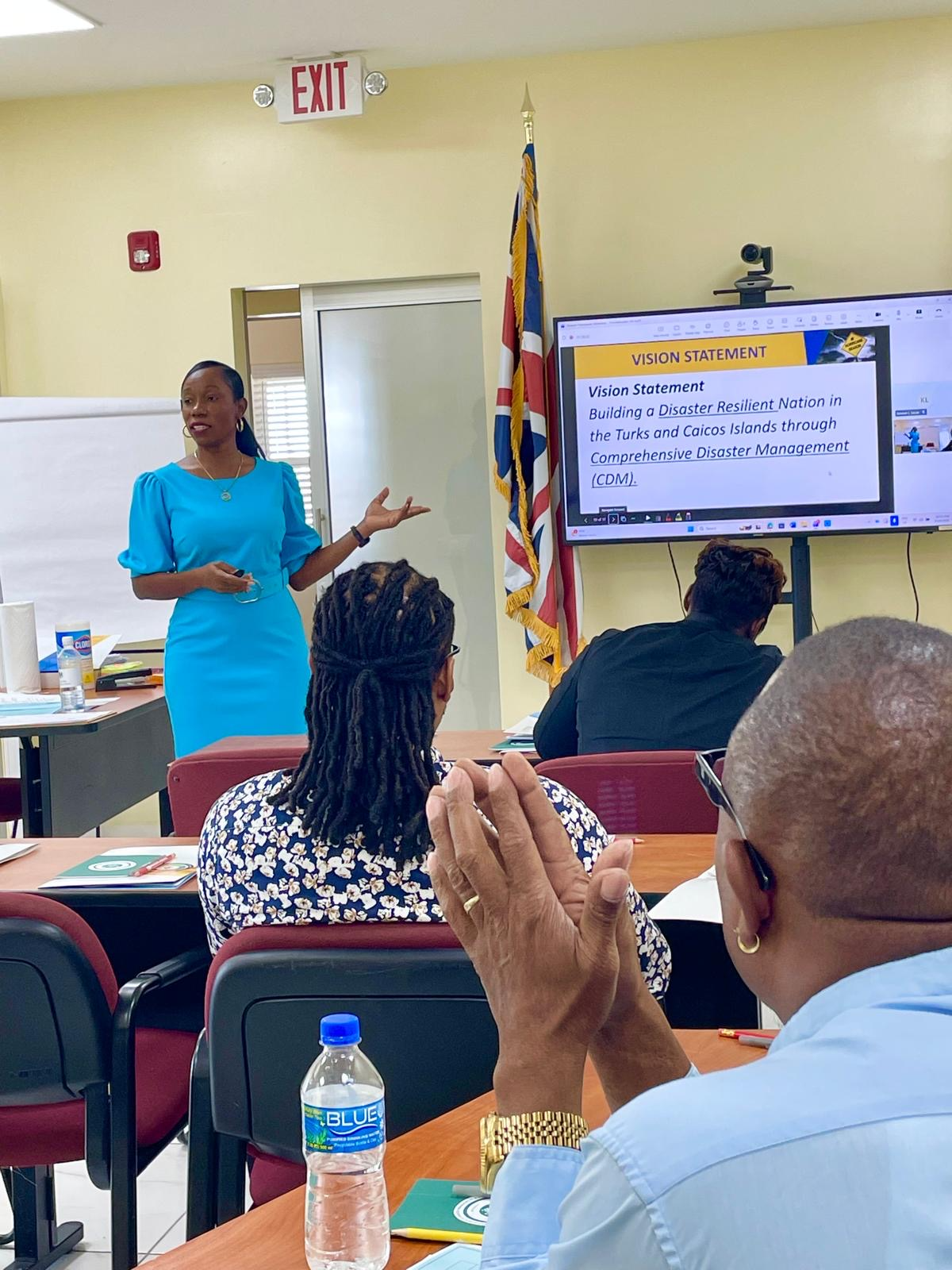
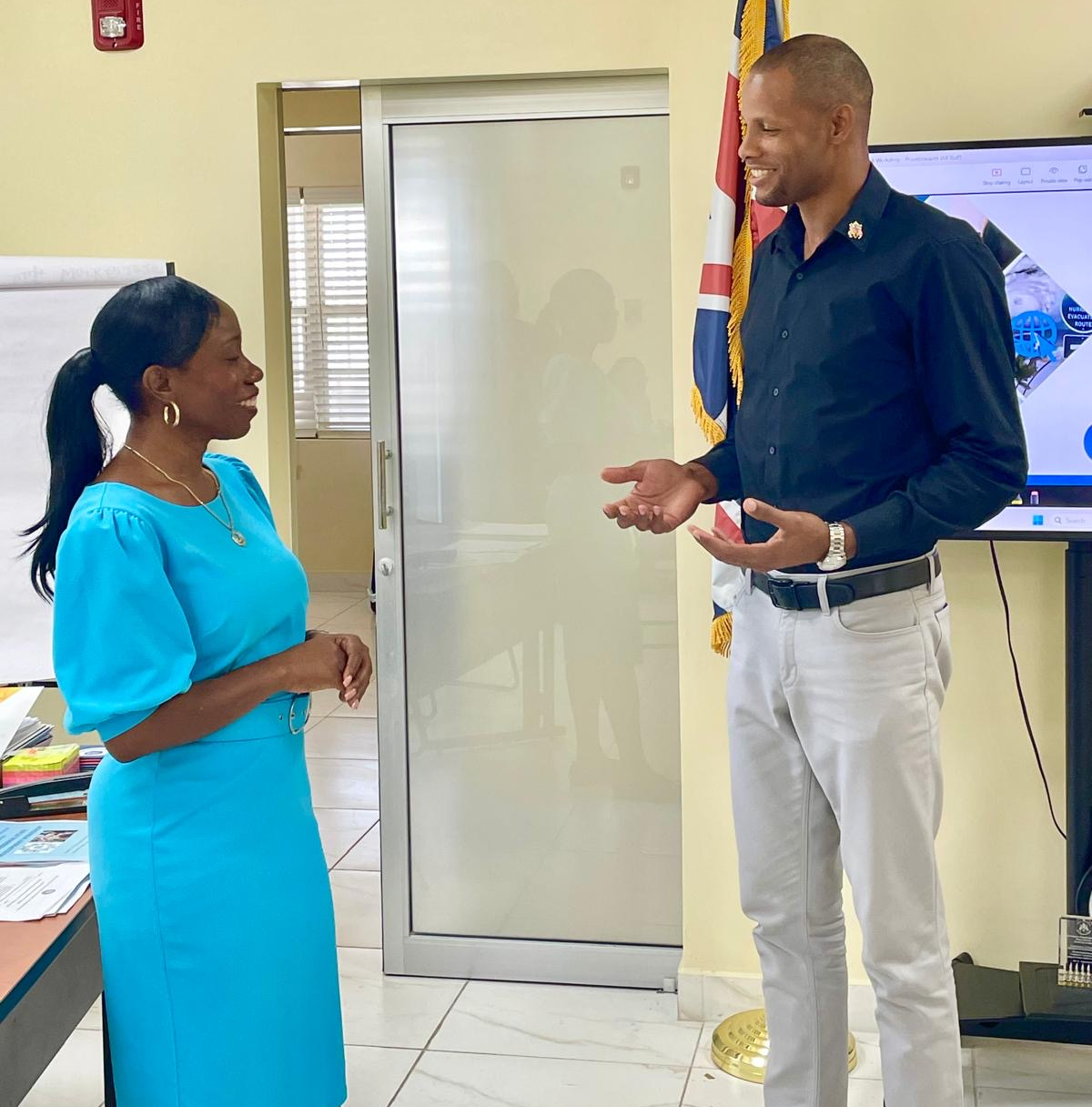
Photo Captions:
Caribbean News
Liberty Caribbean Supports Regional Forum on AI, Cyber Resilience and Digital Inclusion

Port of Spain, TRINIDAD & TOBAGO (February 24, 2026) — Liberty Caribbean, the operators of Flow, Liberty Business and BTC, recently served as Gold-Level Partner of the two-day Trinidad and Tobago Internet Governance Forum (TTIGF), themed “The Innovation Paradox – Balancing Progress with Responsibility and Resilience”.
The Digital Divide is of particular interest to Liberty Caribbean and is being addressed through its Charitable Foundation across the region. Low broadband penetration in the Caribbean contributes to diminished opportunities for individuals, communities, and local economies, but with the support of funding partners, this gap can be addressed through a comprehensive programme – JUMP – that focuses on providing access, devices, and digital skills.
“Liberty Caribbean was proud to serve as Gold-Level Partner of the TTIGF because the conversations taking place here shape key digital policies for multiple stakeholders,” said Simone Martin-Sulgan, Vice President and General Manager, Flow Trinidad.
“As technology accelerates at an unprecedented pace, we must ensure that innovation strengthens our societies rather than fragments them. The theme, ‘The Innovation Paradox – Balancing Progress with Responsibility and Resilience,’ speaks directly to the work we do every day: building networks that are not only fast and reliable, but secure, inclusive and future-ready.”
Across the Caribbean, the digital divide remains one of the most pressing barriers to equitable growth. Low broadband penetration limits access to education, entrepreneurship and essential services, and that is why we are deeply committed to closing this gap.
Through the Liberty Caribbean Charitable Foundation and initiatives like the JUMP Programme, the company is expanding access to technology, affordable connectivity and digital skills training so that individuals and communities are empowered to participate fully in the digital economy.
Martin-Sulgan further stated “at Liberty Caribbean, we believe progress and responsibility must move in lock step. By investing in resilient networks, inclusive programmes and trusted partnerships, we are helping to build a Caribbean that is innovative, secure and prepared for the opportunities ahead.”
Topics covered during the Forum, with over 140 participants, included “Securing Critical Infrastructure”, Integrating AI into Digital Transformation”, “The Digital Divide”, The Human Cost of Innovation – Mental Health and Well-being in the Digital Age’, and AI, Cyber Resilience and Regional Innovation”.
Focused on the underlying mandate of the Conference theme thought leaders, innovators, policymakers, technologists, researchers, and community stakeholders were invited to explore how countries can evolve boldly without compromising values or long-term stability.
Photo Caption:
TTIGF – l-r Darren Campo, Regulatory & Compliance Officer; Yolande Agard-Simmons, Senior Manager Communications; and Kevon Swift, Senior Manager Government and Regulatory Affairs of Flow Trinidad in attendance at the Post Event Mixer at Caribbean Telecommunications Union’s Head Office in St Clair, Port of Spain
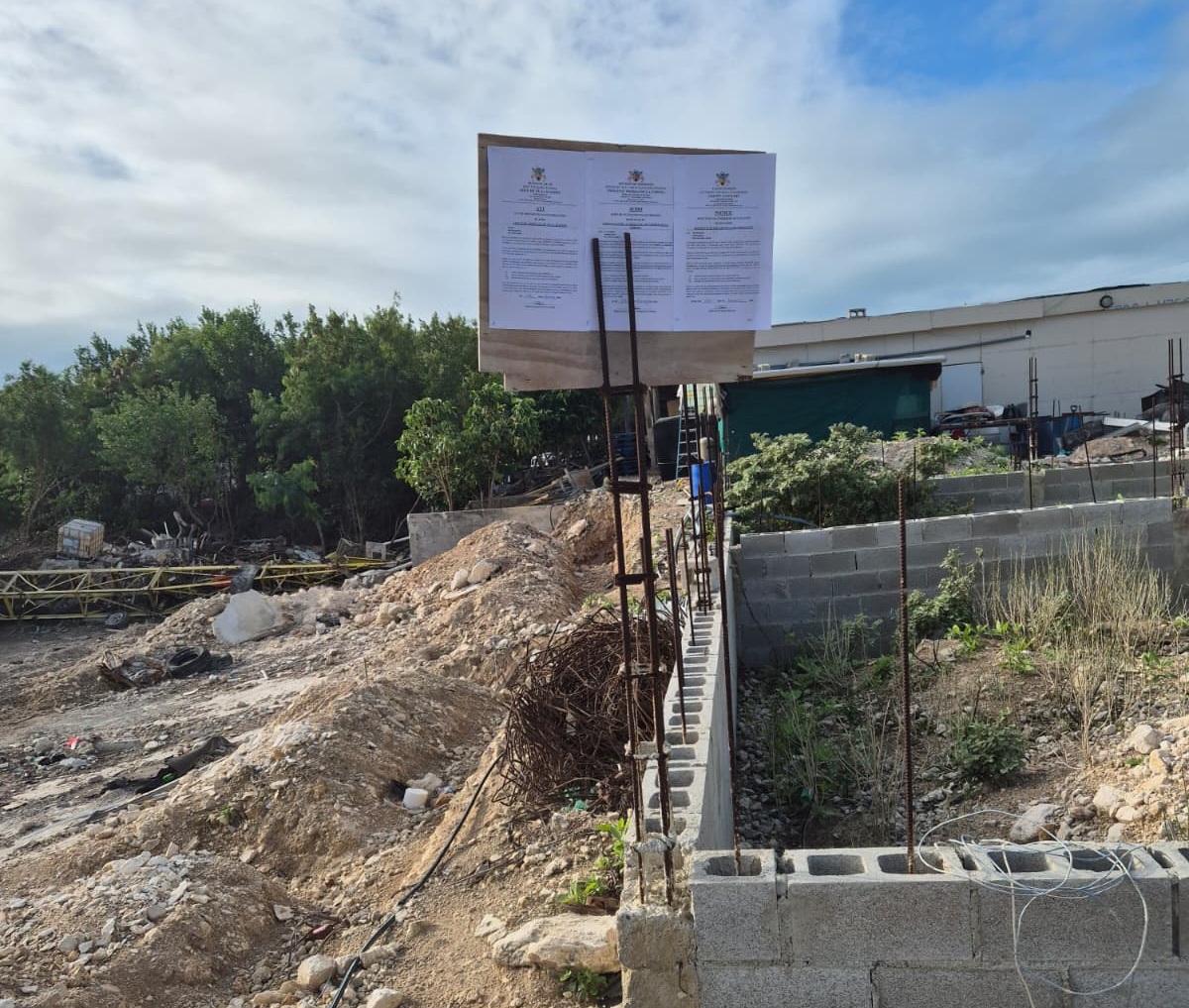
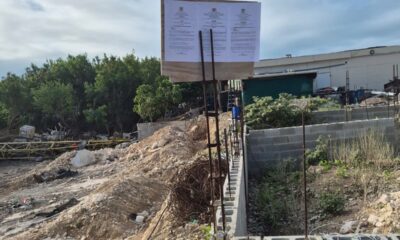
Providenciales, Turks and Caicos Islands, 20 February 2026 — The Informal Settlements Unit (ISU), in collaboration with key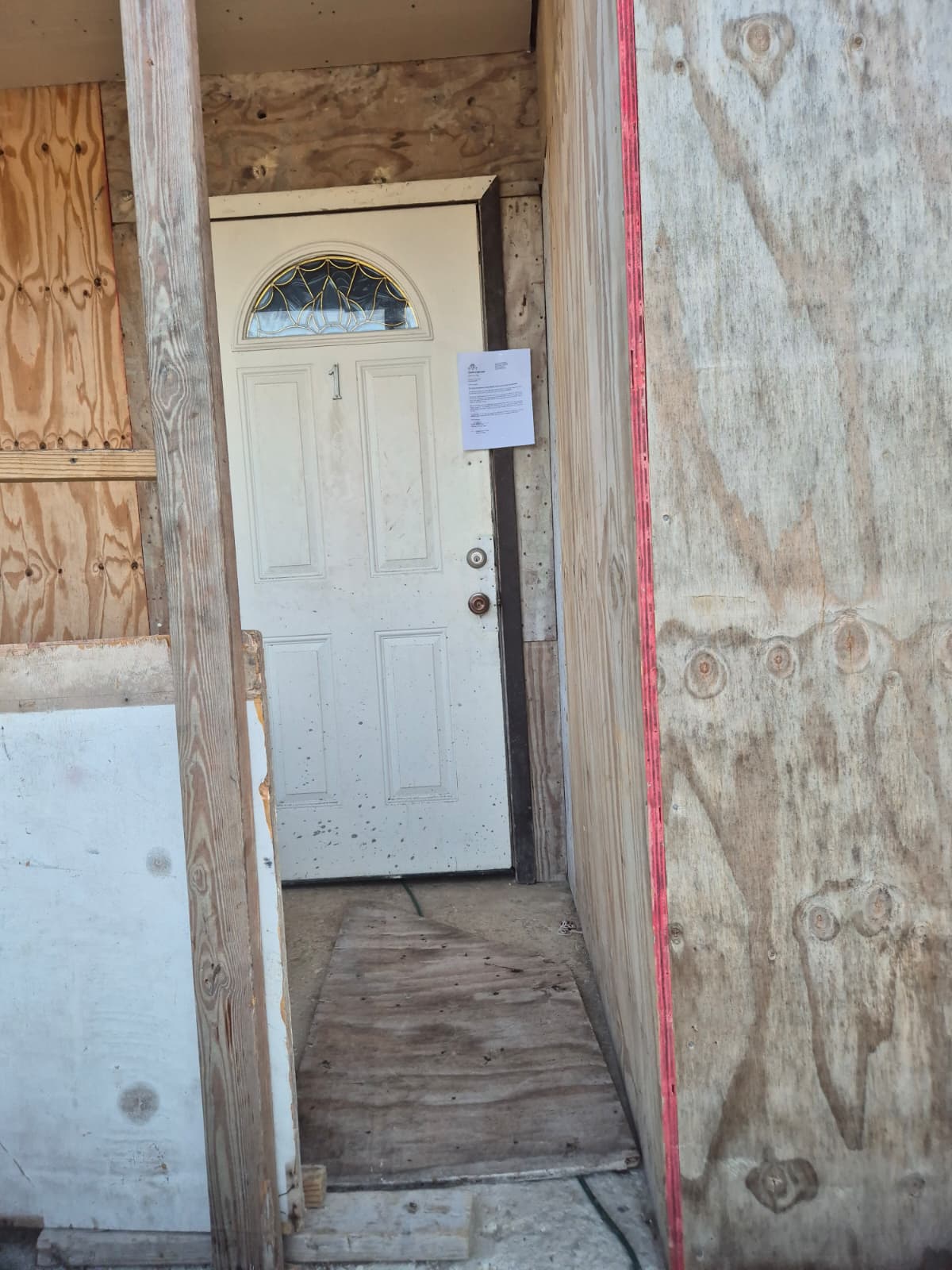 government agencies, coordinated a multi-agency enforcement exercise on Thursday, February 5, 2026, at Block and Parcel 60609/33 in the Five Cays area.
The exercise was led by the Crown Land Unit, pursuant to its statutory mandate under the Crown Land Ordinance to prevent squatting and encroachment on Crown land. The ISU coordinated the operation, with support provided by the Planning Department and the Turks and Caicos Islands Border Force, while the Royal Turks and Caicos Islands Police Force ensured security throughout the activity.
The enforcement action followed a series of inspections conducted by the Crown Land Unit throughout Five Cays, which identified several illegally constructed buildings made of concrete and timber on sections of the subject parcel. In keeping with the provisions of the Crown Land Ordinance, occupied structures were served Letters of Illegal Occupation, delivered by hand to occupants and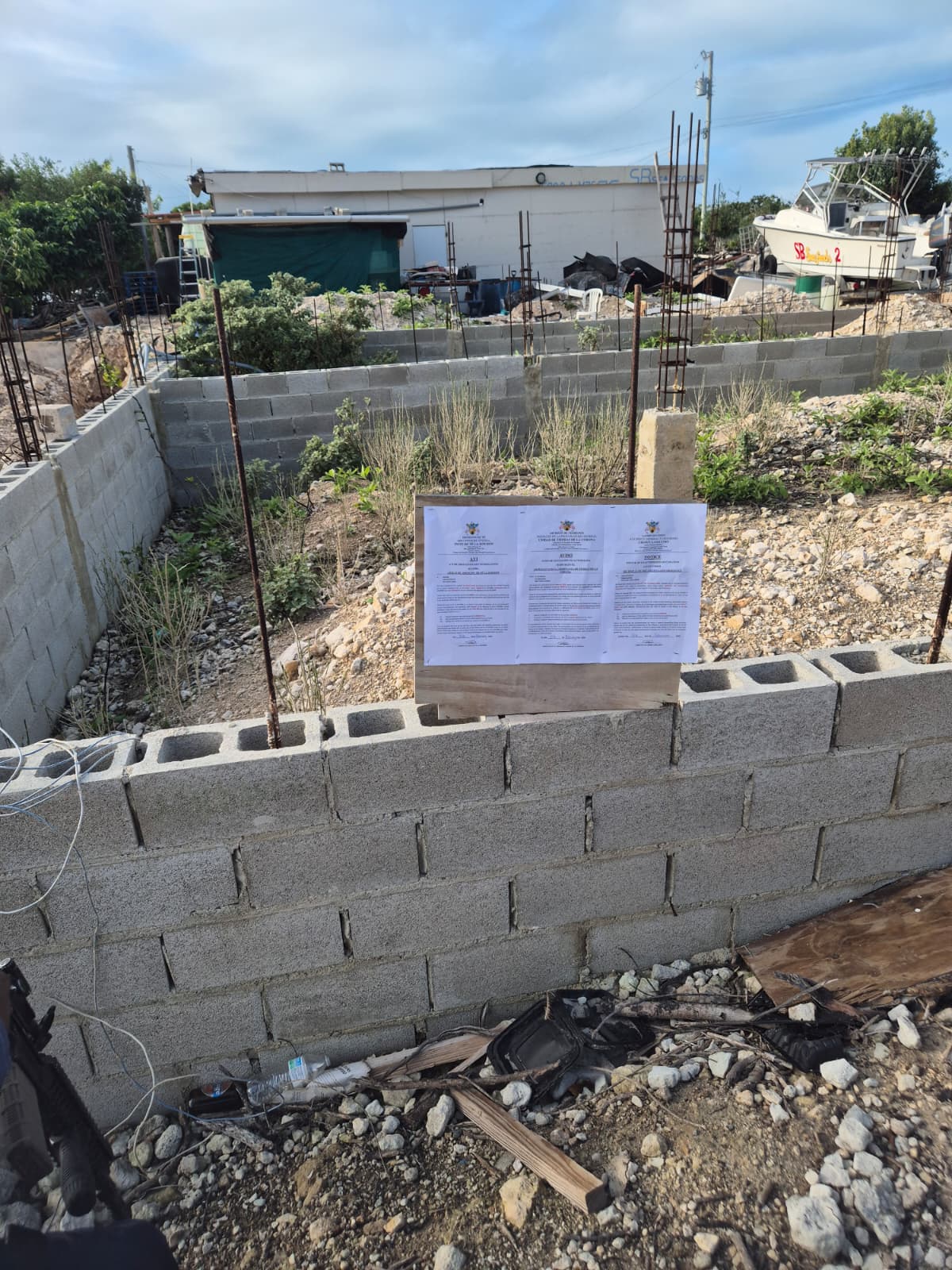 posted on structures where individuals were absent. Incomplete and unoccupied structures were served Notices of Unauthorized Occupation pursuant to section 22 of the Ordinance. A total of ten (10) Letters of Illegal Occupation and three (3) Notices of Unauthorized Occupation were issued during the exercise.
The Informal Settlements Unit reiterates that these coordinated enforcement exercises form part of the Government’s ongoing efforts to uphold the law, protect Crown land, and manage informal settlements in a structured and lawful manner. Members of the public are reminded that unauthorised occupation and development on Crown land is unlawful and subject to enforcement action.