
News
New International School of the Turks and Caicos Islands Unveiling


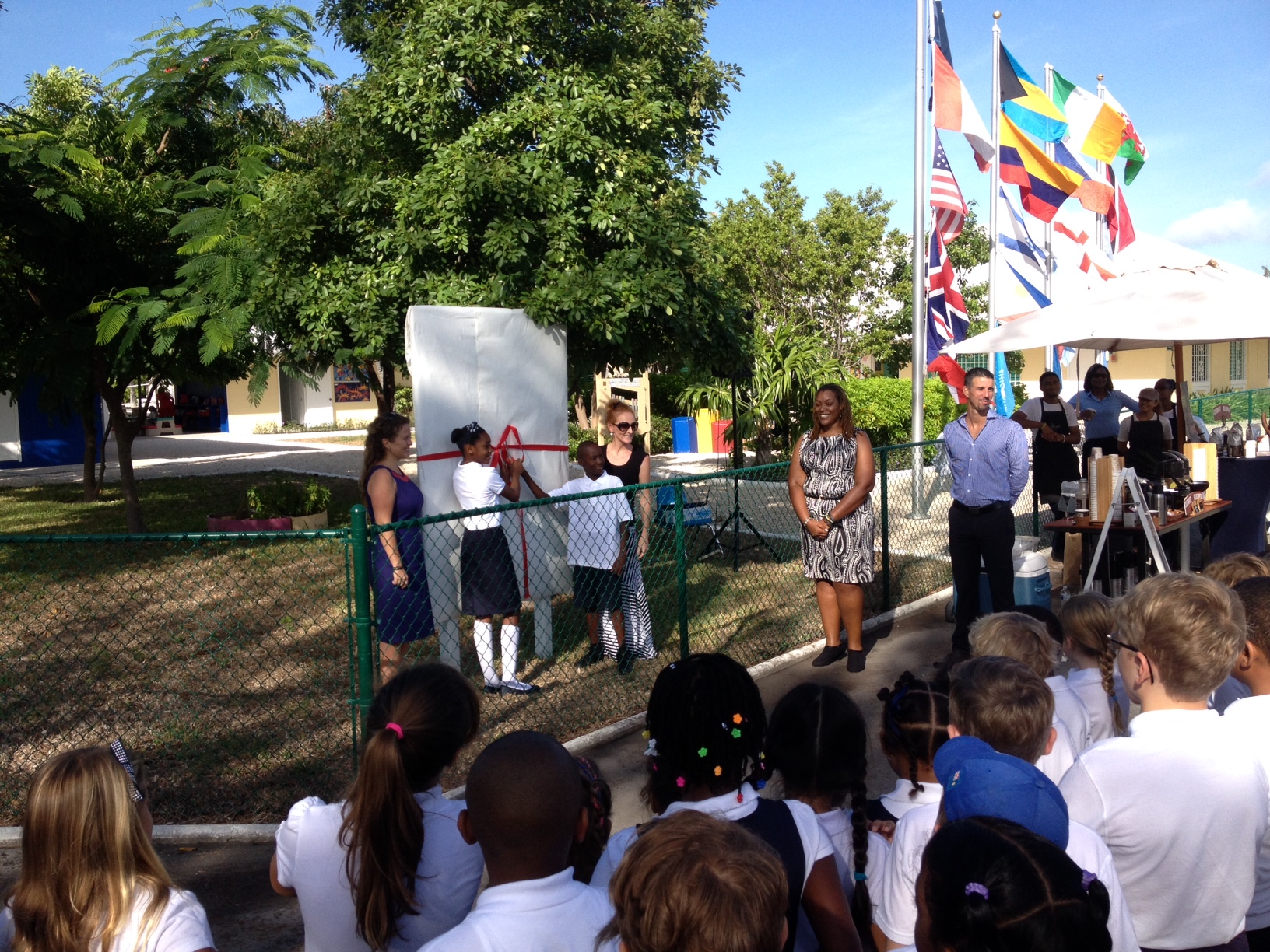
Providenciales, September 3rd, 2014. In time for the commencement of the 2014/15 school year, the former Ashcroft School has opened its doors with a new name, The International School of the Turks and Caicos Islands, and upgraded facilities to benefit the scholars.
The primary school, which educates children between the ages of two and 11 starting from preschool through grade 6, has been renamed to reflect the internationality of its students. In the coming school year, 106 children from 19 different nations will be learning and experiencing a wonderfully diverse education.
Under the leadership of new Principal Katie Hinks, who has been a teacher at the school for seven years, and Vice Principal Indrani Saunders, who joined the school as a teacher in 1996, the rebranded International School is being developed to new heights. Over the summer break, a number of upgrades have been made with the support of Waterloo Investment Holdings Ltd (“WIHL”) and the school’s Parent Teacher Association (PTA):
– the school is now completely wireless;
– the IT classroom has been equipped with iPads with dedicated learning software for each child;
– a new musical garden has been installed to further creative learning;
– two teachers dedicated to music and PE have been added to the staff, and
– all facilities and buildings have been renovated and painted.
Principal Katie Hinks said: “WIHL and our PTA have supported us tremendously to sow the seeds for a new vision for The International School of the Turks and Caicos Islands. We are proud that with all these improvements the school is in an excellent position to provide education at a standard that is competitive with leading primary schools all over the world.”
“The International School provides an essential building block to support the educational needs of the Turks and Caicos Islands, and particularly in the Leeward community,” said Stewart Howard, managing director of the British Caribbean Bank, and a Trustee of the school.
Zaneta Adderley-Burton, President of the PTA, added: “The scholars’ parents are extremely excited about the enhancements and the new year. Daily school life, as well as the quality of education have been raised to a new level. We look forward to continue our work with the school’s administration and the Board of Trustees.”


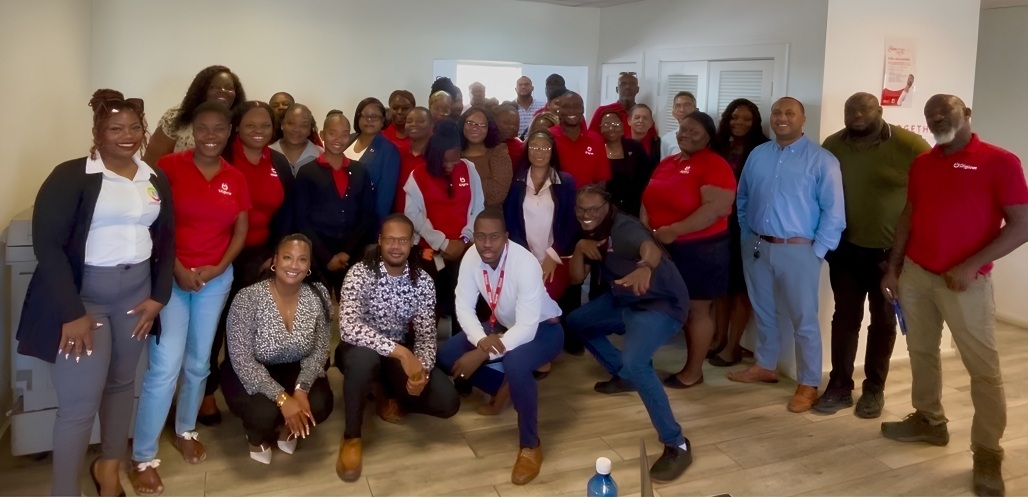
Providenciales, Turks and Caicos Islands— Thursday, 24 September 2026: The Department of Disaster Management and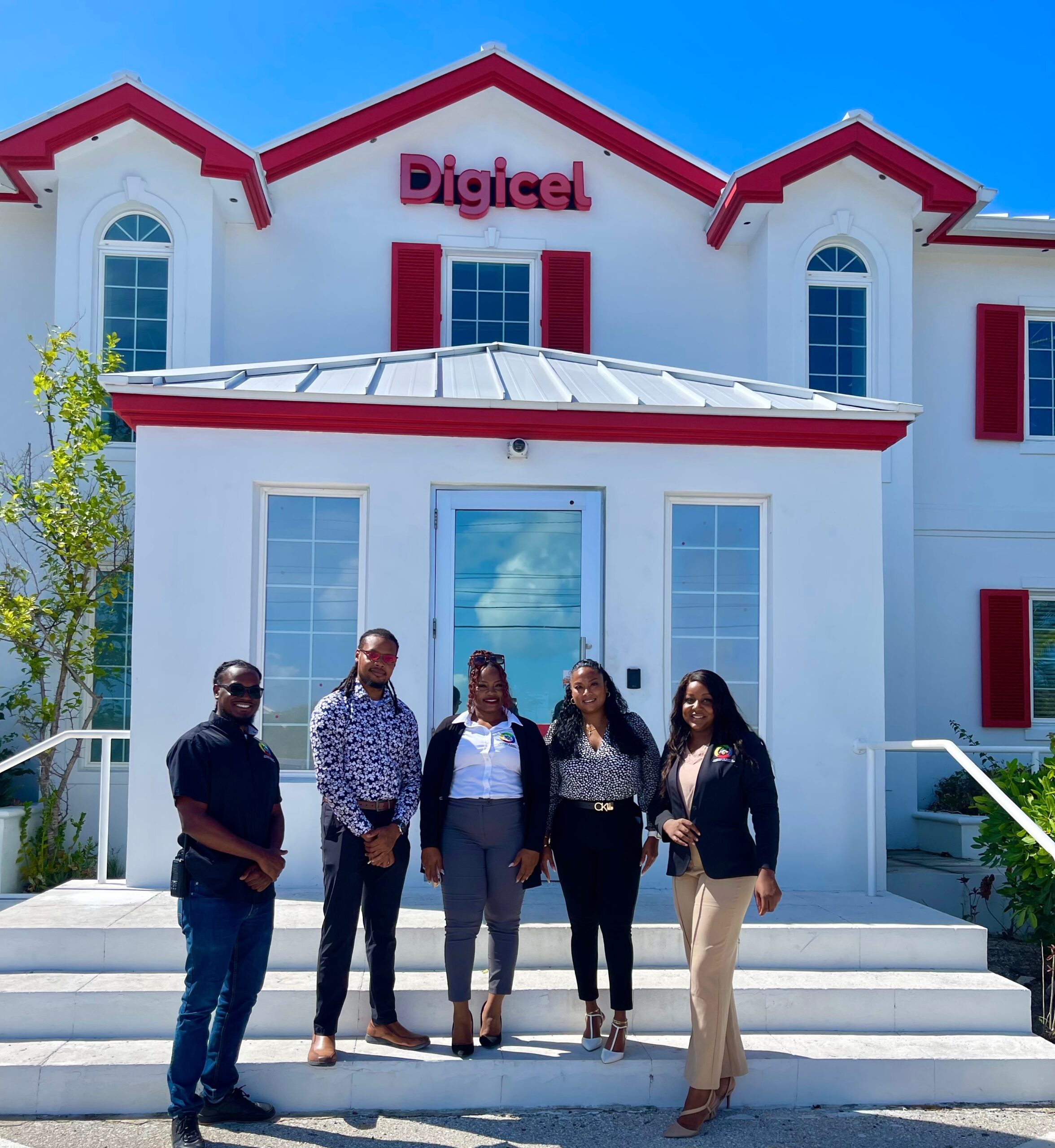 Emergencies (DDME) was invited by Digicel to deliver a hurricane preparedness presentation to members of their staff.
The engaging 90-minute presentation formed part of DDME’s ongoing public education and awareness efforts aimed at strengthening preparedness across the Turks and Caicos Islands. During the session, Digicel employees were provided with important information on the potential impacts of hurricanes and other emergencies, as well as the actions that individuals and organisations can take to reduce risks and protect lives, property and essential operations.
The presentation emphasised that preparedness is a shared responsibility and should begin well before a storm or other emergency threatens the country. Staff were encouraged to understand the risks associated with hurricanes, remain informed through official sources and develop personal and workplace preparedness plans.
DDME recognises the important role that businesses play in national disaster preparedness and resilience. Corporate organisations are encouraged to establish and regularly review emergency plans that clearly outline responsibilities, communication procedures, evacuation arrangements, business continuity measures and recovery actions.
“Preparedness is most effective when it is planned and practised before an emergency occurs,” Jason Hills, DDME Director. “Organisations that invest in preparedness today are better positioned to protect their people, maintain essential services and support the wider community during times of crisis.”
Corporate organisations, schools and government departments interested in DDME’s assistance with hurricane preparedness training, emergency drills support or assistance with developing a business contingency plan are encouraged to contact the Department of Disaster Management and Emergencies via email at ddme.tci@gmail.com.
Caribbean News
Royal Caribbean Group and Sandals Resorts Announce Landmark Partnership to Accelerate Their Leading Vacation Experiences

Royal Caribbean Group Investment to Advance Sandals and Beaches’ Growth and Broaden the Group’s Vacation Portfolio
Montego Bay, Jamaica and Miami, September 24, 2026 – Royal Caribbean Group (NYSE: RCL) and Sandals Resorts today announced the signing of an agreement to form a partnership in the all-inclusive resort space with a 50% investment from Royal Caribbean Group. Building on Sandals and Beaches Resorts’ more than four decades of leadership in Caribbean hospitality, the joint venture will create new opportunities for continued resort growth while broadening the experiences across Royal Caribbean Group’s vacation platform.
The partnership brings together two of the travel industry’s most celebrated vacation companies, pairing Sandals and Beaches’ all-inclusive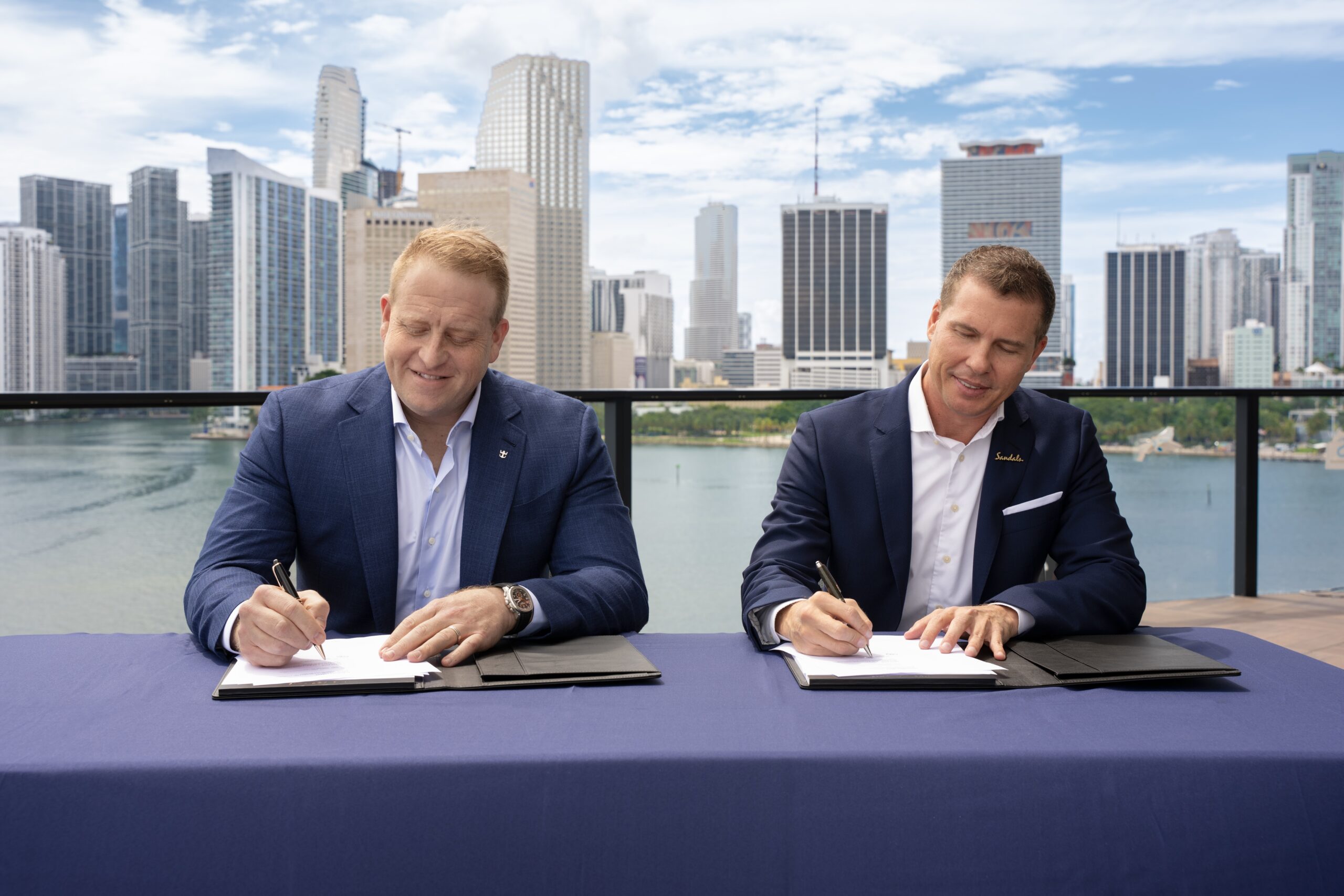 resort expertise with Royal Caribbean Group’s vacation platform, including industry-leading brands – Royal Caribbean, Celebrity Cruises and Silversea – a portfolio of private destinations, new river cruising offering, and an industry-first loyalty program. United in a shared history in the Caribbean and connected by a love for their communities, the companies will offer travelers an unparalleled collection of cruise, private destination and resort experiences, serving guests across more vacation occasions and establishing their undisputed leadership in Caribbean vacations.
The joint venture expands Royal Caribbean Group into an adjacent vacation category, growing its participation in the approximately $2 trillion global vacation market, and meets the growing global demand for Sandals and Beaches Resorts by accelerating their expansion. The partnership will include Sandals and Beaches’ collection of premier all-inclusive properties across the Caribbean, and the companies will explore opportunities to broaden distribution, deepen guest engagement, and make it easier for travelers to discover vacation experiences offered across both portfolios.
“For nearly 60 years, we’ve reimagined what a vacation can be, constantly expanding the ways we inspire our guests to explore, connect and create lifelong memories,” said Jason Liberty, Chairman and CEO, Royal Caribbean Group. “We have been building a vacation platform that brings joy to millions of people around the world and creates meaningful relationships that last with our guests. Our partnership with Sandals and Beaches Resorts is an important next step on that journey – bringing together two iconic leading vacation companies to further strengthen and grow one of the most admired resort portfolios in the world. The Stewart family has created powerful and beloved brands, and we are honored to build on that legacy. Together, we see tremendous opportunity to expand the reach of Sandals and Beaches Resorts and continue turning the vacation of a lifetime into a lifetime of vacations.”
“My father, Gordon ‘Butch’ Stewart, founded Sandals Resorts with the belief that a company built in the Caribbean could stand on the world stage alongside the most respected names in hospitality. Today is proof of how far that vision can go,” said Adam Stewart, Executive Chairman of Sandals Resorts and Beaches Resorts. “This partnership is the natural next step in building on that conviction. It gives us the ability to grow faster with a partner that shares our values of exceptional hospitality, long-term investment, and the power of enduring brands. Together, we will introduce more guests to Sandals and Beaches Resorts while creating even more extraordinary experiences for those who have made our resorts part of their lives for decades.” Stewart added, “As we continue to grow, we will remain true to what has always defined us: delivering authentic vacations that exceed expectations while creating opportunities for our team members, travel advisor partners and the communities we call home. The future has never been brighter, and I know this moment would make my father incredibly proud.”
The joint venture will be governed by a board under the shared leadership of Stewart and Liberty. Stewart will maintain a leadership role in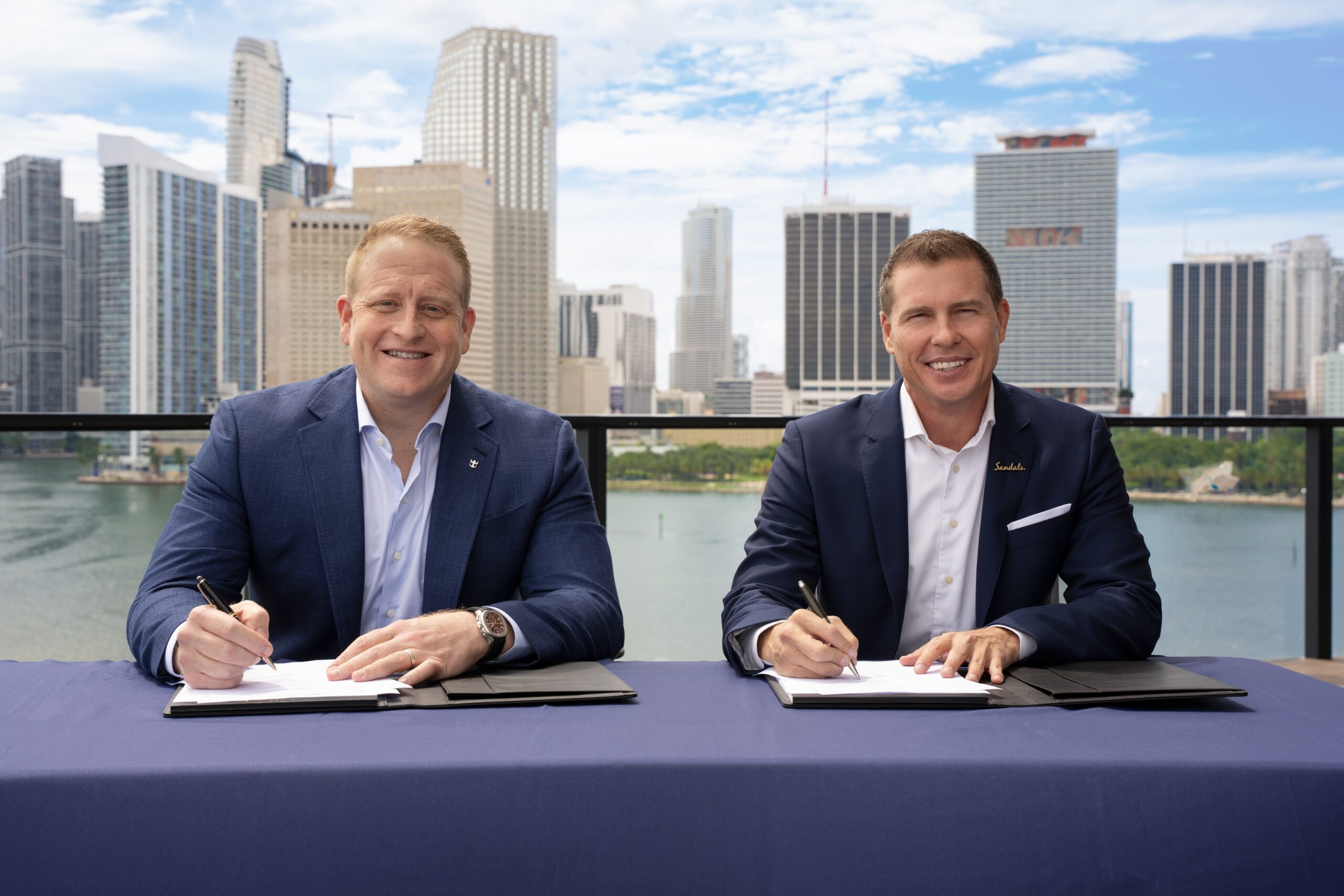 guiding the company’s long-term strategic growth as Executive Chairman of Sandals and Beaches Resorts. Existing reservations, loyalty programs, resort operations and cruise operations will continue as usual, with the partnership bringing additional resources to support future opportunities.
Under the terms of the agreement, Royal Caribbean Group will acquire a 50% equity interest in Sandals and Beaches Resorts for approximately $3 billion, representing a forward EBITDA multiple of approximately 10x. Royal Caribbean Group has secured committed debt financing from Morgan Stanley to fund the investment. The transaction is expected to close in early 2027, subject to customary approvals and closing conditions, and is expected to be accretive to earnings next year.
BofA Securities and PJT Partners acted as financial advisors, and Latham & Watkins and Jones Day acted as legal advisors to the Sandals Group. Perella Weinberg Partners and Morgan Stanley acted as financial advisors and Kirkland & Ellis LLP acted as legal advisor to Royal Caribbean Group.
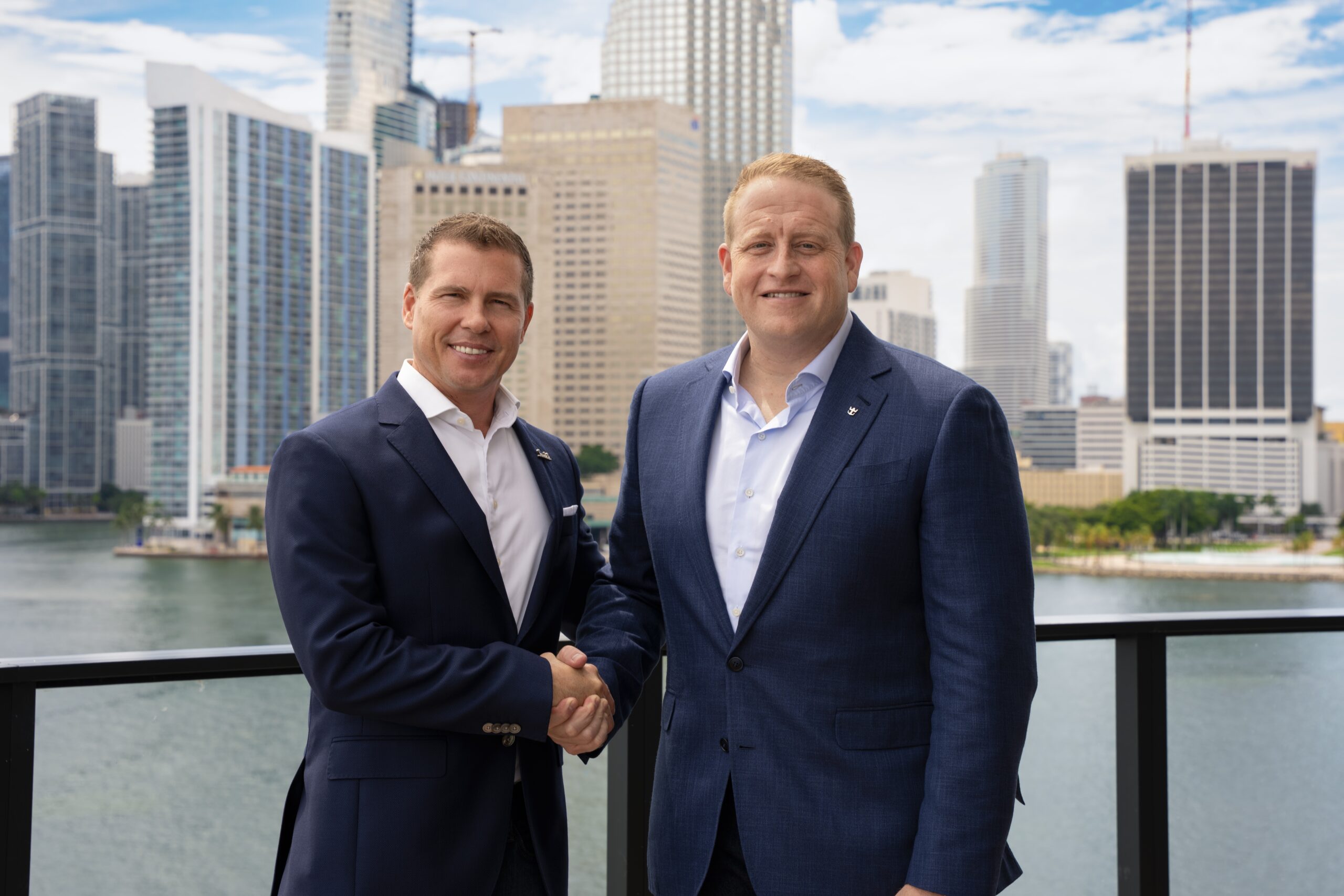
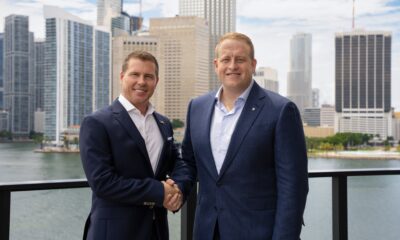
PHOTO CAPTION: Jason Liberty, Chairman and CEO of Royal Caribbean Group, and Adam Stewart, Executive Chairman of Sandals Resorts, mark the signing of an agreement to form a landmark partnership that expands Royal Caribbean Group into the all-inclusive resort space and supports the future growth of Sandals and Beaches Resorts. The signing took place at Royal Caribbean Group’s new headquarters in Miami, with the city’s skyline in the background.
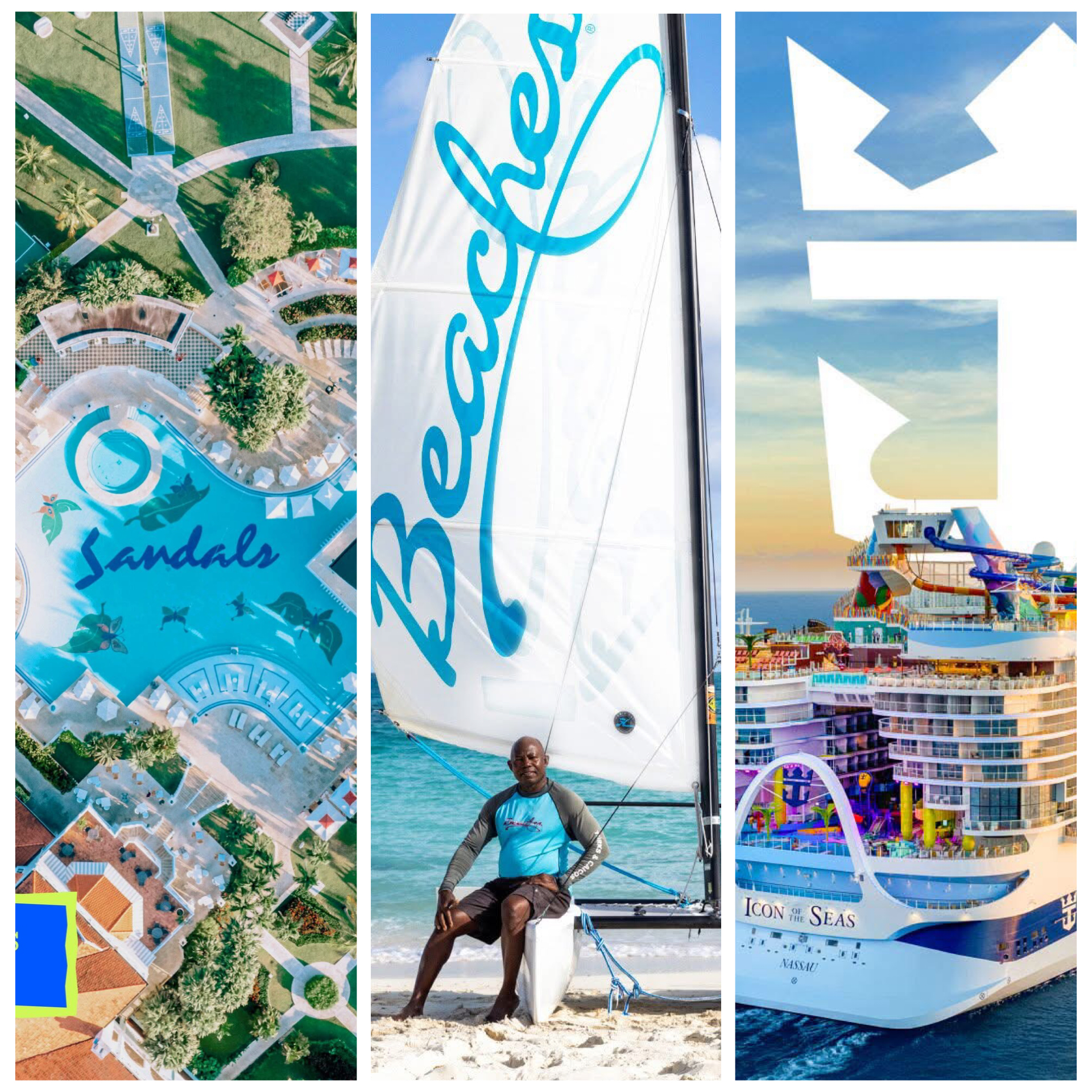
The Caribbean tourism deal first reported as a possibility on Tuesday is now a signed agreement. Royal Caribbean Group plans to pay approximately US$3 billion for a 50% stake in Sandals and Beaches Resorts, putting the value of the business at about US$6 billion. The purchase is expected to close in early 2027, subject to approvals.
Founded in Jamaica by the late Gordon “Butch” Stewart in 1981, the resort business has a presence across nine Caribbean destinations, including Jamaica, The Bahamas and Turks and Caicos. Sandals has described its workforce as nearly 20,000 people, most of them Caribbean nationals.
“My father, Gordon ‘Butch’ Stewart, founded Sandals Resorts with the belief that a company built in the Caribbean could stand on the world stage alongside the most respected names in hospitality,” said Adam Stewart in the announcement carried by PR Newswire. He will remain executive chairman, while the Stewart family retains a stake. The companies say existing reservations and resort operations will continue as usual.





-
 News3 days ago
Indian Association of Turks and Caicos Islands Empowers Local Students Through Back-to-School Backpack & Supplies Drive
-

 Independent writer6 days ago
Letter to The Editor
-
 Bahamas News4 days ago
CIBC Caribbean Celebrates 2026 Unsung Heroes Finalists
-
 Caribbean News2 days ago
Royal Caribbean Group and Sandals Resorts Announce Landmark Partnership to Accelerate Their Leading Vacation Experiences
-

 Health3 days ago
TCI Hospital Celebrates World Pharmacy Day 2026
-
 Education1 week ago
TCI Schools Invited to Participate in 2026 National Student Council Election
-
 Caribbean News3 days ago
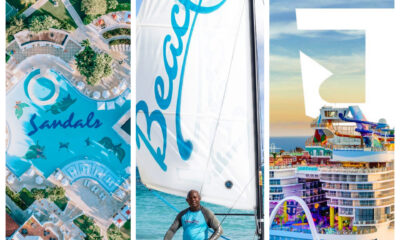
Royal Caribbean Signs US$3-Billion Deal for Half of Sandals and Beaches
-

 Bahamas News5 days ago
Romer Receives Regional Leadership Award