
Bahamas News
Education Ministry Undertaking a Learning Loss Assessment to Review the Impact of COVID-19 on Education

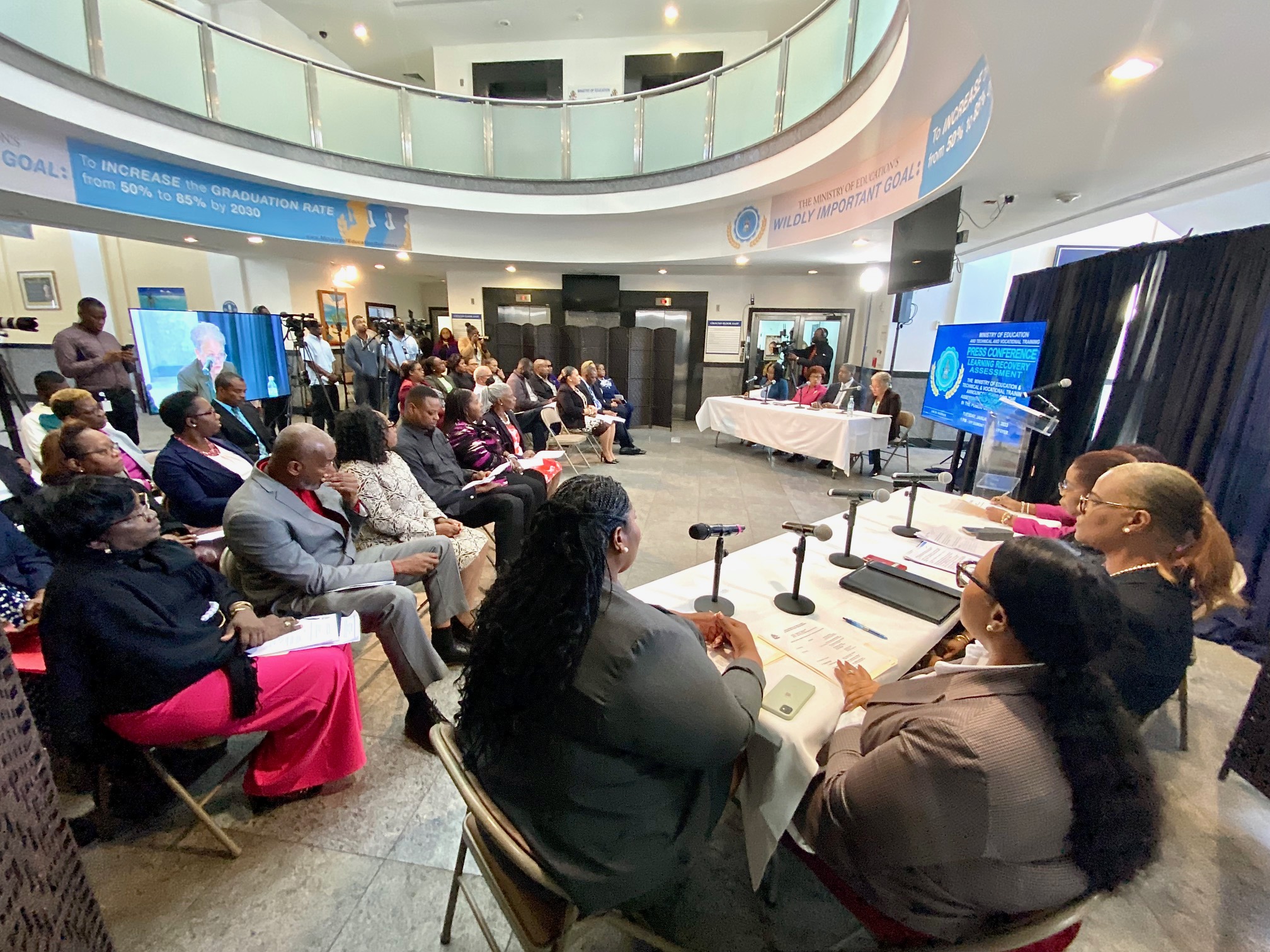
#NASSAU, Bahamas, January 18, 2023 – Minister of Education and Technical and Vocational Training the Hon. Glenys Hanna-Martin said the recent lockdowns and shutdowns in the midst of the COVID-19 pandemic have had multiple negative effects on education.
“Indeed, it has been noted that no sector has been more severely affected than the education sector,” the Minister said at a press conference on Tuesday, January 17, 2023 announcing that the Ministry will be undertaking assessments on children at public schools throughout the country to evaluate the extent of the learning loss caused by the COVID-19 pandemic.
“A tremendous body of research has been conducted globally and regionally and there is unanimity in the findings that millions of children worldwide are suffering from learning loss.
Minister Hanna-Martin explained that learning loss according to the World Bank refers to any specific or general loss of knowledge and skills or to reversals in academic progress, most commonly due to extended gaps”.
She also noted that a World Bank report published in June 2022 shows that “prolonged school closures, poor mitigation effectiveness, and household-income shocks had the biggest impact on learning poverty in Latin America and the Caribbean (LAC), with a predicted 80 per cent of children at the end-of-primary-school-age now unable to understand a simple written text, up from around 50 per cent pre-pandemic”.
The Minister said, “It is incumbent upon us in The Bahamas to measure the impact of COVID-19 which will give us real data as to the extent of learning loss so as to allow us to craft interventions to help our children catch up. The report shows that even before COVID-19 there was a learning crisis; COVID-19 exacerbated this crisis to huge proportions.”
She said the World Bank reported to avoid a permanent impact on the human capital accumulation of this generation, countries need to focus on reversing those losses and accelerating learning.
Minister Hanna-Martin said as a demonstration of data driven research, the Ministry commissioned a survey with the Department of Statistics to ascertain the reasons why thousands of children did not sign on to virtual learning and this data has given much insight into an array of issues.
She said another exercise that was undertaken nationwide involved public and private teams dispatched into communities to compile first-hand data on children not attending school.
“The deployment of attendance officers followed this initiative, to procure the attendances of students. Due to these combined efforts, we have been able to achieve an unprecedented school attendance rate of 94 per cent.
“Further, we commissioned a research project with the University of The Bahamas to identify factors which influence learning outcomes to our school population. This research will assist the Ministry in shaping policy and creating targeted interventions.”
Dominique McCartney-Russell, Acting Director said the Ministry has hired a consultant firm to undertake a diagnostic assessment of the learning loss that has occurred in the country and to provide recommendations for accelerating learning recovery.
After a bidding process, Renaissance Learning Inc. was the winning firm based on several criteria. These include:
-
The company should have had at least a minimum of three years of successful consultancy in the education sector with the expertise required to satisfactorily complete the assignment.

- They should have successful experience in at least three assignments of similar value and complexity in diagnostic assessment, remediation and acceleration in a school system.
-
They should also have experience in providing services to school systems with a student population of more than 35,000 children from grades K to 12.
The Acting Director said, “We looked at qualifications experience, methodologies, work plans, organization and staffing, subject matter expertise and overall competence for this assignment.”
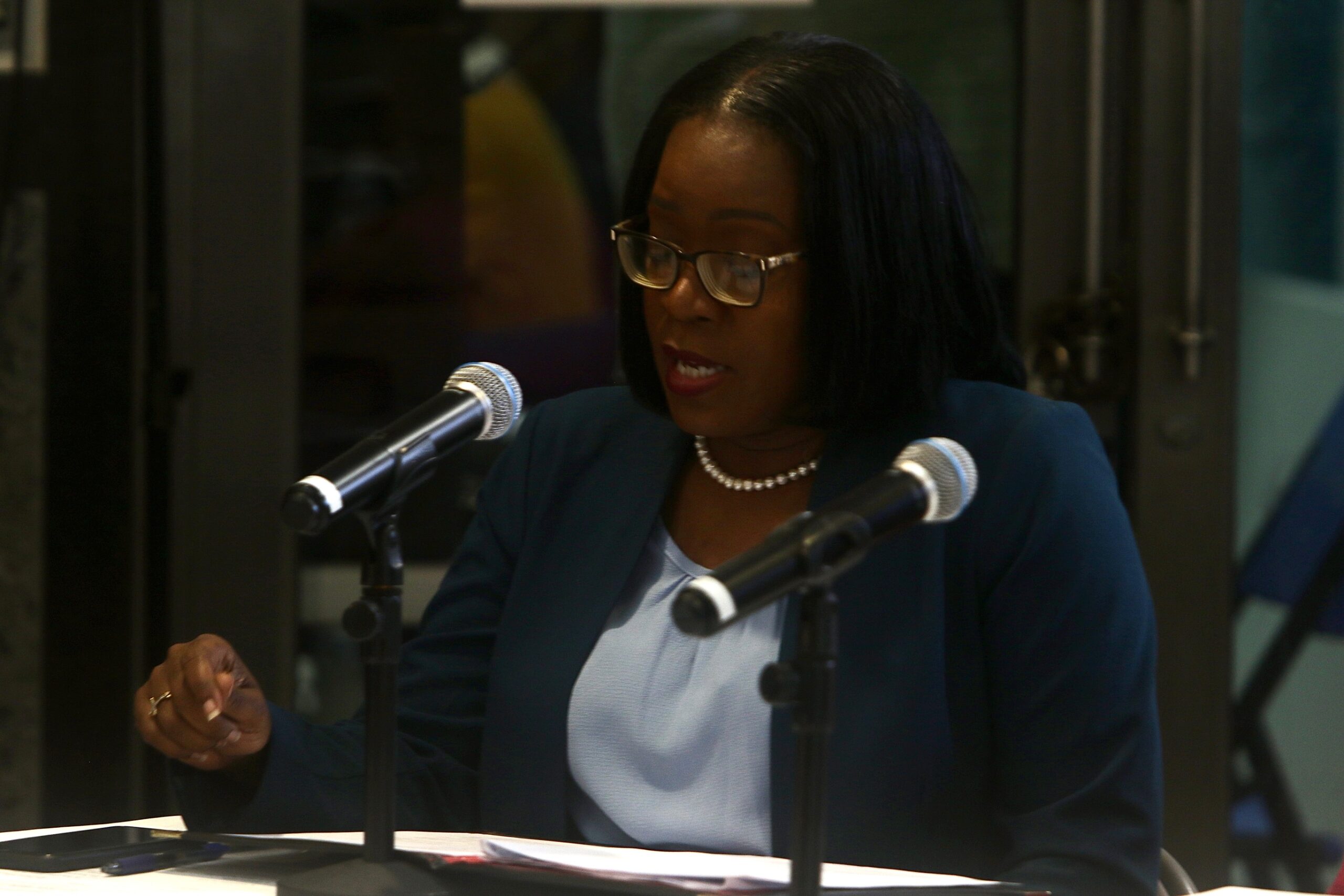
She added, “The mandate of this consultancy includes diagnostic assessment, the remediation and the salvation of learning recovery for students in K to 12 in the public school sector.”
Renaissance Learning Inc. has worldwide impact and operations in countries including the United States, Canada, China, Australia, the United Kingdom and the Caribbean.
According to Renaissance Learning Inc. website, since 1986, its mission has been to accelerate learning for all children and adults of all ability levels and ethnic and social backgrounds, worldwide. Today, more than 40 per cent of US schools rely on Renaissance solutions for data and insights to equitably move learning forward.
Release: BIS
PHOTO CAPTION: Minister of Education and Technical and Vocational Training the Hon. Glenys Hanna-Martin announced that the Ministry will be undertaking assessments on children at public schools throughout the country to evaluate the extent of the learning loss caused by the COVID-19 pandemic on Tuesday, January 17, 2023 at the Ministry. Also bringing remarks was Dominique McCartney-Russell, Acting Director.
(BIS Photos/Kristaan Ingraham)


The Bahamas, August 27, 2026 – The Royal Bahamas Police Force wishes to inform members of the public that several individuals are scheduled to appear before the Magistrate’s Court on Thursday, 27th August 2026, at 12:00 noon.
The individuals and charges are as follows:
An 18-year-old female is scheduled to be arraigned on the following charges:
Three (3) counts of Murder
Three (3) counts of Attempted Murder
Three (3) counts of Possession of a Firearm with Intent to Endanger Life
Three (3) counts of Possession of an Unlicensed Firearm
Two (2) counts of Possession of Ammunition
Armed Robbery
Abetment to Armed Robbery
Stealing
Receiving
The charges stem from three separate shooting incidents and an armed robbery that occurred on Friday, 21st August 2026, and Saturday, 22nd August 2026.
The first shooting occurred in the area of Soldier Road and Baillou Hill Road, resulting in the death of a 51-year-old male.
The second shooting occurred in the area of Joe Farrington Road, resulting in the death of a 52-year-old male.
The third shooting occurred in the area of Gladstone Road, resulting in the death of a 36-year-old male.
The armed robbery occurred at a business establishment in the area of Carmichael Road and Baillou Hill Road.
A 21-year-old male is scheduled to be arraigned on one charge of:
- Murder
The charge stems from a shooting incident that occurred on Tuesday, 21st July 2026, in the area of Samson Street, Nassau Village, which resulted in the death of a 28-year-old male.
A 32-year-old male is scheduled to be arraigned on the following charges:
- Murder
- Attempted Murder
These charges stem from a shooting incident that occurred on Wednesday, 24th December 2025, in the area of Graham Drive, Yellow Elder, which resulted in the death of a 25-year-old male.
RBPF, PACD
Bahamas News
Bahama Brass Band Invitation Sparks Heritage Debate Ahead of TCI Constitutional Holiday

Turks and Caicos, August 20, 2026 – The planned participation of the Bahama Brass Band in the Turks and Caicos Islands’ inaugural Constitutional Holiday celebrations on August 30 has sparked public debate over culture, heritage and the historical contributions of Turks and Caicos Islanders abroad.
Organizers defended the invitation, saying the band’s inclusion is intended to highlight the deep historical ties between the two countries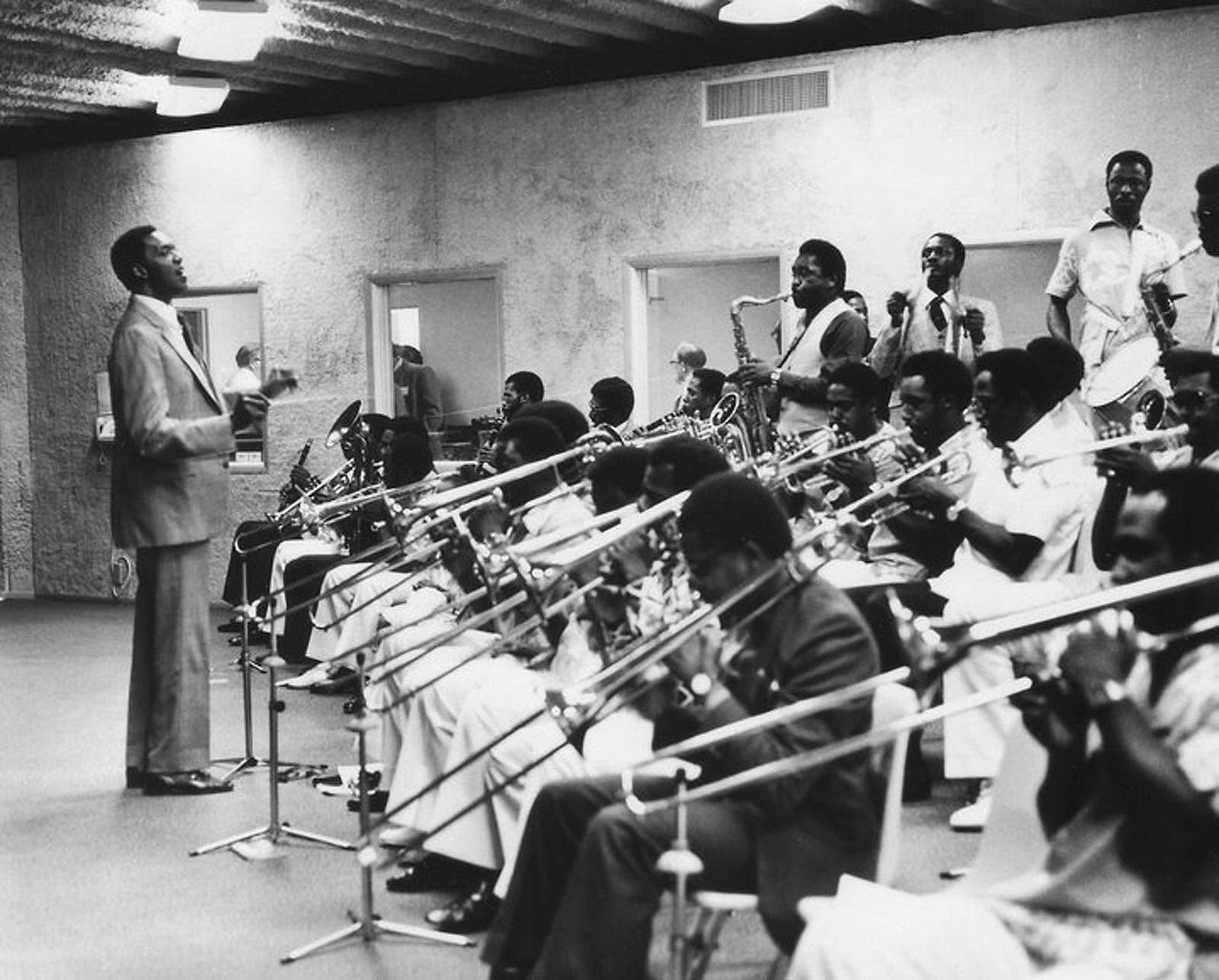 and honor Turks and Caicos men who helped establish and develop the institution in Grand Bahama.
According to the organizers, the Bahama Brass Band began in 1955 in Pine Ridge, Freeport, with Turks and Caicos Islanders, including the late Deacon Reuben Hall Sr. of Middle Caicos and Jenkins Williams and Mervin Hendfield of North Caicos, among those who helped build its foundation. The band eventually grew to more than 50 men.
The organizers also pointed to the participation of Turks and Caicos men in The Bahamas’ Independence celebrations on July 10, 1973, arguing that their contributions became part of Bahamian history while maintaining strong connections to their homeland.
Supporters say bringing the band home represents an opportunity to honor those pioneers, showcase their regional influence and expose younger generations to an important part of Turks and Caicos history.
However, concerns raised publicly described the invitation as potentially disrespectful to local culture and heritage. Organizers acknowledged those concerns, apologizing to anyone who felt overlooked or offended, while maintaining that no disrespect was intended.
The committee said the event should ultimately unite rather than divide, presenting the band’s history as evidence of the reach and resilience of Turks and Caicos heritage.
PHOTO CREDIT: Bahamas Brass Band
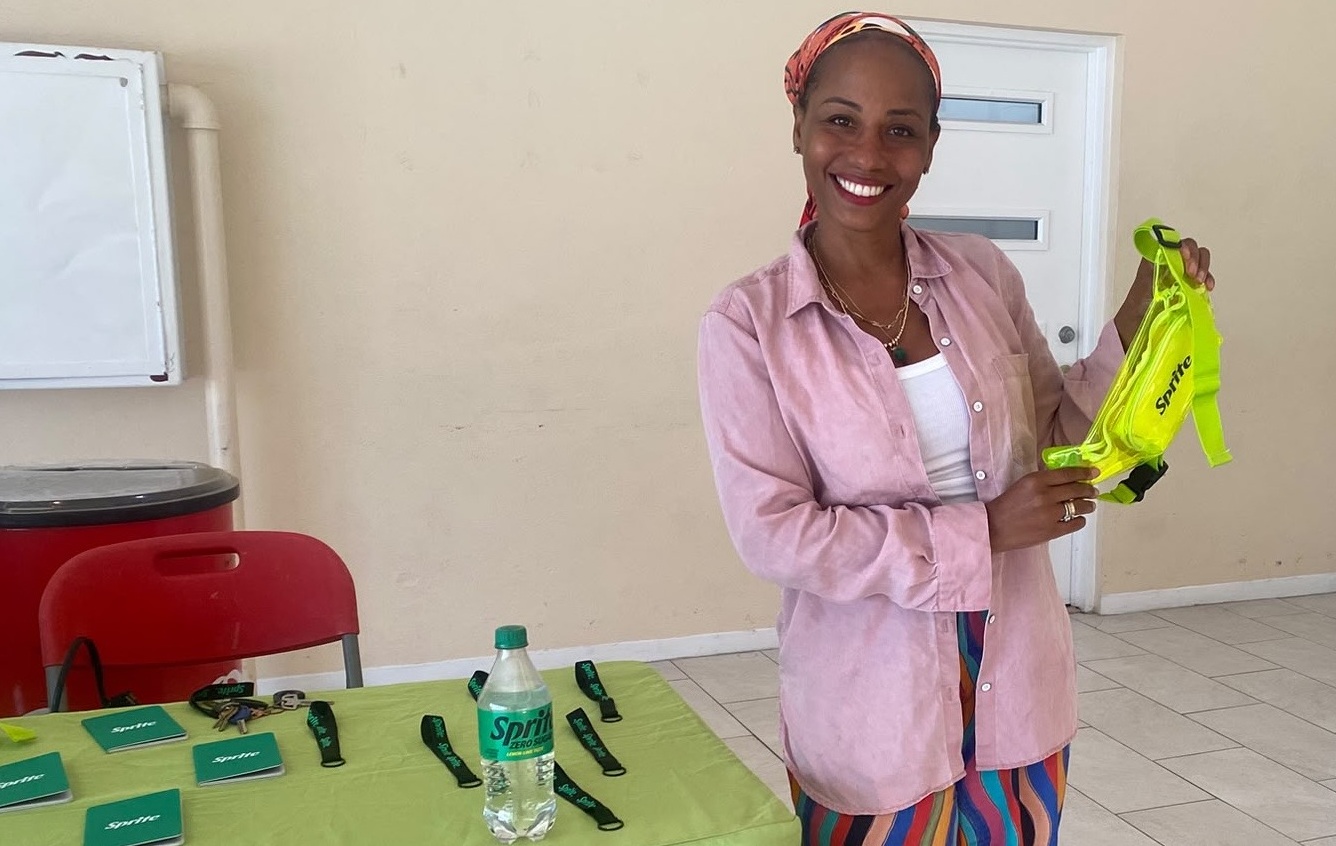
NASSAU, Bahamas — Caribbean Bottling Company (CBC), local producers of Dasani products, proudly sponsored the fifth annual, Caribbean Hoopfest.
The tournament brings together Bahamian high school basketball teams and visiting teams from the United States for a competitive showcase at the Kendal G. L. Isaacs Gymnasium. Following its inaugural year at the Kendal G. L. Isaacs gym and last year’s event at Loyola Hall, the tournament returned to the Kendal G. L. Isaacs gym this year.
During the weekend tournament, CBC kept athletes well hydrated with in-kind donations of Dasani Water, Powerade and Minute Maid Juices.
During the tournament’s final day, CBC provided additional support by offering Sprite No Sugar samples and inviting attendees to participate in its Spin the Wheel for a chance to win exciting prizes.
CBC was proud to support this incredible event, which provides young Bahamian athletes with valuable exposure to U.S. basketball scouts and coaches. This opportunity gives them the chance to earn scholarships, continue their education, and pursue their basketball careers in the United States.
Event organizer, Donald Francois shared his appreciation for CBC’s support.
“I want to express our sincere appreciation for Caribbean Bottling Company, who has been a tremendous supporter and an important part of the success of our program. Without CBC’s support, Caribbean Hoop Fest would not be able to function at the level it does today. And without Caribbean Hoop Fest, we would not have been able to provide the opportunities that have helped young Bahamian athletes gain exposure and pursue educational opportunities in the United States,” he expressed.
Since the program’s inception, several Bahamian student-athletes have been selected for scholarship opportunities, highlighting the tournament’s growing impact on the development and advancement of young basketball talent in The Bahamas.
They are: Kelvin McDowells – Guard, Wodson Antoine – Power Forward, Justin Lafleur – Guard and Sean John – Guard.
After another successful edition of the tournament, Francois shared what he hopes he and Caribbean Bottling Company can achieve in the future.
“Our vision is bigger than basketball. We want to use the platform of Caribbean Hoop Fest to educate, develop, and create opportunities for young people and their families throughout the Bahamas. With individuals and organizations committed to our mission, we believe we can continue to grow the program and make an even greater impact,” Francois said.
For more details on community support, events and new products visit Caribbean Bottling Company at www.cbcbahamas.com today.





-

 News1 day ago
Starlink Gets 15-Year TCI Licence; Commission Reveals Fees, Future Flow and Digicel Partnerships
-

 Bahamas News1 week ago
Royal Bahamas Police Force – ARRAIGNMENT NOTICE
-

 News3 days ago
Government Restates Commitment to TCI’s Telecommunications Evolution
-
 Independent writer2 days ago
A Second Chance Through Service: Is the TCI Regiment an Untapped Tool for Rehabilitation?
-
 News3 days ago
Tomorrow’s Communities Start with Today’s Young Leaders: Why Youth Engagement Matters
-

 Health6 days ago
Is It Bad To Sleep in a Bra?
-

 News1 day ago
Flow Strengthens Network Leadership in TCI