
Bahamas News
Lyford Cay Foundations Donates $525,000 to University of The Bahamas on Day of Giving


#TheBahamas, December 5, 2022 – On a day dedicated for a sustained period of giving, the Lyford Cay Foundations (LCF) gave University of The Bahamas (UB) a half-million dollar grant on Tuesday 29th November that will be used for student scholarships, academic necessities and to enrich the student experience.
The LCF is one of UB’s legacy donors and a valued partner in higher education. Its generous gift was made on UB’s Day of Giving, also observed internationally as Giving Tuesday.
“We could not think of a better day to present this grant to University of The Bahamas than on Giving Tuesday, the day when individuals, corporations and non-profits come together to transform communities through giving,” LCF Chairman, Mr. Basil Goulandris said.
Mr. Goulandris added that the donation means LCF’s partnership with UB now extends beyond traditional scholarship grants. The new grant will be used to fund study abroad opportunities, meal plans and university bridging scholarships for students who are in need and maintain a good academic standing.
“Our grants to the College of The Bahamas, and now the University of The Bahamas, have aimed to help people achieve their dreams and obtain skillsets most needed in our country,” said Mr. Goulandris. “Our grants have enabled needs-based scholarships with the aim of equalizing opportunities for Bahamians.
“So much can be said about the breadth of our association with the University of The Bahamas. The Lyford Cay Foundation is passionate about education, and we value the role University of the Bahamas plays in our national development.”
Tuesday’s donation brought the LCF’s investment in UB and its predecessor, COB, to over $10 million. Over the past 25 years, the LCF has funded hundreds of student scholarships, the Virtual Library Project, as well as the completion of the Harry C. Moore Library and Information Centre, fittingly named after the late, former Chairman of the LCF.
“This is, quite frankly, phenomenal, and a reflection of the value and importance that Lyford Cay Foundations and its donors place on access to quality education within The Bahamas, in addition to beyond its shores,” said UB President Dr. Erik Rolland. “We are honored at the longevity of this partnership, and are proud of the work both of our organizations are committed to the development of young Bahamians by providing these opportunities for higher education.”
Chair of UB’s Board of Trustees, Mrs. Allyson Maynard-Gibson, K.C., said Tuesday’s donation, though significant, pales in comparison to the near 30-year partnership between the two entities that continues to produce meaningful avenues to academic and professional success for Bahamian university students.
“This is a partnership and shared vision of immense value,” said Mrs. Maynard-Gibson. “This is the work and the support that builds leaders, develops a country, and transforms the world. Today, we’ve taken another step forward in this important work. We’re truly honored to be doing this work with the Foundation, and on our UB Day of Giving, and Giving Tuesday internationally, we celebrate you and your donors for your philanthropic leadership.”
LCF Executive Director Dr. Nicola Virgill-Rolle, a UB alumna and LCF scholar, said she was delighted to be a part of Tuesday’s donation ceremony.
“As a beneficiary of the important work of Lyford Cay Foundations, and University of The Bahamas, I know first hand why moments like these matter,” said Dr. Virgill-Rolle. “I benefited generously from Lyford Cay Foundations donors who helped students like me achieve our dreams. As an alumna of the College of The Bahamas now University of The Bahamas, I also benefited from the outstanding education that this institution provides.”
Under the grant arrangement, scholarship funding may be applied to tuition and fees, books and supplies directly related to the course of study and UB meal plans.
University of The Bahamas has been intentional in forging new partnerships and strengthening existing ones to increase the capacity to fulfil its mission of supporting and driving national development. The LCF grant comes during UB Charter month during which the institution marked its sixth anniversary.
Photo Caption: From left are: UB Student Government Association (SGA) President Matthew Williams; SGA Vice President Anthony Sturrup; Corporate and Foundation Relations Manager, UB, Inga Bostwick; Vice President of Institutional Advancement, UB, Dino Hernandez; UB President, Dr. Erik Rolland; UB Board of Trustees Chair, Allyson Maynard-Gibson, KC; Lyford Cay Foundations Board Chair Basil Goulandris; Lyford Cay Foundations Executive Director Dr. Nicola Virgill-Rolle; Lyford Cay Foundations Vice Chair Sarah Farrington; Director of Financial Aid and Scholarships, UB, Antona Curry; Executive Director Corporate and Foundation Relations, UB, Kandice Eldon.


The Bahamas, August 27, 2026 – The Royal Bahamas Police Force wishes to inform members of the public that several individuals are scheduled to appear before the Magistrate’s Court on Thursday, 27th August 2026, at 12:00 noon.
The individuals and charges are as follows:
An 18-year-old female is scheduled to be arraigned on the following charges:
Three (3) counts of Murder
Three (3) counts of Attempted Murder
Three (3) counts of Possession of a Firearm with Intent to Endanger Life
Three (3) counts of Possession of an Unlicensed Firearm
Two (2) counts of Possession of Ammunition
Armed Robbery
Abetment to Armed Robbery
Stealing
Receiving
The charges stem from three separate shooting incidents and an armed robbery that occurred on Friday, 21st August 2026, and Saturday, 22nd August 2026.
The first shooting occurred in the area of Soldier Road and Baillou Hill Road, resulting in the death of a 51-year-old male.
The second shooting occurred in the area of Joe Farrington Road, resulting in the death of a 52-year-old male.
The third shooting occurred in the area of Gladstone Road, resulting in the death of a 36-year-old male.
The armed robbery occurred at a business establishment in the area of Carmichael Road and Baillou Hill Road.
A 21-year-old male is scheduled to be arraigned on one charge of:
- Murder
The charge stems from a shooting incident that occurred on Tuesday, 21st July 2026, in the area of Samson Street, Nassau Village, which resulted in the death of a 28-year-old male.
A 32-year-old male is scheduled to be arraigned on the following charges:
- Murder
- Attempted Murder
These charges stem from a shooting incident that occurred on Wednesday, 24th December 2025, in the area of Graham Drive, Yellow Elder, which resulted in the death of a 25-year-old male.
RBPF, PACD
Bahamas News
Bahama Brass Band Invitation Sparks Heritage Debate Ahead of TCI Constitutional Holiday
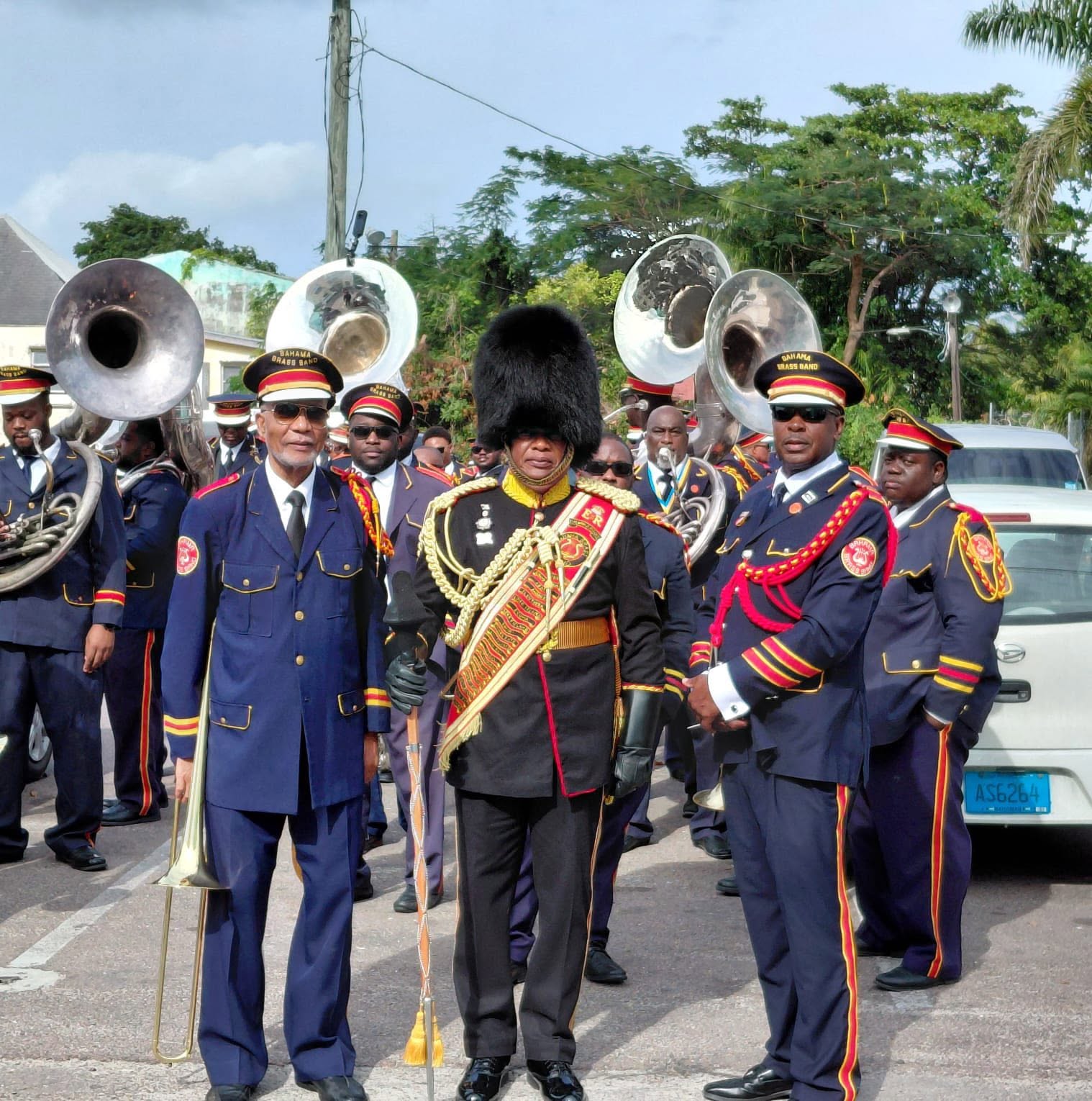
Turks and Caicos, August 20, 2026 – The planned participation of the Bahama Brass Band in the Turks and Caicos Islands’ inaugural Constitutional Holiday celebrations on August 30 has sparked public debate over culture, heritage and the historical contributions of Turks and Caicos Islanders abroad.
Organizers defended the invitation, saying the band’s inclusion is intended to highlight the deep historical ties between the two countries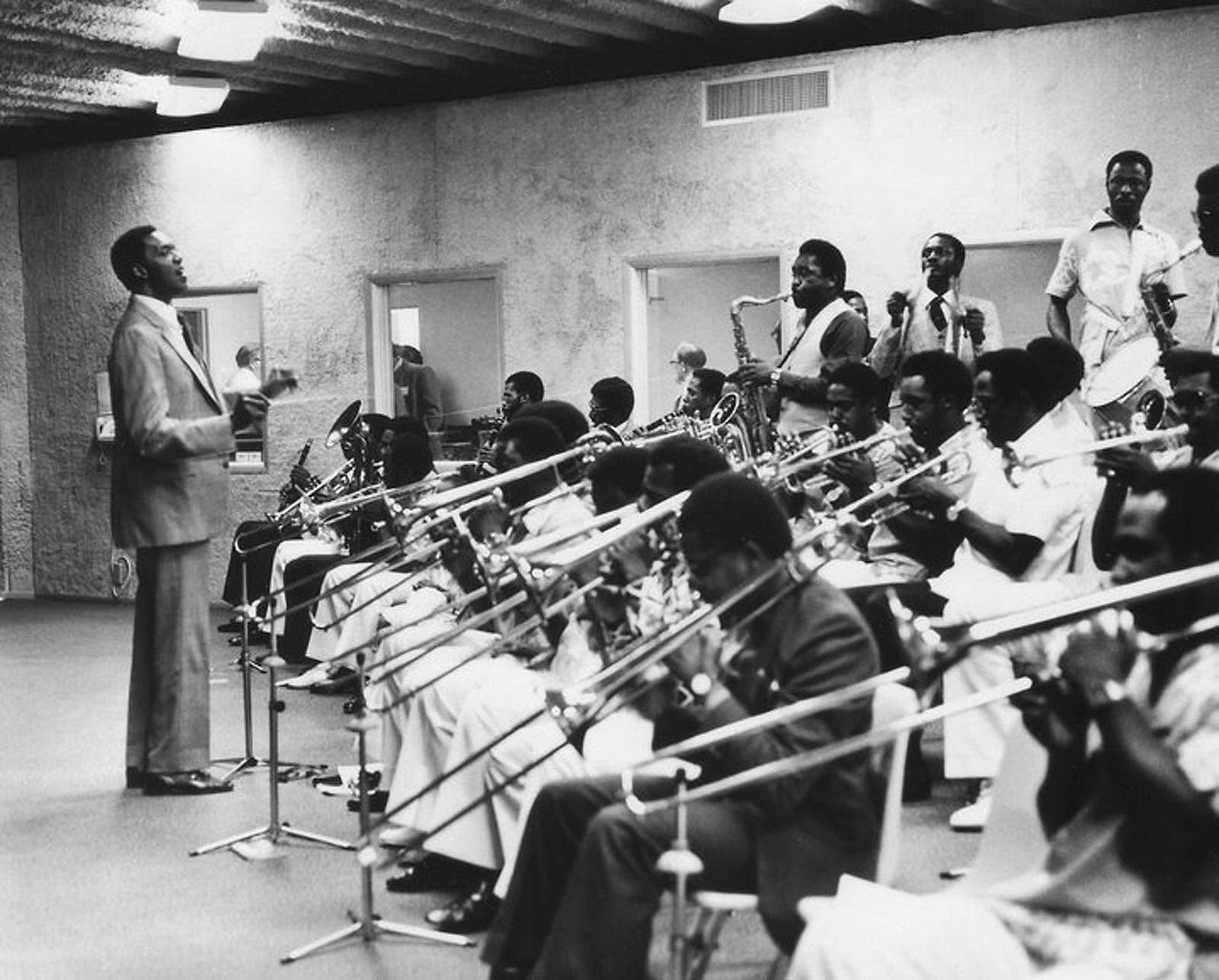 and honor Turks and Caicos men who helped establish and develop the institution in Grand Bahama.
According to the organizers, the Bahama Brass Band began in 1955 in Pine Ridge, Freeport, with Turks and Caicos Islanders, including the late Deacon Reuben Hall Sr. of Middle Caicos and Jenkins Williams and Mervin Hendfield of North Caicos, among those who helped build its foundation. The band eventually grew to more than 50 men.
The organizers also pointed to the participation of Turks and Caicos men in The Bahamas’ Independence celebrations on July 10, 1973, arguing that their contributions became part of Bahamian history while maintaining strong connections to their homeland.
Supporters say bringing the band home represents an opportunity to honor those pioneers, showcase their regional influence and expose younger generations to an important part of Turks and Caicos history.
However, concerns raised publicly described the invitation as potentially disrespectful to local culture and heritage. Organizers acknowledged those concerns, apologizing to anyone who felt overlooked or offended, while maintaining that no disrespect was intended.
The committee said the event should ultimately unite rather than divide, presenting the band’s history as evidence of the reach and resilience of Turks and Caicos heritage.
PHOTO CREDIT: Bahamas Brass Band
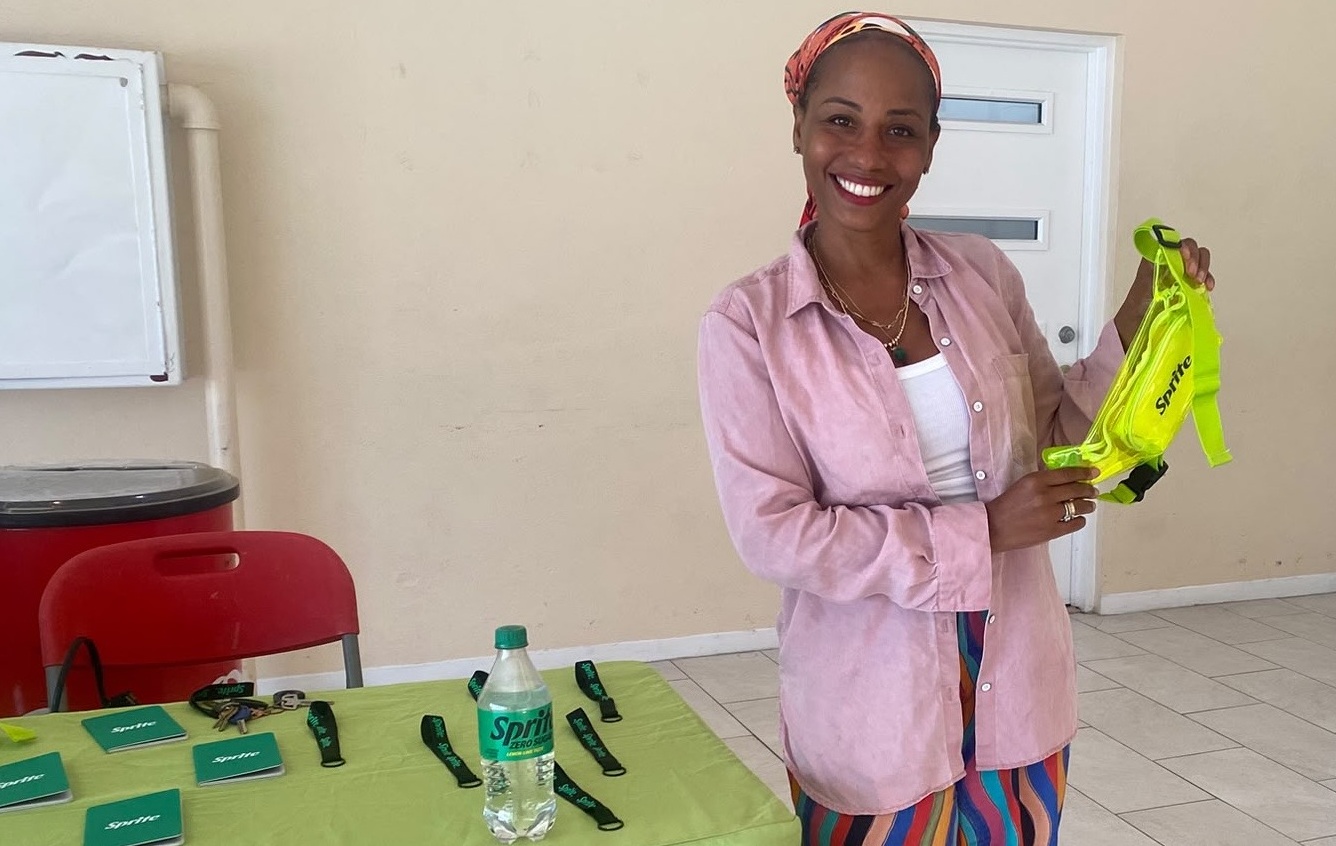
NASSAU, Bahamas — Caribbean Bottling Company (CBC), local producers of Dasani products, proudly sponsored the fifth annual, Caribbean Hoopfest.
The tournament brings together Bahamian high school basketball teams and visiting teams from the United States for a competitive showcase at the Kendal G. L. Isaacs Gymnasium. Following its inaugural year at the Kendal G. L. Isaacs gym and last year’s event at Loyola Hall, the tournament returned to the Kendal G. L. Isaacs gym this year.
During the weekend tournament, CBC kept athletes well hydrated with in-kind donations of Dasani Water, Powerade and Minute Maid Juices.
During the tournament’s final day, CBC provided additional support by offering Sprite No Sugar samples and inviting attendees to participate in its Spin the Wheel for a chance to win exciting prizes.
CBC was proud to support this incredible event, which provides young Bahamian athletes with valuable exposure to U.S. basketball scouts and coaches. This opportunity gives them the chance to earn scholarships, continue their education, and pursue their basketball careers in the United States.
Event organizer, Donald Francois shared his appreciation for CBC’s support.
“I want to express our sincere appreciation for Caribbean Bottling Company, who has been a tremendous supporter and an important part of the success of our program. Without CBC’s support, Caribbean Hoop Fest would not be able to function at the level it does today. And without Caribbean Hoop Fest, we would not have been able to provide the opportunities that have helped young Bahamian athletes gain exposure and pursue educational opportunities in the United States,” he expressed.
Since the program’s inception, several Bahamian student-athletes have been selected for scholarship opportunities, highlighting the tournament’s growing impact on the development and advancement of young basketball talent in The Bahamas.
They are: Kelvin McDowells – Guard, Wodson Antoine – Power Forward, Justin Lafleur – Guard and Sean John – Guard.
After another successful edition of the tournament, Francois shared what he hopes he and Caribbean Bottling Company can achieve in the future.
“Our vision is bigger than basketball. We want to use the platform of Caribbean Hoop Fest to educate, develop, and create opportunities for young people and their families throughout the Bahamas. With individuals and organizations committed to our mission, we believe we can continue to grow the program and make an even greater impact,” Francois said.
For more details on community support, events and new products visit Caribbean Bottling Company at www.cbcbahamas.com today.





-

 Education1 week ago
Department of Education Concludes Four-Day TCI National Standards Secondary School Curriculum Implementation Training
-

 Independent writer7 days ago
Fifty Years of Ministerial Government: Honouring Our Past, Embracing Our Present and Preparing for Our Destiny
-
 News1 week ago
UNDER 40 DAYS: COMMITTEE FORMED—BUT WHO IS ON IT?
-

 Health5 days ago
Know the Possible Warning Signs of Prostate Cancer
-

 News1 week ago
Invest TCI Brings Entrepreneurs and Bankers to the Table
-

 News3 days ago
Liberty Business launches in Turks and Caicos Islands
-
 Education4 days ago
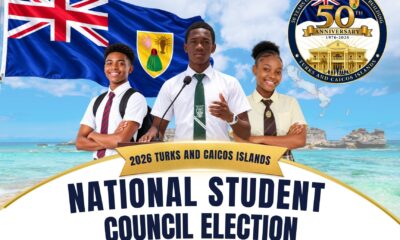
TCI Schools Invited to Participate in 2026 National Student Council Election
-

 Independent writer11 hours ago
Letter to The Editor