
Bahamas News
EPIC ELECTION! 39 chosen from HUGE field of 228 Candidates, PLP WINS

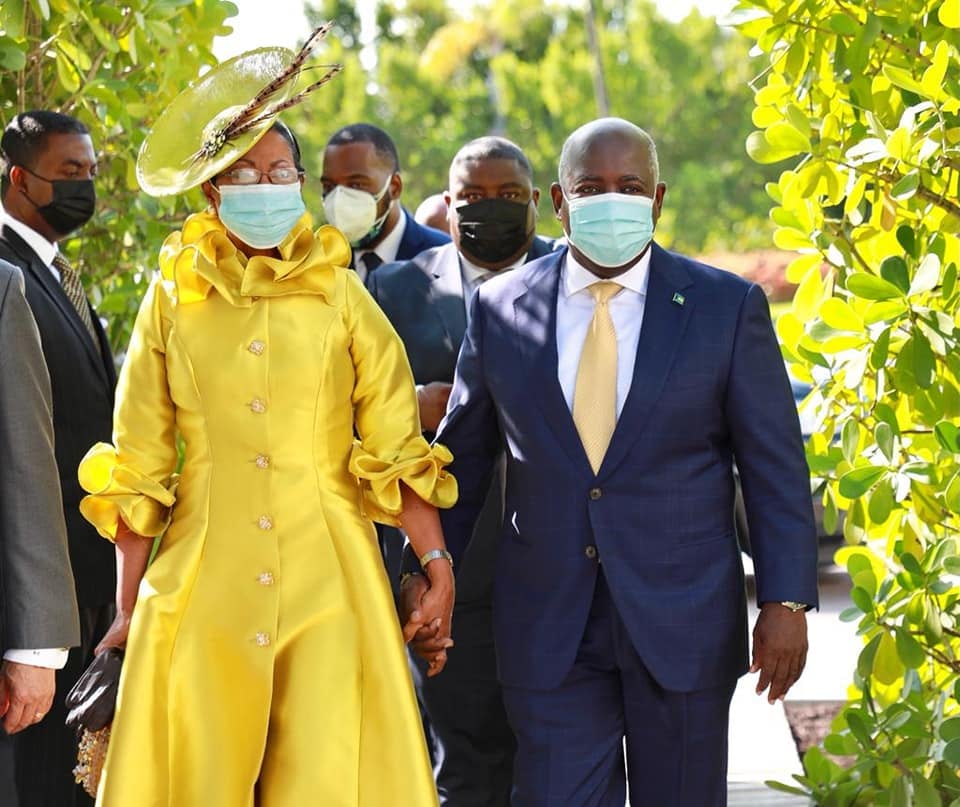
#TheBahamas, September 18, 2021 – Concluding with another sweeping swing, Bahamians for the fifth consecutive General Election have made the swap between the Progressive Liberal Party (PLP) and the Free National Movement (FNM) and this time, the Hubert Minnis-led FNM Administration saw the curtain close dramatically on its performance in exchange for the ‘New Day’ alternative presented by Philip ‘Brave’ Davis, leader of the PLP.
The polls closed at 6pm, the call to concede came at 9 pm. Just as the general elections came in a snap for The Bahamas, so did the realization for Dr. Hubert Minnis that his Free National Movement party failed to recapture the majority of seats in parliament and just like that, Philip Brave Davis became the prime minister elect for The Bahamas.
“We are going to listen. We are going to consult widely. And we are going to bring people together. That is the best way to make progress as a nation. No leader and no government should be isolated from the people. I also commit to lifting the veil of secrecy on that which has gone before us, so that all of the arrangements under which we have to live are transparent, and those who authored them are accountable. We will govern in the interests of all Bahamians, not just the privileged few. We will act in ways that rebuild trust between the government and the Bahamian people. We will uphold the constitution and the rule of law, and ensure that everyone is treated fairly, so that it s not one rule for one set of people, and another for another set of people,” said Hon Philip Davis, Prime Minister of the Commonwealth of The Bahamas in remarks at his Ceremonial Swearing in which took place at the Baha Mar Ballroom on (today) Saturday September 18, 2021.
In epic fashion this year’s elections unraveled and in equally stunning loss, the FNM was resoundingly rejected. The party held onto only seven constituencies; the PLP racking up 32 seats in the House of Assembly. In 2017, the split was four to the PLP and 35 members of parliament for the FNM.
It was a polling day which observers believe has drawn the lowest voter turn-out in history and one which ratified the highest number of candidates of any voting day.
There were 228 individuals who offered for the 39 seats. Added to the fray were virtually unknown organisations like the UCP, BCP, the KGM and the GCP; more familiar to Bahamians as an alternative to the usual PLP and FNM offering were the Coalition of Independents (COI), just several months old and the Democratic National Alliance (DNA), making its third appearance on the ballots.
The Parliamentary Registration Department informed there were 192,587 registered voters across the archipelago; 20,000 of them new. However, a staggering number of people were not registered as they were caught off guard by the surprise announcement of September 2021 as Election Day instead of a May 2022.
The Parliamentary Registration Department was plunged – ready or not – into a snap process, having to manage a highly contentious race in the midst of the killer coronavirus pandemic.
“I would like to thank the tens of thousands of Bahamians from across The Bahamas who voted for Free National Movement candidates. I also congratulate the FNM candidates who won seats in the House of Assembly. I am in that number, and again my gratitude goes out to the people of Killarney for making me their representative for the fourth consecutive time. I will lead the Free National Movement into the House as the leader of Her Majesty’s Loyal Opposition. The Bahamas has a proud democratic tradition. The people decide who serves as government,” expressed Dr. Hubert Minnis, in his Concession Speech on the night of the election September 16, 2021.
Hubert Minnis for the fourth consecutive time won the majority of votes, to hold onto the Killarney Constituency.
“We did not win this time. But I say to the next generation of FNMs that you should stay firm to this party’s founding ideals. Always put the people first, and be honest in government. The people have asked us to be the opposition. We will ensure the people’s resources are spent properly. We will ensure there is accountability. We will oppose when necessary. We will agree when the Government’s plans are in the best interests of the people,” said Dr. Minnis in an issued statement.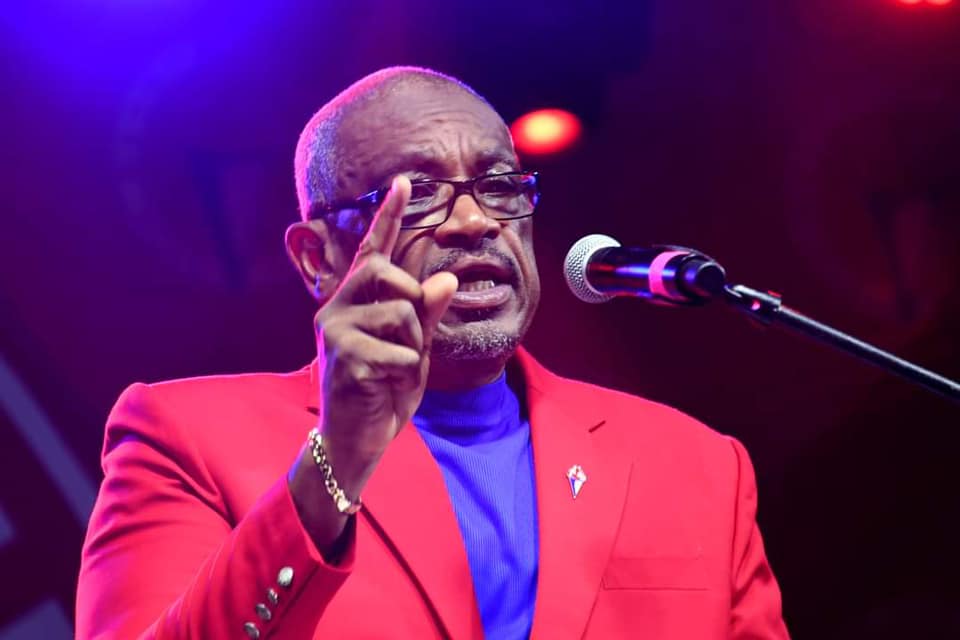
The outgoing prime minister was criticised for his cowardly exit; again dodging media cameras, scrutiny and a live audience. It also remains to be seen if indeed Dr. Minnis will return as the Leader of the Opposition, given his decisive loss as leader.
With his New Day was the theme guiding his first declarations to Bahamians as the fifth prime minister of the Commonwealth, Brave Davis assured there is no easy work ahead, but pledged results with the Bahamian people remaining the PLP’s north star.
“There is much work to be done; but I know that by working together, we can succeed and build the kind of prosperous, independent Bahamas that our founding fathers dreamed for us. It will not happen overnight, but with steady progress, we will get there. I pray God’s blessings and guidance upon us all, and in the words of St. Francis, “make us instruments of your peace; where there is discord, let me bring union; where there is doubt, let me bring faith; where there is despair, let me bring hope; where there is sadness, let me bring joy.
I thank God for having blessed us with this beautiful country, and the bountiful birthright which we have inherited.”
Independents and other political parties made more of an impression in the 2021 national poll than ever before, however none was able to breakthrough to earn a seat at the parliamentary table.
“We didn’t step forward to become famous or for self-recognition. We didn’t step forward for our own families to be victimized and threatened. We didn’t step forward for our names to be lied on and smeared.We stepped forward because we believed and still do in the Bahamian people,” said Lincoln Bain, leader of the COI, which in its debut rolled in as the third most popular party, he added, “We will continue this fight because we are not a flash in the frying pan organization. We will continue the fight until EVERY Bahamian has benefited from our #NaturalResources.”
The election was observed by CARICOM observers led by former Jamaican Prime Minister Bruce Golding.
Official General Election results are still being processed by the Parliamentary Registration Department.








The Bahamas, August 27, 2026 – The Royal Bahamas Police Force wishes to inform members of the public that several individuals are scheduled to appear before the Magistrate’s Court on Thursday, 27th August 2026, at 12:00 noon.
The individuals and charges are as follows:
An 18-year-old female is scheduled to be arraigned on the following charges:
Three (3) counts of Murder
Three (3) counts of Attempted Murder
Three (3) counts of Possession of a Firearm with Intent to Endanger Life
Three (3) counts of Possession of an Unlicensed Firearm
Two (2) counts of Possession of Ammunition
Armed Robbery
Abetment to Armed Robbery
Stealing
Receiving
The charges stem from three separate shooting incidents and an armed robbery that occurred on Friday, 21st August 2026, and Saturday, 22nd August 2026.
The first shooting occurred in the area of Soldier Road and Baillou Hill Road, resulting in the death of a 51-year-old male.
The second shooting occurred in the area of Joe Farrington Road, resulting in the death of a 52-year-old male.
The third shooting occurred in the area of Gladstone Road, resulting in the death of a 36-year-old male.
The armed robbery occurred at a business establishment in the area of Carmichael Road and Baillou Hill Road.
A 21-year-old male is scheduled to be arraigned on one charge of:
- Murder
The charge stems from a shooting incident that occurred on Tuesday, 21st July 2026, in the area of Samson Street, Nassau Village, which resulted in the death of a 28-year-old male.
A 32-year-old male is scheduled to be arraigned on the following charges:
- Murder
- Attempted Murder
These charges stem from a shooting incident that occurred on Wednesday, 24th December 2025, in the area of Graham Drive, Yellow Elder, which resulted in the death of a 25-year-old male.
RBPF, PACD
Bahamas News
Bahama Brass Band Invitation Sparks Heritage Debate Ahead of TCI Constitutional Holiday
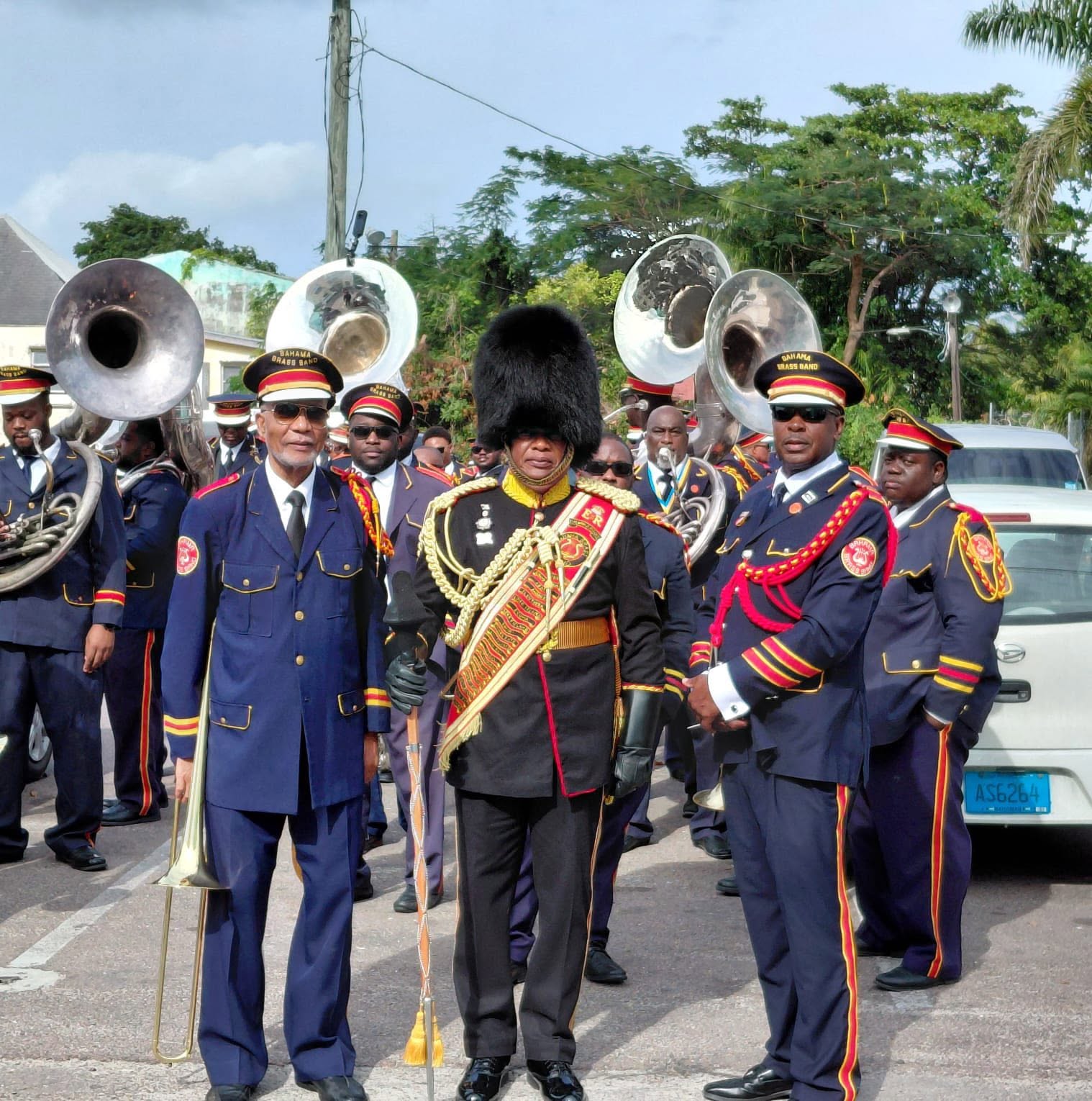
Turks and Caicos, August 20, 2026 – The planned participation of the Bahama Brass Band in the Turks and Caicos Islands’ inaugural Constitutional Holiday celebrations on August 30 has sparked public debate over culture, heritage and the historical contributions of Turks and Caicos Islanders abroad.
Organizers defended the invitation, saying the band’s inclusion is intended to highlight the deep historical ties between the two countries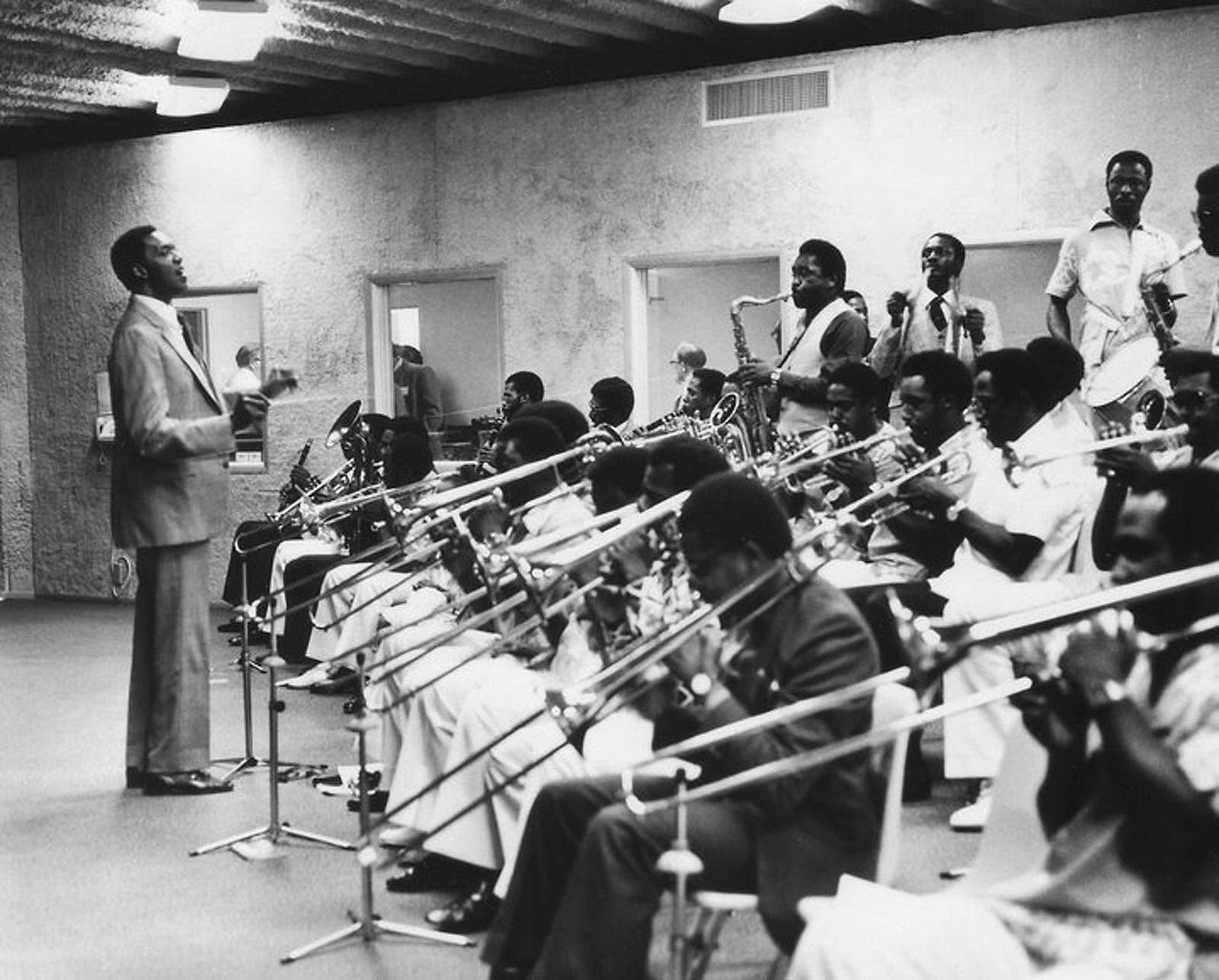 and honor Turks and Caicos men who helped establish and develop the institution in Grand Bahama.
According to the organizers, the Bahama Brass Band began in 1955 in Pine Ridge, Freeport, with Turks and Caicos Islanders, including the late Deacon Reuben Hall Sr. of Middle Caicos and Jenkins Williams and Mervin Hendfield of North Caicos, among those who helped build its foundation. The band eventually grew to more than 50 men.
The organizers also pointed to the participation of Turks and Caicos men in The Bahamas’ Independence celebrations on July 10, 1973, arguing that their contributions became part of Bahamian history while maintaining strong connections to their homeland.
Supporters say bringing the band home represents an opportunity to honor those pioneers, showcase their regional influence and expose younger generations to an important part of Turks and Caicos history.
However, concerns raised publicly described the invitation as potentially disrespectful to local culture and heritage. Organizers acknowledged those concerns, apologizing to anyone who felt overlooked or offended, while maintaining that no disrespect was intended.
The committee said the event should ultimately unite rather than divide, presenting the band’s history as evidence of the reach and resilience of Turks and Caicos heritage.
PHOTO CREDIT: Bahamas Brass Band
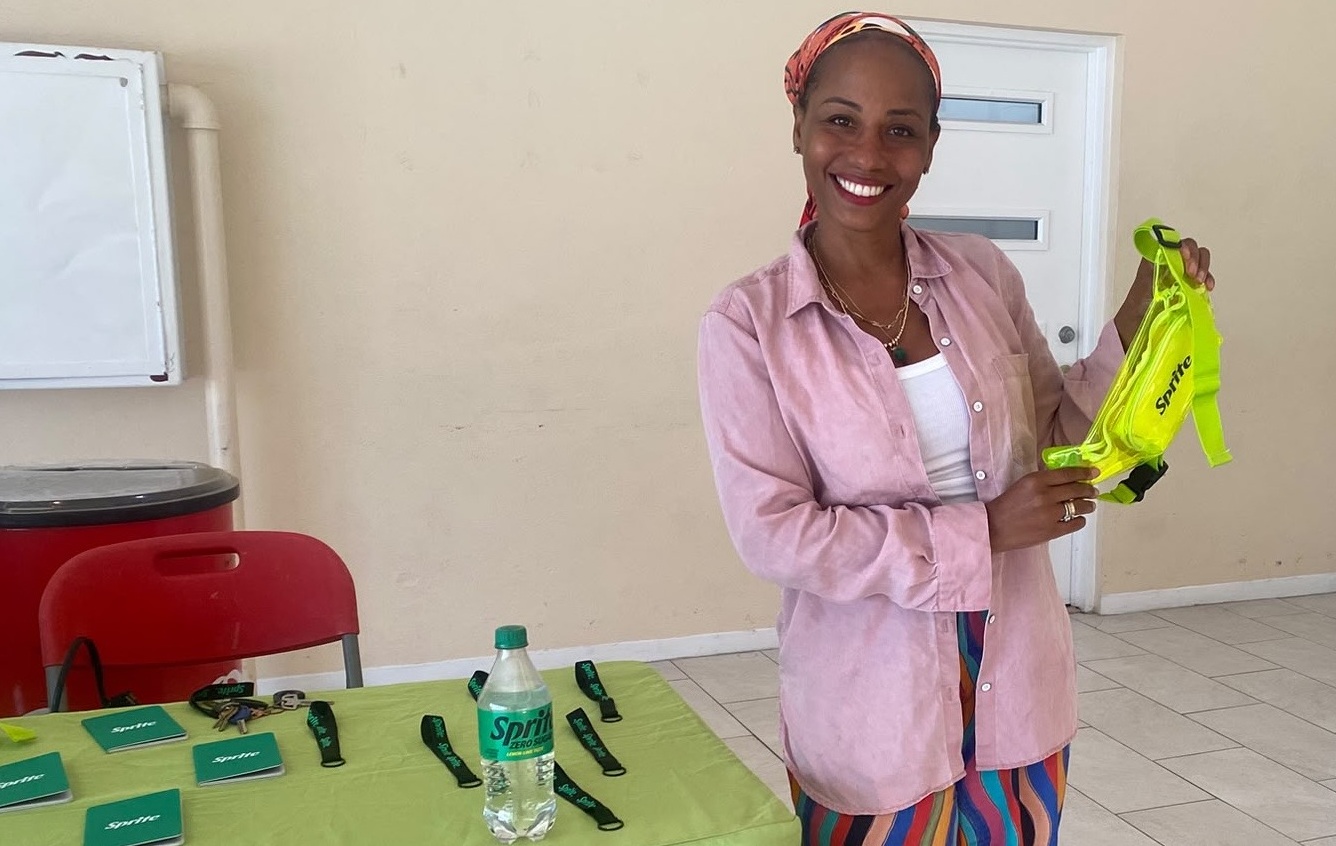
NASSAU, Bahamas — Caribbean Bottling Company (CBC), local producers of Dasani products, proudly sponsored the fifth annual, Caribbean Hoopfest.
The tournament brings together Bahamian high school basketball teams and visiting teams from the United States for a competitive showcase at the Kendal G. L. Isaacs Gymnasium. Following its inaugural year at the Kendal G. L. Isaacs gym and last year’s event at Loyola Hall, the tournament returned to the Kendal G. L. Isaacs gym this year.
During the weekend tournament, CBC kept athletes well hydrated with in-kind donations of Dasani Water, Powerade and Minute Maid Juices.
During the tournament’s final day, CBC provided additional support by offering Sprite No Sugar samples and inviting attendees to participate in its Spin the Wheel for a chance to win exciting prizes.
CBC was proud to support this incredible event, which provides young Bahamian athletes with valuable exposure to U.S. basketball scouts and coaches. This opportunity gives them the chance to earn scholarships, continue their education, and pursue their basketball careers in the United States.
Event organizer, Donald Francois shared his appreciation for CBC’s support.
“I want to express our sincere appreciation for Caribbean Bottling Company, who has been a tremendous supporter and an important part of the success of our program. Without CBC’s support, Caribbean Hoop Fest would not be able to function at the level it does today. And without Caribbean Hoop Fest, we would not have been able to provide the opportunities that have helped young Bahamian athletes gain exposure and pursue educational opportunities in the United States,” he expressed.
Since the program’s inception, several Bahamian student-athletes have been selected for scholarship opportunities, highlighting the tournament’s growing impact on the development and advancement of young basketball talent in The Bahamas.
They are: Kelvin McDowells – Guard, Wodson Antoine – Power Forward, Justin Lafleur – Guard and Sean John – Guard.
After another successful edition of the tournament, Francois shared what he hopes he and Caribbean Bottling Company can achieve in the future.
“Our vision is bigger than basketball. We want to use the platform of Caribbean Hoop Fest to educate, develop, and create opportunities for young people and their families throughout the Bahamas. With individuals and organizations committed to our mission, we believe we can continue to grow the program and make an even greater impact,” Francois said.
For more details on community support, events and new products visit Caribbean Bottling Company at www.cbcbahamas.com today.





-
 News7 days ago
Starlink Gets 15-Year TCI Licence; Commission Reveals Fees, Future Flow and Digicel Partnerships
-

 News6 days ago
Building a Stronger Royal Turks and Caicos Islands Police Force through Change and Capacity Building
-
 News1 week ago
Government Restates Commitment to TCI’s Telecommunications Evolution
-
 Independent writer1 week ago
A Second Chance Through Service: Is the TCI Regiment an Untapped Tool for Rehabilitation?
-
 News1 week ago
Tomorrow’s Communities Start with Today’s Young Leaders: Why Youth Engagement Matters
-

 News7 days ago
Flow Strengthens Network Leadership in TCI
-

 News1 week ago
GOLDEN MESSAGE: REMEMBER, REPENT, RETURN