
Bahamas News
BAHAMAS: To Sir With Love: Happy Birthday, Sir Sidney!

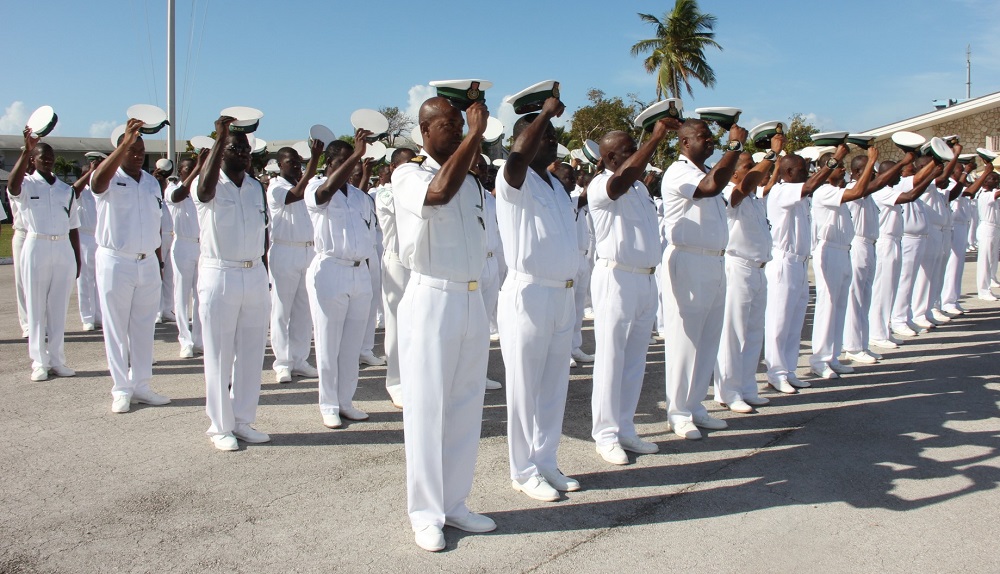
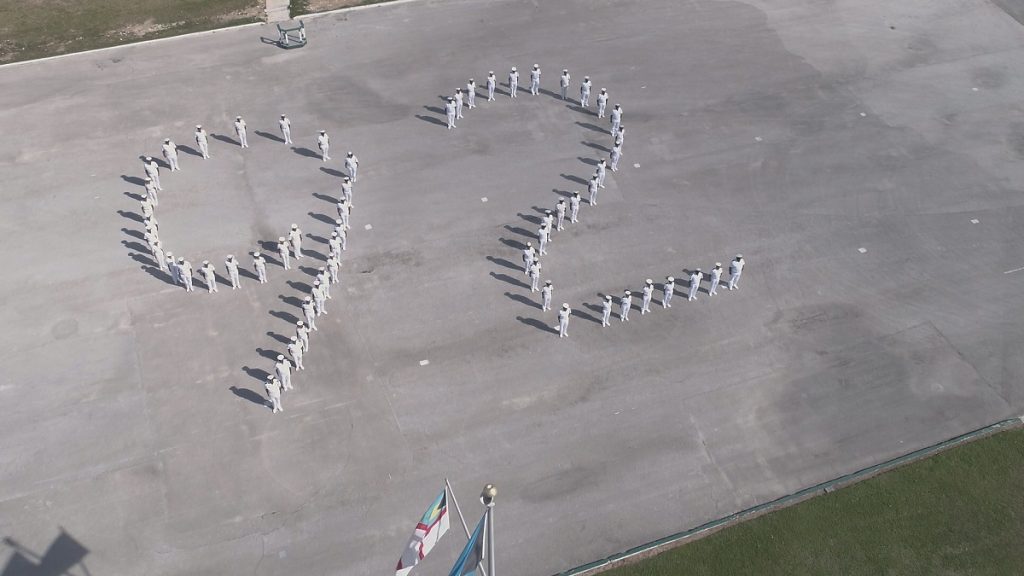
Coral Harbour Base, February 20, 2019 – Bahamas – CWith the air of a salute befitting royalty, members of the Royal Bahamas Defence Force are paying special tribute to Sir Sidney Poitier in recognition of his ninety-second birthday on Wednesday 20 February 2019 with a unique video collaboration that was released earlier tonight via mainstream and social media https://www.facebook.com/RBDFMIL/ ; @RBDFPR (Twitter)
Through this production of love, members of the Defence Force–The Bahamas’ military service–salute the life and living legacy of a great Bahamian-American, celebrated actor, film director, author and diplomat.

The video production is set to the theme song of the British film bearing the same title, To Sir With Love, in which Sir Sidney played the leading role. The song was also released the same year as the film in 1967, and was sung by Scottish singer and actress, Lulu Kennedy-Cairns. A recipient of the Officer of the Order of the British Empire (OBE) award, Lulu starred alongside Sir Sidney in the movie. The song and movie became a number 1 hit that year on US charts.
Distributed by Columbia Pictures, the film featured Sir Sidney as a black educator from British Guiana (now Republic of Guyana), who took a teaching job at a high school in the rough East End district of London. At the school, the students addressed their teacher as, ‘Sir,’ almost a decade before Sir Sidney was actually knighted by the Queen of England.
Against great odds, ‘Sir’ was able to impart a sense of dignity, and social responsibility to a class of defiant, rebellious teenagers. In the end, the students came to love and respect him for the time and effort invested in transforming their lives for the better.
Sir Sidney was born ninety-two years ago on 20th February 1927. Back then, The Bahamas was a British colony before gaining independence in 1973. His parents were farmers in Cat Island–an island in central Bahamas famed for storytelling, rake-n-scrape music and quadrille dancing that was once featured at the Smithsonian Institution in Washington, DC.
The 48-mile long Island also boasts The Bahamas’ highest hill, Mount Alvernia (also known as Como Hill), near central Cat Island with a height of 206 feet. Though low in comparison to the mountains of California, Mt. Alvernia foreshadowed the summit Sir Sidney was to climb in the film making industry.
Sir Sidney’s birth, however, took place in Miami, Florida–180 miles northwest of New Providence–during an overseas visit by his mother. He grew up in both Cat Island and the island of the nation’s capital (Nassau), New Providence Island, and spent his later teenage and adult years in the US, primarily Miami and New York. Both Sir Sidney and his wife, Canadian-American actress, Lady Joanna (née Shimkus), now live in California.
His passion for acting earned him an almost immediate reputation in the film industry, where he earned the distinction of being the first black person to garner the American Academy and Golden Globe Awards for Best Actor in 1964. Many prestigious awards have followed, including the American Presidential Freedom Award.
Other notable achievements by Sir Sidney include being awarded Knight Commander of the Most Excellent Order of the British Empire (KBE) by Queen Elizabeth II in 1974, and serving as the Ambassador of The Bahamas to Japan from 1997-2007. He had also served for a short time in the United States Army during World War II in 1943.
Sir Sidney’s heritage is that of one whose lifeblood was drawn from Bahamian land and sea–a place that gave birth to the modern nations of the Americas following Christopher Columbus’ first landfall in the New World in 1492 on an island of The Bahamas, which some claim to be Cat Island.
As guardians of this rich heritage and with their motto as, ‘Guard Our Heritage,’ it seems fitting that the very Officers and Marines, who preserve and protect the native shores of this tropical paradise saw fit to honor one of their nation’s own shining stars with a touching tribute.
The tribute is in three formats: a music video production that was released for television earlier tonight; instrumental music for easy listening on the radio; and vocals for personal enjoyment. The instrumental and vocals will be released on Thursday 21 February, 2019.
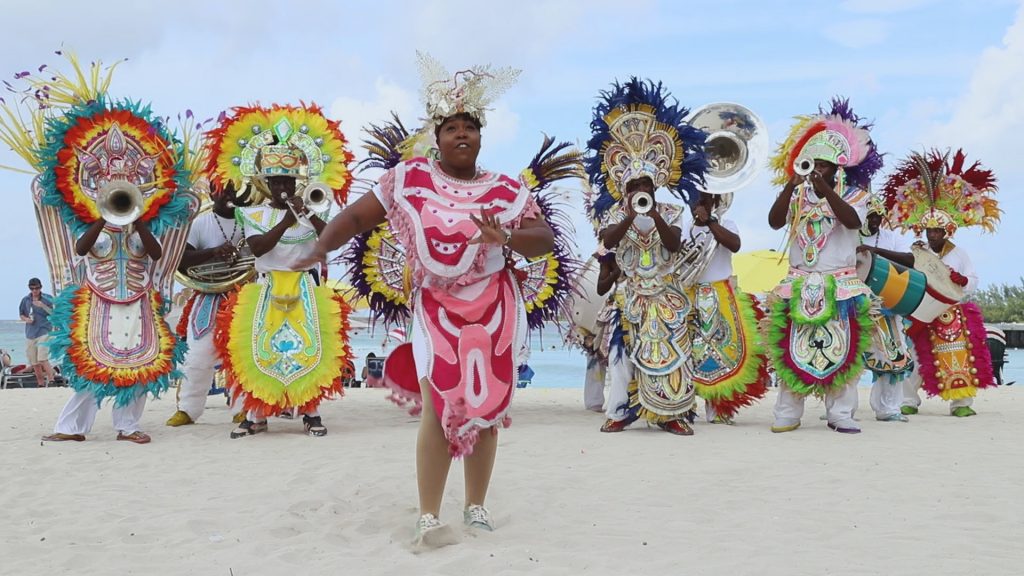
The music video production includes scenes filmed on location at the Sidney Poitier Bridge (Nassau-Paradise Island), Junkanoo Beach (Nassau), Cat Island, and the main Defence Force Base at Coral Harbour in New Providence. The production also includes a salute by Marines aboard the Defence Force’s flagship, Her Majesty’s Bahamian Ship BAHAMAS.
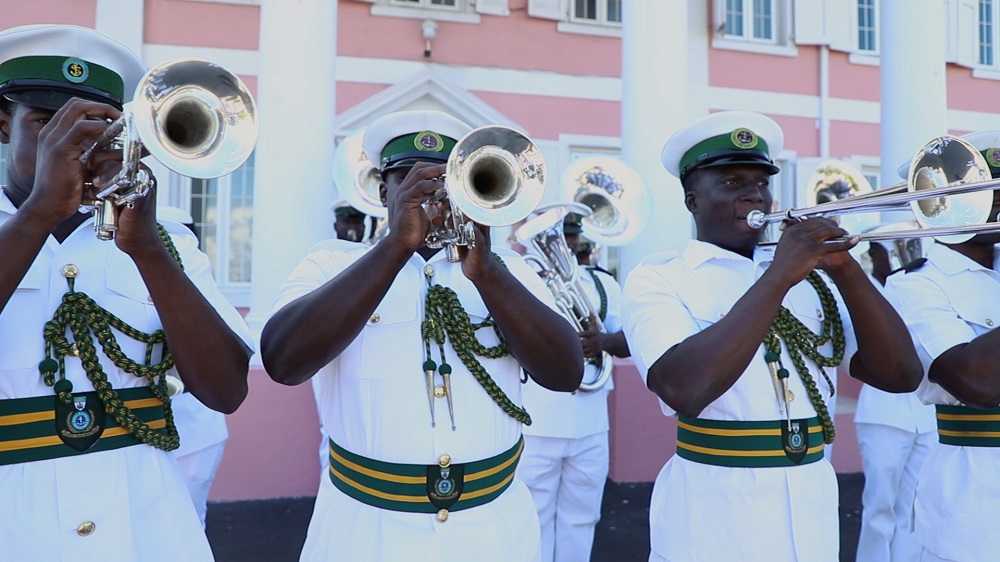
To Sir With Love was originally written by Don Black and arranged by Mike Leander with music by Mark London. The Defence Force version was composed with a Bahamian flair by Sub Lieutenant Kevin Toote, a seagoing officer and musician, and sung by Able Woman Marine Ebony Gibson, a member of the Defence Force Band.
Music for the bideo and radio was performed by the Defence Force Band and directed by Chief Petty Officer Matthew Rolle. The production also features native rake-n-scrape and Junkanoo music.
Petty Officer Anton Gardiner provided drone videography. Film editing was done by Leading Seaman Al Rahming assisted by Defence Force Public Relations staff led by Chief Petty Officer Jonathan Rolle.
Technical support and coordination of activities at film locations were provided by The Bahamas Ministry of Tourism, Reel Time Studio, The Bahamas Bridge Authority, the Royal Bahamas Police Force (Paradise Island Police Station), and volunteers of the Roots Junkanoo Group. Petty Officer Anton Gardiner provided drone videography. Film editing was done by Leading Seaman Al Rahming assisted by Defence Force Public Relations staff led by Chief Petty Officer Jonathan Rolle.
Technical support and coordination of activities at film locations were provided by The Bahamas Ministry of Tourism, Reel Time Studio, The Bahamas Bridge Authority, the Royal Bahamas Police Force (Paradise Island Police Station), and volunteers of the Roots Junkanoo group.
Video Link Attached below:
(For further information please contact the RBDF Public Relations Department or visit our website: www.rbdf.gov.bs, follow us on Facebook, Twitter and view our Youtube channel)
-rbdf-
#GuardOurHeritage
#MarlinSpike
Release: RBDF


The Bahamas, August 27, 2026 – The Royal Bahamas Police Force wishes to inform members of the public that several individuals are scheduled to appear before the Magistrate’s Court on Thursday, 27th August 2026, at 12:00 noon.
The individuals and charges are as follows:
An 18-year-old female is scheduled to be arraigned on the following charges:
Three (3) counts of Murder
Three (3) counts of Attempted Murder
Three (3) counts of Possession of a Firearm with Intent to Endanger Life
Three (3) counts of Possession of an Unlicensed Firearm
Two (2) counts of Possession of Ammunition
Armed Robbery
Abetment to Armed Robbery
Stealing
Receiving
The charges stem from three separate shooting incidents and an armed robbery that occurred on Friday, 21st August 2026, and Saturday, 22nd August 2026.
The first shooting occurred in the area of Soldier Road and Baillou Hill Road, resulting in the death of a 51-year-old male.
The second shooting occurred in the area of Joe Farrington Road, resulting in the death of a 52-year-old male.
The third shooting occurred in the area of Gladstone Road, resulting in the death of a 36-year-old male.
The armed robbery occurred at a business establishment in the area of Carmichael Road and Baillou Hill Road.
A 21-year-old male is scheduled to be arraigned on one charge of:
- Murder
The charge stems from a shooting incident that occurred on Tuesday, 21st July 2026, in the area of Samson Street, Nassau Village, which resulted in the death of a 28-year-old male.
A 32-year-old male is scheduled to be arraigned on the following charges:
- Murder
- Attempted Murder
These charges stem from a shooting incident that occurred on Wednesday, 24th December 2025, in the area of Graham Drive, Yellow Elder, which resulted in the death of a 25-year-old male.
RBPF, PACD
Bahamas News
Bahama Brass Band Invitation Sparks Heritage Debate Ahead of TCI Constitutional Holiday
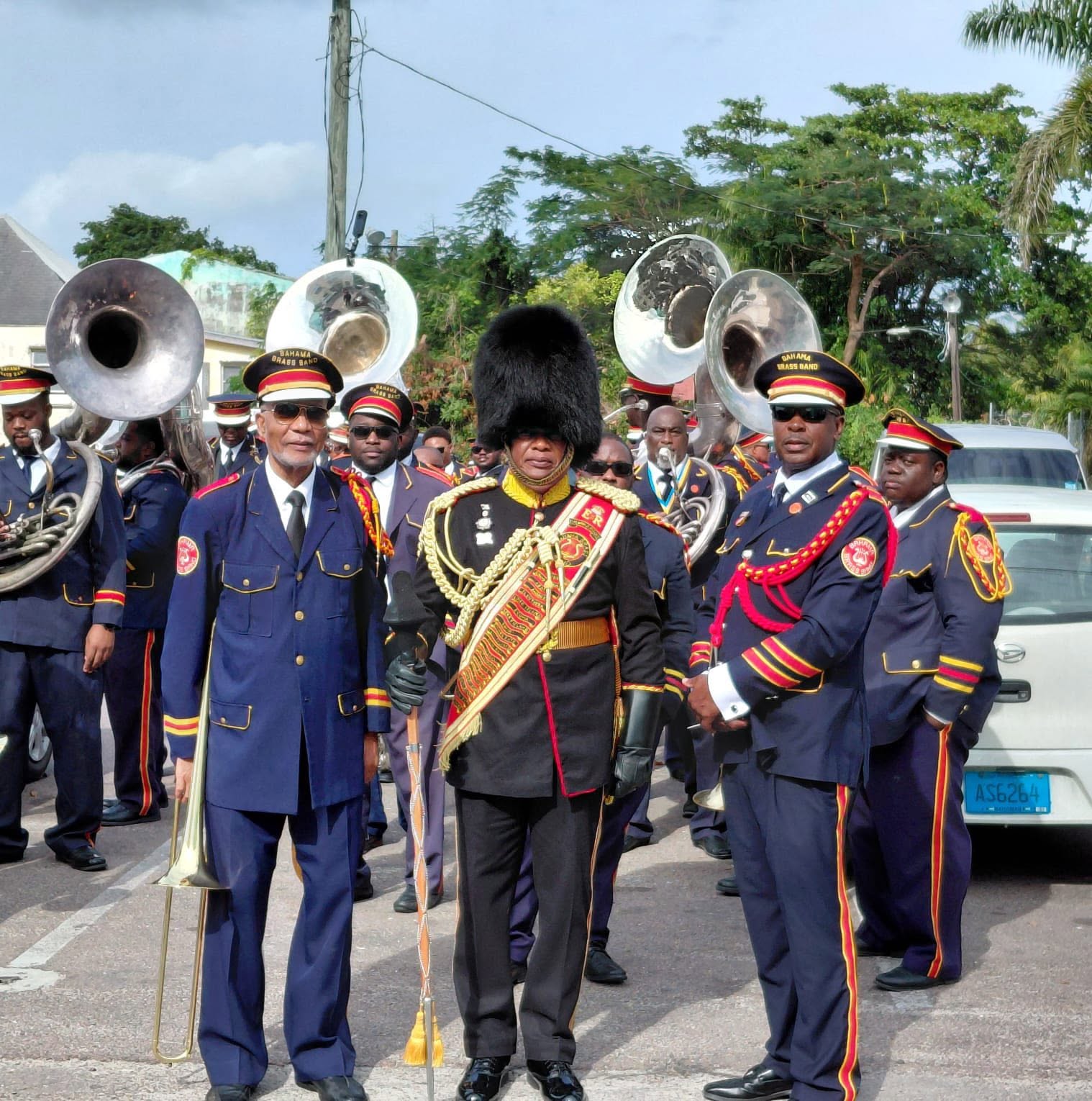
Turks and Caicos, August 20, 2026 – The planned participation of the Bahama Brass Band in the Turks and Caicos Islands’ inaugural Constitutional Holiday celebrations on August 30 has sparked public debate over culture, heritage and the historical contributions of Turks and Caicos Islanders abroad.
Organizers defended the invitation, saying the band’s inclusion is intended to highlight the deep historical ties between the two countries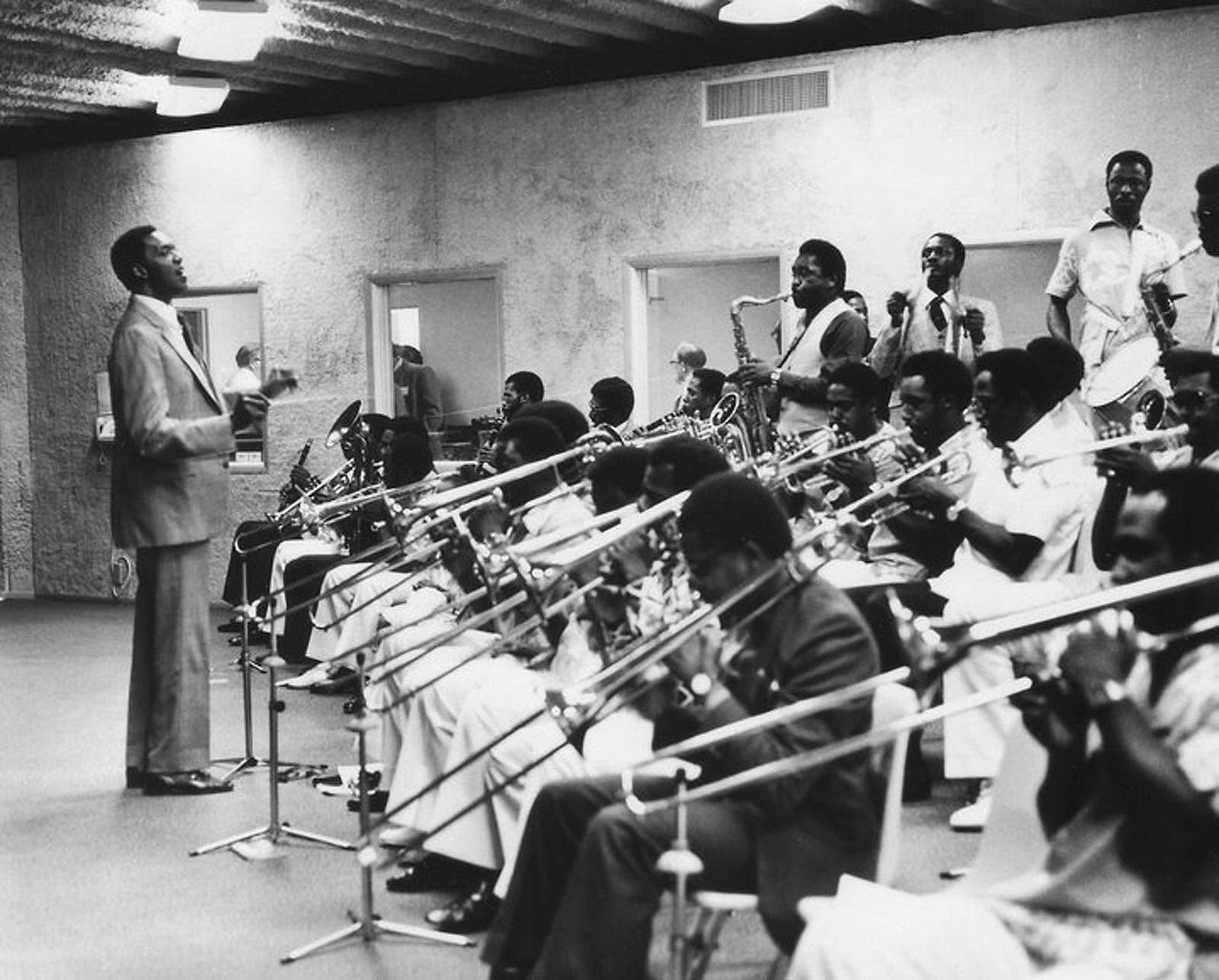 and honor Turks and Caicos men who helped establish and develop the institution in Grand Bahama.
According to the organizers, the Bahama Brass Band began in 1955 in Pine Ridge, Freeport, with Turks and Caicos Islanders, including the late Deacon Reuben Hall Sr. of Middle Caicos and Jenkins Williams and Mervin Hendfield of North Caicos, among those who helped build its foundation. The band eventually grew to more than 50 men.
The organizers also pointed to the participation of Turks and Caicos men in The Bahamas’ Independence celebrations on July 10, 1973, arguing that their contributions became part of Bahamian history while maintaining strong connections to their homeland.
Supporters say bringing the band home represents an opportunity to honor those pioneers, showcase their regional influence and expose younger generations to an important part of Turks and Caicos history.
However, concerns raised publicly described the invitation as potentially disrespectful to local culture and heritage. Organizers acknowledged those concerns, apologizing to anyone who felt overlooked or offended, while maintaining that no disrespect was intended.
The committee said the event should ultimately unite rather than divide, presenting the band’s history as evidence of the reach and resilience of Turks and Caicos heritage.
PHOTO CREDIT: Bahamas Brass Band
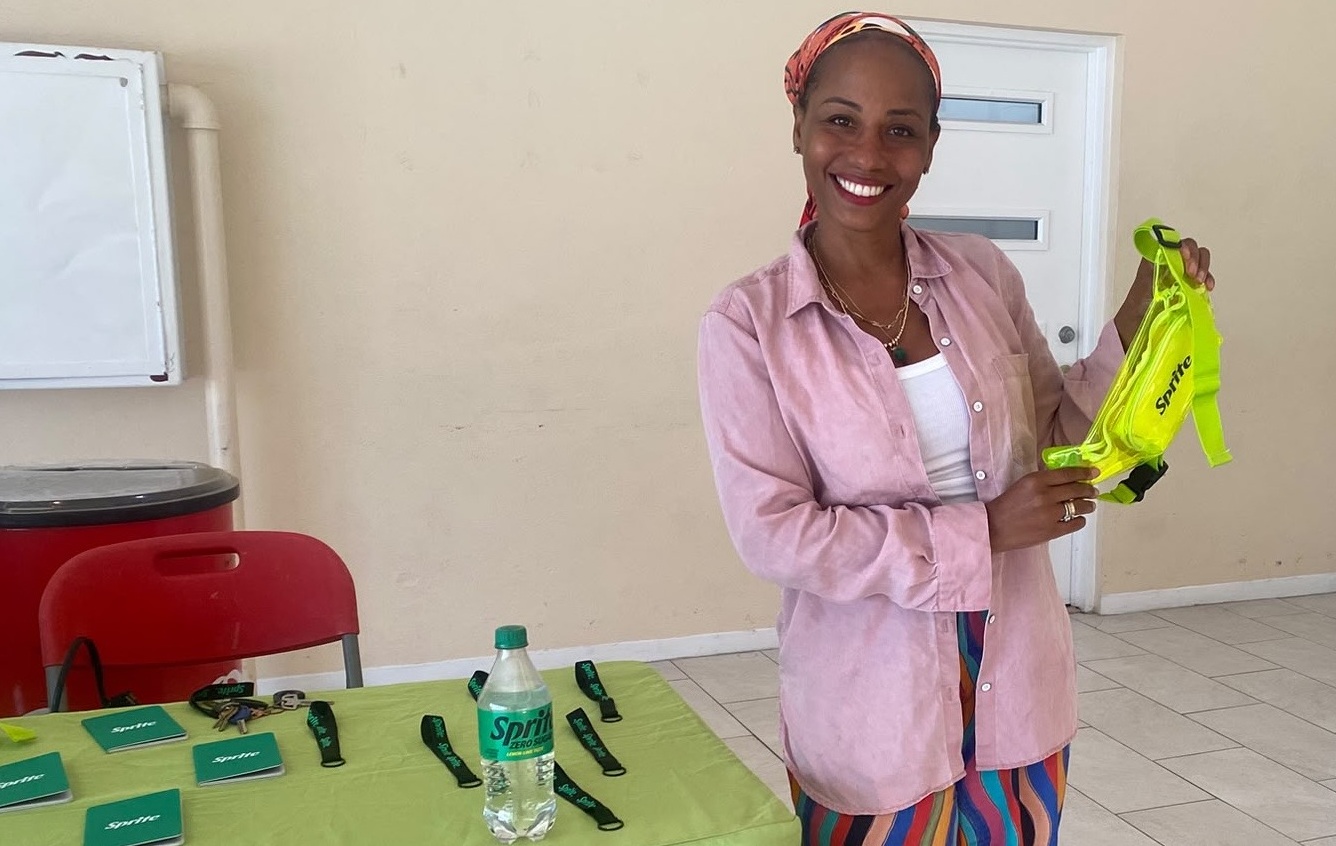
NASSAU, Bahamas — Caribbean Bottling Company (CBC), local producers of Dasani products, proudly sponsored the fifth annual, Caribbean Hoopfest.
The tournament brings together Bahamian high school basketball teams and visiting teams from the United States for a competitive showcase at the Kendal G. L. Isaacs Gymnasium. Following its inaugural year at the Kendal G. L. Isaacs gym and last year’s event at Loyola Hall, the tournament returned to the Kendal G. L. Isaacs gym this year.
During the weekend tournament, CBC kept athletes well hydrated with in-kind donations of Dasani Water, Powerade and Minute Maid Juices.
During the tournament’s final day, CBC provided additional support by offering Sprite No Sugar samples and inviting attendees to participate in its Spin the Wheel for a chance to win exciting prizes.
CBC was proud to support this incredible event, which provides young Bahamian athletes with valuable exposure to U.S. basketball scouts and coaches. This opportunity gives them the chance to earn scholarships, continue their education, and pursue their basketball careers in the United States.
Event organizer, Donald Francois shared his appreciation for CBC’s support.
“I want to express our sincere appreciation for Caribbean Bottling Company, who has been a tremendous supporter and an important part of the success of our program. Without CBC’s support, Caribbean Hoop Fest would not be able to function at the level it does today. And without Caribbean Hoop Fest, we would not have been able to provide the opportunities that have helped young Bahamian athletes gain exposure and pursue educational opportunities in the United States,” he expressed.
Since the program’s inception, several Bahamian student-athletes have been selected for scholarship opportunities, highlighting the tournament’s growing impact on the development and advancement of young basketball talent in The Bahamas.
They are: Kelvin McDowells – Guard, Wodson Antoine – Power Forward, Justin Lafleur – Guard and Sean John – Guard.
After another successful edition of the tournament, Francois shared what he hopes he and Caribbean Bottling Company can achieve in the future.
“Our vision is bigger than basketball. We want to use the platform of Caribbean Hoop Fest to educate, develop, and create opportunities for young people and their families throughout the Bahamas. With individuals and organizations committed to our mission, we believe we can continue to grow the program and make an even greater impact,” Francois said.
For more details on community support, events and new products visit Caribbean Bottling Company at www.cbcbahamas.com today.





-

 Education1 week ago
Department of Education Concludes Four-Day TCI National Standards Secondary School Curriculum Implementation Training
-

 Independent writer6 days ago
Fifty Years of Ministerial Government: Honouring Our Past, Embracing Our Present and Preparing for Our Destiny
-
 News1 week ago
UNDER 40 DAYS: COMMITTEE FORMED—BUT WHO IS ON IT?
-

 Health5 days ago
Know the Possible Warning Signs of Prostate Cancer
-

 News1 week ago
Invest TCI Brings Entrepreneurs and Bankers to the Table
-

 News3 days ago
Liberty Business launches in Turks and Caicos Islands
-
 Education3 days ago
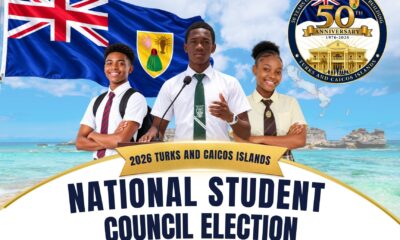
TCI Schools Invited to Participate in 2026 National Student Council Election